

Free Dornod Steppe Travel Guide & Mobile App
Explore Dornod Steppe with free travel guides. Discover regional history, expert tips, proposed trips, and audio guides on web or mobile app.


Explore Dornod Steppe in eastern Mongolia for vast grasslands, migratory wetlands, wildlife, ger hospitality and Khalkhin Gol history.
Read more about Dornod Steppe
When is the best time to visit Dornod Steppe?
Best: May–June, August · 21–27°C| Month | High (°C) | Rainfall (mm) |
|---|---|---|
| January | -11 | 3 |
| February | -8 | 3 |
| March | 2 | 4 |
| April | 14 | 7 |
| May (best) | 21 | 14 |
| June (best) | 27 | 25 |
| July | 29 | 35 |
| August (best) | 27 | 25 |
| September | 20 | 12 |
| October | 12 | 7 |
| November | 2 | 4 |
| December | -9 | 3 |
Getting to and around Dornod Steppe
How to get there
Transportation
Best landmarks in Dornod Steppe
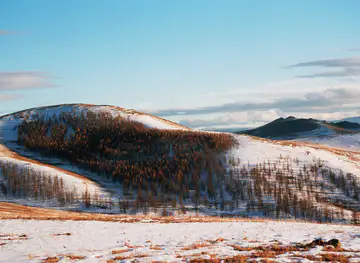
The most significant landmarks of Dornod Steppe are often environmental or commemorative rather than monumental. Buir Lake is the region’s foremost natural landmark, a large transboundary lake whose open water and reed-fringed edges stand out within the eastern grasslands. The broad Menen and Matad plains express the visual character of the steppe itself, with exceptionally open horizons and landscapes shaped by mobile pastoralism and Mongolian gazelle habitat. Around Khalkhgol, memorials, monuments and battlefield sites mark the 1939 conflict; their importance lies in the way they connect this remote terrain to wider twentieth-century history. Choibalsan’s civic buildings and Soviet-era urban layout provide a different kind of landmark, reflecting the city’s role in socialist administration and regional development. Protected-area landscapes in Mongol Daguur, Dornod Mongol and Numrug are also places of lasting geographical significance, although their remoteness requires permits, local advice and a careful approach to conservation. None should be treated as open-air theme parks: their value depends on the integrity of the land and the communities living around it.
-
National park
Dornod Mongol
Explore the stunning landscapes and rich biodiversity of Dornod Mongol National Park, a tranquil haven for nature lovers and adventure seekers alike.
-
Tourist attraction
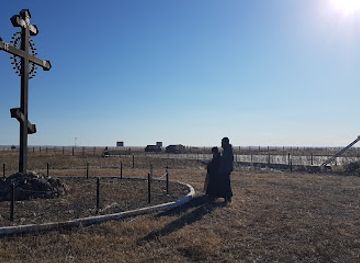
Poklonnyy Krest Na Styke Granits Rossii, Mongolii I Kitaya
Explore the Poklonnyy Krest, a stunning monument at the crossroads of Russia, Mongolia, and China, rich in culture and natural beauty.

Explore Dornod Steppe on the map
Plan your trip on one map. See where the top cities, national parks and sights are, and book hotels and experiences in a few clicks.
Best hotels in Dornod Steppe
Best restaurants in Dornod Steppe
Dining in Dornod is centred on Mongolian home cooking, simple cafés and restaurants in Choibalsan, provisions carried for overland journeys and meals prepared at ger camps. Mutton and beef are common, alongside buuz dumplings, khuushuur fried pastries, noodle dishes, rice and milk tea; these belong to the wider Mongolian culinary tradition rather than being exclusive to the eastern steppe. In pastoral areas, dairy products such as dried curds, cream and yoghurt may be offered seasonally, while local households’ menus depend on livestock, weather and supplies brought from town. Choibalsan is the most reliable place for varied meals and shopping for snacks, bottled water and provisions. Visitors should expect straightforward service and limited choice outside the provincial capital. At a family ger, accept offered food politely, ask about ingredients when necessary and avoid waste. Vegetarian, vegan and allergy-friendly requirements should be explained clearly in advance, particularly when travelling far from established restaurants.
-
Italian
DeQuattro by Rosewood
Experience authentic Italian flavors at DeQuattro by Rosewood in Ulaanbaatar - where every meal is a celebration of taste.
-
Restaurant
Veranda
Discover the exquisite flavors of Ulaanbaatar at Veranda - where fine dining meets exceptional wine selection.
-
Restaurant
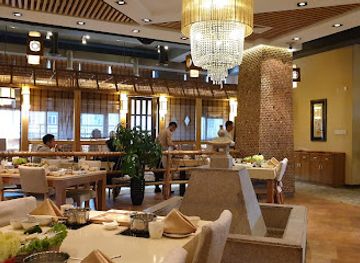
The Bull Hot Pot Restaurant
Experience authentic Mongolian hot pot at The Bull Hot Pot Restaurant in Ulaanbaatar—where every meal is a communal celebration.
-
Mediterranean
Choijin Temple Restaurant
Experience authentic Mediterranean cuisine in Ulaanbaatar at Choijin Temple Restaurant – where flavor meets tradition.



Best bars in Dornod Steppe
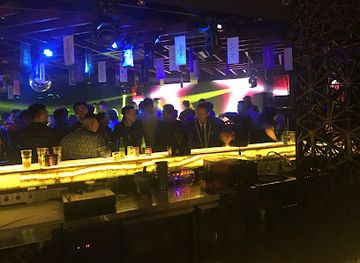
Dornod’s evening life is concentrated in Choibalsan, where restaurants, cafés, hotel lounges and modest bars provide the main opportunities for socialising after dark. The city does not have the extensive club circuit found in Ulaanbaatar, and smaller settlements generally close early, with evenings revolving around family homes, ger camps or simple local eateries. Travellers may encounter karaoke and occasional live entertainment in urban venues, but schedules and operating arrangements are changeable. Away from Choibalsan, it is more realistic to expect tea, shared meals and conversation at a camp than nightlife in the conventional sense. Alcohol is available in urban areas, yet remote travel makes moderation especially important because medical assistance and transport are limited. Ger camps and households should be treated as places of hospitality and rest rather than informal bars, and visitors should follow their hosts’ expectations about noise, timing and consumption.
-
Cocktail bar
Bitsy & Co.
Discover the vibrant nightlife of Ulaanbaatar at Bitsy & Co., a stylish cocktail bar offering exquisite drinks and a chic atmosphere.

Best nightclubs in Dornod Steppe
Dornod’s evening life is concentrated in Choibalsan, where restaurants, cafés, hotel lounges and modest bars provide the main opportunities for socialising after dark. The city does not have the extensive club circuit found in Ulaanbaatar, and smaller settlements generally close early, with evenings revolving around family homes, ger camps or simple local eateries. Travellers may encounter karaoke and occasional live entertainment in urban venues, but schedules and operating arrangements are changeable. Away from Choibalsan, it is more realistic to expect tea, shared meals and conversation at a camp than nightlife in the conventional sense. Alcohol is available in urban areas, yet remote travel makes moderation especially important because medical assistance and transport are limited. Ger camps and households should be treated as places of hospitality and rest rather than informal bars, and visitors should follow their hosts’ expectations about noise, timing and consumption.
-
Night club
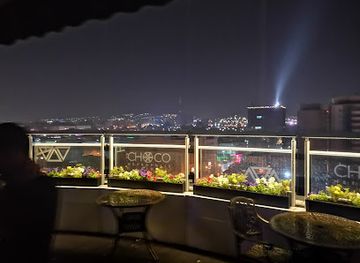
CHOCO CLUB ULAANBAATAR
Dive into the vibrant nightlife of Ulaanbaatar at Choco Club, where music, dance, and cocktails blend for an unforgettable experience.
-
Night club
MINT Club
MINT Club: Dive into Ulaanbaatar's electrifying nightlife at this premier night club and lounge, where music and style meet.
-
Night club
ZU CLUB
Discover Ulaanbaatar's nightlife at ZU CLUB, a vibrant night club with electrifying music, lively crowds, and unforgettable experiences.
-
Night club
Castle Club
Discover the dynamic nightlife of Ulaanbaatar at Castle Club, the largest club in Mongolia, where vibrant music and lively crowds await.

Best shops in Dornod Steppe
Shopping in Dornod is practical and locally focused, with Choibalsan offering the widest choice of supermarkets, general shops, markets and small independent businesses. Travellers can purchase Mongolian snacks, dairy products, woollen goods, felt items, cashmere and useful supplies for long road journeys, although selection is more limited than in Ulaanbaatar. Souvenirs associated with the eastern steppe are most appropriately bought from established craftspeople, cooperative-style outlets or reputable shops rather than from archaeological sites or protected areas. In rural districts, informal stalls and local shops may sell food, household goods and seasonal products, but opening arrangements and stock vary. A ger camp or family visit may provide opportunities to buy handmade felt or wool items when the maker is clearly willing to sell; bargaining should remain courteous and realistic. Carry cash outside Choibalsan, protect fragile purchases during rough road travel and do not buy fossils, antiquities, animal parts or objects whose origin cannot be explained.
-
Shopping mall
Hunnu Mall
Explore Hunnu Mall: A modern shopping experience in Ulaanbaatar, combining local culture with diverse retail and dining options.
-
Shopping mall
Naran Mall
Discover Naran Mall, Ulaanbaatar's premier shopping destination featuring a wide range of international brands, dining options, and vibrant entertainment.
-
Gift shop
Mary & Martha Mongolia
Explore the artistic essence of Mongolia at Mary & Martha Mongolia, your destination for unique handicrafts and cultural souvenirs.
-
Store
Made in Mongolia Store
Explore the Made in Mongolia Store in Ulaanbaatar for unique handcrafted souvenirs and a taste of authentic Mongolian culture.


Get your free copy of our complete guide to Dornod Steppe, delivered straight to you.
Everything on this page, from attractions and restaurants to essentials and local phrases, in one PDF you can read offline, print or share.
Already have an account? Sign in
Your Dornod Steppe guide is ready.
We'll send it to · Not you? Sign out

Getting your guide ready…
We are putting together a fresh copy of the Dornod Steppe guide. This can take up to a minute.
This can take a few moments. If your browser asks, choose Allow so the download can start. You'll find the guide in your Downloads folder.
Nothing happened? Download it again
Sorry, the guide is taking longer than usual. Please try again in a minute, or get it by email instead.
Dornod Steppe essentials
Currency and Payment
Safety
Emergency Situations
Do's and Don'ts
Local Tips
From Eve
Local phrases worth knowing
You don't need to get them perfect. A few words go a long way, and locals appreciate the effort.
Basics
| English | Local | Say it |
|---|---|---|
| Hello | Сайн уу | [Sain uu] |
| Goodbye | Баяртай | [Bayartai] |
| Yes | Тийм | [Tiim] |
| No | Үгүй | [Ügüi] |
| Please/You're welcome | Гуйя / Зүгээр | [Guiya / Zügeer] |
| Thank you | Баярлалаа | [Bayarlalaa] |
| Excuse me/Sorry | Уучлаарай | [Uuchlaarai] |
| How are you? | Чи ямар байна? | [Chi yamar baina?] |
| Fine. And you? | Сайн. Чи? | [Sain. Chi?] |
| Do you speak English? | Та англиар ярьдаг уу? | [Ta angliar yaryadag uu?] |
| I don't understand | Би ойлгохгүй байна | [Bi oilgokhgui baina] |
Eating & Drinking
| English | Local | Say it |
|---|---|---|
| I'd like to see the menu, please | Миний менюг харахыг хүсч байна уу? | [Minii menyug kharakhyg khüsch baina uu?] |
| I don't eat meat | Би мах иддэггүй | [Bi makh iddeggui] |
| Cheers! | Сайн сайхны төлөө! | [Sain saikhny töltöö!] |
| I would like to pay, please | Би төлбөрөө хийхийг хүсч байна | [Bi tölböröö khiikhig khüsch baina] |
Emergencies
| English | Local | Say it |
|---|---|---|
| Help! | Туслаач! | [Tuslaach!] |
| Go away! | Яваад өгөөрэй! | [Yavaad ögööré!] |
| Call the Police! | Цагдааг дууд! | [Tsagdaag duud!] |
| Call a doctor! | Эмч дууд! | [Emch duud!] |
| I'm lost | Би алга болсон | [Bi alga bolson] |
| I'm ill | Би өвдсөн | [Bi övdson] |
Shopping
| English | Local | Say it |
|---|---|---|
| I'd like to buy... | Би ... худалдаж авахыг хүсч байна | [Bi ... khudaldaj avakhyg khüsch baina] |
| I'm just looking | Би зөвхөн харж байна | [Bi zövhön kharj baina] |
| How much is it? | Энэ хэд вэ? | [Ene khed ve?] |
| That's too expensive | Энэ хэт үнэтэй байна | [Ene khet ünetei baina] |
| Can you lower the price? | Та үнийг бууруулж чадах уу? | [Ta üning buurulj chadah uu?] |
Time & Numbers
| English | Local | Say it |
|---|---|---|
| What time is it? | Ямар цаг вэ? | [Yamar tsag ve?] |
| It's one o'clock | Нэг цаг боллоо | [Neg tsag bolloo] |
| Half past (10) | 10 цаг 30 минут | [10 tsag 30 minut] |
| Morning | Өглөө | [Öglöö] |
| Afternoon | Үдээс хойш | [Üdées khoish] |
| Evening | Орой | [Oroy] |
| Yesterday | Өчигдөр | [Öchigdör] |
| Today | Өнөөдөр | [Önöödör] |
| Tomorrow | Маргааш | [Margaash] |
| 1 | Нэг | [Neg] |
| 2 | Хоёр | [Khoir] |
| 3 | Гурван | [Gurvan] |
| 4 | Дөрвөн | [Dörvön] |
| 5 | Таван | [Tavan] |
| 6 | Зургаа | [Zurgaa] |
| 7 | Долоо | [Dolog] |
| 8 | Найм | [Naim] |
| 9 | Ес | [Yes] |
| 10 | Арван | [Arvan] |
Transport & Directions
| English | Local | Say it |
|---|---|---|
| Where's a/the...? | Энд ... хаана байна? | [End ... khaana baina?] |
| What's the address? | Хаяг юу вэ? | [Khayag yu ve?] |
| Can you show me (on the map)? | Та надад (газрын зураг дээр) харуулж чадах уу? | [Ta nadad (gazryn zurag deer) kharuulj chadah uu?] |
| When's the next (bus)? | Дараагийн (автобус) хэзээ ирэх вэ? | [Daraagiin (avtobus) khezee irekh ve?] |
| A ticket (to ....) | Би (....) руу билет авмаар байна | [Bi (....) ruu bilet avmaar baina] |
History of Dornod Steppe
Ancient Steppe Cultures and Nomadic Pastoralism
The grasslands of eastern Mongolia have long supported mobile pastoral communities whose livelihoods were shaped by seasonal water, pasture and weather. Archaeological traces across the wider eastern steppe include burial sites, stone monuments and material linked to successive nomadic societies. The region’s open terrain also formed part of the wider corridor through which peoples, animals, technologies and political influences moved between the Mongolian plateau, Manchuria and the Eurasian interior. Pastoralism remains visible today, although modern transport, administrative borders and market systems have altered how herding families use the land.
Imperial Mongolia and the Eastern Frontier
The eastern grasslands formed part of the political world associated with the Mongol Empire and later Mongolian khanates. Their location gave them strategic importance as a meeting zone between the Mongolian plateau and the settled and semi-settled societies to the east. Control was exercised through mobile power, tribute relationships, seasonal movement and fortified or administrative centres rather than through dense urban settlement. The historical memory of Chinggis Khaan and the Mongol imperial period is national in scope, but eastern Mongolia’s open routes and frontier position help explain the region’s long military and political significance.
Qing Rule and the Administrative Transformation of Mongolia
From the seventeenth century until the early twentieth century, Mongolia was incorporated into the Qing imperial system. Eastern Mongolian territories were governed through banner and league structures, which organised aristocratic authority, pastoral obligations and relations with neighbouring regions. Qing-era rule also strengthened the significance of border management and trade routes towards Manchuria. The administrative geography changed repeatedly after the collapse of Qing authority, but the period left a legacy of frontier politics, shifting jurisdiction and connections between eastern Mongolia and the lands beyond today’s international borders.
The People’s Revolution and Socialist Development
Mongolia’s transformation into a socialist state in the twentieth century brought stronger central administration, collectivised economic organisation and the expansion of permanent settlements. Choibalsan grew as the principal urban and administrative centre of the east and was named after Khorloogiin Choibalsan, a leading figure in the Mongolian People’s Republic. Schools, clinics, roads, state farms and service institutions altered life across the steppe. Many buildings and urban layouts in Choibalsan still reflect this period, while the continuing importance of herding shows that modern administration did not erase the region’s pastoral foundations.
The Khalkhin Gol Conflict, 1939
In 1939, fighting around the Khalkhin Gol, or Nomonhan, became a major armed conflict involving Mongolian and Soviet forces against Japanese and Manchukuo forces. Battles took place across the eastern borderlands and involved tanks, aircraft and large formations in a contest over the frontier between Mongolia and Japanese-controlled Manchuria. The Soviet–Mongolian victory influenced the strategic balance in East Asia before the Second World War. Memorials, museums and battlefield sites around Khalkhgol preserve this history, although the remote terrain means visits require planning and local guidance.
Post-Socialist Change and Conservation
After Mongolia adopted a democratic system and market economy in the early 1990s, state farms and collective structures were dismantled or reorganised, and livestock ownership returned largely to private households. Eastern herding communities consequently faced both new economic opportunities and heightened exposure to drought, severe winters, market fluctuations and distance from services. At the same time, protected areas such as Mongol Daguur, Dornod Mongol and Numrug gained importance for conserving wetlands, steppe habitats and migratory species. Contemporary Dornod is therefore shaped by the interaction of pastoral livelihoods, border administration, conservation and cautious tourism development.
Dornod Steppe in Photos
Browse through our photo collection highlighting the charm and character of the destination.
Neighbouring regions of Dornod Steppe
The closest regions to Dornod Steppe, if you have time for more than one.
-

-

-

-

-


Swipe for more regions
Explore more

Explore more of Mongolia
Discover Mongolia: From the vast steppes and towering mountains to the rich nomadic culture and ancient traditions, experience the land of eternal blue sky.
Explore Mongolia