

Mongolian-Manchurian Grassland, Mongolia Travel Guide
Explore the vast, untouched beauty of the Mongolian-Manchurian Grassland, a paradise for nature lovers, wildlife enthusiasts, and cultural explorers.
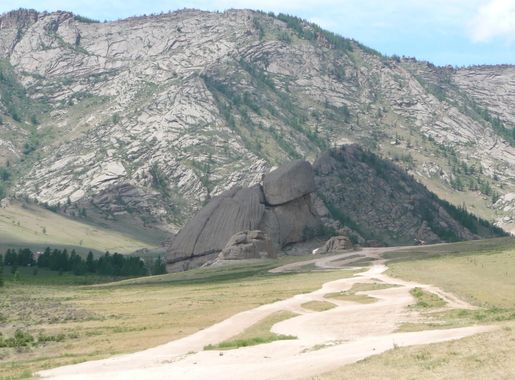
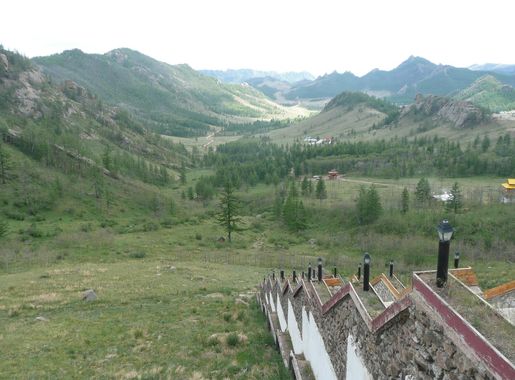
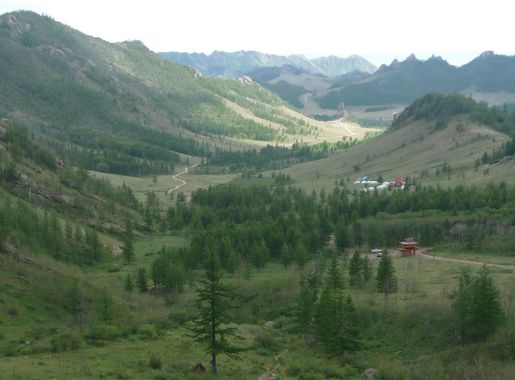
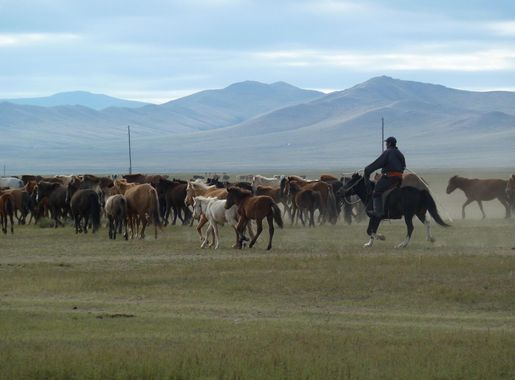
The Mongolian-Manchurian Grassland is a vast and stunning landscape that spans across Mongolia. This unique region is characterized by its rolling steppes, expansive plains, and rich biodiversity. It is a paradise for nature lovers and adventure seekers alike. The grassland is home to a variety of wildlife, including the iconic Mongolian wild horse, known as the Przewalski's horse. Birdwatchers will also be delighted by the numerous bird species that inhabit this area, making it a prime spot for birdwatching. The grassland’s untouched beauty provides a perfect setting for photography, offering endless opportunities to capture breathtaking vistas. Visitors to the Mongolian-Manchurian Grassland can immerse themselves in the traditional nomadic culture of Mongolia. Experience the hospitality of the local herders, stay in a traditional ger (yurt), and participate in daily activities such as milking yaks or herding sheep. The grassland also serves as a historical treasure, with ancient sites and monuments that tell stories of Mongolia’s rich past.

Know before you go
Hi, I'm Eve. Here are a few practical things to know before exploring Mongolian-Manchurian Grassland.
- Best visited in late spring or early autumn to enjoy mild temperatures and vibrant landscapes.
- Stay in a traditional ger for an authentic Mongolian experience.
- Hire a local guide to learn about the region's wildlife and cultural heritage.
- Pack warm clothing, even in summer, as temperatures can drop significantly at night.
- Respect local customs and traditions, especially when visiting nomadic families.
Top City Travel Guides in Mongolian-Manchurian Grassland
The cities of Mongolian-Manchurian Grassland, and the easiest places to base yourself.


Destinations in Mongolian-Manchurian Grassland
Resorts, valleys and scenic spots worth a trip of their own.


Explore Mongolian-Manchurian Grassland: Things to Do, Places to Eat, Hotels & More
Handpicked recommendations for top attractions, local dining, accommodations, and more

Top Attractions & Sightseeing in Mongolian-Manchurian Grassland
Top-rated picks
Best Attractions

Erdene Zuu Monastery
Explore the serene Erdene Zuu Monastery, Mongolia's first Buddhist site, rich in history and stunning architecture nestled near the ancient capital of Kharkhorin.

Chinggis Khaan National Museum
Explore Mongolia's rich history and the legacy of Genghis Khan at the Chinggis Khaan National Museum in Ulaanbaatar.

Gobi Gurvan Saikhan National Park
Discover the majestic landscapes and unique wildlife of Gobi Gurvan Saikhan National Park, a remarkable natural paradise in Mongolia's South Gobi region.

Kharakhorum Museum
Explore Mongolia's rich history at the Kharakhorum Museum, showcasing archaeological treasures from the era of the Mongol Empire.

Best landmarks in Mongolian-Manchurian Grassland
Top-rated picks
Best Landmarks
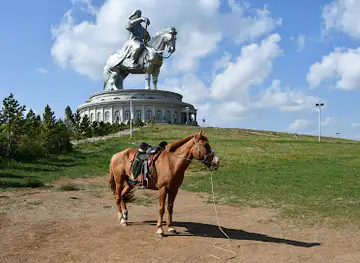
Chinggis Khaan Statue Complex
Discover the grandeur of Mongolia's heritage at the iconic Chinggis Khaan Statue Complex, a celebration of history, culture, and breathtaking views.
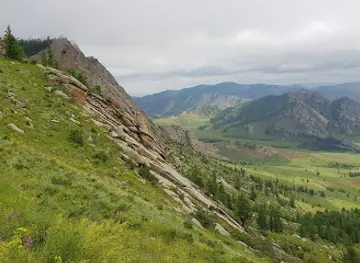
Gorkhi Terelj National Park
Explore Gorkhi Terelj National Park, a stunning natural paradise near Ulaanbaatar filled with breathtaking landscapes, rich wildlife, and cultural experiences.

Zaisan Monument
Discover the Zaisan Monument in Ulaanbaatar, a historic landmark celebrating the Mongolia-Soviet friendship with stunning views and rich cultural significance.

Bogd Khaan Palace Museum
Explore Mongolia's royal past at the Bogd Khaan Palace Museum, a historical gem filled with rich artifacts and stunning architecture.

Best restaurants in Mongolian-Manchurian Grassland
Top-rated picks
Best Restaurants

DeQuattro by Rosewood
Experience authentic Italian flavors at DeQuattro by Rosewood in Ulaanbaatar's vibrant Tumen Center.

The Bull Hot Pot Restaurant
Experience authentic Mongolian flavors at The Bull Hot Pot Restaurant – where culinary adventure meets tradition in every bite.

Little Sheep Hot Pot Restaurant, Galleria Ulaanbaatar
Discover authentic Mongolian hot pot at Little Sheep Hot Pot Restaurant in Ulaanbaatar – a culinary delight with fresh ingredients and vibrant flavors.

Café Park Buffet Restaurant⭐⭐⭐⭐⭐
Discover a world of flavors at Café Park Buffet Restaurant in Ulaanbaatar - where diverse cuisines meet exceptional dining.

Best bars in Mongolian-Manchurian Grassland
Top-rated picks
Best Bars

DeQuattro by Rosewood
Experience the charm of Italian dining at DeQuattro by Rosewood, a must-visit bistro in Ulaanbaatar, Mongolia.
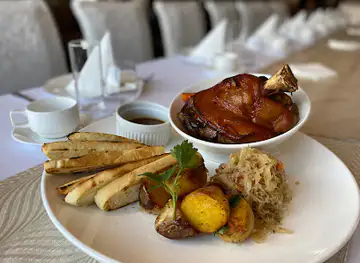
Grand Khaan Irish Pub
Experience the lively ambiance and diverse menu at Grand Khaan Irish Pub, a top destination for tourists in Ulaanbaatar.

The Bull Hot Pot Restaurant
Discover authentic Mongolian hot pot dining at The Bull Hot Pot Restaurant in Ulaanbaatar, where tradition meets flavor in a communal dining experience.

Veranda
Experience the finest culinary delights at Veranda in Ulaanbaatar, where exquisite dining meets an extensive selection of wines, all in a sophisticated setting.

Best nightclubs in Mongolian-Manchurian Grassland
Top-rated picks
Best Nightclubs

Fat Cat Jazz Club Ulaanbaatar
Discover the heart of Ulaanbaatar's jazz scene at Fat Cat Jazz Club, where live music and vibrant nightlife converge for an unforgettable experience.

CHOCO CLUB ULAANBAATAR
Experience the electrifying nightlife of Ulaanbaatar at CHOCO CLUB, where music, ambiance, and fun collide in an unforgettable party atmosphere.

The ILoft Function House
Immerse yourself in Ulaanbaatar's vibrant nightlife at The ILoft Function House, where music and dance come alive until dawn.

MINT Club
Discover the vibrant nightlife of Ulaanbaatar at MINT Club, where music, dance, and local culture come together for an unforgettable experience.

Best shops in Mongolian-Manchurian Grassland
Top-rated picks
Best Shops

State Department Store
Discover the best of Mongolian culture and luxury shopping at Ulaanbaatar's State Department Store, where tradition meets modernity.

Narantuul Market
Experience the lively atmosphere of Narantuul Market in Ulaanbaatar, where local crafts, fresh produce, and authentic flavors come together.

Shangri-La Ulaanbaatar
Discover the elegance of Shangri-La Ulaanbaatar, a luxurious retreat in Mongolia's vibrant capital, offering exquisite dining, stunning views, and opulent accommodations.

E-mart Khan-Uul
Discover the ultimate shopping experience at E-mart Khan-Uul, Ulaanbaatar's largest hypermarket, featuring a vast selection of local and international products.

Explore Mongolian-Manchurian Grassland on the Map
A handpicked selection of must-see spots in Mongolian-Manchurian Grassland, mapped for you.
Mongolian-Manchurian Grassland Essentials
-
The Mongolian-Manchurian Grassland is best accessed via Mongolia's capital, Ulaanbaatar. Chinggis Khaan International Airport (ULN) is the main entry point for international travelers. From Ulaanbaatar, you can take domestic flights or long-distance buses to reach various parts of the grassland. Alternatively, renting a car provides flexibility and the opportunity to explore at your own pace.
-
Within the Mongolian-Manchurian Grassland, transportation options include local buses, shared taxis, and rented vehicles. For a more immersive experience, consider horseback riding or cycling. Public transport is sparse in rural areas, so renting a car or hiring a local guide with a vehicle is highly recommended for extensive exploration.
-
The official currency in Mongolia is the Mongolian Tögrög (MNT). Credit cards are accepted in larger towns and tourist areas, but rural locations often operate on a cash-only basis. It is advisable to carry sufficient cash, especially in remote areas. ATMs are available in larger towns, but may be scarce in rural parts of the grassland.
-
Mongolian-Manchurian Grassland is generally safe for tourists. However, it is advisable to take standard precautions such as avoiding walking alone at night and keeping an eye on personal belongings in crowded places. While there are no specific high-crime areas targeting tourists, it is always best to stay vigilant. Petty theft can sometimes occur in busy markets and tourist spots.
-
In case of an emergency, dial 102 for police assistance and 103 for medical emergencies. It is advisable to have travel insurance that covers medical emergencies. Major towns have hospitals and clinics, but medical facilities in rural areas are limited. Carry a basic first aid kit and any necessary prescription medications. For minor health issues, pharmacies are available in larger towns.
-
Fashion: Do wear comfortable and weather-appropriate clothing. Layers are essential due to fluctuating temperatures. Avoid overly revealing attire. Religion: Do respect local customs and traditions. Remove your shoes when entering gers (traditional yurts) and religious sites. Public Transport: Do be courteous and offer seats to elderly passengers. Don’t eat or drink on public transport. Greetings: Do greet people with a slight nod or handshake. A friendly smile goes a long way. Eating & Drinking: Do try local delicacies and accept food offerings graciously. Don’t refuse hospitality, as it is considered impolite.
-
To experience the Mongolian-Manchurian Grassland like a local, consider staying in a traditional ger and participating in local activities such as horseback riding, archery, and wrestling. Engage with nomadic families to learn about their way of life. Visit local markets for fresh produce and handmade crafts. Don't miss the Naadam Festival, which showcases traditional Mongolian sports and culture.
When is the best time to visit Mongolian-Manchurian Grassland?
Useful Local Phrases for Mongolian-Manchurian Grassland
You don't need to speak the language perfectly. Even learning a few simple words can make conversations warmer—and locals usually appreciate the effort.
— Eve

Here are the phrases I use most often in Mongolian-Manchurian Grassland. Try a few—you'll be surprised how far they go! 😊
❤️
-
- HelloСайн байна уу
[Sain baina uu] - GoodbyeБаяртай
[Bayartai] - YesТийм
[Tiim] - NoҮгүй
[Ugui] - Please/You're welcomeГуйя
[Guiya] - Thank youБаярлалаа
[Bayarlalaa] - Excuse me/SorryУучлаарай
[Uuchlaarai] - How are you?Та сайн уу?
[Ta sain uu?] - Fine. And you?Сайн. Та?
[Sain. Ta?] - Do you speak English?Та англиар ярьдаг уу?
[Ta angliar yaryadag uu?] - I don't understandБи ойлгохгүй байна
[Bi oilgokhgui baina]
- HelloСайн байна уу
-
- I'd like to see the menu, pleaseБи менюг харахыг хүсч байна
[Bi menyug kharakhyg khüsch baina] - I don't eat meatБи мах иддэггүй
[Bi makh iddeggui] - Cheers!Сайхан цайлаарай!
[Saikhan tsailaarai!] - I would like to pay, pleaseБи төлбөрөө хийхийг хүсч байна
[Bi tölböröö khiikhig khüsch baina]
- I'd like to see the menu, pleaseБи менюг харахыг хүсч байна
-
- Help!Туслаач!
[Tuslaach!] - Go away!Зайлаач!
[Zailaach!] - Call the Police!Цагдааг дуудаарай!
[Tsagdaag duudaarai!] - Call a doctor!Эмч дуудаарай!
[Emch duudaarai!] - I'm lostБи алга болсон
[Bi alga bolson] - I'm illБи өвдсөн
[Bi övdson]
- Help!Туслаач!
-
- I'd like to buy...Би ... худалдаж авахыг хүсч байна
[Bi ... khudaldaj avakhyg khüsch baina] - I'm just lookingБи зүгээр л харж байна
[Bi zügereer l kharj baina] - How much is it?Энэ хэд вэ?
[Ene khed ve?] - That's too expensiveЭнэ хэт үнэтэй
[Ene khet ünetei] - Can you lower the price?Үнэ буулгаж чадах уу?
[Üne buulgaj chadah uu?]
- I'd like to buy...Би ... худалдаж авахыг хүсч байна
-
- What time is it?Одоо хэдийн цаг вэ?
[Odoo khediin tsag ve?] - It's one o'clockНэг цаг болсон
[Neg tsag bolson] - Half past (10)Арван цаг хагас
[Arvan tsag khagas] - MorningӨглөө
[Öglöö] - AfternoonҮдээс хойш
[Üdees khoish] - EveningОрой
[Oroi] - YesterdayӨчигдөр
[Öchigdör] - TodayӨнөөдөр
[Önöödör] - TomorrowМаргааш
[Margaash] - 1Нэг
[Neg] - 2Хоёр
[Khoyor] - 3Гурав
[Gurav] - 4Дөрөв
[Döröv] - 5Тав
[Tav] - 6Зургаа
[Zurgaa] - 7Долоо
[Doloo] - 8Найм
[Naim] - 9Ес
[Yes] - 10Арав
[Arav]
- What time is it?Одоо хэдийн цаг вэ?
-
- Where's a/the...?Яг хаана...?
[Yag khaana...?] - What's the address?Хаяг нь юу вэ?
[Khayag ni yu ve?] - Can you show me (on the map)?Та надад (газрын зураг дээр) харуулж өгч чадах уу?
[Ta nadad (gazryn zurag deer) kharuulj ögch chadah uu?] - When's the next (bus)?Дараагийн (автобус) хэзээ вэ?
[Daraagiin (avtobus) khedzee ve?] - A ticket (to ....)Билет (.... руу)
[Bilet (.... ruu)]
- Where's a/the...?Яг хаана...?
History of Mongolian-Manchurian Grassland
-
The Mongolian-Manchurian Grassland, known for its vast expanses of unspoiled steppe, has been a significant region for nomadic cultures for millennia. Its origins date back to the end of the last Ice Age, approximately 12,000 years ago, when the melting glaciers gave way to expansive plains that became the cradle of early nomadic life.
-
Around the 3rd century BCE, the Mongolian-Manchurian Grassland was dominated by the Xiongnu Confederation, a powerful nomadic empire that posed a significant threat to the Han Dynasty of China. The Xiongnu were known for their skilled horsemanship and formidable cavalry, which allowed them to control vast territories and influence the region's political landscape.
-
In the early 13th century, the Mongolian-Manchurian Grassland became the heartland of the Mongol Empire under the leadership of Genghis Khan. The unification of the Mongol tribes led to the formation of one of the largest contiguous empires in history. The Mongol Empire's expansion brought unprecedented connectivity and cultural exchange across Eurasia.
-
During the Ming Dynasty (1368-1644), the Mongolian-Manchurian Grassland was a contested region between the Chinese empire and various Mongol tribes. The Oirat Confederation, a prominent Mongol group, played a crucial role in the region's history, often engaging in both conflict and diplomacy with the Ming rulers.
-
In the 17th and 18th centuries, the Qing Dynasty sought to consolidate its control over the Mongolian-Manchurian Grassland. This period saw intense conflict with the Zunghar Khanate, a powerful Mongol state. The eventual defeat of the Zunghars by the Qing led to the incorporation of the grasslands into the Qing Empire and significant demographic changes.
-
In the 20th century, the Mongolian-Manchurian Grassland experienced significant political and social changes under Soviet influence. Following the establishment of the Mongolian People's Republic in 1924, the region saw efforts to modernize the traditional nomadic lifestyle, with collectivization and industrialization initiatives reshaping its cultural landscape.
-
Today, the Mongolian-Manchurian Grassland remains a vital part of Mongolia's cultural heritage. The region's traditional nomadic lifestyle, characterized by the seasonal movement of livestock and the iconic ger (yurt), continues to thrive alongside modern developments. Efforts to preserve the unique cultural and historical identity of the grasslands are ongoing, ensuring that this remarkable region remains a living testament to its storied past.
Neighbouring Regions of Mongolian-Manchurian Grassland
The closest regions to Mongolian-Manchurian Grassland, if you have time for more than one.


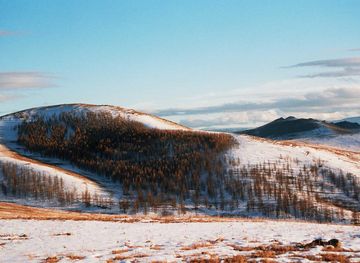

Your all‑in‑one travel companion app
Explore expert travel guides, compare and book tours, experiences, hotels, and more—all from the palm of your hand. Download now for seamless trip planning wherever your wanderlust takes you.


Explore More of Mongolia

Looking beyond Mongolian-Manchurian Grassland? Discover Mongolia for broader travel guides, local hot-spots, and regional highlights.
Explore MongoliaMongolian-Manchurian Grassland in Photos
Browse through our photo collection highlighting the charm and character of the destination.




The Wondrous Mongolian-Manchurian Grassland
The Mongolian-Manchurian Grassland is a vast and stunning landscape that spans across Mongolia. This unique region is characterized by its rolling steppes, expansive plains, and rich biodiversity. It is a paradise for nature lovers and adventure seekers alike. The grassland is home to a variety of wildlife, including the iconic Mongolian wild horse, known as the Przewalski's horse. Birdwatchers will also be delighted by the numerous bird species that inhabit this area, making it a prime spot for birdwatching. The grassland’s untouched beauty provides a perfect setting for photography, offering endless opportunities to capture breathtaking vistas. Visitors to the Mongolian-Manchurian Grassland can immerse themselves in the traditional nomadic culture of Mongolia. Experience the hospitality of the local herders, stay in a traditional ger (yurt), and participate in daily activities such as milking yaks or herding sheep. The grassland also serves as a historical treasure, with ancient sites and monuments that tell stories of Mongolia’s rich past.