

Free Eastern Steppe Travel Guide & Mobile App
Explore Eastern Steppe with free travel guides. Discover regional history, expert tips, proposed trips, and audio guides on web or mobile app.


Explore Mongolia’s Eastern Steppe for vast grasslands, gazelle country, volcanic landscapes, Buddhist heritage and Chinggis Khaan history.
Read more about Eastern Steppe
When is the best time to visit Eastern Steppe?
Best: June–August · 20–25°C| Month | High (°C) | Rainfall (mm) |
|---|---|---|
| January | -15 | 3 |
| February | -15 | 3 |
| March | -5 | 5 |
| April | 5 | 7 |
| May | 15 | 15 |
| June (best) | 20 | 25 |
| July (best) | 25 | 35 |
| August (best) | 24 | 30 |
| September | 18 | 20 |
| October | 10 | 12 |
| November | 0 | 7 |
| December | -10 | 4 |
Getting to and around Eastern Steppe
How to get there
Transportation
Destinations in Eastern Steppe
Resorts, valleys and scenic spots worth a trip of their own.

Swipe for more destinations
Best attractions in Eastern Steppe
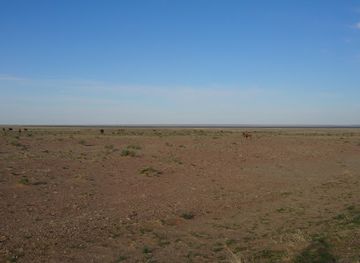
The Eastern Steppe's attractions are spread across a very large landscape and are experienced through journeys between them. In Dornod, the Mongol Daguur Strictly Protected Area and surrounding wetlands are important for migratory birds and steppe wildlife, while the Menen and Tamsag plains are associated with wide-ranging Mongolian gazelles. Buir Lake offers a major freshwater landscape near the eastern frontier, although access and conditions require careful local planning. Sükhbaatar aimag has a more geological character, with the Dariganga volcanic region, Shiliin Bogd mountain and Taliin Agui cave among its notable natural features. Khentii brings forest-steppe valleys, the Onon-Balj National Park, the Dadal area and sites associated with Chinggis Khaan's early life. Religious heritage is represented by Baldan Bereeven Khiid, while museums and memorials in provincial centres provide context for regional history, pastoral life and the Khalkhyn Gol conflict. Activities are correspondingly low-impact and outdoors-focused: wildlife observation, photography, camping, horse riding, walking and landscape study. There are few conventional family attractions or dense sightseeing circuits, so the region suits travellers prepared to spend time outdoors and accept basic facilities.
-
Tourist attraction
Khamariin Khiid Monastery
Experience the serene beauty and spiritual depth of Khamariin Khiid Monastery in Mongolia's Dornogovi region, a must-visit tourist attraction.
-
Volcano
Khorgo Mountain
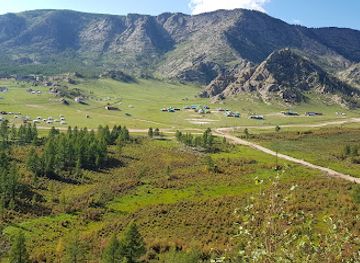
Explore the stunning landscapes and rich biodiversity of Khorgo Mountain, a majestic volcanic site in Mongolia's Arkhangai region.
-
Historical place
Delüün Boldog
Explore the historic site of Delün Boldog, the legendary birthplace of Genghis Khan, amidst Mongolia's breathtaking natural landscapes.
-
Mountain range
Khentii Mountains
Discover the breathtaking landscapes and rich history of the Khentii Mountains, a must-visit destination for nature lovers and adventure seekers in Mongolia.

Best landmarks in Eastern Steppe
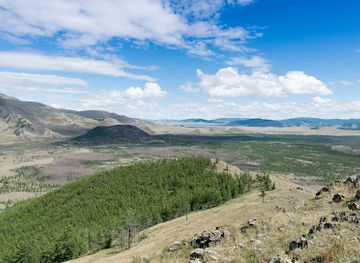
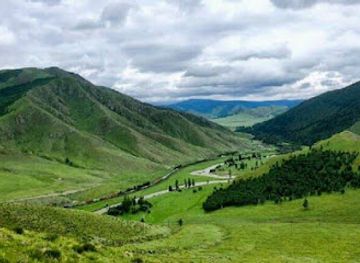
The most recognisable landmarks of the Eastern Steppe are often landscapes rather than urban monuments. Shiliin Bogd, a volcanic mountain in Sükhbaatar aimag, rises prominently from the southern steppe and has spiritual as well as geological significance. Nearby Taliin Agui, known as the Steppe Cave, is associated with the region's volcanic terrain and local tradition. In Khentii, Delüün Boldog and related memorial landscapes evoke the early life of Chinggis Khaan, while the Onon and Kherlen river valleys express the geographical importance of his eastern homeland. Baldan Bereeven Khiid stands as one of the region's most significant Buddhist architectural remains, its buildings and valley setting recalling the religious network damaged during the socialist period. The Khalkhyn Gol battlefield landscapes and memorials in Dornod mark the 1939 conflict and Mongolia's twentieth-century military history. Farther east, Buir Lake and the open Menen plain are geographical landmarks whose importance lies in scale, habitat and the continuity of the grassland rather than in constructed monuments.
-
Tourist attraction
Chinggis Khaan Statue Complex
Discover the grandeur of Mongolia at the Chinggis Khaan Statue Complex: a monumental tribute to the legacy of Genghis Khan amidst breathtaking landscapes.
-
National park
Gorkhi Terelj National Park
Explore the natural beauty and cultural richness of Gorkhi Terelj National Park, a breathtaking haven near Ulaanbaatar, Mongolia.
-
Monument
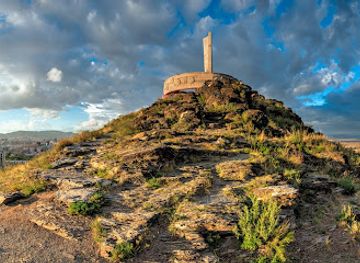
Zaisan Monument
Discover the Zaisan Monument in Ulaanbaatar – a symbol of friendship with stunning views and rich history.
-
History museum
Bogd Khaan Palace Museum
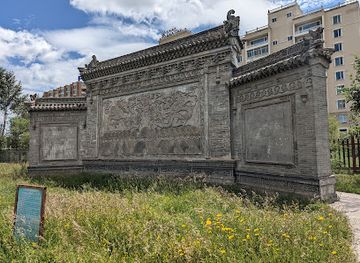
Explore the Bogd Khaan Palace Museum, a captivating historical site in Ulaanbaatar that reveals Mongolia's royal heritage and rich cultural history.
Explore Eastern Steppe on the map
Plan your trip on one map. See where the top cities, national parks and sights are, and book hotels and experiences in a few clicks.
Best hotels in Eastern Steppe
Best restaurants in Eastern Steppe
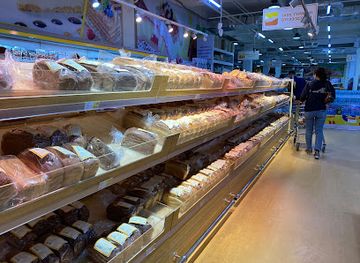
Dining in the Eastern Steppe is centred on Mongolian home cooking, provincial cafés, hotel restaurants and meals prepared by ger camps or pastoral households rather than on a large independent restaurant scene. Buuz, steamed meat dumplings, khuushuur, noodle soups and tsuivan are widely available, while mutton, beef and dairy products reflect the pastoral economy. In remote areas, visitors should expect simple meals based on meat, rice, flour, potatoes and seasonal supplies, with vegetarian options requiring advance discussion. Airag, fermented mare's milk, is associated with the wider Mongolian pastoral tradition and may be offered seasonally, although availability varies. Provincial towns such as Choibalsan, Baruun-Urt and Sükhbaatar provide the broadest choice of cafés, bakeries and supermarkets. Guesthouse and camp meals can be a valuable way to encounter local dairy products and household cooking, but travellers should carry snacks and emergency provisions for long road sections. Food safety depends on storage and refrigeration, so use care with unrefrigerated meat and dairy in hot weather.
-
 Italian
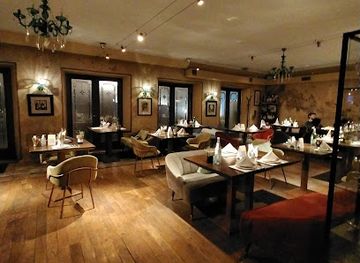
DeQuattro by Rosewood
Experience authentic Italian cuisine at DeQuattro by Rosewood in Ulaanbaatar – where every meal tells a story.
-
Restaurant
Veranda
Discover exquisite dining at Veranda in Ulaanbaatar - where local flavors meet international elegance.
-
Indian
Hazara Indian Restaurant
Experience the vibrant tastes of India at Hazara Indian Restaurant in Ulaanbaatar – where authentic flavors meet warm hospitality.
-
Restaurant
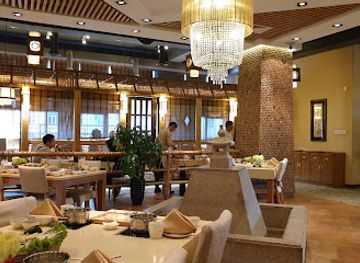
The Bull Hot Pot Restaurant
Discover the vibrant flavors of Mongolia with an authentic hot pot experience at The Bull Hot Pot Restaurant in Ulaanbaatar.

Best bars in Eastern Steppe
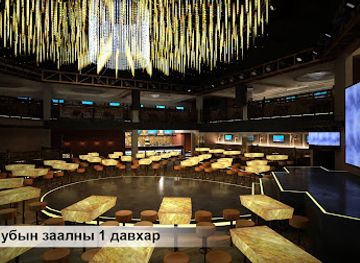
Nightlife in the Eastern Steppe is modest and concentrated in provincial centres rather than organised around a major club scene. Choibalsan, Baruun-Urt and Sükhbaatar have the greatest choice of hotel bars, casual restaurants, karaoke rooms and small local venues, although businesses and opening arrangements can change. In smaller settlements, evenings generally revolve around cafés, guesthouses, family gatherings or the quiet social atmosphere of a ger camp. Travellers staying in remote areas should not expect regular entertainment after dark and should plan lighting, warm clothing and safe transport independently. Alcohol is available in towns, but drinking is not necessary to engage with regional culture; responsible behaviour is particularly important when staying with host families or travelling far from medical services. In summer, the long evening light encourages time outdoors, while winter darkness and cold make rural nightlife especially limited.
-
Italian
DeQuattro by Rosewood
Experience authentic Italian cuisine at DeQuattro by Rosewood, a charming bistro in Ulaanbaatar, perfect for food lovers and travelers alike.
-
Restaurant
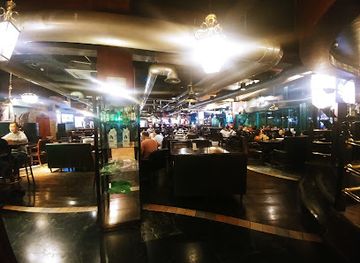
Grand Khaan Irish Pub
Discover the unique blend of Irish cuisine and Mongolian hospitality at Grand Khaan Irish Pub, a vibrant haven in Ulaanbaatar.
-
Restaurant
Great Mongol Restaurant & Pub
Experience the flavors of Mongolia at Great Mongol Restaurant & Pub, where traditional cuisine meets a vibrant pub atmosphere in Ulaanbaatar.
-
Restaurant
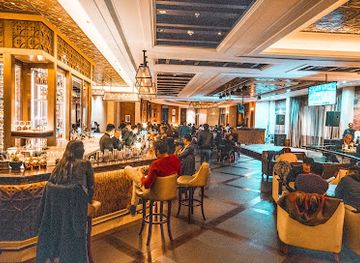
Naadam Bar & Restaurant, Shangri-La Ulaanbaatar
Experience the essence of Mongolian cuisine at Naadam Bar & Restaurant, where tradition meets international flair in a luxurious setting.

Best nightclubs in Eastern Steppe
Nightlife in the Eastern Steppe is modest and concentrated in provincial centres rather than organised around a major club scene. Choibalsan, Baruun-Urt and Sükhbaatar have the greatest choice of hotel bars, casual restaurants, karaoke rooms and small local venues, although businesses and opening arrangements can change. In smaller settlements, evenings generally revolve around cafés, guesthouses, family gatherings or the quiet social atmosphere of a ger camp. Travellers staying in remote areas should not expect regular entertainment after dark and should plan lighting, warm clothing and safe transport independently. Alcohol is available in towns, but drinking is not necessary to engage with regional culture; responsible behaviour is particularly important when staying with host families or travelling far from medical services. In summer, the long evening light encourages time outdoors, while winter darkness and cold make rural nightlife especially limited.
-
Night club
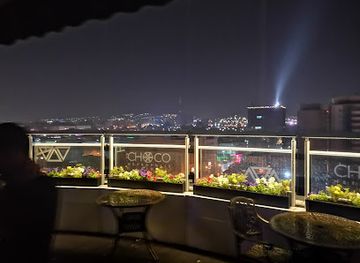
CHOCO CLUB ULAANBAATAR
Discover the vibrant nightlife of Ulaanbaatar at Choco Club, where music, dancing, and cultural fusion create unforgettable experiences.
-
Night club
MINT Club
Unleash your spirit at MINT Club, Ulaanbaatar's premier nightlife destination, where music, dance, and fun collide in an unforgettable experience.
-
Night club
ZU CLUB
Discover Ulaanbaatar's vibrant nightlife at ZU CLUB, where music, dance, and unforgettable moments converge.
-
Night club
Castle Club
Discover the ultimate nightlife experience at Castle Club, Ulaanbaatar's largest and most vibrant night club, where music and energy collide.


Best shops in Eastern Steppe
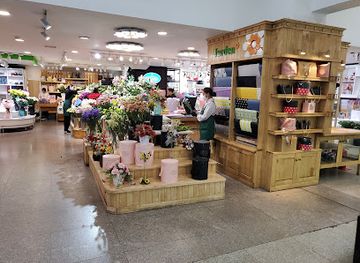
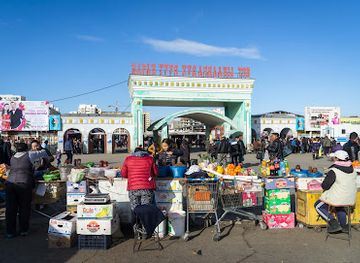
Shopping in the Eastern Steppe is practical and locally focused. Provincial centres such as Choibalsan, Baruun-Urt and Sükhbaatar have supermarkets, open markets, small department stores and independent shops where travellers can buy food, fuel-related supplies, clothing and basic outdoor equipment. Rural settlements offer far less choice, so replenish before leaving town. Useful regional purchases include dried curds and other durable dairy products, locally made felt goods, woollen clothing, leather items and small handicrafts, although quality and availability vary by seller. Markets can also provide a glimpse of everyday life, with livestock-related goods, household supplies and seasonal produce more prominent than tourist merchandise. Traditional Mongolian clothing, felt slippers, art and books about the country's history may be easier to find in larger towns than in remote camps. Bargaining is not appropriate everywhere; ask the price politely and pay in tögrög unless a business clearly accepts another method.
-
Department store
State Department Store
Explore the State Department Store in Ulaanbaatar: A shopping haven blending tradition with modernity, showcasing Mongolian culture and local delicacies.
-
Market
Narantuul Market
Explore Narantuul Market, Ulaanbaatar's largest retail gem, offering an authentic Mongolian shopping experience filled with culture and local flavors.
-
Shopping mall
Ulaanbaatar Department Store
Experience the vibrant shopping culture of Ulaanbaatar at the Ulaanbaatar Department Store, where fashion meets tradition in a lively atmosphere.
-
Shopping mall
Hunnu Mall
Discover Ulaanbaatar's vibrant shopping culture at Hunnu Mall, where tradition meets modernity in a delightful retail experience.

Get your free copy of our complete guide to Eastern Steppe, delivered straight to you.
Everything on this page, from attractions and restaurants to essentials and local phrases, in one PDF you can read offline, print or share.
Already have an account? Sign in
Your Eastern Steppe guide is ready.
We'll send it to · Not you? Sign out

Getting your guide ready…
We are putting together a fresh copy of the Eastern Steppe guide. This can take up to a minute.
This can take a few moments. If your browser asks, choose Allow so the download can start. You'll find the guide in your Downloads folder.
Nothing happened? Download it again
Sorry, the guide is taking longer than usual. Please try again in a minute, or get it by email instead.
Eastern Steppe essentials
Currency and Payment
Safety
Emergency Situations
Do's and Don'ts
Local Tips
From Eve
Local phrases worth knowing
You don't need to get them perfect. A few words go a long way, and locals appreciate the effort.
Basics
| English | Local | Say it |
|---|---|---|
| Hello | Сайн уу | [Sain uu] |
| Goodbye | Баяртай | [Bayartai] |
| Yes | Тийм | [Tiim] |
| No | Үгүй | [Ügüi] |
| Please/You're welcome | Гуйя | [Guya] |
| Thank you | Баярлалаа | [Bayarlalaa] |
| Excuse me/Sorry | Уучлаарай | [Uuchlaarai] |
| How are you? | Та сайн уу? | [Ta sain uu?] |
| Fine. And you? | Сайн. Та? | [Sain. Ta?] |
| Do you speak English? | Та англиар ярьдаг уу? | [Ta angliar yaryadag uu?] |
| I don't understand | Би ойлгосонгүй | [Bi oilgosoogui] |
Eating & Drinking
| English | Local | Say it |
|---|---|---|
| I'd like to see the menu, please | Та надад менюг харуулах уу? | [Ta nadad menyug kharuulakh uu?] |
| I don't eat meat | Би мах иддэггүй | [Bi makh iddeggui] |
| Cheers! | Сайхан уулзалт! | [Saikhan uulzalt!] |
| I would like to pay, please | Би төлбөрөө төлмөөр байна | [Bi tulburoo tulmeor baina] |
Emergencies
| English | Local | Say it |
|---|---|---|
| Help! | Туслаарай! | [Tuslaarai!] |
| Go away! | Зайлаарай! | [Zailaarai!] |
| Call the Police! | Цагдааг дууд! | [Tsagdaag duud!] |
| Call a doctor! | Эмчийг дууд! | [Emchiig duud!] |
| I'm lost | Би алга болж байна | [Bi alga bolj baina] |
| I'm ill | Би өвдсөн | [Bi övdson] |
Shopping
| English | Local | Say it |
|---|---|---|
| I'd like to buy... | Би ... худалдаж авахыг хүсч байна | [Bi ... khudaldaj avakhig khusch baina] |
| I'm just looking | Би зүгээр хараад байна | [Bi zügeree kharaad baina] |
| How much is it? | Энэ хэд вэ? | [Ene khed ve?] |
| That's too expensive | Энэ хэт үнэтэй | [Ene khet ünetey] |
| Can you lower the price? | Үнэ буулгаж болох уу? | [Üne buulgaaj bolokh uu?] |
Time & Numbers
| English | Local | Say it |
|---|---|---|
| What time is it? | Одоогийн цаг хэд вэ? | [Odoogiin tsag khed ve?] |
| It's one o'clock | Нэг цаг болж байна | [Neg tsag bolj baina] |
| Half past (10) | Арван цагийн хагас | [Arvan tsagiin khagas] |
| Morning | Өглөө | [Öglöö] |
| Afternoon | Орой | [Oroy] |
| Evening | Урд шөнө | [Urd shönö] |
| Yesterday | Өчигдөр | [Öchigdör] |
| Today | Өнөөдөр | [Önöödör] |
| Tomorrow | Маргааш | [Margaash] |
| 1 | Нэг | [Neg] |
| 2 | Хоёр | [Khoyor] |
| 3 | Гурав | [Gurav] |
| 4 | Дөрөв | [Döröv] |
| 5 | Тав | [Tav] |
| 6 | Зургаа | [Zurgaa] |
| 7 | Долоо | [Doloo] |
| 8 | Найм | [Naim] |
| 9 | Ес | [Yes] |
| 10 | Арван | [Arvan] |
Transport & Directions
| English | Local | Say it |
|---|---|---|
| Where's a/the...? | Ямар газар ... байна вэ? | [Yamar gazar ... baina ve?] |
| What's the address? | Хаяг юу вэ? | [Khayag yuu ve?] |
| Can you show me (on the map)? | Наад газрыг надад харуулж өгнө үү? | [Naad gazrig nadad kharuulj ögnö uu?] |
| When's the next (bus)? | Дараагийн (автобус) хэзээ вэ? | [Daraagiin (avtobus) khezee ve?] |
| A ticket (to ....) | Билет (.... руу) | [Bilet (.... ruu)] |
History of Eastern Steppe
Early Nomadic and Steppe Cultures
The eastern Mongolian grasslands have supported mobile pastoral societies for thousands of years. Deer stones, burial monuments, rock art and other archaeological remains testify to Bronze Age communities that moved livestock between seasonal pastures and participated in networks extending across Inner Asia. Later confederations, including the Xiongnu and succeeding steppe powers, used the eastern plains as a corridor for movement, trade and military expansion. Much of the archaeological record is dispersed across open country rather than concentrated in large cities, making the landscape itself an important historical archive.
The Early Life of Chinggis Khaan
Khentii is closely associated with Temüjin, later known as Chinggis Khaan, who was born in the wider Onon-Balj and Delüün Boldog region according to the Secret History of the Mongols. The rivers, forest-steppe and mountain valleys of eastern Khentii feature prominently in accounts of his childhood, alliances and early struggles. Modern memorials and interpretive sites cannot reproduce the medieval landscape exactly, but they help visitors understand the geography in which the Mongol leader formed his political network before creating the Mongol Empire.
The Mongol Empire and Its Eastern Homeland
During the thirteenth century, eastern Mongolia was the political heartland of the Mongol Empire. The Onon and Kherlen river basins, together with surrounding pasturelands, were connected to imperial capitals, military routes and seasonal encampments across a vast territory. The eastern steppe was not an isolated frontier: it supplied horses, livestock, soldiers and political relationships that supported expansion across Asia and into Europe. Later generations continued to attach particular significance to Khentii as the ancestral homeland of the Chinggisid dynasty.
Buddhism, Monasteries and Qing-Era Administration
Tibetan Buddhism became increasingly influential in Mongolia from the sixteenth century onwards, and monasteries developed as religious, educational and economic centres. Baldan Bereeven Khiid in Khentii was among the most important institutions in eastern Mongolia, serving communities across the surrounding valleys. Qing imperial administration also reshaped political relationships and territorial organisation from the seventeenth century until the fall of the Qing in 1911. Monastic estates, local nobles and pastoral communities all formed part of this changing eastern Mongolian society.
Revolution, Border Conflict and the Twentieth Century
The twentieth century brought profound change. Mongolia's 1921 revolution and subsequent socialist transformation weakened the authority of the aristocracy and Buddhist establishment, while the anti-religious campaigns of the late 1930s destroyed or closed many monasteries, including Baldan Bereeven Khiid. Eastern Mongolia also became strategically important because of its proximity to Manchuria and the Japanese-occupied territory of Manchukuo. Fighting around Khalkhyn Gol in 1939, involving Mongolian and Soviet forces against Japan, left a lasting military history in Dornod.
Pastoralism, Collectivisation and the Modern Steppe
Under socialism, pastoral households were reorganised into collective farms, and new administrative settlements, roads and state institutions appeared across the eastern aimags. Livestock herding remained central, but its organisation and markets changed substantially. Since Mongolia's democratic transition in 1990, many households have returned to private herding, while mining, transport, conservation and cross-border trade have influenced regional economies. The modern Eastern Steppe therefore combines long-established pastoral practices with protected landscapes, provincial towns and new pressures on water, pasture and wildlife.
Eastern Steppe in Photos
Browse through our photo collection highlighting the charm and character of the destination.
Neighbouring regions of Eastern Steppe
The closest regions to Eastern Steppe, if you have time for more than one.
-

-

-

-

-


Swipe for more regions
Explore more

Explore more of Mongolia
Discover Mongolia: From the vast steppes and towering mountains to the rich nomadic culture and ancient traditions, experience the land of eternal blue sky.
Explore Mongolia