

Free Khentii Mountains Travel Guide & Mobile App
Explore Khentii Mountains with free travel guides. Discover regional history, expert tips, proposed trips, and audio guides on web or mobile app.


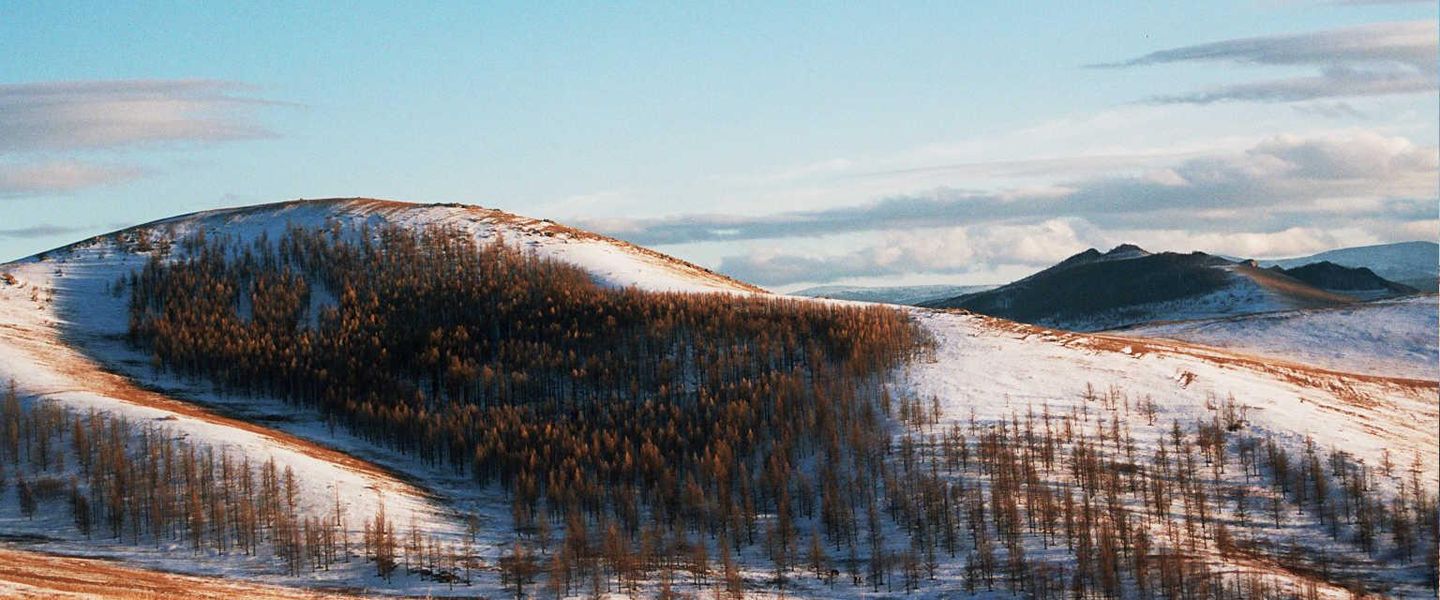


Explore Mongolia’s Khentii Mountains for sacred peaks, forested valleys, horse trails, wildlife and the historical landscapes associated with Chinggis Khaan.
Read more about Khentii Mountains
When is the best time to visit Khentii Mountains?
Best: June–August · 23–25°C| Month | High (°C) | Rainfall (mm) |
|---|---|---|
| January | -11 | 3 |
| February | -6 | 4 |
| March | 3 | 6 |
| April | 13 | 10 |
| May | 18 | 22 |
| June (best) | 23 | 48 |
| July (best) | 25 | 73 |
| August (best) | 23 | 62 |
| September | 17 | 28 |
| October | 7 | 10 |
| November | 0 | 6 |
| December | -9 | 3 |
Getting to and around Khentii Mountains
How to get there
Transportation
Top city travel guides in Khentii Mountains
The cities of Khentii Mountains, and the easiest places to base yourself.

Swipe for more cities
Destinations in Khentii Mountains
Resorts, valleys and scenic spots worth a trip of their own.

Swipe for more destinations
Best attractions in Khentii Mountains
The Khentii Mountains offer a wilderness-based range of attractions rather than a concentration of ticketed sites. The central experience is travelling through the Khan Khentii Strictly Protected Area and its surrounding landscapes of larch forest, open pasture, wetlands and river valleys. Trekking, horse riding, wildlife observation, fishing where permitted and multi-day camping are the principal activities. Burkhan Khaldun and the surrounding sacred landscape provide the region’s most important cultural focus, although access to specific sacred locations is controlled and should be arranged locally. The Onon and Kerulen river basins reveal the ecological contrast between forested uplands and eastern grassland, while seasonal herder camps offer insight into Mongolia’s pastoral way of life when visits are made through a guide. Small museums and historical sites in larger Khentii settlements can add context to the landscapes connected with Chinggis Khaan, but they are separated by substantial distances. The region is best suited to visitors who value remoteness, natural history, cultural interpretation and slow travel over a dense sightseeing schedule.
-
Tourist attraction
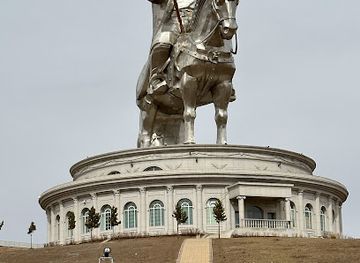
Chinggis Khaan Statue Complex
Discover the majestic Chinggis Khaan Statue Complex, a cultural and historical gem in Mongolia that celebrates the legacy of the legendary Genghis Khan.
-
Tourist attraction
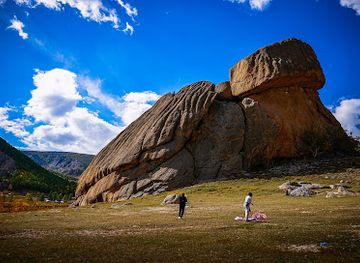
Gorkhi Terelj National Park
Discover Gorkhi Terelj National Park – a natural gem near Ulaanbaatar, Mongolia, featuring stunning landscapes and rich cultural experiences.
-
Buddhist temple
Aryapala Temple Meditation Center
Experience serenity and spiritual awakening at Aryapala Temple Meditation Center, a peaceful haven in Ulaanbaatar, Mongolia.
-
Lake
Khar Zurkhnii Khukh Nuur Lake
Explore the tranquil beauty of Khar Zurkhnii Khukh Nuur Lake in the heart of Khentii, Mongolia, where nature and serenity meet.


Best landmarks in Khentii Mountains
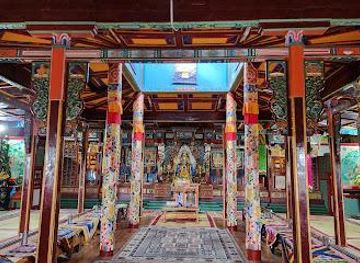
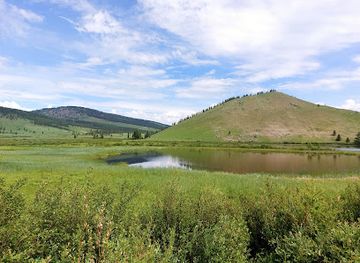
Burkhan Khaldun is the defining landmark of the Khentii Mountains, not simply because of its physical presence but because the mountain and surrounding sacred landscape are associated with Temüjin’s early life and the formation of Mongolian statehood. Its UNESCO-listed cultural landscape includes a wider setting of forests, rivers and sacred sites, and access should be governed by local rules rather than treated as an ordinary hiking objective. The Onon and Kerulen rivers are also major geographical landmarks: their valleys connect the region’s historical narratives with its living pastoral environment. Forested ridgelines, open high valleys and isolated ovoos provide the visual character of the range, although many are unnamed or difficult to reach. In the broader Khentii landscape, historical memorials and museums in provincial settlements help interpret the Chinggis Khaan tradition, while the mountains themselves remain the most meaningful physical markers of the region’s identity.
-
Tourist attraction
Chinggis Khaan Statue Complex
Explore the Chinggis Khaan Statue Complex, a stunning monument celebrating Mongolia's legendary leader amidst rich history and breathtaking landscapes.
-
National park
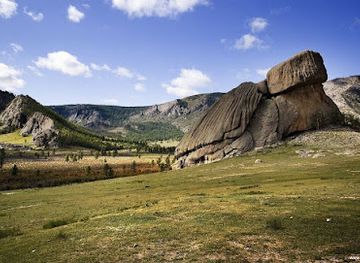
Gorkhi Terelj National Park
Explore Gorkhi Terelj National Park, a stunning blend of natural beauty and rich Mongolian culture, perfect for adventure seekers and nature lovers.
-
Monument
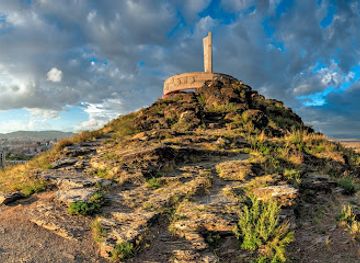
Zaisan Monument
Discover the Zaisan Monument, a captivating tribute to Soviet-Mongolian friendship with stunning views of Ulaanbaatar's skyline.
-
Monastery
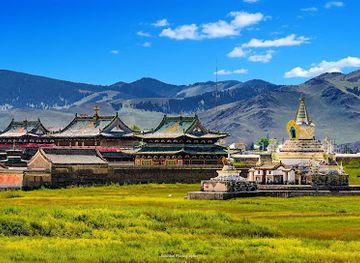
Erdene Zuu Monastery
Explore the historic Erdene Zuu Monastery, a serene Buddhist sanctuary in Kharkhorin, Mongolia, surrounded by stunning landscapes and rich cultural heritage.
Explore Khentii Mountains on the map
Plan your trip on one map. See where the top cities, national parks and sights are, and book hotels and experiences in a few clicks.
Best hotels in Khentii Mountains
Best restaurants in Khentii Mountains
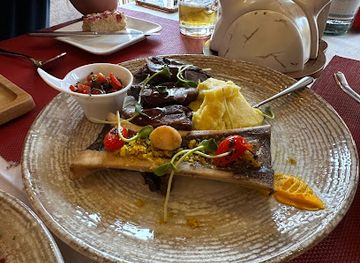
Dining in the Khentii Mountains is shaped by pastoral life, local supply and the practical limits of remote travel. Ger camps and family-run accommodation commonly serve hearty Mongolian dishes based on mutton or beef, flour, rice, potatoes and seasonal vegetables, including buuz dumplings, khuushuur fried pastries and soups. Airag, fermented mare’s milk, and salted milk tea may be offered as part of rural hospitality, although tastes and availability vary. In settlements, simple cafés and canteens provide cooked meals, while travellers on longer routes usually carry provisions arranged through their operator. Vegetarians and visitors with allergies should explain their requirements in advance because menus in remote areas are limited. Ulaanbaatar is the place to stock up on specialised foods before departure; within the mountains, meals are valued for their warmth and practicality rather than elaborate presentation.
-
 Italian
DeQuattro by Rosewood
Savor authentic Italian cuisine at DeQuattro by Rosewood, a charming bistro in Ulaanbaatar offering exquisite flavors and an inviting atmosphere.
-
Mediterranean
Choijin Temple Restaurant
Experience authentic Mediterranean cuisine at Choijin Temple Restaurant in Ulaanbaatar, where every dish tells a story.
-
Restaurant
Modern Nomads 2
Discover authentic Mongolian cuisine at Modern Nomads 2 in Ulaanbaatar - a perfect blend of tradition and flavor awaits you.
-
Restaurant
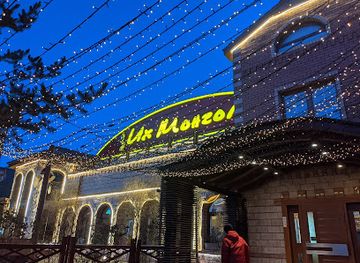
Great Mongol Restaurant & Pub
Savor the taste of Mongolia at Great Mongol Restaurant & Pub – where tradition meets flavor in Ulaanbaatar.

Best bars in Khentii Mountains
The Khentii Mountains do not have a conventional nightlife scene. Evenings are centred on ger camps, family homes and small settlement cafés, where visitors may share tea, conversation, music or stories after a day outdoors. Some camps serve beer or spirits, but opening arrangements vary and alcohol should not be treated as the main focus of a rural visit. Larger settlements in Khentii Province have a modest selection of restaurants and local bars, though these are widely separated and not comparable with Ulaanbaatar’s nightlife. In the wilderness, the most characteristic evening activities are watching the changing light over the valleys, listening to local musicians when performances are arranged, and observing exceptionally clear skies away from urban illumination. A torch, warm clothing and respect for quiet camp routines are more useful than plans for late-night entertainment.
-
Restaurant
Grand Khaan Irish Pub
Discover the vibrant atmosphere and diverse menu at Grand Khaan Irish Pub in Ulaanbaatar, where Irish charm meets Mongolian hospitality.
-
Restaurant
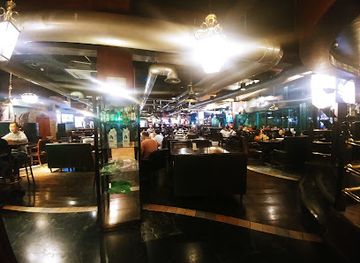
Great Mongol Restaurant & Pub
Experience authentic Mongolian cuisine and lively pub atmosphere at Great Mongol Restaurant & Pub in Ulaanbaatar.
-
Bar
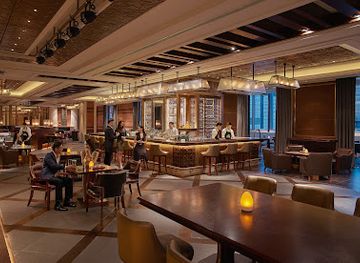
Naadam Bar & Restaurant, Shangri-La Ulaanbaatar
Experience a fusion of flavors at Naadam Bar & Restaurant, where American, Asian, and European dishes meet in the heart of Ulaanbaatar.
-
Jazz
Fat Cat Jazz Club Ulaanbaatar
Discover the rhythms of jazz at Fat Cat Jazz Club in Ulaanbaatar, where live music and vibrant atmosphere create unforgettable nightlife experiences.
Best nightclubs in Khentii Mountains
The Khentii Mountains do not have a conventional nightlife scene. Evenings are centred on ger camps, family homes and small settlement cafés, where visitors may share tea, conversation, music or stories after a day outdoors. Some camps serve beer or spirits, but opening arrangements vary and alcohol should not be treated as the main focus of a rural visit. Larger settlements in Khentii Province have a modest selection of restaurants and local bars, though these are widely separated and not comparable with Ulaanbaatar’s nightlife. In the wilderness, the most characteristic evening activities are watching the changing light over the valleys, listening to local musicians when performances are arranged, and observing exceptionally clear skies away from urban illumination. A torch, warm clothing and respect for quiet camp routines are more useful than plans for late-night entertainment.
-
Night club
CHOCO CLUB ULAANBAATAR
Discover the lively nightlife of Ulaanbaatar at Choco Club, where great music, dancing, and a vibrant atmosphere come together.
-
Night club
MINT Club
Discover the vibrant nightlife at MINT Club in Ulaanbaatar, where modern lounge charm meets Mongolian culture for an unforgettable experience.
-
Night club
ZU CLUB
Dive into Ulaanbaatar's nightlife at ZU CLUB, where electrifying beats, stunning visuals, and vibrant crowds create unforgettable memories.
-
Night club
Castle Club
Discover the vibrant energy of Ulaanbaatar at Castle Club, a premier night club offering an unforgettable nightlife experience!

Best shops in Khentii Mountains
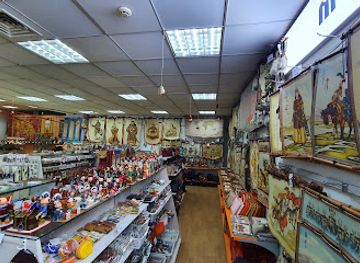
Shopping opportunities are limited once visitors leave the larger settlements, so supplies and specialist items should be purchased in Ulaanbaatar or a provincial centre before heading into the mountains. Rural shops sell basic food, drinks, fuel-related necessities and household goods rather than a broad range of souvenirs. In towns and at some seasonal tourist camps, visitors may find felt products, woollen goods, leather items, small pieces of handicraft and locally made food products such as dried curds. Cash is useful for informal purchases, and quality can vary, so buy directly from makers or established local sellers where possible. Traditional Mongolian clothing, cashmere and more developed craft ranges are generally easier to find in Ulaanbaatar than in the Khentii wilderness. Do not buy archaeological objects, animal parts or items presented as sacred.
-
Department store
State Department Store
Explore a vibrant shopping experience at State Department Store in Ulaanbaatar, offering unique Mongolian crafts and international brands under one roof.
-
Tourist attraction
Chinggis Khaan Statue Complex
Explore the grandeur of the Chinggis Khaan Statue Complex, where history, culture, and breathtaking views converge in Mongolia's iconic landmark.
-
National park
Gorkhi Terelj National Park
Explore the breathtaking landscapes and rich biodiversity of Gorkhi Terelj National Park, a natural wonder just outside Ulaanbaatar.
-
Market
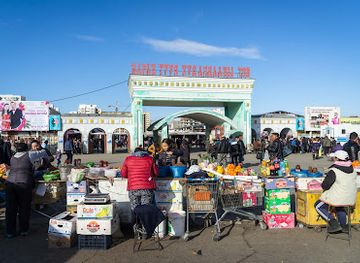
Narantuul Market
Explore Narantuul Market: Ulaanbaatar's vibrant bazaar for authentic Mongolian goods, street food, and cultural immersion.
Get your free copy of our complete guide to Khentii Mountains, delivered straight to you.
Everything on this page, from attractions and restaurants to essentials and local phrases, in one PDF you can read offline, print or share.
Already have an account? Sign in
Your Khentii Mountains guide is ready.
We'll send it to · Not you? Sign out

Getting your guide ready…
We are putting together a fresh copy of the Khentii Mountains guide. This can take up to a minute.
This can take a few moments. If your browser asks, choose Allow so the download can start. You'll find the guide in your Downloads folder.
Nothing happened? Download it again
Sorry, the guide is taking longer than usual. Please try again in a minute, or get it by email instead.
Khentii Mountains essentials
Currency and Payment
Safety
Emergency Situations
Do's and Don'ts
Local Tips
From Eve
Local phrases worth knowing
You don't need to get them perfect. A few words go a long way, and locals appreciate the effort.
Basics
| English | Local | Say it |
|---|---|---|
| Hello | Сайн уу | [Sain uu] |
| Goodbye | Баяртай | [Bayartai] |
| Yes | Тийм | [Tiim] |
| No | Үгүй | [Ügüi] |
| Please/You're welcome | Уучлаарай | [Uuchlaarai] |
| Thank you | Баярлалаа | [Bayarlalaa] |
| Excuse me/Sorry | Уучлаарай | [Uuchlaarai] |
| How are you? | Та ямар байна вэ? | [Ta yamar baina ve?] |
| Fine. And you? | Сайн. Та? | [Sain. Ta?] |
| Do you speak English? | Та англиар ярьдаг уу? | [Ta angliar yarydag uu?] |
| I don't understand | Би ойлгохгүй байна | [Bi oilgokhgui baina] |
Eating & Drinking
| English | Local | Say it |
|---|---|---|
| I'd like to see the menu, please | Та надад менюг үзүүлнэ үү | [Ta nadad menyug üzüülene üü] |
| I don't eat meat | Би мах иддэггүй | [Bi makh iddeggui] |
| Cheers! | Сайн дарс! | [Sain dars!] |
| I would like to pay, please | Би төлбөр хийхийг хүсч байна, уу? | [Bi tölbör khiikhig khüsch baina, üü?] |
Emergencies
| English | Local | Say it |
|---|---|---|
| Help! | Туслаач! | [Tuslaach!] |
| Go away! | Яваад өг! | [Yavaad ög!] |
| Call the Police! | Цагдаа дууд! | [Tsagdaa duud!] |
| Call a doctor! | Эмч дууд! | [Emch duud!] |
| I'm lost | Би алга болсон | [Bi alga bolson] |
| I'm ill | Би өвдсөн | [Bi övdson] |
Shopping
| English | Local | Say it |
|---|---|---|
| I'd like to buy... | Би ... худалдаж авахыг хүсч байна | [Bi ... khudaldaj avakhig khüsch baina] |
| I'm just looking | Би зүгээр л хараад байна | [Bi zügeer l kharaad baina] |
| How much is it? | Энэ хэд вэ? | [Ene khed ve?] |
| That's too expensive | Энэ хэт үнэтэй | [Ene khet ünetei] |
| Can you lower the price? | Та үнийг бууруулж чадах уу? | [Ta üning buurulzh chadah uu?] |
Time & Numbers
| English | Local | Say it |
|---|---|---|
| What time is it? | Одоо хэд болсон бэ? | [Odoo khed bolson be?] |
| It's one o'clock | Нэг цаг болж байна | [Neg tsag bolzh baina] |
| Half past (10) | 10 цаг 30 минут | [10 tsag 30 minut] |
| Morning | Өглөө | [Öglöö] |
| Afternoon | Орой | [Oroy] |
| Evening | Орой | [Oroy] |
| Yesterday | Өчигдөр | [Öchigdör] |
| Today | Өнөөдөр | [Önöödör] |
| Tomorrow | Маргааш | [Margaash] |
| 1 | 1 | [1] |
| 2 | 2 | [2] |
| 3 | 3 | [3] |
| 4 | 4 | [4] |
| 5 | 5 | [5] |
| 6 | 6 | [6] |
| 7 | 7 | [7] |
| 8 | 8 | [8] |
| 9 | 9 | [9] |
| 10 | 10 | [10] |
Transport & Directions
| English | Local | Say it |
|---|---|---|
| Where's a/the...? | Гэтэл... хаана байна вэ? | [Getel... khaana baina ve?] |
| What's the address? | Хаяг ямар байна вэ? | [Khayag yamar baina ve?] |
| Can you show me (on the map)? | Та надад (газрын зураг дээр) харуулж чадах уу? | [Ta nadad (gazryn zurag deer) kharuulzh chadah uu?] |
| When's the next (bus)? | Дараагийн (автобус) хэзээ вэ? | [Daraagiin (avtobus) khed ve?] |
| A ticket (to ....) | Билет (.... руу) | [Bilet (.... ruu)] |
History of Khentii Mountains
Early nomadic cultures of the Khentii highlands
The forests, river valleys and steppe margins of Khentii have supported mobile pastoral communities for many centuries. Archaeological remains across north-eastern Mongolia include burial monuments, deer stones and later Turkic and Mongol-period sites, although individual sites are dispersed and often difficult to visit. The region’s combination of pasture, woodland, water and shelter encouraged seasonal movement rather than dense permanent settlement. This long relationship between people, animals and the land helps explain why mountains, springs and prominent ridges retain cultural significance in Mongolian tradition.
The sacred landscape of Burkhan Khaldun
Burkhan Khaldun occupies an important place in Mongolian historical memory and spiritual practice. The mountain is associated with Temüjin’s early life, refuge and ritual acts, and the Secret History of the Mongols describes his relationship with the surrounding landscape. Its significance is not limited to a single summit: forests, rivers, valleys and associated sacred places form a wider cultural landscape. In 2015, the Great Burkhan Khaldun Mountain and its surrounding sacred landscape were inscribed on the UNESCO World Heritage List, recognising both its historical and religious importance.
Temüjin and the rise of the Mongol Empire
The Khentii region is closely connected with the life of Temüjin, who united competing Mongol groups before being proclaimed Chinggis Khaan in 1206. The Onon and Kerulen basins, together with the surrounding mountains and grasslands, form the geographical setting for traditions about his family, alliances, conflicts and early leadership. The empire that emerged from this political transformation extended across much of Eurasia. In Khentii, the importance of the story lies not only in monuments but in the continuing relationship between remembered events and the actual rivers, camps and mountain routes of the region.
Imperial routes and post-Mongol pastoral life
After the height of the Mongol Empire, the eastern Mongolian steppe remained a zone of pastoral movement, political competition and exchange between northern forest peoples and steppe communities. Khentii’s valleys connected ecological zones rather than functioning as a single urban centre. Buddhist institutions, aristocratic domains and seasonal camps shaped parts of later Mongolian life, while herding remained the principal economic foundation. The surviving pattern of widely separated settlements and extensive pasture reflects this long history more strongly than monumental architecture does.
Qing rule and the Manchu frontier
From the seventeenth century until the early twentieth century, Mongolia was incorporated into the Qing imperial system. Administration, taxation and military arrangements altered political life while leaving pastoral production central to the economy. The Khentii area occupied a frontier position between the Mongolian steppe and northern forest zones, and movement was influenced by official boundaries and controls. Although few visitors encounter imposing Qing buildings in the mountains, the era helped establish administrative patterns and routes that later governments inherited.
Modern Mongolia and protected landscapes
Mongolia’s independence and twentieth-century political changes brought new administrative structures, roads and state institutions to the Khentii area. During the socialist period, pastoral production was reorganised through collective systems before the return to largely private herding after 1990. Growing awareness of the ecological importance of the mountain forests and headwaters led to the creation of the Khan Khentii Strictly Protected Area in the 1990s. Conservation now sits alongside pastoral use, tourism and the protection of sacred places, creating a landscape managed for several overlapping values.
Khentii Mountains in Photos
Browse through our photo collection highlighting the charm and character of the destination.
Neighbouring regions of Khentii Mountains
The closest regions to Khentii Mountains, if you have time for more than one.
-

-

-

-

-


Swipe for more regions
Explore more

Explore more of Mongolia
Discover Mongolia: From the vast steppes and towering mountains to the rich nomadic culture and ancient traditions, experience the land of eternal blue sky.
Explore Mongolia