

Free Kherlen River Basin Travel Guide & Mobile App
Explore Kherlen River Basin with free travel guides. Discover regional history, expert tips, proposed trips, and audio guides on web or mobile app.


Explore Mongolia’s Kherlen River Basin for broad steppe landscapes, Khentii heritage, nomadic culture and the eastern cities of Chinggis and Choibalsan.
Read more about Kherlen River Basin
When is the best time to visit Kherlen River Basin?
Best: June–August · 22–24°C| Month | High (°C) | Rainfall (mm) |
|---|---|---|
| January | -16 | 1 |
| February | -13 | 1 |
| March | -3 | 2 |
| April | 8 | 3 |
| May | 16 | 6 |
| June (best) | 22 | 8 |
| July (best) | 24 | 9 |
| August (best) | 22 | 8 |
| September | 15 | 5 |
| October | 8 | 3 |
| November | -4 | 2 |
| December | -14 | 1 |
Getting to and around Kherlen River Basin
How to get there
Transportation
Destinations in Kherlen River Basin
Resorts, valleys and scenic spots worth a trip of their own.

Swipe for more destinations
Best attractions in Kherlen River Basin
The Kherlen River Basin’s attractions are primarily landscape-based, historical and cultural rather than built for mass tourism. In the upper basin, the Khentii Mountains and the wider Khan Khentii protected landscape offer opportunities for trekking, birdwatching and observing the transition from larch forest to open grassland, subject to access rules and local conditions. Around Chinggis City, visitors can explore the river valley, provincial museums and the Avraga archaeological site, whose remains are associated with the early Mongol imperial period. Farther east, the Kherlen broadens into a spacious steppe environment around Choibalsan, where museums and local markets provide a window onto Dornod’s pastoral and socialist-era history. Rural travel brings encounters with seasonal herding camps, horses, sheep and wide grassland views, but visits should be arranged with a guide and should not disrupt private livelihoods. The basin rewards slow overland travel: distances, changing vegetation and the absence of dense development are themselves central parts of the experience.
-
Lake
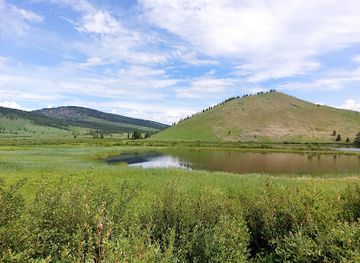
Khar Zurkhnii Khukh Nuur Lake
Discover the tranquil Khar Zurkhnii Khukh Nuur Lake in Khentii, a stunning natural escape steeped in history and breathtaking landscapes.
-
Local history museum
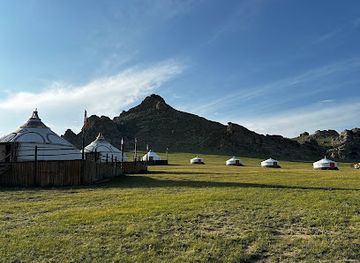
13th Century Complex
Discover Mongolia's rich heritage at the 13th Century Complex, a captivating museum and park showcasing the legacy of the Mongolian Empire.
-
Art center
Mongolian Calligraphy Center
Explore the rich heritage of Mongolian writing at the Mongolian Calligraphy Center in Kharkhorin, where art and culture beautifully intertwine.
-
 Tourist attraction
Baharhal-Morinii shuteen/Бахархал Морьны Хүндэтгэлийн шүтээн цогцолбор
Explore the serene beauty and rich cultural heritage of Baharhal-Morinii Shuteen in Mongolia's Ovorkhangai region, a perfect escape for nature lovers.
Best landmarks in Kherlen River Basin
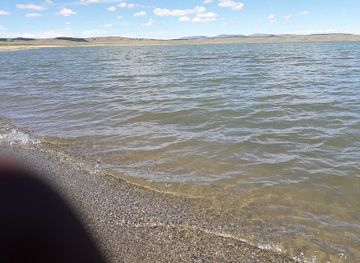
The Kherlen River itself is the basin’s defining geographical landmark, gathering the wooded headwaters of Khentii and carrying them east across increasingly open grassland. In Khentii Province, the Avraga archaeological site is an important historical landmark associated with the early Mongol imperial court and demonstrates how political power could operate through mobile camps and riverine pasture. Chinggis City’s provincial institutions and urban streetscape reflect the administrative expansion of twentieth-century Mongolia, while Choibalsan’s public buildings and civic spaces preserve elements of the socialist period in eastern Mongolia. The Khentii mountain landscapes near the river’s source form a contrasting natural landmark, with forested slopes and rugged valleys rather than the level steppe farther east. Across the basin, ovoos, burial monuments and isolated memorials are modest in scale but significant within the cultural landscape; they should be viewed respectfully and left undisturbed.
-
Tourist attraction
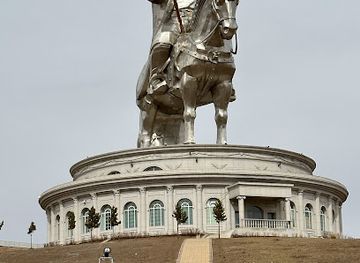
Chinggis Khaan Statue Complex
Discover the grandeur of Genghis Khan at the Chinggis Khaan Statue Complex, a breathtaking blend of history, culture, and stunning landscapes in Mongolia.
-
Buddhist temple
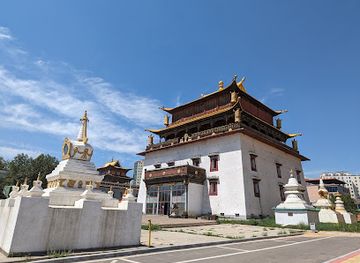
Gandantegchinlen Monastery
Discover the serene beauty and rich cultural heritage of Gandantegchinlen Monastery, a must-visit Buddhist temple in Ulaanbaatar, Mongolia.
-
National park
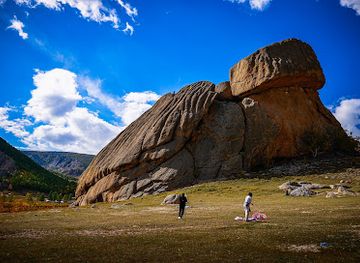
Gorkhi Terelj National Park
Explore the majestic landscapes and rich cultural heritage of Gorkhi Terelj National Park, a serene escape near Ulaanbaatar, Mongolia.
-
Monument
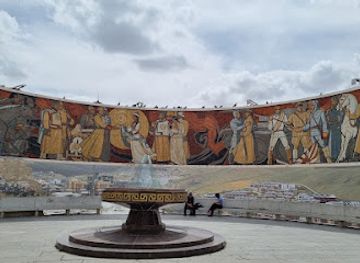
Zaisan Monument
Discover the Zaisan Monument in Ulaanbaatar, a stunning tribute to Soviet-Mongolian friendship with breathtaking views and rich cultural heritage.
Explore Kherlen River Basin on the map
Plan your trip on one map. See where the top cities, national parks and sights are, and book hotels and experiences in a few clicks.
Best hotels in Kherlen River Basin
Best restaurants in Kherlen River Basin
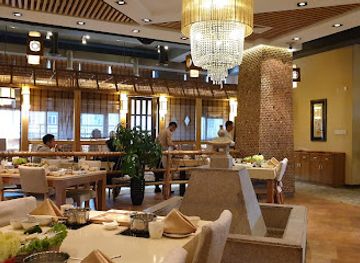
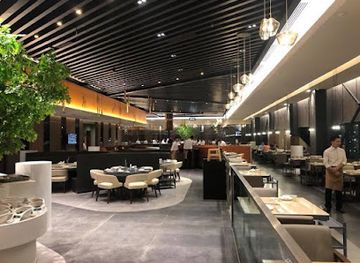
Dining in the Kherlen basin is practical and closely connected to Mongolia’s wider pastoral food culture. In Chinggis City and Choibalsan, expect simple restaurants serving buuz dumplings, khuushuur, soups, rice dishes and plates of mutton or beef, alongside Chinese and Russian-influenced options common in larger Mongolian towns. Rural guesthouses and ger camps may offer home-cooked meals built around meat, flour, dairy products and seasonal vegetables; airag, fermented mare’s milk, may be available during the summer but is not served everywhere. Local dairy foods and dried curds reflect the importance of livestock, while tea with milk is a familiar part of hospitality. Provincial markets are useful for fruit, bread, packaged food and supplies before a long journey, although visitors should not expect a dense café or fine-dining scene outside the two principal towns. Dietary requirements need to be explained clearly in advance, particularly when travelling with a rural host.
-
Italian
DeQuattro by Rosewood
Experience authentic Italian flavors at DeQuattro by Rosewood in Ulaanbaatar – where tradition meets modernity.
-
Indian
Hazara Indian Restaurant
Experience authentic Indian cuisine at Hazara Indian Restaurant in Ulaanbaatar – a must-visit for food lovers!
-
Restaurant
The Bull Hot Pot Restaurant
Savor the authentic taste of Mongolian cuisine at The Bull Hot Pot Restaurant – a must-visit culinary destination in Ulaanbaatar.
-
Hot Pot
Little Sheep Hot Pot Restaurant, Galleria Ulaanbaatar
Experience the authentic taste of Mongolian cuisine at Little Sheep Hot Pot Restaurant in Ulaanbaatar - perfect for food lovers!
Best bars in Kherlen River Basin
Evening life in the Kherlen basin is concentrated in Chinggis City and Choibalsan and is considerably quieter than in Ulaanbaatar. Provincial hotels, restaurants and small bars provide places for a drink, conversation and occasional karaoke, while local evening culture also centres on family visits and community events rather than dedicated nightlife districts. Choibalsan, as the larger eastern city, has the broader choice of restaurants and late-opening venues, although opening arrangements can change. In rural areas, ger camps and guesthouses generally offer tea, soft drinks and sometimes beer, but not a nightclub environment. Visitors should drink responsibly, arrange transport before going out and avoid assuming that alcohol is part of every social occasion. Music, local performances and seasonal celebrations may provide more meaningful evening experiences than a commercial club scene.
-
Restaurant
Grand Khaan Irish Pub
Discover the lively atmosphere and delicious cuisine at Grand Khaan Irish Pub in Ulaanbaatar, where tradition meets modern taste.
-
Indian
Hazara Indian Restaurant
Experience authentic Indian flavors at Hazara Indian Restaurant in Ulaanbaatar, a must-visit culinary destination for every traveler.
-
Restaurant
Great Mongol Restaurant & Pub
Discover the flavors of Mongolia at Great Mongol Restaurant & Pub, where traditional dishes meet a lively atmosphere in the heart of Ulaanbaatar.
-
Restaurant
Modern Nomads
Savor the essence of Mongolia with authentic dishes at Modern Nomads, a culinary haven in Ulaanbaatar that delights every palate.
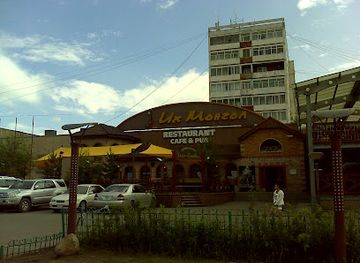

Best nightclubs in Kherlen River Basin
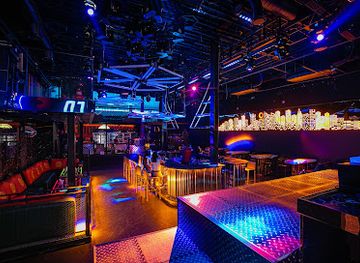
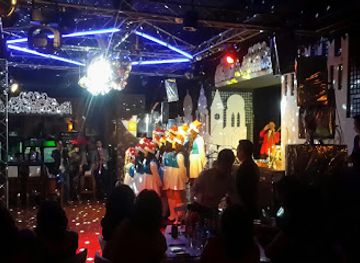
Evening life in the Kherlen basin is concentrated in Chinggis City and Choibalsan and is considerably quieter than in Ulaanbaatar. Provincial hotels, restaurants and small bars provide places for a drink, conversation and occasional karaoke, while local evening culture also centres on family visits and community events rather than dedicated nightlife districts. Choibalsan, as the larger eastern city, has the broader choice of restaurants and late-opening venues, although opening arrangements can change. In rural areas, ger camps and guesthouses generally offer tea, soft drinks and sometimes beer, but not a nightclub environment. Visitors should drink responsibly, arrange transport before going out and avoid assuming that alcohol is part of every social occasion. Music, local performances and seasonal celebrations may provide more meaningful evening experiences than a commercial club scene.
-
Jazz
Fat Cat Jazz Club Ulaanbaatar
Discover the enchanting rhythms of live jazz at Fat Cat Jazz Club, Ulaanbaatar's premier destination for nightlife and musical excellence.
-
Night club
CHOCO CLUB ULAANBAATAR
Discover Ulaanbaatar's nightlife at Choco Club, a vibrant disco and lounge where music, dancing, and premium cocktails come together for an unforgettable experience.
-
Disco club
The ILoft Function House
The ILoft Function House: A premier disco club in Ulaanbaatar, where vibrant nightlife and unforgettable experiences await.
-
Night club
River Sounds Live Music Club
Discover Ulaanbaatar's vibrant nightlife at River Sounds Live Music Club, where live music meets great food and an electric atmosphere.


Best shops in Kherlen River Basin
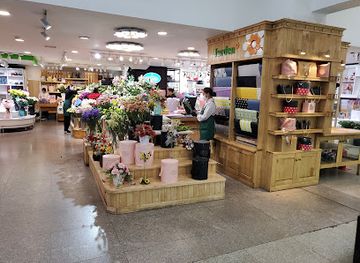
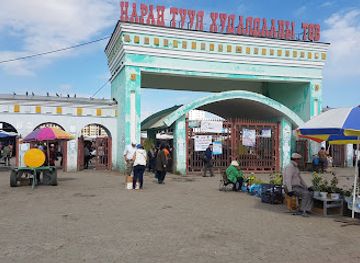
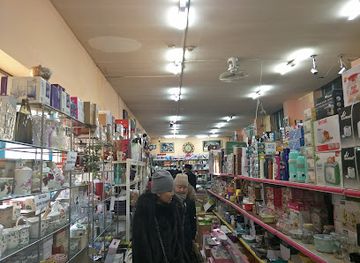
Shopping in the Kherlen basin is centred on practical provincial commerce rather than specialist retail. Chinggis City and Choibalsan have markets, supermarkets, small independent shops and department-store-style outlets where visitors can buy food, clothing, travel supplies and locally produced dairy or meat products. Open markets are useful for observing everyday trade, but product availability changes with season and supply. Appropriate regional purchases include Mongolian cashmere and wool goods, felt articles, leather items, dried dairy products and small handicrafts, provided their origin and quality are clear. Rural households may sell or present handmade goods through guesthouses or arranged visits rather than formal craft shops. Carry cash for market transactions, check packaging and customs rules before buying animal products, and avoid archaeological objects, old fossils or historical artefacts offered without convincing provenance. Compared with Ulaanbaatar, the region offers fewer branded goods but a more direct connection with provincial and pastoral production.
-
Department store
State Department Store
Discover the vibrant culture of Mongolia at the State Department Store, Ulaanbaatar's premier destination for shopping and authentic local cuisine.
-
Market
Narantuul Market
Explore Ulaanbaatar's Narantuul Market for a unique cultural experience filled with local crafts, delicious food, and vibrant energy.
-
Shopping mall
Ulaanbaatar Department Store
Explore Ulaanbaatar Department Store, a vibrant shopping destination blending local culture with modern trends in the heart of Mongolia.
-
Shopping mall
Hunnu Mall
Discover Hunnu Mall in Ulaanbaatar: a shopping paradise featuring local and international brands, dining, and entertainment options for every traveler.
Get your free copy of our complete guide to Kherlen River Basin, delivered straight to you.
Everything on this page, from attractions and restaurants to essentials and local phrases, in one PDF you can read offline, print or share.
Already have an account? Sign in
Your Kherlen River Basin guide is ready.
We'll send it to · Not you? Sign out

Getting your guide ready…
We are putting together a fresh copy of the Kherlen River Basin guide. This can take up to a minute.
This can take a few moments. If your browser asks, choose Allow so the download can start. You'll find the guide in your Downloads folder.
Nothing happened? Download it again
Sorry, the guide is taking longer than usual. Please try again in a minute, or get it by email instead.
Kherlen River Basin essentials
Currency and Payment
Safety
Emergency Situations
Do's and Don'ts
Local Tips
From Eve
Local phrases worth knowing
You don't need to get them perfect. A few words go a long way, and locals appreciate the effort.
Basics
| English | Local | Say it |
|---|---|---|
| Hello | Сайн уу | [Sain uu] |
| Goodbye | Баяртай | [Bayartai] |
| Yes | Тийм | [Tiim] |
| No | Үгүй | [Ügüi] |
| Please/You're welcome | Гуйя | [Guiya] |
| Thank you | Баярлалаа | [Bayarlalaa] |
| Excuse me/Sorry | Уучлаарай | [Uuchlaarai] |
| How are you? | Та ямар байна вэ? | [Ta yamar baina ve?] |
| Fine. And you? | Сайн. Та? | [Sain. Ta?] |
| Do you speak English? | Та англиар ярьдаг уу? | [Ta angliar yardag uu?] |
| I don't understand | Би ойлгохгүй байна | [Bi oilgokhgui baina] |
Eating & Drinking
| English | Local | Say it |
|---|---|---|
| I'd like to see the menu, please | Та надад менютай танилцуулах уу? | [Ta nadad menyutai taniltsuulakh uu?] |
| I don't eat meat | Би мах иддэггүй | [Bi makh iddeggui] |
| Cheers! | Сайхан уухад! | [Saikhan uukhad!] |
| I would like to pay, please | Би төлбөр төлмөөр байна | [Bi tölbör tölmöör baina] |
Emergencies
| English | Local | Say it |
|---|---|---|
| Help! | Туслаач! | [Tuslaach!] |
| Go away! | Яваад өг! | [Yavaad ög!] |
| Call the Police! | Цагдаа дуудах! | [Tsagdaa duudakh!] |
| Call a doctor! | Эмч дууд! | [Emch duud!] |
| I'm lost | Би алга болсон | [Bi alga bolson] |
| I'm ill | Би өвчтэй | [Bi övchtei] |
Shopping
| English | Local | Say it |
|---|---|---|
| I'd like to buy... | Би ... худалдаж авахыг хүсч байна | [Bi ... khudaldaj avakhyg khüsch baina] |
| I'm just looking | Би зүгээр л хараад байна | [Bi zügeree l kharaad baina] |
| How much is it? | Энэ хэд вэ? | [Ene khed ve?] |
| That's too expensive | Энэ хэт үнэтэй | [Ene khet üntei] |
| Can you lower the price? | Та үнийг бууруулах уу? | [Ta üning buurulakh uu?] |
Time & Numbers
| English | Local | Say it |
|---|---|---|
| What time is it? | Одоо хэдийн цаг вэ? | [Odoo khediin tsag ve?] |
| It's one o'clock | Нэг цаг боллоо | [Neg tsag bolloo] |
| Half past (10) | Хагас (10) цаг | [Khaagas (10) tsag] |
| Morning | Өглөө | [Öglöö] |
| Afternoon | Үд | [Üd] |
| Evening | Орой | [Oroi] |
| Yesterday | Өчигдөр | [Öchigdör] |
| Today | Өнөөдөр | [Önöödör] |
| Tomorrow | Маргааш | [Margaash] |
| 1 | Нэг | [Neg] |
| 2 | Хоёр | [Khoir] |
| 3 | Гурав | [Gurav] |
| 4 | Дөрөв | [Döröv] |
| 5 | Тав | [Tav] |
| 6 | Зургаа | [Zurgaa] |
| 7 | Долоо | [Doloo] |
| 8 | Найм | [Naim] |
| 9 | Ес | [Yes] |
| 10 | Арав | [Arav] |
Transport & Directions
| English | Local | Say it |
|---|---|---|
| Where's a/the...? | Энд ... хаана вэ? | [End ... khaana ve?] |
| What's the address? | Хаяг юу вэ? | [Khayag yuu ve?] |
| Can you show me (on the map)? | Та надад (газрын зураг дээр) харуулах уу? | [Ta nadad (gazryn zurag deer) kharuulakh uu?] |
| When's the next (bus)? | Дараагийн (автобус) хэзээ вэ? | [Daraagiin (avtobus) khezée ve?] |
| A ticket (to ....) | Нэг тасалбар (.... руу) | [Neg tasalbar (.... ruu)] |
History of Kherlen River Basin
Early Steppe Cultures and Pastoral Settlement
The Kherlen valley forms part of a wider eastern Mongolian archaeological landscape shaped by mobile pastoral societies from the Bronze Age onwards. Burial mounds, deer stones, ritual monuments and later grave complexes demonstrate changing religious practices, social organisation and relationships with horses and livestock. Much of the evidence is dispersed across open country rather than concentrated in monumental towns, so the historical landscape can be easy to overlook. The river’s water and pasture helped make the basin a recurring route for communities moving between the Khentii uplands and the eastern steppe.
The Xiongnu and Later Steppe Confederations
From the late first millennium BC, the eastern Mongolian plains were connected to the political world of the Xiongnu and other steppe confederations. Their influence extended across a large area, and archaeological discoveries in Mongolia reveal fortified settlements, elite burials, craft production and long-distance exchange. The Kherlen basin was not an isolated frontier but part of the grassland network through which people, animals, goods and ideas moved. Later Turkic and steppe powers continued to use related routes, leaving a layered archaeological record rather than a single continuous political tradition.
The Mongol Empire and the Kherlen Valley
The Khentii and Kherlen region was central to the early history of the Mongol Empire. Seasonal camps, pasture and river routes supported the rise of the Borjigin dynasty, while the wider Khentii homeland remained closely associated with Chinggis Khan’s early life and political consolidation. The Avraga archaeological site near the Kherlen in Khentii Province is linked by researchers and Mongolian historical tradition with an early Mongol imperial centre. Excavated remains and landscape evidence illustrate how authority operated through mobile courts, rather than through a permanently fixed capital in the modern sense.
Imperial Routes and Qing-Era Administration
After the fragmentation of the Mongol Empire, the Kherlen region remained part of the political and pastoral world of eastern Mongolia. From the seventeenth century, Qing rule reorganised the Mongolian steppe through banner administration, which shaped local governance, taxation and movement without replacing pastoral livelihoods. Monasteries, seasonal camps and long-distance routes connected the basin to wider networks. The area’s distance from major settled centres preserved a strongly pastoral character, although administrative boundaries and political oversight increasingly affected how land and communities were managed.
Revolution, Collectivisation and the Rise of Choibalsan
The twentieth century brought profound changes to the basin. After Mongolia’s 1921 revolution and the establishment of a Soviet-aligned state, administration, education, transport and veterinary services expanded into eastern provinces. Religious institutions suffered during the anti-clerical campaigns of the 1930s, while collectivisation altered patterns of herding and settlement. Choibalsan developed as an important eastern administrative and industrial centre and was later named after Khorloogiin Choibalsan, a leading figure in Mongolia’s socialist era. The town’s institutions and urban form still reflect this period of state-led modernisation.
The Contemporary Pastoral and Regional Economy
Since Mongolia’s transition to democracy and a market economy in the 1990s, herding has remained fundamental across much of the Kherlen basin, alongside public administration, trade, transport and small-scale urban enterprise. Climatic extremes, drought, harsh winters known as dzud, pasture pressure and fluctuating livestock markets influence rural livelihoods. Chinggis City and Choibalsan provide education, healthcare and commercial services for wide hinterlands, while tourism remains modest compared with central Mongolia and the Gobi. The basin’s contemporary identity therefore combines mobile pastoral culture with provincial urban life and expanding interest in heritage and nature travel.
Kherlen River Basin in Photos
Browse through our photo collection highlighting the charm and character of the destination.
Neighbouring regions of Kherlen River Basin
The closest regions to Kherlen River Basin, if you have time for more than one.
-

-

-

-

-


Swipe for more regions
Explore more

Explore more of Mongolia
Discover Mongolia: From the vast steppes and towering mountains to the rich nomadic culture and ancient traditions, experience the land of eternal blue sky.
Explore Mongolia