

Free Buir Lake Travel Guide & Mobile App
Explore Buir Lake with free travel guides. Discover regional history, expert tips, proposed trips, and audio guides on web or mobile app.


Buir Lake in eastern Mongolia offers bird-rich wetlands, open steppe, frontier landscapes and remote outdoor travel near the Chinese border.
Read more about Buir Lake
When is the best time to visit Buir Lake?
Best: June–August · 21–24°C| Month | High (°C) | Rainfall (mm) |
|---|---|---|
| January | -12 | 4 |
| February | -10 | 5 |
| March | -1 | 6 |
| April | 8 | 8 |
| May | 15 | 10 |
| June (best) | 21 | 12 |
| July (best) | 24 | 14 |
| August (best) | 22 | 12 |
| September | 17 | 10 |
| October | 10 | 8 |
| November | 1 | 6 |
| December | -9 | 5 |
Getting to and around Buir Lake
How to get there
Transportation
Best attractions in Buir Lake
Buir Lake’s attractions are primarily natural and geographical. Its open freshwater expanse, reed-fringed bays and shallow wetlands create opportunities for birdwatching, landscape photography, fishing where permitted and quiet observation of eastern Mongolia’s steppe environment. Migratory waterbirds are a major reason to visit, particularly during spring and autumn passage, while the surrounding grasslands support pastoral activity and a sense of immense space. The lake’s international frontier setting adds interest, but border installations and restricted areas must be treated as off-limits. The wider Dornod region offers historical excursions connected with the 1939 Khalkhyn Gol conflict, although the principal battlefield and memorial locations are away from Buir Lake and require separate overland planning. There are few built visitor attractions at the shoreline, and the experience depends on expedition logistics, weather and responsible access rather than a sequence of formal sights. Camping, guided walks, stargazing and time spent with local pastoral communities may be possible when arranged respectfully, but facilities are basic and seasonal. Visitors should confirm conservation rules, fishing permissions and local access conditions before setting out.
-
Lake
Khuvsgul Lake
Discover the breathtaking beauty of Khuvsgul Lake, Mongolia's pristine natural gem surrounded by stunning landscapes and rich biodiversity.
-
 Lake
LakeBuur Nuur
Explore the serene beauty of Buur Nuur Lake in Govi-Altai, Mongolia - a tranquil escape into nature with stunning landscapes and abundant wildlife.
Best landmarks in Buir Lake
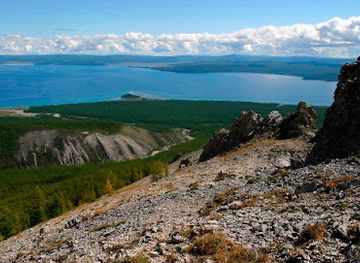
The defining landmark is Buir Lake itself, a broad freshwater body set within the level grasslands of eastern Dornod and divided by the Mongolia–China frontier. Its scale, low shoreline and changing relationship with sky and steppe give it a character unlike Mongolia’s mountain lakes. The reedbeds and wet margins are significant not only visually but ecologically, supporting migratory birds and other wetland life. The Kherlen River connection forms part of the wider hydrological landscape associated with the lake, although river channels and access conditions vary across the region. Beyond the shore, the most important markers are geographic rather than monumental: wide pastoral plains, seasonal camps and the carefully controlled border environment. Historical landmarks linked to the 1939 Khalkhyn Gol conflict exist elsewhere in eastern Dornod and should be treated as separate excursions rather than lakeside sites. Buir Lake’s significance lies in the combination of freshwater, wetlands, frontier geography and open steppe, with very little built architecture competing with the natural horizon.
-
Tourist attraction
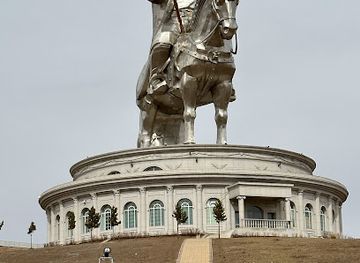
Chinggis Khaan Statue Complex
Explore the Chinggis Khaan Statue Complex, a majestic tribute in Ulaanbaatar that celebrates Mongolia's legendary leader and offers rich historical insights.
-
Monument
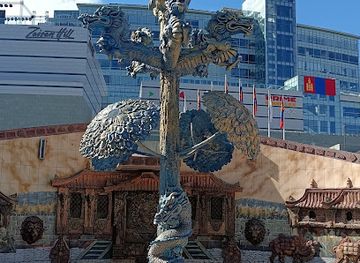
Zaisan Monument
Explore Zaisan Monument in Ulaanbaatar, a historic site offering stunning views and rich cultural insights into Mongolia's past.
-
International airport
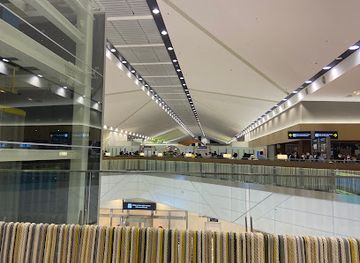
Chinggis Khaan International Airport
Discover Mongolia through Chinggis Khaan International Airport, your gateway to breathtaking landscapes and rich cultural experiences.
-
National park
Altai Tavan Bogd National Park
Explore the breathtaking beauty and rich cultural heritage of Altai Tavan Bogd National Park, a must-visit destination for nature lovers and adventure seekers.

Explore Buir Lake on the map
Plan your trip on one map. See where the top cities, national parks and sights are, and book hotels and experiences in a few clicks.
Best hotels in Buir Lake
Best restaurants in Buir Lake
There is no established restaurant scene around Buir Lake, so visitors normally eat food carried from Choibalsan or prepared by an expedition cook and, where arranged, by local hosts. Meals are likely to draw on practical Mongolian staples such as mutton, beef, flour-based dumplings, noodles, rice and dairy products, with cooking adapted to camping conditions. A visit to a pastoral household may offer a chance to encounter milk tea, dried curds or other customary foods, but hospitality should never be assumed and dietary requirements need to be explained in advance. Fresh supplies become less dependable as distance from larger settlements increases, making water, snacks and cooking fuel important parts of trip planning. The lake’s fishing resources have local and ecological significance, yet visitors should not fish without confirming current rules and permissions. Dining here is therefore connected to logistics, landscape and local relationships rather than cafés or formal dining rooms.
-
Italian
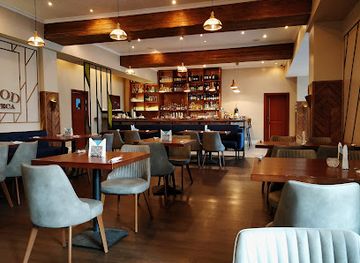
DeQuattro by Rosewood
Discover authentic Italian flavors at DeQuattro by Rosewood in Ulaanbaatar—an exquisite bistro experience awaits every food lover.
-
Indian
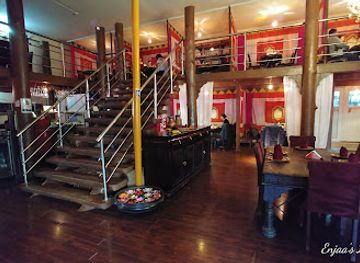
Hazara Indian Restaurant
Experience authentic Indian cuisine at Hazara Indian Restaurant in Ulaanbaatar - a must-visit destination for food lovers.
-
Restaurant
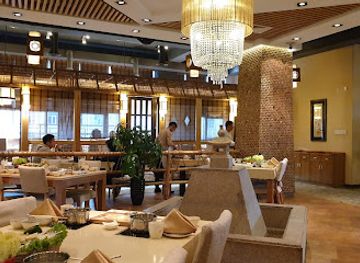
The Bull Hot Pot Restaurant
Experience authentic hot pot dining at The Bull Hot Pot Restaurant in Ulaanbaatar – a culinary adventure filled with fresh ingredients and vibrant flavors.
-
Mediterranean
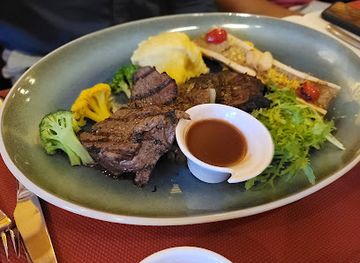
Choijin Temple Restaurant
Discover exquisite Mediterranean flavors at Choijin Temple Restaurant in Ulaanbaatar - an unforgettable culinary journey awaits.
Best bars in Buir Lake
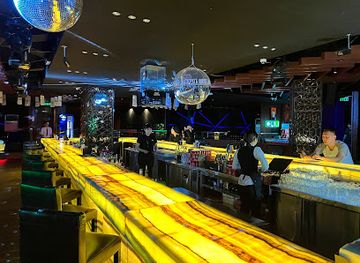
Buir Lake has no conventional nightlife, bars or nightclub district. Evenings are centred on camp life, conversation, hot drinks, quiet observation and exceptionally open skies rather than late commercial entertainment. A locally arranged stay with a pastoral family may provide a more meaningful evening encounter with regional life, but visitors should follow the host’s customs and avoid treating a family home as a tourist venue without agreement. Travellers who want a wider choice of restaurants or social venues should spend time in Choibalsan before or after the lake journey; it is the principal urban centre in Dornod, not part of the lakeside settlement environment. Bring suitable warm clothing, as temperatures can fall quickly after sunset, and keep sound and light levels low near wetlands and camps.
-
Hotel
The Blue Sky Hotel and Tower
Discover the luxurious charm of The Blue Sky Hotel and Tower in Ulaanbaatar - where elegance meets comfort and culinary delights await.
-
Restaurant
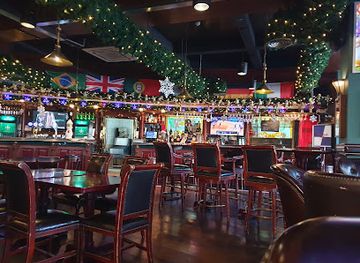
Grand Khaan Irish Pub
Discover the vibrant atmosphere, delicious food, and extensive drink selection at Grand Khaan Irish Pub in Ulaanbaatar for an unforgettable experience.
-
Indian
Hazara Indian Restaurant
Experience authentic Indian cuisine at Hazara Indian Restaurant in Ulaanbaatar, offering a rich menu of flavors in a cozy setting.
-
Restaurant
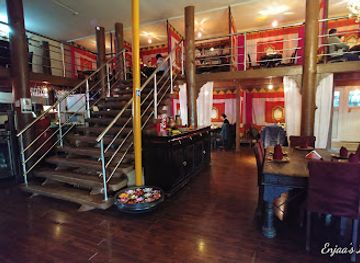
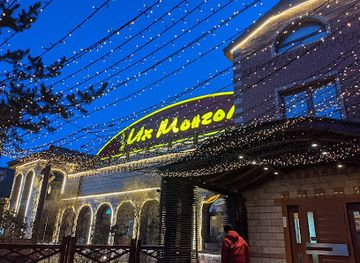
Great Mongol Restaurant & Pub
Experience authentic Mongolian cuisine in a vibrant pub atmosphere at Great Mongol Restaurant & Pub, Ulaanbaatar's culinary gem.
Best nightclubs in Buir Lake
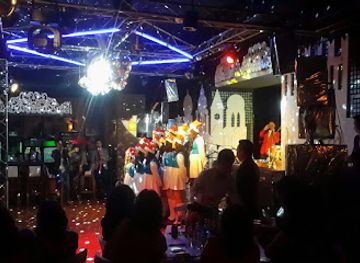
Buir Lake has no conventional nightlife, bars or nightclub district. Evenings are centred on camp life, conversation, hot drinks, quiet observation and exceptionally open skies rather than late commercial entertainment. A locally arranged stay with a pastoral family may provide a more meaningful evening encounter with regional life, but visitors should follow the host’s customs and avoid treating a family home as a tourist venue without agreement. Travellers who want a wider choice of restaurants or social venues should spend time in Choibalsan before or after the lake journey; it is the principal urban centre in Dornod, not part of the lakeside settlement environment. Bring suitable warm clothing, as temperatures can fall quickly after sunset, and keep sound and light levels low near wetlands and camps.
-
Jazz
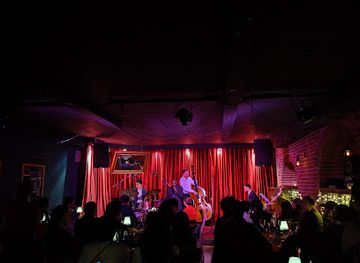
Fat Cat Jazz Club Ulaanbaatar
Discover the vibrant jazz scene at Fat Cat Jazz Club in Ulaanbaatar, where live music meets a cozy atmosphere for an unforgettable night.
-
Night club
CHOCO CLUB ULAANBAATAR
Dance the night away at Choco Club Ulaanbaatar, a premier nightclub offering vibrant music and an electrifying atmosphere.
-
Live Music
River Sounds Live Music Club
Discover the pulse of Ulaanbaatar's nightlife at River Sounds Live Music Club, where live music meets delicious dining and vibrant energy.
-
Night club
MINT Club
Experience the vibrant nightlife of Ulaanbaatar at MINT Club, a premier destination for music, dance, and unforgettable moments.

Best shops in Buir Lake
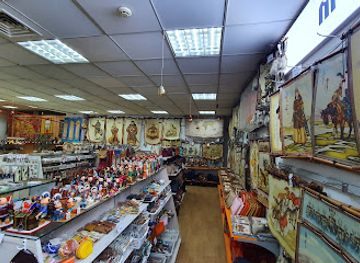
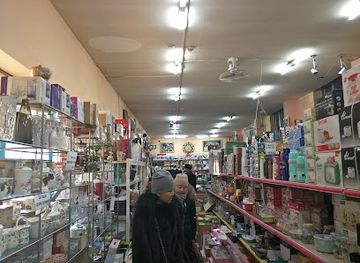
Shopping around Buir Lake is extremely limited and should not be a central part of the itinerary. Visitors should purchase fuel, food, medicines, batteries and other essentials in Choibalsan or before the final overland journey, as lakeside provisions are not reliably available. In the wider Dornod region, small shops and markets may provide basic supplies, while local households may occasionally sell or share dairy products, wool goods or other pastoral produce through personal arrangements rather than formal tourist outlets. Payment is best planned in Mongolian tögrög cash. Suitable regional souvenirs include responsibly sourced felt items, wool products or small craft objects bought from established sellers, but travellers should avoid purchasing archaeological artefacts, wildlife products or anything removed from the landscape. The most valuable purchase for a remote trip is often practical: extra water, food and vehicle supplies rather than decorative goods.
-
Department store
State Department Store
Experience the vibrant culture and shopping delights of Ulaanbaatar at the iconic State Department Store, a must-visit for every traveler.
-
Shopping mall
Ulaanbaatar Department Store
Discover a vibrant shopping experience at Ulaanbaatar Department Store, where local culture meets international style in the heart of Mongolia.
-
Shopping mall
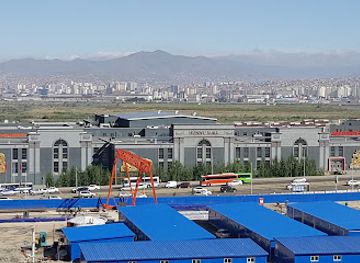
Hunnu Mall
Discover shopping, dining, and entertainment at Hunnu Mall, Ulaanbaatar's vibrant shopping hub for locals and tourists alike.
-
Shopping mall
Shangri-La Centre
Discover the ultimate shopping experience at Shangri-La Centre in Ulaanbaatar, where luxury meets local charm, offering a diverse range of brands and dining options.
Get your free copy of our complete guide to Buir Lake, delivered straight to you.
Everything on this page, from attractions and restaurants to essentials and local phrases, in one PDF you can read offline, print or share.
Already have an account? Sign in
Your Buir Lake guide is ready.
We'll send it to · Not you? Sign out

Getting your guide ready…
We are putting together a fresh copy of the Buir Lake guide. This can take up to a minute.
This can take a few moments. If your browser asks, choose Allow so the download can start. You'll find the guide in your Downloads folder.
Nothing happened? Download it again
Sorry, the guide is taking longer than usual. Please try again in a minute, or get it by email instead.
Buir Lake essentials
Currency and Payment
Safety
Emergency Situations
Do's and Don'ts
Local Tips
From Eve
Local phrases worth knowing
You don't need to get them perfect. A few words go a long way, and locals appreciate the effort.
Basics
| English | Local | Say it |
|---|---|---|
| Hello | Сайн байна уу | [Sain baina uu] |
| Goodbye | Баяртай | [Bayartai] |
| Yes | Тийм | [Tiim] |
| No | Үгүй | [Ügüi] |
| Please/You're welcome | Гуйя | [Guiya] |
| Thank you | Баярлалаа | [Bayarlalaa] |
| Excuse me/Sorry | Уучлаарай | [Uuchlaarai] |
| How are you? | Та хэр байна? | [Ta kher baina?] |
| Fine. And you? | Сайн. Та? | [Sain. Ta?] |
| Do you speak English? | Та англиар ярьдаг уу? | [Ta angliar yaryadg uu?] |
| I don't understand | Би ойлгохгүй байна | [Bi oilgokhgui baina] |
Eating & Drinking
| English | Local | Say it |
|---|---|---|
| I'd like to see the menu, please | Та надад менюг үзүүлнэ үү? | [Ta nadad menyuug üzülne ü?] |
| I don't eat meat | Би мах идэхгүй | [Bi makh idekhgui] |
| Cheers! | Сайн уу? | [Sain uu?] |
| I would like to pay, please | Би төлбөрөө төлмөөр байна | [Bi tölbööro tölmöör baina] |
Emergencies
| English | Local | Say it |
|---|---|---|
| Help! | Туслаач! | [Tuslaach!] |
| Go away! | Яваад өг! | [Yavaad ög!] |
| Call the Police! | Цагдаа дуудаач! | [Tsagdaa duudaa!] |
| Call a doctor! | Эмч дуудаач! | [Emch duudaa!] |
| I'm lost | Би алга болчихлоо | [Bi alga bolchikhlow] |
| I'm ill | Би өвчтэй байна | [Bi övchtei baina] |
Shopping
| English | Local | Say it |
|---|---|---|
| I'd like to buy... | Би ... худалдаж авахыг хүсч байна | [Bi ... khudaldaj avakhyg khüsch baina] |
| I'm just looking | Би зүгээр хараад байна | [Bi zügere kharaad baina] |
| How much is it? | Энэ хэд вэ? | [Ene khed ve?] |
| That's too expensive | Энэ хэт үнэтэй байна | [Ene khet ünetei baina] |
| Can you lower the price? | Та үнийг бууруулж чадах уу? | [Ta üning buuruulj chadah uu?] |
Time & Numbers
| English | Local | Say it |
|---|---|---|
| What time is it? | Одоо хэдэн цаг болж байна вэ? | [Odoo kheden tsag bolzh baina ve?] |
| It's one o'clock | Нэг цаг болж байна | [Neg tsag bolzh baina] |
| Half past (10) | 10 цаг 30 минут | [10 tsag 30 minut] |
| Morning | Өглөө | [Öglöö] |
| Afternoon | Орой | [Oroy] |
| Evening | Орой | [Oroy] |
| Yesterday | Өчигдөр | [Öchigdör] |
| Today | Өнөөдөр | [Önöödör] |
| Tomorrow | Маргааш | [Margaash] |
| 1 | Нэг | [Neg] |
| 2 | Хоёр | [Khoyor] |
| 3 | Гурав | [Gurav] |
| 4 | Дөрөв | [Döröv] |
| 5 | Тав | [Tav] |
| 6 | Зургаа | [Zurgaa] |
| 7 | Долоо | [Doloo] |
| 8 | Найм | [Naim] |
| 9 | Ес | [Yes] |
| 10 | Арав | [Arav] |
Transport & Directions
| English | Local | Say it |
|---|---|---|
| Where's a/the...? | Хаана ... байна вэ? | [Khaana ... baina ve?] |
| What's the address? | Хаяг нь юу вэ? | [Khayag ni yuu ve?] |
| Can you show me (on the map)? | Та надад (газрын зурагт) харуулах уу? | [Ta nadad (gazryn zuragt) kharuulakh uu?] |
| When's the next (bus)? | Дараагийн (автобус) хэзээ ирэх вэ? | [Daraagiin (avtobus) khed irikh ve?] |
| A ticket (to ....) | Би ... -д билет авмаар байна | [Bi ... -d bilet avmaar baina] |
History of Buir Lake
Ancient Steppe and Riverine Settlement
The Buir Lake basin belongs to the wider archaeological landscape of eastern Mongolia, where rivers, wetlands and grasslands offered water and seasonal resources to successive hunter-gatherer and pastoral communities. Mobile lifeways have left traces across the steppe in the form of burial grounds, stone features and other archaeological remains, although many sites are remote and should only be visited with appropriate local guidance. The lake’s importance has always been closely linked to its freshwater, fish, birdlife and position within routes across the eastern plains.
The Mongol Imperial Frontier
During the rise of the Mongol Empire in the thirteenth century, eastern Mongolia formed part of the political and military world from which Mongol power expanded across Inner Asia. The Buir Lake area was not an urban imperial centre, but its open terrain, water sources and proximity to routes towards present-day Inner Mongolia gave it strategic and logistical importance. The broader region’s history reflects the movement of pastoral groups, armies and political authorities across a landscape without fixed urban boundaries.
Qing-Era Borderlands
From the seventeenth century, eastern Mongolian territories were incorporated into the Qing imperial order, while neighbouring Inner Mongolia was administered within a separate but connected frontier system. Buir Lake’s later significance as a border landscape developed from these overlapping political arrangements and the gradual formalisation of boundaries. Pastoral movement, local authority and imperial administration interacted across the steppe, leaving a historical legacy that remains visible in the lake’s position beside the modern Mongolia–China frontier.
The 1939 Khalkhyn Gol Conflict
The wider Dornod region was the scene of the 1939 Khalkhyn Gol conflict, in which Soviet and Mongolian forces fought Japanese and Manchukuo forces. The decisive operations centred on the Khalkhyn Gol river system, away from Buir Lake itself, but the event shaped the strategic history of eastern Mongolia and the twentieth-century border between Mongolia and Manchuria. Memorials and battlefield sites elsewhere in Dornod interpret this history, while the lake remains part of the same broad frontier environment.
Socialism and Eastern Mongolia’s Pastoral Economy
During the Mongolian People’s Republic, pastoral production was reorganised through collective structures and state planning, as it was across Mongolia. In eastern Dornod, livestock raising remained closely tied to the grassland environment, while state administration, transport and military infrastructure strengthened the region’s strategic role. The lake and surrounding plain were not transformed into a large industrial destination; instead, their principal economic importance continued to be associated with pastoral use, freshwater resources and frontier management.
Protected Wetlands and Contemporary Conservation
As awareness of the ecological value of eastern Mongolia’s wetlands increased, Buir Lake and its surrounding environment gained importance for conservation and migratory-bird protection. The lake is recognised internationally as a wetland of significance under the Ramsar Convention. Contemporary management must balance habitat protection with pastoral livelihoods, fishing, tourism and the practical demands of an international border. This conservation story is now an essential part of understanding why the lake’s open shores and shallow wetlands require careful visitation.
Buir Lake in Photos
Browse through our photo collection highlighting the charm and character of the destination.
Neighbouring regions of Buir Lake
The closest regions to Buir Lake, if you have time for more than one.
-

-

-

-

-


Swipe for more regions
Explore more

Explore more of Mongolia
Discover Mongolia: From the vast steppes and towering mountains to the rich nomadic culture and ancient traditions, experience the land of eternal blue sky.
Explore Mongolia