

Free Great Falls Travel Guide & Mobile App
Plan your Great Falls trip with Evendo. Get free guides to top attractions, restaurants, hotels, and bars. Web access or download the mobile app.


Great Falls, Montana combines Missouri River waterfalls, Western art, Lewis and Clark history, museums, trails and wide-open northern Plains scenery.
The Missouri River and the Falls
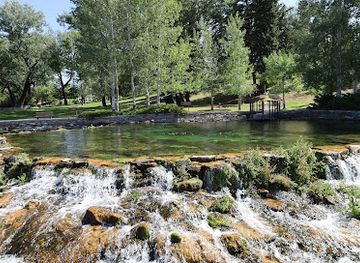
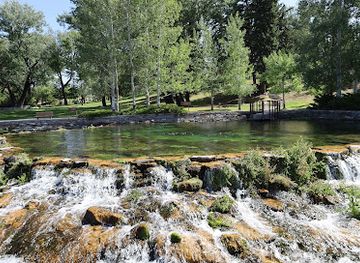
Great Falls occupies a broad stretch of north-central Montana where the Missouri River breaks through a chain of dramatic cataracts. The city takes its name from the Great Falls of the Missouri, one of five major falls encountered by the Lewis and Clark Expedition in 1805–06. Today, the river remains central to local life: the River’s Edge Trail follows its banks, while Giant Springs Heritage State Park protects one of the largest freshwater springs in the United States and provides access to the Lewis and Clark Interpretive Center.Read more about Great Falls
Art, History and the Western Imagination
Wide Horizons and Outdoor Exploration
When is the best time to visit Great Falls?
Best: June–August · 24–27°C| Month | High (°C) | Rainfall (mm) |
|---|---|---|
| January | 2 | 15 |
| February | 4 | 11 |
| March | 10 | 15 |
| April | 14 | 25 |
| May | 19 | 36 |
| June (best) | 24 | 41 |
| July (best) | 27 | 31 |
| August (best) | 26 | 25 |
| September | 21 | 20 |
| October | 14 | 15 |
| November | 6 | 15 |
| December | 1 | 18 |
Getting to and around Great Falls
How to get there
Transportation
Best attractions in Great Falls
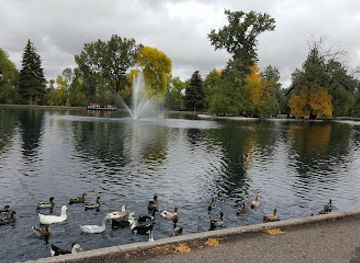
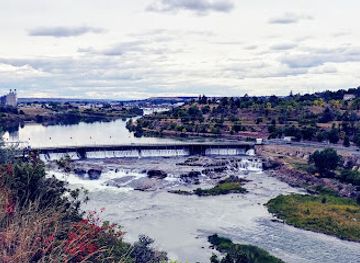
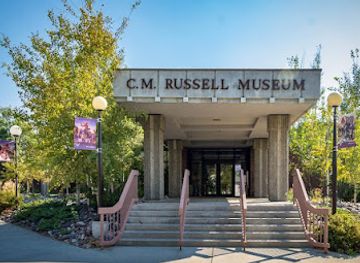
Great Falls’s principal attractions follow the Missouri River and the stories attached to it. Giant Springs Heritage State Park combines clear spring water, open parkland and views towards the river, while the Lewis and Clark Interpretive Center explains the expedition’s difficult passage around the falls and places it within the region’s Indigenous and natural history. The River’s Edge Trail links parks, overlooks and several waterfalls, including Black Eagle Falls, and offers a flexible way to explore the city’s riverside setting. In the cultural centre, the C.M. Russell Museum presents the art and life of one of Montana’s best-known Western artists, Paris Gibson Square Museum of Art occupies a historic school building devoted to contemporary and regional work, and The History Museum examines north-central Montana’s communities and industries. The city’s open spaces, public art and river viewpoints add a strong outdoor dimension to its museums and historic attractions.
-
Tourist attraction
Giant Springs State Park
Explore Giant Springs State Park, a stunning oasis in Montana offering unique geological features, outdoor recreation, and breathtaking natural beauty.
17 min drive · 5.8 km from city centre
-
Tourist attraction
Gibson Park
Discover the serenity of Gibson Park, a stunning natural retreat in Great Falls, Montana, perfect for relaxation, recreation, and scenic beauty.
14 min walk · 1.1 km from city centre
-
Art museum
C. M. Russell Museum
Explore the rich artistic heritage of the American West at the C. M. Russell Museum in Great Falls, Montana. A must-visit for art enthusiasts.
9 min walk · 0.7 km from city centre
-
Art museum
C. M. Russell Museum
Explore the vibrant art and history of the American West at the C. M. Russell Museum in Great Falls, Montana, a cultural gem for all visitors.
9 min walk · 0.7 km from city centre

Best landmarks in Great Falls
The Missouri River gives Great Falls its defining landmarks, with Black Eagle Falls, Rainbow Falls and other cataracts expressing the natural geography from which the city takes its name. Black Eagle Dam also represents the transformation of that river power into hydroelectric industry and regional development. The Lewis and Clark Interpretive Center is a major cultural landmark on the river corridor, linking the expedition’s 1805 passage with Indigenous history, geography and natural science. In the city centre, Paris Gibson Square Museum of Art occupies a former schoolhouse associated with Great Falls’s early civic ambitions, while the C.M. Russell Museum serves as an important landmark of Montana’s Western artistic identity. The Civic Center and Mansfield Center for the Performing Arts reflect the city’s role as a regional cultural hub, while historic downtown buildings preserve evidence of its late-nineteenth- and early-twentieth-century growth.
-
State park
Giant Springs State Park
Experience the natural beauty and rich history of Giant Springs State Park, a tranquil oasis in Great Falls, Montana, perfect for outdoor adventures and relaxation.
17 min drive · 5.8 km from city centre
-
Park
Gibson Park
Discover the beauty of Gibson Park in Great Falls, Montana, where nature, tranquility, and community come together in a stunning urban oasis.
14 min walk · 1.1 km from city centre
-
Art museum
C. M. Russell Museum
Explore the C. M. Russell Museum in Great Falls, Montana, to immerse yourself in the world of Western art and culture.
9 min walk · 0.7 km from city centre
-
 Campground
Great Falls KOA Holiday
Experience the beauty of Montana at Great Falls KOA Holiday, where adventure meets relaxation in a stunning natural setting.
17 min drive · 5.6 km from city centre
Explore Great Falls on the map
Plan your Great Falls trip on one map. See where the top attractions, landmarks, restaurants, bars and hotels are, find what's near where you're staying, and book hotels and experiences in a few clicks.
Best hotels in Great Falls
Best restaurants in Great Falls
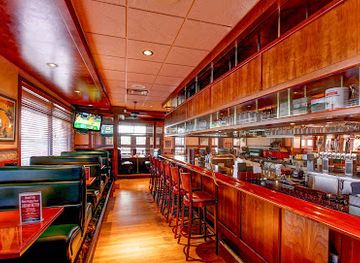
Great Falls dining reflects north-central Montana’s ranching culture, agricultural surroundings and practical Western character. Menus commonly feature beef, burgers, steaks and other familiar American dishes, while bison and locally influenced ingredients appear in some restaurants and seasonal offerings. Huckleberry products, Montana-made beer and regional baked goods provide recognisable local flavours, though the city’s food scene is broader than a single traditional cuisine. Downtown and the Central Avenue area contain independent restaurants, cafés, bars and breweries, while shopping districts and neighbourhood commercial areas provide further casual choices. The city also has a useful café culture for travellers exploring museums and the river corridor, alongside family-run restaurants serving hearty breakfasts and informal meals. Local menus change, so regional specialities are best understood as part of a wider Montana dining culture rather than a fixed set of Great Falls dishes.
-
American
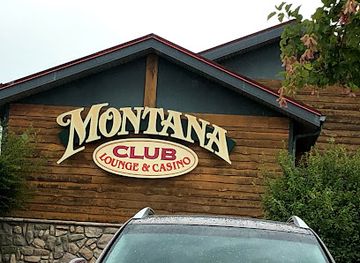
The Montana Club Restaurant
Discover The Montana Club Restaurant: A delightful blend of American classics, seafood delicacies, and succulent steaks in Great Falls.
7 min drive · 2.3 km from city centre
-
Hamburger
Roadhouse Diner
Discover delicious hamburgers and classic American comfort food at Roadhouse Diner in Great Falls, Montana.
15 min walk · 1.2 km from city centre
-
Grill
Jakers Bar and Grill
Experience delightful cuisine at Jakers Bar and Grill in Great Falls - where succulent steaks meet refreshing drinks in a vibrant setting.
18 min walk · 1.5 km from city centre
-
Family-friendly
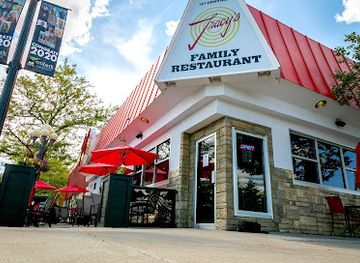
Tracy's Family Restaurant
Discover the charm of Tracy's Family Restaurant in Great Falls - where delicious comfort food meets a warm family atmosphere.
12 min walk · 1.0 km from city centre
Best bars in Great Falls
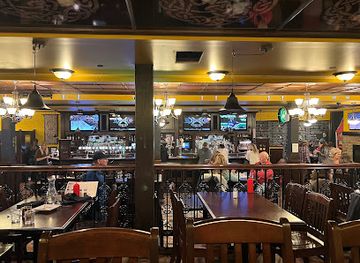
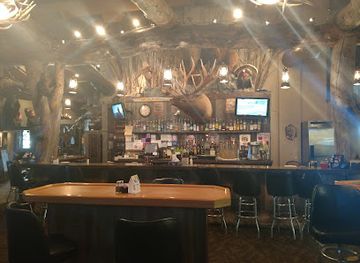
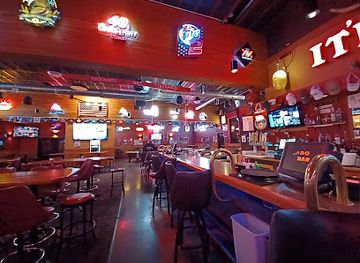
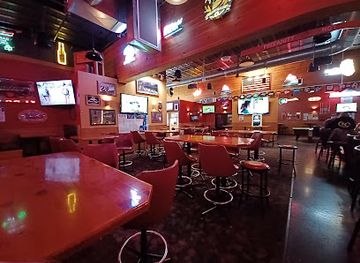
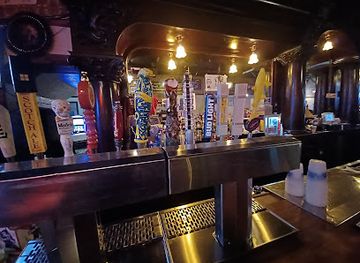
Great Falls has a modest, locally oriented evening scene rather than a dense nightclub district. Downtown and Central Avenue are the main areas for bars, breweries, pubs and restaurants that remain active after dark, with craft beer, cocktails, live music and informal conversation forming a larger part of nightlife than late-night clubbing. Mighty Mo Brewing Company and The Celtic Cowboy are established downtown names associated with beer, food and evening socialising, while local calendars may include concerts, community events and performances at venues such as the Mansfield Center for the Performing Arts. Hotel lounges and neighbourhood bars provide quieter alternatives, and the city’s cultural institutions occasionally add talks, exhibitions or scheduled performances. Opening patterns and event programmes vary, particularly outside summer, so evening entertainment is best planned around confirmed venue information.
-
Lounge
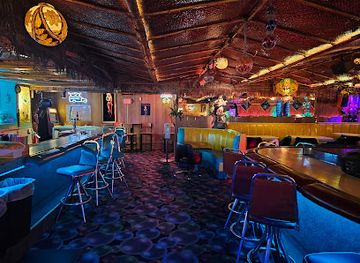
Sip 'n Dip Lounge (1962)
Experience the unique underwater bar at Sip 'n Dip Lounge in Great Falls, a cultural hub with live piano music and local flavors.
3 min walk · 0.3 km from city centre
-
Irish pub
The Celtic Cowboy Pub and Restaurant
Discover the charm of The Celtic Cowboy Pub in Great Falls, where vibrant Irish culture meets delicious cuisine and local brews.
12 min walk · 1.0 km from city centre
-
Steak
Bar-S Lounge & Supper Club
Experience the rich flavors of expertly crafted steaks in a cozy lounge setting at Bar-S Lounge & Supper Club in Great Falls, Montana.
16 min drive · 5.4 km from city centre
-
Bar
The Do Bar
Experience the vibrant nightlife of Great Falls at The Do Bar, where local drinks and a lively atmosphere await you.
7 min drive · 2.4 km from city centre
Best nightclubs in Great Falls
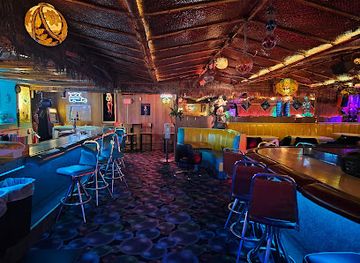
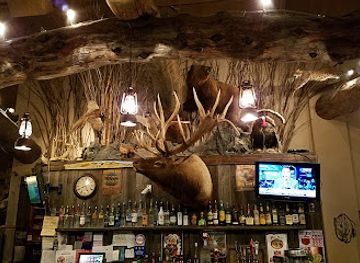
Great Falls has a modest, locally oriented evening scene rather than a dense nightclub district. Downtown and Central Avenue are the main areas for bars, breweries, pubs and restaurants that remain active after dark, with craft beer, cocktails, live music and informal conversation forming a larger part of nightlife than late-night clubbing. Mighty Mo Brewing Company and The Celtic Cowboy are established downtown names associated with beer, food and evening socialising, while local calendars may include concerts, community events and performances at venues such as the Mansfield Center for the Performing Arts. Hotel lounges and neighbourhood bars provide quieter alternatives, and the city’s cultural institutions occasionally add talks, exhibitions or scheduled performances. Opening patterns and event programmes vary, particularly outside summer, so evening entertainment is best planned around confirmed venue information.
-
Lounge
Sip 'n Dip Lounge (1962)
Experience the magical mermaid shows and vibrant nightlife at Sip 'n Dip Lounge in Great Falls, Montana – a unique bar and lounge destination.
3 min walk · 0.3 km from city centre
-
Steak
Bar-S Lounge & Supper Club
Savor exquisite steaks and vibrant nightlife at Bar-S Lounge & Supper Club in Great Falls, Montana.
16 min drive · 5.4 km from city centre
-
Bar
The Do Bar
Experience the vibrant nightlife at The Do Bar in Great Falls, Montana, where great drinks and a welcoming atmosphere await every visitor.
7 min drive · 2.4 km from city centre
-
Bar
Club Cigar
Discover Club Cigar in Great Falls, Montana: a relaxed bar offering a wide selection of cigars, drinks, and a vibrant atmosphere for all visitors.
11 min walk · 0.9 km from city centre
Best shops in Great Falls
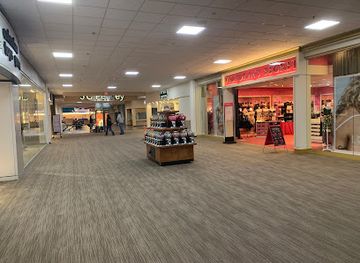
Shopping in Great Falls combines regional retail, practical city services and independent businesses rather than a concentrated luxury quarter. Central Avenue and downtown provide locally owned shops, galleries, cafés and specialist retailers, with Montana-made art, Western clothing, books, crafts and gifts among the more distinctive purchases. The C.M. Russell Museum shop is a useful place to find publications and art-related items connected to the region’s Western heritage. Holiday Village Mall and other commercial areas offer mainstream retail and everyday supplies, while supermarkets and specialist food shops may carry Montana products such as huckleberry goods, local beer and regional pantry items. Antique and second-hand shops can also yield Western memorabilia and older household pieces. Visitors should distinguish authentic locally produced work from generic frontier-themed souvenirs, especially when buying art, jewellery or Indigenous-inspired goods.
-
Shopping mall
Holiday Village Mall
Experience shopping like never before at Holiday Village Mall in Great Falls, Montana, with diverse stores and delicious dining options.
18 min walk · 1.4 km from city centre
-
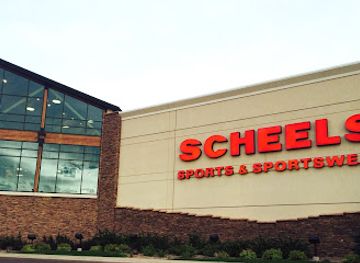
Sporting goods store
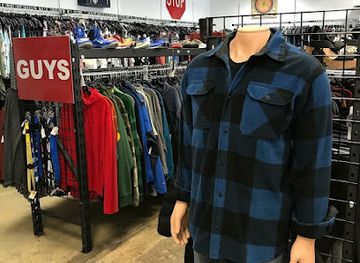
Scheels
Discover an unparalleled sporting goods experience at Scheels in Great Falls, MT, where adventure meets quality and customer service.
17 min walk · 1.3 km from city centre
-
Women's clothing store
Runway Fashion Exchange
Explore a diverse range of fashion at Runway Fashion Exchange, your go-to boutique in Great Falls, Montana, for stylish clothing and accessories.
16 min walk · 1.3 km from city centre
-
Toy store
Let's Play Games & Toys
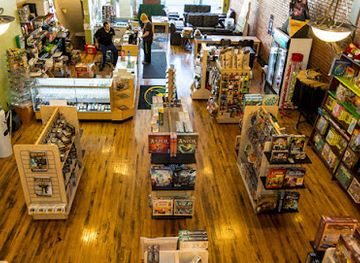
Discover a whimsical toy and game wonderland at Let's Play Games & Toys in Great Falls, MT, perfect for families and enthusiasts alike.
8 min walk · 0.6 km from city centre
Get your free copy of our complete guide to Great Falls, delivered straight to you.
Everything on this page, from attractions and restaurants to essentials and local phrases, in one PDF you can read offline, print or share.
Already have an account? Sign in
Your Great Falls guide is ready.
We'll send it to · Not you? Sign out

Getting your guide ready…
We are putting together a fresh copy of the Great Falls guide. This can take up to a minute.
This can take a few moments. If your browser asks, choose Allow so the download can start. You'll find the guide in your Downloads folder.
Nothing happened? Download it again
Sorry, the guide is taking longer than usual. Please try again in a minute, or get it by email instead.
Great Falls essentials
Currency and Payment
Safety
Emergency Situations
Do's and Don'ts
Local Tips
From Eve
Local phrases worth knowing
You don't need to get them perfect. A few words go a long way, and locals appreciate the effort.
Basics
| English | Local | Say it |
|---|---|---|
| Hello | Howdy | [HOU-dee] |
| Goodbye | See ya | [SEE yuh] |
| Yes | Yup | [YUHP] |
| No | Nope | [NOHP] |
| Please/You're welcome | Please/You're welcome | [Please/You're welcome] |
| Thank you | Thanks | [THANKS] |
| Excuse me/Sorry | Pardon me | [PAR-dn mee] |
| How are you? | Howdy, how ya doin'? | [HOU-dee, how yuh DOO-in'] |
| Fine. And you? | Fine. And you? | [Fine. And you?] |
| Do you speak English? | Ya speak English? | [Yuh speak ING-lish?] |
| I don't understand | I ain't gettin' it | [I aint GET-tin it] |
Eating & Drinking
| English | Local | Say it |
|---|---|---|
| I'd like to see the menu, please | Can I check out the menu, please | [Can I chek out the menu, please] |
| I don't eat meat | I don't eat meat | [I don't eat meat] |
| Cheers! | Cheers! | [Cheers!] |
| I would like to pay, please | I'd like to settle up, please | [I'd like to SET-tl up, please] |
Emergencies
| English | Local | Say it |
|---|---|---|
| Help! | Help! | [Help!] |
| Go away! | Git outta here! | [Git outta here!] |
| Call the Police! | Call the Cops! | [Call the Cops!] |
| Call a doctor! | Get a doc! | [Get a doc!] |
| I'm lost | I'm lost | [I'm lost] |
| I'm ill | I'm sick | [I'm sick] |
Shopping
| English | Local | Say it |
|---|---|---|
| I'd like to buy... | I wanna buy... | [I wanna buy...] |
| I'm just looking | Just browsing | [Just BROW-zin] |
| How much is it? | How much does it cost? | [How much duz it cost?] |
| That's too expensive | That's too spendy | [That's too SPEN-dee] |
| Can you lower the price? | Can ya knock the price down? | [Can ya knock the price down?] |
Time & Numbers
| English | Local | Say it |
|---|---|---|
| What time is it? | What time is it? | [What time is it?] |
| It's one o'clock | It's one o'clock | [It's one o'clock] |
| Half past (10) | Half past (10) | [Half past (10)] |
| Morning | Mornin' | [Mornin'] |
| Afternoon | Afternoon | [Afternoon] |
| Evening | Evenin' | [Evenin'] |
| Yesterday | Yesterday | [Yesterday] |
| Today | Today | [Today] |
| Tomorrow | Tomorrow | [Tomorrow] |
| 1 | One | [Wun] |
| 2 | Two | [Too] |
| 3 | Three | [Three] |
| 4 | Four | [For] |
| 5 | Five | [Fyv] |
| 6 | Six | [Siks] |
| 7 | Seven | [SEV-in] |
| 8 | Eight | [Ayt] |
| 9 | Nine | [Nyn] |
| 10 | Ten | [Tin] |
Transport & Directions
| English | Local | Say it |
|---|---|---|
| Where's a/the...? | Where's the...? | [Where's the...?] |
| What's the address? | What's the address? | [What's the address?] |
| Can you show me (on the map)? | Can you show me (on the map)? | [Can you show me (on the map)?] |
| When's the next (bus)? | When's the next (bus)? | [When's the next (bus)?] |
| A ticket (to ....) | A ticket (to ....) | [A ticket (to ....)] |
History of Great Falls
Indigenous Homelands and River Country
The Great Falls area lies within the broader homelands and travelling territories of Indigenous peoples, including the Blackfeet and other communities connected to the northern Plains and Upper Missouri. The river corridor supported movement, hunting, trade and cultural exchange long before a permanent American town developed. The falls were significant geographical markers, but they also formed a demanding interruption to river travel. Any account of Great Falls begins with this deeper human geography: the city stands in a landscape whose routes, resources and meanings were established over many generations before the arrival of European-American explorers.
Lewis and Clark on the Upper Missouri
In 1805, the Lewis and Clark Expedition reached the Great Falls of the Missouri while travelling west towards the Rocky Mountains under instructions from President Thomas Jefferson. The expedition spent weeks portaging around the series of falls and rapids, a labour-intensive detour that delayed its progress but confirmed the river’s character. On the return journey in 1806, the explorers again passed through the area. Their journals recorded the falls, wildlife, geography and encounters that later helped shape American interpretations of the northern Plains. The Lewis and Clark Interpretive Center presents this episode alongside Indigenous perspectives and the natural history of the river corridor.
A Town Emerges beside the River
The modern settlement developed in the late nineteenth century, when transport links, commercial enterprise and the prospect of river-generated power encouraged non-Indigenous growth. Paris Gibson, a businessman and civic promoter, helped establish the town in the 1880s, and Great Falls was incorporated in 1888. The city’s location on routes connecting central Montana with the wider region supported trade and services for surrounding ranching and farming districts. Its early buildings, street plan and civic institutions reflected the ambitions of a planned regional centre rather than a temporary frontier camp.
Industry, Hydropower and Regional Growth
The Missouri’s falls gave Great Falls an industrial advantage as engineers developed hydroelectric power at sites including Black Eagle Dam and Rainbow Dam. Smelting, manufacturing, flour milling and railway connections helped transform the city into an important commercial and industrial centre during the late nineteenth and early twentieth centuries. The river was consequently both a landscape and a working resource, its channels altered by dams and infrastructure. Industrial development brought employment and population growth, while also leaving a lasting mark on the riverfront. The surviving falls, power structures and interpretive sites together reveal how natural force shaped the city’s economy.
Charles M. Russell and the Western Image
Artist Charles M. Russell spent much of his life in Great Falls after moving there in 1896, and the city became closely associated with his paintings, sketches and sculptures of cowboys, Indigenous peoples, wildlife and frontier life. Russell was not simply a recorder of a disappearing West: his work helped create a powerful public image of Montana and the northern Plains, while also reflecting the limits and assumptions of his era. The C.M. Russell Museum preserves and interprets his work within a wider collection of Western art. His presence remains one of the clearest links between Great Falls’s local history and its national cultural identity.
Great Falls in Photos
Browse through our photo collection highlighting the charm and character of the destination.
Cities near Great Falls
The closest cities to Great Falls, if you have time for more than one stop.
-

-

-

-

-


Swipe for more cities
Explore more
Explore more of Montana
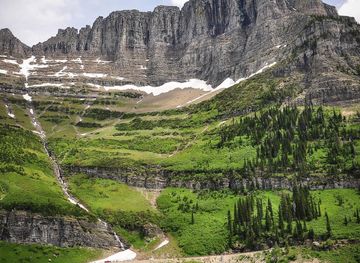
Discover Montana: A Treasure State of majestic landscapes, outdoor adventures, and rich cultural heritage. Explore Glacier and Yellowstone, charming towns, and historic sites.
Explore Montana