

Free Big Sky Travel Guide & Mobile App
Plan your Big Sky trip with Evendo. Get free guides to top attractions, restaurants, hotels, and bars. Web access or download the mobile app.


Big Sky, Montana pairs Lone Peak skiing, Gallatin Canyon scenery, outdoor adventures and easy access to Yellowstone National Park.
Mountain Setting and Character
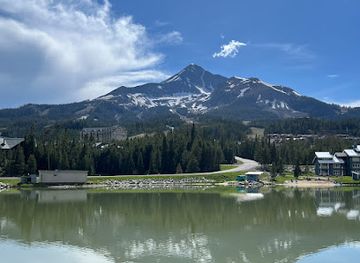
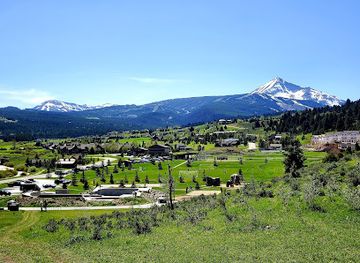
Big Sky is a high-country resort community in south-western Montana, spread along the Gallatin River between Bozeman and the western entrance to Yellowstone National Park. Its defining landmark is Lone Peak, a granite-and-gneiss summit rising above the ski area and surrounding forests. Rather than a conventional town centre, Big Sky is organised into distinct areas, including Mountain Village beside the ski slopes, Meadow Village around the community's civic and commercial facilities, and Town Center, where restaurants, shops and events bring people together. The wide distances between these areas contribute to its spacious, outdoors-oriented character.Read more about Big Sky
Four-Season Outdoors
Community in the High Country
When is the best time to visit Big Sky?
Best: July–September · 17–22°C| Month | High (°C) | Rainfall (mm) |
|---|---|---|
| January | -2 | 45 |
| February | -1 | 40 |
| March | 3 | 35 |
| April | 9 | 30 |
| May | 13 | 45 |
| June | 18 | 55 |
| July (best) | 22 | 35 |
| August (best) | 21 | 30 |
| September (best) | 17 | 35 |
| October | 11 | 25 |
| November | 3 | 35 |
| December | -1 | 40 |
Getting to and around Big Sky
How to get there
Transportation
Best attractions in Big Sky
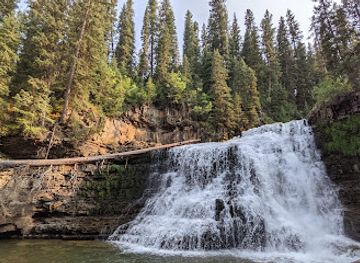
Big Sky's attractions are primarily landscapes and outdoor facilities rather than museums or historic streets. Big Sky Resort provides access to extensive winter ski terrain and summer mountain activities beneath Lone Peak, while the Lone Peak Tram offers a high alpine viewpoint when operating and conditions permit. Ousel Falls Park leads through forest to a waterfall on a relatively accessible trail, and the Gallatin River corridor brings opportunities for scenic drives, fly-fishing and wildlife observation. Town Center and Meadow Village provide places to browse local shops, eat and experience the community's evolving social life. Nearby Gallatin National Forest offers hiking, mountain biking and camping, while Yellowstone National Park is a separate regional excursion reached by road. The combination of managed resort infrastructure, open public land and dramatic mountain scenery gives sightseeing in Big Sky a strongly outdoor character.
-
Ski resort
Big Sky Resort
Experience the thrill of skiing and the beauty of nature at Big Sky Resort, Montana's premier destination for adventure and relaxation.
17 min drive · 5.7 km from city centre
-
Tourist attraction
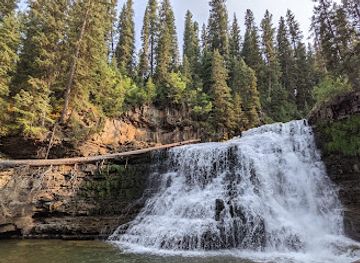
Ousel Falls Park & Trailhead
Explore the natural beauty and stunning waterfalls of Ousel Falls Park & Trailhead in Montana, a perfect destination for hiking and relaxation.
6 min drive · 1.9 km from city centre
-
Ski rental service
Black Tie Ski Rental Delivery of Big Sky
Experience the ultimate ski adventure in Montana with convenient delivery of premium ski and snowboard rentals from Black Tie Ski Rental Delivery.
12 min drive · 4.1 km from city centre
-
Tourist attraction
Big Sky Community Park
Discover the beauty and tranquility of Big Sky Community Park, a must-visit destination for outdoor lovers in Montana.
13 min drive · 4.2 km from city centre
Best landmarks in Big Sky
Lone Peak is Big Sky's defining natural landmark, its steep profile dominating views from the resort and surrounding valley. The mountain is also closely associated with Big Sky Resort and the Lone Peak Tram, which made high alpine terrain a central part of the community's identity. Ousel Falls is a local landscape landmark reached by a forested trail, while the Gallatin River and Gallatin Canyon form the area's most important geographic corridor, linking the community with the wider valley and public lands. Big Sky does not possess a historic civic centre filled with old buildings; its notable constructed features are largely resort and community buildings in Mountain Village, Meadow Village and Town Center. Their timber-and-stone design reflects the region's mountain setting, while the surrounding national forest and open ridgelines carry much of the area's symbolic significance.
-
Ski resort
Big Sky Resort
Experience the thrill of skiing and year-round adventures at Big Sky Resort, Montana's premier destination for outdoor fun and breathtaking scenery.
17 min drive · 5.7 km from city centre
-
Park
Ousel Falls Park & Trailhead
Explore Ousel Falls Park & Trailhead in Gallatin Gateway, Montana – a breathtaking destination for hiking and experiencing nature's beauty.
6 min drive · 1.9 km from city centre
-
Hotel
320 Guest Ranch
Discover the authentic Montana experience at 320 Guest Ranch, where rustic charm meets breathtaking landscapes and outdoor adventures await.
40 min drive · 20 km from city centre
-
Lodge
Moonlight Basin
Experience the natural beauty and luxury of Moonlight Basin Lodge, nestled in the heart of Big Sky, Montana, with world-class golfing and stunning mountain views.
22 min drive · 7.4 km from city centre
Explore Big Sky on the map
Plan your Big Sky trip on one map. See where the top attractions, landmarks, restaurants, bars and hotels are, find what's near where you're staying, and book hotels and experiences in a few clicks.
Best hotels in Big Sky
Best restaurants in Big Sky
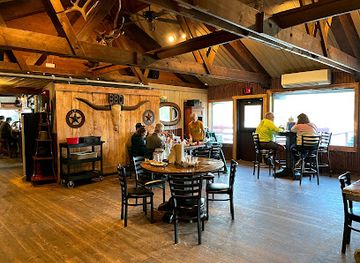
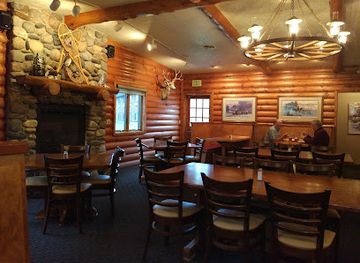
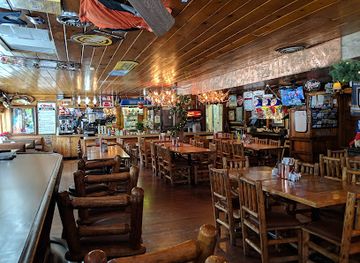
Big Sky's dining scene reflects its resort setting and Montana's ranching, river and mountain culture. Restaurants around Mountain Village, Meadow Village and Town Center range from relaxed cafés and après-ski counters to steakhouses, pizzerias, contemporary American kitchens and more globally influenced cooking. Menus often draw on beef, game, trout, seasonal produce and hearty dishes suited to cold-weather days, while breakfast and coffee shops serve skiers, hikers and early road travellers. Local food culture is less about one defining regional dish than about generous portions, high-country hospitality and ingredients associated with the wider state. Après-ski dining is particularly prominent in winter, whereas summer brings patios and informal meals after hiking or fishing. The resort area's remoteness means that restaurant choice, reservations and opening patterns can change with the season.
-
Barbecue
Riverhouse BBQ & Events
Experience mouthwatering barbecue in Gallatin Gateway's scenic Riverhouse BBQ & Events – perfect for dining and special celebrations.
25 min drive · 8.2 km from city centre
-
Restaurant
Buck's T-4 Restaurant
Experience Montana's finest dining at Buck's T-4 Restaurant in Big Sky - where local flavors meet breathtaking mountain views.
22 min drive · 7.3 km from city centre
-
Steak
Corral Bar, Steakhouse & Motel
Experience authentic Montana dining at Corral Bar: savor delicious steaks in a rustic setting while enjoying the vibrant bar atmosphere.
31 min drive · 11 km from city centre
-
Grocery store
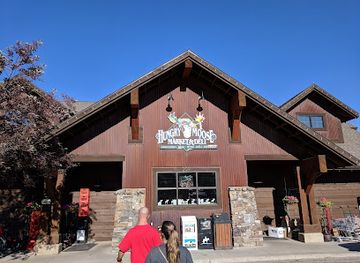
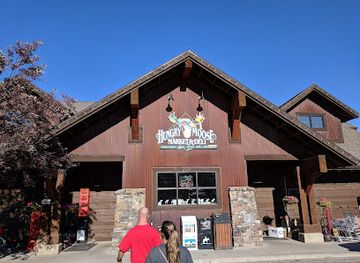
Hungry Moose Market and Deli
Discover local flavors at Hungry Moose Market and Deli in Big Sky—your destination for fresh groceries, baked goods, and delicious deli items.
8 min drive · 2.5 km from city centre
Best bars in Big Sky
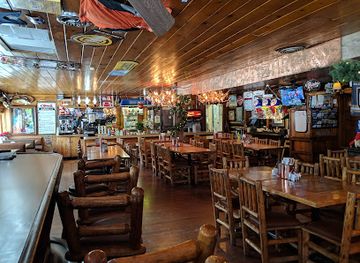
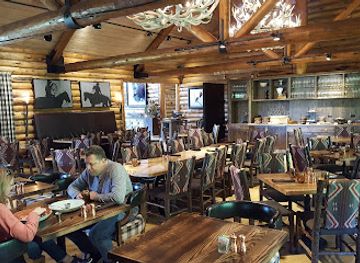
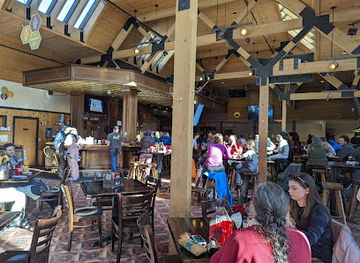
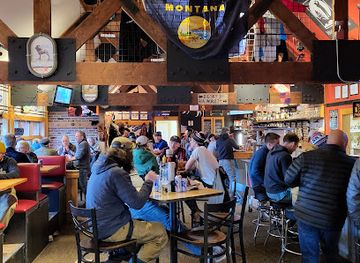
Big Sky's evening life is centred on après-ski, conversation and live entertainment rather than a dense nightclub district. Mountain Village and Town Center offer bars and lounges where visitors gather after skiing, while Meadow Village provides additional restaurants and more relaxed evening settings. The atmosphere ranges from informal beer and cocktail venues to dining rooms with regional wines and occasional live music. Winter generally brings the fullest après-ski programme, with activity easing into quieter evenings outside peak periods. Community events, concerts and cultural programmes can add variety, but Big Sky is not a late-night urban destination and venues are dispersed across the valley. Anyone travelling between neighbourhoods after dark should plan transport in advance, particularly during snow or icy conditions.
-
Bar
Corral Bar, Steakhouse & Motel
Discover the Corral Bar, Steakhouse & Motel in Gallatin Gateway, a delightful blend of hearty meals and Montana hospitality amidst stunning landscapes.
31 min drive · 11 km from city centre
-
Bar
Horn and Cantle
Experience the culinary delights of Horn and Cantle in Big Sky, Montana - where fine dining meets rustic charm amidst stunning landscapes.
7 min drive · 2.4 km from city centre
-
Sports bar
Montana Jack
Experience the lively atmosphere of Montana Jack, where delicious American cuisine meets the excitement of a sports bar in beautiful Big Sky, Montana.
16 min drive · 5.3 km from city centre
-
Bar
Scissorbills Saloon
Discover Scissorbills Saloon in Big Sky, Montana, where great food, refreshing drinks, and live music create an unforgettable experience.
16 min drive · 5.2 km from city centre
Best nightclubs in Big Sky
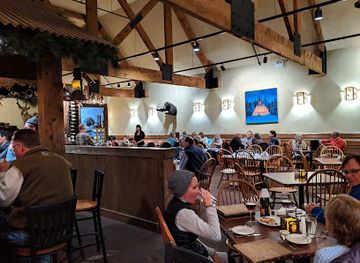
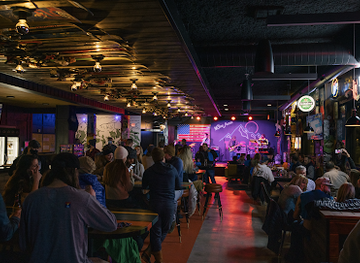
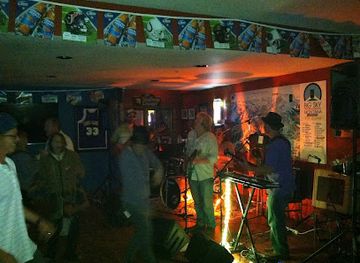
Big Sky's evening life is centred on après-ski, conversation and live entertainment rather than a dense nightclub district. Mountain Village and Town Center offer bars and lounges where visitors gather after skiing, while Meadow Village provides additional restaurants and more relaxed evening settings. The atmosphere ranges from informal beer and cocktail venues to dining rooms with regional wines and occasional live music. Winter generally brings the fullest après-ski programme, with activity easing into quieter evenings outside peak periods. Community events, concerts and cultural programmes can add variety, but Big Sky is not a late-night urban destination and venues are dispersed across the valley. Anyone travelling between neighbourhoods after dark should plan transport in advance, particularly during snow or icy conditions.
-
Bar
Scissorbills Saloon
Discover the lively ambiance of Scissorbills Saloon in Big Sky, Montana, where great food, live music, and a vibrant atmosphere await.
16 min drive · 5.2 km from city centre
-
American
The Cabin Bar & Grill
Experience the perfect blend of American cuisine and mountain views at The Cabin Bar & Grill in Big Sky, Montana.
16 min drive · 5.2 km from city centre
-
Grill
Tips Up Big Sky
Discover a delightful blend of delicious grill cuisine and vibrant nightlife at Tips Up Big Sky in Montana's scenic paradise.
8 min drive · 2.8 km from city centre
-
Bar
Broken Spoke Bar & Casino
Discover the lively nightlife at Broken Spoke Bar & Casino in Big Sky, where drinks flow and fun never stops amidst the beautiful Montana scenery.
7 min drive · 2.3 km from city centre

Best shops in Big Sky
Shopping in Big Sky is concentrated in Mountain Village, Meadow Village and Town Center rather than along a traditional high street. Visitors find practical outdoor equipment, ski and snowboard services, clothing, gifts, art, jewellery and locally themed goods alongside cafés and everyday provisions. Independent retailers and galleries often emphasise Montana-made products, western design, photography, woodwork and mountain imagery, while speciality food shops provide provisions for self-catering accommodation. Town Center has become an important contemporary commercial and community hub, whereas Meadow Village offers a more established cluster of services. Selection is shaped by the resort calendar, and prices for specialist equipment or souvenirs can reflect the destination's remote location. For broader retail choice, Bozeman is the nearest larger shopping centre, reached by road through the Gallatin Canyon.
-
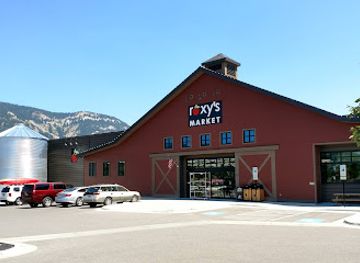
Grocery store
Roxy's Market
Discover local flavors and unique finds at Roxy's Market, your charming grocery store in the heart of Big Sky, Montana.
9 min drive · 3.1 km from city centre
-
Grocery store
Hungry Moose Market and Deli
Discover the essence of Big Sky at Hungry Moose Market and Deli, where local flavors meet delightful culinary experiences.
8 min drive · 2.5 km from city centre
-
Ski rental service
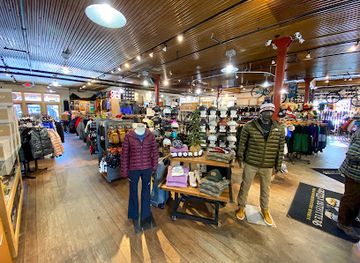
Christy Sports Big Sky Town Center
Experience the thrill of the outdoors at Christy Sports Big Sky Town Center, your go-to destination for ski and bicycle rentals in beautiful Montana.
8 min drive · 2.6 km from city centre
-
Cannabis store
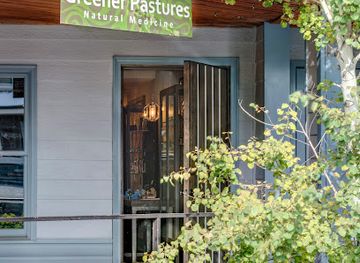
Greener Pastures
Discover the essence of Big Sky, Montana, at Greener Pastures, your go-to cannabis store for quality and sustainability.
7 min drive · 2.3 km from city centre
Get your free copy of our complete guide to Big Sky, delivered straight to you.
Everything on this page, from attractions and restaurants to essentials and local phrases, in one PDF you can read offline, print or share.
Already have an account? Sign in
Your Big Sky guide is ready.
We'll send it to · Not you? Sign out

Getting your guide ready…
We are putting together a fresh copy of the Big Sky guide. This can take up to a minute.
This can take a few moments. If your browser asks, choose Allow so the download can start. You'll find the guide in your Downloads folder.
Nothing happened? Download it again
Sorry, the guide is taking longer than usual. Please try again in a minute, or get it by email instead.
Big Sky essentials
Currency and Payment
Safety
Emergency Situations
Do's and Don'ts
Local Tips
From Eve
Local phrases worth knowing
You don't need to get them perfect. A few words go a long way, and locals appreciate the effort.
Basics
| English | Local | Say it |
|---|---|---|
| Hello | Howdy | [haʊ.di] |
| Goodbye | See ya | [siː jə] |
| Yes | Yup | [jʌp] |
| No | Nope | [noʊp] |
| Please/You're welcome | Please/You're welcome | [pliːz/jʊr ˈwɛlkəm] |
| Thank you | Thanks | [θæŋks] |
| Excuse me/Sorry | Pardon me | [ˈpɑrdn mi] |
| How are you? | Howdy | [haʊ.di] |
| Fine. And you? | Fine. And you? | [faɪn. ənd ju] |
| Do you speak English? | Do you speak English? | [du jʊ spiːk ˈɪŋɡlɪʃ] |
| I don't understand | I don't get it | [aɪ doʊnt ˌəndərˈstænd] |
Eating & Drinking
| English | Local | Say it |
|---|---|---|
| I'd like to see the menu, please | I'd like to see the menu, please | [aɪd laɪk tʊ siː ðə ˈmɛnjuː pliːz] |
| I don't eat meat | I don't eat meat | [aɪ doʊnt it mit] |
| Cheers! | Cheers! | [ʧɪrz] |
| I would like to pay, please | I would like to pay, please | [aɪ wʊd laɪk tʊ peɪ pliːz] |
Emergencies
| English | Local | Say it |
|---|---|---|
| Help! | Help! | [hɛlp] |
| Go away! | Get lost! | [ɡɛt lɔst] |
| Call the Police! | Call the Sheriff! | [kɔl ðə ˈʃɛrɪf] |
| Call a doctor! | Call a doc! | [kɔl ə ˈdɑk] |
| I'm lost | I'm lost | [aɪm lɔst] |
| I'm ill | I'm sick | [aɪm sɪk] |
Shopping
| English | Local | Say it |
|---|---|---|
| I'd like to buy... | I'd like to buy... | [aɪd laɪk tʊ baɪ] |
| I'm just looking | I'm just looking | [aɪm ˈdʒʌst ˈlʊkɪŋ] |
| How much is it? | How much does it cost? | [haʊ mʌʧ ˈdʌz ɪt kɑst] |
| That's too expensive | That's too pricey | [ðæts tuː ɪkˈspɛnsɪv] |
| Can you lower the price? | Can you bring the price down? | [kæn ju brɪŋ ðə praɪs daʊn] |
Time & Numbers
| English | Local | Say it |
|---|---|---|
| What time is it? | What's the time? | [wɑts ðə taɪm] |
| It's one o'clock | It's one o'clock | [ɪts wʌn əˈklɑk] |
| Half past (10) | Half past ten | [hæf pæst tɛn] |
| Morning | Morning | [ˈmɔrnɪŋ] |
| Afternoon | Afternoon | [ˌæftərˈnun] |
| Evening | Evening | [ˈivnɪŋ] |
| Yesterday | Yesterday | [ˈjɛstərˌdeɪ] |
| Today | Today | [təˈdeɪ] |
| Tomorrow | Tomorrow | [təˈmɑroʊ] |
| 1 | One | [wʌn] |
| 2 | Two | [tu] |
| 3 | Three | [θri] |
| 4 | Four | [fɔr] |
| 5 | Five | [faɪv] |
| 6 | Six | [sɪks] |
| 7 | Seven | [ˈsɛvən] |
| 8 | Eight | [eɪt] |
| 9 | Nine | [naɪn] |
| 10 | Ten | [tɛn] |
Transport & Directions
| English | Local | Say it |
|---|---|---|
| Where's a/the...? | Where's a/the...? | [wɛrz ə/ðə] |
| What's the address? | What's the address? | [wɑts ðə ˈædrɛs] |
| Can you show me (on the map)? | Can you show me (on the map)? | [kæn ju ʃoʊ mi (ɒn ðə mæp)] |
| When's the next (bus)? | When's the next (bus)? | [wɛnz ðə nɛkst (bʌs)] |
| A ticket (to ....) | A ticket (to ....) | [ə ˈtɪkɪt (tu)] |
History of Big Sky
Indigenous Homeland and Mountain Valleys
The Gallatin Valley and surrounding mountains are part of the historical homelands and travel routes of Indigenous peoples, including the Crow, Blackfeet, and other nations connected with the northern Rocky Mountains. The area's rivers, forests and high passes supported seasonal movement, hunting and trade long before the creation of modern resort communities. The Gallatin River corridor also formed a natural route through the mountains, linking the valley around present-day Bozeman with landscapes to the south. Any account of Big Sky's past begins with this deeper Indigenous geography, even though the community itself is a recent development.
Exploration and Settlement
Euro-American exploration and settlement accelerated in south-western Montana during the nineteenth century, particularly after the discovery of gold in the wider region and the establishment of trails, ranches and trading communities. Bozeman became an important northern gateway, while the Gallatin Canyon connected the valley to the national park country beyond. Agriculture and ranching shaped the lower valleys, and the surrounding public lands remained comparatively undeveloped. Big Sky's later identity as a recreational community grew from this combination of working landscapes, national forest and dramatic mountain terrain rather than from an old town centre.
Public Lands and Yellowstone Country
The creation of Yellowstone National Park in 1872 strengthened the international importance of the wider region and encouraged a developing culture of exploration, guiding and landscape conservation. Forest reserves established in the late nineteenth and early twentieth centuries, later administered within the national forest system, protected large areas around the Gallatin Valley and canyon. These public lands helped preserve the setting that now supports hiking, skiing, wildlife watching and river recreation. Big Sky lies outside Yellowstone, but its modern tourism economy is closely connected to the park's enduring reputation and the broader appeal of the Greater Yellowstone ecosystem.
The Vision of a Ski Community
Big Sky's modern history began in the early 1970s, when television news anchor Chet Huntley helped promote the idea of a large ski resort in the Madison Range. Big Sky Resort opened in 1973, bringing lift-served winter recreation and a new pattern of development to the valley. Early plans focused on skiing, holiday accommodation and access to the mountain, while later growth added residential neighbourhoods, golf, summer activities and community services. The resort's expansion gradually transformed a largely rural landscape into a nationally known destination while retaining heavy dependence on the surrounding public and private mountain environment.
A Growing Year-Round Community
During the late twentieth and early twenty-first centuries, Big Sky developed beyond a seasonal ski base. Meadow Village and later Town Center provided more visible community functions, including shops, restaurants, services, public events and cultural facilities. The opening of the Yellowstone Club as a private development and continued investment around Big Sky Resort added to the area's profile, while population growth brought pressure on housing, roads, water resources and emergency services. Today, Big Sky's identity is shaped by the balance between resort tourism, permanent residents, conservation initiatives and the practical challenges of building a year-round community in a high-elevation valley.
Big Sky in Photos
Browse through our photo collection highlighting the charm and character of the destination.
Cities near Big Sky
The closest cities to Big Sky, if you have time for more than one stop.
-

-

-

-

-


Swipe for more cities
Explore more
Explore more of Montana
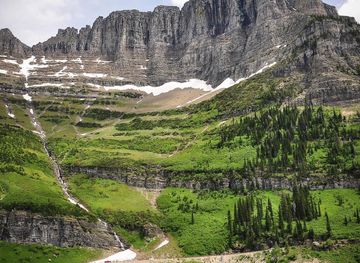
Discover Montana: A Treasure State of majestic landscapes, outdoor adventures, and rich cultural heritage. Explore Glacier and Yellowstone, charming towns, and historic sites.
Explore Montana