

Free Billings Travel Guide & Mobile App
Plan your Billings trip with Evendo. Get free guides to top attractions, restaurants, hotels, and bars. Web access or download the mobile app.


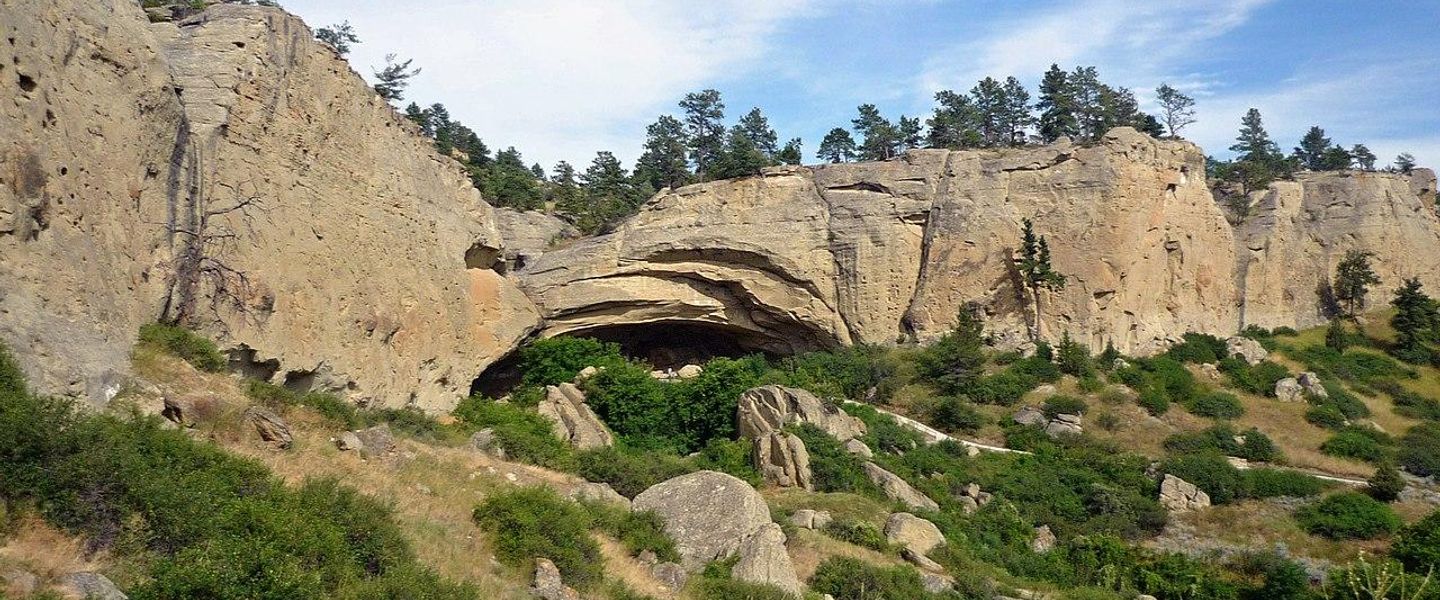


Billings, Montana blends Yellowstone River scenery, Western history, Rimrocks, museums, local dining and outdoor adventures in the state’s largest city.
A City Shaped by River and Rimrock
Billings rises above the Yellowstone River in south-central Montana, where pale sandstone cliffs known as the Rimrocks form a dramatic northern edge to the city. Montana’s largest city is a practical urban centre with a distinctly western setting: downtown streets lead towards independent galleries, museums, theatres and restaurants, while the surrounding landscape opens into broad skies, cottonwood riverbanks and high plains. The Yellowstone River, the longest undammed river in the United States, remains an important geographical presence even as Billings functions as a regional centre for commerce, healthcare, education and the energy industry.Read more about Billings
Western Heritage and Contemporary Culture
Landscapes Beyond the Centre
When is the best time to visit Billings?
Best: June, August–September · 22–28°C| Month | High (°C) | Rainfall (mm) |
|---|---|---|
| January | 1 | 15 |
| February | 4 | 15 |
| March | 9 | 20 |
| April | 14 | 25 |
| May | 19 | 35 |
| June (best) | 23 | 40 |
| July | 28 | 30 |
| August (best) | 28 | 25 |
| September (best) | 22 | 25 |
| October | 14 | 20 |
| November | 7 | 15 |
| December | 1 | 15 |
Getting to and around Billings
How to get there
Transportation
Best attractions in Billings
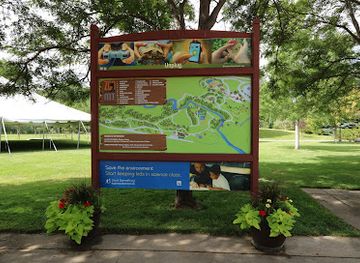
Billings’ principal attractions combine urban culture with the open landscapes of the Yellowstone Valley. The Yellowstone Art Museum presents art from Montana and the northern Rocky Mountain region, while the Western Heritage Center uses objects and stories to interpret the people and communities of south-central Montana. At the Moss Mansion, guided visits reveal the domestic world of an affluent Billings family in the early twentieth century. The Rimrocks provide elevated viewpoints and walking routes above the city, with broad perspectives across the valley and Yellowstone River. South-east of the urban centre, Pictograph Cave State Park protects archaeological sites and ancient rock art reached by a short interpretive trail. ZooMontana offers a walk-through setting focused on wildlife of the northern Rockies and Great Plains, while Riverfront Park provides space for walking, birdwatching and quieter river views. Downtown galleries, public art and seasonal events add a changing cultural layer.
-
Tourist attraction
ZooMontana
Experience the beauty and wonder of wildlife at ZooMontana, a top-rated attraction in Billings, Montana, showcasing conservation and education.
31 min drive · 11 km from city centre
-
Tourist attraction
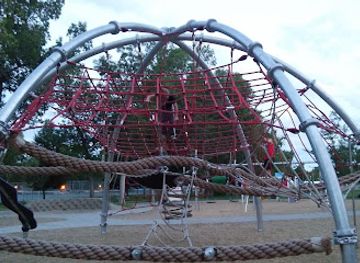
Pioneer Park
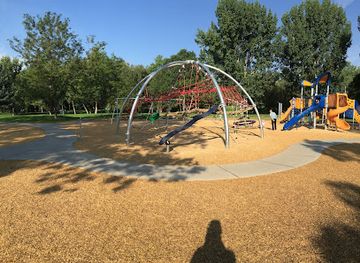
Experience the natural beauty and community spirit of Pioneer Park in Billings, Montana, a perfect destination for recreation, relaxation, and events.
6 min drive · 2.1 km from city centre
-
Tourist attraction
Pictograph Cave State Park
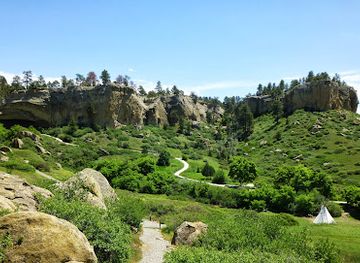
Discover the ancient rock art and natural beauty of Pictograph Cave State Park, a unique archaeological gem in Montana perfect for all outdoor enthusiasts.
22 min drive · 7.4 km from city centre
-
Tourist attraction
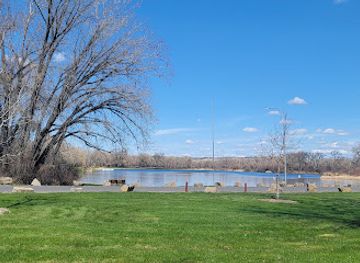
Riverfront Park
Explore Riverfront Park in Billings, Montana - A Natural Haven of Beauty and Outdoor Fun for Every Visitor.
16 min drive · 5.3 km from city centre
Best landmarks in Billings
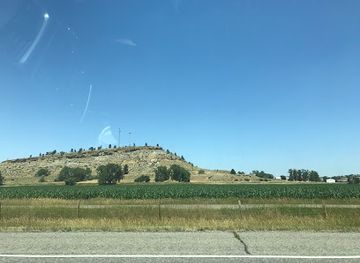
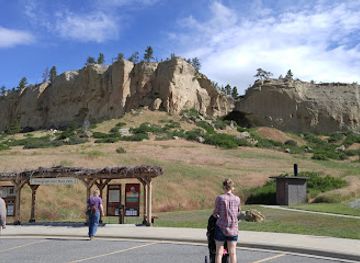
The Rimrocks are Billings’ most recognisable natural landmark, a band of sandstone cliffs that defines the city’s northern skyline and offers a visual connection between the urban landscape and the Yellowstone Valley. Downtown landmarks express the city’s railway-era growth, including the former Northern Pacific Railway Depot, now used for community and cultural purposes, and historic commercial blocks shaped by late nineteenth- and early twentieth-century expansion. The Moss Mansion stands apart for its richly detailed architecture and preservation as a house museum, while the Yellowstone County Courthouse represents the civic confidence of the early twentieth century. St. Patrick Co-Cathedral contributes a prominent religious presence in the central city. Nearby Pictograph Cave adds an older cultural dimension, preserving archaeological evidence and rock images that predate Billings by thousands of years.
-
Park
Pioneer Park
Explore the lush landscapes and vibrant recreational facilities at Pioneer Park in Billings, Montana, a perfect getaway for families and nature lovers.
6 min drive · 2.1 km from city centre
-
Pub
Last Chance | Pub & Cider Mill
Discover local flavors at Last Chance Pub & Cider Mill, a charming spot for handcrafted ciders and delicious pub fare in Billings, Montana.
3 min walk · 0.2 km from city centre
-
State park
Pictograph Cave State Park
Explore the rich history and breathtaking landscapes of Pictograph Cave State Park, a must-visit destination for nature lovers and history enthusiasts in Montana.
22 min drive · 7.4 km from city centre
-
Park
Riverfront Park
Explore Riverfront Park in Billings, Montana – a natural retreat with stunning views, trails, and recreational activities for the whole family.
16 min drive · 5.3 km from city centre

Explore Billings on the map
Plan your Billings trip on one map. See where the top attractions, landmarks, restaurants, bars and hotels are, find what's near where you're staying, and book hotels and experiences in a few clicks.
Neighbourhoods in Billings
-

-

-

-


Swipe for more neighbourhoods
Best hotels in Billings
Best restaurants in Billings
Billings’ dining identity reflects Montana’s ranching, agricultural and outdoor traditions, with beef and bison appearing alongside game-inspired dishes, locally grown produce and regional ingredients such as huckleberries. Downtown has the broadest concentration of independent restaurants, cafés, breweries and bars, while the West End and Heights offer further choices in a more spread-out setting. Menus range from straightforward steaks and burgers to contemporary north-western cooking, international cuisines and bakeries suited to breakfast or informal lunches. The city’s farmers’ market culture, especially during the warmer months, provides a seasonal view of local produce, preserves and prepared foods. Craft breweries contribute to the social dining scene, and Montana products often appear in drinks, desserts and small-producer retail shelves. Restaurant styles vary considerably, so Billings is better understood as a regional dining centre than as a city with one single defining cuisine.
-
Steak
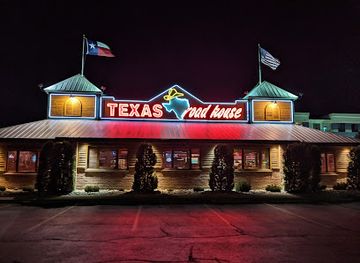
Texas Roadhouse
Experience the vibrant flavors of America at Texas Roadhouse in Billings - where great food meets lively atmosphere.
17 min drive · 5.8 km from city centre
-
Italian
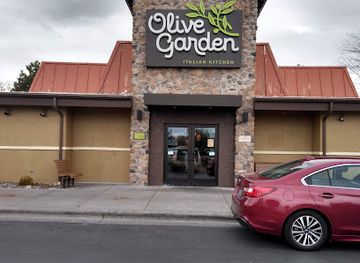
Olive Garden Italian Restaurant
Discover authentic Italian flavors at Olive Garden in Billings - where family-friendly dining meets delicious Mediterranean cuisine.
19 min drive · 6.3 km from city centre
-
Steak
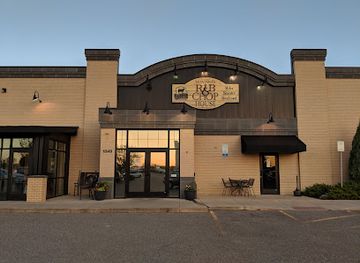
Montana's Rib & Chop House
Savor exquisite steaks and barbecue in a family-friendly setting at Montana's Rib & Chop House in Billings.
29 min drive · 9.7 km from city centre
-
Hamburger
The Burger Dive
Experience the best burgers at The Burger Dive in Billings, where culinary creativity meets comfort food delight.
4 min walk · 0.3 km from city centre
Best bars in Billings
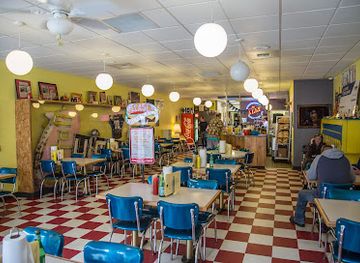
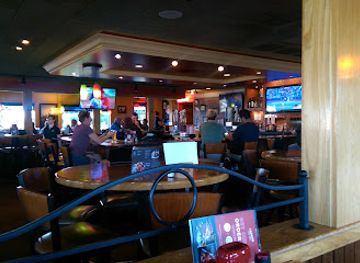
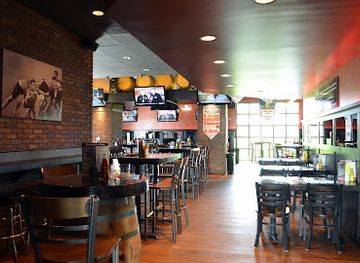
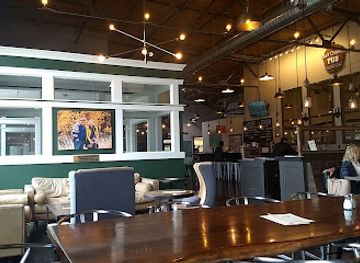
Billings has a modest but varied evening scene concentrated most clearly around downtown and Montana Avenue, where historic commercial buildings accommodate pubs, breweries, cocktail bars and venues with live music. The atmosphere generally favours conversation, local beer and music over the late-night club culture associated with much larger cities. Downtown theatres and performance spaces add cultural options, with programmes ranging from touring acts to local productions and concerts. Breweries provide an important part of the social landscape, while sports bars and neighbourhood establishments serve residents across the West End and Heights. Evening activity can be dispersed, particularly outside the central core, so taxis or ride services may be useful when moving between districts. Montana’s legal drinking age is 21, and identification may be requested; venue policies, entertainment schedules and closing times vary.
-
Restaurant
Applebee's Grill + Bar
Experience the best of American comfort food at Applebee's Grill + Bar in Billings, Montana, where great meals and good times are always on the menu.
8 min drive · 2.6 km from city centre
-
American
The Vig | Alehouse & Casino
Discover The Vig | Alehouse & Casino - the perfect blend of American cuisine, bar vibes, and exhilarating casino fun in Billings, Montana.
12 min drive · 3.9 km from city centre
-
Pub
Last Chance | Pub & Cider Mill
Discover Last Chance Pub & Cider Mill: A culinary gem in Billings, Montana, offering crafted ciders and delicious dishes in a warm atmosphere.
3 min walk · 0.2 km from city centre
-
Steak
Bull Mountain Grille
Discover the culinary delights at Bull Mountain Grille, where exceptional steaks and American comfort food come together in Billings, Montana.
21 min drive · 7.1 km from city centre
Best nightclubs in Billings
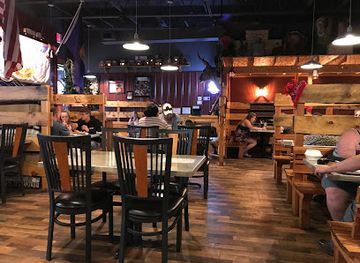
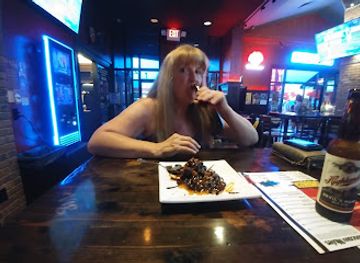
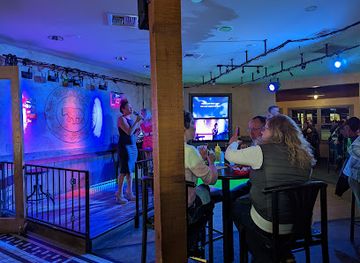
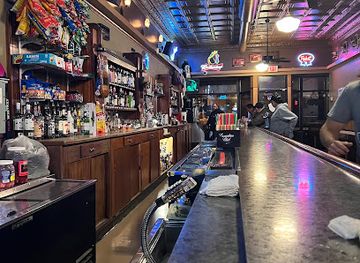
Billings has a modest but varied evening scene concentrated most clearly around downtown and Montana Avenue, where historic commercial buildings accommodate pubs, breweries, cocktail bars and venues with live music. The atmosphere generally favours conversation, local beer and music over the late-night club culture associated with much larger cities. Downtown theatres and performance spaces add cultural options, with programmes ranging from touring acts to local productions and concerts. Breweries provide an important part of the social landscape, while sports bars and neighbourhood establishments serve residents across the West End and Heights. Evening activity can be dispersed, particularly outside the central core, so taxis or ride services may be useful when moving between districts. Montana’s legal drinking age is 21, and identification may be requested; venue policies, entertainment schedules and closing times vary.
-
American
The Vig | Alehouse & Casino
Experience the vibrant atmosphere of The Vig | Alehouse & Casino, where great American food meets thrilling gaming in Billings, Montana.
12 min drive · 3.9 km from city centre
-
Cocktail bar
Red Door Lounge
Discover the energetic ambiance and exquisite cocktails at Red Door Lounge in Billings, Montana - your go-to destination for nightlife and American cuisine.
26 min drive · 8.8 km from city centre
-
Casino
Crystal Lounge Casino
Enjoy the thrill of gaming and vibrant karaoke nights at Crystal Lounge Casino, Billings' top entertainment destination.
5 min walk · 0.4 km from city centre
-
Bar
Rainbow Bar
Discover the vibrant nightlife at Rainbow Bar in Billings, Montana, known for its colorful cocktails and welcoming atmosphere.
1 min walk · 0.1 km from city centre

Best shops in Billings
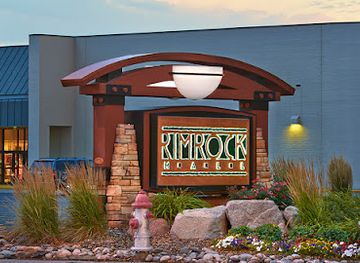
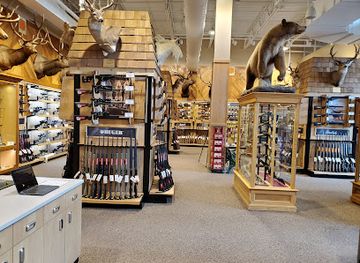
Shopping in Billings is spread between the historic downtown core, the West End’s large retail area and neighbourhood commercial districts. Downtown offers independent boutiques, galleries, bookshops, western-inspired goods, antiques and locally made products, with historic buildings giving the area a more traditional street character. Rimrock Mall and surrounding West End developments provide department stores, national chains and practical retail, while the Heights serves northern residents and visitors near the airport. Seasonal farmers’ markets bring Montana produce, baked goods, preserves, crafts and small-scale artworks into the city’s shopping culture. Souvenirs often include locally produced food, regional art, leather goods, western accessories and items inspired by the landscape, but visitors should distinguish genuinely Montana-made products from mass-produced frontier-themed merchandise. Museum shops are useful places to find books and art connected to the region’s history and Indigenous cultures.
-
Shopping mall
Rimrock Mall
Discover shopping bliss at Rimrock Mall in Billings, Montana, with over 100 stores, dining options, and entertainment for the entire family.
19 min drive · 6.4 km from city centre
-
Shopping mall
Shiloh Crossing
Discover the vibrant shopping and dining experience at Shiloh Crossing in Billings, Montana, where variety and convenience meet.
28 min drive · 9.5 km from city centre
-
Gift shop
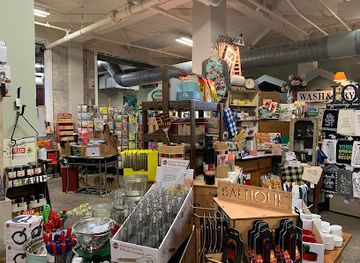
Liberty & Vine Country Store
Discover a charming gift shop in Billings, Montana, featuring antiques, gourmet groceries, and unique local treasures.
5 min walk · 0.4 km from city centre
-
Furniture store
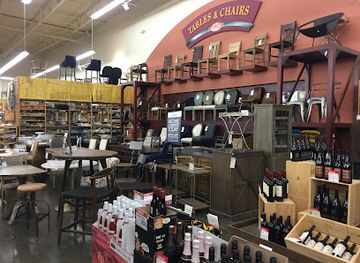
World Market
Explore World Market in Billings for unique furniture, decor, and cultural treasures that bring the world to your home.
21 min drive · 7.1 km from city centre
Get your free copy of our complete guide to Billings, delivered straight to you.
Everything on this page, from attractions and restaurants to essentials and local phrases, in one PDF you can read offline, print or share.
Already have an account? Sign in
Your Billings guide is ready.
We'll send it to · Not you? Sign out

Getting your guide ready…
We are putting together a fresh copy of the Billings guide. This can take up to a minute.
This can take a few moments. If your browser asks, choose Allow so the download can start. You'll find the guide in your Downloads folder.
Nothing happened? Download it again
Sorry, the guide is taking longer than usual. Please try again in a minute, or get it by email instead.
Billings essentials
Currency and Payment
Safety
Emergency Situations
Do's and Don'ts
Local Tips
From Eve
Local phrases worth knowing
You don't need to get them perfect. A few words go a long way, and locals appreciate the effort.
Basics
| English | Local | Say it |
|---|---|---|
| Hello | Howdy | [hao-dee] |
| Goodbye | See ya | [see yah] |
| Yes | Yup | [yuhp] |
| No | Nope | [nohp] |
| Please/You're welcome | Please/You're welcome | [pleez/yur wel-kum] |
| Thank you | Thanks | [thaynks] |
| Excuse me/Sorry | Pardon me | [par-dn mee] |
| How are you? | How's it goin'? | [hows it goh-in] |
| Fine. And you? | Good. How 'bout you? | [good. how 'bout yuh] |
| Do you speak English? | Ya speak English? | [yah speak ing-glish] |
| I don't understand | I ain't gettin' ya | [I aint get-tin yuh] |
Eating & Drinking
| English | Local | Say it |
|---|---|---|
| I'd like to see the menu, please | Can I see the menu? | [kan eye see thee men-yoo] |
| I don't eat meat | I don't eat meat | [I dont eet meet] |
| Cheers! | Cheers! | [cheers] |
| I would like to pay, please | I'll pay now | [I'll pay now] |
Emergencies
| English | Local | Say it |
|---|---|---|
| Help! | Help! | [help] |
| Go away! | Go away! | [go a-way] |
| Call the Police! | Call the Cops! | [call thee cops] |
| Call a doctor! | Get a doc! | [get a doc] |
| I'm lost | I'm lost | [I'm lost] |
| I'm ill | I'm sick | [I'm sik] |
Shopping
| English | Local | Say it |
|---|---|---|
| I'd like to buy... | I wanna buy... | [I wanna buy] |
| I'm just looking | Just lookin' | [just look-in] |
| How much is it? | How much? | [how much] |
| That's too expensive | Too pricey | [too prye-see] |
| Can you lower the price? | Can ya drop the price? | [can yuh drop thee pryece] |
Time & Numbers
| English | Local | Say it |
|---|---|---|
| What time is it? | What time is it? | [what time is it] |
| It's one o'clock | It's one | [it's one] |
| Half past (10) | Half past ten | [half past ten] |
| Morning | Morning | [morning] |
| Afternoon | Afternoon | [afternoon] |
| Evening | Evening | [evening] |
| Yesterday | Yesterday | [yester-day] |
| Today | Today | [to-day] |
| Tomorrow | Tomorrow | [tomor-row] |
| 1 | One | [wun] |
| 2 | Two | [too] |
| 3 | Three | [three] |
| 4 | Four | [four] |
| 5 | Five | [five] |
| 6 | Six | [six] |
| 7 | Seven | [seven] |
| 8 | Eight | [eight] |
| 9 | Nine | [nine] |
| 10 | Ten | [ten] |
Transport & Directions
| English | Local | Say it |
|---|---|---|
| Where's a/the...? | Where's the...? | [wheres thee] |
| What's the address? | What's the address? | [whats thee adres] |
| Can you show me (on the map)? | Can you show me? | [can yuh show mee] |
| When's the next (bus)? | When's the next (bus)? | [whens thee next bus] |
| A ticket (to ....) | A ticket (to ....) | [a ticket to] |
History of Billings
A Crow Homeland on the Yellowstone
The Billings area lies within the historic homeland of the Apsáalooke, commonly known in English as the Crow, whose territory extended across much of present-day south-central Montana. The Yellowstone River corridor provided an important setting for travel, hunting, trade and settlement, while the cliffs and caves around present-day Billings preserve evidence of much earlier human habitation. Pictograph Cave, southeast of the modern city, contains rock art and archaeological remains dating back thousands of years. Any account of Billings’ origins therefore belongs within a much longer Indigenous history, followed by the profound disruption caused by United States expansion, treaty-making, military campaigns and the confinement of Native nations to reservations.
Railway Foundations in 1882
Modern Billings emerged in the early 1880s as the Northern Pacific Railway extended its line across Montana. Founded in 1882 and named for Frederick H. Billings, a former president of the railway, the settlement developed as a planned rail town beside the Yellowstone River. The railway connected the area with eastern markets and the Pacific Northwest, encouraging merchants, farmers, stockmen and service businesses to establish themselves around the tracks. Billings soon became a commercial and distribution centre for a wide surrounding territory. Its early street plan, downtown blocks and transport-oriented economy still reflect the decisive influence of the railway era.
Agriculture, Trade and Urban Growth
During the late nineteenth and early twentieth centuries, Billings expanded as regional agriculture and livestock production grew. The city handled grain, cattle and supplies for settlements across what became a broad market area, while banks, wholesalers and professional services followed the trade. The arrival of irrigation projects in the Yellowstone Valley strengthened farming and helped support a more settled economy. Civic buildings, churches, schools and substantial private homes appeared as Billings gained population and confidence. The Moss Mansion, completed in 1903 for businessman Preston B. Moss and his family, survives as an especially tangible expression of the prosperity reached by some local residents during this period.
Oil, Energy and the Magic City
Billings’ role as a regional centre deepened during the twentieth century as Montana’s oil, coal and natural-resource industries developed. The city became associated with refineries, energy services, rail distribution and trade, adding industrial strength to its earlier agricultural and livestock economy. This expanding commercial role earned Billings the nickname “The Magic City”, a reference to its rapid growth from a railway settlement. Industrial development also brought changing employment patterns, new neighbourhoods and increased pressure on the city’s landscape and infrastructure. The Yellowstone River and Rimrocks remained defining features even as roads, warehouses and residential districts spread across the valley.
A Regional City in Contemporary Montana
In the later twentieth and early twenty-first centuries, Billings consolidated its position as eastern and south-central Montana’s principal urban service centre. Healthcare, education, retail, government, tourism and professional services joined energy and agriculture as major parts of the local economy. Cultural institutions such as the Yellowstone Art Museum and Western Heritage Center helped articulate a regional identity rooted in both Indigenous and later western histories. Downtown revitalisation, public art, trails and riverfront improvements have broadened the ways residents and visitors encounter the city. Billings now combines the functions of a modern regional hub with close access to the open landscapes and layered histories of the Yellowstone Valley.
Billings in Photos
Browse through our photo collection highlighting the charm and character of the destination.
Cities near Billings
The closest cities to Billings, if you have time for more than one stop.
-

-

-

-

-
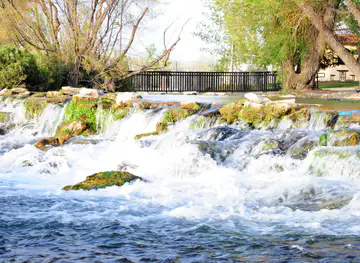


Swipe for more cities
Explore more
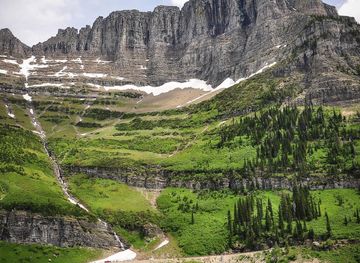
Explore more of Montana
Discover Montana: A Treasure State of majestic landscapes, outdoor adventures, and rich cultural heritage. Explore Glacier and Yellowstone, charming towns, and historic sites.
Explore Montana