

Free Bozeman Travel Guide & Mobile App
Plan your Bozeman trip with Evendo. Get free guides to top attractions, restaurants, hotels, and bars. Web access or download the mobile app.


Bozeman, Montana blends Rocky Mountain scenery, Western history, lively arts, Museum of the Rockies, local dining and easy access to year-round outdoor adventures.
A Mountain City with Western Roots
Bozeman lies in south-western Montana's Gallatin Valley, bordered by the Bridger, Gallatin, Madison and Tobacco Root mountain ranges. Its setting gives the city an unusually close relationship with the outdoors, yet Bozeman is more than a base for hiking, skiing and fly-fishing. The historic centre retains the broad streets and commercial buildings of a nineteenth-century Western town, while Montana State University brings an energetic student population, galleries, performances and research culture.Read more about Bozeman
History, Science and the Arts
The Gallatin Valley Outdoors
When is the best time to visit Bozeman?
Best: June–August · 23–27°C| Month | High (°C) | Rainfall (mm) |
|---|---|---|
| January | -1 | 23 |
| February | 2 | 20 |
| March | 8 | 25 |
| April | 13 | 32 |
| May | 18 | 51 |
| June (best) | 23 | 48 |
| July (best) | 27 | 33 |
| August (best) | 26 | 36 |
| September | 20 | 38 |
| October | 13 | 31 |
| November | 6 | 29 |
| December | 1 | 28 |
Getting to and around Bozeman
How to get there
Transportation
Best attractions in Bozeman
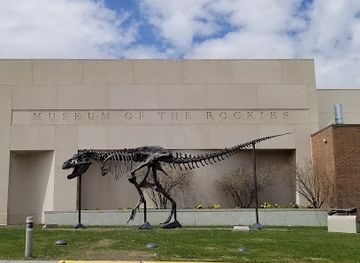
Bozeman's principal attractions combine science, regional history and an approachable downtown setting. The Museum of the Rockies is the city's leading cultural institution, with major dinosaur displays, exhibits on Montana's geological and human past, and a planetarium. The Gallatin History Museum, housed in the former county jail, offers a more intimate account of local settlement and community life. Downtown Main Street rewards unhurried exploration of historic commercial buildings, galleries, bookshops, cafés and independent retailers, while nearby Montana State University adds public art, performances and a collegiate atmosphere. The American Computer & Robotics Museum traces the history of computing and technological thought through detailed exhibits. For open-air sightseeing, the Gallatin Valley's paths and viewpoints reveal the surrounding ranges, though better-known destinations such as Bridger Bowl, Hyalite Canyon and Yellowstone National Park lie outside Bozeman's urban boundary and require separate journeys.
-
Park
Gallatin County Regional Park
Discover the serene landscapes and family-friendly activities at Gallatin County Regional Park in Bozeman, Montana, a perfect outdoor getaway.
12 min drive · 4.1 km from city centre
-
Tourist attraction
Lindley Park Center
Discover the natural beauty and recreational opportunities at Lindley Park Center in Bozeman, Montana—a perfect family-friendly destination.
18 min walk · 1.4 km from city centre
-
Tourist attraction
American Computer & Robotics Museum
Discover the fascinating evolution of technology at the American Computer & Robotics Museum in Bozeman, Montana, a must-visit for tech enthusiasts.
7 min drive · 2.2 km from city centre
-
Tourist attraction
Peets Hill/Burke Park
Discover the breathtaking landscapes and serene trails of Peets Hill/Burke Park in Bozeman, Montana, the perfect natural escape for tourists.
14 min walk · 1.1 km from city centre
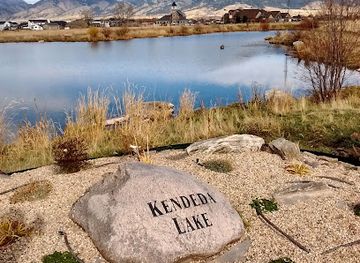
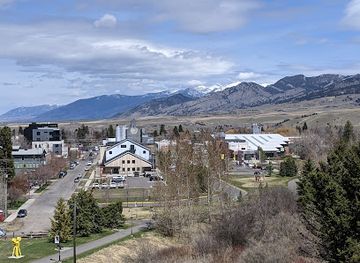
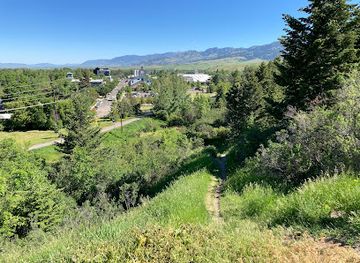
Best landmarks in Bozeman
Bozeman's landmarks express its development from a territorial-era settlement into a university and research city. The historic commercial buildings along Main Street preserve the scale of the nineteenth-century town and form the visual centre of downtown. The Gallatin County Courthouse, completed in 1889, is a prominent civic reminder of the city's early institutional growth. Montana State University's campus, including its older academic buildings, represents the educational tradition that has shaped Bozeman since the Agricultural College opened in 1893. St. James Episcopal Church, founded in the nineteenth century, reflects the religious and community institutions established as the town expanded. The Museum of the Rockies is a modern cultural landmark rather than a historic monument, but its collections and association with Montana State University have become central to Bozeman's identity. Together these places link civic life, education, commerce and regional memory.
-
Restaurant
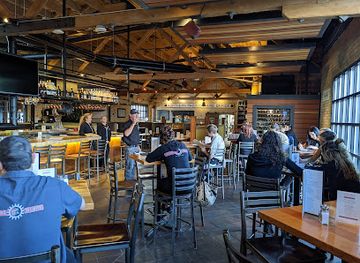
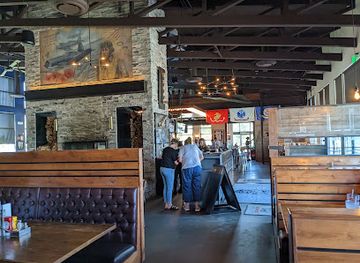
Montana Ale Works
Experience the best of American cuisine and craft beer at Montana Ale Works, a unique brewpub in Bozeman, Montana, perfect for families and food lovers.
15 min walk · 1.2 km from city centre
-
Shopping mall
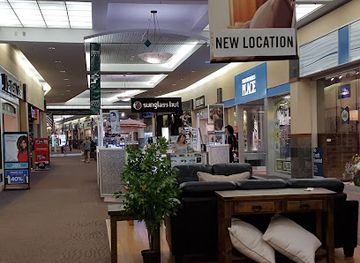
Gallatin Valley Mall
Discover the best of Bozeman shopping at Gallatin Valley Mall, where diverse stores and delightful dining await every visitor.
8 min drive · 2.7 km from city centre
-
Museum
Museum of the Rockies
Explore the Museum of the Rockies: A family-friendly destination rich in dinosaur fossils, history, and astronomy located in the heart of Bozeman, Montana.
6 min drive · 2.1 km from city centre
-
Hamburger
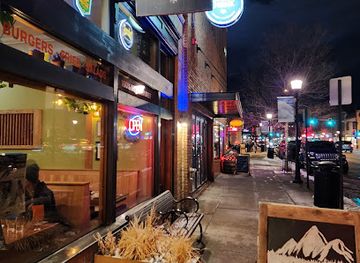
Backcountry Burger Bar
Discover the flavors of Montana at Backcountry Burger Bar, where gourmet burgers meet local ingredients in a cozy Bozeman setting.
5 min walk · 0.4 km from city centre


Explore Bozeman on the map
Plan your Bozeman trip on one map. See where the top attractions, landmarks, restaurants, bars and hotels are, find what's near where you're staying, and book hotels and experiences in a few clicks.
Best hotels in Bozeman
Best restaurants in Bozeman
Bozeman's dining scene reflects Montana's ranching traditions, mountain setting and increasingly international population. Menus often feature beef, bison, trout and other regional ingredients, alongside familiar American comfort food, craft beer and seasonal produce from the Gallatin Valley. Downtown and the areas around Montana State University contain the broadest concentration of restaurants, cafés, bakeries and casual eateries, with options ranging from breakfast counters and pizza to contemporary kitchens and globally influenced food. Farmers' markets and local food events, when operating seasonally, provide an introduction to produce, preserves, baked goods and small-scale producers from the surrounding region. Dining is generally informal, though reservations may be sensible for popular evening venues. The city's culinary identity is not limited to frontier fare: student life, migration and the outdoor economy have created a varied restaurant culture alongside the enduring importance of ranching and agriculture.
-
Restaurant
Montana Ale Works
Discover Montana Ale Works - A premier brewpub in Bozeman offering exceptional craft beers and delicious American cuisine in a historic setting.
15 min walk · 1.2 km from city centre
-
Grill
Sidewinders American Grill
Discover mouth-watering American cuisine at Sidewinders American Grill in Bozeman—where flavor meets fun!
14 min drive · 4.6 km from city centre
-
Brunch
Jam!
Experience the best brunch in Bozeman at Jam!, where local flavors meet creative culinary delights in a cozy setting.
6 min walk · 0.5 km from city centre
-
American
Western Café
Experience hearty American breakfasts at Western Café in Bozeman - where every bite tells a story of local flavor.
12 min walk · 1.0 km from city centre

Best bars in Bozeman
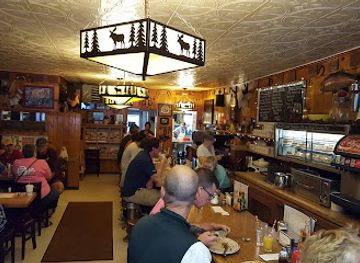
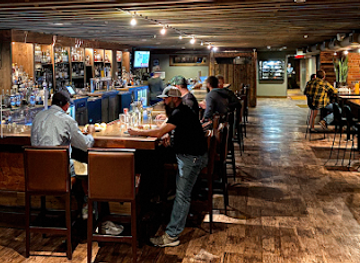
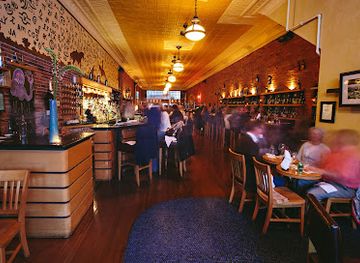
Bozeman's evening scene is concentrated around downtown Main Street and nearby blocks, where breweries, bars, cocktail-led venues, live-music spaces and restaurants provide most of the city's nightlife. Montana State University's student population supports a relaxed bar culture, while long-established Western and outdoor influences remain visible in the informal atmosphere. Evenings can also centre on performances, talks, cinema and university arts events rather than clubs, and the city is better known for social bars and live entertainment than for a large late-night nightclub circuit. Local breweries and taprooms are part of the contemporary scene, but drinking and driving is a serious risk when venues are spread across the valley; taxis, rideshare services or a designated driver are sensible choices. Winter darkness and cold weather can make short journeys between venues less comfortable than the map suggests.
-
Grill
Copper | Whiskey Bar and Grill Bozeman
Experience the vibrant flavors of Montana at Copper | Whiskey Bar and Grill, Bozeman's premier destination for whiskey and grill lovers.
8 min walk · 0.6 km from city centre
-
Bar
Bozeman Taproom & Spirits
Discover Bozeman Taproom & Spirits: A Craft Beer Haven and Culinary Delight in the Heart of Montana.
11 min walk · 0.9 km from city centre
-
Bar
Cat's Paw
Discover the essence of Bozeman nightlife at Cat's Paw, where local brews and a lively atmosphere await every visitor.
15 min walk · 1.2 km from city centre
-
Eclectic
Plonk Bozeman
Discover the eclectic charm of Plonk Bozeman, where fine wines and innovative cocktails create an unforgettable experience in the heart of Montana.
7 min walk · 0.6 km from city centre
Best nightclubs in Bozeman
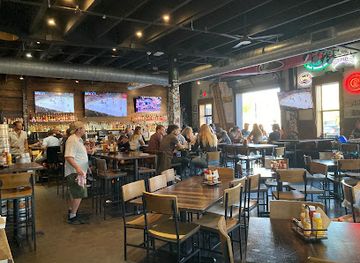
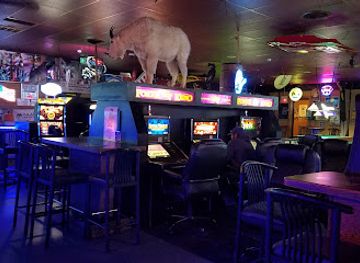
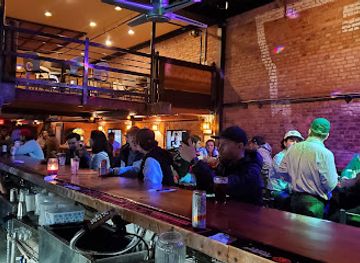
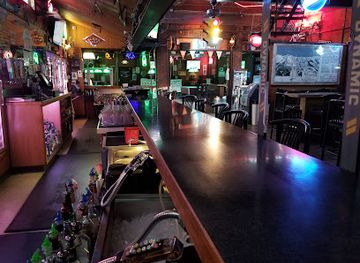
Bozeman's evening scene is concentrated around downtown Main Street and nearby blocks, where breweries, bars, cocktail-led venues, live-music spaces and restaurants provide most of the city's nightlife. Montana State University's student population supports a relaxed bar culture, while long-established Western and outdoor influences remain visible in the informal atmosphere. Evenings can also centre on performances, talks, cinema and university arts events rather than clubs, and the city is better known for social bars and live entertainment than for a large late-night nightclub circuit. Local breweries and taprooms are part of the contemporary scene, but drinking and driving is a serious risk when venues are spread across the valley; taxis, rideshare services or a designated driver are sensible choices. Winter darkness and cold weather can make short journeys between venues less comfortable than the map suggests.
-
Bar
Rocking R Bar
Discover the vibrant nightlife and welcoming atmosphere at Rocking R Bar, a must-visit spot for tourists in Bozeman, Montana.
9 min walk · 0.8 km from city centre
-
Sports bar
Bar Nine
Discover Bar Nine in Bozeman, a lively sports bar and grill offering delicious food, a vast selection of drinks, and a vibrant atmosphere for sports lovers.
11 min walk · 0.8 km from city centre
-
Bar
The Molly Brown Bar
Discover the vibrant atmosphere of The Molly Brown Bar in Bozeman, MT, where great drinks and lively events create unforgettable memories.
4 min walk · 0.4 km from city centre
-
Bar
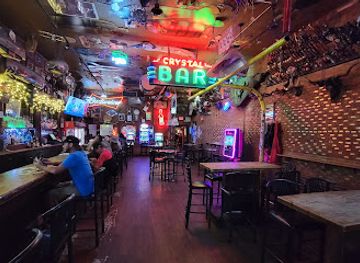
Crystal Bar
Discover the lively ambiance of Crystal Bar in Bozeman, Montana, a perfect spot for creative cocktails and great company.
9 min walk · 0.7 km from city centre

Best shops in Bozeman
Shopping in Bozeman is centred on downtown Main Street, where independent clothing stores, outdoor retailers, galleries, bookshops, gift shops and cafés occupy a walkable concentration of historic commercial buildings. The city is a useful place to find equipment and clothing associated with Montana's outdoor culture, as well as locally made art, jewellery, ceramics and photographic work. Food products such as regional coffee, chocolate, preserves and Montana-produced goods can make more distinctive souvenirs than generic Western merchandise. Seasonal farmers' markets bring together growers, bakers, craftspeople and small producers from the Gallatin Valley, while larger commercial areas outside the historic core provide everyday retail and national chains. Visitors should distinguish authentic local work from products merely carrying a Western theme; galleries and makers' shops are the best places to learn about an item's origin and materials.
-
Gift shop
Gallatin Valley Mall
Discover a diverse shopping experience at Gallatin Valley Mall in Bozeman, Montana, featuring top retailers and delightful dining options.
8 min drive · 2.7 km from city centre
-
Furniture store
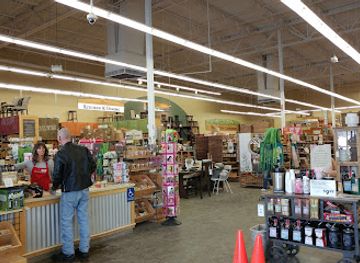
World Market
Explore World Market in Bozeman for a unique shopping experience filled with global home decor, furniture, and gourmet delights.
8 min drive · 2.7 km from city centre
-
Gift shop
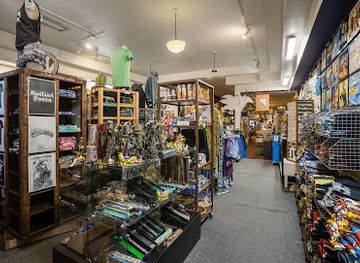
Cactus Records & Gifts
Explore a unique blend of music, gifts, and local culture at Cactus Records & Gifts in Bozeman, Montana.
7 min drive · 2.5 km from city centre
-
Gift shop
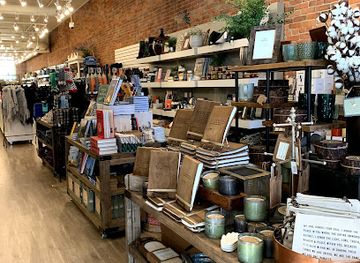
Heyday
Discover unique gifts and local artistry at Heyday, Bozeman's charming gift shop that captures Montana's spirit.
6 min walk · 0.5 km from city centre
Get your free copy of our complete guide to Bozeman, delivered straight to you.
Everything on this page, from attractions and restaurants to essentials and local phrases, in one PDF you can read offline, print or share.
Already have an account? Sign in
Your Bozeman guide is ready.
We'll send it to · Not you? Sign out

Getting your guide ready…
We are putting together a fresh copy of the Bozeman guide. This can take up to a minute.
This can take a few moments. If your browser asks, choose Allow so the download can start. You'll find the guide in your Downloads folder.
Nothing happened? Download it again
Sorry, the guide is taking longer than usual. Please try again in a minute, or get it by email instead.
Bozeman essentials
Currency and Payment
Safety
Emergency Situations
Do's and Don'ts
Local Tips
From Eve
Local phrases worth knowing
You don't need to get them perfect. A few words go a long way, and locals appreciate the effort.
Basics
| English | Local | Say it |
|---|---|---|
| Hello | Howdy | [haʊ-di] |
| Goodbye | See ya | [siː jə] |
| Yes | Yup | [jʌp] |
| No | Nope | [noʊp] |
| Please/You're welcome | Please/No worries | [pliːz/ noʊ ˈwʌriz] |
| Thank you | Thanks | [θæŋks] |
| Excuse me/Sorry | Pardon me/My bad | [ˈpɑrdn mi/ maɪ bæd] |
| How are you? | Howdy, how's it going? | [haʊ-di, haʊz ɪt ˈɡoʊɪŋ] |
| Fine. And you? | Good. How 'bout you? | [ɡʊd, haʊ 'baʊt jʊ] |
| Do you speak English? | Ya speak English? | [jə spiːk ˈɪŋɡlɪʃ] |
| I don't understand | I'm lost | [aɪm lɔst] |
Eating & Drinking
| English | Local | Say it |
|---|---|---|
| I'd like to see the menu, please | Can I check the menu, please | [kæn aɪ tʃɛk ðə ˈmɛnju pliːz] |
| I don't eat meat | I don't do meat | [aɪ doʊnt du mɪt] |
| Cheers! | Cheers! | [ʧɪrz] |
| I would like to pay, please | I'll pay now, please | [aɪl peɪ naʊ pliːz] |
Emergencies
| English | Local | Say it |
|---|---|---|
| Help! | Help! | [hɛlp] |
| Go away! | Get lost! | [ɡɛt lɔst] |
| Call the Police! | Call the cops! | [kɔl ðə kɑps] |
| Call a doctor! | Call a doc! | [kɔl ə dɑk] |
| I'm lost | I'm lost | [aɪm lɔst] |
| I'm ill | I'm sick | [aɪm sɪk] |
Shopping
| English | Local | Say it |
|---|---|---|
| I'd like to buy... | I wanna buy... | [aɪ ˈwɑnə baɪ] |
| I'm just looking | Just browsing | [ʤʌst ˈbraʊzɪŋ] |
| How much is it? | How much does it cost? | [haʊ ˈmʌtʃ ˈdəz ɪt kɔst] |
| That's too expensive | That's pricey | [ðæts ˈpraɪsi] |
| Can you lower the price? | Can you cut the cost? | [kæn jʊ kʌt ðə kɔst] |
Time & Numbers
| English | Local | Say it |
|---|---|---|
| What time is it? | What's the time? | [wɑts ðə taɪm] |
| It's one o'clock | It's one | [ɪts wʌn] |
| Half past (10) | Half past (10) | [hæf pæst (10)] |
| Morning | Morning | [ˈmɔrnɪŋ] |
| Afternoon | Afternoon | [ˌæftərˈnun] |
| Evening | Evening | [ˈivnɪŋ] |
| Yesterday | Yesterday | [ˈjɛstərˌdeɪ] |
| Today | Today | [təˈdeɪ] |
| Tomorrow | Tomorrow | [təˈmɑroʊ] |
| 1 | One | [wʌn] |
| 2 | Two | [tu] |
| 3 | Three | [θriː] |
| 4 | Four | [fɔr] |
| 5 | Five | [faɪv] |
| 6 | Six | [sɪks] |
| 7 | Seven | [ˈsɛvən] |
| 8 | Eight | [eɪt] |
| 9 | Nine | [naɪn] |
| 10 | Ten | [tɛn] |
Transport & Directions
| English | Local | Say it |
|---|---|---|
| Where's a/the...? | Where's the...? | [wɛrz ðə] |
| What's the address? | What's the address? | [wɑts ðə ˈæˌdrɛs] |
| Can you show me (on the map)? | Can you show me (on the map)? | [kæn jʊ ʃoʊ mi (ɒn ðə mæp)] |
| When's the next (bus)? | When's the next (bus)? | [wɛnz ðə nɛkst (bʌs)] |
| A ticket (to ....) | A ticket (to ....) | [ə ˈtɪkɪt (tu ....)] |
History of Bozeman
Indigenous Homelands and the Gallatin Valley
The Gallatin Valley has long been part of the homelands and travel routes of Indigenous peoples, including the Apsáalooke, or Crow, as well as other nations connected with the wider northern Rocky Mountain region. The valley's rivers, grasslands and mountain passes supported seasonal movement, hunting and trade. Later American settlement took place within a landscape shaped by these established Indigenous relationships, and the history presented in Bozeman's museums increasingly places Native experience alongside the stories of explorers, settlers and institutions. The region's Indigenous past remains an essential part of understanding south-western Montana, even though the modern city developed through nineteenth-century migration and territorial expansion.
John Bozeman and the Trail Era
The settlement that became Bozeman grew during the 1860s, when John M. Bozeman promoted a route through the Gallatin Valley connecting the Oregon Trail country with the goldfields of western Montana. Bozeman was established in 1864 and soon became a service centre for farmers, merchants and travellers. The surrounding valley offered fertile agricultural land, while the nearby mountains supplied timber and mineral resources. The original trail era was brief and shaped by difficult relations, competition for land and broader federal expansion into Indigenous territories, but it established the town's role as a regional commercial centre.
Agriculture and the Arrival of Rail
Bozeman's growth accelerated after the arrival of the Northern Pacific Railway in 1883. Rail connections strengthened trade, brought new residents and linked the Gallatin Valley with larger markets across the northern United States. Agriculture became central to the local economy, especially grain production and livestock, while downtown businesses developed to serve surrounding farms and ranches. The commercial buildings along Main Street reflect this period of expansion, when Bozeman changed from a frontier settlement into an established county seat and regional town. Railway access also helped connect local education, commerce and civic life with the wider territory.
The Rise of Montana State University
Education became a defining part of Bozeman's identity when the Agricultural College of the State of Montana opened in 1893. The institution, now Montana State University, brought agricultural research, teacher training and new professional opportunities to the city. Its work supported the farming economy of the Gallatin Valley while gradually broadening into engineering, science, the arts and other disciplines. The campus helped sustain cultural and intellectual life through periods when Bozeman remained a relatively small regional centre. Today, the university is one of the city's principal institutions and a major influence on its population, economy and public culture.
Museums and a Regional Cultural Identity
Bozeman's cultural institutions developed alongside its educational and scientific character. The Museum of the Rockies, founded in 1957 and associated with Montana State University, grew into a leading centre for palaeontology, natural history and the history of the northern Rocky Mountain region. Its dinosaur research and exhibitions brought international attention to the city while its Montana history galleries preserved stories of Indigenous peoples, settlers and changing communities. The Gallatin History Museum and other local institutions contribute a more focused account of the valley, ensuring that Bozeman's past is interpreted through community history as well as through scientific discovery.
A Modern Outdoor and Research Economy
During the late twentieth and early twenty-first centuries, Bozeman expanded as Montana State University grew and as the city attracted technology, research, healthcare, hospitality and outdoor-related businesses. Its proximity to skiing, public lands, rivers and Yellowstone National Park increased its appeal to visitors and new residents, while growth placed pressure on housing, transport and the agricultural landscape around the city. Contemporary Bozeman therefore combines a historic downtown and university culture with rapid development. The surrounding Gallatin Valley remains central to local identity, linking the city's modern economy with longstanding traditions of farming, science and outdoor recreation.
Bozeman in Photos
Browse through our photo collection highlighting the charm and character of the destination.
Cities near Bozeman
The closest cities to Bozeman, if you have time for more than one stop.
-

-

-

-

-


Swipe for more cities
Explore more
Explore more of Montana
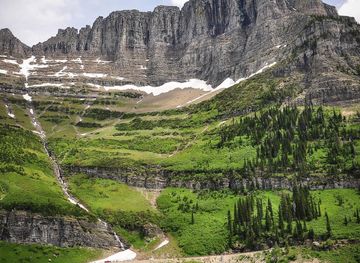
Discover Montana: A Treasure State of majestic landscapes, outdoor adventures, and rich cultural heritage. Explore Glacier and Yellowstone, charming towns, and historic sites.
Explore Montana