

Free Helena Travel Guide & Mobile App
Plan your Helena trip with Evendo. Get free guides to top attractions, restaurants, hotels, and bars. Web access or download the mobile app.


Helena, Montana blends Gold Rush history, grand civic architecture, mountain trails and Western culture with museums, galleries, local food and a compact capital setting.
A Gold Rush Capital
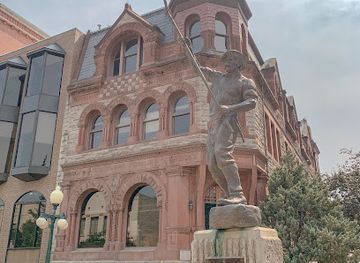
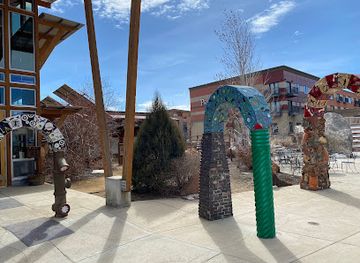
Helena stands in west-central Montana, where the wooded slopes of the Helena Valley rise towards the Continental Divide. The city began in 1864, when four prospectors discovered gold in Last Chance Gulch; the resulting wealth helped create an unusually grand civic centre for a relatively small mountain capital. Today, the pedestrianised stretch of Last Chance Gulch remains Helena’s principal urban spine, lined with historic buildings, independent shops, cafés and public art.Read more about Helena
Architecture and Civic Life
Mountains and Contemporary Culture
When is the best time to visit Helena?
Best: June–August · 23–27°C| Month | High (°C) | Rainfall (mm) |
|---|---|---|
| January | 2 | 6 |
| February | 5 | 6 |
| March | 9 | 10 |
| April | 14 | 17 |
| May | 18 | 34 |
| June (best) | 23 | 38 |
| July (best) | 27 | 22 |
| August (best) | 26 | 23 |
| September | 21 | 21 |
| October | 14 | 13 |
| November | 7 | 11 |
| December | 1 | 9 |
Getting to and around Helena
How to get there
Transportation
Best attractions in Helena
Helena’s main attractions reveal both its mining origins and its role as Montana’s capital. Last Chance Gulch forms the centre of the historic downtown, with a pedestrianised section of shops, cafés, public art and preserved commercial architecture. Reeder’s Alley offers a quieter encounter with the nineteenth-century settlement, while the Montana Historical Society presents the state’s human and natural history through substantial collections and exhibitions. The Holter Museum of Art brings modern and contemporary work into the civic centre, and the Archie Bray Foundation for the Ceramic Arts occupies a former brickworks east of town, where sculpture, studios and landscaped grounds create an unusual cultural setting. Mount Helena provides close-to-town hiking and broad valley views, while the nearby Gates of the Mountains offers a separate outdoor excursion on the Missouri River. The Cathedral of Saint Helena and Montana State Capitol add architectural weight to the sightseeing circuit.
-
Catholic cathedral
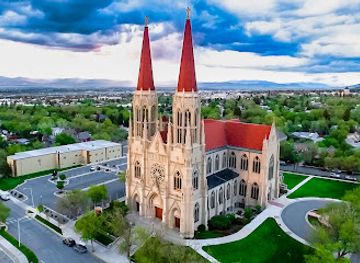
Cathedral of Saint Helena
Explore the stunning Cathedral of Saint Helena, a masterpiece of Gothic architecture in Helena, Montana, featuring exquisite stained glass and serene ambiance.
5 min walk · 0.4 km from city centre
-
Catholic cathedral
Cathedral of Saint Helena
Explore the stunning Cathedral of Saint Helena, an architectural masterpiece in Helena, Montana, renowned for its breathtaking stained glass and rich history.
5 min walk · 0.4 km from city centre
-
Tourist attraction
Spring Meadow Lake State Park
Explore the serene landscapes and outdoor activities at Spring Meadow Lake State Park in Helena, Montana, a perfect destination for nature lovers and families.
11 min drive · 3.8 km from city centre
-
Amusement center
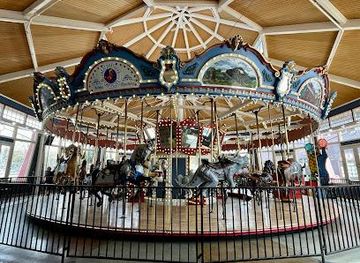
Great Northern Carousel
Experience the charm of the Great Northern Carousel in Helena, Montana, where fun meets artistry in a whimsical atmosphere perfect for families and tourists.
12 min walk · 1.0 km from city centre

Best landmarks in Helena
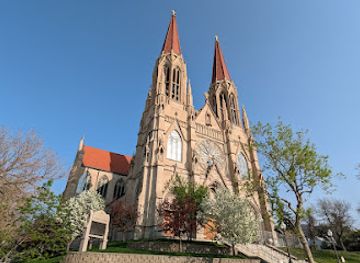
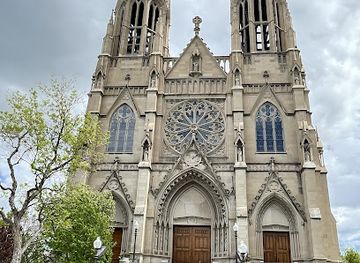
Montana’s State Capitol is Helena’s defining civic landmark, a domed early twentieth-century building whose rotunda and murals celebrate the state’s history, industries and political identity. The Cathedral of Saint Helena, completed in 1914, dominates the skyline with its Gothic Revival form, twin towers and extensive stained glass. Reeder’s Alley preserves a group of historic buildings associated with the city’s early mining settlement, providing a tangible contrast to the formality of the Capitol. Holter Lake and Mount Helena are important landscape landmarks rather than urban monuments, framing the city’s relationship with mountains and open country. Downtown’s surviving commercial façades along Last Chance Gulch, together with historic homes in nearby residential districts, show how gold wealth and statehood shaped Helena’s built environment. The Archie Bray Foundation’s former industrial buildings add a more contemporary artistic landmark to the city’s architectural story.
-
Catholic cathedral
Cathedral of Saint Helena
Discover the stunning Cathedral of Saint Helena in Helena, Montana, where neo-Gothic architecture meets rich history and serene spirituality.
5 min walk · 0.4 km from city centre
-
Historical place
Reeder's Alley
Discover the rich history and charm of Reeder's Alley in Helena, Montana, a historical site filled with artisan shops and local culture.
7 min walk · 0.6 km from city centre
-
Science museum
ExplorationWorks
Discover the wonders of science at ExplorationWorks, a hands-on museum in Helena, Montana, perfect for families and curious minds alike.
12 min walk · 1.0 km from city centre
-
Sightseeing tour agency
Last Chance Tours
Discover Helena's rich history and stunning landscapes with Last Chance Tours, your gateway to unforgettable sightseeing adventures in Montana's capital.
5 min drive · 1.8 km from city centre
Explore Helena on the map
Plan your Helena trip on one map. See where the top attractions, landmarks, restaurants, bars and hotels are, find what's near where you're staying, and book hotels and experiences in a few clicks.
Best hotels in Helena
Best restaurants in Helena
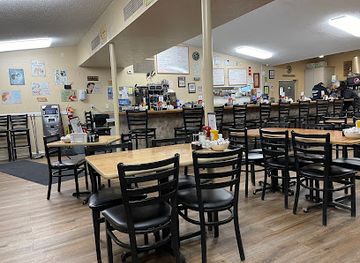
Helena’s dining scene combines Montana ingredients and western American traditions with the practical, varied cooking found in a small state capital. Menus may feature beef, bison, trout, game, locally grown produce and hearty soups, while bakeries, cafés and breakfast counters provide informal options around the historic core. Last Chance Gulch and the surrounding downtown streets contain much of the city’s independent restaurant activity, with breweries and casual eateries adding a social dimension. Montana’s craft-beer culture is well represented, and local producers contribute seasonal ingredients when available. Visitors can also find familiar American styles, international cooking and contemporary interpretations of regional food rather than a single fixed cuisine. The character is generally relaxed and unhurried, with dining shaped by Helena’s government community, outdoor culture and relatively compact centre.
-
American
Shellie's Country Cafe
Experience delightful American comfort food at Shellie's Country Cafe in Helena – perfect for families and travelers seeking local flavors.
9 min drive · 3.0 km from city centre
-
Grill
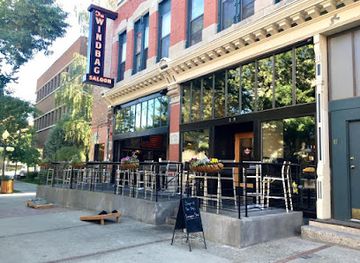
Windbag Saloon & Grill
Experience the heart of Helena at Windbag Saloon & Grill – where delicious meals meet lively entertainment in Montana's vibrant capital.
4 min walk · 0.3 km from city centre
-
Breakfast
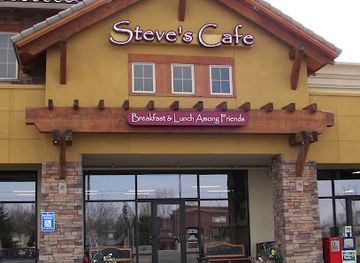
Steve's Cafe
Discover delightful breakfast options at Steve's Cafe in Helena - where comfort meets flavor with a touch of local charm.
18 min walk · 1.4 km from city centre
-
Grill
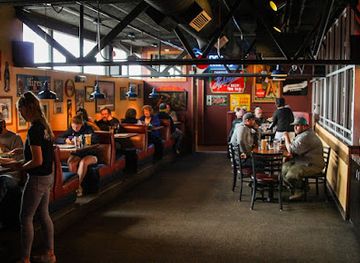
Brewhouse
Discover the flavors of Montana at Brewhouse - where grilled delights meet craft beer in Helena's vibrant dining scene.
12 min walk · 1.0 km from city centre
Best bars in Helena
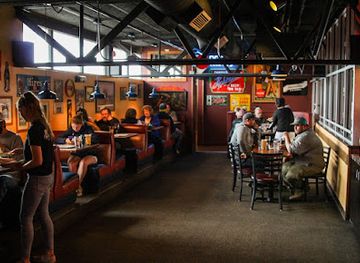
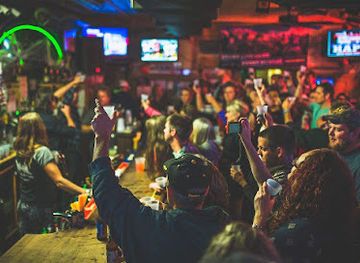
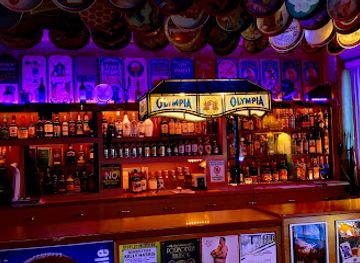
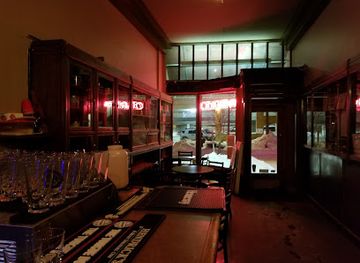
Helena’s nightlife is modest in scale and centred largely on downtown, where historic streets accommodate neighbourhood bars, breweries, pubs and casual venues rather than a large club circuit. Evenings often begin around Last Chance Gulch, with locally produced beer, live music and conversation taking precedence over late-night spectacle. The city’s arts institutions and community venues contribute occasional exhibitions, performances, lectures and concerts, while the Grandstreet Theatre presents local theatrical productions. The Myrna Loy, a non-profit arts and cinema venue, adds film, music and cultural programming in a restored downtown setting. Nightlife can be quieter on some weekdays and more social around civic events, university activity and performances. Visitors should check current programmes and transport options, as closing times and event schedules vary and late-night public transport is limited.
-
Grill
Windbag Saloon & Grill
Experience the heart of Helena at Windbag Saloon & Grill, where delicious food meets lively entertainment in a welcoming atmosphere.
4 min walk · 0.3 km from city centre
-
Grill
Brewhouse
Savor the best of Montana's grill cuisine at Brewhouse, a top dining destination in Helena with delicious local flavors.
12 min walk · 1.0 km from city centre
-
Bar
Chili's Grill & Bar
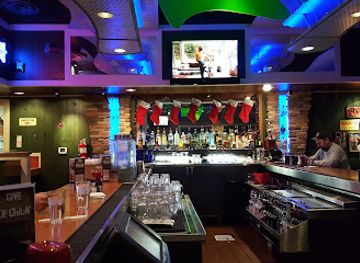
Experience the vibrant flavors of American and Tex-Mex cuisine at Chili's Grill & Bar in Helena, Montana, perfect for families and friends.
11 min drive · 3.7 km from city centre
-
Bar
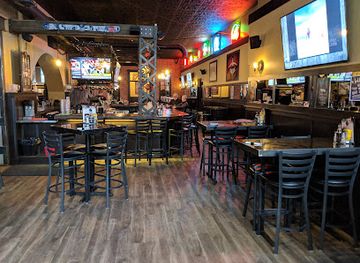
The Gold Bar and Western Bar
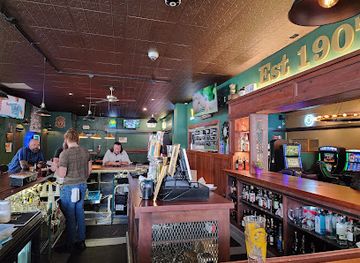
Discover the heart of Montana at The Gold Bar and Western Bar, where delicious food, great drinks, and lively atmosphere await you.
3 min walk · 0.2 km from city centre
Best nightclubs in Helena
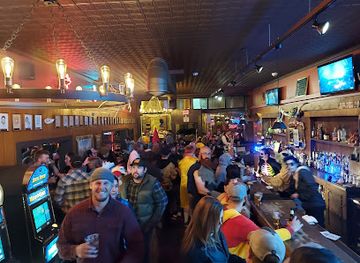
Helena’s nightlife is modest in scale and centred largely on downtown, where historic streets accommodate neighbourhood bars, breweries, pubs and casual venues rather than a large club circuit. Evenings often begin around Last Chance Gulch, with locally produced beer, live music and conversation taking precedence over late-night spectacle. The city’s arts institutions and community venues contribute occasional exhibitions, performances, lectures and concerts, while the Grandstreet Theatre presents local theatrical productions. The Myrna Loy, a non-profit arts and cinema venue, adds film, music and cultural programming in a restored downtown setting. Nightlife can be quieter on some weekdays and more social around civic events, university activity and performances. Visitors should check current programmes and transport options, as closing times and event schedules vary and late-night public transport is limited.
-
Bar
The Gold Bar and Western Bar
Experience the lively atmosphere and delicious offerings at The Gold Bar and Western Bar, a must-visit destination in Helena, Montana.
3 min walk · 0.2 km from city centre
-
Bar
Hap's Bar
Discover the lively atmosphere of Hap's Bar in Helena, a vibrant cocktail lounge and karaoke hotspot with a unique blend of entertainment.
7 min drive · 2.2 km from city centre
-
Bar
The Jesters Bar
Discover the lively atmosphere of The Jesters Bar in Helena, Montana—where great drinks and good times await.
6 min walk · 0.5 km from city centre
-
Bar
Rialto
Discover the lively atmosphere of Rialto, where great drinks and gaming converge in the heart of Helena, Montana.
1 min walk · 0.1 km from city centre
Best shops in Helena
Shopping in Helena is concentrated around Last Chance Gulch and adjoining downtown streets, where independent retailers, bookshops, galleries, cafés and locally oriented businesses occupy historic premises. Visitors can browse Montana-made pottery, woodwork, jewellery, Western clothing, artwork and regional food products, with the city’s arts community particularly visible through galleries and the influence of the Archie Bray Foundation. Antique and speciality shops add to the old-western commercial character, while larger everyday retail areas lie beyond the historic core. The Great Northern Town Center provides a more modern mixed-use setting with shops, restaurants and entertainment near the former rail corridor. For authentic souvenirs, locally produced ceramics, Native American artwork bought from reputable and properly identified sellers, Montana foods and practical outdoor goods are more representative than generic frontier memorabilia.
-
Gift shop
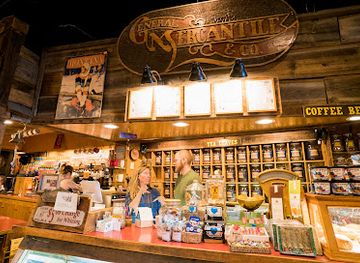
General Mercantile
Explore the charming General Mercantile in Helena, Montana for unique gifts, delicious candy, and the perfect cup of coffee in a warm atmosphere.
3 min walk · 0.2 km from city centre
-
Department store
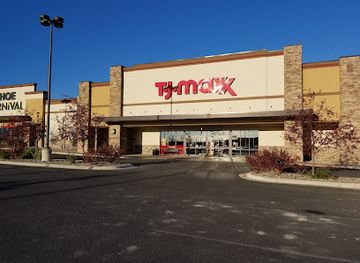
T.J. Maxx
Shop T.J. Maxx in Helena for unbeatable deals on clothing, accessories, and home goods, perfect for every traveler’s budget.
11 min drive · 3.6 km from city centre
-
Hobby store
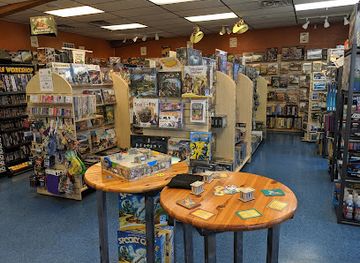
White Knight Games & Hobbies
Explore a vibrant haven for gamers and hobbyists at White Knight Games & Hobbies in Helena, featuring an extensive selection of games, collectibles, and toys.
5 min drive · 1.7 km from city centre
-
Candy store
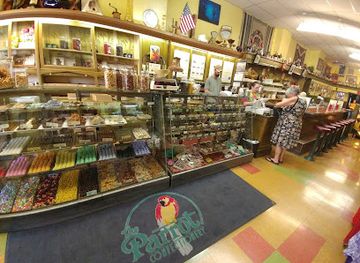
Parrot Confectionery
Discover the sweet allure of Parrot Confectionery, Helena's premier candy store, offering handcrafted chocolates and nostalgic treats.
1 min walk · 0.1 km from city centre
Get your free copy of our complete guide to Helena, delivered straight to you.
Everything on this page, from attractions and restaurants to essentials and local phrases, in one PDF you can read offline, print or share.
Already have an account? Sign in
Your Helena guide is ready.
We'll send it to · Not you? Sign out

Getting your guide ready…
We are putting together a fresh copy of the Helena guide. This can take up to a minute.
This can take a few moments. If your browser asks, choose Allow so the download can start. You'll find the guide in your Downloads folder.
Nothing happened? Download it again
Sorry, the guide is taking longer than usual. Please try again in a minute, or get it by email instead.
Helena essentials
Currency and Payment
Safety
Emergency Situations
Do's and Don'ts
Local Tips
From Eve
Local phrases worth knowing
You don't need to get them perfect. A few words go a long way, and locals appreciate the effort.
Basics
| English | Local | Say it |
|---|---|---|
| Hello | Howdy | [haw-dee] |
| Goodbye | See ya | [see yah] |
| Yes | Yup | [yuhp] |
| No | Nope | [nohp] |
| Please/You're welcome | Please/You're welcome | [pleez / yur wel-kum] |
| Thank you | Thanks | [thaynks] |
| Excuse me/Sorry | Pardon me | [pahr-dun mee] |
| How are you? | How's it going? | [hows it goh-ing] |
| Fine. And you? | Good. You? | [good. yoo?] |
| Do you speak English? | Ya speak English? | [yah speak ing-glish] |
| I don't understand | I don't get it | [eye dohnt get it] |
Eating & Drinking
| English | Local | Say it |
|---|---|---|
| I'd like to see the menu, please | Can I check out the menu? | [kan eye chek out the menu?] |
| I don't eat meat | I don't do meat | [eye dohnt doh meet] |
| Cheers! | Cheers! | [cheers] |
| I would like to pay, please | Can I settle up, please | [kan eye set-tul up, please] |
Emergencies
| English | Local | Say it |
|---|---|---|
| Help! | Help! | [help] |
| Go away! | Get lost! | [get lost] |
| Call the Police! | Call the cops! | [call the cops] |
| Call a doctor! | Get a doc! | [get a doc] |
| I'm lost | I'm turned around | [eye-m turnd a-round] |
| I'm ill | I'm sick | [eye-m sik] |
Shopping
| English | Local | Say it |
|---|---|---|
| I'd like to buy... | I wanna snag... | [eye wah-nuh snag] |
| I'm just looking | Just browsing | [just brau-zing] |
| How much is it? | How much? | [how much] |
| That's too expensive | That's spendy | [thats spend-ee] |
| Can you lower the price? | Can you do better? | [kan yoo doh bet-ter] |
Time & Numbers
| English | Local | Say it |
|---|---|---|
| What time is it? | What's the time? | [whats the time] |
| It's one o'clock | It's one | [its one] |
| Half past (10) | Half past (10) | [half past (10)] |
| Morning | Morning | [morning] |
| Afternoon | Afternoon | [afternoon] |
| Evening | Evening | [evening] |
| Yesterday | Yesterday | [yesterday] |
| Today | Today | [today] |
| Tomorrow | Tomorrow | [tomorrow] |
| 1 | One | [wun] |
| 2 | Two | [too] |
| 3 | Three | [three] |
| 4 | Four | [four] |
| 5 | Five | [five] |
| 6 | Six | [six] |
| 7 | Seven | [sev-en] |
| 8 | Eight | [ate] |
| 9 | Nine | [nine] |
| 10 | Ten | [ten] |
Transport & Directions
| English | Local | Say it |
|---|---|---|
| Where's a/the...? | Where's the...? | [wheres the] |
| What's the address? | What's the address? | [whats the address] |
| Can you show me (on the map)? | Can you show me on the map? | [kan yoo show mee on the map] |
| When's the next (bus)? | When's the next bus? | [whens the next bus] |
| A ticket (to ....) | A ticket to .... | [a ticket to] |
History of Helena
Salish and Blackfeet Country
The Helena Valley lies within the broader cultural landscape of Indigenous peoples, including the Salish and Blackfeet, whose communities travelled through and used the region long before the establishment of the city. The nearby Missouri River corridor was an important route for movement, trade and seasonal activity. European-American settlement later expanded through exploration, military activity and prospecting, but Helena’s history cannot be separated from the much older Indigenous presence in west-central Montana. The city’s later growth occurred within a region reshaped by United States expansion, treaty-making, displacement and the creation of reservations.
Gold in Last Chance Gulch
Helena was founded in 1864 after John Cowan, D T (Dan) Frost, John Crab and Henry Edgar discovered placer gold in a gulch they called Last Chance. The camp initially followed the familiar pattern of a frontier mining settlement, with prospectors, merchants, boarding houses and makeshift structures gathered around the workings. Gold production brought rapid population growth and commercial investment, while the gulch became the central axis of the emerging town. Reeder’s Alley, developed during this early period, preserves several of the city’s most tangible links with its mining origins.
From Mining Camp to Territorial Capital
As placer deposits declined, Helena’s future depended increasingly on commerce, finance, transport and political influence. The city became the capital of Montana Territory in 1875, confirming its importance among competing settlements in the young territory. The arrival of the railroad in the 1880s strengthened its position as a regional centre, connecting merchants and mining interests with wider markets. Wealth generated by mining and banking helped fund substantial homes, commercial buildings and public institutions, giving Helena an architectural confidence that distinguished it from many frontier towns.
Statehood and Civic Ambition
Montana entered the Union as the forty-first state in 1889, and Helena continued as its capital after a heated contest with Anaconda. The Montana State Capitol was constructed between 1896 and 1902, with later additions enlarging the complex as state government developed. Its murals, rotunda and symbolic decoration express the civic ambitions of a state seeking a permanent political identity. During the same period, Helena’s churches, schools, banks and residential districts expanded, transforming the former mining camp into a more settled administrative and commercial city.
A Cathedral and a Growing Community
The Cathedral of Saint Helena, built between 1908 and 1914, reflects the prosperity and religious diversity of the city’s early twentieth-century population. Its design and stained glass give Helena a landmark on a scale more commonly associated with larger urban centres. The years around the cathedral’s construction also brought continued growth in government, education and professional services. Helena’s social history was shaped by immigrants, labourers, merchants, religious communities and Indigenous peoples, although many accounts of the city have traditionally emphasised its male mining and political history.
Preserving a Living Capital
Twentieth-century Helena balanced the responsibilities of a state capital with the challenges facing a small western city. Government remained central, while education, healthcare, retail and cultural institutions broadened the local economy. Preservation efforts helped protect Reeder’s Alley, Last Chance Gulch and other historic districts, allowing the city’s gold-mining and territorial eras to remain legible within a modern urban setting. Contemporary Helena also developed a strong arts identity through institutions such as the Holter Museum of Art and the Archie Bray Foundation, linking its historic civic character with ceramics, visual arts and outdoor recreation.
Helena in Photos
Browse through our photo collection highlighting the charm and character of the destination.
Cities near Helena
The closest cities to Helena, if you have time for more than one stop.
-

-
-

-

-


Swipe for more cities
Explore more
Explore more of Montana
Discover Montana: A Treasure State of majestic landscapes, outdoor adventures, and rich cultural heritage. Explore Glacier and Yellowstone, charming towns, and historic sites.
Explore Montana