

Free Missoula Travel Guide & Mobile App
Plan your Missoula trip with Evendo. Get free guides to top attractions, restaurants, hotels, and bars. Web access or download the mobile app.


Discover Missoula, Montana: A hub of outdoor adventure, cultural richness, and vibrant community spirit, nestled in the heart of the Rocky Mountains.
Read more about Missoula
When is the best time to visit Missoula?
Best: June–August · 23–28°C| Month | High (°C) | Rainfall (mm) |
|---|---|---|
| January | 1 | 25 |
| February | 3 | 23 |
| March | 9 | 26 |
| April | 14 | 31 |
| May | 19 | 41 |
| June (best) | 23 | 38 |
| July (best) | 28 | 20 |
| August (best) | 27 | 25 |
| September | 22 | 28 |
| October | 13 | 28 |
| November | 3 | 31 |
| December | 0 | 31 |
Getting to and around Missoula
How to get there
Transportation
Best attractions in Missoula
Missoula, Montana offers a diverse range of attractions for visitors to explore, from the picturesque landscapes of the Rattlesnake Wilderness Area to the cultural heritage of the Historical Museum at Fort Missoula. Outdoor enthusiasts can enjoy hiking, fishing, and kayaking along the Clark Fork River, while history buffs can delve into the past at the preserved ghost town of Garnet or the University of Montana's Museum of Mountain Flying. Art lovers will appreciate the vibrant arts scene, with galleries and theaters showcasing local talent, and foodies can indulge in farm-to-table dining options and craft breweries scattered throughout the city. Whether you're seeking adventure in the great outdoors or a taste of Montana's rich history and culture, Missoula has something for every traveler to enjoy.
-
Tourist attraction
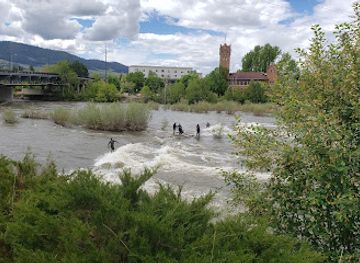
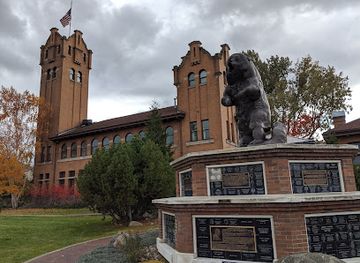
Caras Park
Discover Caras Park, a vibrant urban oasis in Missoula, where nature meets community spirit and endless recreational opportunities await.
6 min drive · 2.0 km from city centre
-
Movie theater
AMC DINE-IN SOUTHGATE 9
Explore the ultimate movie-going experience with gourmet dining and luxurious seating at AMC DINE-IN SOUTHGATE 9 in Missoula.
10 min drive · 3.5 km from city centre
-
Tourist attraction
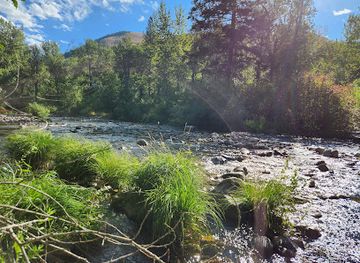
Greenough Park
Experience the tranquility and natural splendor of Greenough Park in Missoula, Montana, a perfect escape for nature lovers and outdoor adventurers alike.
10 min drive · 3.4 km from city centre
-
Amusement center
A Carousel for Missoula
Experience the magic of A Carousel for Missoula, where nostalgia meets fun in a beautifully crafted amusement center for all ages.
6 min drive · 1.9 km from city centre

Best landmarks in Missoula
Missoula offers visitors a rich tapestry of history and culture, with landmarks such as the historic Wilma Theatre, the iconic Caras Park overlooking the Clark Fork River, and the fascinating Museum of Mountain Flying showcasing the region's aviation history. Nature lovers will enjoy exploring the scenic Rattlesnake National Recreation Area and the picturesque Mount Sentinel, while art enthusiasts can immerse themselves in the vibrant art scene at the Missoula Art Museum and the annual River City Roots Festival.
-
Record store
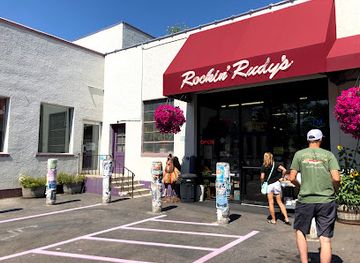
Rockin Rudy's
Discover a musical paradise at Rockin Rudy's in Missoula, where vinyl records, unique gifts, and local charm create an unforgettable shopping experience.
7 min drive · 2.3 km from city centre
-
Park
Caras Park
Discover the beauty and community spirit of Caras Park, a scenic urban oasis in Missoula, Montana, perfect for relaxation and local events.
6 min drive · 2.0 km from city centre
-
Restaurant
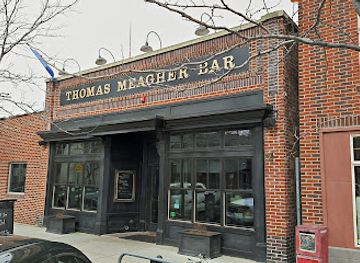
Thomas Meagher Bar
Discover the essence of Irish culture at Thomas Meagher Bar, a lively pub in Missoula offering traditional dishes, local brews, and unforgettable experiences.
6 min drive · 2.1 km from city centre
-
Live Music
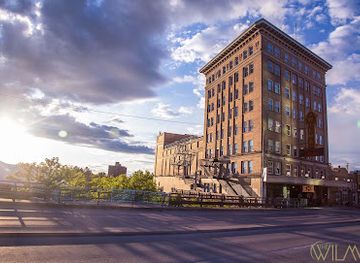
The Wilma
Experience the best of live music at The Wilma, a historic concert hall in Missoula that showcases top artists in an intimate setting.
6 min drive · 2.0 km from city centre
Explore Missoula on the map
Plan your Missoula trip on one map. See where the top attractions, landmarks, restaurants, bars and hotels are, find what's near where you're staying, and book hotels and experiences in a few clicks.
Best hotels in Missoula
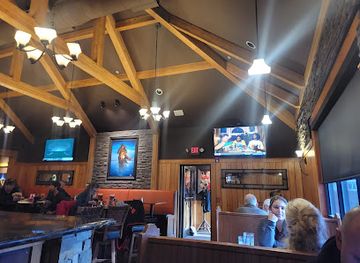
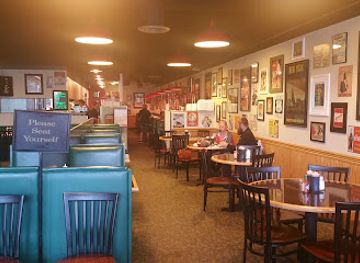
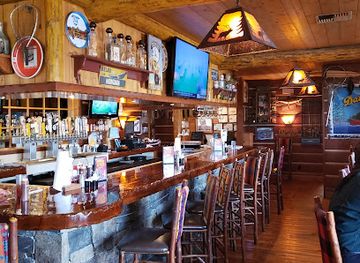
Best restaurants in Missoula
Missoula offers a diverse dining scene that caters to a wide range of tastes and preferences. From cozy cafes serving locally roasted coffee and freshly baked pastries to upscale restaurants featuring farm-to-table cuisine with a focus on sustainable and organic ingredients, visitors can indulge in a culinary experience that highlights the flavors of Montana. Food trucks and street vendors offer a more casual dining option, perfect for exploring the city's vibrant downtown area. With a mix of traditional Western fare and international influences, Missoula's dining scene is sure to satisfy even the most discerning palates.
-
American
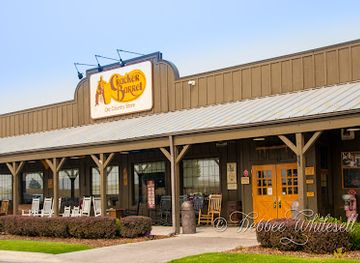
Cracker Barrel Old Country Store
Experience authentic Southern cuisine at Cracker Barrel Old Country Store in Missoula - where comfort food meets charming hospitality.
14 min drive · 4.6 km from city centre
-
American
The Montana Club Restaurant
Discover the taste of Montana at The Montana Club Restaurant - where hearty American cuisine meets exceptional service in Missoula.
12 min drive · 3.9 km from city centre
-
Breakfast
Paul's Pancake Parlor
Discover the charm of Paul's Pancake Parlor in Missoula—where delicious pancakes meet warm hospitality for an unforgettable breakfast experience.
8 min drive · 2.8 km from city centre
-
Barbecue
Famous Dave's Bar-B-Que
Experience the ultimate BBQ feast at Famous Dave's Bar-B-Que in Missoula—where tradition meets flavor!
7 min drive · 2.3 km from city centre
Best bars in Missoula
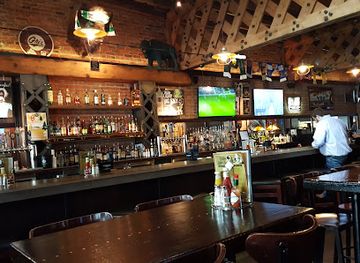
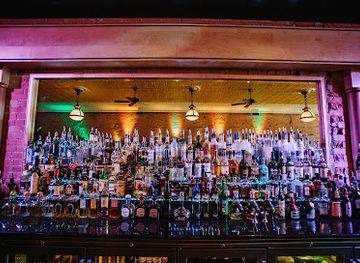
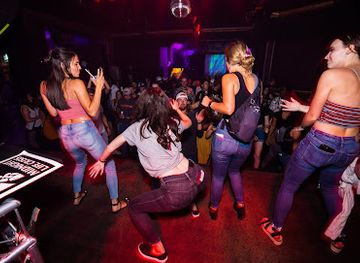
Missoula's nightlife scene offers a unique blend of entertainment options for visitors, ranging from lively bars and clubs to cozy pubs and live music venues. Whether you're looking to dance the night away at a popular nightclub, enjoy a craft cocktail at a trendy bar, or catch a live music performance at a local venue, Missoula has something for everyone. With a friendly and welcoming atmosphere, visitors can expect to meet locals and fellow travelers alike while experiencing the vibrant nightlife of this charming city.
-
Gastropub
Top Hat
Experience the best of Missoula dining at The Top Hat, a vibrant gastropub offering delicious food, craft drinks, and live music in a lively atmosphere.
6 min drive · 2.0 km from city centre
-
Bar
Iron Horse Bar & Grill
Experience the heart of Missoula at Iron Horse Bar & Grill, where local brews and delicious food create a vibrant dining experience.
6 min drive · 2.2 km from city centre
-
Bar
Thomas Meagher Bar
Discover the vibrant atmosphere and authentic Irish cuisine at Thomas Meagher Bar in Missoula, a must-visit destination for food lovers and nightlife seekers.
6 min drive · 2.1 km from city centre
-
Eclectic
Plonk Missoula
Experience the eclectic charm of Plonk Missoula, where fine wines and creative cocktails come together in an inviting atmosphere.
6 min drive · 2.1 km from city centre


Best nightclubs in Missoula
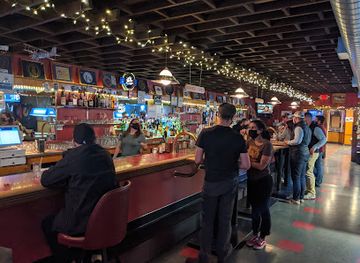
Missoula's nightlife scene offers a unique blend of entertainment options for visitors, ranging from lively bars and clubs to cozy pubs and live music venues. Whether you're looking to dance the night away at a popular nightclub, enjoy a craft cocktail at a trendy bar, or catch a live music performance at a local venue, Missoula has something for everyone. With a friendly and welcoming atmosphere, visitors can expect to meet locals and fellow travelers alike while experiencing the vibrant nightlife of this charming city.
-
Restaurant
Union Club Bar
Experience the vibrant nightlife and delicious cuisine at Union Club Bar, Missoula's ultimate destination for food, music, and fun.
7 min drive · 2.2 km from city centre
-
Sports bar
Silver Slipper Sports Bar & Casino
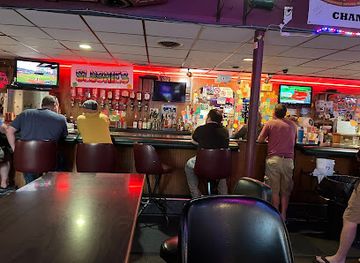
Discover the ultimate entertainment experience at Silver Slipper Sports Bar & Casino in Missoula, where gaming, dining, and sports unite for unforgettable fun.
15 min drive · 5.1 km from city centre
-
Lounge
Town & Country Lounge
Experience the vibrant atmosphere and friendly service at Town & Country Lounge, Missoula's favorite spot for drinks and entertainment.
11 min walk · 0.9 km from city centre
-
Night club
The Badlander
Discover Missoula's nightlife at The Badlander, a lively night club and live music venue offering great drinks and unforgettable entertainment.
6 min drive · 2.0 km from city centre
Best shops in Missoula
In Missoula, visitors can expect a unique shopping experience that combines the charm of a small town with the variety of a larger city. From local boutiques and art galleries to outdoor gear stores and antique shops, there is something for everyone. The downtown area is perfect for leisurely strolls, with historic buildings housing trendy shops and cozy cafes. Visitors can also explore the bustling farmers market for fresh produce and handmade goods. With a mix of well-known brands and one-of-a-kind finds, shopping in Missoula is sure to delight tourists looking for a memorable retail experience.
-
Gift shop
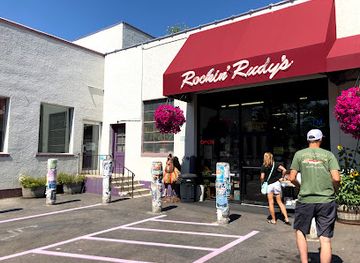
Rockin Rudy's
Discover a vibrant gift shop in Missoula, Montana, offering unique finds from candy to vinyl records, perfect for every traveler and gift seeker.
7 min drive · 2.3 km from city centre
-
Shopping mall
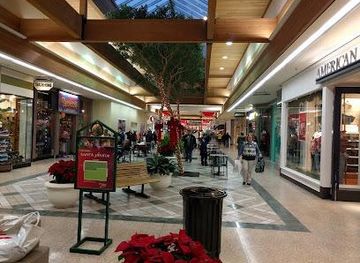
Southgate Mall
Explore Southgate Mall in Missoula, Montana – your ultimate shopping destination offering diverse retail, dining, and entertainment options.
10 min drive · 3.4 km from city centre
-
Shopping mall
Tremper's Shopping Center
Discover a diverse shopping experience at Tremper's Shopping Center, where local charm meets retail convenience in Missoula, Montana.
8 min drive · 2.8 km from city centre
-
Sporting goods store
Scheels
Discover your sporting adventure at Scheels in Missoula, where outdoor enthusiasts find top gear and unforgettable experiences.
10 min drive · 3.4 km from city centre
Get your free copy of our complete guide to Missoula, delivered straight to you.
Everything on this page, from attractions and restaurants to essentials and local phrases, in one PDF you can read offline, print or share.
Already have an account? Sign in
Your Missoula guide is ready.
We'll send it to · Not you? Sign out

Getting your guide ready…
We are putting together a fresh copy of the Missoula guide. This can take up to a minute.
This can take a few moments. If your browser asks, choose Allow so the download can start. You'll find the guide in your Downloads folder.
Nothing happened? Download it again
Sorry, the guide is taking longer than usual. Please try again in a minute, or get it by email instead.
Missoula essentials
Currency and Payment
Safety
Emergency Situations
Do's and Don'ts
Local Tips
From Eve
Local phrases worth knowing
You don't need to get them perfect. A few words go a long way, and locals appreciate the effort.
Basics
| English | Local | Say it |
|---|---|---|
| Hello | Howdy | [haw-dee] |
| Goodbye | See ya | [see yuh] |
| Yes | Yup | [yuhp] |
| No | Nope | [nohp] |
| Please/You're welcome | Please/No worries | [pleez/no wuhr-eez] |
| Thank you | Thanks | [thanks] |
| Excuse me/Sorry | Pardon me/My bad | [pahr-dn mee/my bad] |
| How are you? | Howdy, how's it goin'? | [haw-dee, howz it go-in] |
| Fine. And you? | Good. How 'bout you? | [good. how bout yuh] |
| Do you speak English? | Ya speak English? | [yuh speak ing-glish] |
| I don't understand | I'm lost | [ahm lost] |
Eating & Drinking
| English | Local | Say it |
|---|---|---|
| I'd like to see the menu, please | Can I check out the menu? | [kan eye chek out thee menyoo] |
| I don't eat meat | I'm vegetarian | [ahm vedge-eh-tare-ee-an] |
| Cheers! | Cheers! | [cheers] |
| I would like to pay, please | Can I settle up, please | [kan eye set-ul up pleez] |
Emergencies
| English | Local | Say it |
|---|---|---|
| Help! | Help! | [help] |
| Go away! | Get lost! | [get lost] |
| Call the Police! | Call the cops! | [call the cops] |
| Call a doctor! | Get me a doc! | [get mee uh doc] |
| I'm lost | I'm lost | [ahm lost] |
| I'm ill | I'm feelin' sick | [ahm feel-in sick] |
Shopping
| English | Local | Say it |
|---|---|---|
| I'd like to buy... | I'm lookin' to purchase... | [ahm look-in to pur-chase] |
| I'm just looking | Just browsin' | [just brow-zin] |
| How much is it? | How much does that run? | [how much duhz that run] |
| That's too expensive | That's a bit steep | [thats uh bit steep] |
| Can you lower the price? | Can ya do a deal? | [kan yuh do a deel] |
Time & Numbers
| English | Local | Say it |
|---|---|---|
| What time is it? | What's the time? | [whats thee time] |
| It's one o'clock | It's one | [its wuhn] |
| Half past (10) | Ten-thirty | [ten-thur-tee] |
| Morning | Mornin' | [morn-in] |
| Afternoon | Afternoon | [after-noon] |
| Evening | Evenin' | [even-in] |
| Yesterday | Yesterday | [yest-er-day] |
| Today | Today | [to-day] |
| Tomorrow | Tomorrow | [tomor-row] |
| 1 | One | [wuhn] |
| 2 | Two | [too] |
| 3 | Three | [three] |
| 4 | Four | [four] |
| 5 | Five | [five] |
| 6 | Six | [six] |
| 7 | Seven | [seven] |
| 8 | Eight | [ate] |
| 9 | Nine | [nine] |
| 10 | Ten | [ten] |
Transport & Directions
| English | Local | Say it |
|---|---|---|
| Where's a/the...? | Where's the...? | [wheres thee] |
| What's the address? | Where's it located? | [wheres it lo-cated] |
| Can you show me (on the map)? | Can you point it out (on the map)? | [kan yuh point it out on thee map] |
| When's the next (bus)? | When's the next (bus)? | [whens thee next bus] |
| A ticket (to ....) | A ticket (to ....) | [uh ticket to] |
History of Missoula
The Founding of Missoula
Missoula, located in the heart of Western Montana, was originally founded in 1860 as Hellgate Trading Post. The settlement was established by Christopher P. Higgins and Francis L. Worden, who saw the potential of the area for trade due to its strategic location along the Mullan Road.
The Mullan Road
The Mullan Road, completed in 1860, was a significant development for Missoula. It connected Fort Benton, Montana to Walla Walla, Washington, facilitating transportation and trade. This route played a crucial role in the economic growth of Missoula and the surrounding regions.
Missoula's Role in the Lumber Industry
In the late 19th and early 20th centuries, Missoula became a key player in the lumber industry. The abundant forests surrounding the area attracted numerous sawmills and logging operations, contributing significantly to the local economy. The development of the Northern Pacific Railway further boosted this industry by providing essential transportation.
Establishment of the University of Montana
The University of Montana was established in Missoula in 1893. This institution not only provided higher education opportunities but also became a cultural and intellectual hub for the region. The university has since played a pivotal role in the city's development, influencing its social and cultural landscape.
Missoula during Prohibition
The Prohibition era (1920-1933) had a unique impact on Missoula. The city, like many others, saw the rise of speakeasies and bootlegging operations. Despite the federal ban on alcohol, local culture adapted with clandestine establishments that became an integral part of the city's social fabric during this period.
The Smokejumpers and Forest Firefighting
Missoula is home to the Smokejumper Base, established in 1942, which is the largest training center for smokejumpers in the United States. These elite firefighters parachute into remote areas to combat wildfires, and their presence underscores Missoula's critical role in forest fire management.
The Hippie Movement in the 1960s and 1970s
During the 1960s and 1970s, Missoula became a haven for the counterculture movement. The influx of artists, musicians, and activists during this period left a lasting imprint on the city’s cultural identity, fostering a vibrant community that values creativity and social change.
Modern Missoula: A Hub for Outdoor Recreation
In recent decades, Missoula has emerged as a prominent destination for outdoor enthusiasts. The city offers a wide range of activities, from hiking and fishing to kayaking and skiing, thanks to its proximity to national forests, rivers, and mountains. This shift towards outdoor recreation has become a cornerstone of Missoula's modern identity.
Missoula in Photos
Browse through our photo collection highlighting the charm and character of the destination.
Cities near Missoula
The closest cities to Missoula, if you have time for more than one stop.
-

-

-

-

-


Swipe for more cities
Explore more
Explore more of Montana
Discover Montana: A Treasure State of majestic landscapes, outdoor adventures, and rich cultural heritage. Explore Glacier and Yellowstone, charming towns, and historic sites.
Explore Montana