

Free Butte Travel Guide & Mobile App
Plan your Butte trip with Evendo. Get free guides to top attractions, restaurants, hotels, and bars. Web access or download the mobile app.


Butte, Montana, pairs copper-mining history with historic Uptown streets, immigrant food traditions, museums, headframes and dramatic high-desert landscapes.
A Mining City in the Highlands
Butte rises in southwestern Montana at the edge of the Rocky Mountain west, where broad skies, dry uplands and distant mountain ranges frame one of the American West's most distinctive historic cities. Its identity was forged by copper: from the late nineteenth century, mines beneath the settlement helped power electrification and industrial growth across the United States. The result is an unusually dense concentration of surviving commercial buildings, workers' neighbourhoods, mine structures and grand homes, particularly in Uptown Butte, the city's historic core.Read more about Butte
Uptown Heritage and Working-City Character
Culture Beneath the Big Sky
When is the best time to visit Butte?
Best: June–August · 23–27°C| Month | High (°C) | Rainfall (mm) |
|---|---|---|
| January | 0 | 13 |
| February | 2 | 11 |
| March | 7 | 16 |
| April | 13 | 26 |
| May | 18 | 43 |
| June (best) | 23 | 40 |
| July (best) | 27 | 32 |
| August (best) | 26 | 28 |
| September | 21 | 26 |
| October | 14 | 23 |
| November | 4 | 19 |
| December | -1 | 17 |
Getting to and around Butte
How to get there
Transportation
Best attractions in Butte
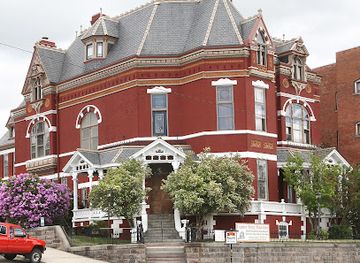
Butte's principal attractions reveal a city shaped from below ground upwards. In Uptown Butte, the Butte-Silver Bow Public Archives and nearby heritage buildings help visitors read the city's layered civic and immigrant history, while the Copper King Mansion offers a glimpse of the wealth accumulated by mining magnate William Andrews Clark. At the Berkeley Pit Viewing Stand, the enormous flooded open-pit mine presents industrial history on a startling scale, although access and interpretation can vary. The World Museum of Mining, set at the former Orphan Girl Mine, combines above-ground structures with underground interpretation of mining life. The Mai Wah Museum preserves the story of Butte's Chinese community, and the Dumas Brothel Museum reflects a less formal but important aspect of the old mining city. Historic theatres, churches, headframes and surrounding mountain roads add architectural and landscape interest beyond the museum circuit.
-
 Tourist attraction
World Museum of Mining
Discover the fascinating mining heritage of Montana at the World Museum of Mining, a cultural landmark in Butte offering immersive experiences and rich history.
8 min drive · 2.7 km from city centre
-
Tourist attraction
Berkeley Pit Viewing Stand
Explore the Berkeley Pit in Butte, Montana, a colorful reminder of mining history and environmental resilience, perfect for nature lovers and history buffs.
13 min walk · 1.0 km from city centre
-
Memorial park
The Granite Mountain Speculator Mine Memorial
Explore the Granite Mountain Speculator Mine Memorial in Butte, Montana—a poignant tribute to the miners who shaped the region's rich history.
7 min drive · 2.3 km from city centre
-
Tourist attraction
Copper King Mansion
Experience the elegance of the past at Copper King Mansion, a historical gem in Butte, Montana, offering rich heritage and cozy accommodations.
15 min walk · 1.2 km from city centre
Best landmarks in Butte
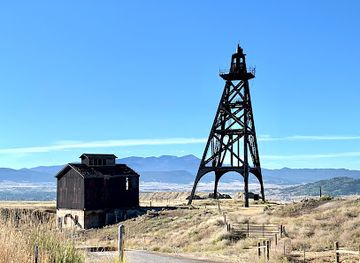
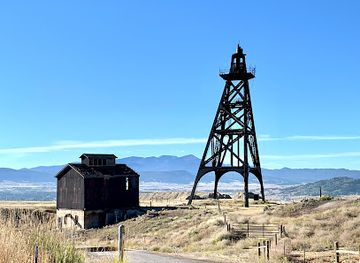
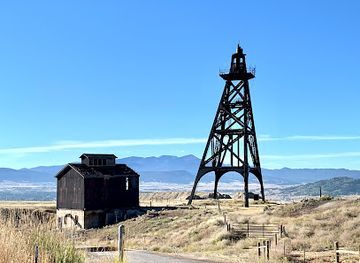
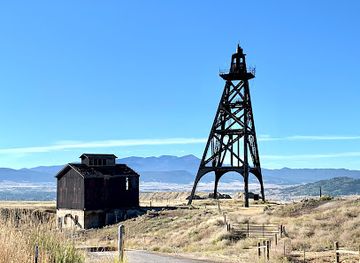
Butte's landmarks make its industrial and social history visible across the urban landscape. The Berkeley Pit is the most imposing, a vast open excavation created by post-war open-pit copper mining and now a lasting symbol of the industry's scale and environmental consequences. Uptown's historic buildings include the Copper King Mansion, built for William Andrews Clark, and the ornate Mother lode Theatre, a surviving entertainment venue from the city's prosperous era. The Dumas Brothel, preserved as a historic building, evokes the commercial world that served mining communities, while the Mai Wah Museum occupies a former Chinatown setting and interprets Chinese-American life in Butte. Mine headframes, including the Orphan Girl structure associated with the World Museum of Mining, remain distinctive engineering landmarks. Together these sites connect wealth, labour, migration, entertainment and extraction rather than presenting a single version of the past.
-
History museum
World Museum of Mining
Explore the World Museum of Mining in Butte, Montana, and immerse yourself in the rich history and cultural heritage of the mining industry.
8 min drive · 2.7 km from city centre
-
Vista point
Berkeley Pit Viewing Stand
Explore the Berkeley Pit Viewing Stand in Butte, MT, and witness the striking beauty and history of this former copper mine turned toxic lake.
13 min walk · 1.0 km from city centre
-
Historical landmark
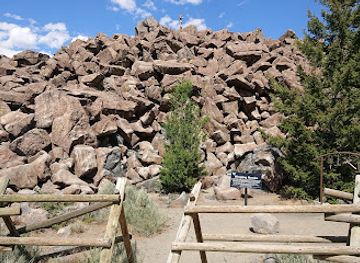
Ringing Rocks
Experience the enchanting sound of nature at Ringing Rocks, a remarkable historical landmark in Montana's breathtaking landscape.
44 min drive · 24 km from city centre
-
Memorial park
The Granite Mountain Speculator Mine Memorial
Explore the emotional and historical significance of The Granite Mountain Speculator Mine Memorial, a tribute to the miners of Butte, Montana.
7 min drive · 2.3 km from city centre
Explore Butte on the map
Plan your Butte trip on one map. See where the top attractions, landmarks, restaurants, bars and hotels are, find what's near where you're staying, and book hotels and experiences in a few clicks.
Best hotels in Butte
Best restaurants in Butte
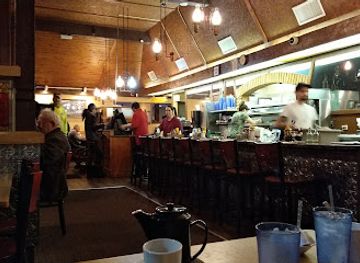
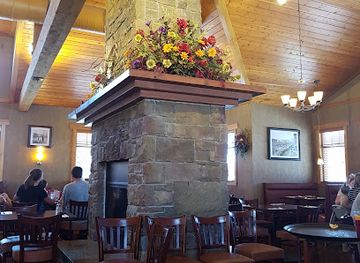
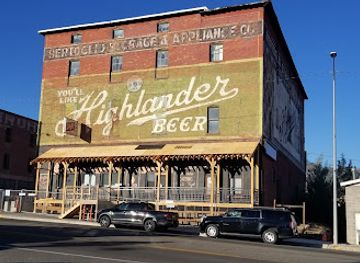
Butte's food culture carries the imprint of its mining workforce and immigrant communities. The city's best-known speciality is the pasty, a portable pastry traditionally filled with meat and vegetables and associated with Cornish and other mining traditions; variations are served by local bakeries and cafés. Italian-American influence appears in family cooking, breads and hearty dishes, while the pork chop sandwich is another long-standing Butte tradition. The Pekin Noodle Parlor, established in 1911, represents the enduring history of Chinese-American dining in the city and is one of Butte's most distinctive food institutions. Uptown restaurants, cafés, bars and bakeries provide much of the visitor-facing dining, with menus ranging from Montana comfort food to contemporary American cooking. Seasonal markets and community events add local produce and home-style specialities to the established restaurant scene.
-
Grill
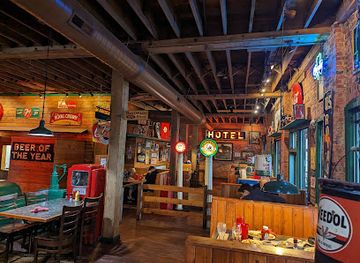
Sparky's Garage Butte
Experience mouth-watering grill specialties at Sparky's Garage Butte – where great food meets a vibrant atmosphere.
9 min walk · 0.7 km from city centre
-
Family-friendly
Hanging Five Restaurant
Discover family-friendly dining at Hanging Five Restaurant in Butte, Montana—where delicious breakfasts meet entertainment!
8 min drive · 2.8 km from city centre
-
American
The Montana Club Restaurant
Experience authentic American dining at The Montana Club Restaurant in Butte - where family-friendly meets culinary delight.
13 min drive · 4.3 km from city centre
-
Restaurant
Casagranda's Steakhouse
Discover Butte's culinary treasure with premium steaks and a warm atmosphere at Casagranda's Steakhouse.
1 min walk · 0.1 km from city centre
Best bars in Butte
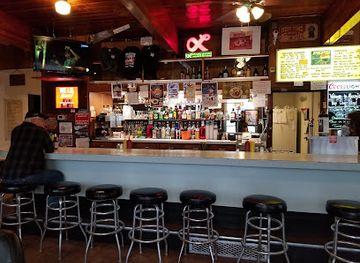
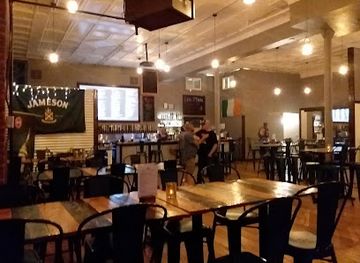
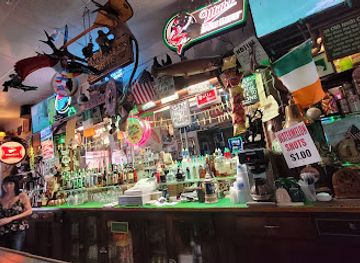
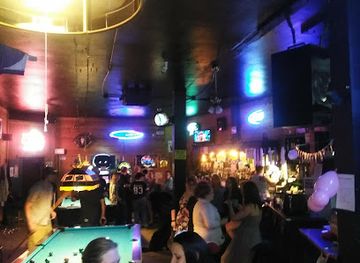
Butte's evening life is concentrated more in pubs, neighbourhood bars, live music and community events than in a large club scene. Uptown provides the main setting for a night out, with historic façades, locally oriented bars and venues where conversation and regional stories matter as much as elaborate cocktails. Live performances, from touring bands to events connected with the Montana Folk Festival and other cultural programmes, can bring unusual energy to the centre, while theatres and civic venues offer alternatives to drinking-led nightlife. The city is relatively quiet compared with Montana's larger university and resort centres, and activity varies with the calendar. Visitors should expect earlier, more informal evenings in many places and should arrange transport responsibly if staying outside the central districts.
-
Grill
Sparky's Garage Butte
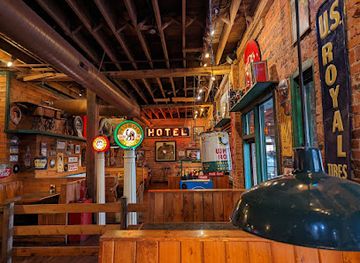
Discover Sparky's Garage Butte, a delightful grill serving up delicious American cuisine in a unique automotive-themed setting.
9 min walk · 0.7 km from city centre
-
Sports bar
Metals Sports Bar and Grill
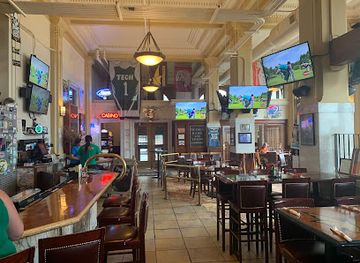
Experience the vibrant atmosphere and delicious American cuisine at Metals Sports Bar and Grill in Butte, Montana – a must-visit for sports and food lovers.
11 min walk · 0.8 km from city centre
-
Bar
Freeway Tavern
Discover the welcoming Freeway Tavern in Butte, Montana—where delicious food meets local charm in an inviting atmosphere.
6 min drive · 1.9 km from city centre
-
Pub
Slainte Butte America Pub
Discover the best of Butte at Slainte Butte America Pub, where lively atmosphere meets delicious cuisine and craft beverages.
12 min walk · 1.0 km from city centre
Best nightclubs in Butte
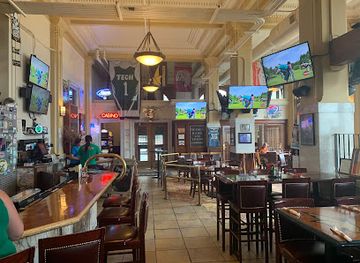
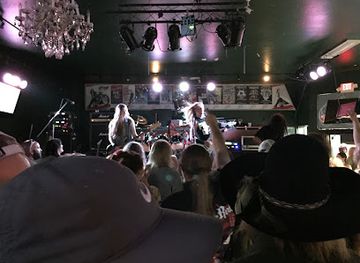
Butte's evening life is concentrated more in pubs, neighbourhood bars, live music and community events than in a large club scene. Uptown provides the main setting for a night out, with historic façades, locally oriented bars and venues where conversation and regional stories matter as much as elaborate cocktails. Live performances, from touring bands to events connected with the Montana Folk Festival and other cultural programmes, can bring unusual energy to the centre, while theatres and civic venues offer alternatives to drinking-led nightlife. The city is relatively quiet compared with Montana's larger university and resort centres, and activity varies with the calendar. Visitors should expect earlier, more informal evenings in many places and should arrange transport responsibly if staying outside the central districts.
-
Sports bar
Metals Sports Bar and Grill
Experience a vibrant sports bar atmosphere with delicious American cuisine at Metals Sports Bar and Grill in Butte, Montana.
11 min walk · 0.8 km from city centre
-
Bar
Party Palace
Experience the vibrant nightlife of Butte, Montana at Party Palace, where affordable drinks meet a lively atmosphere and great entertainment.
11 min walk · 0.9 km from city centre
-
Bar
Maloney's Bar
Discover the lively spirit of Maloney's Bar in Butte, Montana, where great drinks and friendly faces come together for an unforgettable night.
12 min walk · 1.0 km from city centre
-
Bar
Cinz Bar (Cinz Inc)
Experience the vibrant nightlife at Cinz Bar in Butte, MT, where fun meets affordability with karaoke, billiards, and more.
7 min walk · 0.6 km from city centre
Best shops in Butte
Shopping in Butte is centred on locally owned businesses, heritage-oriented retail and the older streets of Uptown rather than a major luxury or department-store district. Visitors may find antiques, vintage objects, books, local art, craftwork and mining-related memorabilia in independent shops, while galleries and small retailers reflect Montana's western and industrial character. Food purchases can include regional products, baked goods and the ingredients or prepared forms associated with Butte's Italian and mining-era traditions. Seasonal farmers' markets and community events provide opportunities to meet local producers when they are operating. Montana Street and adjacent Uptown blocks are useful areas for browsing, although individual businesses and opening patterns can change. Souvenirs are most meaningful when they relate to documented local history—such as copper, mining and immigrant heritage—rather than generic western imagery.
-
Clothing store
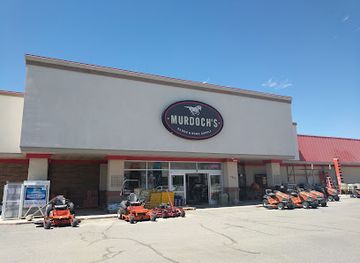
Murdoch's Ranch & Home Supply
Explore Murdoch's Ranch & Home Supply in Butte, MT - your one-stop shop for western apparel, hardware, and authentic Montana culture.
16 min drive · 5.3 km from city centre
-
Shopping mall
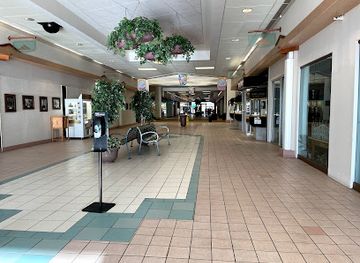
Butte Plaza Mall
Discover Butte Plaza Mall - your ultimate shopping destination in Butte, Montana, offering diverse stores and delightful dining options.
10 min drive · 3.5 km from city centre
-
Thrift store
Bsw Thrift Store
Explore the charm of Bsw Thrift Store in Butte, MT, where every visit reveals unique second-hand treasures and delightful shopping experiences.
7 min drive · 2.5 km from city centre
-
Copper supplier
Butte Copper Company
Explore the rich craftsmanship of copper at Butte Copper Company, a unique shopping experience in the heart of Montana's mining history.
13 min walk · 1.1 km from city centre
Get your free copy of our complete guide to Butte, delivered straight to you.
Everything on this page, from attractions and restaurants to essentials and local phrases, in one PDF you can read offline, print or share.
Already have an account? Sign in
Your Butte guide is ready.
We'll send it to · Not you? Sign out

Getting your guide ready…
We are putting together a fresh copy of the Butte guide. This can take up to a minute.
This can take a few moments. If your browser asks, choose Allow so the download can start. You'll find the guide in your Downloads folder.
Nothing happened? Download it again
Sorry, the guide is taking longer than usual. Please try again in a minute, or get it by email instead.
Butte essentials
Currency and Payment
Safety
Emergency Situations
Do's and Don'ts
Local Tips
From Eve
Local phrases worth knowing
You don't need to get them perfect. A few words go a long way, and locals appreciate the effort.
Basics
| English | Local | Say it |
|---|---|---|
| Hello | Howdy | [haw-dee] |
| Goodbye | See ya | [see yuh] |
| Yes | Yup | [yuhp] |
| No | Nope | [nohp] |
| Please/You're welcome | Please/No problem | [pleez / no prob-lem] |
| Thank you | Thanks | [thanks] |
| Excuse me/Sorry | Pardon me/My bad | [par-dun mee / my bad] |
| How are you? | How's it goin'? | [hows it go-in] |
| Fine. And you? | Good. You? | [good. yuh?] |
| Do you speak English? | Ya speak English? | [ya speak ing-glish] |
| I don't understand | I ain't gettin' it | [I aint get-tin it] |
Eating & Drinking
| English | Local | Say it |
|---|---|---|
| I'd like to see the menu, please | Can I check out the menu? | [kan I chek out the men-yoo] |
| I don't eat meat | I don't do meat | [I don't do meat] |
| Cheers! | Cheers! | [cheers] |
| I would like to pay, please | I'll settle up, please | [I'll set-tul up, please] |
Emergencies
| English | Local | Say it |
|---|---|---|
| Help! | Help! | [help] |
| Go away! | Git! | [git] |
| Call the Police! | Call the cops! | [call the cops] |
| Call a doctor! | Get a doc! | [get a doc] |
| I'm lost | I'm turned around | [I'm turned around] |
| I'm ill | I'm feelin' sick | [I'm feel-in sick] |
Shopping
| English | Local | Say it |
|---|---|---|
| I'd like to buy... | I'm lookin' to buy... | [I'm look-in to buy] |
| I'm just looking | Just browsin' | [just brow-zin] |
| How much is it? | How much? | [how much] |
| That's too expensive | That's spendy | [that's spend-ee] |
| Can you lower the price? | Can ya knock it down? | [can ya knock it down] |
Time & Numbers
| English | Local | Say it |
|---|---|---|
| What time is it? | What's the time? | [what's the time] |
| It's one o'clock | It's one | [it's one] |
| Half past (10) | Half past ten | [half past ten] |
| Morning | Mornin' | [morn-in] |
| Afternoon | Afternoon | [afternoon] |
| Evening | Evenin' | [even-in] |
| Yesterday | Yest'day | [yest-day] |
| Today | Today | [today] |
| Tomorrow | Tomorrah | [tom-rah] |
| 1 | One | [wun] |
| 2 | Two | [too] |
| 3 | Three | [three] |
| 4 | Four | [fore] |
| 5 | Five | [five] |
| 6 | Six | [six] |
| 7 | Seven | [seven] |
| 8 | Eight | [ate] |
| 9 | Nine | [nine] |
| 10 | Ten | [ten] |
Transport & Directions
| English | Local | Say it |
|---|---|---|
| Where's a/the...? | Where's the...? | [where's the] |
| What's the address? | What's the addy? | [what's the add-ee] |
| Can you show me (on the map)? | Can you point it out (on the map)? | [can you point it out (on the map)] |
| When's the next (bus)? | When's the next (bus)? | [when's the next (bus)] |
| A ticket (to ....) | A ticket (to ....) | [a ticket (to)] |
History of Butte
From Salish Country to Mining Settlement
The Butte area lies within the traditional homeland of Indigenous peoples, including the Salish and Pend d'Oreille, whose seasonal movements and knowledge of the landscape predated the American settlement that followed. Euro-American prospectors arrived in the nineteenth century after placer gold discoveries in the wider region, and a small settlement developed on Butte Hill. Gold and silver initially attracted attention, but the district's richer long-term future lay in copper. As mining technology improved and demand for the metal increased, Butte changed from a frontier camp into a permanent industrial community connected to regional rail and commercial networks.
Copper and the Industrial Boom
Copper transformed Butte during the late nineteenth century. The Anaconda Company and other powerful mining interests developed large underground operations, while railways carried ore, equipment and workers through Montana and beyond. By the early twentieth century, Butte was among the world's leading copper-producing centres, and its fortunes became closely tied to electrical manufacturing and national industrial expansion. Wealth from the mines produced substantial commercial architecture and imposing residences, while thousands of miners worked below ground in dangerous conditions. Headframes, company infrastructure and densely built neighbourhoods remain physical reminders of the city created by this boom.
Immigrant Communities and Labour
Butte's mines drew workers from Ireland, Cornwall, Italy, the Balkans, Finland, China and other parts of Europe and Asia. These communities established churches, schools, businesses, mutual-aid organisations and social traditions that gave the city a notably plural character. Chinese residents built commercial and community life despite discriminatory laws and exclusion, while Italian families helped shape local foodways. Mining labour also produced strong union activism. The city became an important setting for debates over wages, safety and industrial power, and the 1917 Speculator Mine disaster, in which 168 miners died, intensified demands for better working conditions and remains one of Montana's defining industrial tragedies.
The Labour Movement and Political Change
Mining companies exercised considerable influence over Butte's economy and politics, but workers developed powerful organisations of their own. Labour disputes, strikes and campaigns for safer mines reflected wider national struggles between industrial companies and organised labour. The radical Western Federation of Miners had an especially important presence in Butte before the city became associated with the more established labour structures of the early twentieth century. These conflicts shaped civic attitudes, public memory and the social geography of the city. Butte's historic buildings therefore represent not only commercial success, but also the institutions and communities that challenged corporate control.
Open-Pit Mining and Urban Transformation
After the Second World War, open-pit extraction increasingly replaced the older network of deep underground workings. The Berkeley Pit, begun in 1955, expanded across part of the east side of Butte and eventually displaced neighbourhoods, roads and businesses. Underground mining declined, and the local economy faced severe pressure as copper production contracted in the late twentieth century. Environmental damage, including contaminated water associated with abandoned workings, became a major legacy of the industry. The pit's immense scale now forms part of Butte's industrial landscape and prompts difficult questions about prosperity, pollution, reclamation and the long-term responsibilities of mining.
Preservation and Living Heritage
As industrial activity declined, preservation efforts increasingly recognised Butte's historic streetscape, architecture and community traditions as cultural assets. Much of Uptown Butte is included within the Butte-Anaconda Historic District, listed on the National Register of Historic Places, and restoration has brought renewed attention to theatres, civic buildings, churches and private homes. Museums and heritage organisations interpret both the wealth and hardship of the mining era, while events such as the Montana Folk Festival connect local history with contemporary performance and craft. Butte remains a living city rather than a museum settlement, with residents continuing to negotiate the meaning of its industrial past.
Butte in Photos
Browse through our photo collection highlighting the charm and character of the destination.
Cities near Butte
The closest cities to Butte, if you have time for more than one stop.
-

-

-

-

-


Swipe for more cities
Explore more
Explore more of Montana
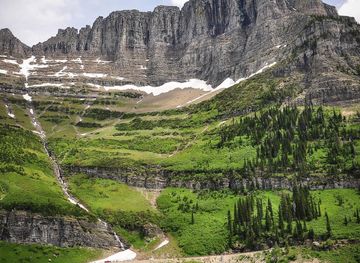
Discover Montana: A Treasure State of majestic landscapes, outdoor adventures, and rich cultural heritage. Explore Glacier and Yellowstone, charming towns, and historic sites.
Explore Montana