

Free The Big Hole Valley Travel Guide & Mobile App
Explore The Big Hole Valley with free travel guides. Discover regional history, expert tips, proposed trips, and audio guides on web or mobile app.


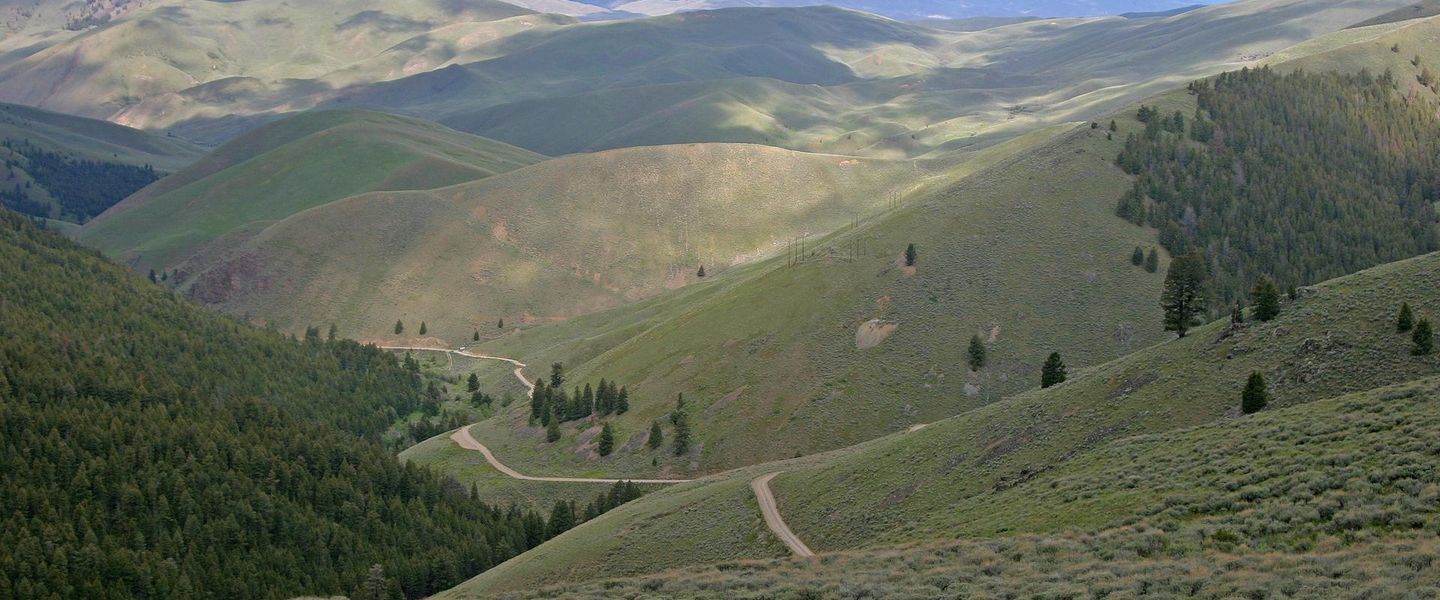


Explore Montana’s Big Hole Valley for mountain scenery, trout waters, ranching history, wildlife and wide-open roads around Wisdom and Wise River.
Read more about The Big Hole Valley
When is the best time to visit The Big Hole Valley?
Best: June–August · 20–24°C| Month | High (°C) | Rainfall (mm) |
|---|---|---|
| January | -3 | 25 |
| February | 0 | 20 |
| March | 5 | 25 |
| April | 10 | 30 |
| May | 15 | 40 |
| June (best) | 20 | 45 |
| July (best) | 24 | 30 |
| August (best) | 23 | 25 |
| September | 18 | 25 |
| October | 11 | 30 |
| November | 3 | 25 |
| December | 0 | 25 |
Getting to and around The Big Hole Valley
How to get there
Transportation
Top city travel guides in The Big Hole Valley
The cities of The Big Hole Valley, and the easiest places to base yourself.

Swipe for more cities
Best attractions in The Big Hole Valley
The Big Hole Valley’s attractions are primarily outdoor, historical and landscape-based. Big Hole National Battlefield, near the western part of the valley, provides interpretive material, walking areas and a preserved setting associated with the 1877 conflict between the Nez Perce and the United States Army. The Big Hole River is the region’s central recreational feature, attracting anglers and offering opportunities for wildlife observation and quiet riverside exploration where access is permitted. Surrounding public lands in the Beaverhead-Deerlodge National Forest support hiking, camping, hunting under regulation, scenic driving, snowmobiling and cross-country skiing. The Pioneer, Beaverhead, Anaconda and Bitterroot ranges create varied mountain backdrops, with forest roads and high-country routes offering access to more remote scenery. Wisdom, Jackson and Wise River provide small-scale community experiences, local history and rural services rather than major visitor complexes. The valley is also a useful base for understanding ranching landscapes, wet meadows, riparian habitat and the practical realities of travel in a sparsely populated mountain basin.
-
Battle site
Big Hole National Battlefield
Discover the poignant history of the Nez Perce War at Big Hole National Battlefield, where nature and history intertwine in Montana's breathtaking landscape.
-
State park
Beaverhead Rock State Park
Explore Beaverhead Rock State Park: A hidden gem in Montana offering stunning views, rich history, and outdoor adventure for every traveler.
Best landmarks in The Big Hole Valley
-
 History museum
World Museum of Mining
Explore the World Museum of Mining in Butte, Montana, and immerse yourself in the rich history and cultural heritage of the mining industry.
-
Vista point
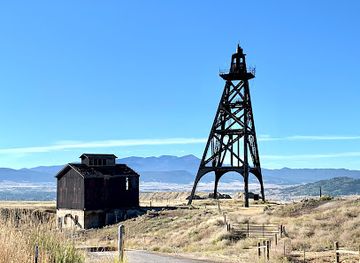
Berkeley Pit Viewing Stand
Explore the Berkeley Pit Viewing Stand in Butte, MT, and witness the striking beauty and history of this former copper mine turned toxic lake.
-
Historical landmark
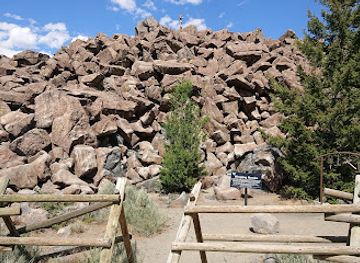
Ringing Rocks
Experience the enchanting sound of nature at Ringing Rocks, a remarkable historical landmark in Montana's breathtaking landscape.
-
Memorial park
The Granite Mountain Speculator Mine Memorial
Explore the emotional and historical significance of The Granite Mountain Speculator Mine Memorial, a tribute to the miners of Butte, Montana.
Explore The Big Hole Valley on the map
Plan your trip on one map. See where the top cities, national parks and sights are, and book hotels and experiences in a few clicks.
Best hotels in The Big Hole Valley
Best restaurants in The Big Hole Valley
Dining in the Big Hole Valley is shaped by distance, season and the needs of ranching and outdoor communities. Visitors will find the greatest concentration of cafés, diners, casual restaurants and food supplies in the small settlements and at rural accommodation providers, but choice is limited compared with Montana’s larger towns. Meals commonly draw on the wider western-Montana tradition of beef, burgers, trout where legally sourced, soups, sandwiches, potatoes and hearty breakfasts, while locally produced beef and hay remain important parts of the regional food economy. Rural inns, lodges and ranch stays may provide advance-booked meals, particularly during the fishing and summer travel season. Travellers should carry provisions for long drives and check whether a kitchen or restaurant is operating before relying on it, especially outside summer. Farmers’ produce, baked goods and prepared foods may appear seasonally, but the valley is better understood as a place for straightforward country dining and self-catering than as a concentrated culinary destination.
-
Steak
Lahood Park
Experience exquisite steak dining at Lahood Park Steakhouse amidst breathtaking Montana landscapes.
Best bars in The Big Hole Valley
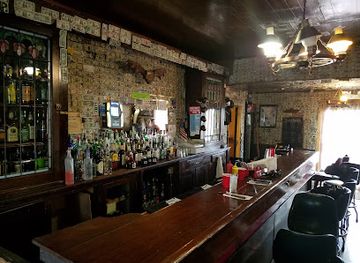
Evening life in the Big Hole Valley is low-key and community-oriented. Local bars, taverns, restaurants and historic-style watering places provide opportunities for conversation, meals and occasional live music, especially in or near Wisdom, Jackson and Wise River, but the valley does not have a substantial nightclub circuit. Many visitors spend evenings at their accommodation, around a campfire where permitted, or outdoors watching the changing light over the mountains. Seasonal fishing, ranching and community events can influence which places are active, and rural businesses may operate on limited or changing schedules. Responsible drinking is particularly important when roads are long, dark and remote, and visitors should arrange a safe return rather than driving after drinking. Those seeking extensive clubs, late-night entertainment or a large music programme should base that part of a trip in a larger Montana town outside the valley.
-
River
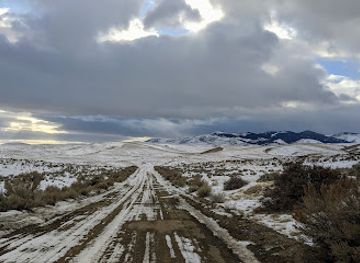
Big Hole River
Experience the natural beauty and outdoor adventure at Big Hole River in Montana, a perfect destination for fishing, kayaking, and hiking.
Best nightclubs in The Big Hole Valley
Evening life in the Big Hole Valley is low-key and community-oriented. Local bars, taverns, restaurants and historic-style watering places provide opportunities for conversation, meals and occasional live music, especially in or near Wisdom, Jackson and Wise River, but the valley does not have a substantial nightclub circuit. Many visitors spend evenings at their accommodation, around a campfire where permitted, or outdoors watching the changing light over the mountains. Seasonal fishing, ranching and community events can influence which places are active, and rural businesses may operate on limited or changing schedules. Responsible drinking is particularly important when roads are long, dark and remote, and visitors should arrange a safe return rather than driving after drinking. Those seeking extensive clubs, late-night entertainment or a large music programme should base that part of a trip in a larger Montana town outside the valley.
-
Night club
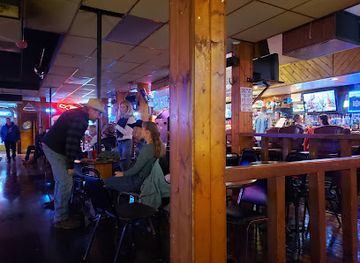
Blue Moon Nite Club
Discover vibrant nightlife at Blue Moon Nite Club in Columbia Falls, Montana, where music, drinks, and unforgettable moments await you.
Best shops in The Big Hole Valley
Shopping in the Big Hole Valley is practical and small-scale, centred on general stores, fuel stops, cafés, local services and independently run businesses in the principal communities. Visitors may find books, artwork, locally made crafts, outdoor supplies, souvenirs and regional food products, though stock and opening arrangements vary by season. The area is not a major retail destination, and travellers should purchase specialist equipment, substantial groceries or gifts in larger gateway towns before entering the valley. Ranch and farm products, locally made preserves, baked goods and craft items may be available through accommodation providers, community businesses or seasonal sales, but they should not be assumed to operate year-round. The most appropriate souvenirs reflect the landscape and history: books about the Big Hole, Nez Perce history, Montana wildlife, local art, practical outdoor goods and products from regional food producers. Respect private property and avoid treating working ranches or informal roadside sales as public shops unless clearly indicated.
-
Fishing store
Great Divide Outfitters
Discover Montana's fishing and rafting gem at Great Divide Outfitters, where adventure meets expert guidance in stunning natural landscapes.

Get your free copy of our complete guide to The Big Hole Valley, delivered straight to you.
Everything on this page, from attractions and restaurants to essentials and local phrases, in one PDF you can read offline, print or share.
Already have an account? Sign in
Your The Big Hole Valley guide is ready.
We'll send it to · Not you? Sign out

Getting your guide ready…
We are putting together a fresh copy of the The Big Hole Valley guide. This can take up to a minute.
This can take a few moments. If your browser asks, choose Allow so the download can start. You'll find the guide in your Downloads folder.
Nothing happened? Download it again
Sorry, the guide is taking longer than usual. Please try again in a minute, or get it by email instead.
The Big Hole Valley essentials
Currency and Payment
Safety
Emergency Situations
Do's and Don'ts
Local Tips
From Eve
Local phrases worth knowing
You don't need to get them perfect. A few words go a long way, and locals appreciate the effort.
Basics
| English | Local | Say it |
|---|---|---|
| Hello | Hi there | [Hai thair] |
| Goodbye | See ya | [See yah] |
| Yes | Yep | [Yep] |
| No | Nah | [Nah] |
| Please/You're welcome | Sure thing | [Shoor thing] |
| Thank you | Thanks a lot | [Thangs a lot] |
| Excuse me/Sorry | Pardon me | [Pardon mee] |
| How are you? | How ya doin'? | [How ya doin'?] |
| Fine. And you? | Good. And you? | [Good. And you?] |
| Do you speak English? | You speakin' English? | [You speakin' English?] |
| I don't understand | I ain't gettin' it | [I ain't gettin' it] |
Eating & Drinking
| English | Local | Say it |
|---|---|---|
| I'd like to see the menu, please | Can I see the menu? | [Can I see the menu?] |
| I don't eat meat | I don't do meat | [I don't do meat] |
| Cheers! | Cheers! | [Cheers!] |
| I would like to pay, please | Can I get the check? | [Can I get the check?] |
Emergencies
| English | Local | Say it |
|---|---|---|
| Help! | Help! | [Help!] |
| Go away! | Beat it! | [Beat it!] |
| Call the Police! | Call the cops! | [Call the cops!] |
| Call a doctor! | Get a doctor! | [Get a doctor!] |
| I'm lost | I'm turned around | [I'm turned around] |
| I'm ill | I'm not feelin' good | [I'm not feelin' good] |
Shopping
| English | Local | Say it |
|---|---|---|
| I'd like to buy... | I wanna buy... | [I wanna buy...] |
| I'm just looking | Just browsin' | [Just browsin'] |
| How much is it? | What’s the price? | [What’s the price?] |
| That's too expensive | That’s way too much | [That’s way too much] |
| Can you lower the price? | Can ya bring it down? | [Can ya bring it down?] |
Time & Numbers
| English | Local | Say it |
|---|---|---|
| What time is it? | What time ya got? | [What time ya got?] |
| It's one o'clock | It's one | [It's one] |
| Half past (10) | Half past ten | [Half past ten] |
| Morning | Mornin' | [Mornin'] |
| Afternoon | Afternoon | [Afternoon] |
| Evening | Evenin' | [Evenin'] |
| Yesterday | Yesterday | [Yesterday] |
| Today | Today | [Today] |
| Tomorrow | Tomorrow | [Tomorrow] |
| 1 | One | [One] |
| 2 | Two | [Two] |
| 3 | Three | [Three] |
| 4 | Four | [Four] |
| 5 | Five | [Five] |
| 6 | Six | [Six] |
| 7 | Seven | [Seven] |
| 8 | Eight | [Eight] |
| 9 | Nine | [Nine] |
| 10 | Ten | [Ten] |
Transport & Directions
| English | Local | Say it |
|---|---|---|
| Where's a/the...? | Where's the...? | [Where's the...?] |
| What's the address? | What’s the address? | [What’s the address?] |
| Can you show me (on the map)? | Can ya point it out? | [Can ya point it out?] |
| When's the next (bus)? | When's the next bus? | [When's the next bus?] |
| A ticket (to ....) | A ticket to... | [A ticket to...] |
History of The Big Hole Valley
Indigenous Homelands and Seasonal Travel
The Big Hole Valley lies within the broader cultural landscape of the Bitterroot Salish, Nimi’ipu or Nez Perce, and other Indigenous peoples who travelled through south-western Montana for hunting, gathering, trade and seasonal activities. The river corridor and surrounding mountains formed part of a connected environment rather than an isolated basin. Any account of the valley’s history therefore extends beyond later settlement and military events. Indigenous relationships with the land remain important to the interpretation of places such as Big Hole National Battlefield, where the history of the 1877 conflict is still discussed through Nez Perce perspectives.
Fur Trade and Early American Exploration
During the early nineteenth century, fur trappers and traders entered the valleys and mountain passes of what became south-western Montana. Their movements linked the Big Hole region with wider networks running through the Rocky Mountains, although the area remained lightly settled by non-Indigenous people. The fur trade introduced new commercial pressures, technologies and epidemics into existing Indigenous networks. Later explorers, prospectors and government surveyors added to outside knowledge of the valley, helping to establish routes that would eventually support ranching, mining and permanent communities.
The Nez Perce Flight and Big Hole Battlefield, 1877
In August 1877, the Nez Perce people, attempting to evade forced removal to a reservation, camped in the Big Hole Valley. United States Army troops attacked the camp, and the resulting battle caused heavy losses among Nez Perce civilians and soldiers as well as the army. Big Hole National Battlefield preserves part of the setting and interprets the event within the larger history of the Nez Perce flight. The battle remains one of the defining historical episodes associated with the valley and a reminder of the violence caused by United States expansion and reservation policy.
Ranching and Permanent Settlement
After the era of major military conflict, ranching became central to the Big Hole economy and landscape. The valley’s open grasslands and irrigated meadows supported cattle and hay production, while small settlements developed around community services, transport routes and seasonal work. The resulting pattern of ranches, fences, hayfields and isolated buildings remains visible today. Farming and ranching have always been shaped by the valley’s short growing season, severe winters and dependence on water, making local life closely tied to weather and the annual cycle of the river and meadows.
Mining, Timber and Mountain Transport
Mining in surrounding mountain districts, including areas associated with the Wise River and Pioneer Mountains, influenced employment, transport and settlement in the northern part of the valley. Timber and mineral activity connected remote communities with the larger economic centres of south-western Montana, including Butte, though the Big Hole itself remained predominantly rural. Roads and later motor transport changed how people, livestock and goods moved through the basin. Remnants of mining landscapes, old routes and settlement patterns contribute to the valley’s layered regional history.
Conservation and the Modern Outdoor Economy
During the twentieth and twenty-first centuries, public-land management, fisheries conservation and heritage preservation became increasingly important to the Big Hole Valley. The river gained a strong reputation for trout fishing, while surrounding national forest and other public lands supported hiking, wildlife observation, hunting and winter recreation. Big Hole National Battlefield established a protected setting for interpreting the 1877 conflict. Contemporary tourism complements rather than replaces ranching, and the valley’s identity continues to depend on balancing working landscapes, habitat protection, access rights and visitor use.
The Big Hole Valley in Photos
Browse through our photo collection highlighting the charm and character of the destination.
Neighbouring regions of The Big Hole Valley
The closest regions to The Big Hole Valley, if you have time for more than one.
-

-

-

-

-


Swipe for more regions
Explore more
Explore more of Montana
Discover Montana: A Treasure State of majestic landscapes, outdoor adventures, and rich cultural heritage. Explore Glacier and Yellowstone, charming towns, and historic sites.
Explore Montana