

Free The Gallatin Valley Travel Guide & Mobile App
Explore The Gallatin Valley with free travel guides. Discover regional history, expert tips, proposed trips, and audio guides on web or mobile app.


Explore the Gallatin Valley around Bozeman for mountain landscapes, dinosaur history, university culture, outdoor recreation and Montana ranch country.
Read more about The Gallatin Valley
Getting to and around The Gallatin Valley
How to get there
Transportation
Top city travel guides in The Gallatin Valley
The cities of The Gallatin Valley, and the easiest places to base yourself.

Swipe for more cities
Destinations in The Gallatin Valley
Resorts, valleys and scenic spots worth a trip of their own.

Swipe for more destinations
Best attractions in The Gallatin Valley
The Gallatin Valley’s attractions combine a substantial cultural centre with accessible mountain and river landscapes. In Bozeman, the Museum of the Rockies is the region’s leading institution for dinosaur palaeontology, natural history, Indigenous interpretation and the history of the American West. Montana State University contributes galleries, public events and an academic atmosphere, while the city’s historic core offers independent shops, restaurants and museums. Outside the city, Hyalite Canyon provides reservoirs, forests, climbing areas and trails, and the Bridger foothills support hiking, wildlife observation and winter recreation at Bridger Bowl. Gallatin County Regional Park offers open space and outdoor activity close to town. Belgrade and the smaller communities around the valley reflect its agricultural and railway heritage. At Three Forks, Missouri Headwaters State Park interprets the meeting of the Jefferson, Madison and Gallatin rivers, with walking, boating and historical displays. The attraction landscape is therefore less about a single monument than about the contrast between science, working farmland, mountain access and major waterways.
-
Wildlife park
Grizzly & Wolf Discovery Center
Explore the Grizzly & Wolf Discovery Center in West Yellowstone for an unforgettable wildlife experience, showcasing bears, wolves, and conservation education.
-
Gym
Bozeman Hot Springs
Discover the soothing waters of Bozeman Hot Springs, where relaxation meets recreation in Montana's stunning landscape.
-
State park
Lewis & Clark Caverns State Park
Discover Lewis & Clark Caverns State Park: A breathtaking blend of geological wonders, scenic trails, and rich wildlife in Montana.
-
Museum
Museum of the Rockies
Discover the rich history of the Earth with thrilling dinosaur exhibits, an immersive planetarium, and interactive science displays at the Museum of the Rockies.


Best landmarks in The Gallatin Valley
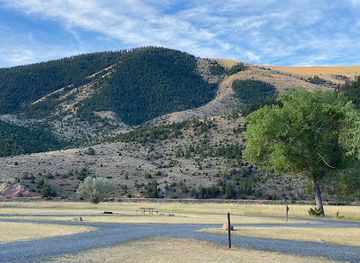
The most recognisable natural landmark in the Gallatin Valley is the encircling mountain framework: the Bridger Range rises east of Bozeman, while the Gallatin, Madison and Tobacco Root ranges define the wider views to the south and west. Hyalite Canyon is a particularly important local landscape, combining a forested mountain corridor with a reservoir and dramatic rock formations. Near Three Forks, the meeting of the Jefferson, Madison and Gallatin rivers at Missouri Headwaters is both a geographical landmark and a place of national historical significance. Bozeman’s historic downtown buildings provide a more urban expression of the valley’s nineteenth-century growth, while the former Fort Ellis area recalls the military expansion that followed territorial settlement. The agricultural grid, irrigation works and railway-era town plans around Belgrade, Manhattan and Three Forks are less monumental but equally revealing: they show how farming, transport and water shaped the valley. In winter, snow-covered ranges make the surrounding topography especially legible, while summer light exposes the contrast between open fields and darker mountain forests.
-
Historical landmark
Bozeman Pass Historical Marker
Explore the captivating history and stunning scenery at Bozeman Pass Historical Marker in Montana, a must-visit landmark for every traveler.
-
Hiking area
Bozeman Trail Historic Marker
Explore the Bozeman Trail Historic Marker in Montana, a hiking area rich with history and breathtaking natural beauty, perfect for every adventurer.
-
Historical landmark
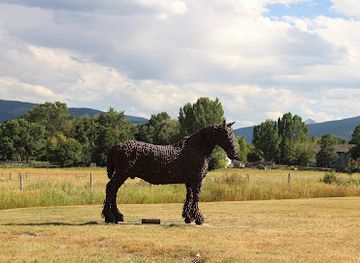
Giant Pile of Dirt
Explore the Giant Pile of Dirt in Bozeman, Montana, a unique historical landmark that encapsulates the region's mining and agricultural heritage.
-
Historical landmark
Old Indian Trail
Discover the rich history and stunning landscapes of the Old Indian Trail in Bozeman, Montana, a must-visit for nature lovers and history enthusiasts.


Explore The Gallatin Valley on the map
Plan your trip on one map. See where the top cities, national parks and sights are, and book hotels and experiences in a few clicks.
Best hotels in The Gallatin Valley
Best restaurants in The Gallatin Valley
Dining in the Gallatin Valley ranges from Bozeman cafés and contemporary restaurants to breweries, bakeries, food trucks, traditional bars and rural establishments in the smaller towns. Montana’s wider food culture is visible in dishes centred on beef, bison, trout, game and locally grown produce, although menus vary and not every ingredient is locally sourced. The valley’s agricultural setting supports farmers’ markets, seasonal vegetables, grains, dairy products and craft beverages, while Bozeman’s university population has broadened its international and vegetarian choices. Three Forks, Manhattan and Belgrade offer a more small-town dining rhythm, with places often serving both residents and passing travellers. American breakfast culture, generous portions, coffee shops and informal counter service are common. Tipping is expected in full-service restaurants, and visitors should check bills for included service charges. For a regional taste, look for Montana-produced meat, trout, huckleberry products, local beer and baked goods rather than assuming that one dish defines the valley.
-
Restaurant
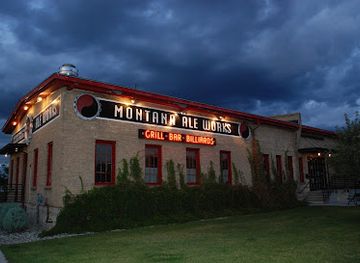
Montana Ale Works
Experience authentic American cuisine and craft brews at Montana Ale Works in Bozeman—a must-visit for every traveler seeking local flavors.
-
Grill
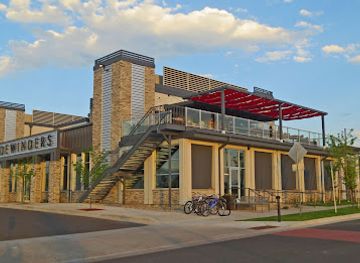
Sidewinders American Grill
Experience the heart of American cuisine at Sidewinders American Grill in Bozeman, where flavor meets fun in a vibrant setting.
-
Brunch
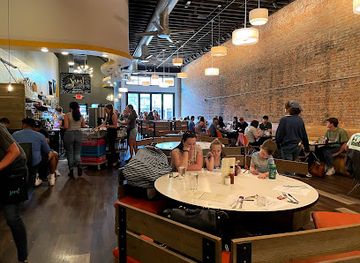
Jam!
Experience delightful brunch at Jam! in Bozeman - where fresh ingredients meet local flavors for an unforgettable dining experience.
-
Grill
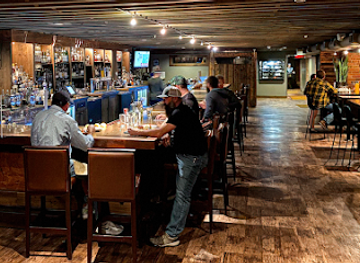
Copper | Whiskey Bar and Grill Bozeman
Discover culinary excellence at Copper | Whiskey Bar and Grill in Bozeman – where innovative flavors meet local charm.
Best bars in The Gallatin Valley
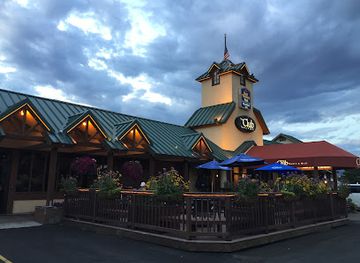
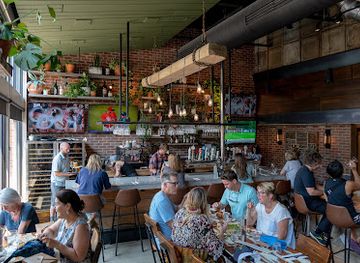
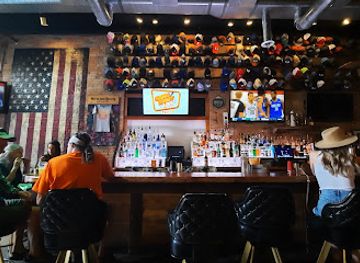
Evening life is concentrated in Bozeman, where historic downtown streets contain pubs, breweries, cocktail bars, restaurants, live-music rooms and venues connected with the university and arts communities. The atmosphere ranges from casual neighbourhood drinking places to more polished bars, while seasonal outdoor recreation brings its own après-ski and post-trail routines. Nightclubs exist but are not the defining feature of the valley; entertainment is more often based around conversation, live music, food, film, theatre or small-scale cultural events. Belgrade, Manhattan and Three Forks have a quieter evening scene centred on local bars, restaurants and community gatherings, with fewer late-night options. Alcohol service follows Montana and US age laws, and visitors should carry accepted identification. Rural distances and winter roads make arranging a safe journey important, particularly when staying outside Bozeman.
-
Bar
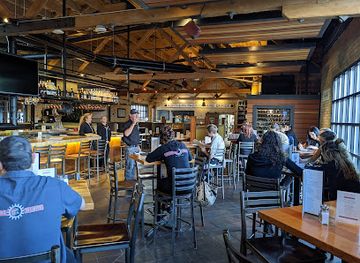
Montana Ale Works
Experience the best of American dining and craft beer at Montana Ale Works, a vibrant brewpub in Bozeman, Montana.
-
Grill
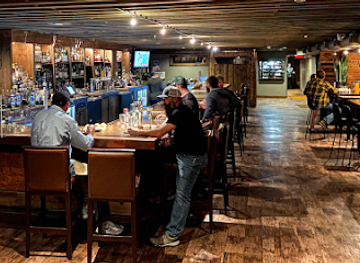
Copper | Whiskey Bar and Grill Bozeman
Discover the unique flavors of Copper | Whiskey Bar and Grill in Bozeman, Montana, where exquisite cocktails meet delicious grilled cuisine.
-
Grill
The Club Tavern and Grill
Experience the vibrant flavors of Bozeman at The Club Tavern and Grill, a family-friendly spot for delicious grilled cuisine and lively sports viewing.
-
New American
Revelry
Experience the vibrant flavors of New American cuisine at Revelry, a top dining destination in Bozeman, Montana.
Best nightclubs in The Gallatin Valley
Evening life is concentrated in Bozeman, where historic downtown streets contain pubs, breweries, cocktail bars, restaurants, live-music rooms and venues connected with the university and arts communities. The atmosphere ranges from casual neighbourhood drinking places to more polished bars, while seasonal outdoor recreation brings its own après-ski and post-trail routines. Nightclubs exist but are not the defining feature of the valley; entertainment is more often based around conversation, live music, food, film, theatre or small-scale cultural events. Belgrade, Manhattan and Three Forks have a quieter evening scene centred on local bars, restaurants and community gatherings, with fewer late-night options. Alcohol service follows Montana and US age laws, and visitors should carry accepted identification. Rural distances and winter roads make arranging a safe journey important, particularly when staying outside Bozeman.
-
Grill
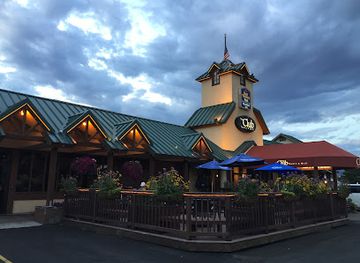
The Club Tavern and Grill
Experience the best of Montana dining at The Club Tavern and Grill, where delicious food meets a lively atmosphere in Bozeman.
-
Restaurant
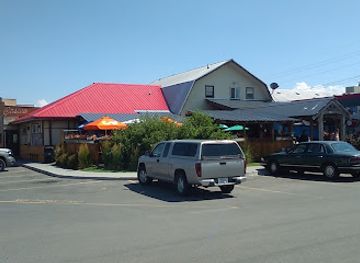
Korner Klub Bar
Discover the essence of local flavor at Korner Klub Bar in Bozeman, where great food meets a friendly atmosphere.
-
Bar
Rocking R Bar
Discover the lively Rocking R Bar in Bozeman, Montana, where great drinks and local entertainment create an unforgettable night out.
-
Sports bar
Bar Nine
Experience the lively energy of Bar Nine in Bozeman, where great food, drinks, and sports come together for an unforgettable night out.
Best shops in The Gallatin Valley
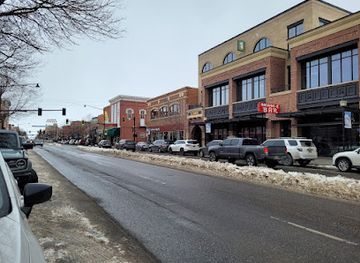
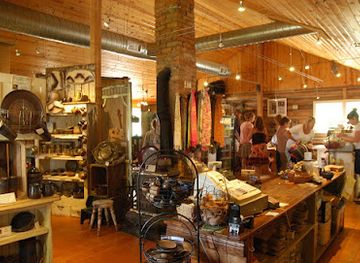
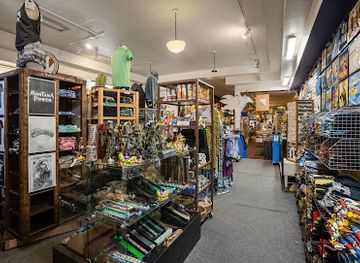
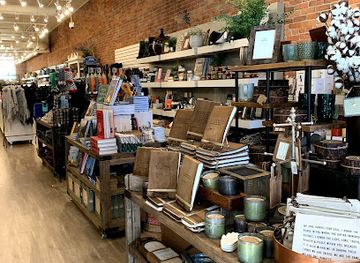
Bozeman is the Gallatin Valley’s main shopping centre, with independent outdoor retailers, bookshops, galleries, clothing stores, gift shops, cafés and businesses serving the area’s recreational economy. Its historic downtown is suited to browsing smaller retailers and locally made goods, while larger commercial areas provide practical supplies and equipment. Farmers’ markets and seasonal stalls offer produce, baked goods, preserves and locally produced food when operating, and galleries and craft shops may feature ceramics, jewellery, photography, textiles and Western-influenced art. Belgrade, Manhattan and Three Forks have a smaller selection of everyday shops, antiques and local services rather than extensive destination retail. Good regional purchases include Montana food products, books about local natural history, practical outdoor equipment and work by local artists. Visitors should distinguish genuinely Montana-made goods from generic Western-themed souvenirs, and should check market dates and seasonal trading arrangements before making a special journey.
-
Gift shop
Gallatin Valley Mall
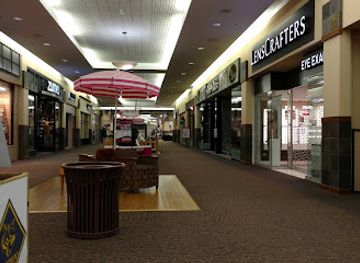
Explore the Gallatin Valley Mall: Bozeman's premier shopping destination with diverse stores and delicious dining experiences.
-
Gift shop
Mountain Arts Pottery
Explore the artistry of local artisans at Mountain Arts Pottery in Bozeman, Montana, where handcrafted pottery and unique gifts await.
-
Gift shop
Cactus Records & Gifts
Discover a vibrant blend of music, gifts, and local culture at Cactus Records & Gifts in Bozeman, Montana.
-
Gift shop
Heyday
Discover unique gifts and local treasures at Heyday, Bozeman's charming gift shop offering an array of artisanal products and thoughtful mementos.
Get your free copy of our complete guide to The Gallatin Valley, delivered straight to you.
Everything on this page, from attractions and restaurants to essentials and local phrases, in one PDF you can read offline, print or share.
Already have an account? Sign in
Your The Gallatin Valley guide is ready.
We'll send it to · Not you? Sign out

Getting your guide ready…
We are putting together a fresh copy of the The Gallatin Valley guide. This can take up to a minute.
This can take a few moments. If your browser asks, choose Allow so the download can start. You'll find the guide in your Downloads folder.
Nothing happened? Download it again
Sorry, the guide is taking longer than usual. Please try again in a minute, or get it by email instead.
The Gallatin Valley essentials
Currency and Payment
Safety
Emergency Situations
Do's and Don'ts
Local Tips
From Eve
Local phrases worth knowing
You don't need to get them perfect. A few words go a long way, and locals appreciate the effort.
Basics
| English | Local | Say it |
|---|---|---|
| Hello | Howdy | [Ha-dee] |
| Goodbye | See ya later | [See ya lay-ter] |
| Yes | Yup | [Yup] |
| No | Nah | [Nah] |
| Please/You're welcome | Sure thing | [Shur thing] |
| Thank you | Thanks a lot | [Thangs a lot] |
| Excuse me/Sorry | Pardon me | [Par-dun mee] |
| How are you? | How's it goin'? | [How's it goin'?] |
| Fine. And you? | Good. You? | [Good. You?] |
| Do you speak English? | You speakin' English? | [You speakin' English?] |
| I don't understand | I ain't gettin' it | [I ain't gettin' it] |
Eating & Drinking
| English | Local | Say it |
|---|---|---|
| I'd like to see the menu, please | Can I see the menu? | [Can I see the menu?] |
| I don't eat meat | I don't do meat | [I don't do meat] |
| Cheers! | Bottoms up! | [Bottoms up!] |
| I would like to pay, please | Can I get the check? | [Can I get the check?] |
Emergencies
| English | Local | Say it |
|---|---|---|
| Help! | Help! | [Help!] |
| Go away! | Get lost! | [Get lost!] |
| Call the Police! | Call the cops! | [Call the cops!] |
| Call a doctor! | Get a doctor! | [Get a doctor!] |
| I'm lost | I’m all turned around | [I’m all turned around] |
| I'm ill | I’m not feelin' good | [I’m not feelin' good] |
Shopping
| English | Local | Say it |
|---|---|---|
| I'd like to buy... | I wanna buy... | [I wanna buy...] |
| I'm just looking | Just browsin' | [Just browsin'] |
| How much is it? | What’s the price? | [What's the price?] |
| That's too expensive | That's a bit pricey | [That's a bit pricey] |
| Can you lower the price? | Can ya knock down the price? | [Can ya knock down the price?] |
Time & Numbers
| English | Local | Say it |
|---|---|---|
| What time is it? | What time ya got? | [What time ya got?] |
| It's one o'clock | It's one | [It's one] |
| Half past (10) | Half past ten | [Half past ten] |
| Morning | Mornin' | [Mornin'] |
| Afternoon | Afternoon | [Afternoon] |
| Evening | Evenin' | [Evenin'] |
| Yesterday | Yesterday | [Yesterday] |
| Today | Today | [Today] |
| Tomorrow | Tomorrow | [Tomorrow] |
| 1 | One | [One] |
| 2 | Two | [Two] |
| 3 | Three | [Three] |
| 4 | Four | [Four] |
| 5 | Five | [Five] |
| 6 | Six | [Six] |
| 7 | Seven | [Seven] |
| 8 | Eight | [Eight] |
| 9 | Nine | [Nine] |
| 10 | Ten | [Ten] |
Transport & Directions
| English | Local | Say it |
|---|---|---|
| Where's a/the...? | Where's the nearest...? | [Where's the nearest...?] |
| What's the address? | What's the address? | [What's the address?] |
| Can you show me (on the map)? | Can you point it out on the map? | [Can you point it out on the map?] |
| When's the next (bus)? | When's the next bus? | [When's the next bus?] |
| A ticket (to ....) | A ticket to... | [A ticket to...] |
History of The Gallatin Valley
Indigenous Homelands and the River Confluence
The Gallatin Valley and the surrounding river country have long been used and travelled by Indigenous peoples, including the Apsáalooke (Crow), whose traditional territory extends across much of south-eastern Montana, as well as Northern Cheyenne, Blackfeet and Shoshone-Bannock peoples in the wider region. The meeting of the Jefferson, Madison and Gallatin rivers near present-day Three Forks was an important geographical and cultural point. Indigenous knowledge of routes, seasons, plants and animals preceded later exploration and remains essential to understanding the valley’s history.
The Three Forks in Early Exploration
In 1805, the Lewis and Clark Expedition travelled through the Three Forks area while following the Missouri River westwards. The explorers named the three rivers after President Thomas Jefferson, Secretary of State James Madison and Treasury Secretary Albert Gallatin. The confluence did not mark an empty frontier: it was part of an established Indigenous landscape and a network of routes. Today, Missouri Headwaters State Park interprets the waterways, exploration history and cultural significance of the area.
The Fur Trade and Mountain Routes
During the early nineteenth century, fur traders, trappers and explorers moved through south-western Montana along river corridors and mountain passes. John Bozeman later promoted a route from the developing settlements of the northern plains towards the mining country of western Montana. The Bozeman Trail crossed the wider region during the 1860s, increasing migration and conflict as United States settlement expanded across Indigenous lands. Its legacy survives in the names and routes associated with Bozeman and the surrounding valley.
Fort Ellis and Federal Expansion
Fort Ellis was established near present-day Bozeman in 1867, following the creation of the Montana Territory and the growth of non-Indigenous settlement. The military post supported federal authority, protected transport routes and became involved in campaigns connected with conflict in the northern Rocky Mountains. Although the fort was later closed and little of its physical structure remains, its establishment helped anchor Bozeman as a regional centre and accelerated the transformation of the valley into an agricultural and transport landscape.
Railways, Agriculture and Town Building
Railway development in the late nineteenth century connected Gallatin Valley farms and towns with wider markets. Bozeman’s growth, the establishment of Belgrade as a railway community and the development of Manhattan and Three Forks were closely tied to grain, livestock, irrigation and freight. Agriculture remained central even as commercial and professional services expanded. Many of the valley’s open fields, shelterbelts, irrigation channels and compact town centres reflect this period of settlement and economic consolidation.
Montana State University and Modern Bozeman
Montana State University began as Montana’s agricultural college in 1893 and became a major influence on Bozeman’s intellectual, economic and cultural life. Research in agriculture, engineering, science and the environment connects the university to the valley’s working landscapes and mountain setting. Its growth, together with tourism, technology and outdoor recreation, has helped make Bozeman one of Montana’s most dynamic urban centres, while also contributing to population growth and pressure on housing and transport.
Dinosaur Science and Regional Interpretation
The Museum of the Rockies, founded in Bozeman in the twentieth century, helped establish the Gallatin Valley as an important centre for palaeontology and public science education. Its collections and research are particularly associated with dinosaur fossils from Montana and the northern Rocky Mountain region. The museum also presents Indigenous history, the historic American West and regional natural history, showing how scientific institutions can connect the valley’s deep geological past with its human and environmental stories.
The Gallatin Valley in Photos
Browse through our photo collection highlighting the charm and character of the destination.
Neighbouring regions of The Gallatin Valley
The closest regions to The Gallatin Valley, if you have time for more than one.
-

-

-

-

-


Swipe for more regions
Explore more
Explore more of Montana
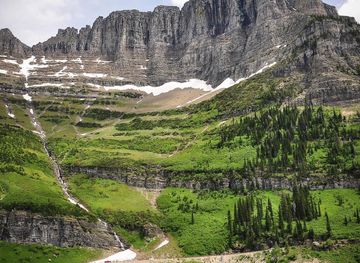
Discover Montana: A Treasure State of majestic landscapes, outdoor adventures, and rich cultural heritage. Explore Glacier and Yellowstone, charming towns, and historic sites.
Explore Montana