

Free The Glacier Country Travel Guide & Mobile App
Explore The Glacier Country with free travel guides. Discover regional history, expert tips, proposed trips, and audio guides on web or mobile app.


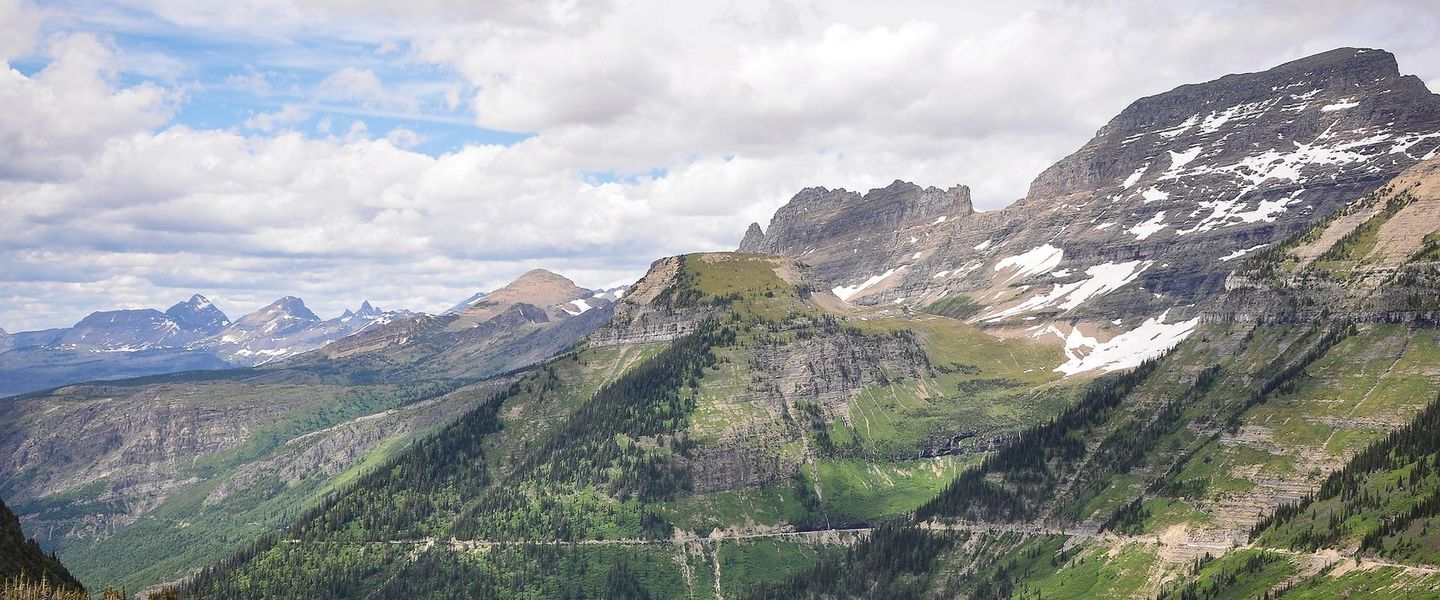


The Glacier Country pairs Glacier National Park, Flathead Lake, mountain towns and wide-ranging Rocky Mountain adventures across north-west Montana.
Read more about The Glacier Country
When is the best time to visit The Glacier Country?
Best: June–August · 21–25°C| Month | High (°C) | Rainfall (mm) |
|---|---|---|
| January | 1 | 40 |
| February | 3 | 35 |
| March | 7 | 45 |
| April | 12 | 50 |
| May | 18 | 55 |
| June (best) | 21 | 60 |
| July (best) | 25 | 40 |
| August (best) | 24 | 35 |
| September | 19 | 40 |
| October | 13 | 45 |
| November | 6 | 50 |
| December | 2 | 55 |
Getting to and around The Glacier Country
How to get there
Transportation
Top city travel guides in The Glacier Country
The cities of The Glacier Country, and the easiest places to base yourself.
-

-

-

-

-
-


Swipe for more cities
Destinations in The Glacier Country
Resorts, valleys and scenic spots worth a trip of their own.
-
-

-


Swipe for more destinations
Best attractions in The Glacier Country
Glacier National Park provides the Glacier Country’s most extensive concentration of hiking, wildlife viewing, lakes, forests and high mountain scenery, with routes and roads that range from accessible valley experiences to demanding backcountry journeys. Flathead Lake supports boating, fishing, swimming in season and shoreline exploration, while Bigfork, Polson and other lakeside communities add galleries, restaurants and cultural venues. Whitefish combines a historic railway town with mountain recreation, and nearby ski-country facilities offer winter sports and summer trails. The Flathead Valley contains family-oriented attractions, farms and access to river and lake activities. Farther west, the Kootenai River, Cabinet Mountains and communities around Libby offer forested landscapes, waterfalls and quieter outdoor travel. Southern Glacier Country includes Missoula’s museums, arts scene and river recreation, the Bitterroot Valley’s historic settlements and the Seeley-Swan area’s lakes and forests. Wildlife and conservation experiences can be found at the National Bison Range and across public lands, although access, permits, fire conditions and seasonal opening arrangements vary. The region’s attractions are best understood as a network of landscapes and communities rather than a compact sightseeing circuit.
-
National park
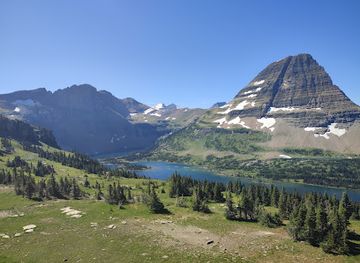
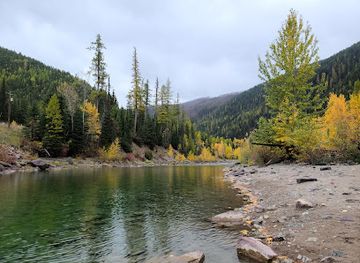
Glacier National Park
Explore the breathtaking beauty and diverse wildlife of Glacier National Park in Montana, a perfect destination for nature lovers and adventure seekers.
-
State park
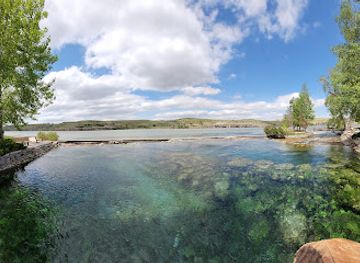
Giant Springs State Park
Discover the natural beauty of Giant Springs State Park, where stunning springs, trails, and outdoor activities await in Great Falls, Montana.
-
National forest
Flathead National Forest
Explore the natural wonders of Flathead National Forest, where adventure meets serenity in the heart of Montana's wilderness.
-
Ski resort
Whitefish Mountain Resort
Discover Whitefish Mountain Resort: A year-round paradise for skiing, hiking, and breathtaking mountain views in Montana's heart.

Best landmarks in The Glacier Country
-
Record store
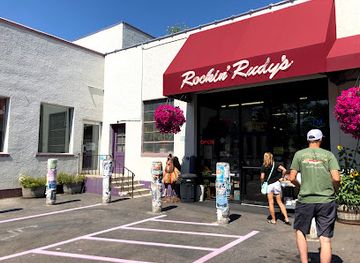
Rockin Rudy's
Discover a musical paradise at Rockin Rudy's in Missoula, where vinyl records, unique gifts, and local charm create an unforgettable shopping experience.
-
State park
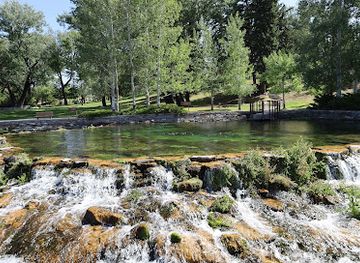
Giant Springs State Park
Experience the natural beauty and rich history of Giant Springs State Park, a tranquil oasis in Great Falls, Montana, perfect for outdoor adventures and relaxation.
-
Mexican
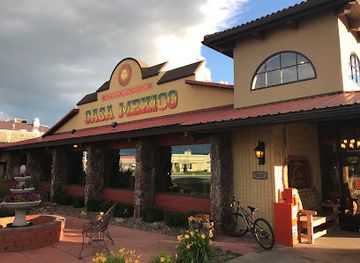
Casa Mexico
Experience the vibrant flavors of authentic Mexican cuisine at Casa Mexico in Kalispell, Montana, a must-visit for food lovers seeking a delicious adventure.
-
Pizza
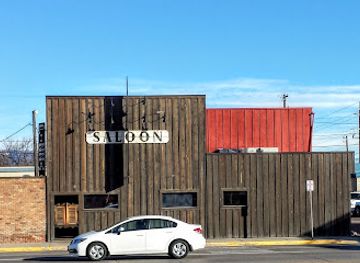
Moose's Saloon
Discover the heart of Kalispell at Moose's Saloon, where delicious pizza and a lively bar atmosphere come together for an unforgettable dining experience.
Explore The Glacier Country on the map
Plan your trip on one map. See where the top cities, national parks and sights are, and book hotels and experiences in a few clicks.
Best hotels in The Glacier Country
Best restaurants in The Glacier Country
Dining in the Glacier Country reflects Montana’s mountain, farming and outdoor cultures rather than one narrowly defined regional cuisine. Kalispell, Whitefish and Missoula offer the broadest choice, from contemporary restaurants and bakeries to breweries, cafés and restaurants using local beef, trout, berries, grains and seasonal produce. Smaller towns and lake communities often centre on cafés, pizzerias, family restaurants, grills and rural inns, with menus shaped by the needs of residents and visitors. Flathead cherries are an important local agricultural product, particularly around the lake, and appear seasonally in markets, baking and preserves. Farmers’ markets provide opportunities to find fruit, vegetables, honey, meat, bread and prepared foods from nearby producers. Fish and game may appear on menus, but visitors should not assume that every dish described as Montana cuisine is locally sourced. In resort areas, advance planning is sensible during summer and winter peaks, while in remote valleys dining choices can be widely spaced. Craft beer, coffee and bakery culture are especially visible in the larger towns.
-
Brewpub
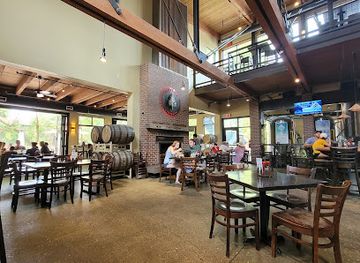
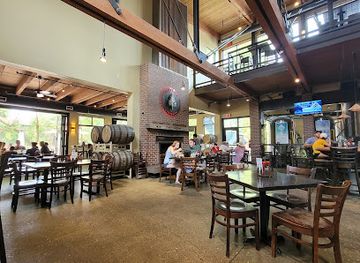
Tamarack Brewing Company
Discover the rich flavors of local craft beer and delectable American cuisine at Tamarack Brewing Company in beautiful Lakeside, Montana.
-
Pizza
Moose's Saloon
Discover Moose's Saloon in Kalispell: A charming pizza haven blending delicious food with local culture amidst Montana's stunning landscapes.
-
Resort hotel
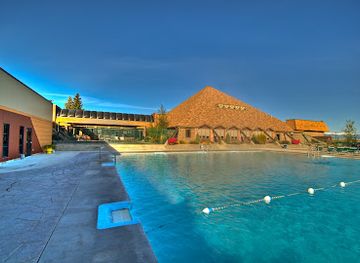
Fairmont Hot Springs Resort
Discover tranquility at Fairmont Hot Springs Resort - where luxury meets nature in beautiful Montana.
-
American
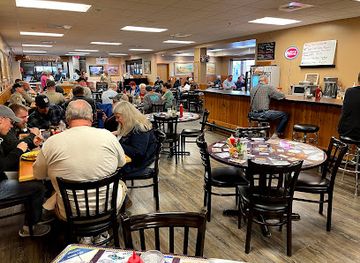
Sykes Diner & Market
Discover Sykes Diner & Market in Kalispell for an authentic American breakfast experience filled with local flavors and charm.
Best bars in The Glacier Country
Evening life in the Glacier Country is concentrated in Whitefish, Kalispell, Missoula and a smaller number of resort and lake communities. Whitefish has the strongest combination of bars, breweries, restaurants, live music and après-ski activity, while Missoula provides a larger year-round programme of concerts, theatre, arts events and late-evening venues because it is a university city. Kalispell offers practical nightlife ranging from pubs and breweries to restaurants and occasional live entertainment. In Bigfork, Polson, Libby, Hamilton and smaller towns, evenings are more likely to centre on local pubs, historic inns, cafés, restaurants, community performances or seasonal music than on large nightclubs. Mountain resorts can become busier in winter and summer, but opening patterns vary. Drink-driving is a serious risk on long, dark or icy roads, so arrange a taxi, designated driver or accommodation-based transport where available. Nightlife is not the sole measure of the region’s culture: galleries, cinemas, concerts, rodeos and community events can be equally important ways to spend an evening.
-
 Motel
Motel50,000 Silver Dollar Inn
Experience the unique charm and lively atmosphere of 50,000 Silver Dollar Inn, your perfect stop in Haugan, Montana.
-
Brewpub
Tamarack Brewing Company
Experience the best of Montana brewing at Tamarack Brewing Company, where handcrafted beers meet delicious American cuisine in a cozy lakeside setting.
-
Resort hotel
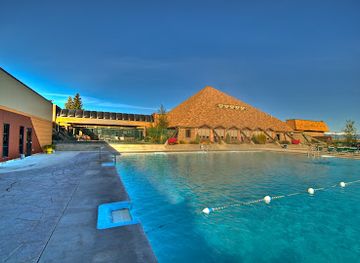
Fairmont Hot Springs Resort
Discover the tranquility and adventure at Fairmont Hot Springs Resort in Montana, featuring rejuvenating hot springs, fine dining, and outdoor activities.
-
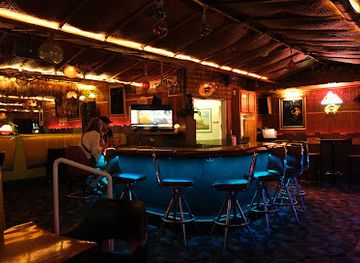
Lounge
Sip 'n Dip Lounge (1962)
Experience the charm of Sip 'n Dip Lounge, Great Falls’ iconic bar with creative cocktails, live piano music, and a vibrant atmosphere.
Best nightclubs in The Glacier Country
Evening life in the Glacier Country is concentrated in Whitefish, Kalispell, Missoula and a smaller number of resort and lake communities. Whitefish has the strongest combination of bars, breweries, restaurants, live music and après-ski activity, while Missoula provides a larger year-round programme of concerts, theatre, arts events and late-evening venues because it is a university city. Kalispell offers practical nightlife ranging from pubs and breweries to restaurants and occasional live entertainment. In Bigfork, Polson, Libby, Hamilton and smaller towns, evenings are more likely to centre on local pubs, historic inns, cafés, restaurants, community performances or seasonal music than on large nightclubs. Mountain resorts can become busier in winter and summer, but opening patterns vary. Drink-driving is a serious risk on long, dark or icy roads, so arrange a taxi, designated driver or accommodation-based transport where available. Nightlife is not the sole measure of the region’s culture: galleries, cinemas, concerts, rodeos and community events can be equally important ways to spend an evening.
-
Grill
Gunsight Saloon
Experience the authentic flavors of Montana at Gunsight Saloon, where delicious grilled dishes meet a vibrant, rustic atmosphere.
-
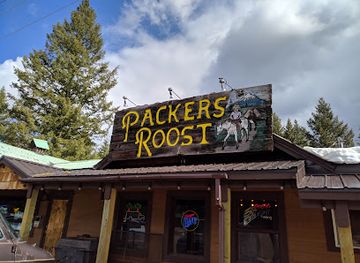
Grill
Packers Roost
Discover Packers Roost in Coram, Montana, where delicious grilled meals meet a cozy atmosphere, perfect for travelers and locals alike.
-
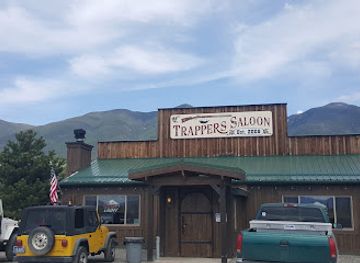
Bar
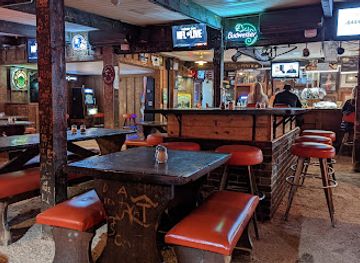
Trapper's Saloon
Experience the vibrant atmosphere of Trapper's Saloon, where delicious food meets live music in the heart of Eureka, Montana.
-
Bar
Stoneville Saloon
Experience the warmth of Montana at Stoneville Saloon, a cozy bar and café in Alzada, serving hearty meals and local brews.

Best shops in The Glacier Country
Shopping in the Glacier Country is dispersed across market towns rather than concentrated in one metropolitan retail district. Whitefish has the most recognisable visitor-oriented centre, with independent clothing and outdoor shops, galleries, bookshops, restaurants and retailers selling regional art and practical mountain equipment. Kalispell is the main commercial hub for the Flathead Valley, with larger everyday stores alongside specialist businesses, while Missoula offers the widest selection of independent shops, galleries, books, clothing and locally made goods in the southern part of the region. Bigfork, Polson, Hamilton, Libby and other smaller communities provide galleries, craft shops, antiques, homeware and seasonal local produce. Flathead cherries, preserves, honey, coffee, chocolate and Montana-made food products are useful gifts when travelling in season. Visitors may also find pottery, woodwork, jewellery, paintings and textiles, but should ask about provenance when buying items described as Indigenous art. Farmers’ markets and craft fairs are seasonal and change from town to town, so confirm current locations locally rather than treating them as permanent fixtures.
-
Grocery store
Super 1 Foods
Discover local flavors and essentials at Super 1 Foods in Columbia Falls, Montana - your go-to grocery store for all your travel needs.
-
Grocery store
West Glacier Mercantile
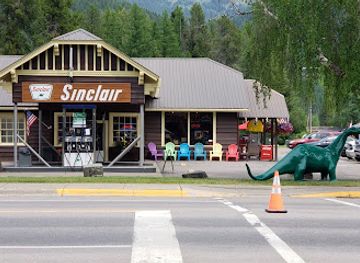
Discover local flavors and essential supplies at West Glacier Mercantile, your convenient stop before exploring the stunning Glacier National Park.
-
Restaurant
Park Cafe & Grocery
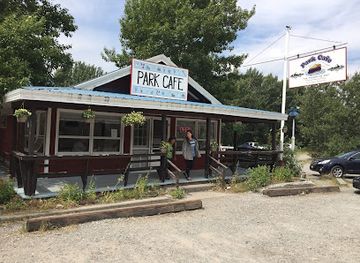
Experience the best of local flavors at Park Cafe & Grocery, just outside Glacier National Park, where delicious meals and unique gifts await.
-
Clothing store
Blackfeet Trading Post
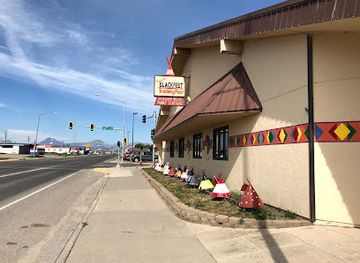
Explore authentic Native American culture through unique clothing and gifts at the Blackfeet Trading Post in Browning, Montana.

Get your free copy of our complete guide to The Glacier Country, delivered straight to you.
Everything on this page, from attractions and restaurants to essentials and local phrases, in one PDF you can read offline, print or share.
Already have an account? Sign in
Your The Glacier Country guide is ready.
We'll send it to · Not you? Sign out

Getting your guide ready…
We are putting together a fresh copy of the The Glacier Country guide. This can take up to a minute.
This can take a few moments. If your browser asks, choose Allow so the download can start. You'll find the guide in your Downloads folder.
Nothing happened? Download it again
Sorry, the guide is taking longer than usual. Please try again in a minute, or get it by email instead.
The Glacier Country essentials
Currency and Payment
Safety
Emergency Situations
Do's and Don'ts
Local Tips
From Eve
Local phrases worth knowing
You don't need to get them perfect. A few words go a long way, and locals appreciate the effort.
Basics
| English | Local | Say it |
|---|---|---|
| Hello | Howdy | [how-dee] |
| Goodbye | See ya | [see ya] |
| Yes | Yep | [yehp] |
| No | Nope | [nohp] |
| Please/You're welcome | Please | [pleez] |
| Thank you | Thanks | [thangs] |
| Excuse me/Sorry | Sorry | [saw-ree] |
| How are you? | How's it going? | [how's it go-ing] |
| Fine. And you? | Good. You? | [good. yoo?] |
| Do you speak English? | Do ya speak English? | [doo yah speek ing-glish] |
| I don't understand | I don't get it | [I don't get it] |
Eating & Drinking
| English | Local | Say it |
|---|---|---|
| I'd like to see the menu, please | Can I see the menu? | [can I see the men-yoo?] |
| I don't eat meat | I’m a vegetarian | [I'm a vege-tair-ian] |
| Cheers! | Cheers! | [cheers] |
| I would like to pay, please | Can I get the check, please? | [can I get the chek, pleez?] |
Emergencies
| English | Local | Say it |
|---|---|---|
| Help! | Help! | [help] |
| Go away! | Leave me alone! | [leave me a-lone] |
| Call the Police! | Call the cops! | [call the cops] |
| Call a doctor! | Get a doc! | [get a doc] |
| I'm lost | I’m lost | [I'm lost] |
| I'm ill | I’m not feeling well | [I'm not feel-ing well] |
Shopping
| English | Local | Say it |
|---|---|---|
| I'd like to buy... | I wanna buy... | [I wanna buy...] |
| I'm just looking | Just browsing | [just brow-sing] |
| How much is it? | What’s the price? | [what's the price?] |
| That's too expensive | That’s pricey | [that's pry-see] |
| Can you lower the price? | Can ya make it cheaper? | [can ya make it chee-per?] |
Time & Numbers
| English | Local | Say it |
|---|---|---|
| What time is it? | What time ya got? | [what time ya got?] |
| It's one o'clock | It's one | [it's one] |
| Half past (10) | Half past ten | [half past ten] |
| Morning | Morning | [morning] |
| Afternoon | Afternoon | [afternoon] |
| Evening | Evening | [evening] |
| Yesterday | Yesterday | [yes-ter-day] |
| Today | Today | [to-day] |
| Tomorrow | Tomorrow | [to-mor-row] |
| 1 | One | [one] |
| 2 | Two | [two] |
| 3 | Three | [three] |
| 4 | Four | [four] |
| 5 | Five | [five] |
| 6 | Six | [six] |
| 7 | Seven | [seven] |
| 8 | Eight | [eight] |
| 9 | Nine | [nine] |
| 10 | Ten | [ten] |
Transport & Directions
| English | Local | Say it |
|---|---|---|
| Where's a/the...? | Where's the...? | [where's the...?] |
| What's the address? | What’s the address? | [what's the ad-dress?] |
| Can you show me (on the map)? | Can ya show me on the map? | [can ya show me on the map?] |
| When's the next (bus)? | When's the next bus? | [when's the next bus?] |
| A ticket (to ....) | A ticket to... | [a tik-it to...] |
History of The Glacier Country
Indigenous Homelands and Long Settlement
The Glacier Country lies within the traditional homelands of peoples including the Kootenai, Salish and Blackfeet. Their histories predate the arrival of the United States by many thousands of years, encompassing seasonal movement, hunting, fishing, trade and detailed knowledge of mountain, river and prairie environments. The Blackfeet Reservation borders the eastern side of Glacier National Park, while the Flathead Indian Reservation occupies a substantial part of the southern portion of the wider region. Tribal governments, cultural institutions and contemporary communities remain central to the area’s identity, rather than being only subjects of the past.
Fur Trade, Missions and Early American Expansion
During the early nineteenth century, fur-trade networks connected the Northern Rockies to wider commercial systems, with routes passing through valleys and river corridors in what is now north-west Montana. Missionaries and explorers followed, and later United States expansion brought surveying, military activity and changing patterns of land ownership. Fort Connah, near present-day Charlo, preserves an important Hudson’s Bay Company trading-post story, while the region’s rivers and passes continued to guide travel. These developments brought new economic links but also intensified pressures on Indigenous sovereignty, mobility and resources.
Treaties, Reservations and Changing Land Ownership
Nineteenth-century treaties and federal policies reshaped the legal and geographical map of the region. The Hellgate Treaty of 1855 established the Flathead Indian Reservation for the Bitterroot Salish, Kootenai and Pend d’Oreille peoples, although subsequent federal actions forced many Bitterroot Salish families away from their valley. Other treaty relationships affected the Blackfeet and Kootenai. Reservation boundaries, allotment, land loss and later efforts to protect tribal rights remain essential context for understanding the landscape and its communities.
Mining, Timber and Railway Development
From the late nineteenth century, mining, logging and railway construction transformed the valleys and mountain towns. Copper, lead, silver and other minerals supported camps and commercial centres, while extensive forests became the basis of sawmilling and related industries. The Great Northern Railway, completed across northern Montana in the 1890s, opened the Flathead Valley and adjacent mountain country to national markets and tourism. Rail connections encouraged settlement, helped establish towns such as Whitefish as transport centres, and made scenic travel to the northern Rockies more accessible.
Glacier National Park and Conservation
Glacier National Park was established in 1910 after decades of exploration, promotion and debate over the protection of the northern Rockies. Its creation preserved alpine valleys, forests, lakes and wildlife habitat while also placing Indigenous history within a national-park narrative that has often been incomplete. The Going-to-the-Sun Road, begun in the 1920s and completed in 1933, became a major engineering and scenic achievement. Today the park’s glaciers, forests and wildlife are also visible evidence of changing climate conditions and the continuing tension between access and conservation.
Modern Tourism and Protected Landscapes
After the Second World War, improved roads, growing car ownership and the expansion of ski and lake recreation turned the Glacier Country into a major four-season destination. Whitefish Mountain Resort, Flathead Lake communities and gateway towns developed alongside public lands, wilderness areas and wildlife refuges. Conservation remains a defining modern force: the National Bison Range, Bob Marshall Wilderness, Cabinet Mountains and other protected landscapes support varied ecosystems and outdoor economies. Contemporary tourism increasingly sits alongside concerns about housing, wildfire, congestion, tribal sovereignty and responsible public-land use.
The Glacier Country in Photos
Browse through our photo collection highlighting the charm and character of the destination.
Neighbouring regions of The Glacier Country
The closest regions to The Glacier Country, if you have time for more than one.
-

-

-

-

-


Swipe for more regions
Explore more
Explore more of Montana
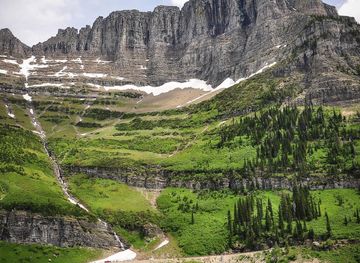
Discover Montana: A Treasure State of majestic landscapes, outdoor adventures, and rich cultural heritage. Explore Glacier and Yellowstone, charming towns, and historic sites.
Explore Montana