
The Flathead, Montana Travel Guide
Discover The Flathead in Montana – A Stunning Blend of Pristine Lakes, Majestic Mountains, and Rich Wildlife, Perfect for Year-Round Outdoor Adventures.
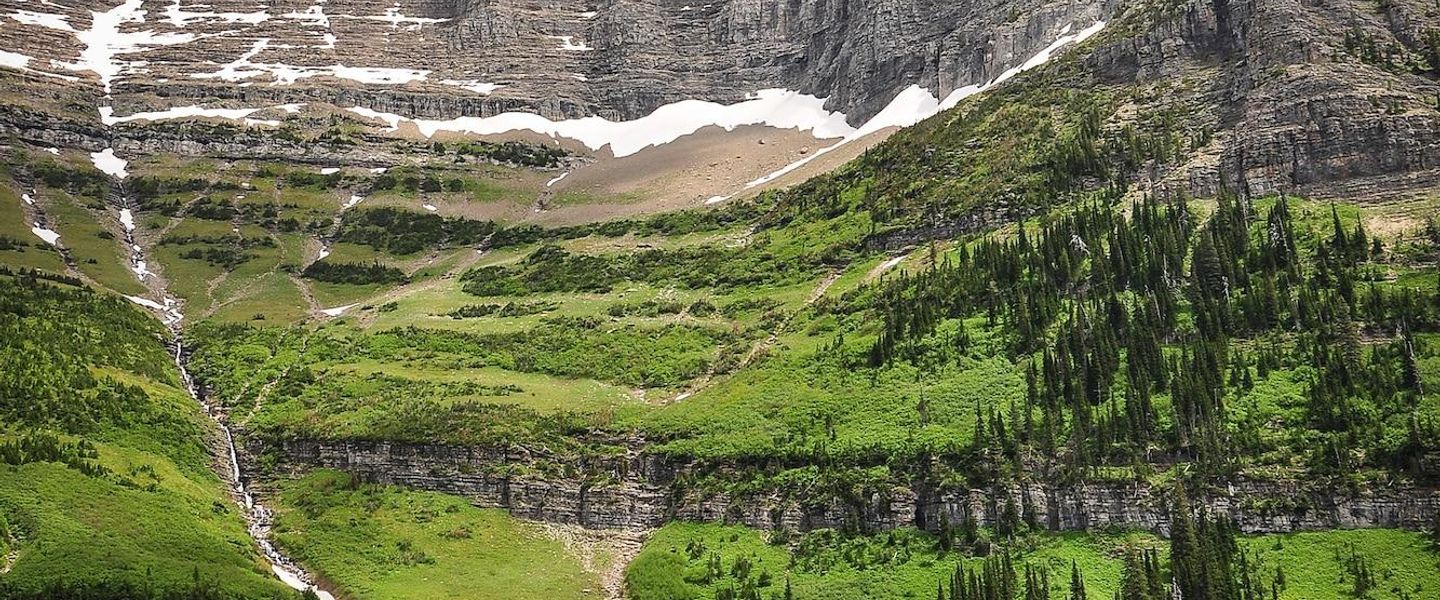
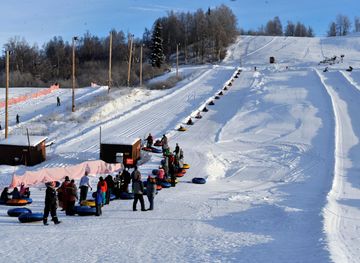
Nestled in the heart of Montana, The Flathead region is a paradise for nature enthusiasts and adventure seekers alike. This captivating destination is home to pristine lakes, vast forests, and towering mountain ranges that offer a variety of outdoor activities. Whether you're hiking through Glacier National Park or enjoying a serene boat ride on Flathead Lake, the natural beauty of this region is bound to leave you in awe. Flathead Lake, one of the largest natural freshwater lakes in the United States, is a must-visit for any traveler. Its crystal-clear waters are perfect for swimming, fishing, and kayaking. The quaint towns surrounding the lake, such as Bigfork and Polson, offer charming local shops, art galleries, and delicious dining options. Each town boasts a unique character that reflects the rich cultural heritage of the region. For those who love wildlife, The Flathead offers ample opportunities for spotting a variety of animals in their natural habitat. In addition to its stunning landscapes, Glacier National Park is home to grizzly bears, moose, and mountain goats. The park's numerous trails cater to all levels of hikers, providing both challenging treks and leisurely walks with breathtaking views. Winter transforms The Flathead into a snowy wonderland, ideal for skiing, snowboarding, and snowshoeing. Whitefish Mountain Resort is a top destination for winter sports enthusiasts, offering a range of slopes for all skill levels. After a day on the slopes, visitors can relax in the cozy lodges or explore the vibrant town of Whitefish, known for its lively arts scene and welcoming community.

Know before you go
Hi, I'm Eve. Here are a few practical things to know before exploring The Flathead.
- Visit Glacier National Park early in the morning to avoid crowds and catch the best light for photography.
- Bring layers of clothing as weather can change rapidly, especially in higher elevations.
- Try the local huckleberry products, a regional specialty found in many shops and restaurants.
- If planning to fish, ensure you have the proper permits and familiarize yourself with local regulations.
- Reserve accommodations well in advance during peak tourist seasons, especially in summer and winter.
- Consider renting a car for easier access to the more remote areas and to fully explore the region.
Top City Travel Guides in The Flathead
The cities of The Flathead, and the easiest places to base yourself.




Destinations in The Flathead
Resorts, valleys and scenic spots worth a trip of their own.


Explore The Flathead: Things to Do, Places to Eat, Hotels & More
Handpicked recommendations for top attractions, local dining, accommodations, and more

Top Attractions & Sightseeing in The Flathead
Top-rated picks
Best Attractions

Glacier National Park
Explore the breathtaking landscapes and diverse wildlife of Glacier National Park in Montana, a must-visit destination for every nature lover.

Flathead National Forest
Explore the stunning landscapes and vibrant ecosystems of Flathead National Forest, a premier destination for outdoor adventures in Montana.

Whitefish Mountain Resort
Experience the ultimate outdoor adventure at Whitefish Mountain Resort, where skiing meets summer hiking in breathtaking Montana landscapes.

Apgar Visitor Center
Discover the natural beauty of Glacier National Park at the Apgar Visitor Center, your essential resource for adventure and exploration.

Best landmarks in The Flathead
Top-rated picks
Best Landmarks

Glacier National Park
Explore the stunning landscapes, diverse wildlife, and outdoor adventures in Glacier National Park, Montana's crown jewel of natural beauty.

Whitefish Mountain Resort
Discover the adventure and beauty of Whitefish Mountain Resort, a top destination for skiing, hiking, and luxurious relaxation in Montana's Rocky Mountains.

The Lodge at Whitefish Lake
Experience luxury and nature harmoniously intertwined at The Lodge at Whitefish Lake, your ideal Montana retreat for relaxation and adventure.

Montana Vortex and House of Mystery
Uncover the mind-bending illusions at Montana Vortex and House of Mystery, where reality is turned upside down in a captivating experience for all ages.

Best restaurants in The Flathead
Top-rated picks
Best Restaurants

Chick-fil-A
Discover deliciousness at Chick-fil-A in Kalispell: famous chicken sandwiches, waffle fries & friendly service await you.

Tamarack Brewing Company
Experience locally crafted beers and delicious American cuisine at Tamarack Brewing Company in scenic Lakeside, Montana.

The Montana Club Restaurant
Discover The Montana Club Restaurant: A top-notch dining experience featuring American classics and seafood delights in Kalispell.

Moose's Saloon
Experience the heart of Montana at Moose's Saloon, where delicious pizza meets vibrant local culture in Kalispell.

Best bars in The Flathead
Top-rated picks
Best Bars

Tamarack Brewing Company
Discover the best of American cuisine and craft beer at Tamarack Brewing Company in Lakeside, Montana, where flavors come alive.

Moose's Saloon
Discover Moose's Saloon, Kalispell's favorite pizza spot, where delicious pies meet a vibrant saloon atmosphere for an unforgettable dining experience.

The Lodge at Whitefish Lake
Experience the perfect blend of luxury and nature at The Lodge at Whitefish Lake, Montana's premier lakeside retreat.

Gunsight Saloon
Discover the charm of Gunsight Saloon in Columbia Falls, Montana - a grill serving delicious food in a vibrant, rustic atmosphere.

Best nightclubs in The Flathead
Top-rated picks
Best Nightclubs

Fatt Boys Bar and Grille
Discover the vibrant flavors and warm ambiance of Fatt Boys Bar and Grille in Kalispell, Montana – a true culinary gem for every traveler.

Best Western Rocky Mountain Lodge
Experience the comfort and hospitality of Best Western Rocky Mountain Lodge, your perfect retreat in the heart of Whitefish, Montana.

Hampton Inn & Suites Whitefish
Discover the perfect blend of comfort and adventure at Hampton Inn & Suites Whitefish, your gateway to Montana's breathtaking landscapes.

A Bar, Montana
Discover A Bar, Montana, where delicious grill specialties meet the charm of the Rockies for an unforgettable dining experience.

Best shops in The Flathead
Top-rated picks
Best Shops

Snappy's
Explore Snappy's in Kalispell, your one-stop shop for unique gifts, outdoor gear, and stylish clothing in the heart of Montana.

Kalispell Center Mall
Discover the charm of Kalispell Center Mall, where shopping meets local hospitality in the heart of Montana.

Whitefish Mountain Center (Formerly Mountain Mall)
Experience the best of shopping and dining at Whitefish Mountain Center, your gateway to local culture and outdoor adventure in Montana.

Kehoe's Agate Shop
Explore the stunning collection of gemstones and unique jewelry at Kehoe's Agate Shop in Bigfork, Montana, a hidden gem for tourists and rock enthusiasts.

Explore The Flathead on the Map
A handpicked selection of must-see spots in The Flathead, mapped for you.
The Flathead Essentials
-
The Flathead region in Montana is accessible via Glacier Park International Airport (FCA) in Kalispell, which is the nearest major airport. The airport is well-connected with daily flights from major U.S. cities such as Seattle, Denver, and Minneapolis. Alternatively, you can drive to The Flathead via U.S. Route 2 or U.S. Route 93 if you're coming from nearby states. Amtrak's Empire Builder line also serves the region, with a stop at Whitefish station, providing a scenic rail journey through the northern United States.
-
Within The Flathead, rental cars are the most convenient option for getting around, especially if you plan to explore the expansive natural areas. Several car rental agencies operate out of Glacier Park International Airport. Public transportation options include the Eagle Transit bus service, which offers limited routes around Kalispell, Whitefish, and Columbia Falls. Taxis and ride-sharing services such as Uber and Lyft are also available but may be less frequent in rural areas.
-
The official currency in The Flathead, as in the rest of the United States, is the U.S. Dollar (USD). Credit and debit cards are widely accepted in most hotels, restaurants, and shops. However, it is advisable to carry some cash, especially if you plan to visit rural areas or local markets where card payments might not be accepted. ATMs are readily available in major towns like Kalispell and Whitefish.
-
The Flathead is generally a safe destination for tourists. However, it is advisable to take standard precautions such as avoiding walking alone at night in unfamiliar areas and keeping an eye on your belongings in crowded places. While there are no specific high-crime areas targeting tourists, it is always best to stay vigilant. Areas around local bars and clubs in downtown Kalispell can sometimes get rowdy at night, so exercise caution.
-
In case of emergency, dial 911 for immediate assistance. Kalispell Regional Medical Center is the main hospital in the area and provides comprehensive medical services. Pharmacies are available in major towns for minor health issues. It is recommended to have travel insurance that covers medical emergencies. For non-urgent matters, local police stations are available in Kalispell, Whitefish, and other towns in the region.
-
Fashion: Do dress in layers as weather can change quickly. Wear comfortable outdoor clothing for hiking and other activities. Avoid overly formal wear unless attending specific events. Religion: Do respect local customs; many residents have Christian backgrounds, but there is a mix of beliefs. Public Transport: Do be polite and greet the driver. Don't expect extensive public transport options. Greetings: Do greet people with a friendly 'hello' or 'howdy.' A handshake is common. Eating & Drinking: Do try local delicacies like huckleberry products and bison meat. Don't forget to tip your servers, as it is customary in the U.S.
-
To experience The Flathead like a local, visit the farmers' markets in Kalispell and Whitefish for fresh, local produce and handmade crafts. Engage with locals on trails and in coffee shops—Montanans are known for their friendliness and willingness to share tips on the best spots to visit. Don't miss the opportunity to explore Glacier National Park, but also consider lesser-known areas like Jewel Basin for hiking. For a unique experience, take a boat tour on Flathead Lake, the largest natural freshwater lake west of the Mississippi.
When is the best time to visit The Flathead?
Useful Local Phrases for The Flathead
You don't need to speak the language perfectly. Even learning a few simple words can make conversations warmer—and locals usually appreciate the effort.
— Eve

Here are the phrases I use most often in The Flathead. Try a few—you'll be surprised how far they go! 😊
❤️
-
- HelloHao
[Hah-oh] - GoodbyeT'wae
[T'wah-eh] - YesA'ye
[Ah-yeh] - NoN'aa
[N'ah] - Please/You're welcomeN'k'te
[N'kuh-teh] - Thank youN'sh'k'ee
[N'sh-kuh-kee] - Excuse me/SorryS'k'ee
[S'kuh-eh] - How are you?K'sh'ti?
[K'sh-tee?] - Fine. And you?N'sh'ka. N'k'te?
[N'sh-kah. N'kuh-teh?] - Do you speak English?N'k'te k'ee English?
[N'kuh-teh keh-eh English?] - I don't understandN'sh'ka s'k'ee.
[N'sh-kah s'kuh-eh.]
- HelloHao
-
- I'd like to see the menu, pleaseN'k'te s'k'ee menu, n'k'te.
[N'kuh-teh s'kuh-eh menu, n'kuh-teh.] - I don't eat meatN'sh'ka s'k'ee meat.
[N'sh-kah s'kuh-eh meat.] - Cheers!N'sh'k'ee!
[N'sh-kuh-kee!] - I would like to pay, pleaseN'k'te s'k'ee pay, n'k'te.
[N'kuh-teh s'kuh-eh pay, n'kuh-teh.]
- I'd like to see the menu, pleaseN'k'te s'k'ee menu, n'k'te.
-
- Help!N'sh'ka!
[N'sh-kah!] - Go away!T'wae s'k'ee!
[T'wah-eh s'kuh-eh!] - Call the Police!N'k'te s'k'ee Police!
[N'kuh-teh s'kuh-eh Police!] - Call a doctor!N'k'te s'k'ee doctor!
[N'kuh-teh s'kuh-eh doctor!] - I'm lostN'sh'ka s'k'ee lost.
[N'sh-kah s'kuh-eh lost.] - I'm illN'sh'ka s'k'ee ill.
[N'sh-kah s'kuh-eh ill.]
- Help!N'sh'ka!
-
- I'd like to buy...N'k'te s'k'ee buy...
[N'kuh-teh s'kuh-eh buy...] - I'm just lookingN'sh'ka s'k'ee look.
[N'sh-kah s'kuh-eh look.] - How much is it?K'sh'ti t'ka?
[K'sh-tee t'kah?] - That's too expensiveT'ka n'k'sh'ka k'ee.
[T'kah n'kuh-sh-kah keh-eh.] - Can you lower the price?N'k'te s'k'ee lower t'ka?
[N'kuh-teh s'kuh-eh lower t'kah?]
- I'd like to buy...N'k'te s'k'ee buy...
-
- What time is it?K'sh'ti k'ee?
[K'sh-tee keh-eh?] - It's one o'clockK'sh'ti n'k'ee k'ee.
[K'sh-tee n'kuh-eh keh-eh.] - Half past (10)K'sh'ti half past (10)
[K'sh-tee half past (ten)] - MorningN'sh'ka t'ka.
[N'sh-kah t'kah.] - AfternoonN'sh'ka t'ka s'k'ee.
[N'sh-kah t'kah s'kuh-eh.] - EveningN'sh'ka n'k'ee.
[N'sh-kah n'kuh-eh.] - YesterdayT'ka n'k'sh'ka.
[T'kah n'kuh-sh-kah.] - TodayN'sh'ka t'ka.
[N'sh-kah t'kah.] - TomorrowN'sh'ka t'ka n'k'ee.
[N'sh-kah t'kah n'kuh-eh.] - 1N'k'ee
[N'kuh-eh] - 2N'sh'k'ee
[N'sh-kuh-eh] - 3N'k'te
[N'kuh-teh] - 4N'sh'ka
[N'sh-kah] - 5N'k'te k'ee
[N'kuh-teh keh-eh] - 6N'sh'k'ee
[N'sh-kuh-eh] - 7N'k'te k'ee n'k'ee
[N'kuh-teh keh-eh n'kuh-eh] - 8N'sh'ka n'k'ee
[N'sh-kah n'kuh-eh] - 9N'k'te k'ee n'k'ee
[N'kuh-teh keh-eh n'kuh-eh] - 10N'sh'k'ee n'k'ee
[N'sh-kuh-eh n'kuh-eh]
- What time is it?K'sh'ti k'ee?
-
- Where's a/the...?K'sh'ti a/the...?
[K'sh-tee a/the...?] - What's the address?K'sh'ti t'ka address?
[K'sh-tee t'kah address?] - Can you show me (on the map)?N'k'te s'k'ee show me (on the map)?
[N'kuh-teh s'kuh-eh show me (on the map)?] - When's the next (bus)?K'sh'ti next (bus)?
[K'sh-tee next (bus)?] - A ticket (to ....)N'k'te s'k'ee ticket (to ....)
[N'kuh-teh s'kuh-eh ticket (to ....)]
- Where's a/the...?K'sh'ti a/the...?
History of The Flathead
-
The Flathead Valley, located in northwestern Montana, has been home to various indigenous tribes for thousands of years. The Salish, Kootenai, and Pend d'Oreille peoples have deep-rooted histories in the region, living harmoniously with the land and its resources. They were skilled hunters, gatherers, and fishers, and their culture and traditions are still vibrant in the area today.
-
In the early 1800s, the famous Lewis and Clark Expedition passed through the Flathead Valley during their journey to the Pacific Ocean. Their encounters with the indigenous people of the area were documented and provided valuable insights into the culture and geography of the region. This marked one of the first significant interactions between Native Americans and European-American explorers in the area.
-
Fort Connah was established in 1847 as a Hudson's Bay Company trading post. Located near present-day St. Ignatius, it served as a crucial hub for trade between European settlers and the indigenous tribes. The fort facilitated the exchange of goods such as furs, tools, and weapons, and played a significant role in the economic and social dynamics of the region.
-
The Hellgate Treaty, signed in 1855, was a pivotal event in the history of the Flathead Valley. The treaty established the Flathead Indian Reservation, encompassing over 1.3 million acres of land. While it aimed to safeguard the rights and territories of the Salish, Kootenai, and Pend d'Oreille tribes, it also led to significant changes in their traditional way of life.
-
The arrival of the Northern Pacific Railway in the late 19th century was a transformative event for the Flathead Valley. The railway connected the region to the broader United States, facilitating the influx of settlers, goods, and economic opportunities. Towns like Kalispell and Whitefish emerged as important centers of commerce and culture, driven by the accessibility provided by the railway.
-
In 1910, Glacier National Park was established, encompassing parts of the Flathead Valley. This event marked the beginning of a new era of tourism and conservation in the region. The park's stunning landscapes, diverse wildlife, and recreational opportunities attracted visitors from across the country and the world, significantly impacting the local economy and culture.
-
The Big Burn, also known as the Great Fire of 1910, was a devastating wildfire that swept through the Flathead Valley and surrounding areas. It destroyed vast expanses of forest and had a profound impact on the local communities. The fire led to significant changes in forest management practices and heightened awareness about the importance of fire prevention and control.
-
Founded in 1899, the Flathead Lake Biological Station is one of the oldest active biological research stations in the United States. Located on the shores of Flathead Lake, it has been instrumental in advancing scientific understanding of the region's unique ecosystems. The station continues to play a vital role in ecological research, education, and conservation efforts.
-
In recent decades, there has been a strong focus on preserving the rich cultural heritage of the Flathead Valley's indigenous communities. Efforts include language revitalization programs, cultural education initiatives, and the protection of sacred sites. Meanwhile, modern developments in the region, such as sustainable tourism and eco-friendly practices, reflect a growing commitment to balancing progress with conservation.
Neighbouring Regions of The Flathead
The closest regions to The Flathead, if you have time for more than one.



Your all‑in‑one travel companion app
Explore expert travel guides, compare and book tours, experiences, hotels, and more—all from the palm of your hand. Download now for seamless trip planning wherever your wanderlust takes you.


Explore More of Montana
Looking beyond The Flathead? Discover Montana for broader travel guides, local hot-spots, and regional highlights.
Explore MontanaThe Flathead in Photos
Browse through our photo collection highlighting the charm and character of the destination.


The Enchanting Wilderness of The Flathead
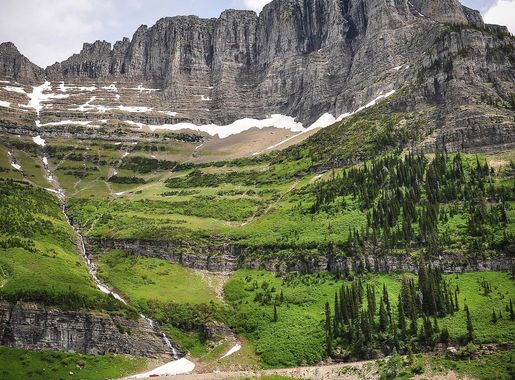
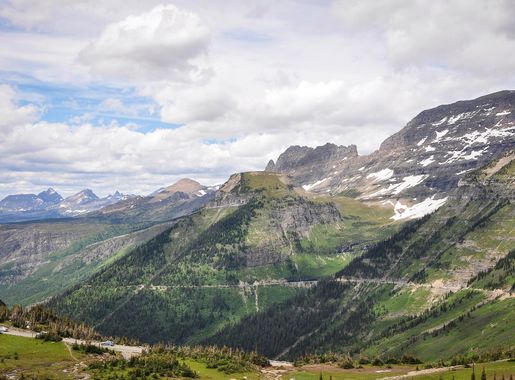
Nestled in the heart of Montana, The Flathead region is a paradise for nature enthusiasts and adventure seekers alike. This captivating destination is home to pristine lakes, vast forests, and towering mountain ranges that offer a variety of outdoor activities. Whether you're hiking through Glacier National Park or enjoying a serene boat ride on Flathead Lake, the natural beauty of this region is bound to leave you in awe. Flathead Lake, one of the largest natural freshwater lakes in the United States, is a must-visit for any traveler. Its crystal-clear waters are perfect for swimming, fishing, and kayaking. The quaint towns surrounding the lake, such as Bigfork and Polson, offer charming local shops, art galleries, and delicious dining options. Each town boasts a unique character that reflects the rich cultural heritage of the region. For those who love wildlife, The Flathead offers ample opportunities for spotting a variety of animals in their natural habitat. In addition to its stunning landscapes, Glacier National Park is home to grizzly bears, moose, and mountain goats. The park's numerous trails cater to all levels of hikers, providing both challenging treks and leisurely walks with breathtaking views. Winter transforms The Flathead into a snowy wonderland, ideal for skiing, snowboarding, and snowshoeing. Whitefish Mountain Resort is a top destination for winter sports enthusiasts, offering a range of slopes for all skill levels. After a day on the slopes, visitors can relax in the cozy lodges or explore the vibrant town of Whitefish, known for its lively arts scene and welcoming community.