

Free The Bridger Mountains Travel Guide & Mobile App
Explore The Bridger Mountains with free travel guides. Discover regional history, expert tips, proposed trips, and audio guides on web or mobile app.


The Bridger Mountains near Bozeman offer alpine hiking, skiing, wildlife, scenic drives and wide Montana views across a rugged national-forest range.
Read more about The Bridger Mountains
Getting to and around The Bridger Mountains
How to get there
Transportation
Top city travel guides in The Bridger Mountains
The cities of The Bridger Mountains, and the easiest places to base yourself.

Swipe for more cities
Destinations in The Bridger Mountains
Resorts, valleys and scenic spots worth a trip of their own.

Swipe for more destinations
Best attractions in The Bridger Mountains
The Bridger Mountains offer a concentrated range of outdoor attractions rather than a chain of towns and museums. Bridger Bowl Ski Area is the best-known developed recreation site, with lift-served winter terrain on the western slopes near Bozeman. In summer, the national forest provides hiking, camping, climbing, mountain biking where permitted and wildlife observation. Fairy Lake is a popular destination on the eastern side, while Battle Ridge and other forest access points lead towards alpine scenery and crest routes. The Bridger Ridge Trail is a demanding long-distance outing with extensive views, and shorter walks in the foothills provide a more accessible introduction to the landscape. The range is also noted for seasonal raptor migration, best appreciated from suitable viewpoints and with binoculars. Scenic driving through Bridger Canyon reveals the transition from Gallatin Valley development to ranch land, forest and open mountain slopes. Facilities are limited away from the ski area and main roads, so the attraction is the combination of public-land access, wildlife habitat and changing terrain rather than a dense collection of formal visitor sites.
-
National park
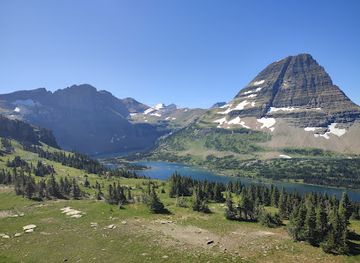
Glacier National Park
Explore Glacier National Park: a breathtaking wilderness of stunning landscapes, diverse wildlife, and endless outdoor adventures in Montana.
-
State park
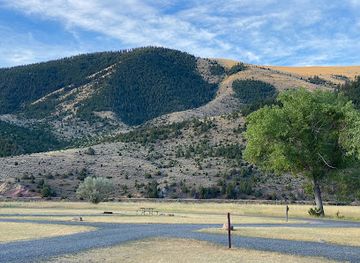
Lewis & Clark Caverns State Park
Explore the stunning Lewis & Clark Caverns State Park, home to remarkable limestone caves, diverse wildlife, and breathtaking hiking trails in Montana.
-
Monument
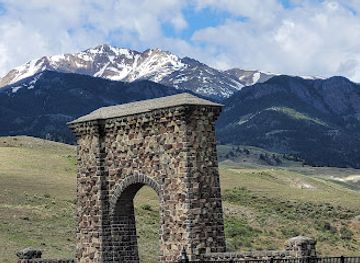
Roosevelt Arch
Explore the iconic Roosevelt Arch, a historic gateway to Yellowstone National Park, celebrating nature and conservation since 1903.
-
Ski resort
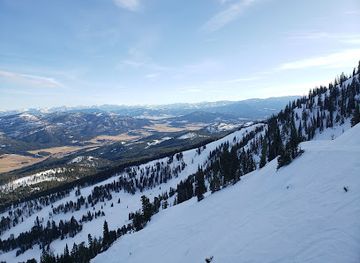
Bridger Bowl Ski Area
Experience the thrill of winter sports at Bridger Bowl Ski Area, a premier ski resort in Montana's stunning Rocky Mountains.
Best landmarks in The Bridger Mountains
Sacagawea Peak is the most prominent natural landmark of the Bridger Mountains, rising to 9,654 feet and forming a conspicuous point on the skyline. The surrounding crest, including the Bridger Ridge Trail, is visually important for its exposed high terrain and long views across south-western Montana. Bridger Canyon is the principal geographical gateway, its road following a narrow mountain corridor from the Gallatin Valley towards the northern range. Fairy Lake provides a contrasting landmark at a lower, forested elevation, with water and conifer slopes beneath the higher summits. Bridger Bowl’s ski runs are also a recognisable human imprint on the western face of the range, linking the mountains to Bozeman’s outdoor identity. Together these places show the Bridgers’ defining pattern: a readily visible range close to urban life, but with ridges, forests and alpine weather that remain distinctly wild in character.
-
History museum
Yellowstone Gateway Museum
Explore the vibrant local history and cultural heritage of Livingston, Montana at the Yellowstone Gateway Museum.

Explore The Bridger Mountains on the map
Plan your trip on one map. See where the top cities, national parks and sights are, and book hotels and experiences in a few clicks.
Best hotels in The Bridger Mountains
Best restaurants in The Bridger Mountains
There are few or no conventional dining services in the higher Bridger Mountains, so most visitors eat in Bozeman or bring provisions into the national forest. Bozeman, outside the range, has the region’s broadest choice of cafés, bakeries, breweries, casual restaurants and more formal dining, reflecting Montana produce alongside national and international cooking. In the surrounding valleys, rural cafés, bars and ranch-country eateries provide a more limited, locally oriented alternative. Picnic food is useful for trail days, particularly because forest campgrounds and trailheads may not have shops nearby. Local tastes commonly include beef, trout, huckleberries and other ingredients associated with Montana, but these should not be treated as an exclusive Bridger Mountains cuisine. Visitors should check current opening arrangements before depending on a particular business, especially outside Bozeman and during shoulder seasons.
-
Restaurant
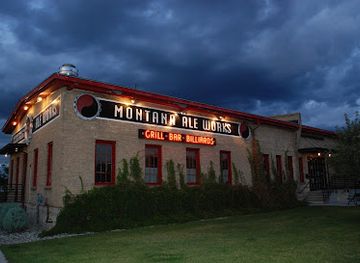
Montana Ale Works
Discover Montana Ale Works: A Brewpub Offering Craft Beers and Delicious American Cuisine in Bozeman.
-
Grill
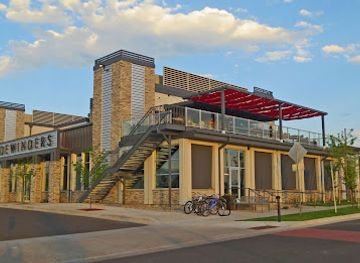
Sidewinders American Grill
Experience the best of American cuisine at Sidewinders American Grill in Bozeman - where flavor meets fun!
-
Brunch
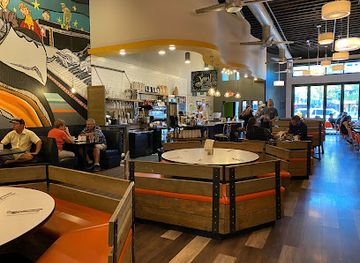
Jam!
Discover Jam! in Bozeman - Where Breakfast Dreams Come True with Fresh Ingredients & Creative Dishes.
-
Grill
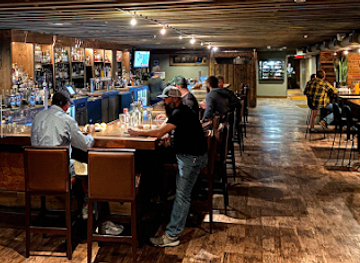
Copper | Whiskey Bar and Grill Bozeman
Savor the best grilled dishes and explore an extensive whiskey collection at Copper | Whiskey Bar and Grill in Bozeman.
Best bars in The Bridger Mountains
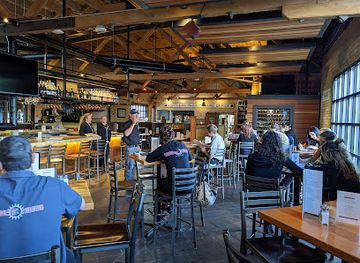
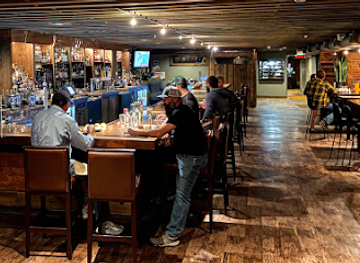
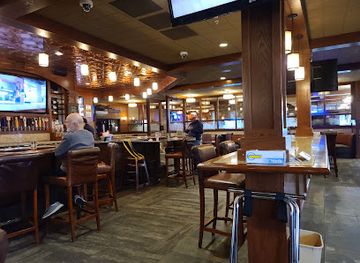
Evening life is concentrated outside the mountains, chiefly in Bozeman, where visitors will find pubs, breweries, cocktail bars, live music and a wider restaurant scene. The Bridger Mountains themselves have no substantial nightlife district; after-dark activity generally means quiet evenings at accommodation, a campsite or a rural lodging property, subject to fire and site regulations. Nearby valley communities offer occasional bars and restaurants, but services become sparse quickly on the eastern and northern approaches. Bozeman’s university population contributes to a broader late-evening scene than would be expected in a mountain range, although venues, events and opening arrangements change. Visitors heading into the forest should not rely on finding food, drink or fuel after leaving the main settled areas, and should arrange transport rather than driving after drinking.
-
Bar
Montana Ale Works
Discover the best of local craft beer and American cuisine at Montana Ale Works in Bozeman, where every visit is a flavorful adventure.
-
Grill
Sidewinders American Grill
Discover the culinary delights of Sidewinders American Grill in Bozeman, where vibrant flavors and a welcoming atmosphere await.
-
Grill
Copper | Whiskey Bar and Grill Bozeman
Experience the heart of Bozeman at Copper | Whiskey Bar and Grill, where unique cocktails and grilled delights create unforgettable moments.
-
Grill
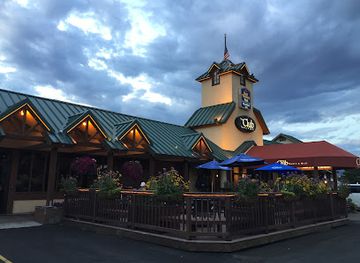
The Club Tavern and Grill
Experience the vibrant flavors of Montana at The Club Tavern and Grill, the perfect spot for food lovers and sports enthusiasts in Bozeman.
Best nightclubs in The Bridger Mountains
Evening life is concentrated outside the mountains, chiefly in Bozeman, where visitors will find pubs, breweries, cocktail bars, live music and a wider restaurant scene. The Bridger Mountains themselves have no substantial nightlife district; after-dark activity generally means quiet evenings at accommodation, a campsite or a rural lodging property, subject to fire and site regulations. Nearby valley communities offer occasional bars and restaurants, but services become sparse quickly on the eastern and northern approaches. Bozeman’s university population contributes to a broader late-evening scene than would be expected in a mountain range, although venues, events and opening arrangements change. Visitors heading into the forest should not rely on finding food, drink or fuel after leaving the main settled areas, and should arrange transport rather than driving after drinking.
-
Grill
The Club Tavern and Grill
Delight in mouthwatering meals and a lively atmosphere at The Club Tavern and Grill, a top choice for food and fun in Bozeman, Montana.
-
Restaurant
Korner Klub Bar
Experience the vibrant atmosphere of Korner Klub Bar in Bozeman, Montana, where great food, drinks, and friendly faces await.
-
Bar
Rocking R Bar
Experience the vibrant nightlife of Bozeman, Montana at Rocking R Bar, a local favorite for great drinks and live entertainment.
-
Sports bar
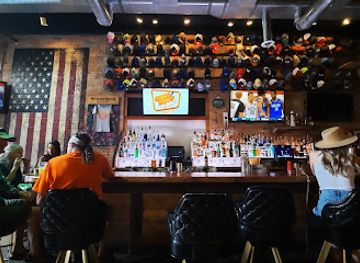
Bar Nine
Discover the vibrant nightlife at Bar Nine, Bozeman's premier sports bar & grill for delicious food, refreshing drinks, and unforgettable memories.
Best shops in The Bridger Mountains
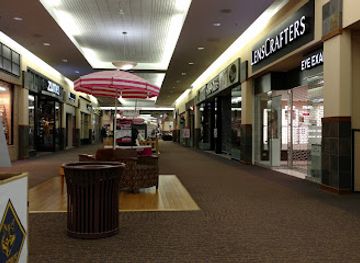
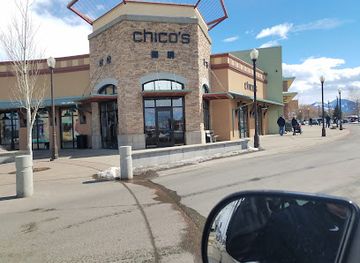
Shopping in the Bridger Mountains is limited to practical recreation needs, with the principal concentration of outdoor equipment, clothing, maps and provisions in Bozeman outside the range. The city also offers independent retailers, bookshops, galleries, craft businesses and shops selling Montana-themed goods, while farmers’ markets and food retailers may provide regional produce when operating seasonally. Small rural settlements on the eastern and northern approaches have fewer services and should not be mistaken for full shopping centres. Visitors looking for useful souvenirs can consider locally made artwork, books about Montana landscapes, outdoor maps, woollen goods or regional foods, while ski and hiking equipment is best obtained before driving into the canyon. There are no major shopping districts or extensive retail facilities in the national forest, and trailheads, campgrounds and Fairy Lake should be treated as places for recreation rather than purchasing supplies.
-
Gift shop
Gallatin Valley Mall
Discover a diverse shopping experience at Gallatin Valley Mall, Bozeman's premier destination for retail therapy and delicious dining options.
-
Shopping mall
Bridger Peaks Town Center
Explore Bridger Peaks Town Center in Bozeman, Montana - a vibrant shopping mall with diverse shops, dining options, and a welcoming atmosphere for all.
-
Gift shop
Alpacas of Montana, Inc.
Discover unique alpaca products and experience the charm of gentle alpacas at Alpacas of Montana, a must-visit destination in Bozeman, MT.
-
Furniture store
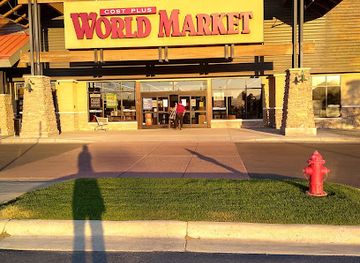
World Market
Explore World Market in Bozeman, Montana for unique furniture, kitchenware, and decor from around the world, perfect for your home or as a souvenir.

Get your free copy of our complete guide to The Bridger Mountains, delivered straight to you.
Everything on this page, from attractions and restaurants to essentials and local phrases, in one PDF you can read offline, print or share.
Already have an account? Sign in
Your The Bridger Mountains guide is ready.
We'll send it to · Not you? Sign out

Getting your guide ready…
We are putting together a fresh copy of the The Bridger Mountains guide. This can take up to a minute.
This can take a few moments. If your browser asks, choose Allow so the download can start. You'll find the guide in your Downloads folder.
Nothing happened? Download it again
Sorry, the guide is taking longer than usual. Please try again in a minute, or get it by email instead.
The Bridger Mountains essentials
Currency and Payment
Safety
Emergency Situations
Do's and Don'ts
Local Tips
From Eve
Local phrases worth knowing
You don't need to get them perfect. A few words go a long way, and locals appreciate the effort.
Basics
| English | Local | Say it |
|---|---|---|
| Hello | Howdy | [Ha-dee] |
| Goodbye | See ya later | [See ya lay-ter] |
| Yes | Yep | [Yep] |
| No | Nope | [Nope] |
| Please/You’re welcome | Sure thing | [Shur thing] |
| Thank you | Thanks a bunch | [Thanks a bunch] |
| Excuse me/Sorry | Pardon me | [Par-dun me] |
| How are you? | How’s it going? | [How's it goin'?] |
| Fine. And you? | Good. And you? | [Good. An' you?] |
| Do you speak English? | Do ya speak English? | [Do ya speak English?] |
| I don't understand | I don’t get it | [I don’t get it] |
Eating & Drinking
| English | Local | Say it |
|---|---|---|
| I’d like to see the menu, please | Can I see the menu? | [Can I see the menu?] |
| I don't eat meat | I’m a vegetarian | [I’m a ve-ge-tair-ee-an] |
| Cheers! | Cheers! | [Cheers!] |
| I would like to pay, please | Can I get the check? | [Can I get the check?] |
Emergencies
| English | Local | Say it |
|---|---|---|
| Help! | Help! | [Help!] |
| Go away! | Leave me alone! | [Leave me alone!] |
| Call the Police! | Call the cops! | [Call the cops!] |
| Call a doctor! | Get a doctor! | [Get a doc-tor!] |
| I’m lost | I’m turned around | [I’m turned around] |
| I’m ill | I’m feeling sick | [I’m feelin' sick] |
Shopping
| English | Local | Say it |
|---|---|---|
| I’d like to buy... | I want to buy... | [I want to buy...] |
| I’m just looking | Just browsing | [Just browsing] |
| How much is it? | What’s the price? | [What’s the price?] |
| That’s too expensive | That’s pricy | [That’s pri-cy] |
| Can you lower the price? | Can you do any better? | [Can you do any better?] |
Time & Numbers
| English | Local | Say it |
|---|---|---|
| What time is it? | What’s the time? | [What’s the time?] |
| It’s one o’clock | It’s one | [It’s one] |
| Half past (10) | Half past ten | [Half past ten] |
| Morning | Morning | [Morning] |
| Afternoon | Afternoon | [Afternoon] |
| Evening | Evening | [Evening] |
| Yesterday | Yesterday | [Yesterday] |
| Today | Today | [Today] |
| Tomorrow | Tomorrow | [Tomorrow] |
| 1 | One | [One] |
| 2 | Two | [Two] |
| 3 | Three | [Three] |
| 4 | Four | [Four] |
| 5 | Five | [Five] |
| 6 | Six | [Six] |
| 7 | Seven | [Seven] |
| 8 | Eight | [Eight] |
| 9 | Nine | [Nine] |
| 10 | Ten | [Ten] |
Transport & Directions
| English | Local | Say it |
|---|---|---|
| Where's a/the...? | Where’s the nearest...? | [Where’s the nearest...?] |
| What’s the address? | What’s the address? | [What’s the address?] |
| Can you show me (on the map)? | Can you point it out? | [Can you point it out?] |
| When’s the next (bus)? | When’s the next bus? | [When’s the next bus?] |
| A ticket (to ....) | A ticket to... | [A ticket to...] |
History of The Bridger Mountains
Indigenous Homelands and Seasonal Travel
The Bridger Mountains form part of a wider landscape long used by Indigenous peoples of the northern Rocky Mountains, including the Apsáalooke (Crow) and other Native nations with historical connections to the region. Mountain passes, valleys and waterways supported seasonal travel, hunting and the exchange of knowledge. Modern visitors encounter a landscape shaped by these much older relationships, although public recreation infrastructure often gives little indication of the depth of Indigenous history. Travellers should follow current access rules and treat archaeological or cultural sites with care.
The Fur Trade and the Name Bridger
The range is named for Jim Bridger, a nineteenth-century mountain man, guide and interpreter who travelled widely through the northern Rocky Mountains. Place names associated with him reflect the era when fur traders, explorers and later emigrant-route makers were mapping landscapes already known to Indigenous communities. The Bridger name became established on regional maps and remains attached to the mountains, canyon and nearby communities. It should be understood within the broader history of western expansion, which brought new commercial networks and intense pressure on Native homelands.
Federal Forest Administration
The Bridger Mountains are now largely managed within the Custer Gallatin National Forest, a public-land system whose origins lie in the late nineteenth- and early twentieth-century creation of national forests. Federal management helped formalise timber, watershed, wildlife and recreation policies across the range. It also left a legacy of roads, trails, campgrounds and changing approaches to fire and conservation. Today, decisions about access, habitat, winter use and wildfire resilience continue to shape how visitors experience these mountains.
Ranching and Valley Settlement
While the steep upper slopes have remained comparatively undeveloped, ranching and settlement expanded in the surrounding Gallatin Valley, Bridger Canyon and Shields River country during the nineteenth and twentieth centuries. Agriculture, livestock raising and transport links connected mountain watersheds with Bozeman and other valley communities. The contrast between open ranch land below and forested public slopes above remains a defining feature of the landscape. Some roads and settlement patterns used by visitors today follow routes established for local rather than recreational purposes.
The Rise of Winter Recreation
Bridger Bowl Ski Area developed on the western side of the range in the twentieth century and became a major focus of winter recreation for the Bozeman area. Its growth helped establish skiing as part of the local economy and outdoor culture while concentrating lift-served activity in a managed setting. Beyond the ski area, the Bridgers also attracted backcountry skiers, climbers and mountaineers. This history explains the range’s dual identity as both an accessible community recreation area and a serious alpine environment.
Conservation, Wildlife and Modern Recreation
Late twentieth- and early twenty-first-century interest in habitat, migration routes, public access and recreation has broadened the conversation about the Bridger Mountains. The range is valued not only for skiing and hiking but also for forests, watershed protection and seasonal raptor migration. Trails, campgrounds and roads must balance increasing use with erosion control, wildlife needs and wildfire risk. Modern visitors therefore encounter a landscape managed through ongoing negotiation between recreation, conservation, rural livelihoods and the protection of public lands.
The Bridger Mountains in Photos
Browse through our photo collection highlighting the charm and character of the destination.
Neighbouring regions of The Bridger Mountains
The closest regions to The Bridger Mountains, if you have time for more than one.
-

-

-

-

-


Swipe for more regions
Explore more
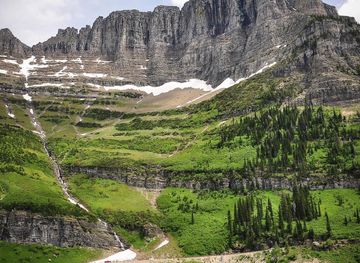
Explore more of Montana
Discover Montana: A Treasure State of majestic landscapes, outdoor adventures, and rich cultural heritage. Explore Glacier and Yellowstone, charming towns, and historic sites.
Explore Montana