
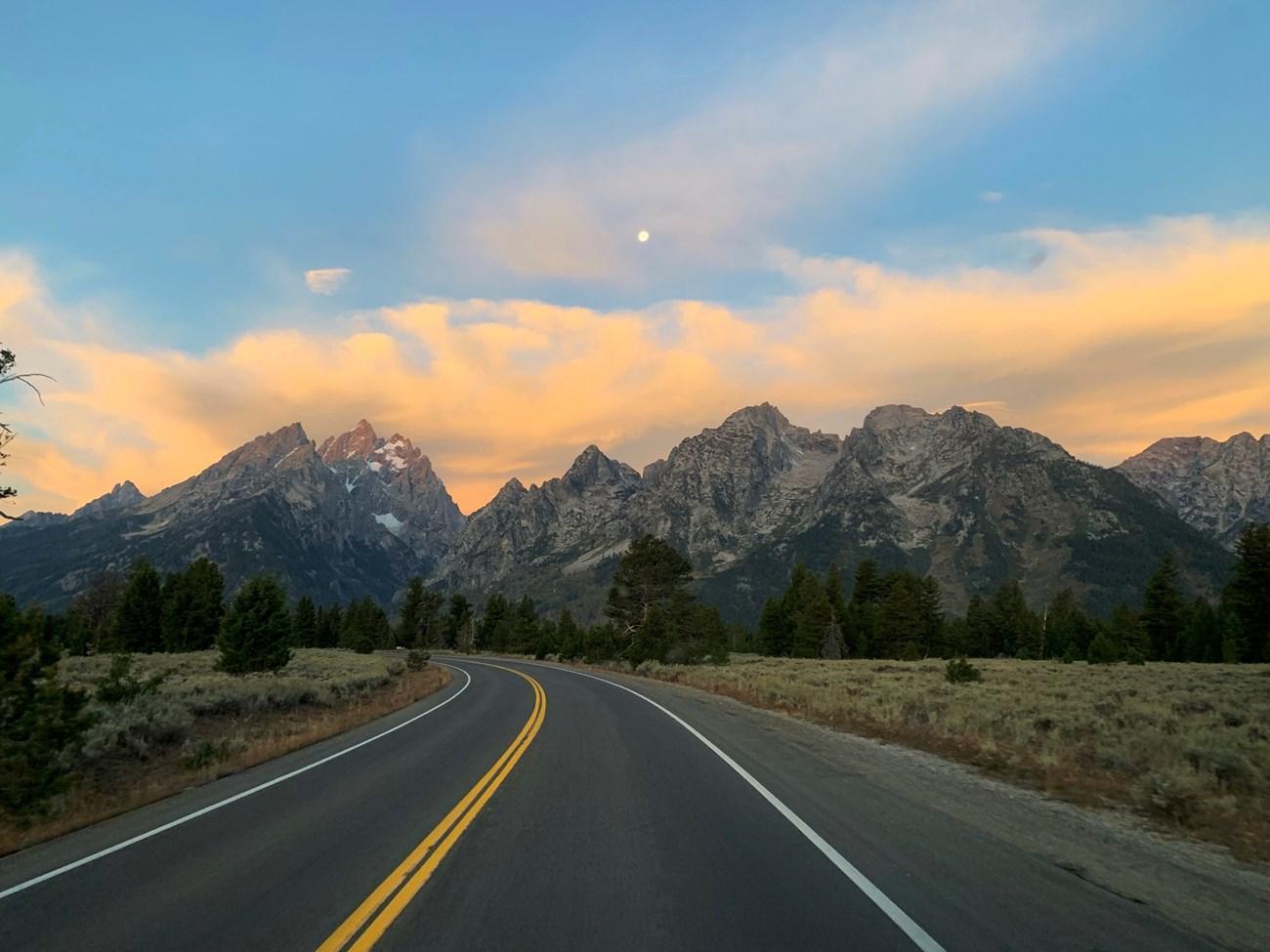
The Beartooth Mountains, Montana Travel Guide
Explore the Beartooth Mountains in Montana, where stunning peaks, pristine lakes, and endless outdoor adventures await in one of America's most scenic destinations.
Nestled in the heart of Montana, the Beartooth Mountains offer a breathtaking escape into nature's grandeur. Renowned for their stunning peaks, pristine lakes, and lush forests, these mountains are an adventurer's paradise. The Beartooth Highway, often called the most beautiful drive in America, winds through the range, providing unparalleled vistas and access to numerous outdoor activities. Hiking enthusiasts will find an array of trails suitable for all skill levels, from gentle walks to challenging climbs. The Beartooth Loop National Recreation Trail is particularly popular, offering spectacular views and the chance to spot wildlife such as elk, moose, and even grizzly bears. For those seeking a thrilling climb, Granite Peak, the highest point in Montana, presents a rewarding challenge. Fishing, camping, and boating are also popular pastimes in the Beartooth Mountains. The crystal-clear alpine lakes are teeming with trout, making them a favorite spot for anglers. Numerous campgrounds dot the landscape, providing serene settings to immerse oneself in nature. Winter transforms the mountains into a snowy wonderland, perfect for skiing, snowboarding, and snowshoeing. The nearby towns of Red Lodge and Cooke City offer charming accommodations and dining options, enhancing your mountain experience. These quaint towns are gateways to the Beartooth Mountains, rich in history and local culture. Whether you're seeking adventure or tranquility, the Beartooth Mountains promise an unforgettable journey through one of America's most picturesque landscapes.

Know before you go
Hi, I'm Eve. Here are a few practical things to know before exploring The Beartooth Mountains.
- Check the weather before your trip, as conditions can change rapidly in the mountains.
- Visit in late spring or early fall for fewer crowds and milder weather.
- Bring layers and proper gear, especially if you plan to hike or camp.
- Fill up your gas tank before heading out, as services are limited in remote areas.
- Make sure to carry a map or GPS device; cell service can be unreliable.
Destinations in The Beartooth Mountains
Resorts, valleys and scenic spots worth a trip of their own.


Explore The Beartooth Mountains: Things to Do, Places to Eat, Hotels & More
Handpicked recommendations for top attractions, local dining, accommodations, and more

Top Attractions & Sightseeing in The Beartooth Mountains
Top-rated picks
Best Attractions

Lamar Valley
Explore the breathtaking landscapes and diverse wildlife of Lamar Valley, the Serengeti of North America, nestled in Yellowstone National Park.

Red Lodge Mountain
Discover the exhilarating beauty and adventure at Red Lodge Mountain Ski Resort in Montana, perfect for skiing, dining, and unforgettable winter experiences.

Dead Indian Summit Overlook
Experience the breathtaking views and rich history at Dead Indian Summit Overlook in Cody, Wyoming, a must-visit destination for nature lovers and photographers.

Rock Creek Vista
Discover the stunning panoramas at Rock Creek Vista, a must-see scenic spot in Red Lodge, Montana, perfect for nature lovers and photographers alike.

Best landmarks in The Beartooth Mountains
Top-rated picks
Best Landmarks

Beartooth Scenic Byway - All American Road
Explore the breathtaking beauty of Beartooth Scenic Byway, a stunning journey through Montana's alpine landscapes and diverse wildlife, perfect for nature lovers.

US Forest Service Beartooth Ranger Station
Discover the breathtaking beauty of the Beartooth Mountains at the US Forest Service Beartooth Ranger Station, your gateway to nature's wonders.

Best restaurants in The Beartooth Mountains
Top-rated picks
Best Restaurants

The Buffalo Bar
Experience unique American cuisine at The Buffalo Bar in West Yellowstone—where great food meets a lively atmosphere.

Running Bear Pancake House
Savor delightful pancakes and hearty breakfasts at Running Bear Pancake House in West Yellowstone – where delicious mornings begin!

Slippery Otter Pub
Discover Slippery Otter Pub in West Yellowstone: A family-friendly American restaurant with delicious burgers, pizzas, and local brews.

Three Bear Restaurant
Experience the taste of Montana at Three Bear Restaurant in West Yellowstone – where hearty meals meet warm hospitality.

Best bars in The Beartooth Mountains
Top-rated picks
Best Bars

The Buffalo Bar
Experience the best of American cuisine at The Buffalo Bar in West Yellowstone, where flavor meets friendly atmosphere in a stunning natural setting.

Bogart's Restaurant
Discover Bogart's Restaurant in Red Lodge, where Mexican flavors meet pizza perfection in a warm and vibrant setting.

The Old Saloon
Experience the essence of American culture at The Old Saloon in Emigrant, Montana, where great food and a vibrant atmosphere await you.

Edgar Bar
Discover the unique flavors of Montana at Edgar Bar, where hearty steaks meet a vibrant bar atmosphere in a charming small-town setting.

Best nightclubs in The Beartooth Mountains
Top-rated picks
Best Nightclubs

Sip 'n Dip Lounge (1962)
Experience the charm of Sip 'n Dip Lounge in Great Falls, a unique bar featuring live piano music and a cozy atmosphere for unforgettable nights.

Foster & Logans Pub & Grill
Discover the heart of Red Lodge dining at Foster & Logans Pub & Grill, where hearty meals and local brews meet warm Montana hospitality.

Red Door Lounge
Experience the lively atmosphere and creative cocktails at Red Door Lounge, Billings' go-to spot for food, drinks, and fun.

Crystal Lounge Casino
Unleash your inner high roller at Crystal Lounge Casino, where gaming thrills and karaoke fun come together in Billings, Montana.

Best shops in The Beartooth Mountains
Top-rated picks
Best Shops

Canyon Village - General Store
Explore the Canyon Village General Store in Yellowstone for unique gifts, groceries, and delicious meals amidst breathtaking natural beauty.

Fishing Bridge - General Store
Discover unique gifts and park essentials at Fishing Bridge General Store in Yellowstone National Park, a must-visit for all travelers.

Mammoth General Store
Discover unique gifts and essential supplies at Mammoth General Store, your shopping haven in Yellowstone National Park.

Beartooth Market
Discover the flavors of Montana at Beartooth Market, your local grocery destination in Red Lodge, offering fresh produce and unique regional products.

Explore The Beartooth Mountains on the Map
A handpicked selection of must-see spots in The Beartooth Mountains, mapped for you.
The Beartooth Mountains Essentials
-
The Beartooth Mountains can be accessed by several routes. The nearest major airport is Billings Logan International Airport in Billings, Montana, approximately 80 miles away. From Billings, travelers can rent a car or take a shuttle service to the mountains. Another option is the Yellowstone Regional Airport in Cody, Wyoming, which is about 60 miles away. The drive to the Beartooth Mountains offers scenic views along the Beartooth Highway (U.S. Route 212), which is considered one of the most beautiful drives in America.
-
To explore the Beartooth Mountains, renting a car is the most convenient option. The area is vast, and public transportation is limited. During the summer months, guided tours and shuttle services are available for those who prefer not to drive. Biking and hiking are also popular ways to explore the region. It is important to note that some roads may be closed during the winter due to snow, so always check road conditions before traveling.
-
The official currency in the United States is the U.S. Dollar (USD). Credit and debit cards are widely accepted in most establishments, including hotels, restaurants, and shops. However, it is advisable to carry some cash for smaller businesses and remote areas where card payments may not be accepted. ATMs are available in nearby towns such as Red Lodge and Cooke City.
-
The Beartooth Mountains are generally safe for tourists. However, it is important to be aware of wildlife, such as bears and mountain lions. Always follow guidelines for storing food and disposing of waste to avoid attracting animals. The area is remote, so cell phone reception may be limited. It is recommended to carry a map, compass, and GPS device when hiking. There are no specific high-crime areas targeting tourists, but always stay vigilant and aware of your surroundings.
-
In case of emergency, dial 911 for immediate assistance. The nearest medical facilities are located in Red Lodge and Cody. It is important to carry a first aid kit and be prepared for sudden weather changes. For minor health issues, there are pharmacies in nearby towns. It is also advisable to have travel insurance that covers medical emergencies and evacuation.
-
Fashion: Do dress in layers and wear appropriate footwear for hiking. Avoid wearing bright colors that may attract insects. Religion: The Beartooth Mountains are not known for specific religious customs, but always respect local traditions and practices. Public Transport: Public transport is limited, so renting a car is advisable. Greetings: A simple 'hello' or nod is a common greeting. Eating & Drinking: Do try local cuisine and be courteous when dining in local establishments. Don’t leave trash behind; always follow Leave No Trace principles.
-
To experience the Beartooth Mountains like a local, visit during the early morning or late evening to avoid crowds and enjoy the tranquility. Engage with local guides who can offer insights into the area's history and natural beauty. Don’t miss the opportunity to hike the Beartooth Loop National Recreation Trail, which offers stunning views and a chance to see local wildlife. For a unique experience, try fishing in the mountain lakes or camping under the stars.
When is the best time to visit The Beartooth Mountains?
Useful Local Phrases for The Beartooth Mountains
You don't need to speak the language perfectly. Even learning a few simple words can make conversations warmer—and locals usually appreciate the effort.
— Eve

Here are the phrases I use most often in The Beartooth Mountains. Try a few—you'll be surprised how far they go! 😊
❤️
-
- HelloHowdy
[Haw-dee] - GoodbyeSee ya later
[See ya lay-ter] - YesYup
[Yup] - NoNah
[Nah] - Please/You're welcomeSure thing
[Shur thing] - Thank youThanks a bunch
[Thanks a bunch] - Excuse me/SorryPardon me
[Par-dun mee] - How are you?How's it going?
[How's it goin'?] - Fine. And you?Good, and you?
[Good, an' you?] - Do you speak English?Do ya speak English?
[Doo ya speak English?] - I don't understandI ain't got it
[I ain't got it]
- HelloHowdy
-
- I'd like to see the menu, pleaseCan I see the menu?
[Can I see the menu?] - I don't eat meatI don't do meat
[I don't do meat] - Cheers!Cheers!
[Cheers!] - I would like to pay, pleaseCan I get the check?
[Can I get the check?]
- I'd like to see the menu, pleaseCan I see the menu?
-
- Help!Help!
[Help!] - Go away!Leave me be!
[Leave me be!] - Call the Police!Call the cops!
[Call the cops!] - Call a doctor!Get a doctor!
[Get a doctor!] - I'm lostI'm turned around
[I'm turned around] - I'm illI'm feeling sick
[I'm feelin' sick]
- Help!Help!
-
- I'd like to buy...I wanna buy...
[I wanna buy...] - I'm just lookingJust browsing
[Just browsing] - How much is it?What's the price?
[What's the price?] - That's too expensiveThat's a bit steep
[That's a bit steep] - Can you lower the price?Can ya cut me a deal?
[Can ya cut me a deal?]
- I'd like to buy...I wanna buy...
-
- What time is it?What time ya got?
[What time ya got?] - It's one o'clockIt's one
[It's one] - Half past (10)Half past ten
[Half past ten] - MorningMorning
[Mornin'] - AfternoonAfternoon
[Afternoon] - EveningEvening
[Evening] - YesterdayYesterday
[Yesterday] - TodayToday
[Today] - TomorrowTomorrow
[Tomorrow] - 1One
[One] - 2Two
[Two] - 3Three
[Three] - 4Four
[Four] - 5Five
[Five] - 6Six
[Six] - 7Seven
[Seven] - 8Eight
[Eight] - 9Nine
[Nine] - 10Ten
[Ten]
- What time is it?What time ya got?
-
- Where's a/the...?Where's the...?
[Where's the...?] - What's the address?What's the address?
[What's the address?] - Can you show me (on the map)?Can ya point it out?
[Can ya point it out?] - When's the next (bus)?When's the next bus?
[When's the next bus?] - A ticket (to ....)One ticket to...
[One ticket to...]
- Where's a/the...?Where's the...?
History of The Beartooth Mountains
-
The Beartooth Mountains have been home to various Native American tribes for centuries, including the Crow and Shoshone peoples. These tribes have a deep spiritual connection to the land, which they consider sacred. The mountains provided resources such as game, medicinal plants, and materials for shelter and tools. Indigenous rock art and ancient trails still bear witness to their long-standing presence in the region.
-
The Beartooth Mountains derive their name from a distinctive peak that resembles a bear's tooth. This name was popularized by early European explorers and fur trappers in the 19th century. The Crow people referred to the area as 'Na Piet Say,' which translates to 'the bear's tooth,' reflecting the same landmark that caught the attention of later settlers.
-
While the Lewis and Clark Expedition of 1804-1806 did not directly traverse the Beartooth Mountains, their journey opened the region to further exploration. Subsequent expeditions by fur traders and mountain men often used their maps and journals to navigate the rugged terrain surrounding the Beartooths. This period marked the beginning of increased European-American presence in the area.
-
The town of Red Lodge, located near the Beartooth Mountains, became a significant hub during the late 19th-century mining boom. Prospectors flocked to the region in search of coal, gold, and other valuable minerals. The mining industry brought economic growth and a diverse population to the area, which included immigrants from various parts of Europe.
-
Completed in 1936, the Beartooth Highway (U.S. Route 212) is a marvel of engineering that offers breathtaking views of the Beartooth Mountains. The highway was constructed as part of a New Deal project to provide jobs during the Great Depression. It remains one of the most scenic drives in the United States, traversing high alpine plateaus and offering access to remote areas of the mountain range.
-
The Beartooth Mountains are part of the Absaroka-Beartooth Wilderness, established in 1978 to protect the region's natural beauty and ecological integrity. The wilderness area encompasses over 900,000 acres of pristine landscapes, including alpine meadows, glacial lakes, and densely forested valleys. It is a haven for outdoor enthusiasts and a crucial habitat for wildlife such as grizzly bears, mountain goats, and elk.
Neighbouring Regions of The Beartooth Mountains
The closest regions to The Beartooth Mountains, if you have time for more than one.




Your all‑in‑one travel companion app
Explore expert travel guides, compare and book tours, experiences, hotels, and more—all from the palm of your hand. Download now for seamless trip planning wherever your wanderlust takes you.


Explore More of Montana
Looking beyond The Beartooth Mountains? Discover Montana for broader travel guides, local hot-spots, and regional highlights.
Explore MontanaThe Beartooth Mountains in Photos
Browse through our photo collection highlighting the charm and character of the destination.
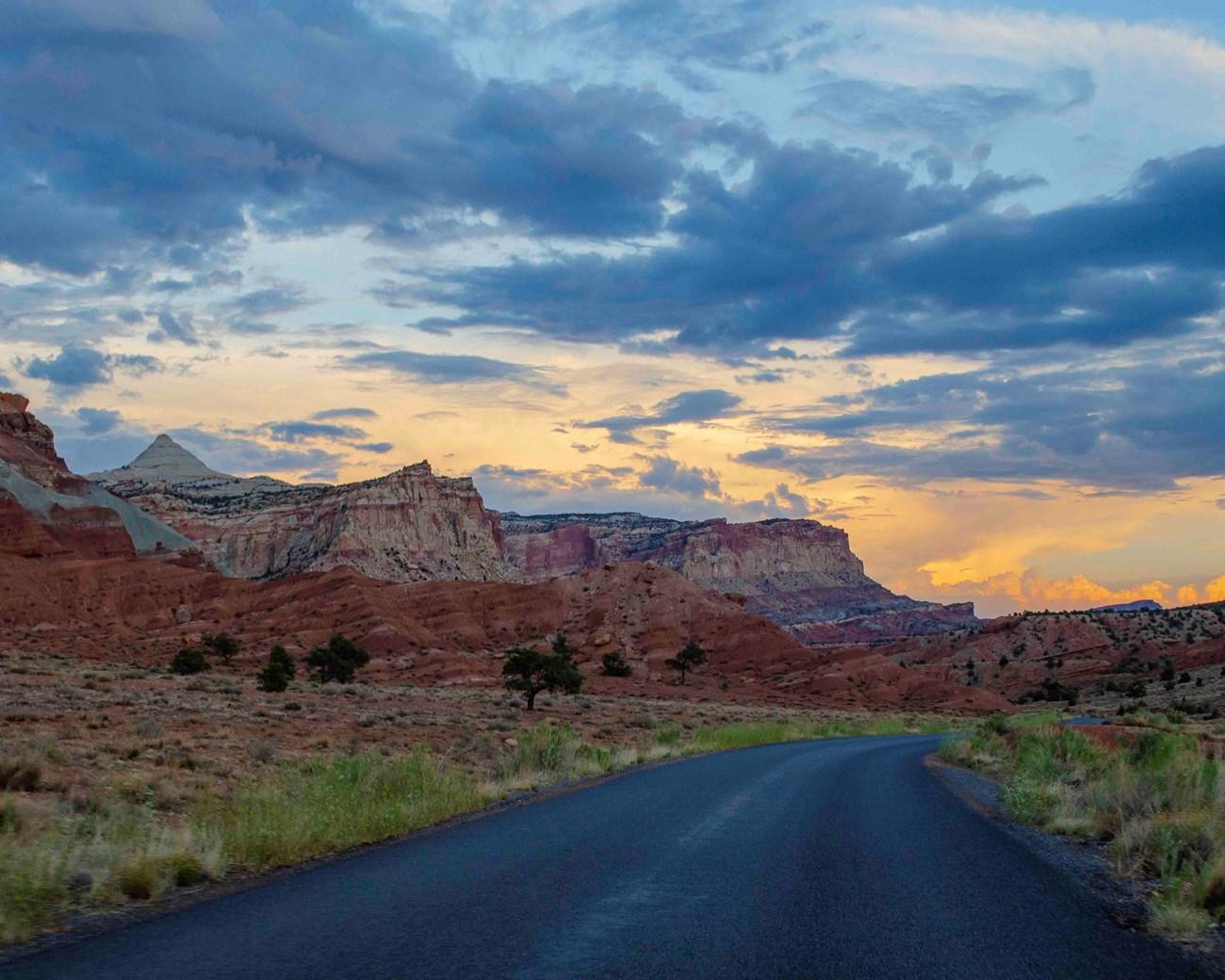


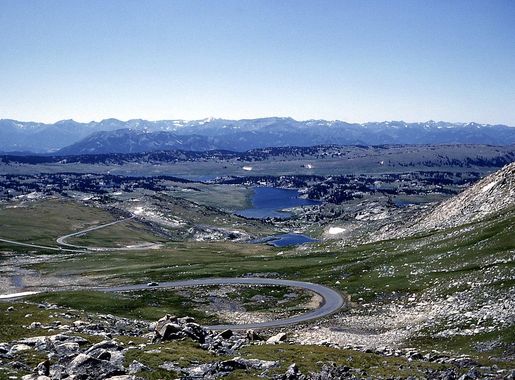
The Majestic Beartooth Mountains: Montana's Hidden Gem
Nestled in the heart of Montana, the Beartooth Mountains offer a breathtaking escape into nature's grandeur. Renowned for their stunning peaks, pristine lakes, and lush forests, these mountains are an adventurer's paradise. The Beartooth Highway, often called the most beautiful drive in America, winds through the range, providing unparalleled vistas and access to numerous outdoor activities. Hiking enthusiasts will find an array of trails suitable for all skill levels, from gentle walks to challenging climbs. The Beartooth Loop National Recreation Trail is particularly popular, offering spectacular views and the chance to spot wildlife such as elk, moose, and even grizzly bears. For those seeking a thrilling climb, Granite Peak, the highest point in Montana, presents a rewarding challenge. Fishing, camping, and boating are also popular pastimes in the Beartooth Mountains. The crystal-clear alpine lakes are teeming with trout, making them a favorite spot for anglers. Numerous campgrounds dot the landscape, providing serene settings to immerse oneself in nature. Winter transforms the mountains into a snowy wonderland, perfect for skiing, snowboarding, and snowshoeing. The nearby towns of Red Lodge and Cooke City offer charming accommodations and dining options, enhancing your mountain experience. These quaint towns are gateways to the Beartooth Mountains, rich in history and local culture. Whether you're seeking adventure or tranquility, the Beartooth Mountains promise an unforgettable journey through one of America's most picturesque landscapes.