

Bar Riviera Travel Guide - Free Web & App
Your ultimate guide to Bar Riviera. Discover top landmarks, proposed trips, and local tips. Free on the web or via the Evendo companion app.


Bar Riviera, Montenegro, combines Adriatic beaches, Lake Skadar landscapes, Old Bar ruins, olive groves and coastal villages for culture and outdoor escapes.
Coast, Mountains and Lake Country
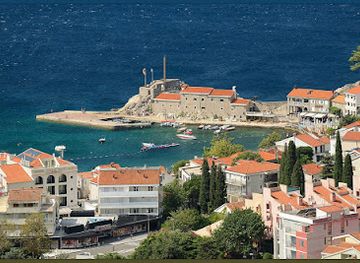
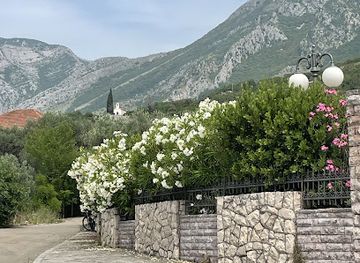
Bar Riviera is the broad coastal holiday area centred on Bar in southern Montenegro, extending from the busy beach settlement of Sutomore through Bar itself towards the quieter coves and villages of Dobra Voda and Utjeha. The Adriatic shoreline alternates between pebble beaches, small rocky inlets and developed resort strips, while the Rumija Mountains rise sharply inland. This contrast gives the region a more varied character than a conventional beach resort: within a short drive, visitors can move from swimming and waterfront promenades to mountain roads, olive groves and wide views across the coast.Read more about Bar Riviera
Old Bar and the Living Landscape
Beaches, Heritage and Outdoor Days
When is the best time to visit Bar Riviera?
Best: May–June, October · 23–28°C| Month | High (°C) | Rainfall (mm) |
|---|---|---|
| January | 12 | 70 |
| February | 13 | 60 |
| March | 16 | 70 |
| April | 19 | 60 |
| May (best) | 24 | 50 |
| June (best) | 28 | 40 |
| July | 33 | 20 |
| August | 33 | 20 |
| September | 30 | 40 |
| October (best) | 23 | 50 |
| November | 18 | 60 |
| December | 15 | 70 |
Getting to and around Bar Riviera
How to get there
Transportation
Best attractions in Bar Riviera
Stari Bar is the Riviera's defining attraction, a fortified historic settlement of stone lanes, walls and surviving religious and civic buildings on the lower slopes of Mount Rumija. Modern Bar provides the region's principal seafront, harbour atmosphere and access to the long coastal promenade, while nearby Mirovica is associated with one of Montenegro's celebrated ancient olive trees. Along the shore, Sutomore has a broad, busy beach and extensive summer facilities; Čanj, Dobra Voda and Utjeha offer contrasting coves, pebble beaches and clearer separation between developed stretches and quieter edges. The southern coastal road reveals changing views across the Adriatic, with rocky headlands and mountain-backed villages. Inland, routes towards Rumija and the Lake Skadar basin introduce a more rugged landscape, though the lake's principal attractions extend beyond the immediate Bar Riviera. Seasonal boat and beach activities are concentrated around the settled coast rather than every small inlet.
-
Tourist attraction
Kastio Castle
Explore Kastio Castle in Petrovac, Montenegro—where history meets stunning sea views in an unforgettable travel experience.
-
Tourist attraction
Old Olive Tree
Discover the Old Olive Tree in Tomba, Montenegro – a historical landmark that embodies resilience and cultural heritage amidst stunning landscapes.
-
Cruise terminal
Port of Kotor
Explore the breathtaking Port of Kotor, a historic gateway to Montenegro's stunning fjords and charming medieval architecture.
-
Tourist attraction
Budva Paragliding - Flying adventure!
Experience the thrill of paragliding over Budva's breathtaking landscapes and enjoy unparalleled views of the Adriatic coast.


Best landmarks in Bar Riviera
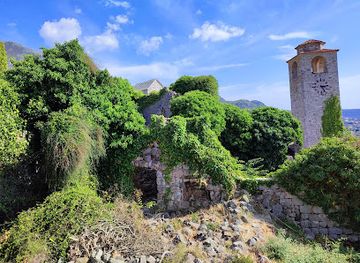
The ruined fortress town of Stari Bar is the Riviera's principal historical landmark, with defensive walls, gates, stone streets and religious buildings spread across a steep site below Rumija. Its elevated position explains the settlement's strategic importance and provides a strong visual connection between the historic town, the coastal plain and the modern port. In Mirovica, the ancient olive tree known as Stara Maslina is a major symbol of Bar's agricultural heritage and long relationship with olive cultivation. The Rumija Mountains form the region's dominant natural backdrop, rising sharply behind the coast and separating the Adriatic from Lake Skadar. Modern Bar's port is a landmark of a different kind: a working maritime gateway that distinguishes the city from the smaller, beach-focused settlements of the Riviera.
-
Fortress
Fortress Old Bar
Discover the captivating history and stunning views at Fortress Old Bar, a must-see tourist attraction in Montenegro.
-
Restaurant
Tropico
Discover the flavors of the Mediterranean at Tropico, Budva's premier restaurant offering exquisite grilled dishes and stunning seaside views.
-
Local history museum
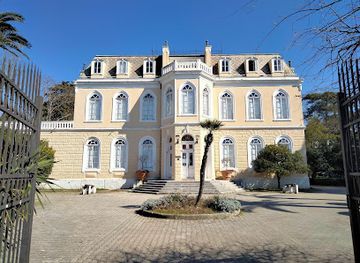
King Nikola's Palace
Discover the historical charm of King Nikola's Palace, a captivating museum in Bar, Montenegro, showcasing the life of the last Montenegrin king.
-
Tourist attraction
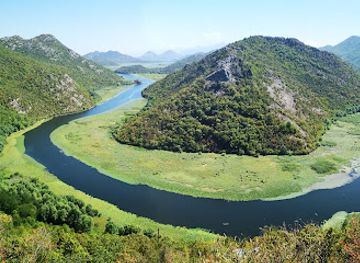
Pavlova Strana Viewpoint
Experience the breathtaking beauty of Tara River Canyon from Pavlova Strana Viewpoint, a must-see destination in Montenegro for stunning panoramic views.
Explore Bar Riviera on the map
Plan your trip on one map. See where the top attractions, landmarks, restaurants and hotels are, and book hotels and experiences in a few clicks.
Best hotels in Bar Riviera
Best restaurants in Bar Riviera
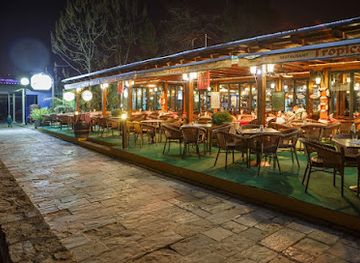
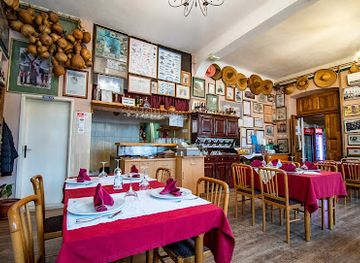
Dining across the Bar Riviera combines Adriatic seafood with the hearty food traditions of Montenegro's hinterland. Restaurants and konobas in Bar, Sutomore and the southern coastal villages commonly serve grilled fish, squid, prawns and mussels where available, alongside grilled meats, salads, local cheeses, bread and seasonal vegetables. Olive oil is a defining regional product, supported by the ancient olive-growing landscape around Bar, while simple Balkan dishes such as kačamak and priganice may appear alongside more familiar Mediterranean options. Bar has the widest choice of restaurants, cafés, bakeries and everyday food shops; resort settlements become busier and more seasonal in summer. Around Stari Bar, visitors will find dining opportunities close to the historic site, while quieter beaches may have only a small number of seasonal cafés or no food service at all.
-
Seafood
Jadran
Discover Jadran Restaurant: A Seafood Paradise on Budva's Stunning Adriatic Coastline.
-
Restaurant
Tropico
Discover Tropico in Budva: A Mediterranean restaurant offering exquisite grilled dishes and famed fish soup with breathtaking sea views.
-
Restaurant
Restoran Vista Vidikovac
Experience exquisite Montenegrin cuisine at Restoran Vista Vidikovac with stunning views of Budva's Adriatic coastline.
-
Restaurant
Konoba Bocun
Experience authentic Montenegrin cuisine at Konoba Bocun in Budva - where tradition meets flavor in a charming setting.


Best bars in Bar Riviera
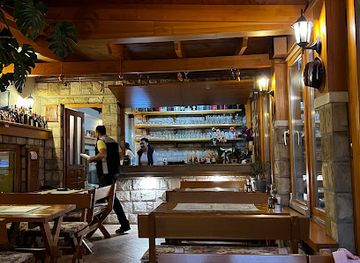
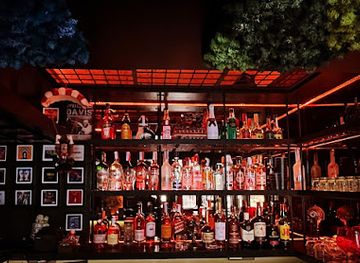
The Bar Riviera's evening life is seasonal and concentrated in Bar and Sutomore rather than spread evenly along the coast. Bar offers a relaxed mix of cafés, waterfront bars and restaurants, with activity often centred on the promenade and harbour area. Sutomore becomes considerably busier in summer, when beachside venues, cafés and informal music settings stay active into the evening. Dobra Voda and Utjeha are generally quieter, with evening entertainment more closely associated with restaurants and accommodation areas than with a dedicated nightlife district. Stari Bar has a slower, historic atmosphere suited to an early evening meal or drink near the old town, while visitors seeking a lively club scene should verify what is operating locally because seasonal venues and programmes can change from year to year.
-
Restaurant
RESTAURANT PELIKAN
Discover the flavors of Montenegro at Restaurant Pelikan in Virpazar, where local cuisine meets stunning views of Skadar Lake.
-
Restaurant
Old Fisherman's Pub
Experience the best of Montenegrin cuisine at Old Fisherman's Pub, a coastal treasure in Budva offering fresh seafood and stunning sea views.
-
Cocktail bar
The Nitrox Pub & Eatery
Experience the vibrant atmosphere of The Nitrox Pub & Eatery in Kotor, offering a delightful mix of cocktails, local beers, and delicious food.
-
Restaurant
Konoba Bedem
Discover the authentic flavors of Montenegro at Konoba Bedem in Stari Bar, where tradition meets culinary excellence in a stunning seaside setting.


Best nightclubs in Bar Riviera
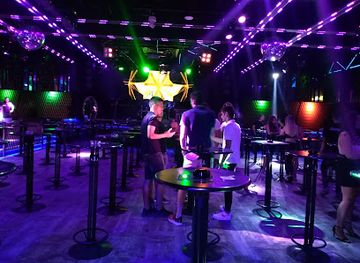
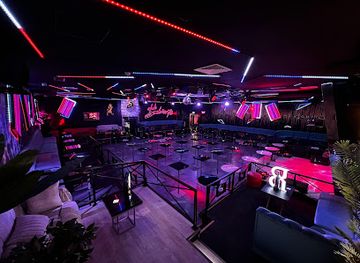
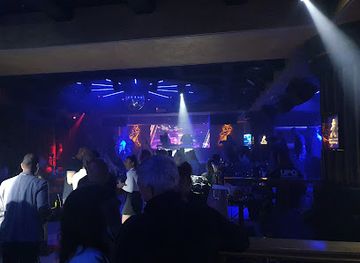
The Bar Riviera's evening life is seasonal and concentrated in Bar and Sutomore rather than spread evenly along the coast. Bar offers a relaxed mix of cafés, waterfront bars and restaurants, with activity often centred on the promenade and harbour area. Sutomore becomes considerably busier in summer, when beachside venues, cafés and informal music settings stay active into the evening. Dobra Voda and Utjeha are generally quieter, with evening entertainment more closely associated with restaurants and accommodation areas than with a dedicated nightlife district. Stari Bar has a slower, historic atmosphere suited to an early evening meal or drink near the old town, while visitors seeking a lively club scene should verify what is operating locally because seasonal venues and programmes can change from year to year.
-
Night club
Omnia
Experience the electrifying nightlife at Omnia, Budva's premier night club featuring world-class DJs and an unforgettable atmosphere.
-
Bar
The Clubhouse
Experience the vibrant atmosphere at The Clubhouse, a premier bar and lounge in Tivat, Montenegro, perfect for coffee, cocktails, and relaxation.
-
Disco club
Night Club Ambiente
Dance the night away at Night Club Ambiente, Budva's ultimate disco club, where vibrant atmosphere meets breathtaking Adriatic views.
-
Night club
Premium Palazzo night club
Discover the electrifying nightlife of Budva at Premium Palazzo Night Club, where music and energy blend for an unforgettable evening.

Best shops in Bar Riviera
Shopping is concentrated in Bar, with supermarkets, everyday shops, bakeries, market stalls and small independent retailers serving both residents and seasonal visitors. The town's markets are useful for fruit, vegetables and other local produce, while specialist shops and roadside sellers may offer olive oil, olives, honey, wine and regional foods associated with the surrounding agricultural landscape. Stari Bar has small visitor-oriented outlets near the historic area, where locally themed products and craft items may be available, though the selection is modest rather than comparable with a large city shopping district. Sutomore and the southern resorts have seasonal kiosks, beach goods and convenience shops, but retail choice varies outside the summer period. Visitors seeking substantial shopping should use Bar rather than expecting extensive facilities at a small cove or rural village.
-
Shopping mall
TQ Plaza
Discover shopping, dining, and entertainment at TQ Plaza, Budva's premier shopping mall offering a vibrant experience for every visitor.
-
Shopping mall
Shopping Centre Kamelija
Explore Shopping Centre Kamelija in Kotor, Montenegro, a vibrant hub of shopping, dining, and entertainment for an unforgettable experience.
-
Historical place museum
Old Town Bar
Experience the rich history and stunning architecture of Old Town Bar, a captivating destination in Montenegro that blends culture and beauty.
-
Shopping mall
Mall of Montenegro
Explore the Mall of Montenegro in Podgorica, a vibrant shopping destination with diverse stores, dining options, and entertainment for all ages.

Get your free copy of our complete guide to Bar Riviera, delivered straight to you.
Everything on this page, from attractions and restaurants to essentials and local phrases, in one PDF you can read offline, print or share.
Already have an account? Sign in
Your Bar Riviera guide is ready.
We'll send it to · Not you? Sign out

Getting your guide ready…
We are putting together a fresh copy of the Bar Riviera guide. This can take up to a minute.
This can take a few moments. If your browser asks, choose Allow so the download can start. You'll find the guide in your Downloads folder.
Nothing happened? Download it again
Sorry, the guide is taking longer than usual. Please try again in a minute, or get it by email instead.
Bar Riviera essentials
Currency and Payment
Safety
Emergency Situations
Do's and Don'ts
Local Tips
From Eve
Local phrases worth knowing
You don't need to get them perfect. A few words go a long way, and locals appreciate the effort.
Basics
| English | Local | Say it |
|---|---|---|
| Hello | Zdravo | [ZDRAH-voh] |
| Goodbye | Doviđenja | [doh-VEE-jen-ya] |
| Yes | Da | [dah] |
| No | Ne | [neh] |
| Please/You're welcome | Molim te | [MOH-leem teh] |
| Thank you | Hvala | [HVAH-lah] |
| Excuse me/Sorry | Izvinite | [EES-vee-nee-teh] |
| How are you? | Kako si? | [KAH-koh see] |
| Fine. And you? | Dobro. A ti? | [DOH-bro. ah tee] |
| Do you speak English? | Da li govorite engleski? | [dah lee goh-VOH-ree-teh ENG-lehs-kee] |
| I don't understand | Ne razumijem | [neh rah-ZOO-mee-yem] |
Eating & Drinking
| English | Local | Say it |
|---|---|---|
| I'd like to see the menu, please | Molio bih meni, molim | [MOH-lee-oh bee meh-nee, MOH-leem] |
| I don't eat meat | Ne jedem meso | [neh YEH-dem MEH-so] |
| Cheers! | Živeli! | [ZHEE-veh-lee] |
| I would like to pay, please | Želim da platim, molim | [ZHEH-leem dah PLAH-teem, MOH-leem] |
Emergencies
| English | Local | Say it |
|---|---|---|
| Help! | Pomoć! | [POH-mohtch] |
| Go away! | Idi odavde! | [EE-dee oh-DAHV-deh] |
| Call the Police! | Pozovite policiju! | [POH-zoh-vee-teh poh-LEE-tsee-yoo] |
| Call a doctor! | Pozovite doktora! | [POH-zoh-vee-teh DOHK-toh-rah] |
| I'm lost | Izgubio sam se | [EES-GOO-byoh sahm seh] |
| I'm ill | Bolestan sam | [boh-LEHS-tahn sahm] |
Shopping
| English | Local | Say it |
|---|---|---|
| I'd like to buy... | Htio bih kupiti... | [H-tee-oh bee KOOP-tee] |
| I'm just looking | Samo gledam | [SAH-moh GLEH-dahm] |
| How much is it? | Koliko košta? | [KOH-lee-koh KOSH-tah] |
| That's too expensive | To je previše skupo | [toh yeh preh-VEE-sheh SKOO-poh] |
| Can you lower the price? | Možete li spustiti cijenu? | [moh-ZHEH-teh lee SPOO-stee-tee TSEE-yeh-noo] |
Time & Numbers
| English | Local | Say it |
|---|---|---|
| What time is it? | Koliko je sati? | [KOH-lee-koh yeh SAH-tee] |
| It's one o'clock | Jedan je sat | [YEH-dahn yeh saht] |
| Half past (10) | Pola (deset) | [POH-lah (DEH-set)] |
| Morning | Jutro | [YOO-troh] |
| Afternoon | Popodne | [POH-pohd-neh] |
| Evening | Veče | [VEH-cheh] |
| Yesterday | Juče | [YOO-cheh] |
| Today | Danas | [DAH-nahs] |
| Tomorrow | Sutra | [SOO-trah] |
| 1 | Jedan | [YEH-dahn] |
| 2 | Dva | [dvah] |
| 3 | Tri | [tree] |
| 4 | Četiri | [CHEH-tee-ree] |
| 5 | Pet | [peht] |
| 6 | Šest | [shehst] |
| 7 | Sedam | [SEH-dahm] |
| 8 | Osam | [OH-sahm] |
| 9 | Devet | [DEH-veht] |
| 10 | Deset | [DEH-set] |
Transport & Directions
| English | Local | Say it |
|---|---|---|
| Where's a/the...? | Gdje je... | [gd-yeh yeh] |
| What's the address? | Koja je adresa? | [KO-yah yeh ah-DEH-sah] |
| Can you show me (on the map)? | Možete li mi pokazati (na karti)? | [moh-ZHEH-teh lee mee poh-KAH-zah-tee (nah KAHR-tee)] |
| When's the next (bus)? | Kada je sljedeći (autobus)? | [KAH-dah yeh SLYE-deh-chee (OW-toh-boos)] |
| A ticket (to ....) | Jednu kartu (za ....) | [YEH-dnoo KAHR-too (zah)] |
History of Bar Riviera
A Strategic Adriatic Landscape
The Bar area occupies a naturally important position between the Adriatic coast, the Rumija Mountains and the approaches to Lake Skadar. Its sheltered coastal plain and routes across the mountains helped connect the seaboard with the interior long before modern tourism. The ancient settlement that developed as Antibarium, later Bar, was associated with the wider Roman and medieval networks of the eastern Adriatic. The city's position also made it vulnerable to rivalry between regional powers, while the surrounding slopes supported agriculture, pastoral activity and the cultivation of olives.
Medieval Bar and Religious Heritage
Medieval Bar grew as a fortified urban and religious centre on the slopes below Mount Rumija, in the settlement now known as Stari Bar. The town's position offered defence and control of routes between the coast and inland Montenegro. Its churches, public buildings, defensive walls and narrow streets developed through successive periods of Byzantine, Serbian and later regional influence. The Roman Catholic Archdiocese of Bar, established in the Middle Ages, remains an important reminder of the area's position at a cultural meeting point between the Adriatic and the Balkan interior.
Venetian, Ottoman and Montenegrin Rule
Bar's history reflects the competing powers that shaped the eastern Adriatic. Venetian influence affected the coastal region, while Ottoman rule later extended over Stari Bar and left a lasting mark on its urban fabric and cultural history. The fortified town was repeatedly affected by conflict and earthquake damage, and its importance declined as political and commercial patterns changed. In 1878, Bar became part of the Principality of Montenegro following the decisions associated with the Congress of Berlin. The transition helped establish the town's modern place within the Montenegrin state.
The Rise of Modern Bar
Modern Bar developed on the coast below the old fortified town, gradually shifting the area's centre of gravity towards the shoreline. The construction of the Bar–Virpazar railway in the early twentieth century improved links with Lake Skadar and the interior, while the later Belgrade–Bar railway connected Montenegro's coast with Serbia. The port strengthened Bar's maritime and commercial role, distinguishing it from smaller resort settlements along the Riviera. As roads, accommodation and beach facilities expanded during the twentieth century, Sutomore and the southern coastal villages became increasingly associated with seasonal tourism.
Heritage, Olive Culture and Conservation
The Bar region's modern identity combines tourism with long-established agriculture and historic conservation. Olive cultivation remains especially important in the coastal landscape, exemplified by the ancient olive tree at Mirovica, traditionally linked with local heritage and communal memory. Stari Bar has been preserved as a major historic site, although the ruins remain an open, weather-exposed environment rather than a reconstructed medieval town. Contemporary visitors encounter a coastline shaped by roads, apartments and seasonal recreation alongside old stone settlements, working port activity, mountain terrain and agricultural traditions.
Bar Riviera in Photos
Browse through our photo collection highlighting the charm and character of the destination.
Cities in Bar Riviera
The towns and cities of Bar Riviera, and the easiest places to base yourself.
-

-

-

-

-

-


Swipe for more cities
Neighbouring destination travel guides
The closest destinations to Bar Riviera, if you have time for more than one.
-

-

-

-

-


Swipe for more destinations
Explore more

Explore more of Skadar Lake Region
Discover the Skadar Lake Region in Montenegro: a pristine natural haven where stunning landscapes, diverse wildlife, and rich cultural heritage await.
Explore Skadar Lake Region
Explore more of Montenegro
Discover Montenegro: A blend of stunning landscapes, rich history, and vibrant culture on the breathtaking Adriatic coast.
Explore Montenegro