

Free Nikšić Travel Guide & Mobile App
Plan your Nikšić trip with Evendo. Get free guides to top attractions, restaurants, hotels, and bars. Web access or download the mobile app.


Discover the charm of Nikšić, Montenegro's hidden gem, where history, culture, and natural beauty come together in perfect harmony.
Read more about Nikšić
When is the best time to visit Nikšić?
Best: May–June, September · 24–29°C| Month | High (°C) | Rainfall (mm) |
|---|---|---|
| January | 7 | 60 |
| February | 9 | 55 |
| March | 14 | 60 |
| April | 19 | 70 |
| May (best) | 24 | 80 |
| June (best) | 29 | 70 |
| July | 32 | 50 |
| August | 32 | 50 |
| September (best) | 27 | 70 |
| October | 20 | 90 |
| November | 14 | 90 |
| December | 8 | 70 |
Getting to and around Nikšić
How to get there
Transportation
Best attractions in Nikšić
Nikšić, a hidden gem in Montenegro, offers visitors a unique blend of history, culture, and natural beauty. Explore the ancient Ostrog Monastery perched on a cliff, visit the impressive Bedem Fortress, and wander through the charming streets of the Old Town. For outdoor enthusiasts, the nearby Durmitor National Park beckons with its rugged mountains, crystal-clear lakes, and endless hiking trails. Don't miss the chance to sample local delicacies at the bustling market or sip on a glass of wine at one of the vineyards dotting the countryside. With its rich heritage and stunning landscapes, Nikšić is a must-visit destination for any traveler seeking an authentic Montenegrin experience.
-
Monastery
Ostrog Orthodox Monastery
Explore the stunning Ostrog Orthodox Monastery, a spiritual gem in Montenegro offering breathtaking views and rich cultural heritage.
33 min drive · 13 km from city centre
-
Marina
Porto Montenegro
Discover the luxurious allure of Porto Montenegro, a premier marina and lifestyle destination on the stunning Adriatic coast.
1 h 3 min drive · 43 km from city centre
-
National park
Durmitor National Park
Explore the breathtaking landscapes of Durmitor National Park, a UNESCO World Heritage site in Montenegro, perfect for adventure and nature lovers.
1 h 11 min drive · 51 km from city centre
-
National park
Lovćen National Park
Explore the breathtaking landscapes and rich history of Lovćen National Park, a must-visit destination in Montenegro for nature lovers and adventurers alike.
1 h 3 min drive · 43 km from city centre
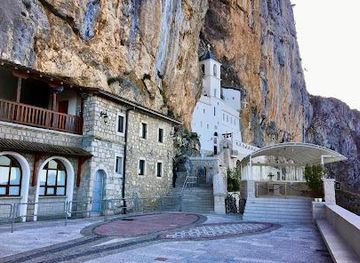


Best landmarks in Nikšić
Nikšić, Montenegro offers visitors a unique blend of historical and natural landmarks that will captivate and inspire. From the imposing Ottoman-era fortress of Bedem to the stunning beauty of the Tara River Canyon, there is something for every type of traveler. Explore the ancient ruins of the Roman settlement of Onogost, or immerse yourself in the cultural heritage of the Orthodox Monastery of Ostrog. For nature lovers, the pristine lakes of Krupac and Liverovići offer a peaceful retreat, while adventure seekers can tackle the rugged terrain of Mount Trebjesa. With its rich history and breathtaking scenery, Nikšić is a destination that promises to leave a lasting impression on all who visit.
-
Monastery
Ostrog Orthodox Monastery
Discover the breathtaking Ostrog Orthodox Monastery, a serene pilgrimage site in the cliffs of Montenegro, blending spirituality and stunning architecture.
33 min drive · 13 km from city centre
-
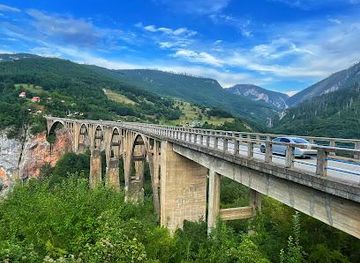
Bridge
Đurđevića Tara Bridge
Experience the breathtaking views and thrilling adventures at Đurđevića Tara Bridge, Montenegro's iconic architectural marvel over the Tara River gorge.
1 h 11 min drive · 51 km from city centre
-
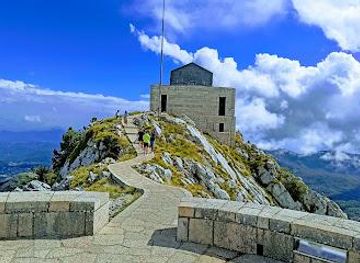
Historical landmark
Маузолеј Петра II Петровића Његоша
Discover the Mausoleum of Petar II Petrović Njegoš, a historical landmark in Montenegro offering breathtaking views and rich cultural heritage.
1 h 2 min drive · 42 km from city centre
-
Restaurant
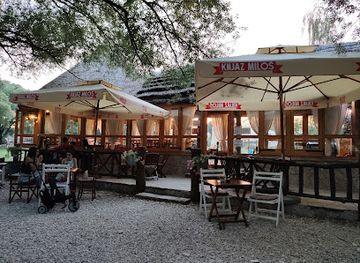
Manitovac
Discover the essence of Montenegrin cuisine at Manitovac, a top restaurant in Nikšić, known for its local flavors and inviting atmosphere.
5 min drive · 1.7 km from city centre


Explore Nikšić on the map
Plan your Nikšić trip on one map. See where the top attractions, landmarks, restaurants, bars and hotels are, find what's near where you're staying, and book hotels and experiences in a few clicks.
Best hotels in Nikšić
Best restaurants in Nikšić
Nikšić offers a diverse dining scene for visitors, with a mix of traditional Montenegrin cuisine and international flavors. From cozy family-owned restaurants serving up hearty dishes like grilled meats and seafood to trendy cafes and bars offering fusion cuisine and craft cocktails, there is something for every palate. Don't miss the chance to taste local specialties like cicvara, priganice, and smoked ham, all while enjoying the warm hospitality of the Nikšić locals. Whether you're looking for a casual meal or a fine dining experience, Nikšić has it all.
-
Restaurant
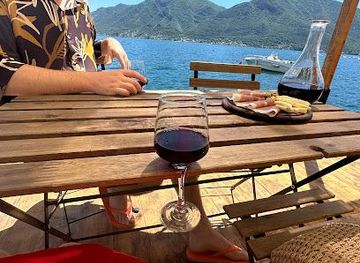
Bajova Kula
Seaside seafood haven in Kotor Bay: fine dining, pebble beach lounging, and crystalline waters framed by Montenegro's majestic peaks—a perfect blend of flavor and fjord serenity.
56 min drive · 36 km from city centre
-
Restaurant
Manitovac
Discover Manitovac in Nikšić - where traditional Montenegrin cuisine meets warm hospitality in a charming setting.
5 min drive · 1.7 km from city centre
-
Wine bar
Underwater wine cellar Kraken Kotor
Dive into innovation: taste wines aged by the sea in Montenegro's only underwater cellar.
56 min drive · 36 km from city centre
-
Restaurant
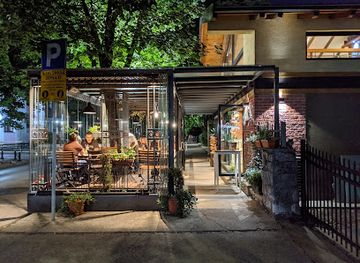
Pekara
Discover Pekara in Niksic: A charming bakery and restaurant offering delicious pastries and pizzas at affordable prices.
7 min walk · 0.6 km from city centre
Best bars in Nikšić
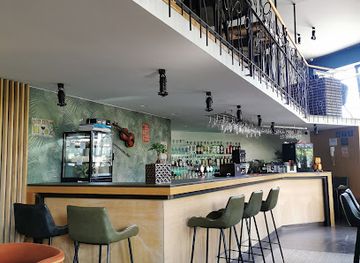
Nikšić offers a vibrant and diverse nightlife scene for visitors to enjoy. From lively bars serving up local wines and craft beers to pulsating nightclubs with top DJs spinning the latest hits, there is something for everyone to experience. Whether you prefer intimate lounges with live music or energetic dance floors that go late into the night, Nikšić has it all. The friendly locals and welcoming atmosphere make it easy for tourists to make new friends and create unforgettable memories in this hidden gem of a city.
-
Bar
Propaganda bar
Discover Propaganda Bar in Nikšić, where cozy ambiance meets vibrant nightlife in the heart of Montenegro.
4 min walk · 0.3 km from city centre
-
Restaurant
Lounge Bar Piatto
Discover the exquisite flavors of Niksic at Lounge Bar Piatto, where culinary creativity meets a cozy lounge atmosphere.
10 min walk · 0.8 km from city centre
-
Art cafe
Blues Brothers Bar
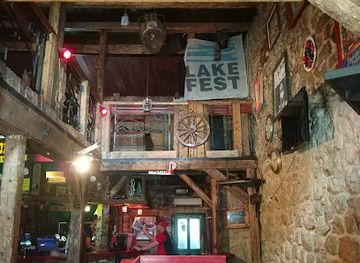
Discover the artistic and culinary delights at Blues Brothers Bar in Nikšić, a pet-friendly cafe perfect for lunch and relaxation.
4 min walk · 0.4 km from city centre
-
Restaurant
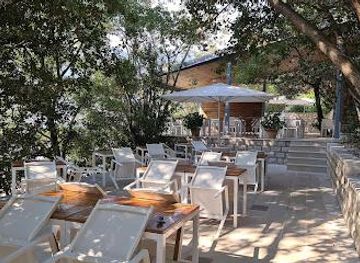
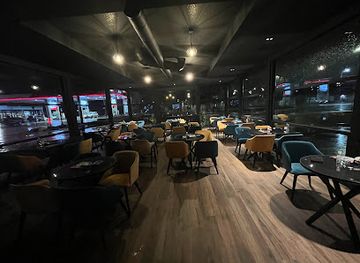
Forest Lounge Bar
Experience the enchanting ambiance and delightful cuisine at Forest Lounge Bar in Nikšić, Montenegro, where every meal is a celebration.
7 min walk · 0.5 km from city centre


Best nightclubs in Nikšić
Nikšić offers a vibrant and diverse nightlife scene for visitors to enjoy. From lively bars serving up local wines and craft beers to pulsating nightclubs with top DJs spinning the latest hits, there is something for everyone to experience. Whether you prefer intimate lounges with live music or energetic dance floors that go late into the night, Nikšić has it all. The friendly locals and welcoming atmosphere make it easy for tourists to make new friends and create unforgettable memories in this hidden gem of a city.
-
Pub
Nk Pub
Discover Nk Pub in Nikšić: A lively, affordable pub offering a taste of local culture and a warm atmosphere for all visitors.
6 min walk · 0.5 km from city centre
-
Pub
The House Pub
Discover the lively atmosphere of The House Pub in Nikšić, a perfect blend of local culture, delightful cuisine, and refreshing drinks.
4 min walk · 0.3 km from city centre
-
Night club
Montenegro Pub
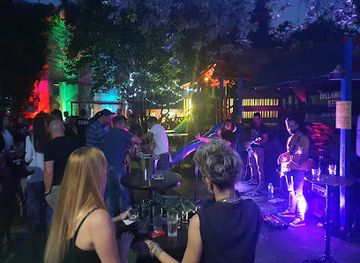
Discover the vibrant nightlife of Montenegro at the Montenegro Pub, an electrifying night club in Nikšić with great music and a lively atmosphere.
7 min walk · 0.6 km from city centre
-
Bar
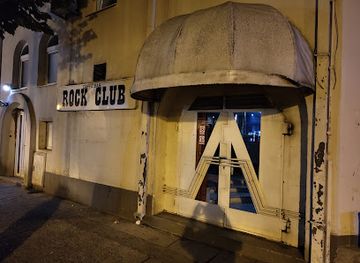
ROCK CLUB
Discover the lively ambiance of ROCK CLUB, Nikšić's premier bar for music, drinks, and unforgettable nightlife experiences.
4 min walk · 0.3 km from city centre
Best shops in Nikšić
Nikšić offers a unique shopping experience to visitors, with a blend of traditional markets and modern boutiques. Explore the bustling streets filled with local vendors selling handmade crafts, artisanal products, and delicious Montenegrin delicacies. Don't miss the opportunity to browse through antique shops for one-of-a-kind souvenirs and immerse yourself in the rich cultural heritage of the city. From vibrant outdoor markets to chic shopping centers, Nikšić has something for every shopping enthusiast.
-
Supermarket
VOLI
Discover the best of Montenegro's local flavors at VOLI Supermarket in Tivat, where quality meets convenience for every traveler.
1 h 7 min drive · 47 km from city centre
-
Shopping mall
Shopping mall Nikšić
Experience the best of shopping, dining, and entertainment at Nikšić Shopping Mall in Montenegro, where every visit is an adventure.
6 min walk · 0.5 km from city centre
-
Sporting goods store
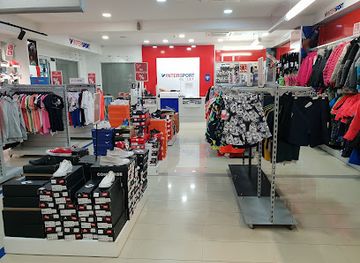
INTERSPORT Outlet-Niksic
Shop the latest in sporting goods and apparel at INTERSPORT Outlet-Niksic, your one-stop destination for all things sport in Montenegro.
4 min walk · 0.3 km from city centre
-
Store
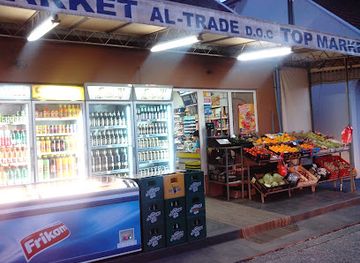
Al Trade - Top Market
Explore Al Trade - Top Market in Nikšić for a delightful shopping experience filled with local products and friendly service.
13 min walk · 1.0 km from city centre


Get your free copy of our complete guide to Nikšić, delivered straight to you.
Everything on this page, from attractions and restaurants to essentials and local phrases, in one PDF you can read offline, print or share.
Already have an account? Sign in
Your Nikšić guide is ready.
We'll send it to · Not you? Sign out

Getting your guide ready…
We are putting together a fresh copy of the Nikšić guide. This can take up to a minute.
This can take a few moments. If your browser asks, choose Allow so the download can start. You'll find the guide in your Downloads folder.
Nothing happened? Download it again
Sorry, the guide is taking longer than usual. Please try again in a minute, or get it by email instead.
Nikšić essentials
Currency and Payment
Safety
Emergency Situations
Do's and Don'ts
Local Tips
From Eve
Local phrases worth knowing
You don't need to get them perfect. A few words go a long way, and locals appreciate the effort.
Basics
| English | Local | Say it |
|---|---|---|
| Hello | Zdravo | [zdrah-voh] |
| Goodbye | Doviđenja | [doh-vee-jeh-nyah] |
| Yes | Da | [dah] |
| No | Ne | [neh] |
| Please/You're welcome | Molim | [moh-leem] |
| Thank you | Hvala | [hvah-lah] |
| Excuse me/Sorry | Izvinite | [eez-vee-nee-teh] |
| How are you? | Kako si? | [kah-koh see] |
| Fine. And you? | Dobro. A ti? | [doh-broh. ah tee] |
| Do you speak English? | Govorite li engleski? | [goh-voh-ree-teh lee ehn-glehs-kee] |
| I don't understand | Ne razumijem | [neh rah-zoo-mee-yem] |
Eating & Drinking
| English | Local | Say it |
|---|---|---|
| I'd like to see the menu, please | Mogu li vidjeti meni, molim | [moh-goo lee vee-dyeh-tee meh-nee, moh-leem] |
| I don't eat meat | Ne jedem meso | [neh yeh-dehm meh-soh] |
| Cheers! | Živjeli! | [zhee-vyeh-lee] |
| I would like to pay, please | Mogu li platiti, molim | [moh-goo lee plah-tee-tee, moh-leem] |
Emergencies
| English | Local | Say it |
|---|---|---|
| Help! | Pomoć! | [poh-moh-ch] |
| Go away! | Otiđi! | [oh-tee-jee] |
| Call the Police! | Pozovite policiju! | [poh-zoh-vee-teh poh-lee-tsee-yoo] |
| Call a doctor! | Pozovite doktora! | [poh-zoh-vee-teh dohk-toh-rah] |
| I'm lost | Izgubio/la sam se | [eez-goo-byoh/lah sahm seh] |
| I'm ill | Bolestan/sna sam | [boh-leh-stahn/snah sahm] |
Shopping
| English | Local | Say it |
|---|---|---|
| I'd like to buy... | Želim kupiti... | [zheh-leem koo-pee-tee] |
| I'm just looking | Samo gledam | [sah-moh gleh-dahm] |
| How much is it? | Koliko košta? | [koh-lee-koh koh-shta] |
| That's too expensive | To je preškupo | [toh yeh preh-shkoo-poh] |
| Can you lower the price? | Možete li spustiti cijenu? | [moh-zheh-teh lee spoo-stee-tee tsee-yeh-noo] |
Time & Numbers
| English | Local | Say it |
|---|---|---|
| What time is it? | Koliko je sati? | [koh-lee-koh yeh sah-tee] |
| It's one o'clock | Jedan je sat | [yeh-dahn yeh saht] |
| Half past (10) | Pola (deset) | [poh-lah (deh-seht)] |
| Morning | Jutro | [yoo-troh] |
| Afternoon | Popodne | [poh-pohd-neh] |
| Evening | Veče | [veh-cheh] |
| Yesterday | Juče | [yoo-cheh] |
| Today | Danas | [dah-nahs] |
| Tomorrow | Sutra | [soo-trah] |
| 1 | Jedan | [yeh-dahn] |
| 2 | Dva | [dvah] |
| 3 | Tri | [tree] |
| 4 | Četiri | [cheh-tee-ree] |
| 5 | Pet | [peht] |
| 6 | Šest | [shehst] |
| 7 | Sedam | [seh-dahm] |
| 8 | Osam | [oh-sahm] |
| 9 | Devet | [deh-veht] |
| 10 | Deset | [deh-seht] |
Transport & Directions
| English | Local | Say it |
|---|---|---|
| Where's a/the...? | Gdje je...? | [gd-yeh yeh] |
| What's the address? | Koja je adresa? | [koh-yah yeh ah-deh-srah] |
| Can you show me (on the map)? | Možete li mi pokazati (na karti)? | [moh-zheh-teh lee mee poh-kah-zah-tee nah kahr-tee] |
| When's the next (bus)? | Kada je sledeći (autobus)? | [kah-dah yeh sleh-deh-chee ow-toh-boos] |
| A ticket (to ....) | Jedna karta (za ....) | [yeh-dnah kahr-tah zah] |
History of Nikšić
Illyrian and Roman Period
The area around Nikšić has been inhabited since prehistoric times, with archaeological evidence suggesting the presence of the Illyrian tribe called the Docleatae. During the Roman Empire, the region was integrated into the province of Dalmatia. The Romans established a settlement known as Anderba, which served as a strategic point for controlling the surrounding area.
Medieval Era
In the medieval period, Nikšić was known as Onogošt, a significant stronghold and trading post in the region. The town played a pivotal role in the defense against various incursions and conflicts, including battles against the Byzantine Empire and the Ottoman Turks. The Onogošt Fortress, remnants of which can still be seen today, served as a critical defense structure during this time.
Ottoman Rule
Nikšić fell under Ottoman control in the late 15th century, which brought significant changes to the region's cultural and social landscape. The Ottomans introduced Islamic culture and architecture, evident in the mosques and hamams that were built during this period. Despite the long period of Ottoman rule, local resistance and uprisings were common as the people of Nikšić strived to preserve their identity and autonomy.
19th Century and Independence
The 19th century was a period of significant upheaval and change for Nikšić. The town was liberated from Ottoman rule during the Montenegrin-Ottoman War (1876-1878). Following the Berlin Congress in 1878, Nikšić was officially recognized as part of the Principality of Montenegro. During this period, the town began to modernize and expand, with the construction of new public buildings, schools, and infrastructure.
20th Century: World Wars and Yugoslavia
Nikšić experienced significant turmoil during the 20th century, particularly during the World Wars. During World War I, the town was occupied by Austro-Hungarian forces. In World War II, Nikšić became a focal point of resistance against Axis occupation, with numerous battles and significant destruction. After the war, Nikšić became part of the Socialist Federal Republic of Yugoslavia, leading to a period of industrialization and growth. The construction of the Nikšić Steel Plant and other industrial facilities marked a new era of economic development.
Post-Yugoslav Era and Modern Day
Following the breakup of Yugoslavia in the early 1990s, Nikšić became part of the newly independent Montenegro. The town has since focused on rebuilding and modernizing its infrastructure. Today, Nikšić is known for its vibrant cultural scene, including the famous Lake Krupac, which hosts numerous festivals and events. The town balances its rich historical heritage with modern development, making it a unique destination for visitors.
Travel experiences inspired by this city


Swipe for more travel diaries
Nikšić in Photos
Browse through our photo collection highlighting the charm and character of the destination.
Cities near Nikšić
The closest cities to Nikšić, if you have time for more than one stop.
-

-

-

-
-


Swipe for more cities
Explore more
Explore more of Montenegro
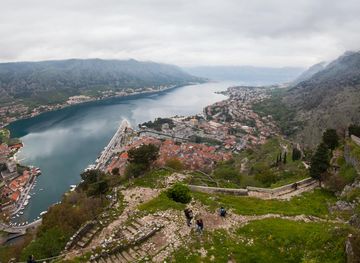
Discover Montenegro: A blend of stunning landscapes, rich history, and vibrant culture on the breathtaking Adriatic coast.
Explore Montenegro