

Free Prokletije Travel Guide & Mobile App
Explore Prokletije with free travel guides. Discover regional history, expert tips, proposed trips, and audio guides on web or mobile app.


Explore Prokletije in Montenegro for alpine valleys, glacial lakes, traditional mountain towns and demanding trails in a dramatic borderland landscape.
Read more about Prokletije
When is the best time to visit Prokletije?
Best: June–August · 20–23°C| Month | High (°C) | Rainfall (mm) |
|---|---|---|
| January | 2 | 90 |
| February | 3 | 80 |
| March | 7 | 90 |
| April | 11 | 100 |
| May | 16 | 110 |
| June (best) | 20 | 100 |
| July (best) | 23 | 90 |
| August (best) | 23 | 90 |
| September | 18 | 100 |
| October | 14 | 110 |
| November | 8 | 100 |
| December | 3 | 90 |
Getting to and around Prokletije
How to get there
Transportation
Destinations in Prokletije
Resorts, valleys and scenic spots worth a trip of their own.

Swipe for more destinations
Best attractions in Prokletije
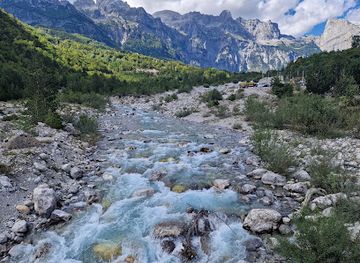
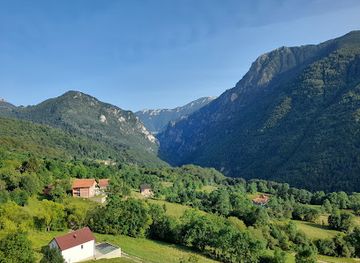
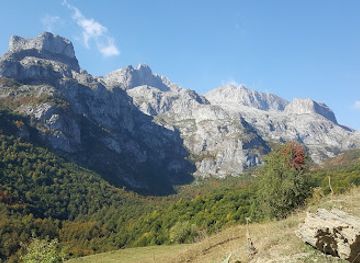
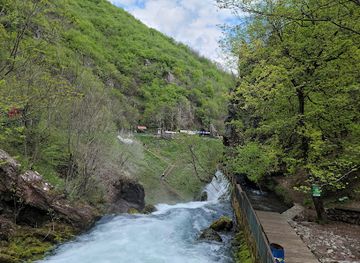
Prokletije’s attractions are primarily landscapes and outdoor experiences rather than enclosed visitor sites. Prokletije National Park offers walking through beech and conifer forest, open alpine meadows, limestone valleys and high terrain shaped by glaciers and karst. The Grebaje Valley is one of the most accessible scenic areas, with imposing rock walls and trails suited to a range of abilities, while the Ropojana Valley leads into a wilder mountain setting near the border. Hridsko Lake is a rewarding but strenuous objective for experienced hikers. Around Gusinje, the Ali Pasha Springs and Grlja Waterfall provide shorter natural excursions, while Lake Plav supports lakeside walks, viewpoints and quiet water-based recreation. Plav and Gusinje add cultural interest through mosques, churches, old houses and local food traditions. Visitors seeking more demanding activities can find mountaineering, climbing and long-distance trekking, but should treat routes as serious mountain journeys rather than casual park walks.
-
National park
Theth National Park
Explore the breathtaking beauty and rich biodiversity of Theth National Park, a hidden gem in the Albanian Alps, perfect for adventure and relaxation.
-
National park
Bjeshkët e Nemuna National Park
Explore the stunning landscapes and rich biodiversity of Bjeshkët e Nemuna National Park, a must-visit destination for outdoor enthusiasts in Kosovo.
-
National park
Valbona Valley National Park
Explore the breathtaking beauty of Valbona Valley National Park, a natural paradise in the heart of the Albanian Alps, perfect for outdoor adventures and serene escapes.
-
Nature preserve
White Drin Waterfall
Experience the breathtaking beauty of White Drin Waterfall, a serene nature preserve perfect for adventure seekers and nature lovers.
Best landmarks in Prokletije
Lake Plav is the region’s most recognisable geographical landmark, a broad body of water at the foot of the mountains that gives the town its setting and reflects the relationship between the Lim valley and the surrounding peaks. The rock walls of Grebaje Valley form another defining landmark, rising abruptly around a narrow alpine basin and providing one of Montenegro’s clearest views of Prokletije’s limestone architecture. Hridsko Lake, set at high elevation within the national park, is valued for its remote setting and its place in local mountain lore, although reaching it requires a demanding hike. Near Gusinje, the Ali Pasha Springs and Grlja Waterfall reveal the region’s abundant karst water systems. In the settlements themselves, mosques, churches, old stone and timber houses, and historic bridges express the layered religious and commercial history of this frontier valley. The combined effect is a landscape where natural formations carry as much visual and cultural significance as built monuments.
-
Monastery
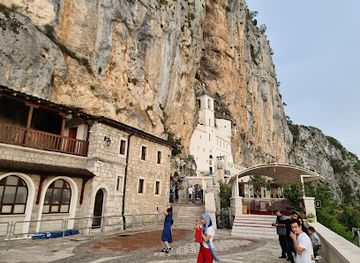
Ostrog Orthodox Monastery
Experience the serenity and architectural beauty of Ostrog Orthodox Monastery, a spiritual gem nestled in Montenegro's breathtaking landscape.
-
Historical landmark
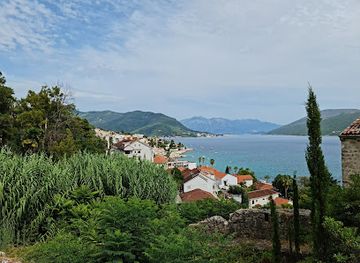
Old Town
Discover the historical charm of Old Town Herceg Novi, where cobblestone streets meet stunning coastal views in Montenegro's captivating gem.
-
National park
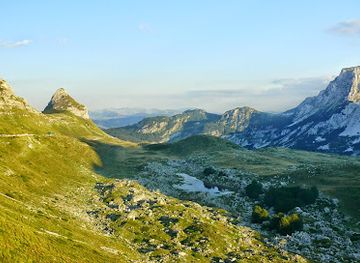
Durmitor National Park
Explore the unspoiled beauty of Durmitor National Park, Montenegro's natural wonder with breathtaking landscapes and endless outdoor adventures.
-
National park
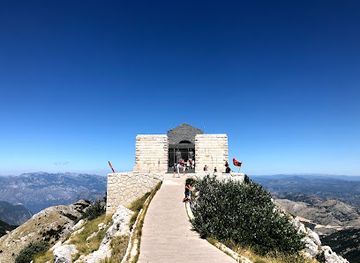
Lovćen National Park
Experience the breathtaking landscapes and rich cultural heritage of Lovćen National Park, a must-visit destination for nature lovers in Montenegro.
Explore Prokletije on the map
Plan your trip on one map. See where the top cities, national parks and sights are, and book hotels and experiences in a few clicks.
Best hotels in Prokletije
Best restaurants in Prokletije
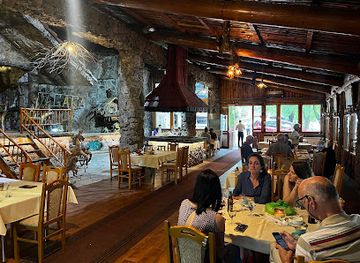
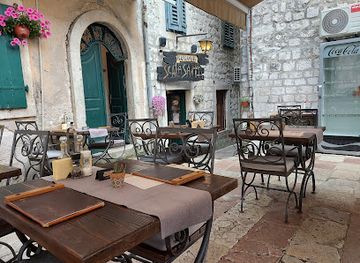
Dining in Prokletije is rooted in the food of Montenegro’s north-eastern mountains and the region’s mixed cultural heritage. Restaurants and family-run establishments in Plav and Gusinje commonly serve grilled meat, trout from local waters, soups, fresh salads, bread, potatoes and dairy products. Traditional dishes such as kačamak, a hearty cornmeal and potato preparation, and cicvara may appear alongside lamb, veal and homemade cheese. Priganice, small fried dough pieces often served with cheese, honey or preserves, are associated with the wider Montenegrin and Balkan culinary tradition and make a substantial breakfast or snack. Rural households and guesthouses may offer seasonal berries, forest mushrooms and produce from smallholdings when available. Dining is generally informal, with the most distinctive meals often found through accommodation hosts or local cafés rather than formal gastronomic restaurants. Plav’s lakeside setting can add trout and valley views, while Gusinje provides a useful base for simple traditional meals before or after mountain excursions.
-
Restaurant
BBQ Tanjga
Experience authentic Montenegrin barbecue at BBQ Tanjga in Kotor - where flavors meet stunning views.
-
Restaurant
Restoran Niagara
Discover exquisite local flavors at Restoran Niagara in Podgorica – a culinary haven for every food lover.
-
Restaurant
Konoba Scala Santa
Experience authentic Montenegrin cuisine with stunning views at Konoba Scala Santa in Kotor's picturesque Bay.
-
Restaurant
Grill House Roštiljijada
Discover the flavors of Montenegro at Grill House Roštiljijada – where exceptional grilled cuisine meets warm hospitality.


Best bars in Prokletije
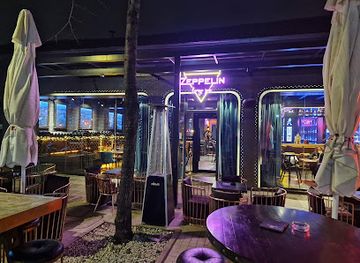
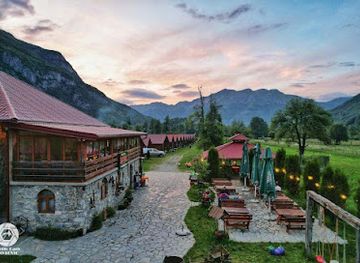
Nightlife in Prokletije is quiet and concentrated in Plav and Gusinje rather than spread through the national park. Evenings usually centre on cafés, traditional restaurants and small bars where residents meet for coffee, conversation and drinks, with a slower pace than Montenegro’s coastal resorts. During the hiking season, guesthouses and mountain lodges may provide informal evening gatherings, but they should not be assumed to operate as late-night venues. There is little reason to expect a large nightclub scene or fixed entertainment programme in the valleys. Local beer, wine, spirits and coffee are available in established town venues, while some restaurants serve regional dishes into the evening. In remote areas, the practical evening experience is often a home-cooked meal, conversation with hosts and an early night before a mountain walk. Check local arrangements directly because seasonal opening patterns can change.
-
Lounge
Zeppelin Lounge Bar & Pub
Discover the vibrant ambiance of Zeppelin Lounge Bar & Pub in Podgorica, where delightful cocktails and a lively atmosphere await.
-
Restaurant
Eko Katun ROSI - Old Tower
Explore the essence of Montenegrin culture at Eko Katun ROSI - Old Tower, where traditional cuisine meets rich history in a breathtaking setting.
-
Bar
Itaka Library Bar
Experience the unique blend of literature and mixology at Itaka Library Bar in Podgorica, a cozy retreat for book lovers and socialites alike.
-
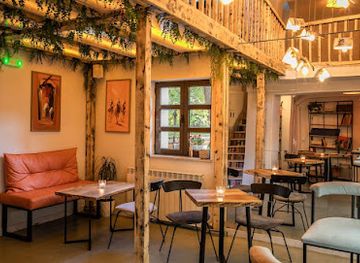
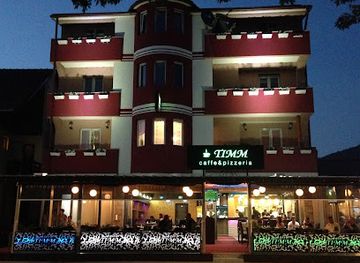
Restaurant
Caffe & Restuarant TIMM
Experience authentic Montenegrin cuisine at Caffe & Restaurant TIMM in Plav, where every meal is a celebration of local flavors and warm hospitality.
Best nightclubs in Prokletije
Nightlife in Prokletije is quiet and concentrated in Plav and Gusinje rather than spread through the national park. Evenings usually centre on cafés, traditional restaurants and small bars where residents meet for coffee, conversation and drinks, with a slower pace than Montenegro’s coastal resorts. During the hiking season, guesthouses and mountain lodges may provide informal evening gatherings, but they should not be assumed to operate as late-night venues. There is little reason to expect a large nightclub scene or fixed entertainment programme in the valleys. Local beer, wine, spirits and coffee are available in established town venues, while some restaurants serve regional dishes into the evening. In remote areas, the practical evening experience is often a home-cooked meal, conversation with hosts and an early night before a mountain walk. Check local arrangements directly because seasonal opening patterns can change.
-
Bar
The Clubhouse
Experience the vibrant atmosphere of The Clubhouse in Tivat, where coastal elegance meets a lively bar scene with stunning marina views.
-
Bar
Klub Invalida
Discover the vibrant atmosphere of Klub Invalida, a budget-friendly bar in Kotor, perfect for enjoying local drinks and friendly encounters.
-
Disco club
Club Maximus
Dive into Kotor's vibrant nightlife at Club Maximus, a premier disco club with electrifying music and an unforgettable atmosphere.
-
Night club
Montenegro Pub
Dive into the nightlife of Nikšić at Montenegro Pub, a lively night club offering an unforgettable experience of music, dance, and local culture.


Best shops in Prokletije
Shopping in Prokletije is modest and local rather than centred on large retail districts. Plav and Gusinje are the most useful places for everyday supplies, outdoor provisions and small gifts, with independent shops and cafés concentrated around their town centres. Look for mountain products such as local cheese, honey, preserves, dried herbs and seasonal fruit when sold through reputable producers or accommodation hosts. Traditional woollen goods, woven textiles and simple handicrafts may be available from local makers, although selection and availability vary by season. Small markets and informal produce stalls can appear in the towns, but visitors should not assume that a particular market operates on a fixed schedule without checking locally. Shops connected with outdoor activities may carry basic walking supplies, yet serious hikers should bring specialist equipment from a larger Montenegrin city. The most meaningful purchases tend to be food products and locally made items that support small producers rather than generic souvenirs.
-
Shopping mall
Shopping Centre Kamelija
Discover Shopping Centre Kamelija: your ultimate shopping and dining destination in Kotor, Montenegro, blending local charm with modern retail.
-
Shopping mall
Mall of Montenegro
Discover the vibrant shopping experience at Mall of Montenegro, where fashion, food, and fun come together in Podgorica.
-
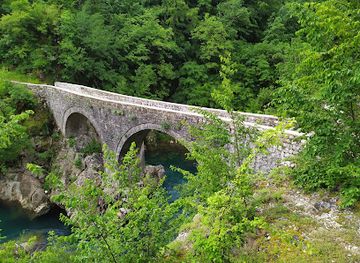
Tourist attraction
Danilov most
Experience the serene beauty of Danilov Most, a stunning bridge in Kolašin, Montenegro offering breathtaking views and tranquil surroundings.
-
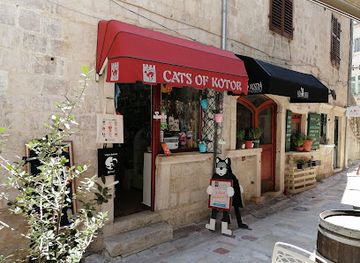
Souvenir store
Cats Of Kotor
Explore the whimsical Cats of Kotor, a souvenir store dedicated to the beloved felines of Kotor, offering unique gifts and local artistry.

Get your free copy of our complete guide to Prokletije, delivered straight to you.
Everything on this page, from attractions and restaurants to essentials and local phrases, in one PDF you can read offline, print or share.
Already have an account? Sign in
Your Prokletije guide is ready.
We'll send it to · Not you? Sign out

Getting your guide ready…
We are putting together a fresh copy of the Prokletije guide. This can take up to a minute.
This can take a few moments. If your browser asks, choose Allow so the download can start. You'll find the guide in your Downloads folder.
Nothing happened? Download it again
Sorry, the guide is taking longer than usual. Please try again in a minute, or get it by email instead.
Prokletije essentials
Currency and Payment
Safety
Emergency Situations
Do's and Don'ts
Local Tips
From Eve
Local phrases worth knowing
You don't need to get them perfect. A few words go a long way, and locals appreciate the effort.
Basics
| English | Local | Say it |
|---|---|---|
| Hello | Zdravo | [zdra-vo] |
| Goodbye | Doviđenja | [do-vi-đen-ya] |
| Yes | Da | [da] |
| No | Ne | [ne] |
| Please/You’re welcome | Molim/ Nema na čemu | [mo-lim/ ne-ma na che-mu] |
| Thank you | Hvala | [hva-la] |
| Excuse me/Sorry | Izvinite | [iz-vi-ni-te] |
| How are you? | Kako ste? | [ka-ko ste] |
| Fine. And you? | Dobro. A vi? | [do-bro. a vi] |
| Do you speak English? | Da li govorite engleski? | [da li go-vo-ri-te en-gles-ki] |
| I don't understand | Ne razumem | [ne ra-zu-mem] |
Eating & Drinking
| English | Local | Say it |
|---|---|---|
| I’d like to see the menu, please | Želeo bih da vidim meni, molim | [zhe-le-o bih da vi-dim me-ni, mo-lim] |
| I don't eat meat | Ne jedem meso | [ne ye-dem me-so] |
| Cheers! | Živeli! | [zhi-ve-li] |
| I would like to pay, please | Želeo bih da platim, molim | [zhe-le-o bih da pla-tim, mo-lim] |
Emergencies
| English | Local | Say it |
|---|---|---|
| Help! | Upomoć! | [u-po-moć] |
| Go away! | Odlazi! | [od-la-zi] |
| Call the Police! | Pozovite policiju! | [po-zo-vi-te po-li-ci-ju] |
| Call a doctor! | Pozovite doktora! | [po-zo-vi-te dok-to-ra] |
| I’m lost | Izgubio sam se | [iz-gu-bi-o sam se] |
| I’m ill | Bolestan sam | [bo-les-tan sam] |
Shopping
| English | Local | Say it |
|---|---|---|
| I’d like to buy... | Želeo bih da kupim... | [zhe-le-o bih da ku-pim] |
| I’m just looking | Samo gledam | [sa-mo gle-dam] |
| How much is it? | Koliko košta? | [ko-li-ko koshta] |
| That’s too expensive | To je preskupo | [to ye pre-sku-po] |
| Can you lower the price? | Možete li spustiti cenu? | [mo-zhe-te li spu-sti-ti tse-nu] |
Time & Numbers
| English | Local | Say it |
|---|---|---|
| What time is it? | Koliko je sati? | [ko-li-ko ye sa-ti] |
| It’s one o'clock | Jedan je sat | [ye-dan ye sat] |
| Half past (10) | Polovinu (10) | [po-lo-vi-nu (10)] |
| Morning | Jutro | [yu-tro] |
| Afternoon | Popodne | [po-pod-ne] |
| Evening | Veče | [ve-che] |
| Yesterday | Juče | [yu-che] |
| Today | Danas | [da-nas] |
| Tomorrow | Sutra | [su-tra] |
| 1 | Jedan | [ye-dan] |
| 2 | Dva | [dva] |
| 3 | Tri | [tri] |
| 4 | Četiri | [che-ti-ri] |
| 5 | Pet | [pet] |
| 6 | Šest | [shest] |
| 7 | Sedam | [se-dam] |
| 8 | Osam | [o-sam] |
| 9 | Devet | [de-vet] |
| 10 | Deset | [de-set] |
Transport & Directions
| English | Local | Say it |
|---|---|---|
| Where's a/the...? | Gde je...? | [gde ye] |
| What's the address? | Koja je adresa? | [ko-ja ye a-dre-sa] |
| Can you show me (on the map)? | Možete li mi pokazati (na mapi)? | [mo-zhe-te li mi po-ka-za-ti (na ma-pi)] |
| When's the next (bus)? | Kada je sledeći (autobus)? | [ka-da ye sle-de-ći (au-to-bus)] |
| A ticket (to ....) | Jedna karta (do ...) | [yed-na kar-ta (do ...)] |
History of Prokletije
Ancient and Medieval Borderlands
The valleys around present-day Plav and Gusinje have long connected the Adriatic hinterland with the interior Balkans. Illyrian communities occupied the wider mountain zone before Roman rule brought roads, administrative influence and new trading links to the region. In the medieval period, the area lay within shifting spheres of influence associated with Serbian and later regional Balkan states. Direct evidence is more visible in the wider landscape than in monumental urban remains, but the enduring importance of mountain passes and river valleys helps explain why this apparently remote territory repeatedly became a frontier between political and cultural powers.
Ottoman Rule and Gusinje’s Trading Role
Ottoman authority became decisive in the region from the late medieval and early modern periods, shaping administration, settlement and religious life. Gusinje developed as a local commercial and administrative centre, while Plav and the surrounding villages became part of a diverse frontier society that included Muslim and Christian communities. Mosques, churches, old houses and place names reflect this layered past. The Ottoman period also strengthened links between the Lim valley, northern Albanian lands and markets farther west, although high mountain communities continued to rely heavily on livestock, forestry and seasonal movement.
Pastoralism and the Katun Tradition
For centuries, families in the Prokletije foothills moved livestock between valley settlements and high summer pastures known as katuns. This seasonal economy used the mountain meadows for grazing during warmer months and tied villages to a wider network of paths, springs and shelters. Pastoralism has declined as a dominant livelihood, but its imprint remains in meadow clearings, traditional buildings, local dairy production and the routes followed by walkers. The practice is part of a broader Balkan mountain culture shared, with local variations, across the borders of Montenegro, Albania and Kosovo.
The Balkan Wars and New State Borders
The early twentieth century brought major political change to Plav and Gusinje as Ottoman rule receded and the region was incorporated into the Kingdom of Montenegro before becoming part of the Kingdom of Serbs, Croats and Slovenes after the First World War. The Balkan Wars and subsequent border-making divided established economic and family connections across what are now Montenegro, Albania and Kosovo. These changes transformed the meaning of local passes and reduced some traditional cross-mountain movement, while the settlements remained culturally diverse and strategically important.
Yugoslav Period and Post-war Change
During the twentieth century, the area formed part of Yugoslavia and later the Socialist Republic of Montenegro. Industrialisation was limited compared with the country’s urban and coastal zones, so forestry, livestock, small-scale agriculture and seasonal migration remained important. The creation of roads and public services improved links with the rest of Montenegro, but many villages experienced depopulation as residents moved towards larger towns or abroad. The region’s cultural mixture and cross-border family ties survived these political changes, even as international borders became more formal and controlled.
Prokletije National Park and Sustainable Tourism
Prokletije National Park was established in 2009 to protect a large section of Montenegro’s south-eastern mountain environment, including forests, alpine habitats, karst formations, lakes and culturally important landscapes. Its creation reflected growing recognition of the area’s ecological and scenic value and provided a framework for hiking, mountaineering and nature-based tourism. Tourism remains smaller in scale than on Montenegro’s coast, which is an important part of the region’s character, but it also means that infrastructure, trail maintenance and visitor services can be limited in remote valleys.
Prokletije in Photos
Browse through our photo collection highlighting the charm and character of the destination.
Neighbouring regions of Prokletije
The closest regions to Prokletije, if you have time for more than one.
-

-

-

-

-


Swipe for more regions
Explore more
Explore more of Montenegro
Discover Montenegro: A blend of stunning landscapes, rich history, and vibrant culture on the breathtaking Adriatic coast.
Explore Montenegro