

Free Lakes of Plav Travel Guide & Mobile App
Explore Lakes of Plav with free travel guides. Discover regional history, expert tips, proposed trips, and audio guides on web or mobile app.


Explore the Lakes of Plav in Montenegro for glacial waters, Prokletije hiking, mountain villages and layered Balkan heritage.
Read more about Lakes of Plav
When is the best time to visit Lakes of Plav?
Best: June–August · 25–28°C| Month | High (°C) | Rainfall (mm) |
|---|---|---|
| January | 2 | 60 |
| February | 3 | 50 |
| March | 9 | 60 |
| April | 14 | 70 |
| May | 20 | 80 |
| June (best) | 25 | 70 |
| July (best) | 28 | 60 |
| August (best) | 28 | 60 |
| September | 22 | 70 |
| October | 15 | 80 |
| November | 9 | 70 |
| December | 4 | 60 |
Getting to and around Lakes of Plav
How to get there
Transportation
Destinations in Lakes of Plav
Resorts, valleys and scenic spots worth a trip of their own.

Swipe for more destinations
Best attractions in Lakes of Plav
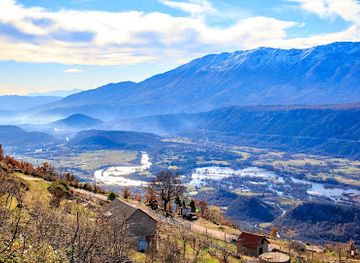
The Lakes of Plav area combines accessible waterside experiences with serious mountain landscapes. Plav Lake is the natural centre, offering lakeside walks, views towards the surrounding ranges and seasonal opportunities for boating or fishing subject to local conditions and permissions. The town of Plav provides cultural context through its mosques, old houses and everyday market life. For nature-focused visitors, Prokletije National Park extends into a dramatic world of forests, limestone peaks, alpine pastures and clear mountain streams. Hridsko Lake is a rewarding but more demanding excursion reached by a mountain route, while routes around Gusinje lead towards the Grebaje and Ropojana valleys. These areas suit hiking, landscape photography, wildlife observation and, for experienced walkers, multi-hour or multi-day mountain itineraries. The attraction landscape is not built around large entertainment complexes; its appeal lies in combining protected nature with historic settlements, pastoral scenery and locally guided outdoor activities. Conditions vary sharply by season, and high routes may remain difficult or inaccessible outside summer.
-
Catholic cathedral
St. Tryphon's Cathedral
Discover the stunning St. Tryphon's Cathedral in Kotor, Montenegro. A masterpiece of Romanesque architecture reflecting centuries of history and spiritual devotion.
-
Tourist attraction
Lipa cave
Discover the stunning Lipa Cave in Montenegro, a natural wonder with breathtaking limestone formations and rich geological history.
-
Tourist attraction
Serpentine
Discover the breathtaking views of Kotor and serene lakes along the iconic Serpentine route in Montenegro, a must-see for every traveler.
-
Reservoir
Crno Jezero
Explore Crno Jezero, Montenegro's stunning reservoir, surrounded by majestic mountains and lush forests – a paradise for nature lovers.


Best landmarks in Lakes of Plav
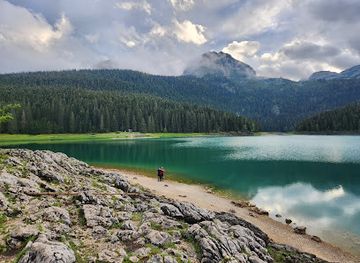
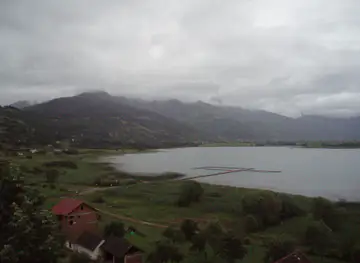
Plav Lake is the region’s defining geographical landmark, a broad mountain lake whose shoreline gives Plav its distinctive setting and links the town visually to the higher Prokletije ranges. In Plav itself, the Redžepagića Tower is a notable example of fortified residential architecture associated with the Ottoman-era town, while local mosques and traditional houses express the area’s layered religious and domestic history. The wooden bridge at Vojno Selo, near the lake, is another reminder of older routes and settlement patterns in the Lim basin. Around Gusinje, the Ali Pasha’s Springs are a recognised natural feature where clear water emerges at the foot of the mountains. Farther into the protected landscape, Hridsko Lake functions as a high-altitude natural landmark, enclosed by forest and alpine terrain. The great limestone walls and narrow floor of the Grebaje Valley, although close to Gusinje rather than Plav town, are among the most visually distinctive formations associated with the wider Lakes of Plav destination.
-
Monastery
Ostrog Orthodox Monastery
Explore the breathtaking Ostrog Orthodox Monastery, a spiritual gem nestled in Montenegro's cliffs, offering stunning views and rich cultural heritage.
-
Historical landmark
Old Town
Discover the historical beauty and vibrant culture of Old Town Herceg Novi, a captivating landmark on Montenegro’s stunning coast.
-
Marina
Porto Montenegro
Experience the elegance of Porto Montenegro, a luxurious marina destination offering stunning views, shopping, dining, and vibrant cultural experiences.
-
National park
Durmitor National Park
Explore Durmitor National Park, Montenegro's breathtaking natural gem with stunning landscapes, thrilling adventures, and rich biodiversity.

Explore Lakes of Plav on the map
Plan your trip on one map. See where the top cities, national parks and sights are, and book hotels and experiences in a few clicks.
Best hotels in Lakes of Plav
Best restaurants in Lakes of Plav
Dining around Plav and Gusinje is rooted in the mountain food culture of northern Montenegro and the wider Balkan borderlands. Menus commonly feature grilled meat, soups, beans, filled pastries, fresh bread, potatoes, seasonal vegetables and dairy products, with local cheese and yoghurt especially relevant in a region shaped by livestock farming and summer pasture. Cafés and family-run restaurants in the two towns provide the broadest choice, while rural establishments and mountain lodges tend to offer simpler, filling meals rather than elaborate menus. Strong coffee, fruit preserves, honey and herbal infusions are familiar parts of the local table. Visitors may also encounter Albanian-influenced dishes and Ottoman-derived flavours alongside standard Montenegrin fare, reflecting the area’s mixed cultural history. Farmers’ produce is often seasonal, so ask what is locally made rather than assuming every item originates in the surrounding mountains.
-
Restaurant
Restoran Vista Vidikovac
Experience exquisite dining at Restoran Vista Vidikovac with breathtaking views over Budva's stunning Adriatic coastline.
-
Restaurant
Konoba Portun
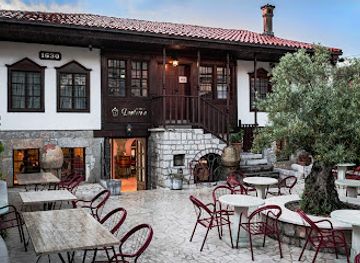
Discover authentic Montenegrin flavors at Konoba Portun in Dobrota – where stunning views meet exquisite seafood dishes.
-
Restaurant
Konoba 'Lanterna' Podgorica
Experience authentic Montenegrin cuisine at Konoba 'Lanterna', a charming restaurant in Podgorica known for its homemade dishes and warm hospitality.
-
Restaurant
Ćatovića Mlini
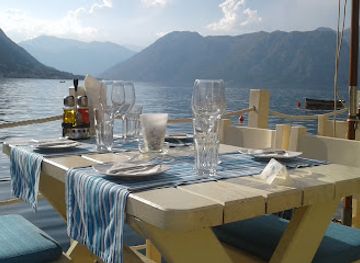
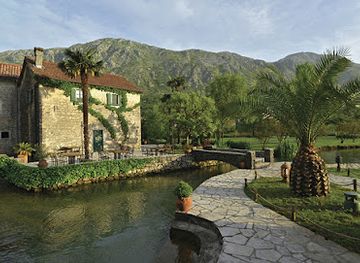
Discover the culinary delights of Montenegro at Ćatovića Mlini, where fresh ingredients meet breathtaking views.
Best bars in Lakes of Plav
Evening life in the Lakes of Plav region is modest and concentrated in Plav and Gusinje rather than organised around a large club scene. Local cafés and bars are the main social venues, serving coffee, soft drinks, beer and spirits, with conversation often continuing into the evening during the summer season. Some restaurants and accommodation providers offer outdoor seating and occasional music, while mountain lodges provide an early, quiet base for hikers rather than nightlife. Plav is the more natural place for a lakeside evening, whereas Gusinje may suit visitors combining dinner with a stay near the western mountain valleys. Opening patterns and entertainment can change seasonally, so ask locally rather than expecting late-night service. Evening culture is best approached as part of the towns’ everyday social rhythm, not as a destination-wide nightclub circuit.
-
Restaurant
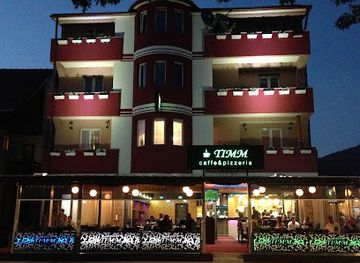
Caffe & Restuarant TIMM
Discover the flavors of Montenegro at Caffe & Restaurant TIMM, a top dining spot in Racina, Plav, offering a delightful menu for every palate.
-
Cafe
Caffe bar MOZART
Experience the perfect blend of local culture and relaxation at Caffe Bar MOZART in the scenic town of Plav, Montenegro.
-
Restaurant
Caffe 'Misk' - Plav
Discover Caffe 'Misk' in Plav for an authentic taste of Montenegro with delightful dishes and a welcoming atmosphere.
-
Lounge
Elan Lounge bar
Discover Elan Lounge Bar in Plav, Montenegro – a perfect blend of relaxation, vibrant atmosphere, and stunning views.


Best nightclubs in Lakes of Plav
Evening life in the Lakes of Plav region is modest and concentrated in Plav and Gusinje rather than organised around a large club scene. Local cafés and bars are the main social venues, serving coffee, soft drinks, beer and spirits, with conversation often continuing into the evening during the summer season. Some restaurants and accommodation providers offer outdoor seating and occasional music, while mountain lodges provide an early, quiet base for hikers rather than nightlife. Plav is the more natural place for a lakeside evening, whereas Gusinje may suit visitors combining dinner with a stay near the western mountain valleys. Opening patterns and entertainment can change seasonally, so ask locally rather than expecting late-night service. Evening culture is best approached as part of the towns’ everyday social rhythm, not as a destination-wide nightclub circuit.
-
Night club
Omnia
Discover the electrifying nightlife at Omnia Night Club in Budva, Montenegro - a hub for music, dance, and unforgettable experiences.
-
Night club
People's
Experience the vibrant nightlife at People's Beach Bar in Herceg Novi, Montenegro, where great drinks and lively entertainment await.
-
Bar
The Clubhouse
Discover The Clubhouse in Tivat: A chic bar and lounge with stunning marina views, perfect for cocktails, coffee, and coastal vibes.
-
Disco club
Club Hide Budva
Dive into the vibrant nightlife of Budva at Club Hide, where Balkan beats and a lively crowd create unforgettable memories.


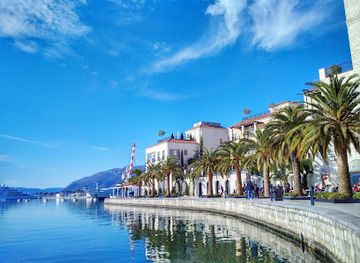

Best shops in Lakes of Plav
Shopping in the Lakes of Plav area is practical and local rather than centred on large retail complexes. Plav and Gusinje have small high streets, food shops, cafés and service businesses, with the widest choice available in the towns rather than in remote valleys. Visitors can look for mountain cheese, honey, jams, dried fruit, herbal products and other seasonal provisions, while small craft and souvenir selections may include woollen goods, embroidered textiles or locally made wood items. Ask sellers about provenance, as regional branding does not always mean that a product was made nearby. Markets and informal produce stalls vary with the agricultural season and may not operate on a fixed tourist timetable. For durable mementoes, locally produced food and traditional household crafts are generally more representative of the area than mass-produced souvenirs.
-
Shopping mall
Shopping Centre Kamelija
Shop, dine, and unwind at Shopping Centre Kamelija, Kotor's premier retail destination offering a blend of local and international brands.
-
Shopping mall
Mall of Montenegro
Discover the ultimate shopping experience at Mall of Montenegro, where fashion, food, and fun come together in Podgorica.
-
Coffee shop
Radmilica - Enjoy the View
Discover Radmilica - a cozy coffee shop in Montenegro offering exquisite coffee and stunning views, perfect for relaxation and rejuvenation.
-
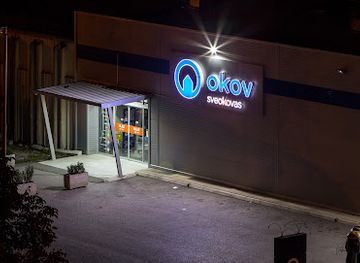
Home improvement store
Okov
Discover Okov in Berane, Montenegro - your ultimate destination for quality home improvement and goods, where every project begins.


Get your free copy of our complete guide to Lakes of Plav, delivered straight to you.
Everything on this page, from attractions and restaurants to essentials and local phrases, in one PDF you can read offline, print or share.
Already have an account? Sign in
Your Lakes of Plav guide is ready.
We'll send it to · Not you? Sign out

Getting your guide ready…
We are putting together a fresh copy of the Lakes of Plav guide. This can take up to a minute.
This can take a few moments. If your browser asks, choose Allow so the download can start. You'll find the guide in your Downloads folder.
Nothing happened? Download it again
Sorry, the guide is taking longer than usual. Please try again in a minute, or get it by email instead.
Lakes of Plav essentials
Currency and Payment
Safety
Emergency Situations
Do's and Don'ts
Local Tips
From Eve
Local phrases worth knowing
You don't need to get them perfect. A few words go a long way, and locals appreciate the effort.
Basics
| English | Local | Say it |
|---|---|---|
| Hello | Zdravo | [Zdra-vo] |
| Goodbye | Doviđenja | [Dovi-jen-ja] |
| Yes | Da | [Da] |
| No | Ne | [Ne] |
| Please/You're welcome | Molim/ Nema na čemu | [Mo-lim/ Ne-ma na che-mu] |
| Thank you | Hvala | [Hva-la] |
| Excuse me/Sorry | Izvinite | [Iz-vi-ni-te] |
| How are you? | Kako si? | [Ka-ko si] |
| Fine. And you? | Dobro. A ti? | [Do-bro. A ti?] |
| Do you speak English? | Govoriš li engleski? | [Go-vo-rish li en-gles-ki] |
| I don't understand | Ne razumem | [Ne ra-zu-mem] |
Eating & Drinking
| English | Local | Say it |
|---|---|---|
| I'd like to see the menu, please | Hteo bih da vidim meni, molim | [Hte-o bih da vi-dim me-ni, mo-lim] |
| I don't eat meat | Ne jedem meso | [Ne je-dem me-so] |
| Cheers! | Živeli! | [Zhi-ve-li] |
| I would like to pay, please | Hteo bih da platim, molim | [Hte-o bih da pla-tim, mo-lim] |
Emergencies
| English | Local | Say it |
|---|---|---|
| Help! | Upomoć! | [U-po-moć] |
| Go away! | Odlazi! | [Od-la-zi] |
| Call the Police! | Pozovite policiju! | [Po-zo-vi-te po-li-ci-ju] |
| Call a doctor! | Pozovite doktora! | [Po-zo-vi-te dok-to-ra] |
| I'm lost | Izgubio sam se | [Iz-gu-bi-o sam se] |
| I'm ill | Bolestan sam | [Bo-les-tan sam] |
Shopping
| English | Local | Say it |
|---|---|---|
| I'd like to buy... | Hteo bih da kupim... | [Hte-o bih da ku-pim] |
| I'm just looking | Samo gledam | [Sa-mo gle-dam] |
| How much is it? | Koliko košta? | [Ko-li-ko koshta] |
| That's too expensive | To je preskupo | [To ye pre-sku-po] |
| Can you lower the price? | Možeš li da spustiš cenu? | [Mo-zheš li da spus-tish tse-nu] |
Time & Numbers
| English | Local | Say it |
|---|---|---|
| What time is it? | Koliko je sati? | [Ko-li-ko ye sa-ti] |
| It's one o'clock | Jedan je čas | [Je-dan ye chas] |
| Half past (10) | Pola (10) | [Po-la (10)] |
| Morning | Jutro | [Yu-tro] |
| Afternoon | Popodne | [Po-pod-ne] |
| Evening | Veče | [Ve-che] |
| Yesterday | Juče | [Yu-che] |
| Today | Danas | [Da-nas] |
| Tomorrow | Sutra | [Su-tra] |
| 1 | Jedan | [Je-dan] |
| 2 | Dva | [Dva] |
| 3 | Tri | [Tri] |
| 4 | Četiri | [Che-ti-ri] |
| 5 | Pet | [Pet] |
| 6 | Šest | [Shest] |
| 7 | Sedam | [Se-dam] |
| 8 | Osam | [O-sam] |
| 9 | Devet | [De-vet] |
| 10 | Deset | [De-set] |
Transport & Directions
| English | Local | Say it |
|---|---|---|
| Where's a/the...? | Gde je...? | [Gde ye...?] |
| What's the address? | Koja je adresa? | [Ko-ja ye a-dre-sa?] |
| Can you show me (on the map)? | Možeš li da mi pokažeš (na mapi)? | [Mo-zheš li da mi po-ka-zheš (na ma-pi)?] |
| When's the next (bus)? | Kada je sledeći (autobus)? | [Ka-da ye sle-de-ći (au-to-bus)?] |
| A ticket (to ....) | Jedna karta (do ...) | [Jed-na kar-ta (do ...)] |
History of Lakes of Plav
Ancient and Roman Borderlands
The upper Lim basin and surrounding mountains have long formed a corridor between the Adriatic hinterland and the interior Balkans. Communities associated with Illyrian peoples occupied the wider region before Roman power reached the area, and Roman administration later incorporated parts of the Lim valley into the province of Moesia Superior. Archaeological evidence in the broader north-eastern Montenegrin landscape points to roads, settlements and managed movement through these valleys, although the high mountains remained more lightly settled than the lower basin.
Medieval Lim Valley
During the medieval period, the Lim valley was connected to the shifting Serbian and later regional states that controlled much of inland Montenegro and the western Balkans. Plav’s position near mountain passes gave it importance as a meeting point between valleys rather than as a large urban centre. Churches, monasteries and settlement patterns in the wider area reflect the Orthodox Christian history of the medieval hinterland, while pastoral movement continued to link the lowlands with summer grazing grounds.
Ottoman Plav and Gusinje
Ottoman rule reshaped the towns and social geography of the area from the late medieval and early modern period. Plav and Gusinje developed as market and administrative centres connected to routes through the Sandžak and northern Albanian borderlands. Islam became an important part of local identity, alongside Orthodox Christian communities and Albanian and Slavic cultural influences. Mosques, bridges, house forms, place names and culinary traditions still testify to this long Ottoman period, although the present-day communities are products of many later changes as well.
The Balkan Frontier in the Nineteenth Century
During the nineteenth century, the Plav-Gusinje area became a contested frontier as the Ottoman Empire weakened and neighbouring states expanded their claims. The region’s difficult terrain, mixed population and strategic routes made it especially sensitive to diplomatic decisions and periodic conflict. The Battle of Novšiće in 1879, fought over the proposed transfer of Plav and Gusinje to Montenegro under the terms of the Treaty of Berlin, remains an important episode in the district’s modern historical memory.
Incorporation into Montenegro and the Kingdom Era
Plav and Gusinje came under Montenegrin control during the Balkan Wars of 1912–13, a transformation that altered administration, borders and political allegiance. The area subsequently passed through the changing state frameworks of the Kingdom of Montenegro, the Kingdom of Serbs, Croats and Slovenes and later Yugoslavia. New government institutions and roads gradually connected the mountain settlements more closely to other parts of the country, while seasonal pastoralism and small-scale agriculture remained important to local life.
Yugoslav Modernisation and Contemporary Tourism
The twentieth century brought schools, improved roads, electrification, labour migration and closer integration with regional markets. Many residents from the wider Plav and Gusinje area also developed links with the Montenegrin coast and with communities abroad. Since Montenegro restored its independence in 2006, the lakes and Prokletije mountains have gained greater attention as destinations for hiking, nature travel and cultural tourism. Tourism remains seasonal and relatively small-scale, making conservation, responsible trail use and reliable local infrastructure important to the region’s future.
Lakes of Plav in Photos
Browse through our photo collection highlighting the charm and character of the destination.
Neighbouring regions of Lakes of Plav
The closest regions to Lakes of Plav, if you have time for more than one.
-

-

-

-
-


Swipe for more regions
Explore more
Explore more of Montenegro
Discover Montenegro: A blend of stunning landscapes, rich history, and vibrant culture on the breathtaking Adriatic coast.
Explore Montenegro