

Free Tadla Travel Guide & Mobile App
Explore Tadla with free travel guides. Discover regional history, expert tips, proposed trips, and audio guides on web or mobile app.


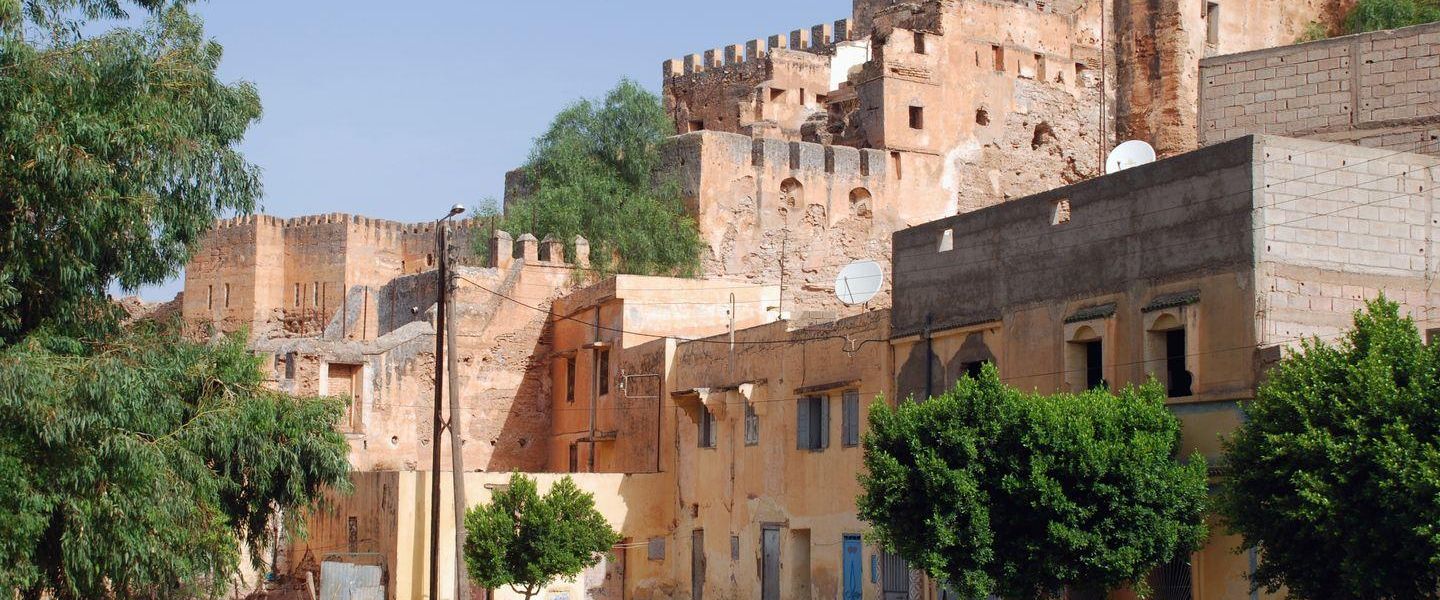


Discover Tadla in central Morocco for fortified towns, river landscapes, agricultural markets, Beni Mellal’s springs and a quieter inland travel experience.
Read more about Tadla
When is the best time to visit Tadla?
Best: April–May, October · 24–28°C| Month | High (°C) | Rainfall (mm) |
|---|---|---|
| January | 16 | 30 |
| February | 18 | 27 |
| March | 21 | 25 |
| April (best) | 24 | 20 |
| May (best) | 28 | 15 |
| June | 32 | 10 |
| July | 36 | 5 |
| August | 36 | 6 |
| September | 32 | 10 |
| October (best) | 26 | 20 |
| November | 20 | 25 |
| December | 15 | 28 |
Getting to and around Tadla
How to get there
Transportation
Best attractions in Tadla
Tadla’s attractions are rooted in landscape, working towns and layered history rather than in a dense circuit of ticketed monuments. Kasba Tadla is the principal heritage visit, with fortified walls, historic structures and its important river crossing offering a sense of the town’s strategic role. In Beni Mellal, the springs and gardens of Ain Asserdoun lead towards the foothills and provide a more relaxed setting beside the city’s historic kasbah area. The surrounding plain is best experienced through road journeys, agricultural scenery and market towns, where irrigation channels, orchards and broad fields reveal the region’s economic foundations. Local souks offer insight into trade in produce, livestock, household goods and rural crafts. The Oum Er-Rbia and its associated river landscapes add a geographical dimension, although access to the water must be treated carefully. Tadla is also a useful base for travellers continuing towards the Middle Atlas or the High Atlas, but major mountain attractions outside the plain should be planned as separate excursions rather than presented as Tadla sites.
-
 Monument
Royal Stables
Explore the Royal Stables of Meknes, a historic monument showcasing Morocco's equestrian heritage and architectural beauty in a serene landscape.
-
Tourist attraction
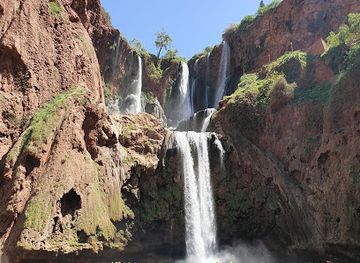
Sources Cascades Ouzoud
Experience the breathtaking beauty of Ouzoud Waterfalls, a stunning natural gem in Morocco, surrounded by lush landscapes and rich local culture.
-
Water park
Dinoland Aqua Park
Explore the thrills of Dinoland Aqua Park in Beni Mellal, Morocco, where family fun meets water adventures for an unforgettable day!
-
Wildlife refuge
Oushrah Park
Explore the serene Oushrah Park, a wildlife refuge in Beni Mellal, where nature thrives in a tranquil setting perfect for relaxation and wildlife observation.


Best landmarks in Tadla
The defining built landmark of Tadla is Kasba Tadla, whose fortified walls and military architecture testify to the town’s position on routes across central Morocco. Its bridge over the Oum Er-Rbia is particularly significant, linking the defensive settlement with the river landscape that helped determine its location. In Beni Mellal, the historic kasbah and the Ain Asserdoun spring form a connected cultural and geographical landmark: water, gardens, foothills and settlement meet in one of the region’s most recognisable urban settings. The surrounding Atlas foothills provide a strong natural backdrop, while the wide Tadla plain serves as a landmark in its own right through its openness, irrigated fields and geometric agricultural patterns. Fquih Ben Salah is less monumental, but its position within one of Morocco’s important farming zones gives the town significance as a contemporary landscape of markets, roads, warehouses and cultivated land. Together these places show Tadla’s distinctive balance between fortress history, river geography and agricultural modernity.
-
Garden
Jardin Majorelle
Explore the vibrant beauty of Jardin Majorelle, a botanical garden in Marrakech that harmonizes art and nature in a stunning oasis.
-
Cultural landmark
Jemaa el-Fnaa
Discover the vibrant atmosphere of Jemaa el-Fnaa, a cultural landmark in Marrakesh filled with street food, performances, and local traditions.
-
Tourist attraction
Ouzoud Waterfalls
Explore the Ouzoud Waterfalls, a stunning natural wonder in Morocco, where cascading waters and breathtaking landscapes await your discovery.
-
Historical landmark
Bahia Palace
Experience the enchanting beauty and rich history of Bahia Palace, an architectural marvel in the heart of Marrakesh's Medina.



Explore Tadla on the map
Plan your trip on one map. See where the top cities, national parks and sights are, and book hotels and experiences in a few clicks.
Best hotels in Tadla
Best restaurants in Tadla
Dining in Tadla reflects the food of Morocco’s inland agricultural regions, with couscous, tagines, harira, breads, salads, pulses, seasonal vegetables and grilled meats appearing in homes, cafés and family-run restaurants. The fertile plain supplies cereals, olives, citrus and other produce, while local markets are useful places to observe the connection between farming and everyday cooking. Beni Mellal has the broadest choice of restaurants, cafés and bakeries, ranging from Moroccan family meals to simple grilled dishes and sandwiches; Fquih Ben Salah and Kasba Tadla offer a more local, practical dining scene. Rural inns and roadside cafés commonly serve filling plates rather than elaborate menus, and meal times can be relaxed. Mint tea remains a familiar part of hospitality, while visitors should expect regional variations in seasoning and preparation rather than one dish defining the whole area. Alcohol is not central to the region’s dining culture, and availability is limited outside selected visitor-oriented establishments.
-
Mediterranean
Manhattan
Discover Mediterranean culinary excellence at Manhattan in Beni-Mellal - a delightful destination for sushi, crepes, and pizza lovers.
-
Fast Food
Belhaj
Experience the delightful flavors of fast food at Belhaj in Beni-Mellal – where quality meets affordability!
-
Restaurant
La Ruche Noire
Discover La Ruche Noire in Béni Mellal - where delicious pizzas meet Moroccan hospitality in an inviting atmosphere.
-
Restaurant
La Passione
Experience the best Italian cuisine in Beni-Mellal at La Passione - where every meal is crafted with passion and authenticity.


Best bars in Tadla
Tadla has a modest evening scene centred on cafés, tea houses, hotel lounges and traditional restaurants rather than dedicated nightclubs. Beni Mellal offers the widest choice, with late-opening cafés and casual places where residents meet for conversation, football and tea; evenings in Fquih Ben Salah and Kasba Tadla are generally quieter. In smaller towns and rural areas, nightlife often means a meal, a walk through busy central streets or time spent in a café rather than organised entertainment. Alcohol is available only in some licensed establishments and should not be assumed to be served in ordinary cafés or restaurants. Live music and seasonal celebrations may occur, but arrangements change, so local enquiries are more reliable than fixed expectations. Visitors should dress and behave discreetly, particularly in conservative rural communities, and should arrange transport before spending an evening outside their accommodation.
-
Restaurant
Café Jour & Nuit
Experience authentic Moroccan cuisine at Café Jour & Nuit in Kasbah Tadla, where every dish tells a story of local tradition and flavor.
-
Bar
Café Maroma
Discover the vibrant atmosphere of Café Maroma in Beni-Mellal, a local favorite for coffee, tea, and delightful conversations.
-
Grill
Espace Moha : Café & Restaurant
Experience the authentic flavors of Morocco at Espace Moha, a cozy café and restaurant in Beni-Mellal known for its delicious grilled dishes.
-
Restaurant
Restaurant ssobhi
Discover the essence of Moroccan cuisine at Restaurant ssobhi in أولاد خلوف, where authentic flavors meet warm hospitality.


Best nightclubs in Tadla
Tadla has a modest evening scene centred on cafés, tea houses, hotel lounges and traditional restaurants rather than dedicated nightclubs. Beni Mellal offers the widest choice, with late-opening cafés and casual places where residents meet for conversation, football and tea; evenings in Fquih Ben Salah and Kasba Tadla are generally quieter. In smaller towns and rural areas, nightlife often means a meal, a walk through busy central streets or time spent in a café rather than organised entertainment. Alcohol is available only in some licensed establishments and should not be assumed to be served in ordinary cafés or restaurants. Live music and seasonal celebrations may occur, but arrangements change, so local enquiries are more reliable than fixed expectations. Visitors should dress and behave discreetly, particularly in conservative rural communities, and should arrange transport before spending an evening outside their accommodation.
-
Disco club
Theatro Marrakech
Discover the electrifying nightlife of Marrakech at Theatro, where music, dance, and dazzling performances create an unforgettable experience.
-
Disco club
SECRET ROOM MARRAKECH
Discover the electrifying nightlife of Marrakech at Secret Room, a premier disco club offering vibrant music and an unforgettable atmosphere.
-
Night club
555 Famous Club Marrakech
Immerse yourself in the vibrant nightlife of Marrakech at 555 Famous Club, where unforgettable experiences await every visitor.
-
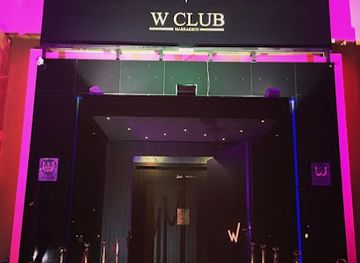
Night club
W Club Marrakech
Discover the electrifying nightlife at W Club Marrakech, where music, dance, and luxury meet in the heart of Morocco's vibrant capital.


Best shops in Tadla
Shopping in Tadla is primarily local and practical, with the strongest experiences found in souks, covered market streets, produce stalls, bakeries and small independent shops rather than large tourist shopping centres. Beni Mellal has the broadest retail selection, including clothing, household goods, spices, fresh produce, traditional Moroccan foods and everyday crafts. Fquih Ben Salah is an important agricultural trading centre, while Kasba Tadla offers a smaller, more traditional market atmosphere. Regional produce can include olives, citrus, cereals, seasonal fruit, honey and other farm goods, although availability depends on harvest and market day. Visitors may find woven items, leather goods, pottery and simple metalwork, but quality and provenance vary, so purchases should be examined carefully. Bargaining is acceptable in some souks but not in every shop; a friendly, unhurried approach is more appropriate than aggressive negotiation. Ask about regulations before transporting food, plants or antiques across borders.
-
Shopping mall
Marjane Market
Explore Marjane Market in Imran, Morocco - Your one-stop shopping destination for local goods and unique souvenirs amidst a vibrant atmosphere.
-
Clothing store
Boutique Newlook
Boutique Newlook: Your ultimate destination for trendy fashion and unique style in the heart of the city.
-
Baby clothing store
Mon bébé d'abord
Shop unique and stylish baby clothing at Mon Bébé D'Abord in Ouled Khellouf, Morocco - a favorite among fashion-forward parents.
-
Shopping mall
Merekesh market
Discover the vibrant Merekesh Market in أولاد خلوف, where local culture and shopping come alive with unique crafts, delicious cuisine, and a lively atmosphere.


Get your free copy of our complete guide to Tadla, delivered straight to you.
Everything on this page, from attractions and restaurants to essentials and local phrases, in one PDF you can read offline, print or share.
Already have an account? Sign in
Your Tadla guide is ready.
We'll send it to · Not you? Sign out

Getting your guide ready…
We are putting together a fresh copy of the Tadla guide. This can take up to a minute.
This can take a few moments. If your browser asks, choose Allow so the download can start. You'll find the guide in your Downloads folder.
Nothing happened? Download it again
Sorry, the guide is taking longer than usual. Please try again in a minute, or get it by email instead.
Tadla essentials
Currency and Payment
Safety
Emergency Situations
Do's and Don'ts
Local Tips
From Eve
Local phrases worth knowing
You don't need to get them perfect. A few words go a long way, and locals appreciate the effort.
Basics
| English | Local | Say it |
|---|---|---|
| Hello | سلام | [Salam] |
| Goodbye | وداعا | [Wada'an] |
| Yes | نعم | [Na'am] |
| No | لا | [La] |
| Please/You're welcome | من فضلك | [Min fadlik] |
| Thank you | شكرا | [Shukran] |
| Excuse me/Sorry | عفوا | [Afwan] |
| How are you? | كيف حالك؟ | [Kayfa halak?] |
| Fine. And you? | بخير. وأنت؟ | [Bikhayr. Wa anta?] |
| Do you speak English? | هل تتحدث الإنجليزية؟ | [Hal tatahaddath al-ingliziya?] |
| I don't understand | لا أفهم | [La afham] |
Eating & Drinking
| English | Local | Say it |
|---|---|---|
| I'd like to see the menu, please | أود أن أرى القائمة، من فضلك | [Awad an ara al-qaimah, min fadlik] |
| I don't eat meat | أنا لا آكل اللحم | [Ana la akul al-lahm] |
| Cheers! | في صحتك! | [Fi sihtak!] |
| I would like to pay, please | أود أن أدفع، من فضلك | [Awad an adfa, min fadlik] |
Emergencies
| English | Local | Say it |
|---|---|---|
| Help! | المساعدة! | [Al-musa'ada!] |
| Go away! | اذهب بعيدا! | [Idhhab ba'eedan!] |
| Call the Police! | اتصل بالشرطة! | [Ittasil bil-shurta!] |
| Call a doctor! | اتصل بالطبيب! | [Ittasil bil-tabeeb!] |
| I'm lost | أنا ضائع | [Ana da'i'] |
| I'm ill | أنا مريض | [Ana marid] |
Shopping
| English | Local | Say it |
|---|---|---|
| I'd like to buy... | أود أن أشتري... | [Awad an ashtari...] |
| I'm just looking | أنا فقط أنظر | [Ana faqat anzur] |
| How much is it? | كم سعره؟ | [Kam si'ruhu?] |
| That's too expensive | هذا باهظ الثمن | [Hatha bahidh al-thaman] |
| Can you lower the price? | هل يمكنك خفض السعر؟ | [Hal yumkinuka khafd al-si'r?] |
Time & Numbers
| English | Local | Say it |
|---|---|---|
| What time is it? | كم الساعة؟ | [Kam al-sa'ah?] |
| It's one o'clock | الساعة الواحدة | [Al-sa'ah al-wahidah] |
| Half past (10) | نصف (10) | [Nisf (10)] |
| Morning | صباحا | [Sabahan] |
| Afternoon | بعد الظهر | [Ba'd al-zuhur] |
| Evening | مساء | [Masa'a] |
| Yesterday | أمس | [Ams] |
| Today | اليوم | [Al-yawm] |
| Tomorrow | غدا | [Ghadan] |
| 1 | 1 | [1] |
| 2 | 2 | [2] |
| 3 | 3 | [3] |
| 4 | 4 | [4] |
| 5 | 5 | [5] |
| 6 | 6 | [6] |
| 7 | 7 | [7] |
| 8 | 8 | [8] |
| 9 | 9 | [9] |
| 10 | 10 | [10] |
Transport & Directions
| English | Local | Say it |
|---|---|---|
| Where's a/the...? | أين هو/هي...؟ | [Ayn huwa/hiya...?] |
| What's the address? | ما هو العنوان؟ | [Ma huwa al-'unwan?] |
| Can you show me (on the map)? | هل يمكنك أن تريني (على الخريطة)؟ | [Hal yumkinuka an turini (ala al-kharita)?] |
| When's the next (bus)? | متى تأتي الحافلة التالية؟ | [Mata ta'ti al-hafila al-taliya?] |
| A ticket (to ....) | تذكرة (إلى ...) | [Tadhkirah (ila ...)] |
History of Tadla
Early settlement and the Tadla plain
The Tadla plain has long supported settled agriculture because of its fertile soils, underground water and relationship with the Oum Er-Rbia river system. Its position between the Atlantic lowlands and the central Moroccan mountains also made it a natural corridor for movement. Much of the region’s early history is known through the broader development of central Morocco rather than through a single surviving ancient city, but the continuity of cultivation and market settlement is fundamental to Tadla’s historical character.
The Almohad period and regional routes
During the Almohad expansion in the twelfth century, central Morocco was drawn more firmly into the political and commercial networks controlled from the great cities of the Maghreb. Tadla’s open plain and river crossings gave it strategic value between the Atlantic-facing lowlands and the interior. The foundations of Kasba Tadla are commonly associated with the Almohad era, although the town’s visible fortifications were altered and rebuilt over subsequent centuries. The period helped establish the strategic importance that later rulers continued to recognise.
Agriculture, tribes and medieval power
For centuries, Tadla was shaped by the interaction of settled farming communities, pastoral groups and dynastic authorities seeking control of routes, water and taxation. The fertile plain could produce substantial harvests, but political control was not always uniform. Market towns and fortified sites served as places of administration, exchange and protection. This relationship between agriculture and authority explains why Tadla’s history is less concentrated in monumental urban centres than in its river crossings, kasbahs, cultivated landscape and networks of local markets.
Saadian consolidation in the sixteenth century
The Saadian dynasty’s consolidation of central Morocco brought renewed attention to Tadla as a route between Marrakesh, the interior and the northern and Atlantic plains. Control of the region was important for maintaining communications and for managing agricultural resources. The period formed part of a wider process in which Moroccan rulers strengthened authority over strategically placed plains and corridors. Tadla’s later fortifications and administrative importance should be understood against this continuing contest for control of central Morocco.
Alaouite fortifications and Kasba Tadla
The Alaouite sultans reinforced strategic points across Morocco, particularly during the reign of Sultan Moulay Ismail in the late seventeenth and early eighteenth centuries. Kasba Tadla acquired much of its recognisable fortified character through this long process of military and administrative consolidation. Its kasbah, walls and bridge over the Oum Er-Rbia reflect the importance of defending movement through the plain while supervising nearby settlements and agricultural production. The town remains one of Tadla’s clearest historic expressions.
The French Protectorate and water management
Under the French Protectorate, established in 1912, Tadla was increasingly integrated into colonial systems of administration, transport and agricultural planning. Roads and market connections were developed, while irrigation and land-use schemes altered the scale and organisation of farming. These changes did not replace existing communities and cultivation patterns, but they helped prepare the plain for the large agricultural role it plays today. The region’s modern economy, including irrigated crops and agro-industrial activity, is closely connected with this twentieth-century transformation.
Post-independence agricultural development
After Morocco regained independence in 1956, investment in irrigation, roads, agricultural services and urban infrastructure strengthened Tadla’s role as a food-producing region. Beni Mellal expanded as an administrative and commercial centre, while Fquih Ben Salah became closely associated with farming and agricultural trade. Sugar beet, cereals, olives, citrus and livestock form part of a diverse productive economy. Contemporary Tadla therefore combines historic fortified settlements with a modern rural landscape shaped by mechanised farming, markets and changing water demands.
Tadla in Photos
Browse through our photo collection highlighting the charm and character of the destination.
Neighbouring regions of Tadla
The closest regions to Tadla, if you have time for more than one.
-

-

-

-

-


Swipe for more regions
Explore more

Explore more of Morocco
Discover Morocco: A land of rich history, vibrant culture, and stunning landscapes, where ancient traditions meet modern allure.
Explore Morocco