

Atlantic Plains, Morocco Travel Guide
Discover the Atlantic Plains of Morocco: A blend of golden beaches, historic towns, and lush landscapes, offering year-round relaxation and cultural immersion.
The Atlantic Plains of Morocco offer a stunning blend of natural beauty and rich cultural experiences. Stretching along the western coastline, this region is known for its golden beaches, charming towns, and lush agricultural landscapes. The plains provide a tranquil escape from the bustling cities, making them an ideal destination for relaxation and exploration. The coastal towns of the Atlantic Plains, such as El Jadida and Safi, are steeped in history and tradition. El Jadida, a UNESCO World Heritage site, boasts impressive Portuguese architecture, including the famous Cistern and the Mazagan fortress. Safi, on the other hand, is renowned for its pottery and vibrant markets, where visitors can immerse themselves in local crafts and cuisine. Nature lovers will find plenty to admire in the Atlantic Plains. The region's beaches, like Oualidia, are perfect for sunbathing, swimming, and bird watching. Inland, the fertile plains are dotted with olive groves, vineyards, and orchards, offering a picturesque backdrop for leisurely drives and cycling tours. The mild climate and gentle sea breezes make the Atlantic Plains a year-round destination, welcoming tourists to enjoy its diverse attractions.

Know before you go
Hi, I'm Eve. Here are a few practical things to know before exploring Atlantic Plains.
- Visit El Jadida early in the morning to avoid crowds and enjoy the serene atmosphere of the Portuguese Cistern.
- Take a pottery workshop in Safi to learn about the region's famous ceramics and create your own unique souvenir.
- Explore the beaches of Oualidia during low tide for the best bird-watching opportunities and to see the tidal lagoons.
- Rent a bicycle to tour the inland agricultural areas, where you can taste fresh local produce directly from the farms.
- Try the local seafood dishes, especially the oysters in Oualidia, which are some of the freshest and most delicious in Morocco.
Top City Travel Guides in Atlantic Plains
The cities of Atlantic Plains, and the easiest places to base yourself.


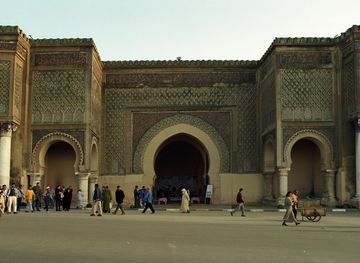
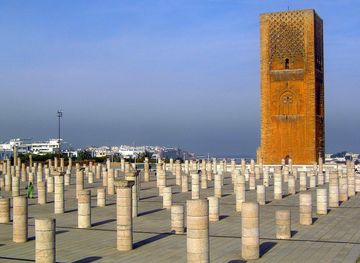
Destinations in Atlantic Plains
Resorts, valleys and scenic spots worth a trip of their own.


Explore Atlantic Plains: Things to Do, Places to Eat, Hotels & More
Handpicked recommendations for top attractions, local dining, accommodations, and more

Top Attractions & Sightseeing in Atlantic Plains


Best landmarks in Atlantic Plains
Top-rated picks
Best Landmarks

Jardin Majorelle
Explore the vibrant Jardin Majorelle, a serene botanical garden in Marrakech featuring exotic plants, stunning architecture, and rich cultural heritage.

Jemaa el-Fnaa
Experience the vibrant culture and culinary delights at Jemaa el-Fnaa, the iconic heart of Marrakech, where tradition meets adventure.

Hassan II Mosque
Discover the breathtaking Hassan II Mosque in Casablanca, a stunning architectural masterpiece and cultural landmark on the Atlantic coast.

Ouzoud Waterfalls
Explore the breathtaking Ouzoud Waterfalls, a natural wonder in Morocco, surrounded by stunning landscapes and rich cultural experiences.

Best restaurants in Atlantic Plains
Top-rated picks
Best Restaurants

La Sqala
Experience authentic Moroccan cuisine at La Sqala in Casablanca – where tradition meets flavor amidst stunning surroundings.
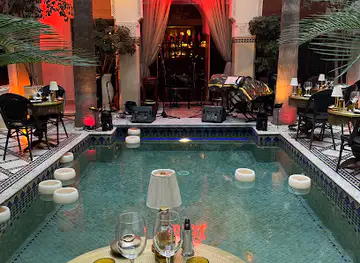
Le Bistro Arabe - Moroccan Jazz Restaurant in Marrakech
Experience the fusion of Moroccan cuisine and live jazz at Le Bistro Arabe in Marrakech – a must-visit destination for food lovers.

Nomad Marrakech
Experience exquisite Moroccan cuisine in a charming setting at Nomad Marrakech - a must-visit culinary destination for every traveler.

Le Jardin Restaurant Marrakech Medina
Discover exquisite Moroccan cuisine in an enchanting garden setting at Le Jardin Restaurant in Marrakech's vibrant Medina.

Best bars in Atlantic Plains
Top-rated picks
Best Bars
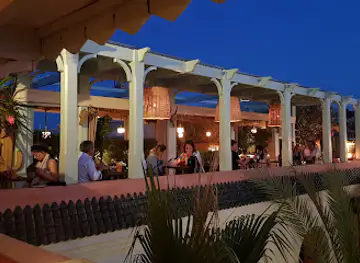
La Pergola
Experience the exquisite fusion of Moroccan flavors and live jazz at La Pergola in the heart of Marrakech's Medina.

Comptoir Darna
Experience the vibrant nightlife of Marrakech at Comptoir Darna, where exquisite Moroccan cuisine meets captivating entertainment.

buddahbar
Indulge in a luxurious culinary journey at Buddha Bar, where Asian and Moroccan flavors meet in an exquisite setting, perfect for nightlife and dining.

Epicurien
Experience the fusion of Moroccan flavors and contemporary cocktails at Epicurien, Marrakesh's ultimate dining and nightlife destination.

Best nightclubs in Atlantic Plains
Top-rated picks
Best Nightclubs

Theatro Marrakech
Discover the electrifying nightlife of Theatro Marrakech, a premier disco club at Es Saadi Resort, blending music, dance, and Moroccan charm.

BABOUCHKA
Discover the vibrant nightlife at Babouchka, a premier night club in Marrakech offering electrifying music and exquisite cocktails.

Montecristo
Experience the fusion of Moroccan cuisine and vibrant nightlife at Montecristo in Marrakech, a must-visit for every traveler.

SECRET ROOM MARRAKECH
Discover Marrakech's nightlife at Secret Room, a dynamic disco club offering electrifying music, vibrant ambiance, and a memorable party experience.

Best shops in Atlantic Plains
Top-rated picks
Best Shops

Morocco Mall
Explore Morocco Mall in Casablanca: A vibrant shopping destination with global brands, delightful dining, and endless entertainment options.

Menara Mall
Experience the best of shopping, dining, and entertainment at Menara Mall, a vibrant hub in the heart of Marrakech.

Carré Eden
Explore the best of shopping, dining, and Moroccan culture at Carré Eden Shopping Center in Marrakech.

Tanger City Center
Discover the vibrant Tanger City Center, Tangier's premier shopping mall with a blend of local culture, diverse dining, and endless retail options.

Explore Atlantic Plains on the Map
A handpicked selection of must-see spots in Atlantic Plains, mapped for you.
Atlantic Plains Essentials
-
The Atlantic Plains in Morocco can be accessed primarily through two major international airports: Mohammed V International Airport in Casablanca and Rabat-Salé Airport. From these airports, you can take a taxi, rent a car, or use public transport to reach various destinations within the Atlantic Plains. The railway network also connects major cities like Casablanca, Rabat, and Kenitra, providing a convenient way to explore the region.
-
Transportation within the Atlantic Plains is diverse and efficient. Taxis are widely available and can be hailed on the street or booked via apps. For intercity travel, trains operated by ONCF (Office National des Chemins de Fer) are reliable and comfortable. Buses are another option, with CTM and Supratours offering extensive routes. Car rentals are also available for those who prefer to explore at their own pace.
-
The official currency in Morocco is the Moroccan Dirham (MAD). Credit cards are accepted in most hotels, restaurants, and larger shops, but it is advisable to carry cash for smaller establishments and street vendors. ATMs are widely available in cities and towns within the Atlantic Plains. Currency exchange services can be found at airports, banks, and exchange offices.
-
The Atlantic Plains are generally safe for tourists, but it is important to exercise standard precautions. Avoid walking alone at night, especially in less populated areas. Be cautious of pickpockets in crowded places and markets. Certain neighborhoods in Casablanca, like Derb Sultan and Hay Mohammadi, have higher crime rates and should be approached with caution. Always keep an eye on your belongings and avoid displaying valuable items.
-
In case of emergency, dial 19 for the police, 15 for medical emergencies, and 15 for the fire department. Major hospitals and clinics are available in cities like Casablanca and Rabat. It is highly recommended to have travel insurance that covers medical emergencies. Pharmacies are widely available for minor health issues and over-the-counter medications.
-
Fashion: Do dress modestly, especially in rural areas and religious sites. Avoid wearing revealing clothing. Religion: Do respect local customs and traditions. Always remove your shoes before entering a mosque. Public Transport: Do be respectful and offer your seat to elderly passengers. Don't eat or drink on public transport. Greetings: Do greet people with a handshake and say 'Salam Alaikum'. Eating & Drinking: Do try local delicacies and accept food offerings graciously. Don't refuse hospitality, as it is considered impolite.
-
To experience the Atlantic Plains like a local, visit the bustling souks and markets, such as the Central Market in Casablanca, where you can purchase fresh produce and traditional Moroccan goods. Engage with locals; they are often friendly and willing to share stories about their culture and history. Don't miss visiting the Hassan II Mosque in Casablanca and the historical sites in Rabat, such as the Kasbah of the Udayas and the Hassan Tower.
When is the best time to visit Atlantic Plains?
Useful Local Phrases for Atlantic Plains
You don't need to speak the language perfectly. Even learning a few simple words can make conversations warmer—and locals usually appreciate the effort.
— Eve

Here are the phrases I use most often in Atlantic Plains. Try a few—you'll be surprised how far they go! 😊
❤️
-
- HelloHi
[Hai] - GoodbyeBye
[Bai] - YesYeah
[Yea] - NoNope
[Nohp] - Please/You're welcomeYou're welcome
[Yer welcum] - Thank youThanks
[Thangs] - Excuse me/SorrySorry
[Sorree] - How are you?How's it going?
[Hows it goin?] - Fine. And you?Good. You?
[Gudd. Yoo?] - Do you speak English?Do you speak English?
[Do yoo speek Ing-lish?] - I don't understandI don't get it
[I dont get it]
- HelloHi
-
- I'd like to see the menu, pleaseCan I see the menu?
[Can I see thuh menu?] - I don't eat meatI'm a vegetarian
[Im a vege-tarian] - Cheers!Cheers!
[Cheerz!] - I would like to pay, pleaseCan I get the check?
[Can I get thuh chek?]
- I'd like to see the menu, pleaseCan I see the menu?
-
- Help!Help!
[Help!] - Go away!Leave me alone!
[Leev me alohn!] - Call the Police!Call 911!
[Call nine-one-one!] - Call a doctor!Get a doctor!
[Get a doctuh!] - I'm lostI'm lost
[I'm lost] - I'm illI'm not feeling well
[I'm not feelin well]
- Help!Help!
-
- I'd like to buy...I want to buy...
[I want to bai...] - I'm just lookingJust browsing
[Just browzing] - How much is it?What’s the price?
[Wuts thuh price?] - That's too expensiveThat's a bit much
[Thats a bit much] - Can you lower the price?Can you give me a better price?
[Can you give me a bettuh price?]
- I'd like to buy...I want to buy...
-
- What time is it?What time is it?
[Wut time is it?] - It's one o'clockIt's one o'clock
[Its one o'clock] - Half past (10)Half past ten
[Half past ten] - MorningMorning
[Morning] - AfternoonAfternoon
[Afternoon] - EveningEvening
[Evening] - YesterdayYesterday
[Yesterday] - TodayToday
[Today] - TomorrowTomorrow
[Tomorrow] - 1One
[One] - 2Two
[Two] - 3Three
[Three] - 4Four
[Four] - 5Five
[Five] - 6Six
[Six] - 7Seven
[Seven] - 8Eight
[Eight] - 9Nine
[Nine] - 10Ten
[Ten]
- What time is it?What time is it?
-
- Where's a/the...?Where's the...?
[Wheres thuh...?] - What's the address?What's the address?
[Wuts thuh address?] - Can you show me (on the map)?Can you show me on the map?
[Can you show me on thuh map?] - When's the next (bus)?When's the next bus?
[Wens thuh next bus?] - A ticket (to ....)A ticket to ...
[A tiket to ...]
- Where's a/the...?Where's the...?
History of Atlantic Plains
-
The Atlantic Plains of Morocco were once under the influence of the Carthaginian Empire. Carthaginians established several trading posts along the coast during the first millennium BCE, which facilitated trade with indigenous Berber tribes. These interactions introduced new agricultural practices and technologies to the region, laying the groundwork for its future development.
-
Following the decline of Carthage, the Romans took control of the region. One of the most prominent remnants of Roman influence in the Atlantic Plains is the city of Sala Colonia, located near modern-day Rabat. Established around the 1st century CE, Sala Colonia served as an important administrative and commercial center. The ruins, including the remains of temples, baths, and a forum, offer a glimpse into the area's integration into the Roman Empire.
-
In the 7th century, Arab conquerors brought Islam to the Atlantic Plains, forever changing the region's cultural and religious landscape. The Arabs introduced new architectural styles, agricultural techniques, and the Arabic language. This period also saw the establishment of the first Islamic dynasties in Morocco, such as the Idrisid dynasty, which contributed to the development of cities like Salé and Rabat.
-
The 11th and 12th centuries marked the rise of the Almoravid and Almohad dynasties. The Almoravids, originating from the Sahara, unified much of Morocco and expanded their influence into the Iberian Peninsula. The Almohads followed, establishing their capital in Rabat. They left a lasting architectural legacy, including the unfinished Hassan Tower, which remains a significant historical site.
-
During the 15th century, the Portuguese sought to expand their empire and established several fortified settlements along the Atlantic coast, including Mazagan (El Jadida) and Azemmour. These fortifications, characterized by their thick walls and bastions, reflect the strategic importance of the region. The Portuguese influence is still visible in the architecture and urban layout of these coastal towns.
-
In the early 20th century, Morocco became a French protectorate. The French administration invested in infrastructure development, urban planning, and the modernization of cities within the Atlantic Plains. Rabat was designated as the administrative capital, and its status as a UNESCO World Heritage site today is a testament to the architectural and cultural blending that occurred during this period.
-
Following Morocco's independence in 1956, the Atlantic Plains witnessed significant growth and modernization. Rabat continued to develop as the political and administrative heart of the country. The region has become a blend of historical heritage and modern urbanization, with ongoing efforts to preserve its rich cultural legacy while accommodating contemporary advancements.
Neighbouring Regions of Atlantic Plains
The closest regions to Atlantic Plains, if you have time for more than one.




Your all‑in‑one travel companion app
Explore expert travel guides, compare and book tours, experiences, hotels, and more—all from the palm of your hand. Download now for seamless trip planning wherever your wanderlust takes you.


Explore More of Morocco

Looking beyond Atlantic Plains? Discover Morocco for broader travel guides, local hot-spots, and regional highlights.
Explore MoroccoAtlantic Plains in Photos
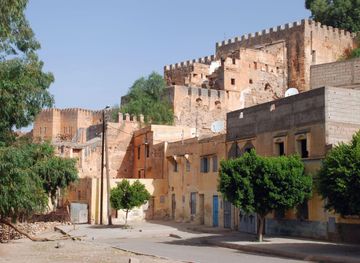
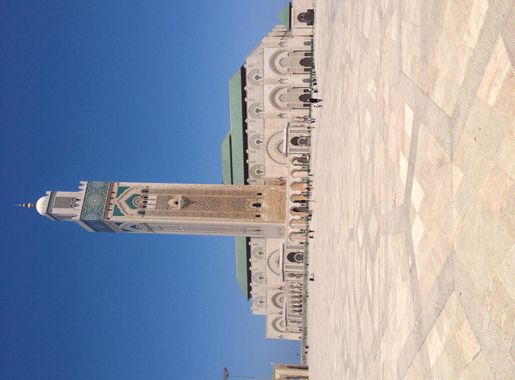
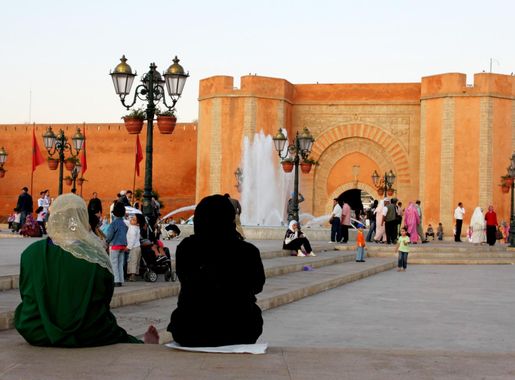
Browse through our photo collection highlighting the charm and character of the destination.






Exploring the Atlantic Plains of Morocco: A Coastal Gem
The Atlantic Plains of Morocco offer a stunning blend of natural beauty and rich cultural experiences. Stretching along the western coastline, this region is known for its golden beaches, charming towns, and lush agricultural landscapes. The plains provide a tranquil escape from the bustling cities, making them an ideal destination for relaxation and exploration. The coastal towns of the Atlantic Plains, such as El Jadida and Safi, are steeped in history and tradition. El Jadida, a UNESCO World Heritage site, boasts impressive Portuguese architecture, including the famous Cistern and the Mazagan fortress. Safi, on the other hand, is renowned for its pottery and vibrant markets, where visitors can immerse themselves in local crafts and cuisine. Nature lovers will find plenty to admire in the Atlantic Plains. The region's beaches, like Oualidia, are perfect for sunbathing, swimming, and bird watching. Inland, the fertile plains are dotted with olive groves, vineyards, and orchards, offering a picturesque backdrop for leisurely drives and cycling tours. The mild climate and gentle sea breezes make the Atlantic Plains a year-round destination, welcoming tourists to enjoy its diverse attractions.