

Free Zemmour Travel Guide & Mobile App
Explore Zemmour with free travel guides. Discover regional history, expert tips, proposed trips, and audio guides on web or mobile app.


Explore Zemmour in central Morocco for high plateaux, Amazigh heritage, woodland, market towns and rural landscapes between Rabat and Meknes.
Read more about Zemmour
When is the best time to visit Zemmour?
Best: May–June, October · 26–29°C| Month | High (°C) | Rainfall (mm) |
|---|---|---|
| January | 17 | 50 |
| February | 18 | 40 |
| March | 20 | 45 |
| April | 23 | 35 |
| May (best) | 26 | 25 |
| June (best) | 29 | 10 |
| July | 32 | 2 |
| August | 31 | 3 |
| September | 29 | 20 |
| October (best) | 26 | 30 |
| November | 21 | 40 |
| December | 18 | 45 |
Getting to and around Zemmour
How to get there
Transportation
Top city travel guides in Zemmour
The cities of Zemmour, and the easiest places to base yourself.
-

-

-


Swipe for more cities
Destinations in Zemmour
Resorts, valleys and scenic spots worth a trip of their own.
-

-


Swipe for more destinations
Best attractions in Zemmour
Zemmour’s attractions are primarily landscapes, market life and cultural context rather than a concentrated collection of major monuments. Khémisset provides the clearest introduction through its streets, cafés and commercial markets, where produce, livestock and everyday goods reflect the agricultural economy of the plateau. Around Oulmes, higher ground, woodland, grazing country and mineral-water springs create a cooler rural environment suited to scenic drives and carefully planned walks. The broad countryside is marked by seasonal dayas, cultivated fields and cork-oak or holm-oak woodland, with the appearance of the landscape changing markedly between the wet and dry seasons. Tiflet and Rommani are useful for observing the transition between urban service centres and open farmland. Visitors interested in history can explore Zemmour’s place within the wider central Moroccan landscape, but should remember that headline sites such as Volubilis are outside the region. There are few formal visitor facilities in remote areas, so independent exploration works best with local advice, suitable footwear, water and a reliable vehicle. The main reward is a slower encounter with central Morocco’s plateau environment and its continuing agricultural and Amazigh cultural connections.
-
Tourist attraction
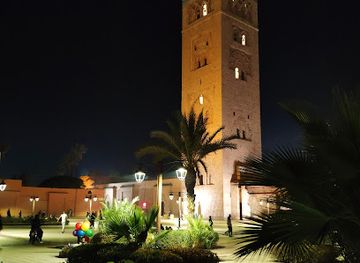
Koutoubia
Explore the Koutoubia Mosque, a stunning historical landmark in Marrakech, showcasing exquisite Islamic architecture and rich cultural heritage.
-
Tourist attraction
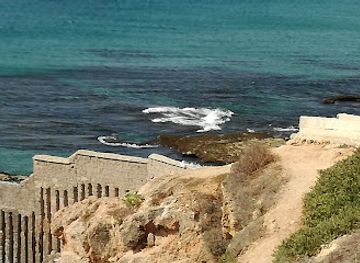
Hercules Caves
Explore the Hercules Caves in Tangier, a breathtaking blend of natural beauty and rich mythology, perfect for adventure seekers and history enthusiasts alike.
-
Tourist attraction
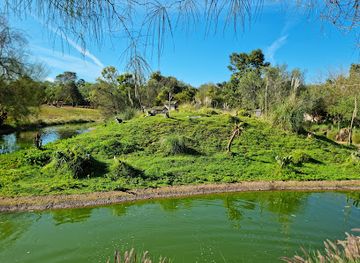
National Zoo Rabat Morocco
Discover an enchanting wildlife experience at the National Zoo Rabat, showcasing diverse species and promoting conservation in a beautiful setting.
-
Tourist attraction
Cyber Park Arsat Moulay Abdesalam
Discover the lush gardens and innovative exhibits at Cyber Park Arsat Moulay Abdesalam, a serene oasis in the heart of Marrakech that merges nature with technology.

Best landmarks in Zemmour
Zemmour’s most important landmarks are often geographical and cultural rather than monumental. The elevated Oulmes plateau provides one of the region’s clearest visual identities, with open uplands, wooded slopes, grazing land and springs associated with the town’s mineral-water industry. The seasonal dayas scattered through the wider plateau are modest natural landmarks, but they reveal how rainfall, clay soils and seasonal water shape local ecology and agriculture. Khémisset’s urban presence, markets and transport connections represent the region’s principal commercial centre, while Tiflet marks the more settled corridor linking the plateau with Rabat. Traditional rural compounds, farm buildings and roadside shrines appear across the countryside, although many are private or locally managed and should not be treated as formal visitor monuments. Zemmour also has historical significance as the landscape of a major Amazigh tribal confederation and as a zone where rural communities interacted with successive Moroccan states. The better-known Roman monuments of Volubilis, the imperial medinas of Meknes and Rabat’s historic architecture lie outside Zemmour and should be visited separately rather than presented as regional landmarks.
-
Garden
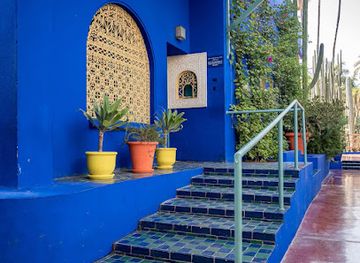
Jardin Majorelle
Discover the vibrant botanical beauty of Jardin Majorelle, a serene oasis in Marrakech that blends art, nature, and Berber culture.
-
Cultural landmark
Jemaa el-Fnaa
Experience the vibrant heart of Marrakesh at Jemaa el-Fnaa, a UNESCO World Heritage Site filled with culture, cuisine, and captivating performances.
-
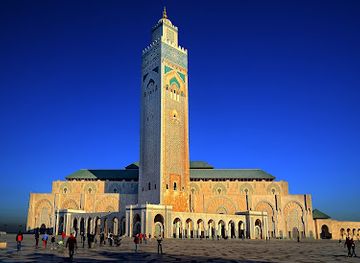
Mosque
Hassan II Mosque
Explore the breathtaking Hassan II Mosque in Casablanca, a stunning architectural gem overlooking the Atlantic Ocean and a symbol of Morocco's rich heritage.
-
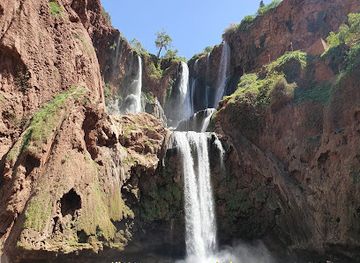
Tourist attraction
Ouzoud Waterfalls
Discover the breathtaking Ouzoud Waterfalls, a must-visit natural wonder in Morocco, where adventure and tranquility meet in stunning landscapes.
Explore Zemmour on the map
Plan your trip on one map. See where the top cities, national parks and sights are, and book hotels and experiences in a few clicks.
Best hotels in Zemmour
Best restaurants in Zemmour
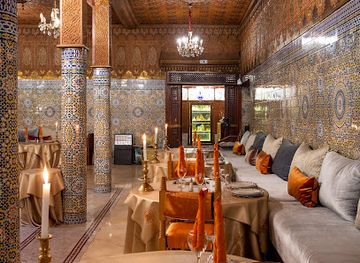
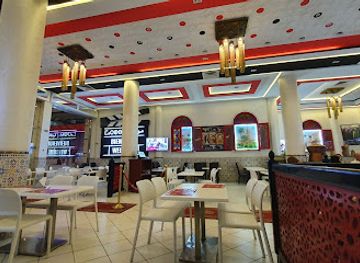
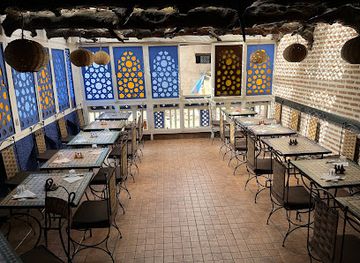
Dining in Zemmour is rooted in the everyday food of central Morocco: tajines, couscous, brochettes, soups, fresh bread, olives and seasonal vegetables are common in town restaurants, roadside cafés and family kitchens. Khémisset and Tiflet offer the broadest choice, from simple grill restaurants to cafés serving breakfast, mint tea and filling plates for travellers. Rural meals may be arranged through a host rather than selected from a formal tourist menu, and advance agreement is sensible for groups. The surrounding agricultural economy supports cereals, livestock and dairy production, while Oulmes is associated nationally with mineral water from local springs. Weekly markets provide a better sense of regional food supply than souvenir-oriented shops, with produce changing according to season. Alcohol is not central to the local dining scene, and visitors should expect modest, sociable meals rather than late-night restaurant culture. French and Moroccan Arabic may be more useful than English outside larger establishments.
-
Restaurant
Le Bistro Arabe - Moroccan Jazz Restaurant in Marrakech
Experience exquisite Moroccan cuisine paired with enchanting live jazz at Le Bistro Arabe in Marrakech's Medina.
-
Moroccan
Dar Essalam
Experience authentic Moroccan flavors at Dar Essalam in Marrakech's enchanting Medina - a fine dining journey into culinary excellence.
-
Family-friendly
Delices Ferkous
Experience the heart of Moroccan cuisine at Delices Ferkous - the perfect family-friendly restaurant in Marrakech.
-
Moroccan
Chez Brahim Restaurant
Experience traditional Moroccan dining at Chez Brahim Restaurant in Marrakesh – where authentic flavors meet warm hospitality.
Best bars in Zemmour
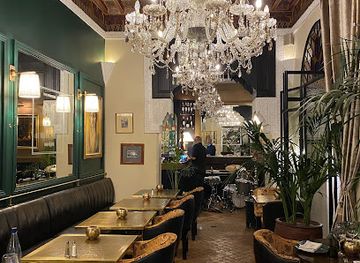
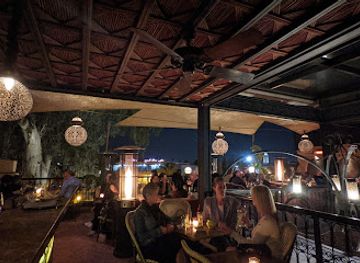
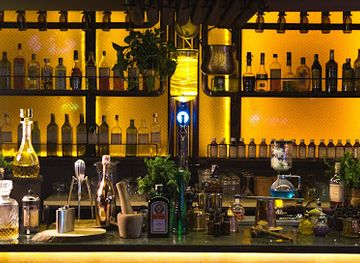
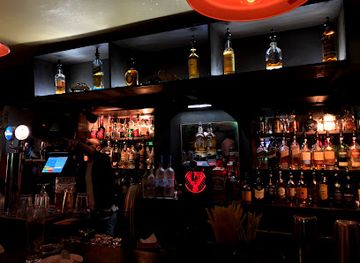
Zemmour has a restrained evening scene, centred on cafés, tea houses, casual restaurants and traditional meeting places rather than dedicated nightclubs. Khémisset and Tiflet have the greatest concentration of cafés, where residents gather for coffee, mint tea, conversation and televised sport; Rommani offers a smaller-town version of the same pattern. In rural areas, evenings are generally quiet and organised around homes, family visits or accommodation rather than public entertainment. Alcohol is available only in certain licensed establishments and is not a defining part of local social life. Visitors should not expect a major club district or extensive late-night transport, particularly away from the main towns. For a more varied nightlife programme, Rabat or Meknes, both outside Zemmour, are the nearest substantial urban alternatives, but travelling back after dark requires careful planning.
-
Restaurant
La Pergola
Experience the vibrant flavors and enchanting ambiance of La Pergola, a top dining destination in Marrakech with live music and exquisite Moroccan cuisine.
-
Lounge
Kosybar Marrakech (Restaurant Bar & Spa)
Discover the unique blend of Moroccan and Japanese flavors at Kosybar Marrakech, where vibrant culture meets exquisite cuisine.
-
Cocktail bar
BAROMETRE COCKTAILS in Marrakech
Discover the art of cocktail-making and Mediterranean cuisine at Marrakech's premier cocktail bar, Barometre Cocktails.
-
Pub
Upstairs
Experience the lively atmosphere and diverse drink selection at Upstairs, a must-visit pub in Rabat's vibrant nightlife scene.
Best nightclubs in Zemmour
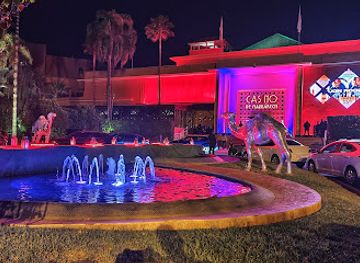
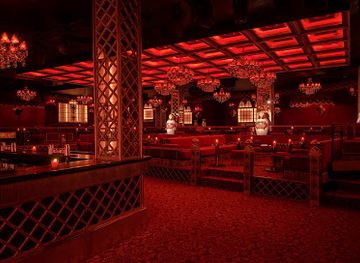
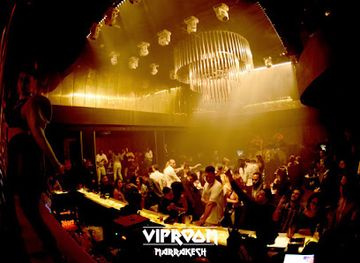
Zemmour has a restrained evening scene, centred on cafés, tea houses, casual restaurants and traditional meeting places rather than dedicated nightclubs. Khémisset and Tiflet have the greatest concentration of cafés, where residents gather for coffee, mint tea, conversation and televised sport; Rommani offers a smaller-town version of the same pattern. In rural areas, evenings are generally quiet and organised around homes, family visits or accommodation rather than public entertainment. Alcohol is available only in certain licensed establishments and is not a defining part of local social life. Visitors should not expect a major club district or extensive late-night transport, particularly away from the main towns. For a more varied nightlife programme, Rabat or Meknes, both outside Zemmour, are the nearest substantial urban alternatives, but travelling back after dark requires careful planning.
-
Disco club
Theatro Marrakech
Discover the electrifying nightlife of Theatro Marrakech, a premier disco club where music, dance, and luxury intertwine for an unforgettable experience.
-
Night club
BABOUCHKA
Discover Marrakech's nightlife at Babouchka, a premier night club where vibrant music and exquisite cocktails create unforgettable memories.
-
Disco club
SECRET ROOM MARRAKECH
Discover the electrifying nightlife of Marrakech at Secret Room, where unforgettable beats and vibrant energy create a perfect party atmosphere.
-
Night club
555 Famous Club Marrakech
Discover the electrifying nightlife of Marrakech at the 555 Famous Club, a hub for music, dance, and unforgettable memories.

Best shops in Zemmour
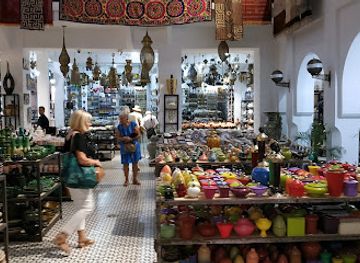
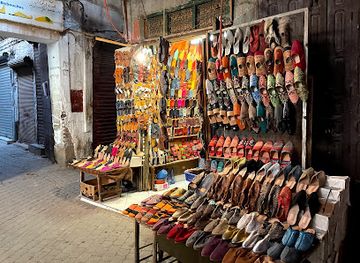
Shopping in Zemmour is most rewarding in its market towns, particularly Khémisset, where weekly commercial activity brings together farmers, livestock traders, food sellers, household-goods merchants and visitors from surrounding communities. The emphasis is practical rather than luxury-oriented, with cereals, vegetables, dairy products, olives, spices, clothing and everyday craft goods often more prominent than highly curated souvenirs. Tiflet and Rommani provide smaller-scale high-street shopping, cafés and service businesses, while village shops are useful for basic supplies but have limited choice. Visitors may find locally produced foodstuffs, woven items and simple leather or household goods, although quality and availability vary by season and market day. Oulmes mineral water is a recognised regional product, but it is a packaged commercial product rather than an exclusive handicraft. Carry cash for markets, ask before photographing stalls, and bargain politely when bargaining is appropriate. For extensive artisan shopping, designer goods or large retail centres, Rabat and Meknes outside the region offer a much wider selection.
-
Gift shop
Dar Bouchaib
Discover the charm of Marrakesh at Dar Bouchaib, your destination for unique gifts, jewelry, and cosmetics steeped in Moroccan tradition.
-
Shopping mall
Souk MARKET
Discover the enchanting Souk Market in Marrakesh, a vibrant hub for shopping, culture, and authentic Moroccan experiences.
-
Souvenir store
33 RUE MAJORELLE
Discover the essence of Moroccan art and craftsmanship at 33 Rue Majorelle, where unique souvenirs await every traveler.
-
Gift shop
mohameds shop
Discover the heart of Moroccan craftsmanship at Mohamed's Shop, where unique gifts and local hospitality await every traveler.
Get your free copy of our complete guide to Zemmour, delivered straight to you.
Everything on this page, from attractions and restaurants to essentials and local phrases, in one PDF you can read offline, print or share.
Already have an account? Sign in
Your Zemmour guide is ready.
We'll send it to · Not you? Sign out

Getting your guide ready…
We are putting together a fresh copy of the Zemmour guide. This can take up to a minute.
This can take a few moments. If your browser asks, choose Allow so the download can start. You'll find the guide in your Downloads folder.
Nothing happened? Download it again
Sorry, the guide is taking longer than usual. Please try again in a minute, or get it by email instead.
Zemmour essentials
Currency and Payment
Safety
Emergency Situations
Do's and Don'ts
Local Tips
From Eve
Local phrases worth knowing
You don't need to get them perfect. A few words go a long way, and locals appreciate the effort.
Basics
| English | Local | Say it |
|---|---|---|
| Hello | سلام | [Salam] |
| Goodbye | وداعا | [Wada'a] |
| Yes | نعم | [Na'am] |
| No | لا | [La] |
| Please/You're welcome | من فضلك | [Min fadlik] |
| Thank you | شكرا | [Shukran] |
| Excuse me/Sorry | عفوا | [Afwan] |
| How are you? | كيف حالك؟ | [Kayfa halak?] |
| Fine. And you? | بخير، وأنت؟ | [Bikhayr, wa anta?] |
| Do you speak English? | هل تتحدث الإنجليزية؟ | [Hal tatahadath al-ingliziyya?] |
| I don't understand | لا أفهم | [La afham] |
Eating & Drinking
| English | Local | Say it |
|---|---|---|
| I'd like to see the menu, please | أود رؤية القائمة، من فضلك | [Awad ru'yat al-qa'ima, min fadlik] |
| I don't eat meat | لا أتناول اللحم | [La atanaawal al-lahm] |
| Cheers! | صحتين! | [Sahtein!] |
| I would like to pay, please | أود الدفع، من فضلك | [Awad al-daf', min fadlik] |
Emergencies
| English | Local | Say it |
|---|---|---|
| Help! | مساعدة! | [Musaa'ada!] |
| Go away! | ابتعد! | [Ibt'id!] |
| Call the Police! | اتصل بالشرطة! | [Ittasil bil-shurta!] |
| Call a doctor! | اتصل بطبيب! | [Ittasil bi-tabeeb!] |
| I'm lost | أنا ضائع | [Ana da'i'] |
| I'm ill | أنا مريض | [Ana marid] |
Shopping
| English | Local | Say it |
|---|---|---|
| I'd like to buy... | أود شراء... | [Awad shira'] |
| I'm just looking | أنا فقط أبحث | [Ana faqat abhat] |
| How much is it? | كم ثمنه؟ | [Kam thamano?] |
| That's too expensive | هذا غالي جدا | [Hatha ghali jiddan] |
| Can you lower the price? | هل يمكنك خفض السعر؟ | [Hal yumkinuka khafd al-si'ar?] |
Time & Numbers
| English | Local | Say it |
|---|---|---|
| What time is it? | كم الساعة؟ | [Kam al-saa'a?] |
| It's one o'clock | الساعة واحدة | [Al-saa'a wahida] |
| Half past (10) | نصف بعد (10) | [Nisf ba'd (10)] |
| Morning | صباح | [Sabaah] |
| Afternoon | بعد الظهر | [Ba'd al-dhuhr] |
| Evening | مساء | [Masa'] |
| Yesterday | أمس | [Ams] |
| Today | اليوم | [Al-yawm] |
| Tomorrow | غدا | [Ghadan] |
| 1 | واحد | [Wahid] |
| 2 | اثنان | [Ithnan] |
| 3 | ثلاثة | [Thalatha] |
| 4 | أربعة | [Arba'a] |
| 5 | خمسة | [Khamsa] |
| 6 | ستة | [Sitta] |
| 7 | سبعة | [Sab'a] |
| 8 | ثمانية | [Thamaniya] |
| 9 | تسعة | [Tis'a] |
| 10 | عشرة | [Ashara] |
Transport & Directions
| English | Local | Say it |
|---|---|---|
| Where's a/the...? | أين هو/هي...؟ | [Ayna huwa/hiya...?] |
| What's the address? | ما هو العنوان؟ | [Ma huwa al-'unwan?] |
| Can you show me (on the map)? | هل يمكنك أن تريني (على الخريطة)؟ | [Hal yumkinuka an turini (ala al-kharita)?] |
| When's the next (bus)? | متى يأتي (الباص) التالي؟ | [Mata ya'ti (al-bas) al-tali?] |
| A ticket (to ....) | تذكرة (إلى ....) | [Tadhkira (ila ....)] |
History of Zemmour
Early settlement and plateau pastoralism
The Zemmour plateau has long supported farming, grazing and movement between the Atlantic plain and Morocco’s interior. Prehistoric finds across central Morocco show that people occupied and exploited these landscapes long before written records, although the archaeological record is uneven and many rural sites are not developed for tourism. Seasonal water, woodland and open pasture helped shape settlement patterns. The region’s later tribal organisation grew from this relationship with land and mobility, with agriculture and pastoralism remaining central to local life.
The Roman frontier in central Morocco
During the Roman period, the wider central Moroccan hinterland formed part of or lay near the province of Mauretania Tingitana. Roman authority was strongest around settled corridors, roads and agricultural areas, while the uplands and pastoral zones were less directly controlled. Zemmour was not a major Roman city, and the famous ruins of Volubilis lie outside the region, near Moulay Idriss Zerhoun. Nevertheless, the plateau belonged to a wider landscape of interaction between Roman administration, local communities and established trans-Moroccan routes.
Islamic dynasties and the central plateau
After the early Islamic conquest, central Morocco was incorporated gradually into the political and religious networks of successive dynasties. Almoravid, Almohad, Marinid and later Saadian and Alaouite rulers governed through a combination of towns, religious institutions, military authority and alliances with rural communities. Zemmour’s open plateau connected the Atlantic side of Morocco with inland centres, but direct state control varied over time. The region’s history is therefore less about a single capital or monument than about negotiation between settled government and autonomous tribal communities.
The Zemmour confederation and Amazigh identity
The Zemmour name is closely associated with a confederation of Amazigh-speaking tribes whose communities inhabited the central Moroccan plateau. Tribal organisation influenced land use, protection, migration and relations with the makhzen, the Moroccan state authority. Zemmour identity was never isolated from wider Moroccan society: Arabic-speaking communities, neighbouring groups, religious networks and commercial links all contributed to the region’s history. Today, Amazigh heritage remains visible in family histories, local speech, rural customs and cultural memory, even as education, urbanisation and national institutions have changed daily life.
The French Protectorate and military consolidation
The establishment of the French Protectorate in 1912 brought intensified military and administrative intervention to central Morocco. The plateau’s strategic position between Rabat, Meknes and the Middle Atlas made it important in the gradual extension of colonial control. Roads, posts and administrative centres altered patterns of movement and authority, while resistance and negotiation continued in different forms. The period also introduced new forms of land administration and infrastructure. Its legacy remains part of the region’s modern geography, although colonial descriptions should not obscure the agency of Zemmour communities.
Post-independence agriculture and urban change
Since Morocco regained independence in 1956, Zemmour has experienced the transformation common to many inland regions: improved roads, expanded schooling and public services, mechanised agriculture, changing pastoral practices and migration towards Rabat, Casablanca, Meknes and other cities. Khémisset, Tiflet and Rommani have grown as service and trading centres, while many rural communities continue to depend on cereals, livestock and seasonal agricultural work. The result is a region where older market and tribal connections coexist with modern transport, communications and national economic networks.
Zemmour in Photos
Browse through our photo collection highlighting the charm and character of the destination.
Neighbouring regions of Zemmour
The closest regions to Zemmour, if you have time for more than one.
-

-

-

-

-


Swipe for more regions

