

Free Tensift Travel Guide & Mobile App
Explore Tensift with free travel guides. Discover regional history, expert tips, proposed trips, and audio guides on web or mobile app.


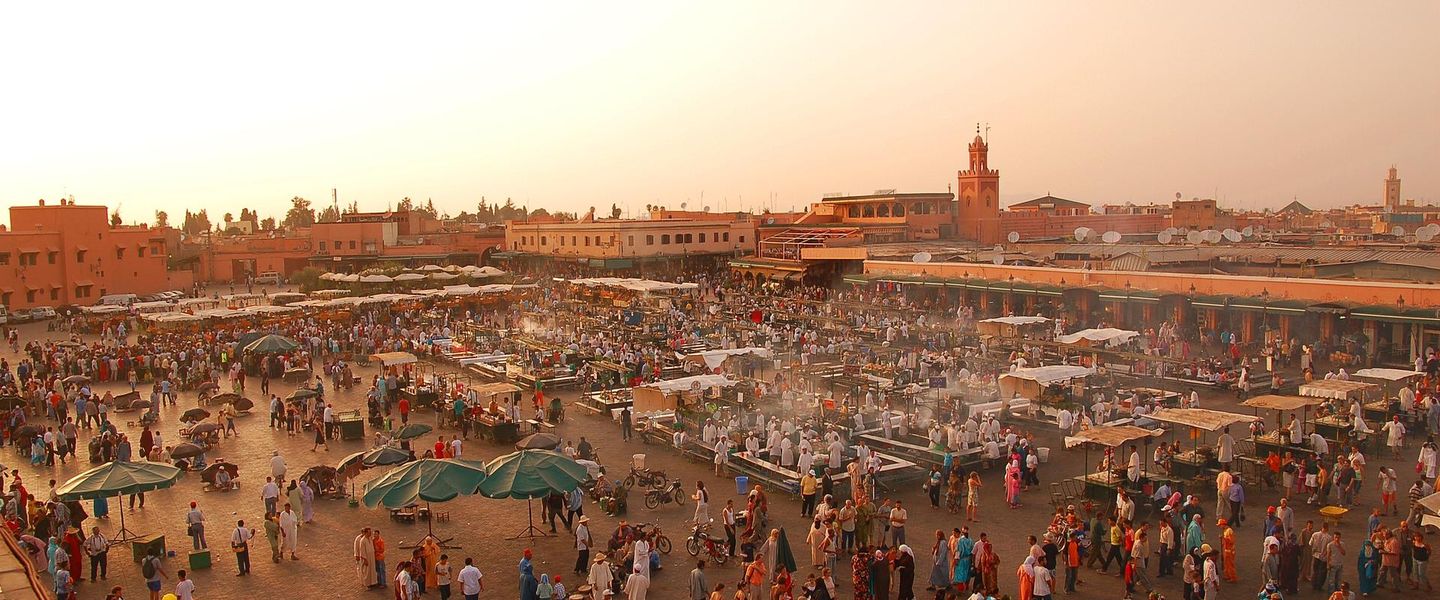


Explore Tensift through Marrakesh's medina, Atlas foothills, argan country and the Atlantic heritage of Essaouira and Safi.
Read more about Tensift
When is the best time to visit Tensift?
Best: April–May, October · 24–28°C| Month | High (°C) | Rainfall (mm) |
|---|---|---|
| January | 17 | 33 |
| February | 18 | 30 |
| March | 21 | 28 |
| April (best) | 24 | 23 |
| May (best) | 28 | 15 |
| June | 32 | 8 |
| July | 36 | 4 |
| August | 36 | 7 |
| September | 32 | 14 |
| October (best) | 27 | 21 |
| November | 21 | 26 |
| December | 18 | 30 |
Getting to and around Tensift
How to get there
Transportation
Top city travel guides in Tensift
The cities of Tensift, and the easiest places to base yourself.
-

-

-


Swipe for more cities
Destinations in Tensift
Resorts, valleys and scenic spots worth a trip of their own.
-

-

-

-

-

-


Swipe for more destinations
Best attractions in Tensift
Tensift's attractions range from the concentrated historic fabric of Marrakesh to Atlantic harbours, craft traditions and open agricultural landscapes. In Marrakesh, the medina provides a dense sequence of palaces, gardens, souks, museums and monumental gates, while the newer districts offer contemporary galleries, restaurants and cultural venues. The Haouz plain and Atlas foothills introduce a different experience of irrigation landscapes, olive groves, rural markets and guided walks, although many countryside sites require private transport or organised excursions. Essaouira combines a fortified medina with a working port, beaches, watersports and a strong tradition of music and woodcraft. Safi offers ceramics, fishing activity and coastal history below its historic quarters. Argan-growing country west and south of Marrakesh is best experienced through responsible visits to cooperatives and rural communities rather than hurried roadside stops. Across the region, the appeal lies in the transition between imperial urban heritage, semi-arid farming country and wind-shaped Atlantic scenery.
-
Tourist attraction
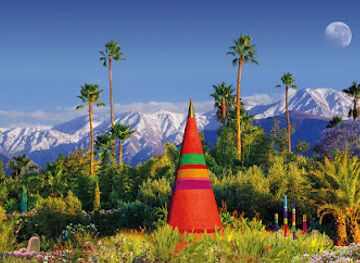
Anima (André Heller Garden)
Explore the breathtaking Anima Garden in Marrakech, where art meets nature in a stunning oasis filled with vibrant flora and artistic installations.
-
Tourist attraction
Kasbah Ait Ben Haddou
-
Cafe
Henna Café
Discover the perfect blend of Moroccan cuisine and henna artistry at Henna Café in the heart of Marrakesh's Medina.
-
Tourist attraction
QUAD MARRAKECH
Discover adventure in the heart of Marrakech at Quad Marrakech, where thrilling quad biking meets stunning landscapes.


Best landmarks in Tensift
The Koutoubia Mosque and minaret is Marrakesh's defining architectural landmark, rising above the medina and representing the city's Almohad period; non-Muslim visitors generally view it from outside. The red walls and monumental gates of the Marrakesh medina express the city's historic imperial character, while the Bahia Palace and Saadian Tombs reveal later courtly craftsmanship through carved plaster, painted wood and tilework. On the Atlantic, Essaouira's Skala ramparts and sea-facing cannons form one of Morocco's most recognisable fortified urban landscapes, linking the medina to its harbour and rocky shore. Safi's coastal escarpment, historic fortifications and Portuguese-inspired architectural remains reflect centuries of maritime competition and trade. The Tensift River itself is a geographical landmark rather than a single urban monument, marking the drainage route from the Atlas towards the Atlantic. In the countryside, argan groves and the broad Haouz plain provide a less monumental but equally important sense of place, shaped by water, farming and mountain horizons.
-
Garden
Jardin Majorelle
Discover the captivating beauty of Jardin Majorelle in Marrakech, a botanical garden filled with exotic plants and rich artistic heritage.
-
Cultural landmark
Jemaa el-Fnaa
Discover the vibrant culture and culinary delights of Jemaa el-Fnaa, Marrakesh's iconic market and cultural landmark, where tradition meets excitement.
-
Historical landmark
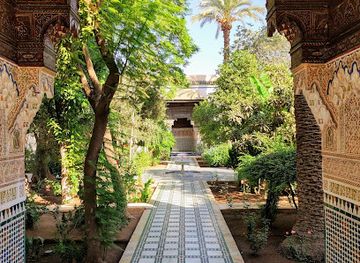
Bahia Palace
Explore Bahia Palace, a stunning example of Moroccan architecture enriched with history and beauty, nestled in the vibrant Medina of Marrakesh.
-
 Mosque
Koutoubia
Explore the stunning Koutoubia Mosque, a historical landmark in Marrakech renowned for its breathtaking architecture and serene gardens.


Explore Tensift on the map
Plan your trip on one map. See where the top cities, national parks and sights are, and book hotels and experiences in a few clicks.
Best hotels in Tensift
Best restaurants in Tensift
Dining in Tensift reflects the contrast between inland agriculture and the Atlantic coast. Marrakesh offers the broadest choice, from traditional restaurants and riad dining rooms to cafés, food stalls and contemporary Moroccan kitchens. Common regional ingredients include olives, citrus, dates, almonds, vegetables, lamb, poultry and aromatic herbs, appearing in tagines, couscous, salads, soups and pastries. The coastal towns add sardines, grilled fish, shellfish and seafood soups, with harbour-side cooking especially associated with Essaouira and Safi. Moroccan mint tea is widely served, while fresh juices, breads and sweet pastries are common at cafés and markets. Argan oil appears in both culinary and cosmetic forms, so visitors should check the label and provenance when buying it. Rural markets and cooperative shops can be useful places to find honey, olives, dates and preserved foods, though selection and hygiene standards vary between locations.
-
Restaurant
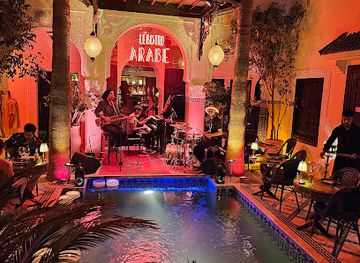
Le Bistro Arabe - Moroccan Jazz Restaurant in Marrakech
Experience exquisite Moroccan cuisine paired with live jazz at Le Bistro Arabe in Marrakech's enchanting Medina.
-
Moroccan
Nomad Marrakech
Discover the flavors of Morocco at Nomad Marrakech - where tradition meets modernity in every dish.
-
Moroccan
Le Jardin Restaurant Marrakech Medina
Discover Le Jardin Restaurant: A tranquil oasis in Marrakech's Medina offering authentic Moroccan cuisine amidst lush gardens.
-
Restaurant
Le terrasse des épices
Discover the exquisite flavors of Morocco at Le Terrasse des Épices, where culinary artistry meets breathtaking views in the heart of Marrakech.


Best bars in Tensift
Evening life differs sharply across Tensift. Marrakesh has the region's largest and most varied scene, including hotel lounges, cocktail bars, rooftop venues, live-music spaces and late-night establishments concentrated mainly in the modern city and tourist districts. The medina is more closely associated with tea houses, cafés, traditional restaurants and evening walks than with nightclubs. Essaouira has a relaxed coastal culture built around cafés, restaurants, hotel bars and occasional live music, with evenings often shaped by wind and cooler temperatures. Safi's nightlife is comparatively local and modest, centred on cafés, restaurants and social meeting places rather than a large club circuit. In rural areas, evening entertainment usually means a shared meal, tea or a local café. Alcohol is available in licensed establishments but is not central to experiencing the region, and opening arrangements can change seasonally.
-
Bar
La Pergola
Discover La Pergola: A culinary gem in Marrakech blending Moroccan flavors with lively entertainment for an unforgettable dining experience.
-
Moroccan
Comptoir Darna
Discover the essence of Moroccan culture with exquisite cuisine and vibrant nightlife at Comptoir Darna, Marrakech's premier dining and entertainment venue.
-
Restaurant
Restaurant - Le 68 Bar à Vin Marrakech
Discover the charm of French cuisine and fine wines at Le 68 Bar à Vin, a must-visit restaurant in the heart of Marrakech.
-
Restaurant
Pointbar Marrakech
Experience the vibrant culinary scene of Marrakech at Pointbar, where traditional Moroccan flavors meet contemporary tapas delights.


Best nightclubs in Tensift
Evening life differs sharply across Tensift. Marrakesh has the region's largest and most varied scene, including hotel lounges, cocktail bars, rooftop venues, live-music spaces and late-night establishments concentrated mainly in the modern city and tourist districts. The medina is more closely associated with tea houses, cafés, traditional restaurants and evening walks than with nightclubs. Essaouira has a relaxed coastal culture built around cafés, restaurants, hotel bars and occasional live music, with evenings often shaped by wind and cooler temperatures. Safi's nightlife is comparatively local and modest, centred on cafés, restaurants and social meeting places rather than a large club circuit. In rural areas, evening entertainment usually means a shared meal, tea or a local café. Alcohol is available in licensed establishments but is not central to experiencing the region, and opening arrangements can change seasonally.
-
Disco club
Theatro Marrakech
Experience the electrifying nightlife at Theatro Marrakech, a premier disco club with stunning decor, top DJs, and unforgettable parties in the heart of Marrakech.
-
Night club
BABOUCHKA
Immerse yourself in a vibrant nightlife experience at Babouchka, Marrakech's premier night club, featuring eclectic music and expertly crafted drinks.
-
Restaurant
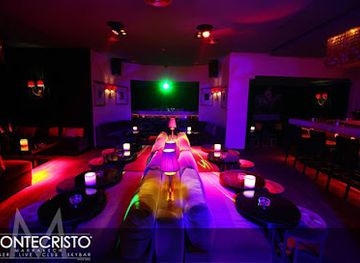
Montecristo
Experience the vibrant culinary and nightlife scene at Montecristo, Marrakech's premier restaurant and disco club offering exquisite flavors and electrifying entertainment.
-
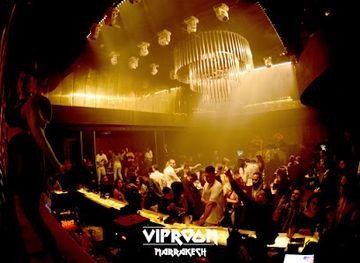
Disco club
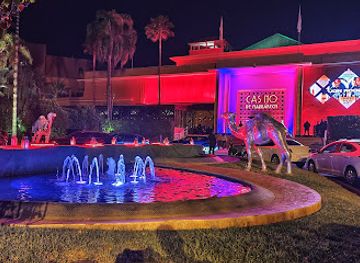
SECRET ROOM MARRAKECH
Immerse yourself in the electrifying nightlife of Marrakech at Secret Room, where vibrant music and unforgettable moments await.

Best shops in Tensift
Shopping in Tensift ranges from the dense souks of Marrakesh to specialised coastal crafts and rural produce. Marrakesh is known for leather goods, woven textiles, carpets, slippers, metalwork, lanterns, spices and decorative objects, with quality and provenance varying considerably between sellers. Essaouira has a long association with thuya-wood marquetry and carved products, alongside textiles, jewellery, art and small galleries in and around the medina. Safi is particularly associated with painted ceramics, and visitors interested in pottery should compare forms, glazing and workshop techniques rather than relying only on labels. Across the western countryside, cooperatives sell argan oil, almonds, honey, olives and related products; choose sealed, clearly labelled items when taking food or cosmetics abroad. Marrakesh's traditional markets reward unhurried browsing, while coastal and inland towns generally offer a smaller, more specialised retail experience than the major tourist souks.
-
Shopping mall
Carré Eden
Explore Carré Eden in Marrakech, where modern shopping meets Moroccan charm amidst a variety of stores and delightful dining options.
-
Supermarket
Marjane Market
Explore Marjane Market in Marrakech for a unique shopping experience filled with local flavors and products to take home.
-
Gift shop
Dar Bouchaib
Explore Dar Bouchaib in Marrakesh, where Moroccan craftsmanship meets vibrant shopping in a unique gift shop experience.
-
Shopping mall
Souk MARKET
Discover the Vibrant Souk MARKET in Marrakesh – a cultural shopping experience filled with handmade treasures and local charm.


Get your free copy of our complete guide to Tensift, delivered straight to you.
Everything on this page, from attractions and restaurants to essentials and local phrases, in one PDF you can read offline, print or share.
Already have an account? Sign in
Your Tensift guide is ready.
We'll send it to · Not you? Sign out

Getting your guide ready…
We are putting together a fresh copy of the Tensift guide. This can take up to a minute.
This can take a few moments. If your browser asks, choose Allow so the download can start. You'll find the guide in your Downloads folder.
Nothing happened? Download it again
Sorry, the guide is taking longer than usual. Please try again in a minute, or get it by email instead.
Tensift essentials
Currency and Payment
Safety
Emergency Situations
Do's and Don'ts
Local Tips
From Eve
Local phrases worth knowing
You don't need to get them perfect. A few words go a long way, and locals appreciate the effort.
Basics
| English | Local | Say it |
|---|---|---|
| Hello | سلام | [Salam] |
| Goodbye | وداعا | [Wada'an] |
| Yes | نعم | [Na'am] |
| No | لا | [La] |
| Please/You're welcome | من فضلك | [Min fadlik] |
| Thank you | شكرا | [Shukran] |
| Excuse me/Sorry | عفوا | [Afwan] |
| How are you? | كيف حالك؟ | [Kayfa halak?] |
| Fine. And you? | بخير. وأنت؟ | [Bikhayr. Wa anta?] |
| Do you speak English? | هل تتحدث الإنجليزية؟ | [Hal tatahaddath al-ingliziyya?] |
| I don't understand | لا أفهم | [La afham] |
Eating & Drinking
| English | Local | Say it |
|---|---|---|
| I'd like to see the menu, please | أود رؤية القائمة، من فضلك | [Awad ru'yat al-qa'ima, min fadlik] |
| I don't eat meat | لا آكل اللحم | [La akul al-lahm] |
| Cheers! | في صحتك! | [Fi sihtak!] |
| I would like to pay, please | أود الدفع، من فضلك | [Awad al-daf', min fadlik] |
Emergencies
| English | Local | Say it |
|---|---|---|
| Help! | نجدة! | [Najda!] |
| Go away! | ابتعد! | [Ibt'id!] |
| Call the Police! | اتصل بالشرطة! | [Ittasil bil-shurta!] |
| Call a doctor! | اتصل بالطبيب! | [Ittasil bil-tabeeb!] |
| I'm lost | أنا ضائع | [Ana da'i'] |
| I'm ill | أنا مريض | [Ana marid] |
Shopping
| English | Local | Say it |
|---|---|---|
| I'd like to buy... | أود شراء... | [Awad shira'] |
| I'm just looking | أنا فقط أبحث | [Ana faqat abhas] |
| How much is it? | كم يكلف؟ | [Kam yukallif?] |
| That's too expensive | هذا مكلف جدا | [Hatha mukallif jidan] |
| Can you lower the price? | هل يمكنك خفض السعر؟ | [Hal yumkinuka khafd al-si'r?] |
Time & Numbers
| English | Local | Say it |
|---|---|---|
| What time is it? | كم الساعة؟ | [Kam al-saa'a?] |
| It's one o'clock | الساعة الواحدة | [Al-saa'a al-wahidah] |
| Half past (10) | نصف الساعة (10) | [Nisf al-saa'a (10)] |
| Morning | صباحا | [Sabahan] |
| Afternoon | بعد الظهر | [Ba'd al-zuhur] |
| Evening | مساء | [Masa'] |
| Yesterday | بالأمس | [Bil-amس] |
| Today | اليوم | [Al-yawm] |
| Tomorrow | غدا | [Ghadan] |
| 1 | واحد | [Wahid] |
| 2 | اثنان | [Ithnan] |
| 3 | ثلاثة | [Thalatha] |
| 4 | أربعة | [Arba'a] |
| 5 | خمسة | [Khamsa] |
| 6 | ستة | [Sitta] |
| 7 | سبعة | [Sab'a] |
| 8 | ثمانية | [Thamaniya] |
| 9 | تسعة | [Tis'a] |
| 10 | عشرة | [Ashara] |
Transport & Directions
| English | Local | Say it |
|---|---|---|
| Where's a/the...? | أين...؟ | [Ayn...?] |
| What's the address? | ما هو العنوان؟ | [Ma huwa al-'unwan?] |
| Can you show me (on the map)? | هل يمكنك إظهار لي (على الخريطة)؟ | [Hal yumkinuka izhar li (ala al-kharita)?] |
| When's the next (bus)? | متى يأتي (الباص) التالي؟ | [Mata ya'ti (al-bus) al-tali?] |
| A ticket (to ....) | تذكرة (إلى ....) | [Tadhkara (ila ....)] |
History of Tensift
Early settlement and the Tensift plain
The Tensift basin has long supported settlement because the river and seasonal watercourses make parts of an otherwise dry landscape cultivable. Farming communities developed around cereals, olives, fruit and livestock, while the High Atlas supplied routes, water and mountain products. Archaeological evidence across the wider Marrakech-Safi area records prehistoric occupation, though the visible character of today's towns was shaped more strongly by later Islamic dynasties. The contrast between irrigated plain, foothills and Atlantic coast created a regional economy in which inland agriculture, mountain exchange and maritime trade were closely connected.
Marrakesh and the Almoravid foundation
Marrakesh was founded in the eleventh century by the Almoravids and became a major political and commercial centre of Morocco. Its location at the northern edge of the Atlas and beside routes across the Tensift plain helped connect Saharan commerce with the Atlantic and northern cities. The Almoravids established the urban and irrigation foundations on which the city grew, while the later Almohads enlarged its monuments and waterworks. The medina's layout, walls and surviving architectural traditions still express Marrakesh's role as an imperial capital rather than simply a regional market town.
The Almohad and Saadian imperial eras
The Almohads made Marrakesh the centre of a powerful empire in the twelfth and early thirteenth centuries, leaving a substantial architectural legacy, including the Koutoubia and major defensive works. Centuries later, the Saadian dynasty again used Marrakesh as a capital. Saadian wealth was linked partly to trans-Saharan commerce and overseas trade, and the dynasty's tombs and palaces reveal the city's political importance. These periods established many of the artistic and urban forms associated with Marrakesh, from monumental gateways to geometric tilework, carved plaster and cedar decoration.
Atlantic ports and European contact
The Atlantic coast west of the Tensift plain became increasingly important to maritime trade and strategic competition. Portuguese forces occupied or influenced several Moroccan coastal sites during the fifteenth and sixteenth centuries, while Essaouira developed later under the Alaouite sultan Sidi Mohammed ben Abdallah in the eighteenth century as a planned port, fortress and diplomatic centre. Safi also maintained a long history as a port and fishing town. Jewish merchant communities, Amazigh networks, Arab tribes and European traders all contributed to the coast's commercial and cultural history.
Irrigation, agriculture and the argan landscape
The Haouz plain and surrounding districts were transformed by continuing irrigation, including traditional underground and surface water systems, enabling cultivation in a semi-arid environment. Agriculture centred on cereals, olives, citrus, vegetables and livestock, while argan trees became especially important in the western and southwestern parts of the wider region. Argan groves support both ecological and economic life, and their products are associated with local cooperatives and household production. Water management remains an essential part of understanding settlement patterns and the pressures affecting rural Tensift.
French rule, the protectorate and modern tourism
During the French Protectorate, established in Morocco in 1912, Marrakesh was reshaped by new administrative districts, roads and rail connections while its medina remained a major historic centre. Coastal towns and agricultural zones were also drawn into modern systems of trade and administration. After independence in 1956, Marrakesh expanded rapidly and became one of Morocco's principal international tourism centres. Essaouira and Safi developed along different paths, retaining stronger maritime and industrial identities. Contemporary Tensift therefore contains both historic urban cores and newer districts shaped by migration, tourism, farming and changing water availability.
Tensift in Photos
Browse through our photo collection highlighting the charm and character of the destination.
Neighbouring regions of Tensift
The closest regions to Tensift, if you have time for more than one.
-

-

-

-

-


Swipe for more regions
Explore more

Explore more of Morocco
Discover Morocco: A land of rich history, vibrant culture, and stunning landscapes, where ancient traditions meet modern allure.
Explore Morocco