

Free Chaouia Travel Guide & Mobile App
Explore Chaouia with free travel guides. Discover regional history, expert tips, proposed trips, and audio guides on web or mobile app.


Discover Chaouia in Morocco for open cereal plains, historic Settat, rural markets, agricultural traditions and accessible inland journeys from Casablanca.
Read more about Chaouia
When is the best time to visit Chaouia?
Best: April–May, October · 23–27°C| Month | High (°C) | Rainfall (mm) |
|---|---|---|
| January | 18 | 71 |
| February | 19 | 61 |
| March | 21 | 50 |
| April (best) | 23 | 40 |
| May (best) | 27 | 30 |
| June | 30 | 15 |
| July | 34 | 10 |
| August | 34 | 15 |
| September | 31 | 20 |
| October (best) | 27 | 40 |
| November | 22 | 50 |
| December | 17 | 61 |
Getting to and around Chaouia
How to get there
Transportation
Top city travel guides in Chaouia
The cities of Chaouia, and the easiest places to base yourself.
-

-


Swipe for more cities
Best attractions in Chaouia
Chaouia’s attractions are primarily cultural, rural and landscape-based rather than concentrated in a single monumental centre. Settat offers the strongest introduction, with its historic kasbah and medina alongside markets, cafés and the contemporary life of Hassan First University. Berrechid provides a window onto the economic importance of farming, food processing and commuter links with Casablanca. Around Ben Slimane, the landscape becomes more wooded and gently undulating, offering opportunities for quiet drives, countryside walks and observation of rural life, although facilities outside the towns are limited. Seasonal souks are among the region’s most revealing experiences, bringing together grain, livestock, produce, household goods and local trade. Visitors interested in agriculture can see how cereal cultivation and pastoral activity shape the plain, while photographers will find changing colours between the green months and the dry summer season. Chaouia is best approached slowly, with time for market towns, roadside stops and panoramic views across fields rather than a checklist of major admission-paying attractions.
-
Tourist attraction
Souk El Had
Experience the colorful charm of Souk El Had, Agadir's vibrant market filled with local crafts, spices, and delicious Moroccan cuisine.
-
Tourist attraction
Arab League Park
Explore the serene beauty of Arab League Park, a tranquil urban oasis in Casablanca, perfect for relaxation and cultural experiences.
-
Tourist attraction
Bouskoura forest.
Experience the lush beauty and tranquility of Bouskoura Forest, a national treasure near Casablanca, perfect for nature lovers and outdoor enthusiasts.
-
Produce market
Central Marketplace
Discover the vibrant Central Marketplace in Casablanca, where fresh produce and seafood come alive in a bustling atmosphere rich in Moroccan culture.


Best landmarks in Chaouia
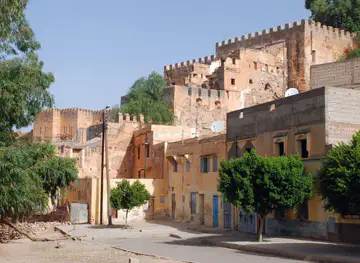
The most recognisable historic landmark in Chaouia is the kasbah and old urban core of Settat, whose fortified character recalls the town’s role in extending Alaouite authority across the plain. Its significance is both architectural and geographical: Settat developed as a controlled stopping point on routes linking the Atlantic cities with the interior, and the surrounding urban fabric still conveys that strategic position. The historic medina provides a more intimate landmark landscape of lanes, market spaces and traditional buildings, although it should be read as a living town rather than a preserved museum quarter. Beyond Settat, Chaouia’s most characteristic landmarks are often broad and functional rather than monumental: agricultural horizons, market squares, roadside shrines and the wooded countryside near Ben Slimane. These places express the region’s identity as a productive plain and historic tribal territory. Unlike Morocco’s imperial cities, Chaouia has relatively few grand architectural ensembles, so its most meaningful landmarks are the combination of Settat’s kasbah, its market-town setting and the landscape that made the settlement important.
-
Cultural landmark
Jemaa el-Fnaa
Explore the vibrant Jemaa el-Fnaa, a cultural landmark in Marrakesh teeming with markets, street performances, and delicious culinary delights.
-
Mosque
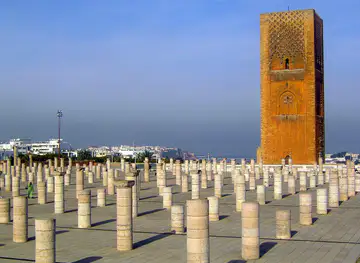
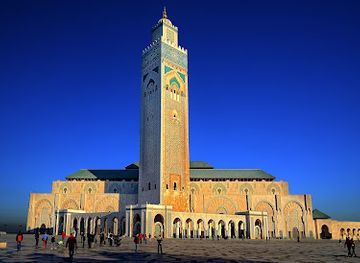
Hassan II Mosque
Experience the grandeur of the Hassan II Mosque in Casablanca, a stunning architectural marvel and a key highlight of Morocco's cultural heritage.
-
Tourist attraction
Ouzoud Waterfalls
Discover the breathtaking Ouzoud Waterfalls in Morocco, a stunning natural attraction known for its cascading waters and vibrant surrounding landscapes.
-
Historical landmark
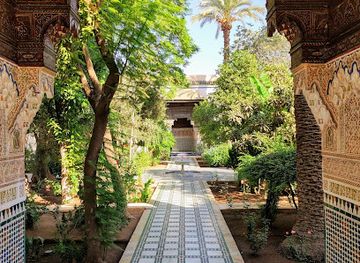
Bahia Palace
Explore Bahia Palace, a stunning historical landmark in Marrakesh, rich in architectural beauty and Moroccan culture, perfect for your travel itinerary.


Explore Chaouia on the map
Plan your trip on one map. See where the top cities, national parks and sights are, and book hotels and experiences in a few clicks.
Best hotels in Chaouia
Best restaurants in Chaouia
Dining in Chaouia reflects the food culture of Morocco’s Atlantic plains, with bread, couscous, tajines, grilled meats, seasonal vegetables and pulses forming the basis of everyday meals. Settat and Berrechid have the widest choice of cafés, informal restaurants and traditional eateries, while smaller settlements are more likely to offer simple grills, soup, tea and bread-based meals. Cereal farming gives wheat and other grains a visible place in the local food economy, and rural markets provide opportunities to see seasonal produce, olives, dates and preserved ingredients moving through the region. In farming communities, meals may be substantial and communal, particularly around family occasions, though visitors should not assume that every rural establishment serves a fixed regional menu. Mint tea remains common, while fresh juices and Moroccan pastries are widely available in town cafés. Travellers should carry water on countryside excursions and expect opening patterns and menu variety to be more limited outside the principal towns.
-
Moroccan
La Sqala
Discover authentic Moroccan flavors at La Sqala in Casablanca's historic fortress setting.
-
Moroccan
Al-Mounia
Savor authentic Moroccan dishes at Al-Mounia in Casablanca, where tradition meets exquisite flavors in a vibrant dining atmosphere.
-
Moroccan
Ô Lac
Experience authentic Moroccan flavors at Ô Lac, where traditional dishes meet warm hospitality in أولاد الرامي.
-
Italian
Au Four A Bois
Savor authentic Italian flavors at Au Four A Bois in Casablanca—where wood-fired pizzas and hearty pastas create unforgettable dining experiences.



Best bars in Chaouia
Chaouia has a restrained evening scene centred on cafés, restaurants, tea houses and traditional meeting places rather than a large nightclub culture. Settat offers the broadest choice of late cafés and casual restaurants, while Berrechid’s evening activity is influenced by its size, working population and proximity to Casablanca. In Ben Slimane and smaller settlements, evenings are generally quieter, with social life focused on cafés, family restaurants and local promenades. Alcohol is available only in certain licensed hotels, restaurants and venues, and should not be assumed to be offered in ordinary cafés or rural establishments. Visitors seeking major clubs, concerts or a dense bar circuit will find a far wider selection in Casablanca, outside Chaouia. For most travellers, the region’s evening character is better represented by tea, conversation, grilled food and the slower rhythm of a market town than by organised nightlife.
-
 Restaurant
Sky 28
Experience the heights of dining at Sky 28, Casablanca's premier rooftop restaurant with stunning views and exquisite cuisine.
-
Spanish
La Bodega de Casablanca
Savor the vibrant flavors of Spain in the heart of Casablanca at La Bodega, an unforgettable dining experience with lively ambience.
-
Pub
The Irish Pub Casablanca
Experience the charm of Ireland in Casablanca at The Irish Pub, where delicious food and drinks meet lively entertainment and warm hospitality.
-
Grill
Les Terrasses : Café & Restaurant
Experience the vibrant flavors of Moroccan cuisine at Les Terrasses, a cozy café and restaurant in Mohammedia, ideal for grilled delights and local specialties.


Best nightclubs in Chaouia
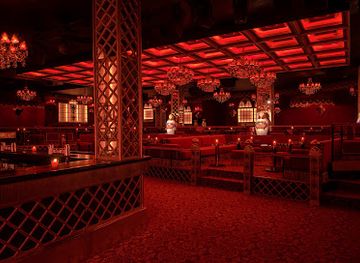
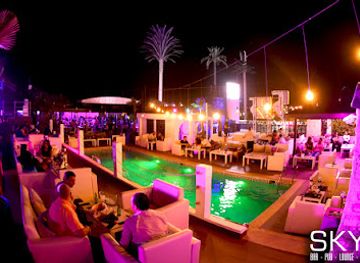
Chaouia has a restrained evening scene centred on cafés, restaurants, tea houses and traditional meeting places rather than a large nightclub culture. Settat offers the broadest choice of late cafés and casual restaurants, while Berrechid’s evening activity is influenced by its size, working population and proximity to Casablanca. In Ben Slimane and smaller settlements, evenings are generally quieter, with social life focused on cafés, family restaurants and local promenades. Alcohol is available only in certain licensed hotels, restaurants and venues, and should not be assumed to be offered in ordinary cafés or rural establishments. Visitors seeking major clubs, concerts or a dense bar circuit will find a far wider selection in Casablanca, outside Chaouia. For most travellers, the region’s evening character is better represented by tea, conversation, grilled food and the slower rhythm of a market town than by organised nightlife.
-
Night club
BABOUCHKA
Experience the vibrant nightlife of Marrakech at Babouchka, where music, culture, and luxury intertwine in a mesmerizing atmosphere.
-
Disco club
Yellow CLUB
Dive into the pulsating nightlife of Casablanca at Yellow CLUB, a premier destination for dance, music, and unforgettable experiences.
-
Night club
555 Famous Club Marrakech
Dive into the vibrant nightlife of Marrakech at 555 Famous Club, where unforgettable experiences and electrifying music await every night.
-
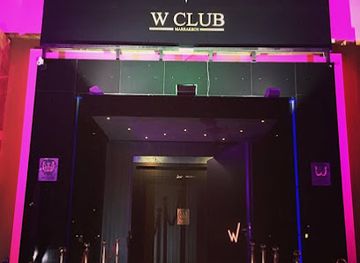
Night club
W Club Marrakech
Experience the vibrant nightlife of Marrakech at W Club, where every night is a celebration of music, dance, and unforgettable moments.

Best shops in Chaouia
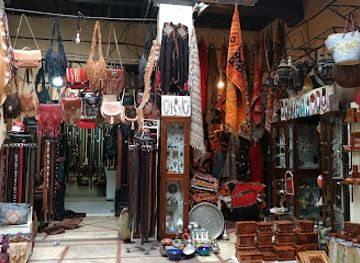
Shopping in Chaouia is closely tied to market-town commerce and agricultural production. Settat has the most varied choice of everyday shops, traditional market stalls, clothing retailers, household goods and food sellers, while Berrechid serves a large working and farming population with practical rather than primarily tourist-oriented retail. Weekly souks in the surrounding countryside can offer produce, spices, livestock, woven goods, tools and inexpensive household items, but their days differ between settlements and should be confirmed locally. Regional shopping is therefore less about specialist souvenir boutiques and more about observing how grain, olives, seasonal fruit, bread and farm products move through local markets. Visitors can look for Moroccan pantry goods, dates, spices, olives, pastries and small handcrafted items, while bargaining is appropriate in many souk settings but not in fixed-price shops. For designer goods, extensive bookshops or international brands, Casablanca is the nearest major retail centre outside the region.
-
Shopping mall
Morocco Mall
Experience the ultimate shopping and entertainment destination at Morocco Mall, Casablanca's premier shopping complex with diverse dining and family fun.
-
Shopping mall
Marina Shopping
Experience the best of shopping, dining, and entertainment at Marina Shopping in Casablanca, where vibrant culture meets modern retail.
-
Shopping mall
Ovillage
Discover the vibrant shopping and dining experience at Ovillage, Casablanca's premier shopping destination, where every visit is an adventure.
-
Shopping mall
Souk cherifia
Explore Souk Cherifia in Marrakesh for an unforgettable shopping experience infused with Moroccan culture and vibrant local crafts.


Get your free copy of our complete guide to Chaouia, delivered straight to you.
Everything on this page, from attractions and restaurants to essentials and local phrases, in one PDF you can read offline, print or share.
Already have an account? Sign in
Your Chaouia guide is ready.
We'll send it to · Not you? Sign out

Getting your guide ready…
We are putting together a fresh copy of the Chaouia guide. This can take up to a minute.
This can take a few moments. If your browser asks, choose Allow so the download can start. You'll find the guide in your Downloads folder.
Nothing happened? Download it again
Sorry, the guide is taking longer than usual. Please try again in a minute, or get it by email instead.
Chaouia essentials
Currency and Payment
Safety
Emergency Situations
Do's and Don'ts
Local Tips
From Eve
Local phrases worth knowing
You don't need to get them perfect. A few words go a long way, and locals appreciate the effort.
Basics
| English | Local | Say it |
|---|---|---|
| Hello | سلام | [salam] |
| Goodbye | بسلامة | [bsalama] |
| Yes | نعم | [naam] |
| No | لا | [la] |
| Please/You're welcome | عفاك | [afak] |
| Thank you | شكرا | [shukran] |
| Excuse me/Sorry | سمح لي | [smah li] |
| How are you? | كيف داير؟ | [kif dair?] |
| Fine. And you? | بخير. وانت؟ | [bkhir. w nta?] |
| Do you speak English? | كتعرف الانجليزية؟ | [kat3raf l-anglais?] |
| I don't understand | ما فهمتش | [ma fhmtch] |
Eating & Drinking
| English | Local | Say it |
|---|---|---|
| I'd like to see the menu, please | بغيت نشوف اللائحة، عفاك | [bghit nshuf laïha, afak] |
| I don't eat meat | ما كنكلش اللحم | [ma knklsh lham] |
| Cheers! | صحتك! | [sahtek!] |
| I would like to pay, please | بغيت نخلص، عفاك | [bghit nkhlas, afak] |
Emergencies
| English | Local | Say it |
|---|---|---|
| Help! | المساعدة! | [l-musa3ada!] |
| Go away! | إبعد! | [ib3id!] |
| Call the Police! | عاين الشرطة! | [3ayin l-shurta!] |
| Call a doctor! | عاين الطبيب! | [3ayin t-tbib!] |
| I'm lost | أنا ضايع | [ana day3] |
| I'm ill | أنا مريض | [ana marid] |
Shopping
| English | Local | Say it |
|---|---|---|
| I'd like to buy... | بغيت نشري... | [bghit nshri...] |
| I'm just looking | غير كندير جولة | [ghir kandir jawla] |
| How much is it? | بشحال هاد الشي؟ | [bshhal had shi?] |
| That's too expensive | هاد الغالي بزاف | [had lghali bzaaf] |
| Can you lower the price? | تقدر تنقص الثمن؟ | [tqdr tnqss thamman?] |
Time & Numbers
| English | Local | Say it |
|---|---|---|
| What time is it? | شحال الساعة؟ | [shhal ssaa?] |
| It's one o'clock | الساعة وحدة | [ssaa wa7da] |
| Half past (10) | نصف ل (10) | [nssf l (10)] |
| Morning | الصباح | [s-sba7] |
| Afternoon | العشية | [l-3shiya] |
| Evening | المساء | [l-masa'] |
| Yesterday | البارح | [l-barah] |
| Today | اليوم | [l-yawm] |
| Tomorrow | غدا | [ghda] |
| 1 | واحد | [wa7ed] |
| 2 | جوج | [jooj] |
| 3 | ثلاثة | [tlata] |
| 4 | أربعة | [arba3a] |
| 5 | خمسة | [khamsa] |
| 6 | ستة | [sitta] |
| 7 | سبعة | [sb3a] |
| 8 | ثمانية | [tmanya] |
| 9 | تسعة | [ts3a] |
| 10 | عشرة | [3ashara] |
Transport & Directions
| English | Local | Say it |
|---|---|---|
| Where's a/the...? | فين كاين...؟ | [fin kayn...?] |
| What's the address? | شنو العنوان؟ | [shnu l-3inwan?] |
| Can you show me (on the map)? | تقدر توريني (فالخريطة)؟ | [tqdr twrini (f l-kharita)?] |
| When's the next (bus)? | اشمن (باص) جاي؟ | [ashman (bass) jayi?] |
| A ticket (to ....) | تذكرة (ل....) | [tadhkira (l....)] |
History of Chaouia
Prehistoric settlement and the Chaouia plain
The plains south of Casablanca have supported human activity since prehistoric periods, benefiting from dependable agricultural potential, seasonal watercourses and access to the Atlantic hinterland. Finds from the broader Casablanca region demonstrate very ancient human occupation, although the best-known archaeological localities are not all within the historic Chaouia area itself. The region’s later settlement pattern grew around farming, pastoralism and movement between coastal markets and the interior. Its open terrain made it a zone of passage as well as production, linking the Atlantic lowlands with routes towards central Morocco.
The Alaouite consolidation of Settat
Settat became an important fortified and administrative settlement during the Alaouite period, particularly under Sultan Moulay Ismail in the late seventeenth and early eighteenth centuries. Its kasbah helped project central authority into a region whose tribal groups retained substantial local influence. The town’s position on routes between Casablanca, Marrakesh and the inland plains strengthened its role as a market and staging point. The surviving historic core, together with the town’s commercial traditions, reflects this combination of military administration, caravan movement and agricultural exchange.
Chaouia tribes and pre-colonial society
Before the establishment of the French Protectorate, Chaouia was understood principally through its tribal territories and agricultural communities rather than through modern provincial boundaries. Several groups collectively identified with the Chaouia occupied the fertile plain, combining cereal cultivation, livestock keeping and trade. Relations with the Moroccan sultanate varied over time, as did the reach of government authority beyond fortified towns. This social geography remains important for interpreting the region: Chaouia is a historical and cultural territory whose limits do not correspond exactly to today’s administrative provinces.
The Casablanca campaign and the French Protectorate
The French occupation of Casablanca in 1907 and the military campaigns that followed affected the surrounding Chaouia countryside profoundly. French forces sought to secure the routes, agricultural hinterland and communities around the port city, meeting resistance from local groups. After the 1912 establishment of the French Protectorate, new administrative structures, roads and commercial systems tied Chaouia more closely to Casablanca. The period also altered land ownership and agricultural production, laying foundations for the region’s later role as a major cereal-growing zone.
Railways, roads and agricultural integration
During the twentieth century, improved roads and railway connections connected Settat, Berrechid and the surrounding plain more firmly to Casablanca and Morocco’s wider economy. Grain production, livestock markets and food processing became increasingly integrated with urban demand, while towns expanded as administrative and commercial centres. The rail corridor south from Casablanca remains particularly significant for travel and trade. These transport changes reduced the isolation of inland communities but also encouraged commuting, urban growth and the gradual transformation of older market-town economies.
Chaouia in contemporary Morocco
Since independence in 1956, Chaouia has been shaped by administrative reorganisation, population growth, university education, industrial development and the continuing importance of agriculture. Settat and Berrechid now function within the wider economic orbit of Casablanca, while Ben Slimane retains a more rural and wooded profile. Modern regional life combines mechanised farming and expanding towns with seasonal agricultural rhythms and long-established souk culture. The historic name Chaouia remains useful because it expresses a shared landscape and cultural geography that extends beyond the boundaries of any single present-day province.
Chaouia in Photos
Browse through our photo collection highlighting the charm and character of the destination.
Neighbouring regions of Chaouia
The closest regions to Chaouia, if you have time for more than one.
-

-

-

-

-


Swipe for more regions
Explore more

Explore more of Morocco
Discover Morocco: A land of rich history, vibrant culture, and stunning landscapes, where ancient traditions meet modern allure.
Explore Morocco