

Free Banhine National Park Travel Guide & Mobile App
Explore Banhine National Park with free travel guides. Discover regional history, expert tips, proposed trips, and audio guides on web or mobile app.


Banhine National Park offers remote wetlands, seasonal pans and demanding four-wheel-drive wilderness travel in inland Mozambique.
Read more about Banhine National Park
When is the best time to visit Banhine National Park?
Best: June–August · 23–25°C| Month | High (°C) | Rainfall (mm) |
|---|---|---|
| January | 32 | 150 |
| February | 32 | 130 |
| March | 31 | 110 |
| April | 29 | 80 |
| May | 26 | 60 |
| June (best) | 24 | 30 |
| July (best) | 23 | 30 |
| August (best) | 25 | 40 |
| September | 28 | 70 |
| October | 30 | 90 |
| November | 31 | 120 |
| December | 32 | 140 |
Getting to and around Banhine National Park
How to get there
Transportation
Explore Banhine National Park on the map
Plan your trip on one map. See where the top cities, national parks and sights are, and book hotels and experiences in a few clicks.
Best hotels in Banhine National Park
Best restaurants in Banhine National Park
Banhine National Park does not have a restaurant scene, cafés or a dependable supply of prepared meals. Visitors must normally bring all food, cooking equipment and drinking water, or travel through an organised expedition that provides catering. Meals are best planned for heat, dust and long driving days, with secure storage essential in a wildlife area. The wider Gaza region has Mozambican staples such as xima, rice, beans, grilled meat, chicken and locally available fish, but access to these foods around the park is irregular and should not be assumed. Towns and settlements used as staging points may offer basic provisions, subject to availability, yet they are not substitutes for a carefully stocked expedition larder. Alcohol should be carried only where permitted and used responsibly, especially when driving or camping. Visitors should take all packaging and food waste away, protect supplies from animals and avoid presenting camp cooking as an excuse to gather firewood or disturb vegetation.
-
Restaurant
Dhow
Experience exquisite dining fused with local art at Dhow in Maputo - where culinary delights meet cultural creativity.
-
Restaurant
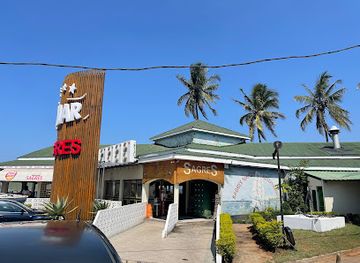
Sagres
Discover authentic Mozambican cuisine at Sagres in Maputo - where fresh seafood meets vibrant flavors in a cozy atmosphere.
-
Italian
Campo Di Mare
Experience authentic Italian cuisine at Campo Di Mare in Maputo—where every meal is a celebration of flavor and tradition.
-
Self-catering accommodation
Villa N'Banga bar and restaurant- Free Wi-Fi - Acommodation
Discover Villa N'Banga in Praia Do Bilene: A perfect blend of self-catering comfort and vibrant nightlife by the coast.

Best bars in Banhine National Park
Banhine National Park has no bars, nightclubs or organised nightlife. Evening activity is centred on preparing camp, checking equipment, observing the night sky and listening to the sounds of a remote seasonal wilderness. Any campfire must comply with current park rules and local fire conditions, particularly during dry periods. Basic evening social life may be found in towns used before or after the expedition, where informal restaurants, local bars and music venues reflect wider Mozambican culture, but these facilities are far outside the park environment and should not be assumed to lie close to the access tracks. Visitors should avoid travelling at night, both because of road hazards and because of wildlife. In Banhine, darkness is primarily a logistical and environmental consideration rather than a time for entertainment.
-
Restaurant
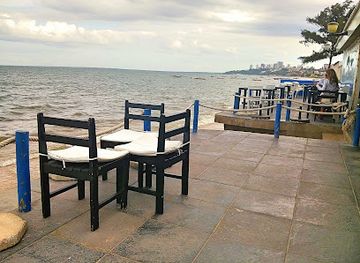
South Beach
Experience the vibrant flavors of Mozambique at South Beach, a premier dining destination in Maputo with stunning views and a diverse menu.
-
 Resort hotel
San Martinho Beach Club
Experience luxury and adventure at San Martinho Beach Club, your ideal beach resort in Mozambique with stunning views and endless activities.
-
Lodge
Tan-N'-Biki Macaneta
Experience the beauty and tranquility of Tan-N'-Biki Macaneta, a serene lodge in Marracuene District, Mozambique, perfect for relaxation and adventure.
-
Restaurant
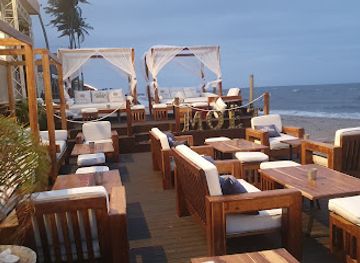
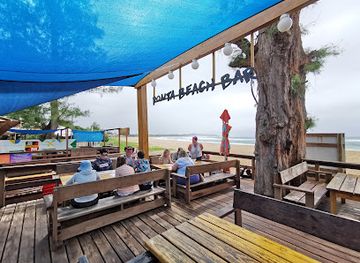
Ponta Beach Bar
Experience vibrant coastal dining at Ponta Beach Bar, where delicious cuisine meets breathtaking ocean views in Ponta do Ouro, Mozambique.
Best nightclubs in Banhine National Park
Banhine National Park has no bars, nightclubs or organised nightlife. Evening activity is centred on preparing camp, checking equipment, observing the night sky and listening to the sounds of a remote seasonal wilderness. Any campfire must comply with current park rules and local fire conditions, particularly during dry periods. Basic evening social life may be found in towns used before or after the expedition, where informal restaurants, local bars and music venues reflect wider Mozambican culture, but these facilities are far outside the park environment and should not be assumed to lie close to the access tracks. Visitors should avoid travelling at night, both because of road hazards and because of wildlife. In Banhine, darkness is primarily a logistical and environmental consideration rather than a time for entertainment.
-
Night club
Matchedje Club
Discover the vibrant nightlife at Matchedje Club in Maputo, where music, dance, and a lively atmosphere come together for an unforgettable experience.
-
Night club
Copa Cabana Night Club
Discover the vibrant nightlife of Maputo at Copa Cabana Night Club, where music, dancing, and socializing come together for an unforgettable experience.
-
Night club
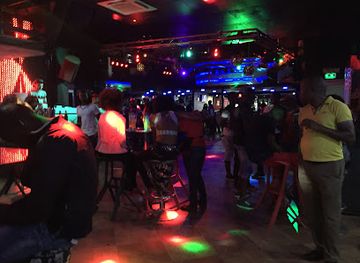
Bilene's Stop
Discover the vibrant nightlife of Praia Do Bilene at Bilene's Stop, a premier night club offering unforgettable music, dancing, and fun.
Best shops in Banhine National Park
There is no shopping district, craft market or reliable retail infrastructure inside Banhine National Park. Visitors should purchase fuel, food, drinking water, medicines, batteries, cash and vehicle supplies before entering the park, usually in a larger town on the chosen approach route. Basic provisions in small settlements may be limited, seasonal or unavailable, so shopping should not be left until the final kilometres. Souvenirs are not a central part of the Banhine experience, and removing plants, shells, archaeological material or other natural objects is inappropriate and may be illegal. Where visitors pass through neighbouring communities, locally made goods may sometimes be available through direct, respectful purchase, but these opportunities are informal rather than guaranteed. The most useful practical purchases for this destination are durable field supplies, repair materials and conservation-conscious provisions. Supporting legitimate local services, guides and community-linked suppliers can contribute more appropriately to the regional economy than seeking mass-produced park memorabilia.
-
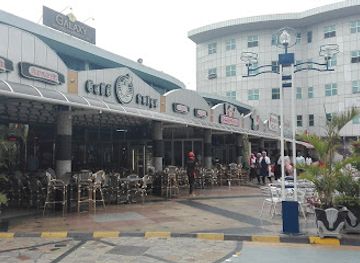
Shopping mall
Maputo Shopping Centre
Explore Maputo Shopping Centre: A vibrant hub for shopping, dining, and experiencing the local culture in the heart of Maputo.
-
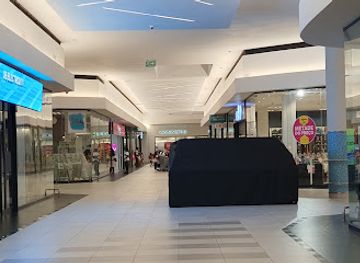
Shopping mall
Baía Mall
Explore Baía Mall in Maputo: A vibrant shopping center with diverse stores, dining options, and a lively atmosphere for every tourist.
-
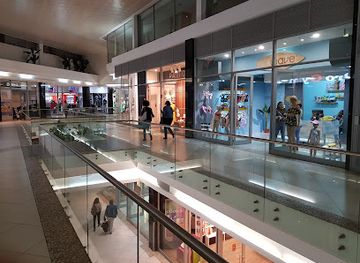
Shopping mall
Marés Shopping
Explore Marés Shopping in Maputo, a vibrant mall offering the best in fashion, dining, and entertainment for an unforgettable shopping experience.
-
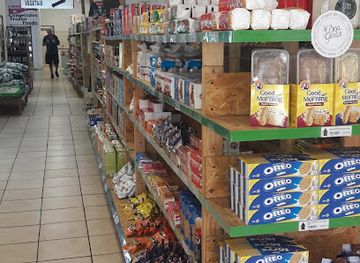
Supermarket
Yum Yum Supermarket Machavenga
Discover the vibrant Yum Yum Supermarket Machavenga in Inhambane, where fresh local produce and delightful flavors of Mozambique await every visitor.
Get your free copy of our complete guide to Banhine National Park, delivered straight to you.
Everything on this page, from attractions and restaurants to essentials and local phrases, in one PDF you can read offline, print or share.
Already have an account? Sign in
Your Banhine National Park guide is ready.
We'll send it to · Not you? Sign out

Getting your guide ready…
We are putting together a fresh copy of the Banhine National Park guide. This can take up to a minute.
This can take a few moments. If your browser asks, choose Allow so the download can start. You'll find the guide in your Downloads folder.
Nothing happened? Download it again
Sorry, the guide is taking longer than usual. Please try again in a minute, or get it by email instead.
Banhine National Park essentials
Currency and Payment
Safety
Emergency Situations
Do's and Don'ts
Local Tips
From Eve
Local phrases worth knowing
You don't need to get them perfect. A few words go a long way, and locals appreciate the effort.
Basics
| English | Local | Say it |
|---|---|---|
| Hello | Olá | [oh-lah] |
| Goodbye | Adeus | [ah-deh-oosh] |
| Yes | Sim | [seem] |
| No | Não | [now] |
| Please/You're welcome | Por favor | [poor fah-vor] |
| Thank you | Obrigado | [oh-bree-gah-doo] |
| Excuse me/Sorry | Desculpe | [des-kool-peh] |
| How are you? | Como você está? | [koh-moo vo-seh es-tah] |
| Fine. And you? | Bem. E você? | [beng. eh vo-seh] |
| Do you speak English? | Você fala inglês? | [vo-seh fah-lah in-glays] |
| I don't understand | Eu não entendo | [eh-ooh now en-ten-doo] |
Eating & Drinking
| English | Local | Say it |
|---|---|---|
| I'd like to see the menu, please | Gostaria de ver o menu, por favor | [goh-stah-ree-ah jeh veh-r oh meh-noo, poor fah-vor] |
| I don't eat meat | Eu não como carne | [eh-ooh now koh-moo kar-nee] |
| Cheers! | Saúde! | [sah-oo-deh] |
| I would like to pay, please | Gostaria de pagar, por favor | [goh-stah-ree-ah jeh pah-gar, poor fah-vor] |
Emergencies
| English | Local | Say it |
|---|---|---|
| Help! | Socorro! | [soh-koh-roo] |
| Go away! | Vá embora! | [vah em-boh-rah] |
| Call the Police! | Chame a polícia! | [shah-meh ah poh-lee-see-ah] |
| Call a doctor! | Chame um médico! | [shah-meh oong meh-jee-coo] |
| I'm lost | Estou perdido | [es-toh per-jee-doo] |
| I'm ill | Estou doente | [es-toh do-ehn-chee] |
Shopping
| English | Local | Say it |
|---|---|---|
| I'd like to buy... | Gostaria de comprar... | [goh-stah-ree-ah jeh kom-prahr...] |
| I'm just looking | Estou apenas olhando | [es-toh ah-peh-nahs oh-lyan-doo] |
| How much is it? | Quanto custa? | [kwahn-toh koos-tah] |
| That's too expensive | Isso é muito caro | [ee-soh eh mui-toh kah-roh] |
| Can you lower the price? | Você pode abaixar o preço? | [vo-seh poh-jee ah-bah-ee-shar oh preh-soh] |
Time & Numbers
| English | Local | Say it |
|---|---|---|
| What time is it? | Que horas são? | [keh oh-ras sah-ooh] |
| It's one o'clock | É uma hora | [eh oo-mah oh-rah] |
| Half past (10) | Dez e meia | [dehz ee meh-yah] |
| Morning | Manhã | [mahn-yah] |
| Afternoon | Tarde | [tahr-jee] |
| Evening | Noite | [noy-chee] |
| Yesterday | Ontem | [on-tem] |
| Today | Hoje | [oh-zhee] |
| Tomorrow | Amanhã | [ah-mahn-yah] |
| 1 | Um | [oom] |
| 2 | Dois | [doyz] |
| 3 | Três | [trehz] |
| 4 | Quatro | [kwah-troh] |
| 5 | Cinco | [seen-koh] |
| 6 | Seis | [sayz] |
| 7 | Sete | [seh-chee] |
| 8 | Oito | [oy-toh] |
| 9 | Nove | [noh-veh] |
| 10 | Dez | [dehz] |
Transport & Directions
| English | Local | Say it |
|---|---|---|
| Where's a/the...? | Onde está um/a...? | [on-deh es-tah oom/ah...?] |
| What's the address? | Qual é o endereço? | [kwahl eh oh en-deh-reh-soh] |
| Can you show me (on the map)? | Você pode me mostrar (no mapa)? | [vo-seh poh-jee meh mos-trar (noh mah-pah)?] |
| When's the next (bus)? | Quando é o próximo (ônibus)? | [kwan-doo eh oh proh-see-moh (oh-nee-boos)?] |
| A ticket (to ....) | Um bilhete (para ....) | [oom bee-lyet-chee (pah-rah ....)] |
History of Banhine National Park
Longstanding human use of the interior
The lands now protected as Banhine have long been used by communities whose livelihoods adapted to sandy soils, seasonal rainfall, temporary wetlands and fluctuating grazing conditions. Small-scale cultivation, livestock keeping, fishing in wetter areas and the use of wild resources formed part of a wider pattern of rural life in the interior of Gaza Province. The park should therefore not be understood as an empty landscape created for wildlife alone: its ecological history is intertwined with the movement, knowledge and resource use of neighbouring communities.
Colonial-era conservation policies
During the Portuguese colonial period, wildlife protection was increasingly organised through formal hunting controls and protected-area policies. Such systems often prioritised game management and state authority over local rights, creating tensions that continued after independence. The remote wetlands and woodlands of the Banhine area attracted conservation interest because they supported wildlife during seasonal cycles, but the region remained lightly developed and difficult to administer compared with Mozambique’s more accessible coastal and southern parks.
Banhine National Park established in 1973
Banhine National Park was proclaimed in 1973, shortly before Mozambique became independent. Its creation reflected the importance attached to protecting a large interior landscape of seasonal wetlands, savannah and wildlife habitat. The park’s size and remoteness made effective management difficult, but its position between major river systems gave it lasting conservation significance. The seasonal Banhine wetland also provided a reason to protect habitats that might otherwise have been valued mainly for grazing or hunting.
Independence and the civil-war years
After Mozambique achieved independence in 1975, national institutions faced immense political and economic pressures. The civil war that followed severely affected many rural areas and protected landscapes, including remote parts of southern Mozambique. Law enforcement and conservation management weakened, infrastructure deteriorated and wildlife populations suffered from insecurity and hunting. Banhine’s distance from major roads and settlements limited sustained tourism, leaving the park with little conventional visitor infrastructure when peace returned.
Post-war recovery and conservation rebuilding
The end of the civil war allowed conservation agencies and partners to rebuild management systems across Mozambique. In Banhine, recovery has involved renewed attention to boundary management, ecological monitoring, community relationships and the protection of remaining habitat. Restoration has been gradual rather than a single event: remote access, limited infrastructure and changing rainfall continue to influence what can be achieved. The park’s value today lies partly in safeguarding a large, relatively undeveloped ecological system.
The Limpopo Transfrontier Conservation Area
Banhine forms part of the wider Limpopo Transfrontier Conservation Area, a regional conservation initiative linking protected landscapes in Mozambique, South Africa and Zimbabwe. This framework recognises that wildlife movements, river catchments and ecological processes do not stop at international borders. Banhine is associated with Mozambique’s broader network of interior protected areas, including Zinave and Limpopo national parks, and contributes to the long-term ambition of maintaining connected habitats across southern Africa while recognising the needs of communities living around them.
Banhine National Park in Photos
Browse through our photo collection highlighting the charm and character of the destination.
Neighbouring regions of Banhine National Park
The closest regions to Banhine National Park, if you have time for more than one.
-

-

-

-

-


Swipe for more regions
Explore more

Explore more of Mozambique
Discover Mozambique: Pristine beaches, rich cultural heritage, and vibrant wildlife await in this stunning African destination.
Explore Mozambique