

Free Gaza Province Travel Guide & Mobile App
Explore Gaza Province with free travel guides. Discover regional history, expert tips, proposed trips, and audio guides on web or mobile app.


Explore Gaza Province in Mozambique for Bilene Lagoon, Limpopo wildlife, Tsonga heritage, river landscapes and uncrowded Indian Ocean beaches.
Read more about Gaza Province
When is the best time to visit Gaza Province?
Best: May, August–September · 22–25°C| Month | High (°C) | Rainfall (mm) |
|---|---|---|
| January | 31 | 120 |
| February | 31 | 110 |
| March | 30 | 100 |
| April | 28 | 70 |
| May (best) | 24 | 40 |
| June | 20 | 20 |
| July | 20 | 20 |
| August (best) | 22 | 20 |
| September (best) | 25 | 40 |
| October | 28 | 70 |
| November | 30 | 100 |
| December | 31 | 110 |
Getting to and around Gaza Province
How to get there
Transportation
Best attractions in Gaza Province
Gaza Province's attractions range from water-based breaks to remote conservation landscapes. Bilene's lagoon is the best-known leisure setting, with sheltered water, sandy shores and access to the open Indian Ocean across the barrier beach. Xai-Xai and nearby coastal settlements offer beaches and a glimpse of the province's maritime edge, while Chókwè provides a contrasting view of the irrigated Limpopo valley and its agricultural economy. Inland, Limpopo National Park is part of the Great Limpopo Transfrontier Park and offers bushveld, wildlife and expansive wilderness for visitors prepared for long distances and limited infrastructure. Banhine National Park presents an even more remote environment of seasonal wetlands, dry woodland and open plains, where specialist guides and robust logistics are important. Cultural visits, local markets and community encounters add context to the landscape, but facilities are uneven and should not be compared with heavily developed safari circuits. The most rewarding itineraries allow time for weather delays, fuel planning and slow travel between coastal resorts, river towns and protected areas.
-
Lodge
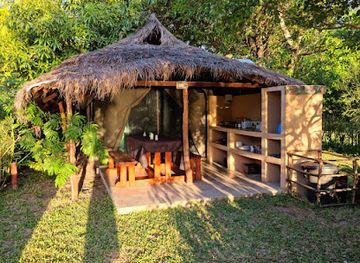
Boa Vista Resort
Experience tranquility and adventure at Boa Vista Resort, your perfect getaway in Praia Do Bilene, Mozambique.
-
National park
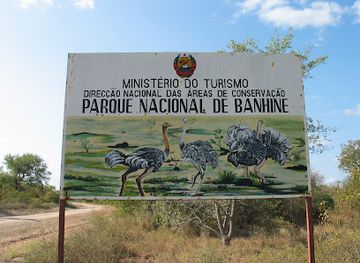
Banhine National Park
Experience the raw beauty and diverse wildlife of Banhine National Park, a hidden gem in Mozambique's natural landscape.
-
 Tourist attraction
Gaza
Explore Gaza, Mozambique: A stunning tourist attraction steeped in culture, history, and breathtaking landscapes, perfect for every adventurer.
Explore Gaza Province on the map
Plan your trip on one map. See where the top cities, national parks and sights are, and book hotels and experiences in a few clicks.
Best hotels in Gaza Province
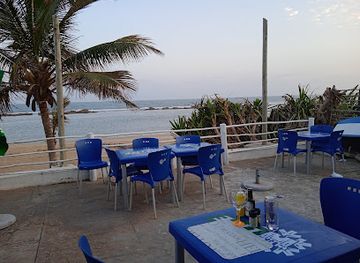
Best restaurants in Gaza Province
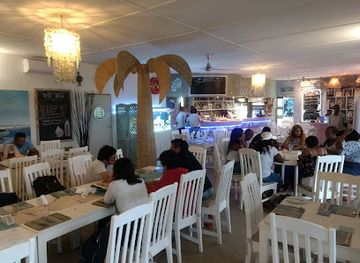
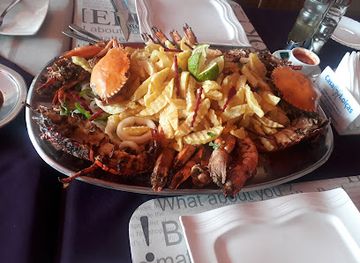
Dining in Gaza Province is shaped by southern Mozambican home cooking, the coast and the productive Limpopo valley. Expect rice, maize-based staples, beans, grilled meat, chicken, cassava and seasonal vegetables, with seafood more prominent in coastal settlements such as Bilene and Xai-Xai Beach. Prawns, fish and other marine produce may appear on tourist menus, although availability varies with season and local supply. Coconut, chilli and aromatic sauces reflect the broader culinary traditions of Mozambique, while Portuguese influence is visible in bakery items, grilled preparations and café food. In Xai-Xai and Bilene, restaurants and guesthouse dining rooms provide the widest choice; smaller towns and remote parks rely more on simple meals arranged through accommodation or guides. Markets are useful for fruit, bread and snacks, but visitors should choose food that is freshly cooked or properly washed, and drink treated or sealed water. Portuguese and South African products are also common in better-stocked shops near major routes.
-
Resort hotel
Zona Braza Beach Lodge & Restaurant
Discover your tropical paradise at Zona Braza Beach Lodge & Restaurant - where luxury meets nature in Mozambique.
-
Seafood
Café Pescador
Discover the vibrant flavors of Mozambique at Café Pescador—your ultimate seafood destination by Praia de Xai-Xai.
-
Restaurant
Ocean Star
Discover Ocean Star in Praia de Xaixai - A premier destination for seafood lovers seeking authentic Mozambican flavors.
-
Restaurant
Restaurante Carlos
Discover authentic Mozambican cuisine at Restaurante Carlos in Xai-Xai - a must-visit for food lovers seeking vibrant flavors.
Best bars in Gaza Province
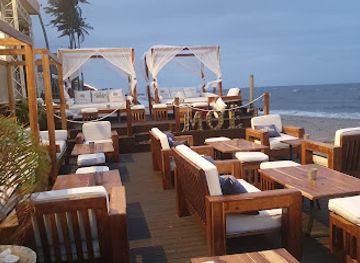
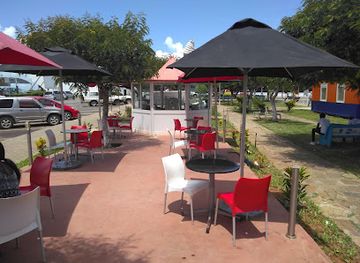
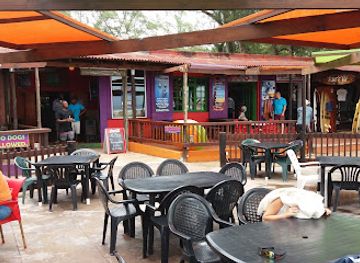
Evening life in Gaza Province is generally low-key and centred on cafés, hotel bars, beach lodges, informal local bars and restaurants rather than a large nightclub circuit. Bilene has the strongest tourist-oriented evening scene, with drinks and music around lagoon accommodation that can become busier during holiday periods. Xai-Xai provides more everyday urban options, including bars associated with restaurants and social venues, while Chókwè's nightlife is primarily local and informal. In smaller coastal communities and near the parks, evenings are quiet, and visitors usually spend them at their lodge or guesthouse. Local beer, soft drinks and Portuguese-influenced café offerings are widely available, but opening patterns and entertainment can change seasonally. Leave nightlife venues with organised transport where possible, keep valuables secure and avoid walking unfamiliar roads after dark.
-
Restaurant
South Beach
Discover the culinary delights of South Beach in Maputo, where fresh seafood meets stunning ocean views for an unforgettable dining experience.
-
Bar
Xima Bar
Experience the lively ambiance of Xima Bar in Maputo, where cocktails, music, and friendship come together to create unforgettable nights.
-
Restaurant
Ponta Beach Bar
Discover the vibrant Ponta Beach Bar in Ponta do Ouro, where delicious food meets breathtaking ocean views in a tropical paradise.
-
Restaurant
Zona Braza Beach Lodge & Restaurant
Discover the breathtaking beauty and culinary delights at Zona Braza Beach Lodge & Restaurant, your perfect beach getaway in Mozambique.
Best nightclubs in Gaza Province
Evening life in Gaza Province is generally low-key and centred on cafés, hotel bars, beach lodges, informal local bars and restaurants rather than a large nightclub circuit. Bilene has the strongest tourist-oriented evening scene, with drinks and music around lagoon accommodation that can become busier during holiday periods. Xai-Xai provides more everyday urban options, including bars associated with restaurants and social venues, while Chókwè's nightlife is primarily local and informal. In smaller coastal communities and near the parks, evenings are quiet, and visitors usually spend them at their lodge or guesthouse. Local beer, soft drinks and Portuguese-influenced café offerings are widely available, but opening patterns and entertainment can change seasonally. Leave nightlife venues with organised transport where possible, keep valuables secure and avoid walking unfamiliar roads after dark.
-
Bar
Bar Gaza from Club
Experience the vibrant atmosphere of Bar Gaza in Xai-Xai, where local culture meets refreshing drinks in a lively setting.

Best shops in Gaza Province
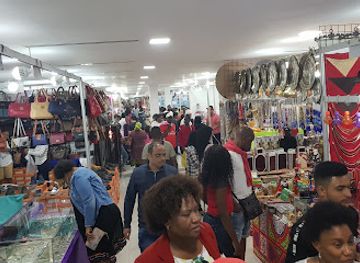
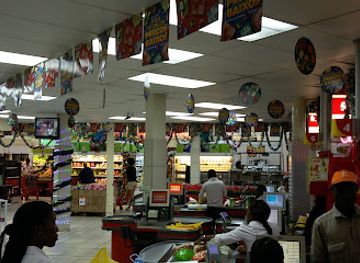
Shopping in Gaza Province is practical and locally focused. Xai-Xai has the broadest choice of supermarkets, general shops, pharmacies and market stalls, while Chókwè is important for produce and everyday trade connected to the irrigated Limpopo valley. Bilene has small shops and tourist-facing outlets serving beach visitors, but supplies and souvenirs are more limited than in larger Mozambican cities. Markets are useful for seasonal fruit, vegetables, bread, charcoal-cooked snacks and household goods; bargain politely and check produce carefully. Coastal resorts may sell shell-based ornaments, baskets, fabrics and locally made handicrafts, though provenance and quality vary, and shells or wildlife materials should not be bought when their collection is unclear. Good regional purchases include packaged spices, coffee or tea from elsewhere in Mozambique, woven goods and colourful capulana cloth, provided customs and airline rules are observed. Carry cash for informal stalls, as card payment is uncommon outside established businesses.
-
Shopping mall
Maputo Shopping Centre
Explore Maputo Shopping Centre: A vibrant hub of shopping, dining, and local culture in Mozambique's capital.
-
Shopping mall
Baía Mall
Experience the vibrant culture and shopping at Baía Mall, Maputo's premier shopping destination, blending local charm with modern amenities.
-
Shopping mall
Marés Shopping
Explore Marés Shopping in Maputo for a unique blend of local and international shopping, dining, and entertainment experiences.
-
Supermarket
Central Market
Discover the bustling Central Market in Maputo, where local flavors, vibrant crafts, and rich culture come together in a unique shopping experience.

Get your free copy of our complete guide to Gaza Province, delivered straight to you.
Everything on this page, from attractions and restaurants to essentials and local phrases, in one PDF you can read offline, print or share.
Already have an account? Sign in
Your Gaza Province guide is ready.
We'll send it to · Not you? Sign out

Getting your guide ready…
We are putting together a fresh copy of the Gaza Province guide. This can take up to a minute.
This can take a few moments. If your browser asks, choose Allow so the download can start. You'll find the guide in your Downloads folder.
Nothing happened? Download it again
Sorry, the guide is taking longer than usual. Please try again in a minute, or get it by email instead.
Gaza Province essentials
Currency and Payment
Safety
Emergency Situations
Do's and Don'ts
Local Tips
From Eve
Local phrases worth knowing
You don't need to get them perfect. A few words go a long way, and locals appreciate the effort.
Basics
| English | Local | Say it |
|---|---|---|
| Hello | Olá | [oh-lah] |
| Goodbye | Adeus | [ah-deh-oos] |
| Yes | Sim | [seem] |
| No | Não | [now] |
| Please/You're welcome | Por favor | [poor fah-vor] |
| Thank you | Obrigado | [oh-bree-gah-doo] |
| Excuse me/Sorry | Desculpe | [deh-skool-peh] |
| How are you? | Como você está? | [koh-moo voh-seh eh-stah] |
| Fine. And you? | Bem. E você? | [baym. eh voh-seh] |
| Do you speak English? | Você fala inglês? | [voh-seh fah-lah een-gles] |
| I don't understand | Eu não entendo | [eh-oo now en-ten-doo] |
Eating & Drinking
| English | Local | Say it |
|---|---|---|
| I'd like to see the menu, please | Gostaria de ver o menu, por favor | [goh-stah-ree-ah jeh vehr oo meh-noo, poor fah-vor] |
| I don't eat meat | Eu não como carne | [eh-oo now koh-moo kar-nee] |
| Cheers! | Saúde! | [sah-oo-deh] |
| I would like to pay, please | Gostaria de pagar, por favor | [goh-stah-ree-ah jeh pah-gar, poor fah-vor] |
Emergencies
| English | Local | Say it |
|---|---|---|
| Help! | Ajuda! | [ah-zhoo-dah] |
| Go away! | Vá embora! | [vah em-boh-rah] |
| Call the Police! | Chame a polícia! | [sha-mee ah poh-lee-see-ah] |
| Call a doctor! | Chame um médico! | [sha-mee oom meh-dee-koh] |
| I'm lost | Estou perdido | [es-toh pair-jee-doo] |
| I'm ill | Estou doente | [es-toh do-ehn-chee] |
Shopping
| English | Local | Say it |
|---|---|---|
| I'd like to buy... | Gostaria de comprar... | [goh-stah-ree-ah jeh kom-prahr] |
| I'm just looking | Estou apenas olhando | [es-toh ah-peh-nas oh-lhan-doo] |
| How much is it? | Quanto custa? | [kwan-toh koos-tah] |
| That's too expensive | Isso é muito caro | [ees-soh eh mooy-toh kah-roh] |
| Can you lower the price? | Você pode baixar o preço? | [voh-seh poh-jee bye-shar oo preh-soo] |
Time & Numbers
| English | Local | Say it |
|---|---|---|
| What time is it? | Que horas são? | [keh oh-ras sah-oong] |
| It's one o'clock | É uma hora | [eh oo-mah oh-rah] |
| Half past (10) | Dez e meia | [dehz eh meh-yah] |
| Morning | Manhã | [mahn-yah] |
| Afternoon | Tarde | [tar-jee] |
| Evening | Noite | [noy-teh] |
| Yesterday | Ontem | [on-tem] |
| Today | Hoje | [oh-zhee] |
| Tomorrow | Amanhã | [ah-mahn-yah] |
| 1 | Um | [oom] |
| 2 | Dois | [doyz] |
| 3 | Três | [trays] |
| 4 | Quatro | [kwah-troh] |
| 5 | Cinco | [seen-koh] |
| 6 | Seis | [says] |
| 7 | Sete | [seh-chee] |
| 8 | Oito | [oy-toh] |
| 9 | Nove | [noh-veh] |
| 10 | Dez | [dehz] |
Transport & Directions
| English | Local | Say it |
|---|---|---|
| Where's a/the...? | Onde está um/a...? | [on-jeh es-tah oong/ah] |
| What's the address? | Qual é o endereço? | [kwahl eh oo en-deh-reh-soo] |
| Can you show me (on the map)? | Você pode me mostrar (no mapa)? | [voh-seh poh-jee meh mos-trar (no mah-pah)] |
| When's the next (bus)? | Quando é o próximo (ônibus)? | [kwahn-doo eh oo proh-see-moo (oh-nee-boos)] |
| A ticket (to ....) | Um bilhete (para ....) | [oom bee-lyeh-tay (pah-rah)] |
History of Gaza Province
Early settlement and Tsonga-speaking societies
The Limpopo valley and southern Mozambican coast have long supported farming, fishing, cattle keeping and regional exchange. Archaeological evidence across southern Mozambique records earlier communities involved in Iron Age agriculture and ironworking, while later Tsonga-speaking societies developed distinct political and cultural networks. Rivers, seasonal floodplains and coastal routes shaped settlement patterns, and connections extended across what are now Mozambique, South Africa and Eswatini. This regional history helps explain why Gaza's cultural geography does not follow modern national borders.
The rise of the Gaza Kingdom in the nineteenth century
During the nineteenth century, Soshangane established the Gaza Kingdom, a powerful polity whose influence extended across parts of present-day southern Mozambique and neighbouring territories. Its political centre shifted over time, and its military and administrative structures reshaped local power relationships. The kingdom left a lasting legacy in the province's name, oral histories and cultural identity. Its history should be understood alongside the upheavals and migrations associated with the wider Mfecane period in south-eastern Africa.
Portuguese conquest and colonial administration
Portugal gradually imposed colonial control over southern Mozambique during the late nineteenth and early twentieth centuries, replacing or subordinating existing authorities and incorporating the territory into a system of administrative posts, taxation and labour recruitment. Xai-Xai and other settlements developed as centres of colonial government and commerce. Portuguese rule also encouraged plantation agriculture and transport links, while creating unequal economic structures that connected Gaza increasingly to the port and commercial economy of southern Mozambique.
Irrigation and the Limpopo agricultural valley
The lower and middle Limpopo valley became one of southern Mozambique's important agricultural zones, particularly after irrigation schemes and associated infrastructure expanded during the colonial period and continued after independence. Chókwè emerged as a major farming centre, with production shaped by water management, seasonal flooding and state agricultural policy. The valley remains economically important, although droughts, cyclones and floods repeatedly expose the environmental limits of large-scale cultivation in a river basin shared across national borders.
Independence and the transformation of 1975
Mozambique became independent from Portugal in 1975 after the armed liberation struggle led by FRELIMO. Independence brought major changes to administration, land policy, education and economic organisation, while many Portuguese residents and colonial institutions departed or were reorganised. Gaza, like the rest of the country, entered a period of ambitious state-led development alongside severe economic and political pressures. The post-independence era also strengthened the importance of national public institutions in towns such as Xai-Xai and Chókwè.
Civil war, displacement and reconstruction
The Mozambican Civil War, fought between the government and RENAMO from 1977 until the 1992 peace agreement, disrupted communities, transport and rural production across the country, including Gaza Province. Many residents were displaced, and access to remote areas became difficult or dangerous. Peace allowed roads, markets and public services to recover gradually, although the legacy of displacement and uneven development remains significant. Contemporary travel through rural Gaza takes place against this longer history of resilience and reconstruction.
Floods, conservation and contemporary Gaza
The catastrophic floods of 2000 highlighted the vulnerability of settlements and agriculture along the Limpopo and other river systems, leading to major humanitarian responses and renewed attention to flood management. In the same broad period, conservation initiatives expanded through Limpopo National Park, created in 2001 as part of the Great Limpopo Transfrontier Park with South Africa's Kruger National Park and Zimbabwe's Gonarezhou. Gaza's modern identity is therefore shaped by both environmental risk and efforts to connect protected landscapes across borders.
Gaza Province in Photos
Browse through our photo collection highlighting the charm and character of the destination.
Neighbouring regions of Gaza Province
The closest regions to Gaza Province, if you have time for more than one.
-

-

-

-

-


Swipe for more regions
Explore more

Explore more of Mozambique
Discover Mozambique: Pristine beaches, rich cultural heritage, and vibrant wildlife await in this stunning African destination.
Explore Mozambique