

Limpopo River Basin, Mozambique Travel Guide
Discover the untouched beauty of the Limpopo River Basin in Mozambique, where wildlife, culture, and adventure converge in a breathtaking natural setting.
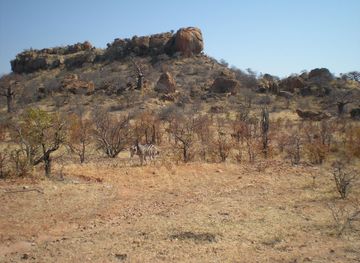
The Limpopo River Basin in Mozambique is a natural wonder that promises an unforgettable experience for nature lovers and adventure seekers alike. Known for its rich biodiversity and stunning landscapes, the basin is home to a wide variety of flora and fauna, including several rare and endangered species. As you explore the area, you'll encounter lush greenery, tranquil water bodies, and the vibrant local culture that thrives along the riverbanks. A visit to the Limpopo River Basin offers a unique blend of outdoor activities. You can embark on a thrilling safari to spot elephants, lions, and other wildlife, or enjoy bird watching with countless species to observe. The river itself provides opportunities for fishing, canoeing, and even guided boat tours, which allow you to experience the serene beauty of the waterways up close. In addition to its natural attractions, the Limpopo River Basin is steeped in history and tradition. The local communities are known for their warm hospitality and rich cultural heritage. You can immerse yourself in the local way of life by visiting traditional villages, participating in cultural festivals, and savoring authentic Mozambican cuisine. Whether you're seeking adventure, relaxation, or cultural enrichment, the Limpopo River Basin has something to offer every traveler.

Know before you go
Hi, I'm Eve. Here are a few practical things to know before exploring Limpopo River Basin.
- Visit during the dry season (April to October) for the best wildlife viewing opportunities.
- Hire a local guide to enhance your experience and ensure you don't miss any hidden gems.
- Pack lightweight, breathable clothing and plenty of sunscreen to stay comfortable in the tropical climate.
- Carry insect repellent to protect against mosquitoes, especially during the evening.
- Respect local customs and traditions when visiting villages to ensure a positive interaction with the community.
Explore Limpopo River Basin: Things to Do, Places to Eat, Hotels & More
Handpicked recommendations for top attractions, local dining, accommodations, and more

Top Attractions & Sightseeing in Limpopo River Basin
Top-rated picks
Best Attractions

Limpopo National Park
Experience the wild wonders of Limpopo National Park, a haven for wildlife and cultural exploration in Mozambique.

Massingir Dam
Experience the breathtaking beauty and adventure at Massingir Dam, a remarkable engineering marvel in Mozambique, perfect for nature lovers and thrill-seekers.

Best restaurants in Limpopo River Basin
Top-rated picks
Best Restaurants

Southern Sun Maputo
Experience luxury at Southern Sun Maputo with breathtaking ocean views and exceptional hospitality in Mozambique's vibrant capital.

Zambi
Discover Zambi in Maputo: A premier restaurant blending local flavors with international cuisine against stunning views.

Dhow
Experience exquisite dining at Dhow in Maputo, where culinary delights meet contemporary art for an unforgettable experience.

South Beach
Discover South Beach: A culinary gem in Maputo offering fresh seafood and stunning ocean views for an unforgettable dining experience.

Best bars in Limpopo River Basin
Top-rated picks
Best Bars

South Beach
Discover the flavors of Maputo at South Beach, where exquisite cuisine meets stunning ocean views for an unforgettable dining experience.

Xima Bar
Discover the vibrant nightlife of Maputo at Xima Bar, where local flavors and lively atmosphere unite for an unforgettable experience.

Ponta Beach Bar
Experience the vibrant atmosphere and exquisite cuisine of Ponta Beach Bar, the perfect beachside retreat in Ponta do Ouro, Mozambique.

The Drunken Clam - Mozambique
Experience the vibrant nightlife and delicious local cuisine at The Drunken Clam in Lopes, Mozambique.

Best nightclubs in Limpopo River Basin
Top-rated picks
Best Nightclubs

Xima Bar
Experience the vibrant nightlife at Xima Bar in Maputo, offering a delightful selection of drinks and an energetic atmosphere.

Opium
Experience the vibrant nightlife at Opium, Maputo's premier disco club, where music and excitement come alive under dazzling lights.

Club of Mozambique
Explore the cultural richness of Maputo at the Club of Mozambique, a vibrant media hub celebrating local art and community spirit.

Gil-Vicente Café-Bar
Discover the lively ambiance of Gil-Vicente Café-Bar in Maputo, where local culture meets refreshing drinks and vibrant social scenes.

Best shops in Limpopo River Basin
Top-rated picks
Best Shops

Maputo Shopping Centre
Explore the vibrant Maputo Shopping Centre, a hub of shopping, dining, and entertainment in the heart of Mozambique's capital.

Baía Mall
Experience the best of shopping, dining, and entertainment at Baía Mall in Maputo, Mozambique's vibrant shopping destination.

Marés Shopping
Explore Marés Shopping Mall, Maputo's premier shopping destination, offering diverse retail, dining, and entertainment experiences for every traveler.

Feira de Artesanato, Flores e Gastronomia de Maputo
Explore the Feira de Artesanato, Flores e Gastronomia de Maputo for a vibrant blend of handicrafts, local cuisine, and cultural experiences in Mozambique.

Explore Limpopo River Basin on the Map
A handpicked selection of must-see spots in Limpopo River Basin, mapped for you.
Limpopo River Basin Essentials
-
The Limpopo River Basin in Mozambique can be reached via several major entry points. The nearest international airport is Maputo International Airport in Maputo, the capital city of Mozambique. From Maputo, you can take a bus, rent a car, or arrange for a private transfer to the Limpopo River Basin. The journey by road from Maputo to the basin can take approximately 6 to 8 hours depending on the specific destination within the basin. Additionally, some regional flights are available to smaller airports closer to the basin, such as Chokwe Airport.
-
Transportation within the Limpopo River Basin can be somewhat limited. Renting a car is one of the most convenient options, allowing you to explore the area at your own pace. Public buses and minibuses (chapas) are available and offer a budget-friendly way to travel between towns and villages, though they can be crowded and less reliable. Taxis are available in larger towns and can be hired for longer journeys. For those interested in a more immersive experience, bicycles can be rented in some areas, allowing for a leisurely exploration of the scenic surroundings.
-
The official currency in Mozambique is the Mozambican Metical (MZN). Credit cards are accepted in some hotels, restaurants, and larger shops, but it is advisable to carry cash, especially when traveling to rural areas within the Limpopo River Basin. ATMs are available in larger towns, but it is wise to withdraw sufficient cash before heading into more remote areas to ensure you have enough funds for your travels.
-
While the Limpopo River Basin is generally safe for tourists, it is important to take standard precautions. Avoid traveling alone at night and be cautious in unfamiliar areas. Some parts of the basin, particularly near the borders and remote areas, may have higher crime rates. Always keep an eye on your belongings and avoid displaying valuable items. It is advisable to stay informed about local safety advisories and follow the guidance of local authorities.
-
In case of emergency, dial 112 for immediate assistance. Medical facilities in the basin are limited, so it is important to have travel insurance that covers medical emergencies. For minor health issues, there are pharmacies in larger towns where you can purchase over-the-counter medications. It is also wise to carry a basic first aid kit. Always have the contact information of your country's embassy or consulate in Mozambique for additional support if needed.
-
Fashion: Do dress modestly, especially when visiting villages and religious sites. Avoid wearing revealing clothing. Religion: Do respect local customs and traditions. When visiting religious sites, dress conservatively and follow any specific guidelines provided. Public Transport: Do be patient and respectful when using public transport. Don't expect strict adherence to schedules. Greetings: Do greet people with a friendly handshake and a smile. Learning a few basic phrases in Portuguese can go a long way. Eating & Drinking: Do try local delicacies and accept food offerings graciously. Don't refuse hospitality, as it is considered impolite.
-
To experience the Limpopo River Basin like a local, visit the bustling local markets where you can buy fresh produce and traditional Mozambican goods. Engage with locals, who are often friendly and willing to share stories about their culture and traditions. Don't miss out on the opportunity to explore the natural beauty of the basin, including the Limpopo River, wildlife reserves, and scenic landscapes. For a unique experience, consider participating in a traditional dance or music event, which are integral parts of the local culture.
When is the best time to visit Limpopo River Basin?
Useful Local Phrases for Limpopo River Basin
You don't need to speak the language perfectly. Even learning a few simple words can make conversations warmer—and locals usually appreciate the effort.
— Eve

Here are the phrases I use most often in Limpopo River Basin. Try a few—you'll be surprised how far they go! 😊
❤️
-
- HelloOlá
[oh-lah] - GoodbyeAdeus
[ah-deh-oos] - YesSim
[seem] - NoNão
[nah-o] - Please/You're welcomePor favor
[por fah-vor] - Thank youObrigado
[oh-bree-gah-doo] - Excuse me/SorryDesculpe
[des-kool-peh] - How are you?Como você está?
[koh-moh voh-seh es-tah] - Fine. And you?Bem. E você?
[beng. eh voh-seh] - Do you speak English?Você fala inglês?
[voh-seh fah-lah ing-lays] - I don't understandEu não entendo
[eh-ooh nah-o en-ten-doo]
- HelloOlá
-
- I'd like to see the menu, pleaseEu gostaria de ver o menu, por favor
[eh-ooh gohs-tah-ree-ah jee veh-ree oo meh-noo, por fah-vor] - I don't eat meatEu não como carne
[eh-ooh nah-o koh-moh kar-nee] - Cheers!Saúde!
[sah-oo-deh] - I would like to pay, pleaseEu gostaria de pagar, por favor
[eh-ooh gohs-tah-ree-ah jee pah-gar, por fah-vor]
- I'd like to see the menu, pleaseEu gostaria de ver o menu, por favor
-
- Help!Ajuda!
[ah-zhoo-dah] - Go away!Vá embora!
[vah em-boh-rah] - Call the Police!Chame a polícia!
[sha-mee ah poh-lee-siah] - Call a doctor!Chame um médico!
[sha-mee oom meh-dee-koh] - I'm lostEstou perdido
[es-toh pehr-jee-doo] - I'm illEstou doente
[es-toh doh-en-chee]
- Help!Ajuda!
-
- I'd like to buy...Eu gostaria de comprar...
[eh-ooh gohs-tah-ree-ah jee kohm-prahr] - I'm just lookingEstou apenas olhando
[es-toh ah-peh-nas oh-lhan-doo] - How much is it?Quanto custa?
[kwan-toh koos-tah] - That's too expensiveIsso é muito caro
[ee-soh eh mooy-toh kah-roh] - Can you lower the price?Você pode abaixar o preço?
[voh-seh poh-jee ah-bah-ee-shar oo preh-soh]
- I'd like to buy...Eu gostaria de comprar...
-
- What time is it?Que horas são?
[keh oh-ras sah-ooh] - It's one o'clockÉ uma hora
[eh oo-mah oh-rah] - Half past (10)Dez e meia
[dez eh meh-yah] - MorningManhã
[mahn-yah] - AfternoonTarde
[tar-deh] - EveningNoite
[noy-chee] - YesterdayOntem
[on-tem] - TodayHoje
[oh-zhee] - TomorrowAmanhã
[ah-mahn-yah] - 1Um
[oom] - 2Dois
[doyz] - 3Três
[trehz] - 4Quatro
[kwah-troh] - 5Cinco
[seen-koh] - 6Seis
[says] - 7Sete
[seh-chee] - 8Oito
[oy-toh] - 9Nove
[noh-veh] - 10Dez
[dez]
- What time is it?Que horas são?
-
- Where's a/the...?Onde fica um/a...?
[on-deh fee-kah oom/ah] - What's the address?Qual é o endereço?
[kwal eh oo en-deh-reh-soo] - Can you show me (on the map)?Você pode me mostrar (no mapa)?
[voh-seh poh-jee meh mohs-trar (noh mah-pah)] - When's the next (bus)?Quando é o próximo (ônibus)?
[kwahn-doo eh oo proh-see-moo (oh-nee-boos)] - A ticket (to ....)Um bilhete (para ....)
[oom bee-lee-chee (pah-rah)]
- Where's a/the...?Onde fica um/a...?
History of Limpopo River Basin
-
The Limpopo River Basin in Mozambique has been inhabited for thousands of years. Early settlements were established by indigenous tribes, such as the Tsonga and Shona people, who thrived along the riverbanks due to the fertile land and abundant water supply. These communities developed complex social structures and rich cultural traditions, which are still evident today in their art, music, and rituals.
-
During the height of the Great Zimbabwe civilization, between the 11th and 15th centuries, the Limpopo River Basin played a crucial role as a trade route. The river facilitated the movement of goods such as gold, ivory, and ceramics between the interior of Africa and the coastal trading ports. This trade network helped to establish the region as a significant cultural and economic hub in southern Africa.
-
In the late 15th and early 16th centuries, Portuguese explorers arrived in the Limpopo River Basin, marking the beginning of European influence in the region. The Portuguese were primarily interested in establishing trade routes and exploiting the area's natural resources. Their presence led to the establishment of several trading posts and forts along the river, which became centers of commerce and cultural exchange.
-
In the early 19th century, the Gaza Empire, led by the powerful Nguni chieftain Soshangane, emerged in the Limpopo River Basin. The Gaza Empire extended its control over a vast territory, encompassing parts of present-day Mozambique, Zimbabwe, and South Africa. Soshangane and his successors established a centralized administration and promoted agriculture, trade, and military prowess throughout the region.
-
During the late 19th and early 20th centuries, the Limpopo River Basin was heavily impacted by European colonial powers, particularly the Portuguese. The imposition of colonial rule disrupted traditional societies and economies, leading to resistance and uprisings. The fight for independence culminated in the Mozambican War of Independence (1964-1974), which ultimately resulted in Mozambique gaining independence from Portugal in 1975.
-
Following independence, the Limpopo River Basin faced numerous challenges, including civil war, economic instability, and natural disasters such as floods and droughts. Despite these difficulties, the region has made significant strides in development and infrastructure. Efforts to promote sustainable agriculture, conservation, and tourism have helped to improve the livelihoods of local communities and preserve the unique cultural and natural heritage of the basin.
-
Today, the Limpopo River Basin is a vibrant region that celebrates its diverse cultural heritage. Traditional practices, such as the annual Mapiko dance festival and the craftsmanship of intricate beadwork, continue to thrive. The basin is also an important ecological zone, home to a variety of wildlife and protected areas, making it a popular destination for eco-tourism and cultural tourism.
Neighbouring Regions of Limpopo River Basin
The closest regions to Limpopo River Basin, if you have time for more than one.




Your all‑in‑one travel companion app
Explore expert travel guides, compare and book tours, experiences, hotels, and more—all from the palm of your hand. Download now for seamless trip planning wherever your wanderlust takes you.


Explore More of Mozambique

Looking beyond Limpopo River Basin? Discover Mozambique for broader travel guides, local hot-spots, and regional highlights.
Explore MozambiqueLimpopo River Basin in Photos
Browse through our photo collection highlighting the charm and character of the destination.


Exploring the Limpopo River Basin in Mozambique
The Limpopo River Basin in Mozambique is a natural wonder that promises an unforgettable experience for nature lovers and adventure seekers alike. Known for its rich biodiversity and stunning landscapes, the basin is home to a wide variety of flora and fauna, including several rare and endangered species. As you explore the area, you'll encounter lush greenery, tranquil water bodies, and the vibrant local culture that thrives along the riverbanks. A visit to the Limpopo River Basin offers a unique blend of outdoor activities. You can embark on a thrilling safari to spot elephants, lions, and other wildlife, or enjoy bird watching with countless species to observe. The river itself provides opportunities for fishing, canoeing, and even guided boat tours, which allow you to experience the serene beauty of the waterways up close. In addition to its natural attractions, the Limpopo River Basin is steeped in history and tradition. The local communities are known for their warm hospitality and rich cultural heritage. You can immerse yourself in the local way of life by visiting traditional villages, participating in cultural festivals, and savoring authentic Mozambican cuisine. Whether you're seeking adventure, relaxation, or cultural enrichment, the Limpopo River Basin has something to offer every traveler.