

Free Limpopo National Park Travel Guide & Mobile App
Explore Limpopo National Park with free travel guides. Discover regional history, expert tips, proposed trips, and audio guides on web or mobile app.


Explore Limpopo National Park in Mozambique for remote bushveld, wildlife, river landscapes and carefully planned Great Limpopo safari adventures.
Read more about Limpopo National Park
When is the best time to visit Limpopo National Park?
Best: May, August–September · 21–25°C| Month | High (°C) | Rainfall (mm) |
|---|---|---|
| January | 31 | 150 |
| February | 31 | 140 |
| March | 30 | 120 |
| April | 27 | 80 |
| May (best) | 24 | 40 |
| June | 20 | 20 |
| July | 19 | 20 |
| August (best) | 21 | 20 |
| September (best) | 25 | 40 |
| October | 28 | 80 |
| November | 29 | 120 |
| December | 31 | 140 |
Getting to and around Limpopo National Park
How to get there
Transportation
Best attractions in Limpopo National Park
Limpopo National Park’s attractions are primarily ecological and experiential rather than built. Long game drives cross mopane woodland, open bushveld and sandy river country where elephants, hippos, crocodiles, antelope and many bird species may be encountered, with larger predators present but never guaranteed. The Limpopo and Shingwedzi river systems provide the park’s principal natural structure, although water levels and wildlife concentrations vary greatly by season. Remote camps and designated wilderness areas offer a slower form of safari, with stargazing, photography and guided activities complementing vehicle exploration. The park also forms part of the Great Limpopo Transfrontier Conservation Area, giving it significance beyond its own boundaries and connecting its conservation story with neighbouring protected areas in South Africa and Zimbabwe. Cultural and community dimensions are equally important: local guidance, conservation initiatives and the history of settlement help visitors understand why the landscape cannot be separated from the people who live around it. Facilities are intentionally sparse compared with established safari destinations, so the attraction lies in scale, solitude and the processes of conservation rather than in a dense programme of visitor entertainment.
-
National park
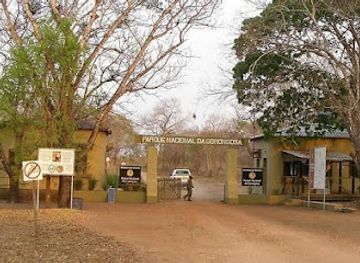
Gorongosa National Park
Discover the breathtaking landscapes and diverse wildlife at Gorongosa National Park, Mozambique's natural treasure and a haven for adventure seekers.
Best landmarks in Limpopo National Park
Limpopo National Park’s most important landmarks are landscape features and conservation structures rather than grand monuments. The Limpopo River defines the park’s northern edge and gives the area its name, while the Shingwedzi River and associated watercourses create distinctive corridors through the bushveld. The Giriyondo crossing is a significant transfrontier landmark because it represents the practical connection between Mozambique’s protected area and South Africa’s Kruger National Park, although its operating arrangements must be checked before travel. Remote wilderness camps and ranger facilities reflect the park’s deliberately low-density tourism model, while the wide sandy tracks and open mopane country provide the visual character most associated with the destination. Near the broader park landscape, the Massingir Dam is an important regional water and infrastructure feature, but it should be treated as a nearby gateway-area reference rather than assumed to be a central park monument. The greatest landmark is the cross-border conservation landscape itself: a large ecological area managed across national boundaries while still containing the history and present-day concerns of neighbouring communities.
-
National park
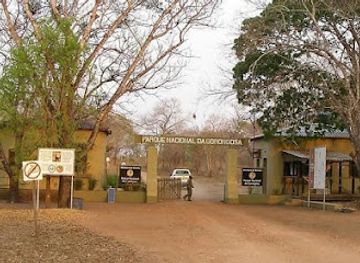
Gorongosa National Park
Experience the breathtaking beauty and rich biodiversity of Gorongosa National Park, a top destination for wildlife enthusiasts and nature lovers in Mozambique.
Explore Limpopo National Park on the map
Plan your trip on one map. See where the top cities, national parks and sights are, and book hotels and experiences in a few clicks.
Best hotels in Limpopo National Park
Best restaurants in Limpopo National Park
Dining in Limpopo National Park is generally organised through safari camps, lodges, guided tours and self-catering arrangements rather than a choice of restaurants. Visitors should confirm what meals are provided and bring suitable supplies when camping or travelling independently, as shops and dependable food outlets are scarce inside the park. Meals often draw on practical southern African safari cooking, including grilled meat, stews, vegetables, rice, maize-based accompaniments and bread, while fresh produce depends on logistics and season. In communities and settlements outside the park, visitors may encounter Mozambican influences such as grilled chicken, fish where available, piri-piri seasoning and simple rice-based dishes, but availability varies considerably in this rural area. Seafood is more characteristic of Mozambique’s coast than of this inland park, so it should not be assumed to define local dining here. Carry food in secure containers, follow all wildlife-safe storage rules and avoid cooking or eating in unauthorised places.
-
Japanese
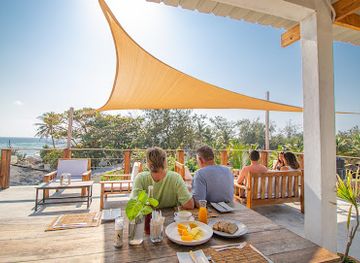
Sumi Bar and Kitchen
Experience authentic Japanese cuisine at Sumi Bar and Kitchen in Tofo Beach - where exquisite flavors meet stunning ocean views.
-
Restaurant
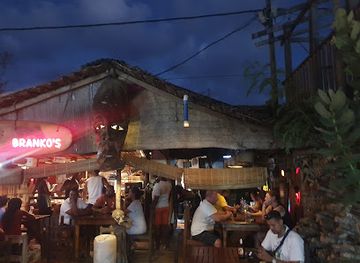
Branko's
Experience the vibrant flavors of Mozambique at Branko's in Tofo Beach, where fresh seafood meets a lively atmosphere.
-
Restaurant
What U Want RESTAURANT
Experience the flavors of Mozambique at What U Want RESTAURANT on Tofo Beach—delicious seafood and local cuisine await!

Best bars in Limpopo National Park
Limpopo National Park does not have a conventional nightlife scene, and there are no urban entertainment districts within its wilderness. Evenings are centred on camp routines, shared meals, quiet conversation and the sounds of the bush, with the dark skies providing favourable conditions for stargazing when weather permits. Some organised camps may offer a bar or drinks service, but availability depends on the accommodation and should be confirmed in advance rather than assumed. Outside the park, larger settlements provide modest local social venues rather than a concentrated club culture. Alcohol should be consumed cautiously because heat, remote roads, wildlife and early departures make nightlife safety different from that in a city. Visitors travelling across the border or onward to towns should also observe all immigration and driving requirements and avoid late-night journeys on unfamiliar roads.
-
Restaurant
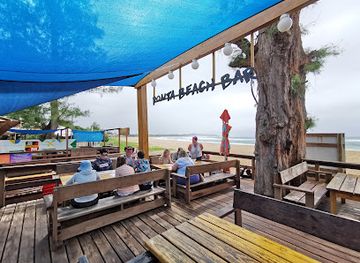
Ponta Beach Bar
Experience the vibrant flavors and stunning views at Ponta Beach Bar, a must-visit destination in Ponta do Ouro for every traveler.
-
 Guest house
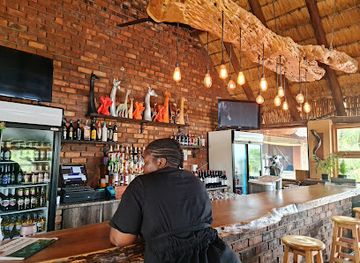
Bush Pub & Inn.
Experience the charm of South Africa at Bush Pub & Inn, nestled in Thornybush Game Reserve, where adventure meets relaxation.
-
Steak
The Thirsty Giraffe Grillhouse and Winebar
Discover the perfect blend of succulent steaks and fine wines at Hoedspruit's Thirsty Giraffe Grillhouse and Winebar, a must-visit for food lovers.
-
Disco club
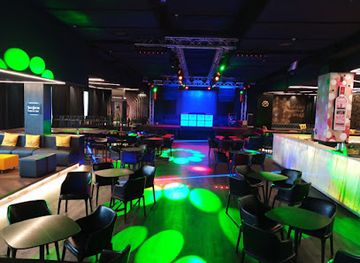
Opium
Discover the electrifying nightlife of Maputo at Opium, a premier disco club where music and dance come alive in the heart of the city.
Best nightclubs in Limpopo National Park
Limpopo National Park does not have a conventional nightlife scene, and there are no urban entertainment districts within its wilderness. Evenings are centred on camp routines, shared meals, quiet conversation and the sounds of the bush, with the dark skies providing favourable conditions for stargazing when weather permits. Some organised camps may offer a bar or drinks service, but availability depends on the accommodation and should be confirmed in advance rather than assumed. Outside the park, larger settlements provide modest local social venues rather than a concentrated club culture. Alcohol should be consumed cautiously because heat, remote roads, wildlife and early departures make nightlife safety different from that in a city. Visitors travelling across the border or onward to towns should also observe all immigration and driving requirements and avoid late-night journeys on unfamiliar roads.
-
Disco club
Opium
Experience the electrifying nightlife of Maputo at Opium, where music, dance, and culture come alive in a vibrant disco club atmosphere.
-
Night club
Matchedje Club
Discover the nightlife of Maputo at Matchedje Club, where vibrant music, delicious cocktails, and a lively atmosphere await you.
-
Night club
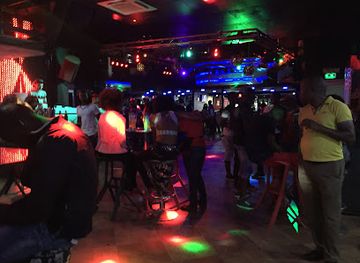
Copa Cabana Night Club
Copa Cabana Night Club: Dive into Maputo's nightlife with vibrant music, lively dance, and an unforgettable atmosphere.

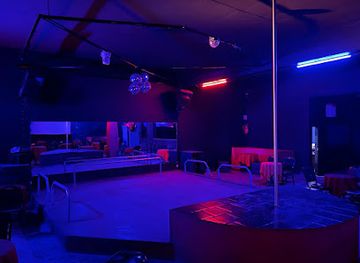
Best shops in Limpopo National Park
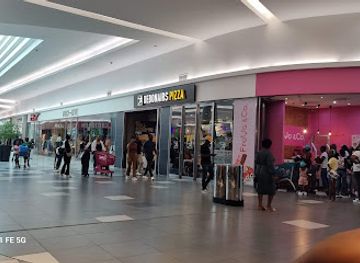
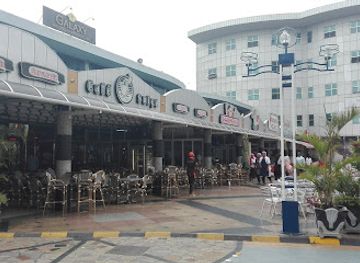
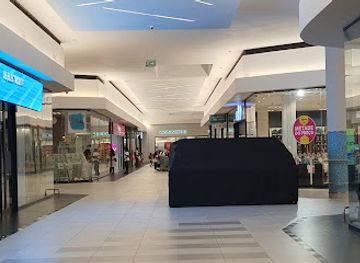
Shopping opportunities inside Limpopo National Park are extremely limited, so visitors should purchase fuel, food, medication, cash and essential equipment before entering the remote conservation area. Basic supplies may be available through accommodation arrangements or nearby settlements, but this should never be relied upon for a self-drive itinerary. Outside the park, shopping is primarily practical and local, with small shops and informal trading points serving nearby communities rather than offering a specialised tourist retail scene. Appropriate souvenirs may include locally made crafts or regional products bought directly through reputable community initiatives, provided that materials are legal and sustainably sourced. Do not purchase wildlife parts, archaeological objects, protected plants or unverified traditional medicines. Visitors crossing between Mozambique and South Africa should remember that customs restrictions and border declarations apply, particularly to food, animal products and plants. The most useful purchase for a park journey is often durable equipment and provisions rather than a conventional souvenir.
-
Shopping mall
Mall of the North
Discover the ultimate shopping experience at Mall of the North, Polokwane's largest retail destination with diverse shops and dining options.
-
Shopping mall
Maputo Shopping Centre
Explore Maputo Shopping Centre, a lively mall in the heart of Maputo offering diverse shopping, dining, and cultural experiences for tourists.
-
Shopping mall
Baía Mall
Discover shopping, dining, and stunning views at Baía Mall in Maputo, the perfect blend of leisure and local culture.
-
Shopping mall
Marés Shopping
Explore Marés Shopping in Maputo for an unforgettable shopping experience with diverse shops, delicious dining, and vibrant local culture.
Get your free copy of our complete guide to Limpopo National Park, delivered straight to you.
Everything on this page, from attractions and restaurants to essentials and local phrases, in one PDF you can read offline, print or share.
Already have an account? Sign in
Your Limpopo National Park guide is ready.
We'll send it to · Not you? Sign out

Getting your guide ready…
We are putting together a fresh copy of the Limpopo National Park guide. This can take up to a minute.
This can take a few moments. If your browser asks, choose Allow so the download can start. You'll find the guide in your Downloads folder.
Nothing happened? Download it again
Sorry, the guide is taking longer than usual. Please try again in a minute, or get it by email instead.
Limpopo National Park essentials
Currency and Payment
Safety
Emergency Situations
Do's and Don'ts
Local Tips
From Eve
Local phrases worth knowing
You don't need to get them perfect. A few words go a long way, and locals appreciate the effort.
Basics
| English | Local | Say it |
|---|---|---|
| Hello | Olá | [oh-LAH] |
| Goodbye | Adeus | [ah-DEH-oos] |
| Yes | Sim | [seem] |
| No | Não | [now] |
| Please/You're welcome | Por favor/De nada | [por fah-VOR/deh NAH-dah] |
| Thank you | Obrigado | [oh-bree-GAH-do] |
| Excuse me/Sorry | Desculpe | [des-KOOL-peh] |
| How are you? | Como você está? | [KOH-moh voh-SEH ehs-TAH] |
| Fine. And you? | Bem. E você? | [BANG. eh voh-SEH] |
| Do you speak English? | Você fala inglês? | [voh-SEH FAH-lah een-GLEZ] |
| I don't understand | Eu não entendo | [eh-oo now en-TEN-do] |
Eating & Drinking
| English | Local | Say it |
|---|---|---|
| I'd like to see the menu, please | Gostaria de ver o menu, por favor | [goh-stah-REE-ah jeh vehr oo meh-NOO, por fah-VOR] |
| I don't eat meat | Eu não como carne | [eh-oo now KOH-mo KAR-nee] |
| Cheers! | Saúde! | [sah-OO-deh] |
| I would like to pay, please | Gostaria de pagar, por favor | [goh-stah-REE-ah jeh pah-GAR, por fah-VOR] |
Emergencies
| English | Local | Say it |
|---|---|---|
| Help! | Socorro! | [soh-KOH-roo] |
| Go away! | Vá embora! | [vah em-BOH-rah] |
| Call the Police! | Chame a polícia! | [SHAH-meh ah poh-LEE-see-ah] |
| Call a doctor! | Chame um médico! | [SHAH-meh oong MEH-ji-koh] |
| I'm lost | Estou perdido | [es-TOH per-DEE-do] |
| I'm ill | Estou doente | [es-TOH do-EHN-teh] |
Shopping
| English | Local | Say it |
|---|---|---|
| I'd like to buy... | Gostaria de comprar... | [goh-stah-REE-ah jeh kom-PRAR...] |
| I'm just looking | Estou apenas olhando | [es-TOH ah-PEH-nas oh-LYAHN-do] |
| How much is it? | Quanto custa? | [KWAN-toh KOOS-tah] |
| That's too expensive | Isso é muito caro | [EE-soh eh MOY-toh KAH-roh] |
| Can you lower the price? | Você pode baixar o preço? | [voh-SEH POH-jee bye-SHAHR oo PREH-soh] |
Time & Numbers
| English | Local | Say it |
|---|---|---|
| What time is it? | Que horas são? | [kee OH-ras sow] |
| It's one o'clock | É uma hora | [eh OO-mah OH-rah] |
| Half past (10) | Dez e meia | [dez ee MAY-ah] |
| Morning | Manhã | [mahn-YAH] |
| Afternoon | Tarde | [TAR-deh] |
| Evening | Noite | [NOY-teh] |
| Yesterday | Ontem | [ON-tem] |
| Today | Hoje | [OH-zheh] |
| Tomorrow | Amanhã | [ah-mahn-YAH] |
| 1 | Um | [oom] |
| 2 | Dois | [doys] |
| 3 | Três | [trehz] |
| 4 | Quatro | [KWAH-tro] |
| 5 | Cinco | [SEEN-koh] |
| 6 | Seis | [sayz] |
| 7 | Sete | [SEH-teh] |
| 8 | Oito | [OY-toh] |
| 9 | Nove | [NOH-veh] |
| 10 | Dez | [dez] |
Transport & Directions
| English | Local | Say it |
|---|---|---|
| Where's a/the...? | Onde fica...? | [ON-deh FEE-kah...?] |
| What's the address? | Qual é o endereço? | [kwal eh oo en-deh-REH-so] |
| Can you show me (on the map)? | Você pode me mostrar (no mapa)? | [voh-SEH POH-jee meh mohs-TRAR (no MAH-pah)?] |
| When's the next (bus)? | Quando é o próximo (ônibus)? | [KWAHN-do eh oo PROH-see-mo (OH-nee-boos)?] |
| A ticket (to ....) | Um bilhete (para....) | [oom bee-LYEH-tay (PAH-rah....)] |
History of Limpopo National Park
Longstanding human use of the Limpopo landscape
The area now included in Limpopo National Park has been used by human communities for centuries. Farming, livestock keeping, hunting, gathering and movement along river corridors shaped settlement patterns in a landscape where access to seasonal water was crucial. The park is therefore not a place without history or people. Archaeological evidence across the wider region points to long-term occupation and exchange, while living communities retain cultural and economic connections to the land. Understanding this background is important because modern conservation boundaries overlay older patterns of use rather than replacing them.
Portuguese colonial rule and the Gaza hinterland
During the colonial period, the region formed part of the Portuguese administration of Mozambique, although effective control in remote interior areas was often limited. The wider Gaza landscape was influenced by African political authorities, colonial taxation, labour demands and changing patterns of land administration. Roads and administrative posts connected the interior unevenly with southern Mozambique, while local communities continued to depend heavily on farming, livestock and natural resources. The colonial legacy remains relevant to contemporary conservation because later land boundaries and administrative decisions were built on structures created during this period.
War and disruption after independence
Mozambique became independent in 1975, but the country subsequently endured civil war until the 1992 peace agreement. Southern rural areas, including the broader Gaza region, experienced insecurity, disrupted services, displacement and the breakdown of many administrative and economic systems. Wildlife populations were also affected across much of Mozambique by poaching, loss of protection and the movement of people and weapons. The condition of the landscape in the late twentieth century therefore reflected both ecological pressures and the consequences of prolonged conflict.
Creation of Limpopo National Park
Limpopo National Park was established in 2001 in the former Coutada 16 hunting area as Mozambique developed a major new conservation landscape in the north-west of Gaza Province. Its creation formed part of a broader effort to restore wildlife protection and reconnect ecosystems divided by national boundaries. The process also brought difficult questions about resettlement, access to natural resources and the relationship between conservation authorities and neighbouring communities. The park’s present character is consequently shaped by both ecological restoration and continuing efforts to make conservation compatible with local livelihoods.
The Great Limpopo Transfrontier Conservation Area
In 2002, Mozambique, South Africa and Zimbabwe established the Great Limpopo Transfrontier Park framework, linking Limpopo National Park with Kruger National Park and Gonarezhou National Park. The initiative sought to improve ecological connectivity by allowing wildlife to move across former international barriers and to encourage cooperation in conservation and tourism. Openings in boundary fences and cross-border planning have made the region an important experiment in transfrontier management. Progress has not been uniform, and security, infrastructure, animal movements and national regulations still influence how the landscape functions in practice.
Conservation, communities and modern park management
Limpopo National Park’s contemporary story concerns the continuing balancing of wildlife recovery, tourism, security and community rights. Conservation authorities and partners have worked to strengthen ranger protection, support habitat management and develop tourism in a remote area with limited infrastructure. Community-based initiatives and local employment are important because people living beside the park bear many of the costs and practical consequences of conservation, including crop damage and restricted access. The park is therefore both a wilderness destination and an evolving social project within Mozambique’s wider conservation policy.
Limpopo National Park in Photos
Browse through our photo collection highlighting the charm and character of the destination.
Neighbouring regions of Limpopo National Park
The closest regions to Limpopo National Park, if you have time for more than one.
-

-

-

-

-


Swipe for more regions
Explore more

Explore more of Mozambique
Discover Mozambique: Pristine beaches, rich cultural heritage, and vibrant wildlife await in this stunning African destination.
Explore Mozambique