

Free Bazaruto Archipelago Travel Guide & Mobile App
Explore Bazaruto Archipelago with free travel guides. Discover regional history, expert tips, proposed trips, and audio guides on web or mobile app.


Discover the untouched beauty and vibrant marine life of the Bazaruto Archipelago in Mozambique, a sanctuary of pristine islands offering endless adventures and relaxation.
Read more about Bazaruto Archipelago
When is the best time to visit Bazaruto Archipelago?
Best: May, August–September · 23–25°C| Month | High (°C) | Rainfall (mm) |
|---|---|---|
| January | 30 | 100 |
| February | 30 | 110 |
| March | 29 | 120 |
| April | 27 | 90 |
| May (best) | 25 | 80 |
| June | 23 | 70 |
| July | 22 | 60 |
| August (best) | 23 | 50 |
| September (best) | 25 | 60 |
| October | 27 | 80 |
| November | 28 | 90 |
| December | 29 | 100 |
Getting to and around Bazaruto Archipelago
How to get there
Transportation
Best attractions in Bazaruto Archipelago
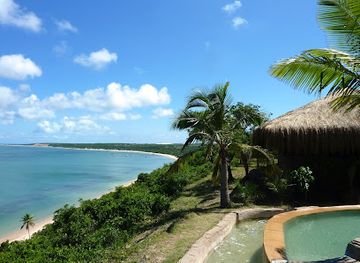
The Bazaruto Archipelago, a pristine paradise off the coast of Mozambique, offers a wealth of natural beauty and adventure for travelers. Imagine snorkeling and diving in crystal-clear waters teeming with vibrant marine life, including rare dugongs and colorful coral reefs. The islands' white sandy beaches provide a perfect backdrop for relaxation, while their lush interiors are home to exotic bird species and flora. Thrill-seekers can indulge in deep-sea fishing, kitesurfing, and dune boarding on towering sand dunes. Cultural enthusiasts will appreciate exploring the local villages, where warm hospitality and traditional Mozambican culture await. Whether you're seeking tranquility or adventure, the Bazaruto Archipelago promises an unforgettable experience.
-
Island
Bazaruto Island
Experience the breathtaking beauty and rich biodiversity of Bazaruto Island, a hidden gem in Mozambique's tropical paradise.
-
Tour agency
Sunset Dhow Safari
Discover the breathtaking beauty of Vilankulos with Sunset Dhow Safari, where unforgettable boat tours and stunning sunsets await you.
-
Island
Ilha de Magaruque
Explore Ilha de Magaruque, Mozambique's serene island paradise with stunning beaches, vibrant marine life, and unforgettable adventures.
-
Tourist attraction
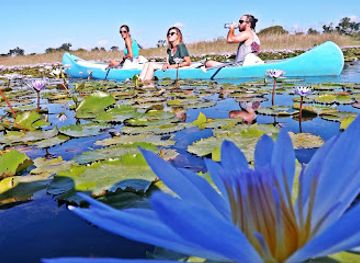
Vilanculos Canoe Safaris, Lda
Discover the serene beauty and diverse wildlife of Vilanculos Canoe Safaris, a perfect escape into nature's wonderland in Mozambique.


Best landmarks in Bazaruto Archipelago
The Bazaruto Archipelago, a stunning collection of islands off the coast of Mozambique, offers an unparalleled adventure for visitors. Expect to be mesmerized by the dazzling white sands of Bazaruto Island, where the crystal-clear waters teem with vibrant marine life perfect for snorkeling and diving. Explore the surreal landscapes of Pansy Island, famed for its unique pansy shells, or venture into the lush interior of Benguerra Island to discover hidden freshwater lakes and an abundance of bird species. Historical ruins on Santa Carolina Island tell tales of bygone eras, while the pristine coral reefs and untouched beaches of Magaruque Island provide a tranquil escape. Whether you're an avid naturalist, history enthusiast, or simply looking for a paradise retreat, the Bazaruto Archipelago promises an unforgettable experience.

Explore Bazaruto Archipelago on the map
Plan your trip on one map. See where the top cities, national parks and sights are, and book hotels and experiences in a few clicks.
Best hotels in Bazaruto Archipelago
Best restaurants in Bazaruto Archipelago
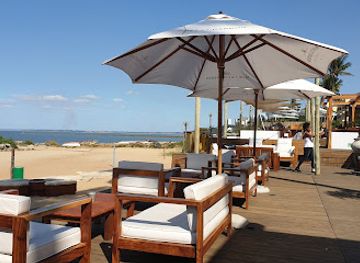
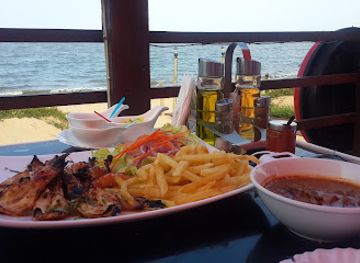
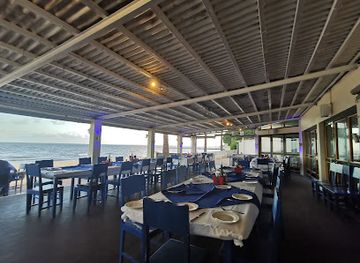
In the Bazaruto Archipelago, the dining scene is a captivating blend of traditional Mozambican flavors and fresh seafood straight from the Indian Ocean, set against the backdrop of pristine beaches and lush landscapes. Visitors can indulge in dishes such as peri-peri prawns, grilled crayfish, and the local specialty, Matapa—a sumptuous dish made from cassava leaves, coconut milk, and peanuts. Many of the island resorts offer al fresco dining experiences, where you can savor your meal under the stars with the soothing sounds of the ocean as your soundtrack. Local eateries provide a more rustic yet equally charming experience, often featuring live music and traditional dance performances that immerse you in the vibrant culture of Mozambique. Whether you're enjoying a romantic dinner on the beach or a casual lunch at a local market, the culinary offerings of Bazaruto promise a delightful journey for your taste buds.
-
Restaurant
Dhow
Experience culinary excellence intertwined with artistic beauty at Dhow in Maputo - where every meal tells a story.
-
Restaurant
South Beach
Discover the exquisite flavors of Mozambique at South Beach, where ocean views meet culinary artistry in Maputo.
-
Restaurant
O Farol
Experience authentic Mozambican cuisine at O Farol in Catembe, where stunning views meet delightful flavors.
-
Restaurant
Sagres
Experience authentic Mozambican cuisine with fresh seafood delights at Sagres in Maputo - a culinary gem by the sea.
Best bars in Bazaruto Archipelago
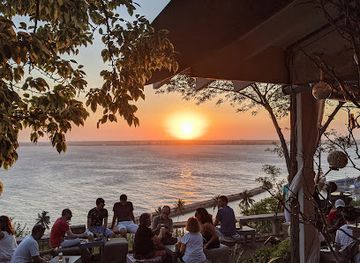
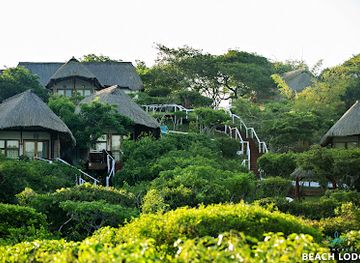
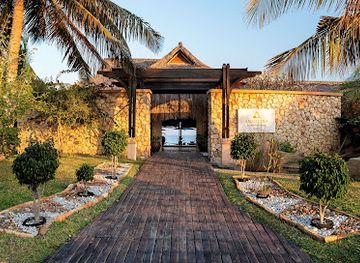
As the sun sets over the pristine waters of the Bazaruto Archipelago, the islands transform into a haven of intimate and vibrant nightlife. Visitors can look forward to cozy beach bars nestled in the sand, where the rhythm of traditional Mozambican music drifts through the air, blending harmoniously with the gentle lapping of the waves. Picture yourself sipping on a refreshing cocktail made with local fruits and spices, while the sky paints itself in hues of orange and purple. For a more spirited evening, some upscale resorts host lively dance nights, complete with fire dancers and performances that showcase the rich cultural heritage of Mozambique. Whether you prefer a laid-back evening under the stars or an energetic night filled with music and dance, the Bazaruto Archipelago offers a unique and memorable nocturnal experience, all set against the backdrop of its stunning natural beauty.
-
Bar
Vilanculos Beach Lodge and Restaurant
Discover the serene beauty of Vilanculos Beach Lodge, where stunning views, delicious cuisine, and adventure await in the heart of Mozambique.
-
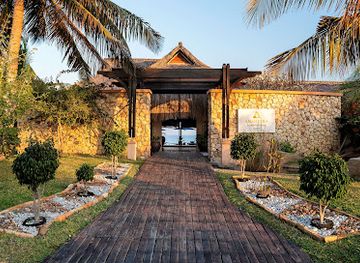
Resort hotel
Anantara Bazaruto Island Resort
Discover luxury and adventure at Anantara Bazaruto Island Resort, a tropical paradise nestled in Mozambique's stunning Bazaruto Archipelago.
-
Restaurant
Kilimanjaro Cafe Vilanculos
Experience the vibrant flavors of Mozambique at Kilimanjaro Cafe, a must-visit culinary destination in Vilanculos.
-
 Restaurant
Samara restaurant
Discover the culinary delights of Vilankulos at Samara Restaurant, where fresh seafood meets stunning beachfront views for an unforgettable dining experience.

Best nightclubs in Bazaruto Archipelago
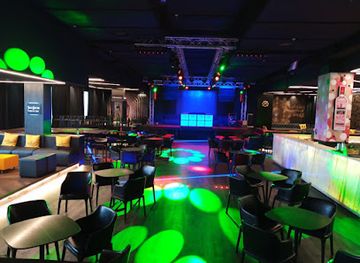
As the sun sets over the pristine waters of the Bazaruto Archipelago, the islands transform into a haven of intimate and vibrant nightlife. Visitors can look forward to cozy beach bars nestled in the sand, where the rhythm of traditional Mozambican music drifts through the air, blending harmoniously with the gentle lapping of the waves. Picture yourself sipping on a refreshing cocktail made with local fruits and spices, while the sky paints itself in hues of orange and purple. For a more spirited evening, some upscale resorts host lively dance nights, complete with fire dancers and performances that showcase the rich cultural heritage of Mozambique. Whether you prefer a laid-back evening under the stars or an energetic night filled with music and dance, the Bazaruto Archipelago offers a unique and memorable nocturnal experience, all set against the backdrop of its stunning natural beauty.
-
Disco club
Opium
Discover the heart of Maputo's nightlife at Opium, a lively disco club where music and fun unite in a vibrant atmosphere.
-
Resort hotel
Anantara Bazaruto Island Resort
Experience the luxury and natural beauty of Anantara Bazaruto Island Resort, a tropical paradise in Mozambique's stunning Bazaruto Archipelago.
-
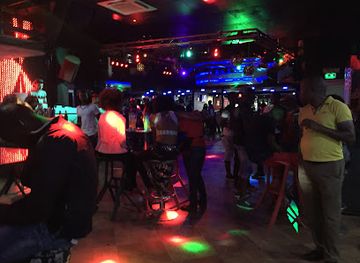
Night club
Matchedje Club
Discover the energetic nightlife of Matchedje Club in Maputo, a hotspot for dancing, music, and unforgettable memories.
-
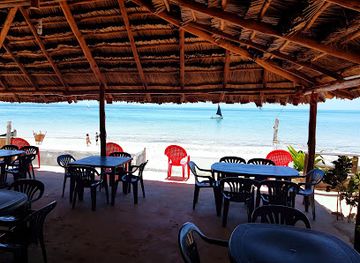
Bar
Tropical Bar
Experience the vibrant atmosphere and stunning ocean views at Tropical Bar in Vilankulos, perfect for relaxing and unwinding.
Best shops in Bazaruto Archipelago
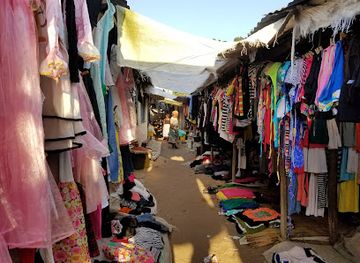
Nestled amidst the breathtaking natural beauty of the Bazaruto Archipelago, the shopping scene offers a delightful blend of traditional Mozambican crafts and unique island treasures. Visitors can explore vibrant local markets brimming with intricately woven baskets, hand-carved wooden sculptures, and colorful fabrics that reflect the rich cultural tapestry of the region. Artisans showcase their skills in creating exquisite jewelry from indigenous materials like seashells and beads, perfect for taking home a piece of the archipelago's charm. Additionally, boutique shops offer a curated selection of local spices, fragrant oils, and gourmet treats that capture the essence of Mozambique's culinary heritage. The shopping experience here is not just about purchasing souvenirs; it's an immersive journey into the heart of the island's culture and craftsmanship.
-
Market
Municipal Market
Experience the vibrant culture of Mozambique at the Municipal Market in Vilankulos, a hub of fresh produce, spices, and handcrafted treasures.
-
Hypermarket
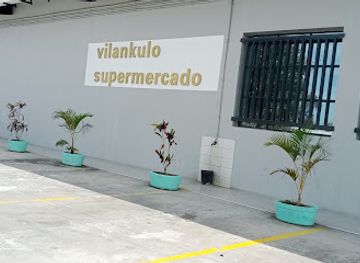
Vilanculos supermercado
Explore the heart of Vilankulos at Vilanculos Supermercado, your go-to hypermarket for local flavors and everyday essentials.
-
Supermarket
Taurus
Explore the local flavors and essentials at Taurus Supermarket in Vilanculos, a vibrant shopping experience in Mozambique.
-
Resort hotel
Azura Benguerra Island
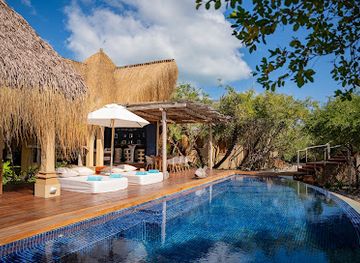
Experience unparalleled luxury and natural beauty at Azura Benguerra Island, a premier resort hotel in Mozambique's stunning Bazaruto Archipelago.

Get your free copy of our complete guide to Bazaruto Archipelago, delivered straight to you.
Everything on this page, from attractions and restaurants to essentials and local phrases, in one PDF you can read offline, print or share.
Already have an account? Sign in
Your Bazaruto Archipelago guide is ready.
We'll send it to · Not you? Sign out

Getting your guide ready…
We are putting together a fresh copy of the Bazaruto Archipelago guide. This can take up to a minute.
This can take a few moments. If your browser asks, choose Allow so the download can start. You'll find the guide in your Downloads folder.
Nothing happened? Download it again
Sorry, the guide is taking longer than usual. Please try again in a minute, or get it by email instead.
Bazaruto Archipelago essentials
Currency and Payment
Safety
Emergency Situations
Do's and Don'ts
Local Tips
From Eve
Local phrases worth knowing
You don't need to get them perfect. A few words go a long way, and locals appreciate the effort.
Basics
| English | Local | Say it |
|---|---|---|
| Hello | Olá | [oh-lah] |
| Goodbye | Adeus | [ah-deh-oos] |
| Yes | Sim | [seem] |
| No | Não | [nah-ow] |
| Please/You're welcome | Por favor | [por fah-vor] |
| Thank you | Obrigado | [oh-bree-gah-doo] |
| Excuse me/Sorry | Desculpe | [deh-skul-peh] |
| How are you? | Como você está? | [koh-moh voh-seh eh-stah] |
| Fine. And you? | Bem. E você? | [baym. ee voh-seh] |
| Do you speak English? | Você fala inglês? | [voh-seh fah-lah een-glays] |
| I don't understand | Eu não entendo | [ay-o nah-ow en-ten-doo] |
Eating & Drinking
| English | Local | Say it |
|---|---|---|
| I'd like to see the menu, please | Gostaria de ver o menu, por favor | [gos-tah-ree-ah jee vehr oo meh-noo, por fah-vor] |
| I don't eat meat | Eu não como carne | [ay-o nah-ow koh-moo kar-nee] |
| Cheers! | Saúde! | [sah-oo-deh] |
| I would like to pay, please | Gostaria de pagar, por favor | [gos-tah-ree-ah jee pah-gar, por fah-vor] |
Emergencies
| English | Local | Say it |
|---|---|---|
| Help! | Ajuda! | [ah-zhoo-dah] |
| Go away! | Vá embora! | [vah em-boh-rah] |
| Call the Police! | Chame a polícia! | [shah-meh ah poh-lee-syah] |
| Call a doctor! | Chame um médico! | [shah-meh oom meh-dee-koh] |
| I'm lost | Estou perdido | [es-toh per-dee-doo] |
| I'm ill | Estou doente | [es-toh do-ehn-chee] |
Shopping
| English | Local | Say it |
|---|---|---|
| I'd like to buy... | Gostaria de comprar... | [gos-tah-ree-ah jee kom-prar] |
| I'm just looking | Estou apenas olhando | [es-toh ah-peh-nas oh-lhan-doo] |
| How much is it? | Quanto custa? | [kwan-toh koos-tah] |
| That's too expensive | Isso é muito caro | [ees-soh eh muyn-toh kah-roo] |
| Can you lower the price? | Você pode baixar o preço? | [voh-seh poh-jee bye-shar oo pray-soo] |
Time & Numbers
| English | Local | Say it |
|---|---|---|
| What time is it? | Que horas são? | [kee oh-ras sah-o] |
| It's one o'clock | É uma hora | [eh oo-mah oh-rah] |
| Half past (10) | Dez e meia | [dez ee may-ah] |
| Morning | Manhã | [mahn-yah] |
| Afternoon | Tarde | [tahr-deh] |
| Evening | Noite | [noy-tay] |
| Yesterday | Ontem | [on-tem] |
| Today | Hoje | [oh-zhee] |
| Tomorrow | Amanhã | [ah-mahn-yah] |
| 1 | Um | [oom] |
| 2 | Dois | [doyz] |
| 3 | Três | [trehz] |
| 4 | Quatro | [kwah-tro] |
| 5 | Cinco | [seen-koh] |
| 6 | Seis | [sayz] |
| 7 | Sete | [seh-chee] |
| 8 | Oito | [oy-toh] |
| 9 | Nove | [noh-veh] |
| 10 | Dez | [dez] |
Transport & Directions
| English | Local | Say it |
|---|---|---|
| Where's a/the...? | Onde fica um/a...? | [on-deh fee-kah oom/ah] |
| What's the address? | Qual é o endereço? | [kwahl eh oo en-deh-reh-soo] |
| Can you show me (on the map)? | Você pode me mostrar (no mapa)? | [voh-seh poh-jee mee mohs-trar (noh mah-pah)] |
| When's the next (bus)? | Quando é o próximo (ônibus)? | [kwan-doh eh oo proh-see-moh (oh-nee-boos)] |
| A ticket (to ....) | Um bilhete (para ...) | [oom bee-lyeh-tay (pah-rah ...)] |
History of Bazaruto Archipelago
Early Inhabitants and Pre-Colonial Period
The Bazaruto Archipelago, located off the coast of Mozambique in the Indian Ocean, has a rich history dating back to ancient times. Archaeological evidence suggests that the islands were inhabited by early Bantu-speaking peoples who engaged in fishing, hunting, and small-scale agriculture. These early inhabitants formed the foundation of the region's unique cultural heritage.
Arab and Swahili Influence
By the 10th century, Arab traders had established trade routes along the East African coast, including the Bazaruto Archipelago. These traders brought Islam and established trading posts, facilitating the exchange of goods such as gold, ivory, and slaves. The influence of Arab and Swahili culture is still visible in the local architecture, language, and customs.
Portuguese Colonization
In the late 15th century, Portuguese explorers arrived in Mozambique, marking the beginning of European colonization. The Bazaruto Archipelago became a strategic location for the Portuguese, who used the islands as a stopover point for ships traveling to India. The Portuguese influence is evident in the local cuisine, language, and place names.
Slave Trade Era
During the 18th and 19th centuries, the Bazaruto Archipelago was heavily involved in the transatlantic slave trade. The islands served as a transit point for enslaved Africans being transported to the Americas and other parts of the world. This dark period in history left a lasting impact on the cultural and social fabric of the region.
Post-Colonial Period and Independence
Mozambique gained independence from Portuguese colonial rule in 1975, leading to significant changes in the Bazaruto Archipelago. The islands, once a strategic colonial outpost, began to focus on developing their tourism industry. The rich history and natural beauty of the archipelago have since attracted visitors from around the globe.
Marine Conservation Efforts
In recent decades, the Bazaruto Archipelago has become a focal point for marine conservation efforts. The establishment of the Bazaruto Archipelago National Park in 1971 aimed to protect the unique marine biodiversity of the region, including coral reefs, dugongs, and various fish species. These conservation efforts play a crucial role in preserving the natural heritage of the islands.
Bazaruto Archipelago in Photos
Browse through our photo collection highlighting the charm and character of the destination.
Neighbouring regions of Bazaruto Archipelago
The closest regions to Bazaruto Archipelago, if you have time for more than one.
-
 Inhambane Province
Discover the pristine beaches, rich marine life, and vibrant culture of Inhambane Province in Mozambique. Perfect for diving, relaxing, and exploring local traditions.
Inhambane Province
Discover the pristine beaches, rich marine life, and vibrant culture of Inhambane Province in Mozambique. Perfect for diving, relaxing, and exploring local traditions.
-
 Gaza Province
Discover the natural beauty, cultural richness, and historical significance of Gaza Province in Mozambique, from breathtaking national parks to vibrant local traditions.
Gaza Province
Discover the natural beauty, cultural richness, and historical significance of Gaza Province in Mozambique, from breathtaking national parks to vibrant local traditions.
-
 Banhine National Park
Explore the wild heart of Mozambique at Banhine National Park, where diverse ecosystems and rich wildlife create an unforgettable natural paradise.
Banhine National Park
Explore the wild heart of Mozambique at Banhine National Park, where diverse ecosystems and rich wildlife create an unforgettable natural paradise.
-
 Sofala Province
Discover Sofala Province in Mozambique: A blend of stunning coastlines, rich history, and vibrant wildlife, perfect for nature lovers and cultural explorers alike.
Sofala Province
Discover Sofala Province in Mozambique: A blend of stunning coastlines, rich history, and vibrant wildlife, perfect for nature lovers and cultural explorers alike.
-
 Chimanimani Mountains
Discover the Chimanimani Mountains: A haven for hikers, nature enthusiasts, and culture seekers on the Mozambique-Zimbabwe border.
Chimanimani Mountains
Discover the Chimanimani Mountains: A haven for hikers, nature enthusiasts, and culture seekers on the Mozambique-Zimbabwe border.
Swipe for more regions

