

Chimanimani Mountains, Mozambique Travel Guide
Discover the Chimanimani Mountains: A haven for hikers, nature enthusiasts, and culture seekers on the Mozambique-Zimbabwe border.
Nestled on the border between Mozambique and Zimbabwe, the Chimanimani Mountains are a mesmerizing destination for nature lovers and adventure seekers. These mountains offer breathtaking views, lush greenery, and a plethora of unique flora and fauna. The rugged terrain and high peaks make it an ideal spot for hiking and mountaineering, with several trails that cater to both beginners and experienced hikers. The Chimanimani Mountains are part of the Chimanimani National Reserve, which is home to numerous rare species of plants and animals. Bird watchers will be delighted by the variety of avian life, including the elusive blue swallow and the endangered Taita falcon. The area is also rich in history, with ancient rock paintings that provide a glimpse into the lives of the early inhabitants of the region. Visitors can explore the stunning waterfalls and crystal-clear rivers that flow through the mountains, providing perfect spots for picnics and relaxation. The local communities are welcoming and offer a taste of traditional Mozambican culture, with opportunities to experience local cuisine and crafts. Whether you're looking to immerse yourself in nature, embark on an adventure, or simply unwind in a serene setting, the Chimanimani Mountains offer something for everyone.

Know before you go
Hi, I'm Eve. Here are a few practical things to know before exploring Chimanimani Mountains.
- Pack appropriate hiking gear, including sturdy boots and a map of the trails.
- Hire a local guide to ensure you don't miss any hidden gems and to learn about the local flora and fauna.
- Visit during the dry season (May to October) for the best hiking conditions and clearer skies.
- Carry enough water and snacks, as there are limited facilities within the mountains.
- Don't forget your binoculars if you're a bird watcher; the variety of species is impressive.
- Respect local customs and traditions when interacting with the local communities.
Explore Chimanimani Mountains: Things to Do, Places to Eat, Hotels & More
Handpicked recommendations for top attractions, local dining, accommodations, and more

Top Attractions & Sightseeing in Chimanimani Mountains
Top-rated picks
Best Attractions

Nyanga National Park
Discover the breathtaking landscapes and rich biodiversity of Nyanga National Park, a natural paradise in Zimbabwe's eastern highlands.

Feira de Artesanato, Flores e Gastronomia de Maputo
Immerse yourself in the cultural vibrancy of Maputo at the Feira de Artesanato, Flores e Gastronomia, a fairground bursting with local crafts and delicious cuisine.

Fortaleza de Sao Sebastao
Discover the rich history and breathtaking views at Fortaleza de São Sebastião, a must-visit fortress in Mozambique.

Bazaruto Archipelago National Marine Park
Explore the beauty of Bazaruto Archipelago National Marine Park, a haven of pristine beaches, vibrant marine life, and breathtaking natural landscapes.

Best landmarks in Chimanimani Mountains
Top-rated picks
Best Landmarks
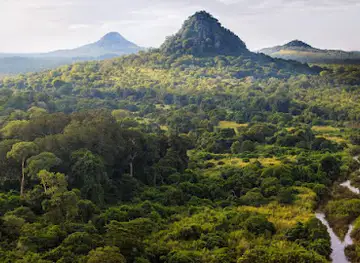
Gorongosa National Park
Explore the stunning landscapes and diverse wildlife of Gorongosa National Park, a true gem in Mozambique's natural heritage.

Casa de Ferro
Explore Casa de Ferro, a historical landmark in Maputo showcasing unique iron architecture and rich cultural heritage.

Banhine National Park
Explore Banhine National Park, Mozambique's captivating wilderness filled with diverse wildlife, stunning landscapes, and breathtaking sunsets.

Chimanimani District
Experience the breathtaking beauty and adventure of Chimanimani District, Zimbabwe's hidden gem for nature lovers and outdoor enthusiasts.

Best restaurants in Chimanimani Mountains
Top-rated picks
Best Restaurants

Zambi
Discover Zambi: A top-rated restaurant in Maputo serving exquisite Mozambican and international cuisine amidst a vibrant atmosphere.
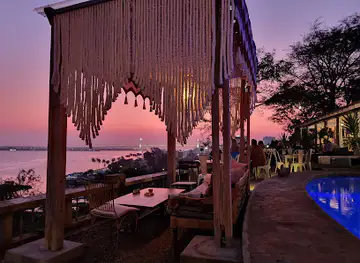
Dhow
Experience exquisite dining and vibrant local art at Dhow in Maputo - where culinary delights meet cultural expression.

South Beach
Experience the vibrant charm of South Beach in Maputo—where stunning views meet delightful cuisine along Mozambique's breathtaking coastline.

Maputo Waterfront
Experience vibrant dining and stunning views at Maputo Waterfront - a cultural gem on Mozambique's coastline.

Best bars in Chimanimani Mountains
Top-rated picks
Best Bars

South Beach
Discover the vibrant flavors of Mozambique at South Beach, Maputo's premier restaurant for exquisite dining and stunning views.

Ponta Beach Bar
Experience the taste of paradise at Ponta Beach Bar, blending local flavors with stunning ocean views in Ponta do Ouro, Mozambique.

Kaya Kweru Resort
Experience the best of dining, music, and relaxation at Kaya Kweru Resort in Ponta do Ouro, Mozambique.

Café Chimanimani
Explore the vibrant flavors of Maputo at Café Chimanimani, where organic meets delicious in a charming setting.

Best nightclubs in Chimanimani Mountains
Top-rated picks
Best Nightclubs

Xima Bar
Experience the vibrant nightlife of Maputo at Xima Bar, where delicious drinks and lively atmosphere await every visitor.

Opium
Experience Maputo's nightlife at Opium, a top disco club where music, dance, and vibrant energy come together for an unforgettable night.

Gil-Vicente Café-Bar
Discover Maputo's lively nightlife at Gil-Vicente Café-Bar, a vibrant spot for drinks and local culture.

Matchedje Club
Dive into Maputo's nightlife at Matchedje Club, where music, dancing, and vibrant energy create an unforgettable experience.

Best shops in Chimanimani Mountains
Top-rated picks
Best Shops

Maputo Shopping Centre
Experience the vibrant shopping scene at Maputo Shopping Centre, where local culture meets international brands in a dynamic environment.

Baía Mall
Discover the vibrant shopping experience at Baía Mall in Maputo, featuring local crafts, international brands, and delicious dining options.

Marés Shopping
Discover the vibrant heart of Maputo at Marés Shopping, where local culture meets modern shopping and dining experiences.

Central Market
Explore the vibrant Central Market in Maputo for a taste of local culture, fresh produce, and unique souvenirs in the heart of Mozambique.

Explore Chimanimani Mountains on the Map
A handpicked selection of must-see spots in Chimanimani Mountains, mapped for you.
Chimanimani Mountains Essentials
-
Chimanimani Mountains are located on the border between Mozambique and Zimbabwe. The nearest international airport is Beira Airport (BEW) in Beira, Mozambique. From Beira, you can take a domestic flight to Chimoio, which is closer to the Chimanimani Mountains. Alternatively, you can travel by road from Beira or Maputo, the capital of Mozambique. The journey by road can take several hours, so it's recommended to use a 4x4 vehicle, especially during the rainy season when roads can become challenging.
-
Once you reach Chimanimani, the best way to explore the mountains is on foot or by hiring a local guide who can navigate the trails. For longer distances, you can hire a 4x4 vehicle. Public transportation is limited, and taxis may not be readily available in more remote areas. It's advisable to arrange transportation in advance through your accommodation or a local tour operator.
-
The official currency in Mozambique is the Mozambican Metical (MZN). Credit cards are accepted in some hotels and larger establishments, but cash is preferred in smaller shops and rural areas. ATMs are available in larger towns like Chimoio, but it's a good idea to carry enough cash for your trip, especially if you plan to travel to remote areas. Ensure you have some small denominations for easier transactions.
-
Chimanimani Mountains are generally safe for tourists, but it's essential to take standard precautions. Avoid isolated areas after dark and keep your belongings secure. While there are no specific high-crime areas targeting tourists, petty theft can occur. It's advisable to travel in groups and hire a local guide who knows the area well. Always inform someone of your travel plans and expected return time.
-
In case of emergency, dial 119 for police assistance and 117 for medical emergencies. It's recommended to have travel insurance that covers medical emergencies and evacuation. The nearest medical facilities are located in Chimoio, so for serious medical issues, you may need to be transported there. Carry a basic first aid kit and any necessary medications. Familiarize yourself with the location of the nearest embassy or consulate for additional support.
-
Fashion: Do dress modestly, especially in rural and traditional areas. Lightweight, long-sleeved clothing can also protect you from the sun and insects. Religion: Do respect local customs and religious practices. Be mindful of sacred sites and always ask for permission before taking photographs. Public Transport: Do be courteous and patient when using public transport. Don't rely on it for timely travel as schedules can be inconsistent. Greetings: Do greet people with a friendly 'Bom dia' (Good day) or 'Boa tarde' (Good afternoon). A handshake is common, but always wait for the local to initiate. Eating & Drinking: Do try local dishes and accept food offerings graciously. Don't waste food, as it is considered disrespectful.
-
To experience Chimanimani Mountains like a local, consider hiring a knowledgeable local guide who can provide insights into the region’s history, culture, and natural beauty. Visit the local markets in nearby villages to purchase fresh produce and handmade crafts. Engage with the local community and participate in traditional ceremonies if the opportunity arises. Don't miss the opportunity to hike to Bridal Veil Falls or explore the diverse flora and fauna unique to the region.
When is the best time to visit Chimanimani Mountains?
Useful Local Phrases for Chimanimani Mountains
You don't need to speak the language perfectly. Even learning a few simple words can make conversations warmer—and locals usually appreciate the effort.
— Eve

Here are the phrases I use most often in Chimanimani Mountains. Try a few—you'll be surprised how far they go! 😊
❤️
-
- HelloOlá
[oh-lah] - GoodbyeAdeus
[ah-deh-oos] - YesSim
[seem] - NoNão
[now] - Please/You're welcomePor favor/De nada
[poor fah-vor/jeh nah-dah] - Thank youObrigado
[oh-bree-gah-doo] - Excuse me/SorryDesculpe
[des-kool-peh] - How are you?Como você está?
[koh-moo voh-seh es-tah] - Fine. And you?Bem. E você?
[behm. ee voh-seh] - Do you speak English?Você fala inglês?
[voh-seh fah-lah een-glehz] - I don't understandEu não entendo
[eh-oo now en-ten-doo]
- HelloOlá
-
- I'd like to see the menu, pleaseGostaria de ver o menu, por favor
[goh-stah-ree-ah jeh veh-r oh meh-noo, poor fah-vor] - I don't eat meatEu não como carne
[eh-oo now koh-moo kar-nee] - Cheers!Saúde!
[sah-oo-deh] - I would like to pay, pleaseGostaria de pagar, por favor
[goh-stah-ree-ah jeh pah-gar, poor fah-vor]
- I'd like to see the menu, pleaseGostaria de ver o menu, por favor
-
- Help!Ajuda!
[ah-zhoo-dah] - Go away!Vá embora!
[vah em-boh-rah] - Call the Police!Chame a polícia!
[sha-meh ah poh-lee-see-ah] - Call a doctor!Chame um médico!
[sha-meh oong meh-dee-coh] - I'm lostEstou perdido
[es-toh pair-jee-doo] - I'm illEstou doente
[es-toh doh-en-tay]
- Help!Ajuda!
-
- I'd like to buy...Gostaria de comprar...
[goh-stah-ree-ah jeh kom-prahr] - I'm just lookingEstou apenas olhando
[es-toh ah-peh-nas oh-lhan-doo] - How much is it?Quanto custa?
[kwan-toh koos-tah] - That's too expensiveIsso é muito caro
[ee-soo eh mu-een-toh kah-roo] - Can you lower the price?Você pode baixar o preço?
[voh-seh poh-jee bah-ee-shar oh preh-soo]
- I'd like to buy...Gostaria de comprar...
-
- What time is it?Que horas são?
[keh or-as sow] - It's one o'clockÉ uma hora
[eh oo-mah or-ah] - Half past (10)Dez e meia
[dehz ee may-ah] - MorningManhã
[mahn-yah] - AfternoonTarde
[tahr-deh] - EveningNoite
[noy-chee] - YesterdayOntem
[on-tem] - TodayHoje
[oh-zhee] - TomorrowAmanhã
[ah-mahn-yah] - 1Um
[oom] - 2Dois
[doy-s] - 3Três
[trehz] - 4Quatro
[kwah-troh] - 5Cinco
[seen-koh] - 6Seis
[says] - 7Sete
[seh-tay] - 8Oito
[oy-toh] - 9Nove
[noh-veh] - 10Dez
[dehz]
- What time is it?Que horas são?
-
- Where's a/the...?Onde está um/a...?
[on-deh es-tah oong/ah] - What's the address?Qual é o endereço?
[kwahl eh oh en-deh-reh-soo] - Can you show me (on the map)?Você pode me mostrar (no mapa)?
[voh-seh poh-jee meh mohs-trar (noh mah-pah)] - When's the next (bus)?Quando é o próximo (ônibus)?
[kwan-doo eh oh proh-see-moo (oh-nee-boos)] - A ticket (to ....)Um bilhete (para ....)
[oom bee-lyeh-tay (pah-rah)]
- Where's a/the...?Onde está um/a...?
History of Chimanimani Mountains
-
The Chimanimani Mountains are home to a wealth of ancient rock art, created by the San people, who were the original inhabitants of the region. These artworks, found in various caves and rock shelters, depict scenes of hunting, rituals, and daily life, offering a glimpse into the lives of these early hunter-gatherers. The San people, also known as Bushmen, lived in harmony with the environment, utilizing the rich natural resources of the mountains for thousands of years.
-
The Chimanimani Mountains played a significant role during the era of the Mutapa Empire, which flourished between the 15th and 18th centuries. The empire, known for its wealth and trade in gold, ivory, and other resources, extended its influence over a vast region including modern-day Zimbabwe and Mozambique. The mountains served as a natural fortress and a source of valuable minerals, contributing to the economic strength of the empire. Archaeological evidence of settlements and trade routes in the area highlights the importance of Chimanimani in the history of the Mutapa Empire.
-
During the late 19th and early 20th centuries, the Chimanimani Mountains witnessed encounters between local communities and European colonial powers. The rugged terrain of the mountains provided a strategic advantage for indigenous groups resisting colonial intrusion. Notably, the area became a battleground during the Portuguese colonial expansion in Mozambique. Various local leaders and communities engaged in resistance against colonial forces, contributing to the broader anti-colonial movements that were sweeping across Southern Africa.
-
In more recent history, the Chimanimani Mountains have become a focal point for conservation efforts. The establishment of the Chimanimani Transfrontier Conservation Area, a cross-border initiative between Mozambique and Zimbabwe, aims to preserve the unique biodiversity and cultural heritage of the region. This conservation area fosters collaboration between the two countries, promoting sustainable tourism and the protection of endangered species. The initiative underscores the importance of the Chimanimani Mountains as a natural and cultural treasure, ensuring its preservation for future generations.
Neighbouring Regions of Chimanimani Mountains
The closest regions to Chimanimani Mountains, if you have time for more than one.


Your all‑in‑one travel companion app
Explore expert travel guides, compare and book tours, experiences, hotels, and more—all from the palm of your hand. Download now for seamless trip planning wherever your wanderlust takes you.


Explore More of Mozambique

Looking beyond Chimanimani Mountains? Discover Mozambique for broader travel guides, local hot-spots, and regional highlights.
Explore MozambiqueChimanimani Mountains in Photos
Browse through our photo collection highlighting the charm and character of the destination.


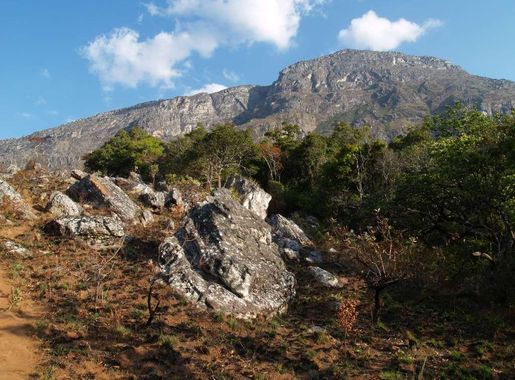


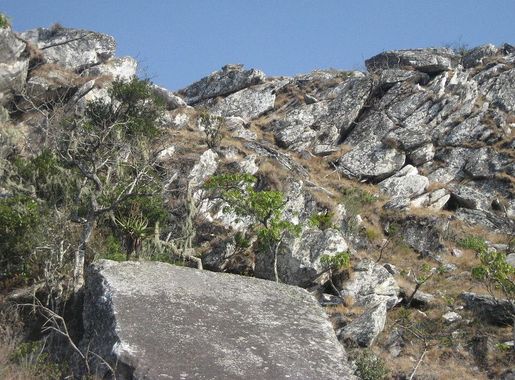
The Enchanting Chimanimani Mountains of Mozambique
Nestled on the border between Mozambique and Zimbabwe, the Chimanimani Mountains are a mesmerizing destination for nature lovers and adventure seekers. These mountains offer breathtaking views, lush greenery, and a plethora of unique flora and fauna. The rugged terrain and high peaks make it an ideal spot for hiking and mountaineering, with several trails that cater to both beginners and experienced hikers. The Chimanimani Mountains are part of the Chimanimani National Reserve, which is home to numerous rare species of plants and animals. Bird watchers will be delighted by the variety of avian life, including the elusive blue swallow and the endangered Taita falcon. The area is also rich in history, with ancient rock paintings that provide a glimpse into the lives of the early inhabitants of the region. Visitors can explore the stunning waterfalls and crystal-clear rivers that flow through the mountains, providing perfect spots for picnics and relaxation. The local communities are welcoming and offer a taste of traditional Mozambican culture, with opportunities to experience local cuisine and crafts. Whether you're looking to immerse yourself in nature, embark on an adventure, or simply unwind in a serene setting, the Chimanimani Mountains offer something for everyone.