

Free Sofala Province Travel Guide & Mobile App
Explore Sofala Province with free travel guides. Discover regional history, expert tips, proposed trips, and audio guides on web or mobile app.


Explore Sofala Province for Beira’s port heritage, Zambezi wetlands, coastal culture and the recovering wildlife landscapes of Gorongosa.
Read more about Sofala Province
When is the best time to visit Sofala Province?
Best: June–August · 26–27°C| Month | High (°C) | Rainfall (mm) |
|---|---|---|
| January | 32 | 150 |
| February | 32 | 140 |
| March | 32 | 130 |
| April | 30 | 80 |
| May | 28 | 50 |
| June (best) | 26 | 30 |
| July (best) | 26 | 25 |
| August (best) | 27 | 20 |
| September | 29 | 30 |
| October | 31 | 50 |
| November | 32 | 100 |
| December | 32 | 130 |
Getting to and around Sofala Province
How to get there
Transportation
Best attractions in Sofala Province
Sofala’s attractions range from Beira’s urban and maritime heritage to large, seasonally changing natural landscapes. In Beira, visitors can explore historic streets, tropical modernist architecture, markets, churches, the port-side setting and the long coastal edge around the city. The main natural draw is Gorongosa National Park, where guided drives and selected walking or boating experiences reveal floodplains, miombo woodland, savannah and exceptional birdlife; the park’s appeal lies as much in its conservation recovery as in individual animal sightings. To the north, the Marromeu area and the Zambezi Delta offer wetlands, channels, grasslands and important habitats, although access requires more careful planning and may be affected by water levels. Rural Sofala provides insight into river-based livelihoods, agriculture and local food traditions, while the Púnguè and Zambezi systems give the province a strong aquatic character. These experiences are widely dispersed, so a practical itinerary should combine one urban base with separate arrangements for remote landscapes rather than treating the whole province as a series of easy day trips.
-
Historical landmark
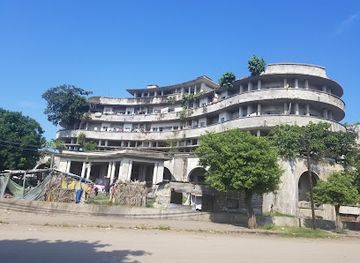
Grande Hotel
Explore the Grande Hotel in Beira, a historical landmark showcasing the remnants of colonial architecture and rich cultural heritage.
-
Mosque
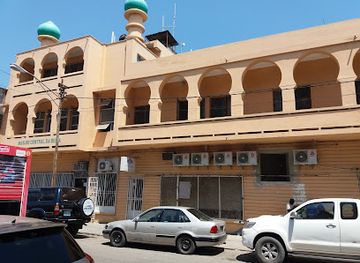
Mesquita Central da Beira (Masjid)
Explore the Mesquita Central da Beira, a stunning mosque that showcases the rich Islamic heritage and cultural vibrancy of Beira, Mozambique.
Best landmarks in Sofala Province
Beira’s most recognisable landmarks are concentrated in its historic urban fabric and coastal setting. The Cathedral of Beira, with its substantial stone architecture and long association with the city, is one of the province’s most prominent religious buildings. The railway station is another important civic landmark, representing the port’s role as the maritime end of the Beira Corridor and the city’s twentieth-century commercial growth. Central Beira also contains examples of Portuguese-period and tropical modernist architecture, although the condition and accessibility of individual buildings vary. The city’s waterfront and broad coastal edge provide a geographical landmark shaped by the meeting of urban life, river channels and the Indian Ocean. Far inland, Mount Gorongosa forms a powerful natural reference point within the wider Gorongosa landscape, rising above plains and woodland associated with the national park. The park’s floodplains and seasonal rivers are less monumental in a built sense, but they are crucial landscape landmarks: they explain the region’s wildlife, agriculture, transport difficulties and vulnerability to flooding. Together, Beira’s station, cathedral, urban architecture, coast and Gorongosa’s mountain-and-floodplain setting express Sofala’s maritime, infrastructural and ecological identity.
-
Monument
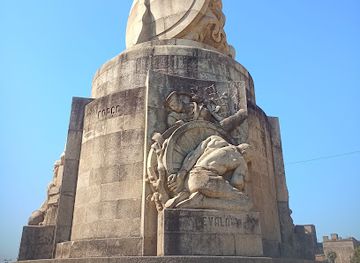
WORKERS SQUARE
Explore Workers Square in Maputo - a vibrant monument celebrating the spirit of the working class and a hub of local culture and community events.
-
Strait
Mozambique Channel
Discover the stunning Mozambique Channel, a vibrant strait rich in marine life, culture, and adventure, perfect for every travel enthusiast.
-
Museum
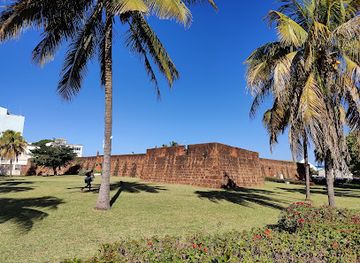
Fortress of Maputo
Discover the historic Fortress of Maputo, a captivating museum showcasing the rich heritage and culture of Mozambique by the scenic waterfront.
-
 Hotel
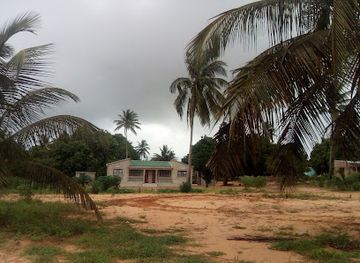
HotelBeira Terrace Hotel
Discover the charm and comfort of Beira Terrace Hotel, your perfect retreat in the heart of Beira, Mozambique.
Explore Sofala Province on the map
Plan your trip on one map. See where the top cities, national parks and sights are, and book hotels and experiences in a few clicks.
Best hotels in Sofala Province
Best restaurants in Sofala Province
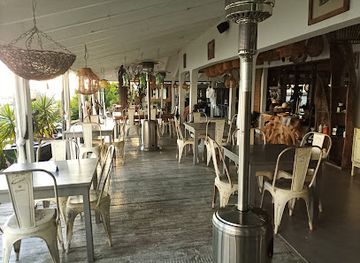
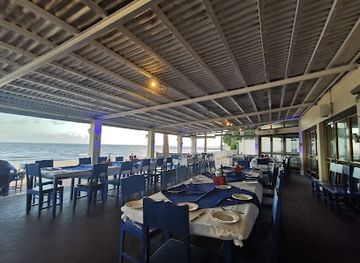
Dining in Sofala reflects its coast, rivers, fertile lowlands and connections with the wider Indian Ocean world. In Beira, restaurants and cafés commonly offer grilled fish, prawns and other seafood alongside rice, cassava, beans, chicken and Portuguese-influenced dishes. Coconut, chilli and aromatic sauces are familiar elements of central Mozambican cooking, while fresh produce and simple grilled foods are important in markets and informal eateries. The province’s rivers and wetlands support freshwater fish traditions, although availability varies by season and locality. Roadside stalls and market vendors may sell fried snacks, bread, fruit and cooked meals; choose busy places with good food turnover and sensible hygiene. Hotels and established restaurants provide a wider selection of international food, particularly in Beira and around organised safari operations. Local beers, soft drinks and tea are widely available, while menus and service can be more limited outside urban centres. A flexible appetite is useful: Sofala’s food culture is often encountered through daily meals, markets and family-run establishments rather than a formal restaurant circuit.
-
Restaurant
Dhow
Experience exquisite Mozambican cuisine amidst captivating local art at Dhow in Maputo.
-
Restaurant
Sagres
Experience authentic Mozambican cuisine at Sagres in Maputo - where fresh seafood meets vibrant local culture.
-
Hotel
Beira Terrace Hotel
Discover comfort at Beira Terrace Hotel on Avenida Marginal - perfect for tourists seeking culture and coastal beauty in Mozambique.
-
Hotel
Golden Peacock Resort Hotel
Experience unparalleled luxury at Golden Peacock Resort Hotel in Beira - your gateway to exploring Mozambique's vibrant culture and stunning landscapes.
Best bars in Sofala Province
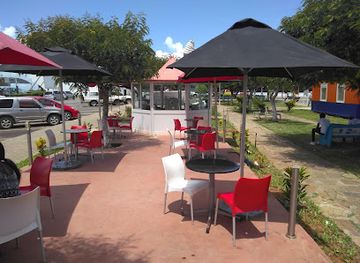
Beira contains Sofala’s main evening scene, centred on hotel bars, seafront venues, restaurants and informal local establishments rather than a large, clearly defined club district. Evenings may include Portuguese-influenced café culture, Mozambican music, televised football and socialising over beer or soft drinks. Some venues offer dancing or live music, but programmes and opening arrangements can change, so local advice is more reliable than assuming a fixed schedule. Outside Beira, nightlife is quieter and generally revolves around guesthouse restaurants, lodges, traditional drinking places and community gatherings. Safari lodges near Gorongosa may provide an early evening drink or dinner before dawn activities, but their setting is oriented towards the park rather than late-night entertainment. Use licensed or well-established venues, arrange transport after dark and avoid walking unfamiliar roads at night. In rural Sofala, the absence of a nightclub scene is part of the province’s character rather than a gap to be filled with invented attractions.
-
Bar
Xima Bar
Discover the vibrant nightlife of Maputo at Xima Bar, where local flavors meet a lively atmosphere and unforgettable experiences await.
-
Hotel
Beira Terrace Hotel
Discover the charm of Beira at Beira Terrace Hotel, blending comfort, elegance, and stunning coastal views for an unforgettable stay.
-
Hotel
Golden Peacock Resort Hotel
Discover unparalleled luxury and cultural richness at Golden Peacock Resort Hotel in Beira, Mozambique.
-
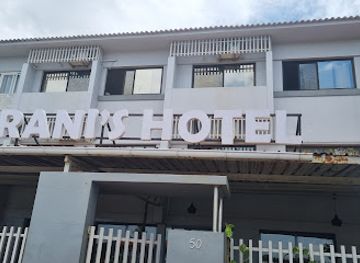
Hotel
Rani's Hotel
Experience the warmth and charm of Rani's Hotel, your ideal base for exploring Beira's beautiful coastline and vibrant local culture.
Best shops in Sofala Province
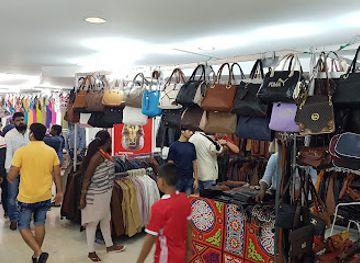
Shopping in Sofala is strongest in Beira, where markets, neighbourhood shops, supermarkets and independent traders serve both residents and visitors. Fresh produce, rice, spices, seafood, fabrics, clothing and household goods are more characteristic purchases than a specialised luxury retail scene. Markets can be rewarding for observing everyday commerce, but ask before photographing people and keep valuables secure in crowded areas. Small craft items, woven goods, carved objects and locally made souvenirs may be available through markets, hotel shops or organised cultural visits; quality and provenance vary, so buy respectfully and avoid archaeological objects, protected wildlife products or items made from restricted materials. Travellers heading inland can find locally produced foods and practical goods in roadside markets, although selection is limited and packaging standards differ. Beira’s larger shops are the most dependable places for toiletries, medicines, mobile credit and travel supplies. Carry meticais for small purchases, bargain politely where appropriate and remember that market prices, stock and locations can change.
-
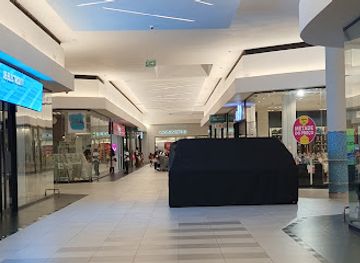
Shopping mall
Maputo Shopping Centre
Experience the heart of Maputo at the Shopping Centre, where shopping meets culture and cuisine in a vibrant setting.
-
Shopping mall
Baía Mall
Explore Baía Mall in Maputo for a shopping haven featuring local and international brands amidst a vibrant atmosphere.
-
Hotel
Beira Terrace Hotel
Discover the allure of Beira from the comfort of Beira Terrace Hotel, where modern amenities meet stunning ocean views.
-
Hotel
Golden Peacock Resort Hotel
Experience unparalleled luxury and comfort at the Golden Peacock Resort Hotel in Beira, Mozambique, where modern elegance meets local charm.
Get your free copy of our complete guide to Sofala Province, delivered straight to you.
Everything on this page, from attractions and restaurants to essentials and local phrases, in one PDF you can read offline, print or share.
Already have an account? Sign in
Your Sofala Province guide is ready.
We'll send it to · Not you? Sign out

Getting your guide ready…
We are putting together a fresh copy of the Sofala Province guide. This can take up to a minute.
This can take a few moments. If your browser asks, choose Allow so the download can start. You'll find the guide in your Downloads folder.
Nothing happened? Download it again
Sorry, the guide is taking longer than usual. Please try again in a minute, or get it by email instead.
Sofala Province essentials
Currency and Payment
Safety
Emergency Situations
Do's and Don'ts
Local Tips
From Eve
Local phrases worth knowing
You don't need to get them perfect. A few words go a long way, and locals appreciate the effort.
Basics
| English | Local | Say it |
|---|---|---|
| Hello | Olá | [oh-lah] |
| Goodbye | Adeus | [ah-deh-oos] |
| Yes | Sim | [seem] |
| No | Não | [now] |
| Please/You're welcome | Por favor/De nada | [poor fah-vor/deh nah-dah] |
| Thank you | Obrigado/Obrigada | [oh-bree-gah-do/oh-bree-gah-dah] |
| Excuse me/Sorry | Desculpe | [deh-skool-peh] |
| How are you? | Como você está? | [koh-moh voh-seh es-tah] |
| Fine. And you? | Estou bem. E você? | [es-toh em. eh voh-seh?] |
| Do you speak English? | Você fala inglês? | [voh-seh fah-lah een-glays?] |
| I don't understand | Não entendo | [now en-ten-do] |
Eating & Drinking
| English | Local | Say it |
|---|---|---|
| I'd like to see the menu, please | Gostaria de ver o menu, por favor | [goh-stah-ree-ah jeh vehr oo meh-noo, poor fah-vor] |
| I don't eat meat | Não como carne | [now koh-moh kar-nee] |
| Cheers! | Saúde! | [sah-oo-deh] |
| I would like to pay, please | Gostaria de pagar, por favor | [goh-stah-ree-ah jeh pah-gar, poor fah-vor] |
Emergencies
| English | Local | Say it |
|---|---|---|
| Help! | Socorro! | [soh-koh-roh] |
| Go away! | Vá embora! | [vah em-boh-rah] |
| Call the Police! | Chame a polícia! | [sha-meh ah poh-lee-see-ah] |
| Call a doctor! | Chame um médico! | [sha-meh oom meh-jee-koh] |
| I'm lost | Estou perdido | [es-toh pehr-dee-do] |
| I'm ill | Estou doente | [es-toh do-en-chee] |
Shopping
| English | Local | Say it |
|---|---|---|
| I'd like to buy... | Gostaria de comprar... | [goh-stah-ree-ah jeh kom-prar] |
| I'm just looking | Estou apenas a olhar | [es-toh ah-peh-nas ah oh-yar] |
| How much is it? | Quanto custa? | [kwan-toh koos-tah?] |
| That's too expensive | Isso é muito caro | [ee-soh eh moy-toh kah-roh] |
| Can you lower the price? | Pode baixar o preço? | [poh-deh bah-ee-shar oo preh-so?] |
Time & Numbers
| English | Local | Say it |
|---|---|---|
| What time is it? | Que horas são? | [keh oh-ras sow?] |
| It's one o'clock | É uma hora | [eh oo-mah oh-rah] |
| Half past (10) | Dez e meia | [dez eh may-ah] |
| Morning | Manhã | [mahn-yah] |
| Afternoon | Tarde | [tar-deh] |
| Evening | Noite | [noy-teh] |
| Yesterday | Ontem | [on-tem] |
| Today | Hoje | [oh-zheh] |
| Tomorrow | Amanhã | [ah-mahn-yah] |
| 1 | Um | [oom] |
| 2 | Dois | [doy-s] |
| 3 | Três | [trez] |
| 4 | Quatro | [kwah-troh] |
| 5 | Cinco | [seen-koh] |
| 6 | Seis | [says] |
| 7 | Sete | [seh-chee] |
| 8 | Oito | [oy-toh] |
| 9 | Nove | [noh-veh] |
| 10 | Dez | [dez] |
Transport & Directions
| English | Local | Say it |
|---|---|---|
| Where's a/the...? | Onde está um/a...? | [on-deh es-tah oom/ah...?] |
| What's the address? | Qual é o endereço? | [kwahl eh oo en-deh-reh-so?] |
| Can you show me (on the map)? | Pode me mostrar (no mapa)? | [poh-deh meh mohs-trar (no ma-pah)?] |
| When's the next (bus)? | Quando é o próximo (ônibus)? | [kwan-do eh oo proh-see-mo (oh-nee-boos)?] |
| A ticket (to ....) | Um bilhete (para ...) | [oom bee-lyeh-teh (pah-rah ...)] |
History of Sofala Province
Sofala and the medieval gold trade
The coast around Sofala was connected to the western Indian Ocean trading world long before modern Mozambique existed. The port traditionally known as Sofala, associated with the area south of the modern Púnguè estuary, became linked to gold moving from the interior towards Swahili and Arab trading networks. Medieval references to Sofala helped give the wider region international importance, although the exact relationship between historical trading sites and later settlements remains complex. The port’s prominence declined as channels shifted and other coastal centres gained influence, but the memory of Sofala’s gold trade remains central to the province’s early history.
Portuguese expansion and the port of Beira
Portuguese influence along the Sofala coast developed from the early sixteenth century, initially through attempts to control maritime commerce and access to inland trade. Over subsequent centuries, political authority remained uneven beyond coastal centres, while African societies, traders and local rulers continued to shape the region. Beira became the decisive modern port after its establishment in the late nineteenth century, when Portuguese interests sought a secure outlet for commerce and transport into the interior. Its position at the mouth of the Púnguè and near routes towards present-day Zimbabwe gave it strategic importance.
Railways, plantations and the Beira Corridor
The construction and expansion of rail and port infrastructure transformed Sofala during the late nineteenth and twentieth centuries. Beira became the maritime terminus for routes serving the interior, especially the railway corridor towards what was then Southern Rhodesia. Commercial agriculture, migration and port-related employment expanded around this network, while the city acquired its broad avenues and a distinctive colonial-era architectural character. The corridor remained economically important after Mozambique’s independence because it provides a route between the Indian Ocean and landlocked neighbouring countries. Rail and road links have repeatedly been affected by war, weather and infrastructure investment.
Independence and the civil war
Mozambique became independent from Portugal in 1975, beginning a difficult period of political and economic change. Sofala was heavily affected by the civil war between the government and Renamo, particularly in rural areas and along transport routes. Gorongosa and surrounding districts became closely associated with the conflict, which damaged communities, infrastructure and wildlife populations. The 1992 peace agreement allowed reconstruction and the gradual return of displaced people, although recovery was uneven and the effects of war remain part of local memory. The history is best understood through the experiences of communities, not only through military narratives.
Gorongosa’s conservation recovery
Gorongosa National Park suffered severe losses of wildlife during the civil war, when animals were killed for meat and ivory and park infrastructure deteriorated. In the years after peace, restoration efforts combined habitat management, wildlife reintroduction, scientific research, tourism and community programmes. The recovery has been gradual and remains ongoing rather than complete, but it has made Gorongosa an important example of post-conflict conservation. The park’s modern story also highlights the relationship between protected areas and neighbouring communities, including the need to support livelihoods, education and access to services.
Cyclone Idai and urban resilience
In March 2019, Cyclone Idai struck central Mozambique and caused catastrophic flooding and destruction in Sofala, with Beira among the worst-affected urban areas. Strong winds damaged buildings and infrastructure, while floodwaters spread through low-lying settlements and rural districts. The disaster exposed the vulnerability of a coastal city shaped by cyclones, sea-level pressures and inadequate drainage, but it also prompted major reconstruction and resilience initiatives. Visitors may still encounter repaired, altered or unfinished structures, and the cyclone remains an important part of contemporary Beira’s social and urban history.
Sofala Province in Photos
Browse through our photo collection highlighting the charm and character of the destination.
Neighbouring regions of Sofala Province
The closest regions to Sofala Province, if you have time for more than one.
-

-

-

-

-


Swipe for more regions
Explore more

Explore more of Mozambique
Discover Mozambique: Pristine beaches, rich cultural heritage, and vibrant wildlife await in this stunning African destination.
Explore Mozambique