

Free Cabo Delgado Province Travel Guide & Mobile App
Explore Cabo Delgado Province with free travel guides. Discover regional history, expert tips, proposed trips, and audio guides on web or mobile app.


Explore Cabo Delgado in Mozambique: Dive into the Quirimbas Archipelago's marine life, trek the Niassa Reserve, and immerse in Pemba's vibrant culture.
Read more about Cabo Delgado Province
When is the best time to visit Cabo Delgado Province?
Best: June–August · 26°C| Month | High (°C) | Rainfall (mm) |
|---|---|---|
| January | 31 | 160 |
| February | 31 | 140 |
| March | 30 | 120 |
| April | 29 | 80 |
| May | 28 | 40 |
| June (best) | 26 | 20 |
| July (best) | 26 | 20 |
| August (best) | 26 | 20 |
| September | 28 | 40 |
| October | 30 | 80 |
| November | 31 | 100 |
| December | 31 | 140 |
Getting to and around Cabo Delgado Province
How to get there
Transportation
Best attractions in Cabo Delgado Province
Cabo Delgado Province, a hidden gem in Mozambique, offers an irresistible blend of unspoiled natural beauty, rich cultural heritage, and thrilling adventure. Visitors can explore the Quirimbas Archipelago, a string of tropical islands boasting pristine beaches, crystal-clear waters, and vibrant coral reefs perfect for diving and snorkeling. The historic town of Ibo Island is a must-see, with its ancient forts, colonial architecture, and bustling local markets providing a glimpse into Mozambique's storied past. Inland, the Niassa Reserve beckons wildlife enthusiasts with its vast landscapes teeming with elephants, lions, and rare bird species. The region also offers hiking opportunities in the majestic Mueda Plateau, where visitors can marvel at stunning vistas and hidden waterfalls. Cabo Delgado's warm, welcoming communities and traditional Makonde art, known for its intricate wood carvings and vibrant culture, add a unique cultural tapestry to the journey.

Best landmarks in Cabo Delgado Province
Cabo Delgado Province in Mozambique is a treasure trove of captivating landmarks that beckon adventurous souls. Immerse yourself in the history and culture of Ibo Island, where centuries-old colonial architecture and ancient fortresses tell tales of the region's storied past. The Quirimbas Archipelago offers untouched, idyllic islands with pristine beaches and vibrant marine life, perfect for snorkeling and diving. Visit the Palma region to witness the Makonde people's intricate wood carvings, known worldwide for their craftsmanship. For nature enthusiasts, the Niassa Reserve presents an untamed wilderness teeming with diverse wildlife and breathtaking landscapes. The bustling port city of Pemba boasts a blend of modern amenities and traditional markets, making it a gateway to explore the rich heritage and natural beauty of Cabo Delgado Province.
Explore Cabo Delgado Province on the map
Plan your trip on one map. See where the top cities, national parks and sights are, and book hotels and experiences in a few clicks.
Best hotels in Cabo Delgado Province
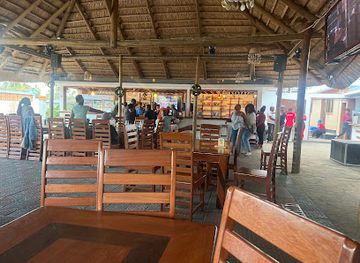
Best restaurants in Cabo Delgado Province
Cabo Delgado Province offers a vibrant and diverse dining scene that captures the essence of Mozambique's rich culinary heritage. Visitors can expect to savor fresh seafood straight from the Indian Ocean, with dishes like grilled prawns, calamari, and the famous peri-peri prawns seasoned with fiery local spices. The province's coastal towns, such as Pemba and Ibo Island, host a variety of charming eateries where traditional Mozambican flavors meet Portuguese influences, evident in dishes like Matapa (a local green leaf stew) and Piri-Piri chicken. Street food vendors add to the culinary adventure, offering snacks like Pãozinho (Portuguese-style bread rolls) filled with spicy fillings and cashew nuts, a local specialty. For those looking to dine with a view, many of the beachside restaurants provide stunning ocean vistas, making every meal an unforgettable experience.
-
Restaurant
Restaurant 556
Discover exquisite local flavors at Restaurant 556 in Pemba—an unforgettable dining experience awaits every traveler.
-
Restaurant
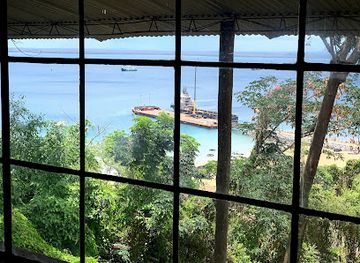
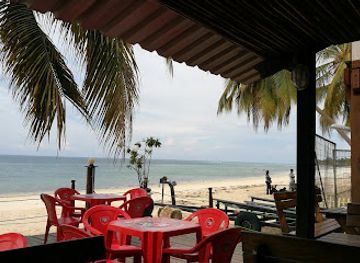
Pemba Dolphin
Discover coastal flavors at Pemba Dolphin – where delicious cuisine meets breathtaking ocean views in Mozambique.
-
Restaurant
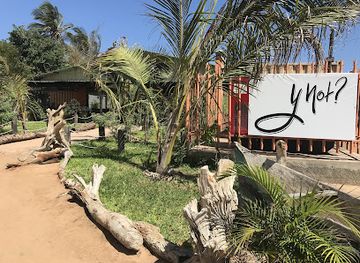
YNot? Restaurant
Experience the flavors of Mozambique at YNot? Restaurant in Pemba—where every meal is a celebration of local cuisine.
-
Restaurant
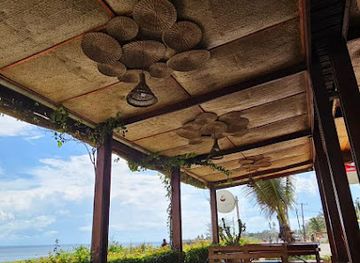
Capuccino Café
Experience the rich flavors of Mozambique at Capuccino Café in Pemba – where quality meets comfort.
Best bars in Cabo Delgado Province
Cabo Delgado Province in Mozambique offers a vibrant and unique nightlife scene that is sure to captivate any visitor. As the sun sets over the Indian Ocean, the coastal town of Pemba comes alive with lively beachfront bars where you can sip on freshly made cocktails while listening to the rhythmic beats of traditional Mozambican music mixed with contemporary tunes. The atmosphere is electric, with locals and tourists mingling under the starlit sky, often dancing barefoot in the sand. For a more immersive cultural experience, head to the local night markets where you can sample an array of delicious street food, from spicy piri-piri chicken to fresh seafood, while enjoying impromptu performances by local musicians. In smaller towns like Mocímboa da Praia, the nightlife is more laid-back, offering intimate venues where you can enjoy a quiet drink and engage in heartfelt conversations with the friendly locals. Whether you're looking for a lively party or a serene evening under the stars, Cabo Delgado's nightlife has something special to offer.
-
Bar
Pensao Nacosso Salimo
Discover the vibrant nightlife at Pensao Nacosso Salimo, a lively bar in Balama offering a taste of local culture and affordable drinks.
-
Bar
Clinica De Babalaza
Experience the lively atmosphere and unique cocktails at Clinica De Babalaza, the heart of Pemba's nightlife.
-
Bar
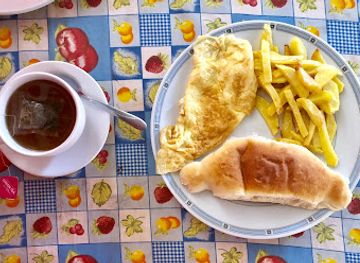
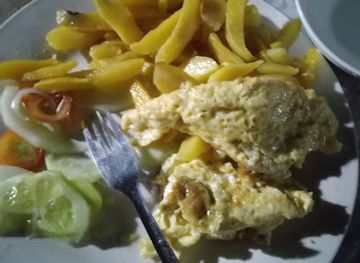
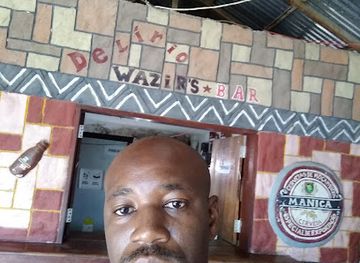
Delirio Wazir's Bar
Experience the vibrant nightlife of Pemba at Delirio Wazir's Bar, where local culture meets refreshing drinks in a lively atmosphere.
-
Bar
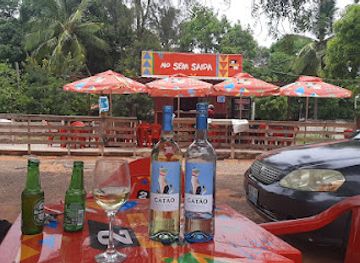
Sem Saida
Experience the vibrant nightlife of Pemba at Sem Saida, a cozy bar featuring local drinks and a lively atmosphere.
Best nightclubs in Cabo Delgado Province
Cabo Delgado Province in Mozambique offers a vibrant and unique nightlife scene that is sure to captivate any visitor. As the sun sets over the Indian Ocean, the coastal town of Pemba comes alive with lively beachfront bars where you can sip on freshly made cocktails while listening to the rhythmic beats of traditional Mozambican music mixed with contemporary tunes. The atmosphere is electric, with locals and tourists mingling under the starlit sky, often dancing barefoot in the sand. For a more immersive cultural experience, head to the local night markets where you can sample an array of delicious street food, from spicy piri-piri chicken to fresh seafood, while enjoying impromptu performances by local musicians. In smaller towns like Mocímboa da Praia, the nightlife is more laid-back, offering intimate venues where you can enjoy a quiet drink and engage in heartfelt conversations with the friendly locals. Whether you're looking for a lively party or a serene evening under the stars, Cabo Delgado's nightlife has something special to offer.
Best shops in Cabo Delgado Province
In Cabo Delgado Province, visitors will find a vibrant shopping scene that is a treasure trove of unique, handcrafted goods and local delicacies. The bustling markets in towns like Pemba and Mocímboa da Praia offer an authentic taste of Mozambican culture, where you can browse through stalls brimming with colorful capulanas (traditional fabrics), intricately woven baskets, and exquisite Makonde wood carvings. The local artisans are eager to share the stories behind their crafts, making each purchase a meaningful souvenir. Additionally, the province's coastal influence means you'll find fresh seafood and spices that tantalize the senses, perfect for culinary enthusiasts looking to bring a piece of Mozambique's rich flavors back home.
-
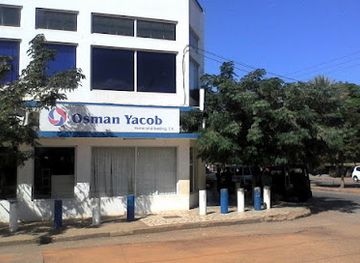
Hardware store
Osman Yacob
Explore Osman Yacob in Pemba, your local hardware haven for tools, supplies, and community charm amidst the vibrant culture of Mozambique.
-
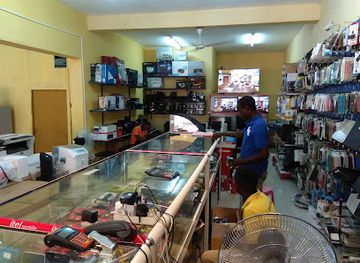
Electronics store
Galaxy Electronics
Explore cutting-edge technology and exceptional service at Galaxy Electronics in Pemba, your go-to electronics store for all your tech needs.
-
Grocery store
Afro Super Marcado
Immerse yourself in the local flavors and vibrant culture at Afro Super Marcado in Mucacata, Mozambique's authentic grocery store.
-
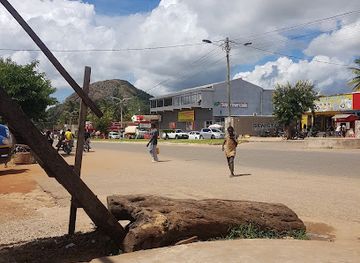
Shopping mall
VIP SUPER MERCADO
Discover local treasures and vibrant culture at Montepuez's VIP Super Mercado, a must-visit shopping destination for every tourist.

Get your free copy of our complete guide to Cabo Delgado Province, delivered straight to you.
Everything on this page, from attractions and restaurants to essentials and local phrases, in one PDF you can read offline, print or share.
Already have an account? Sign in
Your Cabo Delgado Province guide is ready.
We'll send it to · Not you? Sign out

Getting your guide ready…
We are putting together a fresh copy of the Cabo Delgado Province guide. This can take up to a minute.
This can take a few moments. If your browser asks, choose Allow so the download can start. You'll find the guide in your Downloads folder.
Nothing happened? Download it again
Sorry, the guide is taking longer than usual. Please try again in a minute, or get it by email instead.
Cabo Delgado Province essentials
Currency and Payment
Safety
Emergency Situations
Do's and Don'ts
Local Tips
From Eve
Local phrases worth knowing
You don't need to get them perfect. A few words go a long way, and locals appreciate the effort.
Basics
| English | Local | Say it |
|---|---|---|
| Hello | Salama | [sah-lah-mah] |
| Goodbye | Kwaheri | [kwah-eh-ree] |
| Yes | Ndio | [n-dee-oh] |
| No | Hapana | [hah-pah-nah] |
| Please/You're welcome | Tafadhali | [tah-fah-dah-lee] |
| Thank you | Asante | [ah-sahn-teh] |
| Excuse me/Sorry | Pole | [poh-leh] |
| How are you? | Habari gani? | [hah-bah-ree gah-nee] |
| Fine. And you? | Nzuri. Na wewe? | [n-zoo-ree. nah weh-weh] |
| Do you speak English? | Unazungumza Kiingereza? | [oo-nah-zoon-gum-zah kee-in-geh-reh-zah] |
| I don't understand | Sielewi | [see-eh-leh-wee] |
Eating & Drinking
| English | Local | Say it |
|---|---|---|
| I'd like to see the menu, please | Ningependa kuona menyu, tafadhali | [neen-geh-pen-dah koo-oh-nah men-yoo, tah-fah-dah-lee] |
| I don't eat meat | Sikuli nyama | [see-koo-lee nyah-mah] |
| Cheers! | Afya! | [ah-fyah] |
| I would like to pay, please | Ningependa kulipa, tafadhali | [neen-geh-pen-dah koo-lee-pah, tah-fah-dah-lee] |
Emergencies
| English | Local | Say it |
|---|---|---|
| Help! | Msaada! | [m-sah-dah] |
| Go away! | Ondoka! | [on-doh-kah] |
| Call the Police! | Piga simu polisi! | [pee-gah see-moo poh-lee-see] |
| Call a doctor! | Piga simu daktari! | [pee-gah see-moo dahk-tah-ree] |
| I'm lost | Nimepotea | [nee-meh-poh-teh-ah] |
| I'm ill | Nina ugonjwa | [nee-nah oo-gon-jwah] |
Shopping
| English | Local | Say it |
|---|---|---|
| I'd like to buy... | Ningependa kununua... | [neen-geh-pen-dah koo-noo-noo-ah] |
| I'm just looking | Natazama tu | [nah-tah-zah-mah too] |
| How much is it? | Ni bei gani? | [nee beh-ee gah-nee] |
| That's too expensive | Hiyo ni ghali sana | [hee-yoh nee gah-lee sah-nah] |
| Can you lower the price? | Unaweza kupunguza bei? | [oo-nah-weh-zah koo-poon-goo-zah beh-ee] |
Time & Numbers
| English | Local | Say it |
|---|---|---|
| What time is it? | Ni saa ngapi? | [nee sah ngah-pee] |
| It's one o'clock | Ni saa moja | [nee sah moh-jah] |
| Half past (10) | Nusu ya (10) | [noo-soo yah (10)] |
| Morning | Asubuhi | [ah-soo-boo-hee] |
| Afternoon | Mchana | [m-chah-nah] |
| Evening | Jioni | [jee-oh-nee] |
| Yesterday | Jana | [jah-nah] |
| Today | Leo | [leh-oh] |
| Tomorrow | Kesho | [keh-shoh] |
| 1 | Moja | [moh-jah] |
| 2 | Mbili | [m-bee-lee] |
| 3 | Tatu | [tah-too] |
| 4 | Nne | [n-neh] |
| 5 | Tano | [tah-noh] |
| 6 | Sita | [see-tah] |
| 7 | Saba | [sah-bah] |
| 8 | Nane | [nah-neh] |
| 9 | Tisa | [tee-sah] |
| 10 | Kumi | [koo-mee] |
Transport & Directions
| English | Local | Say it |
|---|---|---|
| Where's a/the...? | Iko wapi...? | [ee-koh wah-pee] |
| What's the address? | Ni anwani gani? | [nee ahn-wah-nee gah-nee] |
| Can you show me (on the map)? | Unaweza kunionesha (katika ramani)? | [oo-nah-weh-zah koo-nee-oh-neh-shah (kah-tee-kah rah-mah-nee)] |
| When's the next (bus)? | Basi inayofuata ni lini? | [bah-see ee-nah-yoh-foo-ah-tah nee lee-nee] |
| A ticket (to ...) | Tiketi (kuelekea ...) | [tee-keh-tee (kweh-leh-keh-ah ...)] |
History of Cabo Delgado Province
Precolonial Era and Early Settlements
Cabo Delgado Province has been inhabited for thousands of years by various ethnic groups, including the Makonde, Makua, and Mwani. These communities developed rich cultural traditions and complex social structures. The Makonde, in particular, are renowned for their intricate wood carvings and vibrant dances. The region's location along the Indian Ocean facilitated trade with Arab and Persian merchants as early as the 10th century, leading to the establishment of prosperous coastal settlements.
Swahili Coast and Arab Influence
From the 10th century onward, Cabo Delgado became part of the Swahili Coast, a network of powerful city-states engaged in extensive maritime trade. Arab traders introduced Islam to the region, which remains a significant cultural and religious influence today. The town of Ibo, located on Ibo Island, became an important trading hub, known for its stone architecture, mosques, and bustling markets.
Portuguese Colonization
In the late 15th century, Portuguese explorers arrived on the shores of Cabo Delgado, seeking to control the lucrative spice and gold trade routes. The Portuguese established several forts, including one on Ibo Island, and attempted to exert control over the region. However, their influence was often limited to coastal areas, and resistance from local populations persisted. The legacy of Portuguese colonization is evident in the architecture, language, and cultural practices of the region.
The Slave Trade
During the 18th and 19th centuries, Cabo Delgado became a significant center for the East African slave trade. Enslaved Africans were captured from the interior and transported to coastal ports like Ibo and Pemba, from where they were shipped to the Arabian Peninsula, India, and beyond. The brutal trade had devastating effects on local populations and economies, leaving a lasting impact on the social fabric of the region.
Struggle for Independence
In the mid-20th century, Cabo Delgado played a crucial role in Mozambique's struggle for independence from Portuguese colonial rule. The province was a stronghold of the Frente de Libertação de Moçambique (FRELIMO), the main liberation movement. FRELIMO's first military base was established in Cabo Delgado in 1964, and the region became a focal point for guerrilla warfare against the Portuguese. Mozambique ultimately achieved independence in 1975.
Post-Independence Challenges
Following independence, Cabo Delgado faced numerous challenges, including economic underdevelopment, political instability, and civil conflict. The province remained largely rural and impoverished, with limited infrastructure and access to basic services. In recent years, the discovery of vast natural gas reserves off the coast has brought new opportunities and challenges, as the region grapples with the impacts of resource extraction and conflict.
Cultural Heritage and Contemporary Life
Despite its turbulent history, Cabo Delgado remains a vibrant and culturally rich region. The Makonde people's art and traditions continue to thrive, and the province is known for its unique blend of African, Arab, and Portuguese influences. The town of Pemba, with its stunning beaches and coral reefs, has become a popular destination for tourists seeking to explore the natural beauty and cultural heritage of Cabo Delgado.
Cabo Delgado Province in Photos
Browse through our photo collection highlighting the charm and character of the destination.
Neighbouring regions of Cabo Delgado Province
The closest regions to Cabo Delgado Province, if you have time for more than one.
-
 Makonde Plateau
Discover the Makonde Plateau: A blend of natural beauty, rich culture, and historical significance in Mozambique's northern highlands.
Makonde Plateau
Discover the Makonde Plateau: A blend of natural beauty, rich culture, and historical significance in Mozambique's northern highlands.
-
 Quirimbas Archipelago
Discover the untouched beauty and rich cultural heritage of the Quirimbas Archipelago, a hidden paradise in Mozambique's Indian Ocean.
Quirimbas Archipelago
Discover the untouched beauty and rich cultural heritage of the Quirimbas Archipelago, a hidden paradise in Mozambique's Indian Ocean.
-
 Niassa Province
Discover the wild heart of Mozambique in Niassa Province, where untamed landscapes, diverse wildlife, and rich cultural heritage await adventurous travelers.
Niassa Province
Discover the wild heart of Mozambique in Niassa Province, where untamed landscapes, diverse wildlife, and rich cultural heritage await adventurous travelers.
-
 Nampula Province
Discover Nampula Province, where Mozambique's culture, history, and natural beauty converge in a stunning landscape of hills, forests, and pristine beaches.
Nampula Province
Discover Nampula Province, where Mozambique's culture, history, and natural beauty converge in a stunning landscape of hills, forests, and pristine beaches.
-
 Lake Niassa Region
Discover Lake Niassa in Mozambique, a serene paradise with crystal-clear waters, vibrant local culture, and rich wildlife, perfect for nature lovers and adventure seekers.
Lake Niassa Region
Discover Lake Niassa in Mozambique, a serene paradise with crystal-clear waters, vibrant local culture, and rich wildlife, perfect for nature lovers and adventure seekers.
Swipe for more regions

