

Niassa Province, Mozambique Travel Guide
Discover the wild heart of Mozambique in Niassa Province, where untamed landscapes, diverse wildlife, and rich cultural heritage await adventurous travelers.
Niassa Province in Mozambique is a hidden gem, offering tourists a rich tapestry of untamed landscapes and vibrant wildlife. Spanning vast areas of pristine wilderness, Niassa is home to the largest protected area in Mozambique, the Niassa National Reserve. Here, visitors can witness the raw beauty of Africa, with opportunities to see elephants, lions, and an array of bird species in their natural habitats. The province is also known for its cultural diversity. The Makonde people, famous for their intricate wood carvings and vibrant traditional dances, inhabit this region. For those interested in cultural experiences, visiting local villages and engaging with the community provides an enriching insight into their way of life. Apart from wildlife and culture, Niassa offers stunning natural scenery. The Lugenda River flows through the province, offering picturesque views and opportunities for boating and fishing. The Miombo woodlands and inselbergs (isolated hills) add to the dramatic landscapes, making it a paradise for nature lovers and adventure seekers alike.

Know before you go
Hi, I'm Eve. Here are a few practical things to know before exploring Niassa Province.
- Hire a local guide for the best wildlife viewing experiences in Niassa National Reserve.
- Visit during the dry season (May to October) for optimal wildlife sightings and comfortable weather.
- Bring insect repellent to protect against mosquitoes, especially if you plan to explore the woodlands.
- Respect local customs and seek permission before photographing people in the villages.
- Ensure you have a reliable 4x4 vehicle for navigating the rugged terrains of the province.

Best restaurants in Niassa Province
Top-rated picks
Best Restaurants

Shop
Experience authentic Mozambican cuisine in Lichinga's charming restaurant, where every dish tells a story.

Mirabel Restaurant and Catering
Discover the rich flavors of Mozambique at Mirabel Restaurant and Catering in Lichinga – where every dish tells a story.
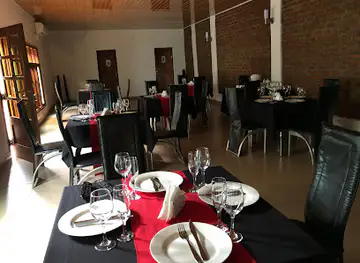
Quiosque na Sandra
Experience authentic Mozambican cuisine at Quiosque na Sandra in Lichinga – where local flavors meet warm hospitality.
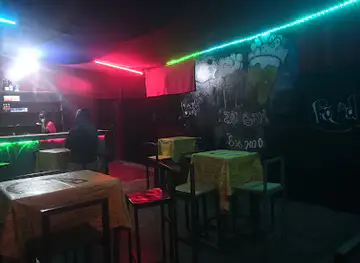
ZIG Bar & Food/Restaurante
Experience the vibrant tastes of Mozambique at ZIG Bar & Food in Lichinga - your ultimate fast food destination!

Best bars in Niassa Province
Top-rated picks
Best Bars

Donabela Restaurante e Bar
Discover the vibrant flavors of Mozambique at Donabela Restaurante e Bar in Lichinga, an unmissable dining experience for tourists.

Restaurante Mutxutxu
Experience authentic Mozambican cuisine at Restaurante Mutxutxu, a vibrant spot in Lichinga for food and drinks!

Complexo Brisa
Experience the vibrant atmosphere of Complexo Brisa, Lichinga's premier bar offering outdoor seating, pools, and an array of refreshing drinks.

Ofaina Bar
Discover the vibrant atmosphere of Ofaina Bar in Marrupa, where local culture meets refreshing drinks in a welcoming setting.

Best shops in Niassa Province
Top-rated picks
Best Shops

VIP suppermercado
Discover local flavors and vibrant shopping at VIP Suppermercado in Lichinga, a must-visit for tourists seeking a taste of Mozambique.

Prédio 24
Experience the essence of Lichinga at Prédio 24 - a vibrant shopping mall filled with local charm and culinary delights.

Supermercado Sanjala
Explore local culture and flavors at Sanjala Supermarket in Lichinga, a vibrant general store filled with unique treasures and daily essentials.

Socin lda
Explore Socin lda in Lichinga for top-quality hardware and tools perfect for all your DIY projects and home improvements.

Explore Niassa Province on the Map
A handpicked selection of must-see spots in Niassa Province, mapped for you.
Niassa Province Essentials
-
Niassa Province can be accessed via Lichinga Airport (VXC), which has flights from Maputo and other major cities in Mozambique. From the airport, you can rent a car or take a taxi to reach various parts of the province. There are also bus services from surrounding provinces and neighboring countries, although these journeys can be long and the roads may be challenging.
-
Within Niassa Province, options for transportation include taxis, minibuses (chapas), and car rentals. Chapas are a common and inexpensive way to travel between towns, but they can be crowded and schedules may be irregular. Taxis are more comfortable but more expensive. Renting a car can be advantageous for exploring remote areas. Note that road conditions vary, and having a 4x4 vehicle is recommended for certain routes.
-
The official currency in Mozambique is the Mozambican Metical (MZN). Credit and debit cards are accepted in larger hotels and some restaurants, but cash is necessary for smaller establishments and rural areas. ATMs can be found in larger towns like Lichinga, but it is advisable to carry sufficient cash when traveling to more remote areas.
-
Niassa Province is generally safe for tourists, but standard precautions should be taken. Avoid walking alone at night in unfamiliar areas and keep valuables secure. Be cautious in crowded places where pickpocketing can occur. Some areas, especially near the borders, have higher crime rates. Always stay informed about the current safety situation and follow local advice.
-
In case of emergency, dial 119 for police assistance or 117 for medical emergencies. The main hospital in the province is located in Lichinga, and there are several smaller clinics throughout the province. It is advisable to have travel insurance that covers medical emergencies. Pharmacies are available in larger towns for over-the-counter medications.
-
Fashion: Do dress modestly, especially in rural areas and when visiting religious sites. Avoid wearing revealing clothing. Religion: Do respect local customs and traditions. Remove your shoes before entering certain religious buildings. Public Transport: Do be patient, as public transport can be slow and schedules unpredictable. Don't display valuables openly. Greetings: Do greet people with a handshake or a friendly nod. Use formal titles when addressing elders. Eating & Drinking: Do try local dishes and be open to new flavors. Don't refuse food or drink offered by hosts, as it is considered rude.
-
To experience Niassa Province like a local, visit the traditional markets where you can buy fresh produce and handmade crafts. Engage with locals, who are often willing to share stories and insights about their culture and history. Explore the natural beauty of the province by visiting Lake Niassa (Lake Malawi) and the Niassa Reserve, where you can see diverse wildlife and stunning landscapes. Participate in local festivals and events to immerse yourself in the vibrant culture of the region.
When is the best time to visit Niassa Province?
Useful Local Phrases for Niassa Province
You don't need to speak the language perfectly. Even learning a few simple words can make conversations warmer—and locals usually appreciate the effort.
— Eve

Here are the phrases I use most often in Niassa Province. Try a few—you'll be surprised how far they go! 😊
❤️
-
- HelloOlá
[oh-lah] - GoodbyeAdeus
[ah-deh-oos] - YesSim
[seem] - NoNão
[now] - Please/You're welcomePor favor
[poor fah-vor] - Thank youObrigado
[oh-bree-gah-doo] - Excuse me/SorryDesculpe
[des-kool-pay] - How are you?Como você está?
[koh-moo voh-seh es-tah] - Fine. And you?Estou bem. E você?
[es-toh baym. eh voh-seh] - Do you speak English?Você fala inglês?
[voh-seh fah-lah een-glez] - I don't understandEu não entendo
[eh-oo now en-ten-doo]
- HelloOlá
-
- I'd like to see the menu, pleaseGostaria de ver o menu, por favor
[goh-stah-ree-ah deh vehr oo meh-noo, poor fah-vor] - I don't eat meatEu não como carne
[eh-oo now koh-moo car-nee] - Cheers!Saúde!
[sah-oo-dee] - I would like to pay, pleaseGostaria de pagar, por favor
[goh-stah-ree-ah deh pah-gar, poor fah-vor]
- I'd like to see the menu, pleaseGostaria de ver o menu, por favor
-
- Help!Ajuda!
[ah-zhoo-dah] - Go away!Vá embora!
[vah em-boh-rah] - Call the Police!Chame a polícia!
[shah-meh ah poh-lee-sia] - Call a doctor!Chame um médico!
[shah-meh oom meh-dee-koh] - I'm lostEstou perdido
[es-toh per-dee-doo] - I'm illEstou doente
[es-toh do-ehn-tay]
- Help!Ajuda!
-
- I'd like to buy...Gostaria de comprar...
[goh-stah-ree-ah deh kohm-prahr] - I'm just lookingEstou apenas a olhar
[es-toh ah-peh-nas ah oh-lahr] - How much is it?Quanto custa?
[kwahn-toh koos-tah] - That's too expensiveIsso é muito caro
[ee-soh eh muy-toh kah-roh] - Can you lower the price?Você pode baixar o preço?
[voh-seh poh-deh bye-shar oo preh-soh]
- I'd like to buy...Gostaria de comprar...
-
- What time is it?Que horas são?
[keh oh-ras sah-ooh] - It's one o'clockÉ uma hora
[eh oo-mah oh-rah] - Half past (10)Dez e meia
[dehz eh may-ah] - MorningManhã
[mahn-yah] - AfternoonTarde
[tar-deh] - EveningNoite
[noy-teh] - YesterdayOntem
[on-tem] - TodayHoje
[oh-zhee] - TomorrowAmanhã
[ah-mahn-yah] - 1Um
[oom] - 2Dois
[doyz] - 3Três
[trehz] - 4Quatro
[kwah-troh] - 5Cinco
[seen-koh] - 6Seis
[says] - 7Sete
[seh-teh] - 8Oito
[oy-toh] - 9Nove
[noh-veh] - 10Dez
[dehz]
- What time is it?Que horas são?
-
- Where's a/the...?Onde fica um/a...?
[on-deh fee-kah oom/ah] - What's the address?Qual é o endereço?
[kwahl eh oo en-deh-reh-soh] - Can you show me (on the map)?Você pode me mostrar (no mapa)?
[voh-seh poh-deh meh mohs-trar (no mah-pah)] - When's the next (bus)?Quando é o próximo (ônibus)?
[kwan-doo eh oo proh-see-mo (oh-nee-boos)] - A ticket (to ....)Um bilhete (para....)
[oom bee-lyeh-tay (pah-rah)]
- Where's a/the...?Onde fica um/a...?
History of Niassa Province
-
Before the arrival of European colonizers, Niassa Province was inhabited by various Bantu-speaking groups. These indigenous communities had rich traditions, with intricate social structures and vibrant cultural practices. The Makonde people, known for their elaborate wood carvings and mask-making, were among the prominent ethnic groups in the region. Their art is not just aesthetic but also deeply spiritual, often used in rituals and ceremonies.
-
The arrival of the Portuguese in the 16th century marked the beginning of significant changes in Niassa. The province became part of the Portuguese East Africa colony. The colonizers established trading posts and missions, introducing Christianity and European customs, which greatly influenced the local culture and economy. Despite resistance from local groups, the Portuguese managed to exert control over the region, exploiting its resources and labor.
-
One of the most tragic events in Niassa's history is the Mueda Massacre of June 16, 1960. During a peaceful demonstration in the town of Mueda, the Portuguese colonial police opened fire on unarmed protesters. This brutal event is considered a pivotal moment in the Mozambican struggle for independence, galvanizing support for the liberation movement and drawing international attention to the plight of the Mozambican people under colonial rule.
-
From 1964 to 1974, Niassa Province was a significant battleground in the Mozambican War of Independence. The province's dense forests and remote terrain provided strategic advantages for the guerrilla fighters of FRELIMO (Front for the Liberation of Mozambique). Niassa's role in the struggle was crucial, as many battles and skirmishes occurred here, leading to Mozambique's eventual independence from Portugal in 1975.
-
The period following Mozambique's independence was marked by political instability and civil conflict. From 1977 to 1992, the country was embroiled in a civil war between the FRELIMO government and the RENAMO insurgents. Niassa Province, like much of Mozambique, suffered from the violence and disruption of this period. Infrastructure was damaged, and many communities were displaced, leaving long-lasting impacts on the province's development.
-
In recent decades, there has been a strong movement towards cultural revival and environmental conservation in Niassa. Efforts have been made to preserve and promote the traditional arts and crafts of the region, particularly the Makonde wood carvings. Additionally, Niassa is home to the Niassa Reserve, one of Africa's largest protected areas, which plays a critical role in the conservation of wildlife and biodiversity. These initiatives aim to balance cultural heritage with sustainable development.
Neighbouring Regions of Niassa Province
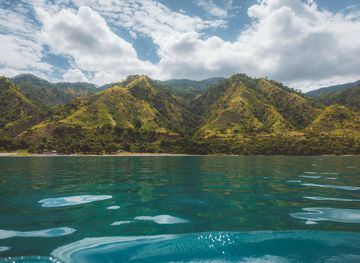
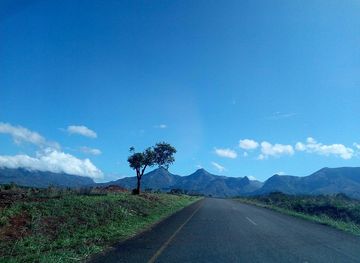
The closest regions to Niassa Province, if you have time for more than one.



Your all‑in‑one travel companion app
Explore expert travel guides, compare and book tours, experiences, hotels, and more—all from the palm of your hand. Download now for seamless trip planning wherever your wanderlust takes you.


Explore More of Mozambique

Looking beyond Niassa Province? Discover Mozambique for broader travel guides, local hot-spots, and regional highlights.
Explore MozambiqueNiassa Province in Photos
Browse through our photo collection highlighting the charm and character of the destination.


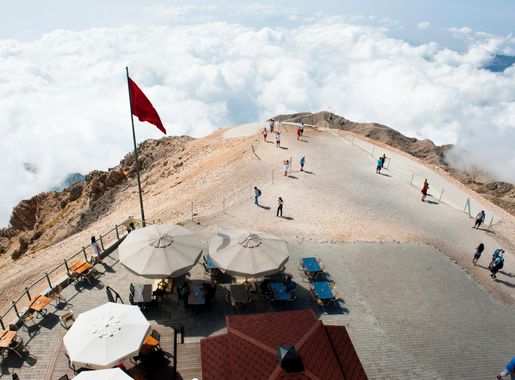


The Untamed Wilderness of Niassa Province
Niassa Province in Mozambique is a hidden gem, offering tourists a rich tapestry of untamed landscapes and vibrant wildlife. Spanning vast areas of pristine wilderness, Niassa is home to the largest protected area in Mozambique, the Niassa National Reserve. Here, visitors can witness the raw beauty of Africa, with opportunities to see elephants, lions, and an array of bird species in their natural habitats. The province is also known for its cultural diversity. The Makonde people, famous for their intricate wood carvings and vibrant traditional dances, inhabit this region. For those interested in cultural experiences, visiting local villages and engaging with the community provides an enriching insight into their way of life. Apart from wildlife and culture, Niassa offers stunning natural scenery. The Lugenda River flows through the province, offering picturesque views and opportunities for boating and fishing. The Miombo woodlands and inselbergs (isolated hills) add to the dramatic landscapes, making it a paradise for nature lovers and adventure seekers alike.