

Makonde Plateau, Mozambique Travel Guide
Discover the Makonde Plateau: A blend of natural beauty, rich culture, and historical significance in Mozambique's northern highlands.
Nestled in the northern region of Mozambique, the Makonde Plateau is a breathtaking expanse of land renowned for its stunning landscapes and rich cultural heritage. The plateau, which sits at an elevation of approximately 900 meters, offers visitors panoramic views of the surrounding areas, characterized by lush vegetation, rolling hills, and unique rock formations. This natural paradise is a haven for adventurers and nature enthusiasts alike, providing ample opportunities for hiking, bird watching, and exploring the diverse flora and fauna unique to this region. The Makonde Plateau is not only a geographical marvel but also a cultural hub. It is home to the Makonde people, an ethnic group known for their intricate wood carvings and vibrant traditional dances. Visitors can immerse themselves in the local culture by visiting villages where artisans craft detailed sculptures from ebony and other local woods. These artworks often depict scenes from everyday life, spiritual beliefs, and local folklore, offering a fascinating glimpse into the Makonde way of life. For those interested in history, the Makonde Plateau holds significant historical importance. It was a strategic area during the Mozambican War of Independence, and remnants of this period can still be found throughout the region. Exploring the plateau not only provides a sense of adventure but also a deeper understanding of Mozambique's past. The combination of natural beauty, cultural richness, and historical significance makes the Makonde Plateau a must-visit destination for any traveler to Mozambique.

Know before you go
Hi, I'm Eve. Here are a few practical things to know before exploring Makonde Plateau.
- Wear comfortable hiking shoes and carry sufficient water when exploring the plateau.
- Visit local villages to buy authentic Makonde wood carvings directly from artisans.
- Hire a local guide to fully appreciate the historical and cultural context of the area.
- The best time to visit is during the dry season from May to October for more manageable weather conditions.
- Respect local customs and traditions when interacting with the Makonde people.
Explore Makonde Plateau: Things to Do, Places to Eat, Hotels & More
Handpicked recommendations for top attractions, local dining, accommodations, and more

Top Attractions & Sightseeing in Makonde Plateau
Top-rated picks
Best Attractions

WORKERS SQUARE
Explore Workers Square, a cultural gem in Maputo, blending history and modern vibrancy in a picturesque setting.

Fortress of Maputo
Immerse yourself in the rich history of Mozambique at the stunning Fortress of Maputo, a captivating landmark by the harbor.

Praça da Independência
Experience the vibrant culture and rich history of Maputo at Praça da Independência, a must-visit landmark for all tourists.

Mueda Plateau
Unveil the stunning landscapes and rich cultural heritage of Mueda Plateau, a hidden gem in Mozambique perfect for nature lovers and adventurers.

Best landmarks in Makonde Plateau
Top-rated picks
Best Landmarks
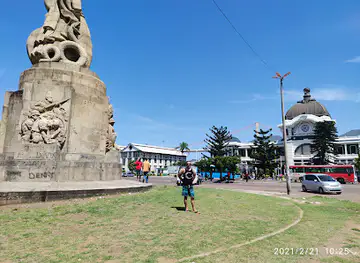
WORKERS SQUARE
Explore Workers Square in Maputo - a vibrant monument showcasing Mozambique's culture, history, and lively local atmosphere.
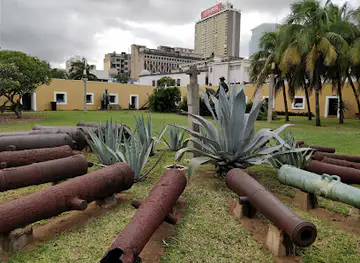
Fortress of Maputo
Explore the rich history and stunning architecture of the Fortress of Maputo, a captivating museum overlooking the vibrant fishing port.
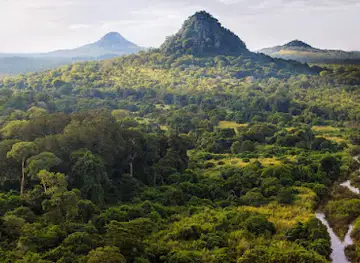
Gorongosa National Park
Experience the breathtaking beauty and diverse wildlife of Gorongosa National Park, a top eco-tourism destination in Mozambique offering adventure and nature at its finest.

Praça da Independência
Explore the vibrant Praça da Independência, a cultural landmark in Maputo rich in history, architecture, and local life, perfect for every tourist.

Best restaurants in Makonde Plateau
Top-rated picks
Best Restaurants

Zambi
Experience exceptional dining at Zambi in Maputo—where local flavors meet international cuisine amidst elegant surroundings.
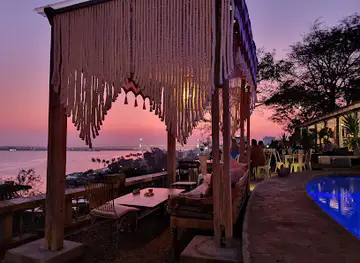
Dhow
Discover the exquisite blend of fine dining and contemporary art at Dhow in Maputo—a must-visit destination for travelers seeking culture.

South Beach
Discover exquisite dining at South Beach in Maputo—where local flavors meet breathtaking coastal views.
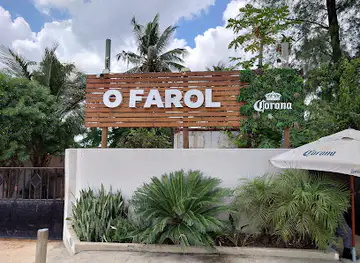
O Farol
Discover O Farol in Catembe: A culinary delight offering fresh seafood and breathtaking ocean views for an unforgettable dining experience.

Best bars in Makonde Plateau
Top-rated picks
Best Bars

Dhow
Discover Dhow, Maputo's premier restaurant and art gallery, where exquisite cuisine meets captivating local artistry for an unforgettable experience.

South Beach
Discover the culinary delights of South Beach in Maputo, where fresh seafood meets stunning ocean views in an unforgettable dining experience.

Maputo Waterfront
Experience the vibrant culture and stunning views at Maputo Waterfront, a culinary delight in Mozambique's capital city.

Xima Bar
Experience the vibrant nightlife of Maputo at Xima Bar, where local flavors and lively atmosphere come together for an unforgettable evening.

Best nightclubs in Makonde Plateau
Top-rated picks
Best Nightclubs

Xima Bar
Experience the vibrant nightlife of Maputo at Xima Bar, where eclectic drinks and a lively atmosphere await you.

Ponta Beach Bar
Experience the vibrant flavors and stunning views at Ponta Beach Bar, a must-visit destination for tourists in Ponta do Ouro, Mozambique.

Opium
Discover the vibrant nightlife of Maputo at Opium, a premier disco club offering unforgettable nights of music, dance, and fun.

Pintos Beach Bar
Experience the vibrant atmosphere of Pintos Beach Bar in Ponta do Ouro, where breathtaking ocean views and refreshing drinks await you.

Best shops in Makonde Plateau
Top-rated picks
Best Shops

Maputo Shopping Centre
Explore the Maputo Shopping Centre, a lively destination for shopping, dining, and entertainment in the heart of Mozambique's capital.

Baía Mall
Experience shopping and dining in Maputo at Baía Mall, where local culture meets international brands in a vibrant atmosphere.

Marés Shopping
Discover Marés Shopping in Maputo, a vibrant mall offering shopping, dining, and entertainment experiences for every traveler.

Maputo International Airport
Discover the vibrant culture and beauty of Mozambique as you arrive at Maputo International Airport, your gateway to adventure.

Explore Makonde Plateau on the Map
A handpicked selection of must-see spots in Makonde Plateau, mapped for you.
Makonde Plateau Essentials
-
The Makonde Plateau is located in the northern part of Mozambique, near the border with Tanzania. The closest international airport is Mtwara Airport in Tanzania, approximately 80 kilometers away. From Mtwara, you can take a taxi or arrange for a private transfer to the Makonde Plateau. If traveling from within Mozambique, the nearest major city is Pemba, which also has an airport. From Pemba, you can hire a car or take a bus to reach the plateau. The journey from Pemba typically takes around 4 to 5 hours by road.
-
Transportation options on the Makonde Plateau are limited. The most common means of getting around is by hiring a car or using local taxis. Buses and minibuses (chapas) operate within the region, connecting various villages and towns. However, these can be infrequent and crowded. Renting a car or hiring a local guide with a vehicle is recommended for more flexibility and ease of travel.
-
The official currency in Mozambique is the Mozambican Metical (MZN). Credit cards are accepted in some hotels and restaurants, but it is advisable to carry cash, especially in rural areas like the Makonde Plateau. ATMs are scarce, so it is wise to withdraw sufficient cash in larger cities like Pemba before traveling to the plateau. Ensure you have small denominations for easier transactions.
-
The Makonde Plateau is generally a safe destination for tourists. However, it is important to take standard precautions. Avoid traveling alone at night and keep an eye on your belongings in crowded places. While the plateau itself has low crime rates, it is advisable to stay vigilant, especially in more isolated areas. Consult local guides or authorities for the latest safety information.
-
In case of emergency, dial 119 for immediate assistance. The nearest medical facilities are located in Mueda, the largest town on the plateau. It is recommended to have travel insurance that covers medical emergencies. For minor health issues, there are local pharmacies where you can purchase over-the-counter medications. Always carry a basic first aid kit and essential medications with you.
-
Fashion: Do dress modestly, especially when visiting local villages. Avoid wearing revealing clothing. Religion: Do respect local customs and traditions. Always ask for permission before taking photographs of people or religious sites. Public Transport: Do be respectful and patient when using public transport. Don't eat or drink on public transport. Greetings: Do greet people with a handshake and use formal titles as a sign of respect. Eating & Drinking: Do try local dishes and accept food offerings graciously. Don't refuse hospitality, as it is considered impolite.
-
To experience the Makonde Plateau like a local, visit the traditional markets where you can buy handcrafted items and fresh produce. Engage with the local Makonde people, renowned for their intricate wood carvings and rich cultural heritage. Don't miss the opportunity to witness traditional dances and ceremonies. For a unique experience, take a guided tour of the plateau's historical sites, including ancient rock paintings and colonial-era relics.
When is the best time to visit Makonde Plateau?
Useful Local Phrases for Makonde Plateau
You don't need to speak the language perfectly. Even learning a few simple words can make conversations warmer—and locals usually appreciate the effort.
— Eve

Here are the phrases I use most often in Makonde Plateau. Try a few—you'll be surprised how far they go! 😊
❤️
-
- HelloWakukumbuka
[Wah-koo-koom-boo-kah] - GoodbyeKwenda mwema
[Kwen-dah mwem-ah] - YesEhe
[Eh-heh] - NoAyi
[Ah-yee] - Please/You’re welcomeTafadhali
[Tah-fah-dah-lee] - Thank youAsante
[Ah-sahn-teh] - Excuse me/SorryPole
[Poh-leh] - How are you?Habari gani?
[Ha-bar-ee gah-nee] - Fine. And you?Nzuri. Na wewe?
[Nzu-ree. Nah weh-weh] - Do you speak English?Unazungumza Kiingereza?
[Oo-nah-zoon-goom-zah Kee-in-ge-reh-zah] - I don't understandSielewi
[See-eh-leh-wee]
- HelloWakukumbuka
-
- I’d like to see the menu, pleaseNingependa kuona orodha ya chakula, tafadhali
[Nin-geh-pen-dah koo-oh-nah or-oh-dah yah chah-koo-lah, tah-fah-dah-lee] - I don’t eat meatSikula nyama
[See-koo-lah nyah-mah] - Cheers!Afya!
[Ah-fyah] - I would like to pay, pleaseNingependa kulipa, tafadhali
[Nin-geh-pen-dah koo-lee-pah, tah-fah-dah-lee]
- I’d like to see the menu, pleaseNingependa kuona orodha ya chakula, tafadhali
-
- Help!Nisaidie!
[Nee-sah-ee-dee-eh] - Go away!Ondoka!
[On-doh-kah] - Call the Police!Piga simu polisi!
[Pee-gah see-moo poh-lee-see] - Call a doctor!Piga simu daktari!
[Pee-gah see-moo dahk-tah-ree] - I’m lostNimepotea
[Nee-meh-poh-teh-ah] - I’m illNinaumwa
[Nee-nah-oom-wah]
- Help!Nisaidie!
-
- I’d like to buy...Ningependa kununua...
[Nin-geh-pen-dah koo-noo-noo-ah] - I’m just lookingNatazama tu
[Nah-tah-zah-mah too] - How much is it?Ni kiasi gani?
[Nee kee-ah-see gah-nee] - That’s too expensiveHiyo ni ghali sana
[Hee-yoh nee gah-lee sah-nah] - Can you lower the price?Unaweza kupunguza bei?
[Oo-nah-weh-zah koo-poon-goo-zah bay-ee]
- I’d like to buy...Ningependa kununua...
-
- What time is it?Ni saa ngapi?
[Nee sah ahn-gah-pee] - It’s one o’clockNi saa moja
[Nee sah ah-moh-jah] - Half past (10)Nusu (10)
[Noo-soo (10)] - MorningAsubuhi
[Ah-soo-boo-hee] - AfternoonMchana
[M-chah-nah] - EveningJioni
[Jee-oh-nee] - YesterdayJana
[Jah-nah] - TodayLeo
[Leh-oh] - TomorrowKesho
[Keh-shoh] - 1Moja
[Moh-jah] - 2Mbili
[M-bee-lee] - 3Tatu
[Tah-too] - 4Nne
[N-neh] - 5Tano
[Tah-noh] - 6Sita
[See-tah] - 7Saba
[Sah-bah] - 8Nane
[Nah-neh] - 9Tisa
[Tee-sah] - 10Kumi
[Koo-mee]
- What time is it?Ni saa ngapi?
-
- Where's a/the...?Iko wapi...?
[Ee-koh wah-pee] - What's the address?Anwani ni ipi?
[An-wah-nee nee ee-pee] - Can you show me (on the map)?Unaweza kunionyesha (katika ramani)?
[Oo-nah-weh-zah koo-nee-oh-nyesh-ah (kah-tee-kah rah-mah-nee)] - When's the next (bus)?Basi inayofuata ni lini?
[Bah-see ee-nah-yoh-foo-ah-tah nee lee-nee] - A ticket (to ....)Tiketi (kwenda ....)
[Tee-keh-tee (kweh-ndah ....)]
- Where's a/the...?Iko wapi...?
History of Makonde Plateau
-
The Makonde Plateau is home to the Makonde people, one of the major ethnic groups in Mozambique. The Makonde are believed to have migrated to the plateau from the southern regions of Tanzania over 300 years ago. They established themselves in this rugged terrain, which provided natural defenses against invasions and allowed them to develop a distinct cultural identity.
-
During the late 19th and early 20th centuries, the Makonde people fiercely resisted Portuguese colonial rule. The Makonde Plateau's challenging geography made it difficult for colonial forces to penetrate, and the Makonde utilized their intimate knowledge of the land to mount effective guerilla warfare. This resistance is a significant part of their cultural heritage and is celebrated in local folklore and traditions.
-
The Makonde Plateau is renowned for its intricate and expressive wood carvings, an art form that has been passed down through generations. Makonde sculptures often depict ancestral spirits, animals, and scenes from daily life, and are highly valued both within Mozambique and internationally. This artistic tradition is not only a source of income but also a means of preserving and conveying cultural stories and values.
-
The Makonde people played a critical role in Mozambique's struggle for independence from Portuguese rule. Many Makonde joined the ranks of FRELIMO (Front for the Liberation of Mozambique) and participated in guerrilla warfare against colonial forces. The Makonde Plateau served as a strategic base for FRELIMO fighters, and its residents provided essential support to the independence movement, contributing significantly to Mozambique's eventual liberation in 1975.
-
The Makonde Plateau is vibrant with cultural festivals and traditions that are celebrated throughout the year. One of the most notable is the Mapiko dance, a masked dance performed by men to celebrate important events and rites of passage. These festivals are not only a testament to the Makonde's rich cultural heritage but also an opportunity for the community to strengthen social bonds and pass on traditions to younger generations.
-
In the years following Mozambique's independence, the Makonde Plateau, like much of the country, faced numerous challenges including economic difficulties and infrastructural development. Efforts have been made to improve the living conditions and integrate the region more fully into the national economy. Despite these challenges, the Makonde people have continued to preserve their cultural identity and traditions, contributing to the diverse tapestry of Mozambique's cultural landscape.
Neighbouring Regions of Makonde Plateau
The closest regions to Makonde Plateau, if you have time for more than one.


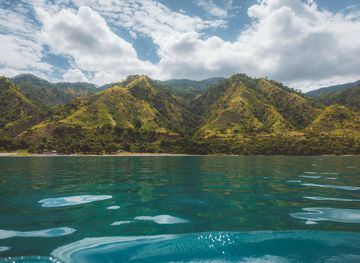

Your all‑in‑one travel companion app
Explore expert travel guides, compare and book tours, experiences, hotels, and more—all from the palm of your hand. Download now for seamless trip planning wherever your wanderlust takes you.


Explore More of Mozambique

Looking beyond Makonde Plateau? Discover Mozambique for broader travel guides, local hot-spots, and regional highlights.
Explore MozambiqueMakonde Plateau in Photos
Browse through our photo collection highlighting the charm and character of the destination.


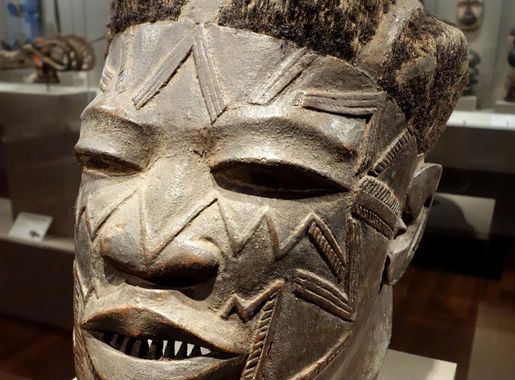


The Majestic Makonde Plateau: Mozambique's Hidden Gem
Nestled in the northern region of Mozambique, the Makonde Plateau is a breathtaking expanse of land renowned for its stunning landscapes and rich cultural heritage. The plateau, which sits at an elevation of approximately 900 meters, offers visitors panoramic views of the surrounding areas, characterized by lush vegetation, rolling hills, and unique rock formations. This natural paradise is a haven for adventurers and nature enthusiasts alike, providing ample opportunities for hiking, bird watching, and exploring the diverse flora and fauna unique to this region. The Makonde Plateau is not only a geographical marvel but also a cultural hub. It is home to the Makonde people, an ethnic group known for their intricate wood carvings and vibrant traditional dances. Visitors can immerse themselves in the local culture by visiting villages where artisans craft detailed sculptures from ebony and other local woods. These artworks often depict scenes from everyday life, spiritual beliefs, and local folklore, offering a fascinating glimpse into the Makonde way of life. For those interested in history, the Makonde Plateau holds significant historical importance. It was a strategic area during the Mozambican War of Independence, and remnants of this period can still be found throughout the region. Exploring the plateau not only provides a sense of adventure but also a deeper understanding of Mozambique's past. The combination of natural beauty, cultural richness, and historical significance makes the Makonde Plateau a must-visit destination for any traveler to Mozambique.