

Nampula Province, Mozambique Travel Guide
Discover Nampula Province, where Mozambique's culture, history, and natural beauty converge in a stunning landscape of hills, forests, and pristine beaches.
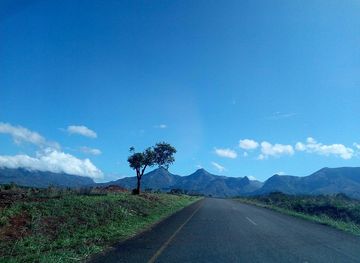
Nampula Province, located in the northern part of Mozambique, is a treasure trove of natural beauty and cultural heritage. This region is known for its stunning landscapes, from the rolling hills and dense forests to the white sandy beaches along the Indian Ocean. The province is dotted with traditional villages where you can experience the rich culture and warm hospitality of the local people. Nampula City, the capital of the province, is a bustling hub with a mix of modern and colonial architecture. The Nampula Cathedral and the Nampula Museum are must-visit attractions that offer a glimpse into the region's history and art. For nature enthusiasts, a visit to the nearby Mount Namuli, the second highest peak in Mozambique, offers breathtaking views and challenging hikes. The coastal town of Ilha de Moçambique, a UNESCO World Heritage Site, is another highlight. This island town is steeped in history, with its ancient fortresses, churches, and traditional Swahili architecture. The island's beaches are perfect for relaxation, swimming, and snorkeling. Nampula Province is truly a destination that offers something for every traveler, from adventure seekers to history buffs and beach lovers.

Know before you go
Hi, I'm Eve. Here are a few practical things to know before exploring Nampula Province.
- Visit during the dry season from May to September for the best weather and travel conditions.
- Hire a local guide to explore the traditional villages and understand the local culture better.
- Carry cash, as ATMs and card payment facilities can be limited in remote areas.
- Try the local cuisine, especially fresh seafood and traditional dishes like Matapa.
- Respect local customs and dress modestly, especially when visiting villages and religious sites.
Explore Nampula Province: Things to Do, Places to Eat, Hotels & More
Handpicked recommendations for top attractions, local dining, accommodations, and more

Top Attractions & Sightseeing in Nampula Province
Top-rated picks
Best Attractions

Museu Nacional de Etnografia
Explore the vibrant cultural heritage of Mozambique at the Museu Nacional de Etnografia, a must-visit ethnographic museum in Nampula.

Ossimba Beach Lodge
Discover the serene beauty of Mozambique at Ossimba Beach Lodge, where comfort meets adventure along the stunning coastline of Nacala.

Estátua de Samora Moiseis Machel
Explore the Estátua de Samora Machel in Nampula, a powerful symbol of Mozambique's resilience and rich cultural heritage.
CASA PROVINCIAL DE CULTURA DE NAMPULA
Experience the vibrant cultural heritage of Mozambique at CASA PROVINCIAL DE CULTURA DE NAMPULA, a hub for art, music, and traditions in Nampula.

Best landmarks in Nampula Province
Top-rated picks
Best Landmarks

Island of Mozambique
Explore the Island of Mozambique, a UNESCO World Heritage site rich in history, culture, and stunning coastal beauty, perfect for every traveler.

Museu Nacional de Etnografia
Explore the vibrant cultural heritage of Mozambique at the Museu Nacional de Etnografia in Nampula, where history and art come alive.

Parque Da Cidade De Nampula
Discover the tranquil beauty of Parque Da Cidade De Nampula, a lush urban park perfect for relaxation, family outings, and nature exploration in Mozambique.

Fortaleza de Sao Sebastao
Discover the historical charm of Fortaleza de Sao Sebastiao, a stunning fortress showcasing colonial architecture and breathtaking ocean views in Mozambique.

Best restaurants in Nampula Province
Top-rated picks
Best Restaurants

Restaurante Ti'Maria
Savor the taste of Portugal at Restaurante Ti'Maria in Nampula – where tradition meets flavor in every dish.

Restaurante Sporting
Discover delectable Mozambican cuisine at Restaurante Sporting in Nampula - where flavor meets tradition in a vibrant setting.

Surf Cafe
Experience the best of Nampula at Surf Cafe - where delicious pastries meet local charm in a cozy setting.

A Nova Portuguêsa
Discover A Nova Portuguêsa in Nampula - where Portuguese flavors meet Mozambican culinary traditions in an inviting atmosphere.

Best bars in Nampula Province
Top-rated picks
Best Bars

DDpub
Discover the lively ambiance and local flavors at DDpub, a must-visit bar in the heart of Nampula, Mozambique.

Bar Restaurante o Ferroviario
Experience the vibrant flavors of Mozambique at Bar Restaurante o Ferroviario, a culinary gem in Nampula offering authentic local dishes.

Surf Cafe
Discover Surf Cafe in Nampula - a culinary haven offering pastries, pizza, and a lively hookah bar in a vibrant atmosphere.

Copacabana
Experience the flavors of Mozambique at Copacabana, where local cuisine meets international flair in a vibrant dining atmosphere.

Best nightclubs in Nampula Province
Top-rated picks
Best Nightclubs

H2K Nampula
Experience the vibrant nightlife of Nampula at H2K Nampula, where music, dancing, and local flavors come together for an unforgettable night.
Jardim da Messi
Discover the nightlife at Jardim da Messi, Nacala's premier night club, where vibrant music and energetic atmosphere await.

Best shops in Nampula Province
Top-rated picks
Best Shops

Shoprite Nampula
Discover local flavors and essentials at Shoprite Nampula, your ultimate shopping destination in Mozambique's vibrant city.

Mónica Shopping
Discover Mónica Shopping Mall, Nampula's vibrant shopping destination blending local culture with modern retail and dining experiences.

Shoprite Mini Makua Mall
Discover a culinary paradise at Shoprite Mini Makua Mall in Nampula, featuring fresh groceries, local delicacies, and essential travel services.

NS - Nampula Shopping
Explore Nampula Shopping: A vibrant mall offering diverse shopping, dining, and entertainment options in the heart of Mozambique.

Explore Nampula Province on the Map
A handpicked selection of must-see spots in Nampula Province, mapped for you.
Nampula Province Essentials
-
Nampula Province is located in the northern region of Mozambique. The easiest way to get there is by flying into Nampula International Airport (APL), which has connections to various cities in Mozambique and some international destinations. From Maputo, Mozambique's capital, there are regular flights to Nampula. Alternatively, you can travel by bus or car from Maputo, but be prepared for a long journey that can take upwards of 24 hours due to road conditions.
-
Within Nampula Province, transportation options include local buses, minibuses (known as chapas), and taxis. Chapas are the most common and affordable way to travel short distances but can be crowded and less comfortable. Taxis are available in major towns like Nampula City and offer a more comfortable but more expensive option. For exploring rural areas and remote sites, renting a car is advisable. Be aware that road conditions can be challenging, especially during the rainy season.
-
The official currency in Mozambique is the Mozambican Metical (MZN). Credit cards are accepted in some hotels, restaurants, and larger shops, particularly in Nampula City, but it is advisable to carry cash, especially when traveling to rural areas. ATMs are available in major towns, but it's wise to withdraw sufficient cash before heading to more remote locations. U.S. dollars and South African rand are sometimes accepted but always confirm beforehand.
-
Nampula Province is generally safe for tourists, but it is important to take standard precautions. Avoid walking alone at night, especially in poorly lit or unfamiliar areas. Petty crime, such as pickpocketing and bag snatching, can occur in crowded places like markets and bus stations. Some neighborhoods in Nampula City, such as Namicopo and Mutauanha, have higher crime rates, so exercise caution. Always be vigilant and aware of your surroundings.
-
In case of emergency, dial 112 for immediate assistance. Nampula City has a main hospital, Hospital Central de Nampula, which provides emergency medical services. Pharmacies are available in major towns where you can purchase over-the-counter medications. It is highly recommended to have travel insurance that covers medical emergencies and potential evacuations. Always keep a list of emergency contacts and the address of your country's embassy or consulate.
-
Fashion: Do dress modestly, especially when visiting religious sites or rural areas. Avoid wearing revealing clothing. Religion: Do respect local customs and traditions. When visiting mosques or other religious sites, dress conservatively and remove your shoes before entering. Public Transport: Do be respectful and mindful of personal space in crowded chapas. Don't argue with the driver over fares; fares are fixed and should be paid in small denominations. Greetings: Do greet people with a handshake and a friendly smile. It's customary to greet elders with extra respect. Eating & Drinking: Do try local dishes like matapa and xima. Don't refuse food or drink when offered, as it is considered impolite.
-
To experience Nampula Province like a local, visit the bustling markets in Nampula City, where you can buy fresh produce and traditional crafts. Engage with locals, who are friendly and eager to share stories about their culture and history. Don't miss a visit to the Ilha de Moçambique, a UNESCO World Heritage Site with rich historical significance. For a unique experience, trek through the Namuli Mountains and enjoy the breathtaking landscapes and traditional villages.
When is the best time to visit Nampula Province?
Useful Local Phrases for Nampula Province
You don't need to speak the language perfectly. Even learning a few simple words can make conversations warmer—and locals usually appreciate the effort.
— Eve

Here are the phrases I use most often in Nampula Province. Try a few—you'll be surprised how far they go! 😊
❤️
-
- HelloOlá
[oh-lah] - GoodbyeAdeus
[ah-deh-oos] - YesSim
[seem] - NoNão
[now] - Please/You're welcomePor favor
[poor fah-vor] - Thank youObrigado
[oh-bree-gah-doo] - Excuse me/SorryDesculpe
[des-kool-peh] - How are you?Como você está?
[koh-moo voh-seh es-tah] - Fine. And you?Bem. E você?
[beng. eh voh-seh] - Do you speak English?Você fala inglês?
[voh-seh fah-lah een-glays] - I don't understandEu não entendo
[ay-ooh now en-ten-doo]
- HelloOlá
-
- I'd like to see the menu, pleaseGostaria de ver o menu, por favor
[goh-stah-ree-ah jeh veh-roo meh-noo, poor fah-vor] - I don't eat meatEu não como carne
[ay-ooh now koh-moo kar-nee] - Cheers!Saúde!
[sah-oo-deh] - I would like to pay, pleaseGostaria de pagar, por favor
[goh-stah-ree-ah jeh pah-gar, poor fah-vor]
- I'd like to see the menu, pleaseGostaria de ver o menu, por favor
-
- Help!Ajuda!
[ah-zhoo-dah] - Go away!Vá embora!
[vah em-boh-rah] - Call the Police!Chame a polícia!
[sha-meh ah poh-lee-see-ah] - Call a doctor!Chame um médico!
[sha-meh oom meh-jee-koh] - I'm lostEstou perdido
[es-toh peh-dee-doo] - I'm illEstou doente
[es-toh doh-en-chee]
- Help!Ajuda!
-
- I'd like to buy...Gostaria de comprar...
[goh-stah-ree-ah jeh kom-prahr] - I'm just lookingEstou apenas olhando
[es-toh ah-peh-nahs oh-lhan-doo] - How much is it?Quanto custa?
[kwan-toh koos-tah] - That's too expensiveÉ muito caro
[eh mooy-toh kah-roo] - Can you lower the price?Pode baixar o preço?
[poh-jee bye-shar oo preh-soo]
- I'd like to buy...Gostaria de comprar...
-
- What time is it?Que horas são?
[keh oh-ras sah-ooh] - It's one o'clockÉ uma hora
[eh oo-mah oh-rah] - Half past (10)Dez e meia
[dehz eh meh-yah] - MorningManhã
[mahn-yah] - AfternoonTarde
[tahr-deh] - EveningNoite
[noy-teh] - YesterdayOntem
[on-tem] - TodayHoje
[oh-zhee] - TomorrowAmanhã
[ah-mahn-yah] - 1Um
[oom] - 2Dois
[doy-ees] - 3Três
[trays] - 4Quatro
[kwah-tro] - 5Cinco
[seen-koh] - 6Seis
[says] - 7Sete
[seh-teh] - 8Oito
[oy-toh] - 9Nove
[noh-veh] - 10Dez
[dehz]
- What time is it?Que horas são?
-
- Where's a/the...?Onde fica um/a...?
[on-deh fee-kah oom/ah] - What's the address?Qual é o endereço?
[kwal eh oo en-deh-reh-soo] - Can you show me (on the map)?Você pode me mostrar (no mapa)?
[voh-seh poh-jee meh mos-trar (no mah-pah)] - When's the next (bus)?Quando é o próximo (ônibus)?
[kwan-doo eh oo proh-see-mo (oh-nee-boos)] - A ticket (to ....)Um bilhete (para ....)
[oom bee-lyeh-teh (pah-rah)]
- Where's a/the...?Onde fica um/a...?
History of Nampula Province
-
Nampula Province has a rich prehistoric legacy, with evidence of early human settlement dating back thousands of years. The province is home to numerous sites of rock art, particularly around the Nacala and Ilha de Moçambique areas, showcasing the lives, rituals, and beliefs of ancient communities. These artworks offer a window into the province's early cultural fabric and its interaction with the environment.
-
From the early medieval period, the coastal region of Nampula became an integral part of the Swahili Coast, a major trading network. Arab traders established settlements, bringing Islam and facilitating the exchange of gold, ivory, and slaves. Their influence is still seen in the architecture, language, and customs of coastal towns like Ilha de Moçambique. This era marked the beginning of a cosmopolitan culture that combined African, Arab, and Persian elements.
-
In the late 15th century, Portuguese explorers arrived, leading to the establishment of Portuguese colonial rule. The Portuguese built forts, churches, and trading posts, most notably on Ilha de Moçambique, which became the capital of Portuguese East Africa. This period was marked by the introduction of Christianity, the exploitation of local resources, and the integration of the province into global trade networks. The colonial architecture and urban layout of Ilha de Moçambique, now a UNESCO World Heritage Site, reflect this historical phase.
-
The mid-20th century witnessed a growing resistance against Portuguese rule, culminating in the Mozambican War of Independence (1964-1974). Nampula Province was a significant battleground during this conflict, with the FRELIMO movement (Front for the Liberation of Mozambique) using the region as a base for their guerrilla operations. The struggles and sacrifices of this period are commemorated in various memorials and cultural narratives throughout the province.
-
Mozambique gained independence in 1975, but the subsequent years were marred by a brutal civil war (1977-1992) between FRELIMO and the RENAMO insurgents. Nampula Province, like much of the country, endured significant hardship during this period. The war left deep scars on the population and infrastructure, but it also fostered a sense of resilience and the eventual peace process that led to reconstruction and development.
-
Nampula Province is a melting pot of cultures, with numerous ethnic groups such as the Makua, Lomwe, and Sena contributing to its rich cultural tapestry. Traditional music, dance, and crafts are integral to the local identity. The Makonde people, renowned for their intricate wood carvings and masks, add to the province's artistic heritage. Annual festivals and local markets offer visitors a chance to experience the vibrant traditions and communal spirit of the region.
Neighbouring Regions of Nampula Province
The closest regions to Nampula Province, if you have time for more than one.


Your all‑in‑one travel companion app
Explore expert travel guides, compare and book tours, experiences, hotels, and more—all from the palm of your hand. Download now for seamless trip planning wherever your wanderlust takes you.


Explore More of Mozambique

Looking beyond Nampula Province? Discover Mozambique for broader travel guides, local hot-spots, and regional highlights.
Explore MozambiqueNampula Province in Photos
Browse through our photo collection highlighting the charm and character of the destination.


Nampula Province: The Heartbeat of Northern Mozambique
Nampula Province, located in the northern part of Mozambique, is a treasure trove of natural beauty and cultural heritage. This region is known for its stunning landscapes, from the rolling hills and dense forests to the white sandy beaches along the Indian Ocean. The province is dotted with traditional villages where you can experience the rich culture and warm hospitality of the local people. Nampula City, the capital of the province, is a bustling hub with a mix of modern and colonial architecture. The Nampula Cathedral and the Nampula Museum are must-visit attractions that offer a glimpse into the region's history and art. For nature enthusiasts, a visit to the nearby Mount Namuli, the second highest peak in Mozambique, offers breathtaking views and challenging hikes. The coastal town of Ilha de Moçambique, a UNESCO World Heritage Site, is another highlight. This island town is steeped in history, with its ancient fortresses, churches, and traditional Swahili architecture. The island's beaches are perfect for relaxation, swimming, and snorkeling. Nampula Province is truly a destination that offers something for every traveler, from adventure seekers to history buffs and beach lovers.