

Free Lake Niassa Region Travel Guide & Mobile App
Explore Lake Niassa Region with free travel guides. Discover regional history, expert tips, proposed trips, and audio guides on web or mobile app.


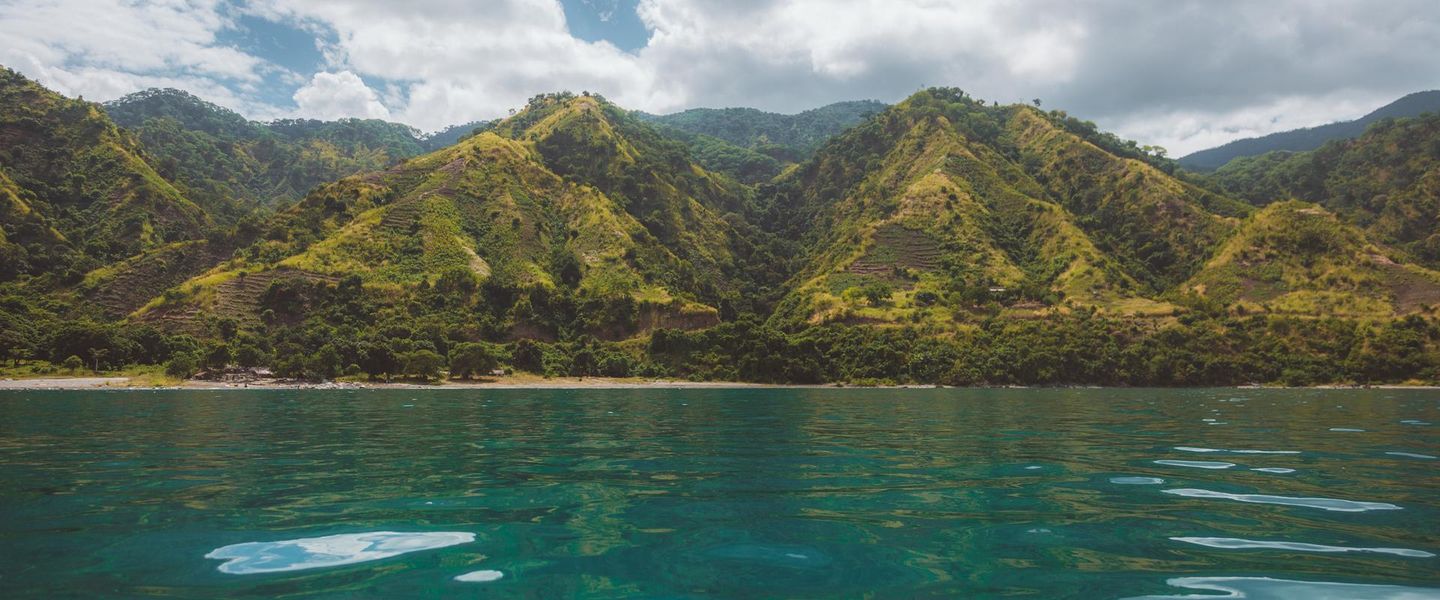


Explore Mozambique’s Lake Niassa Region for clear freshwater, quiet beaches, lakeside communities and remote travel in Niassa Province.
Read more about Lake Niassa Region
When is the best time to visit Lake Niassa Region?
Best: June–August · 25–26°C| Month | High (°C) | Rainfall (mm) |
|---|---|---|
| January | 29 | 250 |
| February | 30 | 200 |
| March | 29 | 150 |
| April | 28 | 100 |
| May | 26 | 50 |
| June (best) | 25 | 20 |
| July (best) | 25 | 20 |
| August (best) | 26 | 20 |
| September | 27 | 50 |
| October | 29 | 100 |
| November | 29 | 150 |
| December | 29 | 200 |
Getting to and around Lake Niassa Region
How to get there
Transportation
Destinations in Lake Niassa Region
Resorts, valleys and scenic spots worth a trip of their own.

Swipe for more destinations
Best attractions in Lake Niassa Region
-
Lake
Lake Malawi
Explore Lake Malawi, a stunning natural wonder known for its crystal-clear waters, rich biodiversity, and vibrant local culture, perfect for all types of travelers.
-
 Resort hotel
The Makokola Retreat
Discover the tranquil beauty and luxurious comfort of The Makokola Retreat, a premier resort hotel on the shores of Lake Malawi.
-
Nature preserve
Lake Malawi National Park
Explore the crystal-clear waters and vibrant wildlife of Lake Malawi National Park, a must-visit destination for nature lovers and adventure seekers in Malawi.
-
Bay
Senga Bay
Discover the tranquil beauty of Senga Bay, Malawi - a perfect blend of stunning landscapes, rich culture, and unforgettable experiences.

Best landmarks in Lake Niassa Region
Lake Niassa is the region’s principal geographical landmark, an immense freshwater expanse whose eastern shore defines the landscape, economy and identity of Lago District. Its broad surface, rocky promontories and wooded rises are most memorable from the water or from a quiet shoreline viewpoint. Metangula’s lakeside setting is the region’s most recognisable settlement landmark, combining a working waterfront with a practical base for movement along the shore. Cobue is another important lakeshore reference point, associated with the region’s remote communities, missionary history and access to the lake’s northern reaches. Rather than a concentration of monumental architecture, Lake Niassa’s landmarks are environmental and cultural: fishing landing places, village shorelines, traditional boats, isolated coves and the routes linking communities across the water. Their significance lies in the relationship between landscape and everyday life, so visitors should view them respectfully and avoid entering private or working areas without permission.
-
National park
Gorongosa National Park
Explore the breathtaking landscapes and vibrant wildlife of Gorongosa National Park, a premier destination for nature lovers and adventure seekers.
Explore Lake Niassa Region on the map
Plan your trip on one map. See where the top cities, national parks and sights are, and book hotels and experiences in a few clicks.
Best hotels in Lake Niassa Region
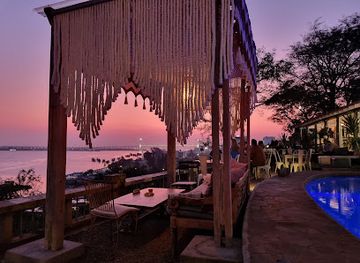
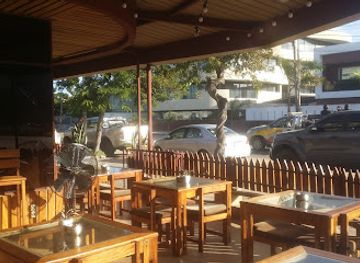
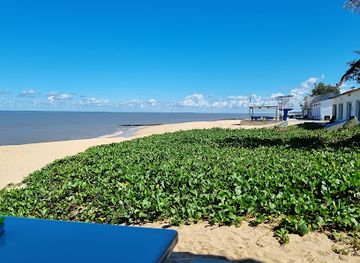
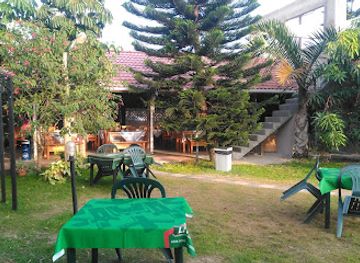
Best restaurants in Lake Niassa Region
Dining around Lake Niassa is closely tied to household cooking, local markets and the daily catch rather than a formal restaurant scene. Fresh lake fish, often grilled or prepared with a simple relish, may be available when fishing conditions and local supply allow. Meals commonly draw on maize, cassava, beans, leafy vegetables and seasonal produce, while rice and other staples are available in larger settlements. Metangula is the likeliest place to find basic cafés, informal eateries and accommodation serving visitors, whereas smaller communities offer fewer public dining options. Supplies can be irregular, so travellers staying in remote areas should arrange meals in advance and carry suitable snacks. Beer and soft drinks may be sold in local shops, but chilled drinks and a broad choice of imported products should not be assumed. Eating locally can support lakeside households, provided visitors respect community customs, agree prices clearly and avoid treating fishing communities as displays for tourism.
-
Restaurant
Dhow
Discover Dhow in Maputo: Where Culinary Excellence Meets Local Artistry for an Unforgettable Dining Experience.
-
Restaurant
Solange
Discover Solange in Beira: A delightful restaurant offering local flavors and international dishes in a warm ambiance.
-
Seafood
Clube Nautico Restaurant
Discover fresh seafood delights at Clube Nautico Restaurant in Beira, where stunning ocean views meet exquisite local flavors.
-
Restaurant
Malawa Restaurant
Discover authentic Mozambican cuisine at Malawa Restaurant - where flavors meet hospitality in the heart of Maputo.
Best bars in Lake Niassa Region
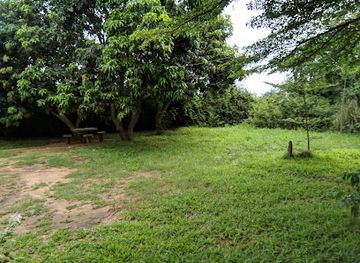
The Lake Niassa Region does not have a substantial nightclub circuit. Evening social life is concentrated in simple local bars, guesthouse areas and small drinking establishments in settlements such as Metangula, with conversation, music and football often more relevant than late-night entertainment. In rural lakeside communities, evenings are generally quiet and shaped by household life, darkness and the practical rhythms of fishing and farming. Some accommodation may arrange a meal or a drink, but opening arrangements and supplies are not dependable. Visitors should avoid loud behaviour near homes, religious sites and working communities, and should not walk unfamiliar roads after dark. Remote stays are better suited to watching the sunset, listening to the lake and observing the night sky than seeking organised nightlife.
-
Bar
Why Not Paraiso
Discover the vibrant ambiance and delightful drinks at Why Not Paraiso, a must-visit bar in Mozambique for an unforgettable nightlife experience.
Best nightclubs in Lake Niassa Region
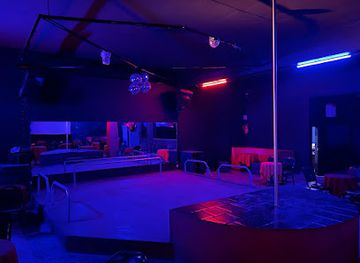
The Lake Niassa Region does not have a substantial nightclub circuit. Evening social life is concentrated in simple local bars, guesthouse areas and small drinking establishments in settlements such as Metangula, with conversation, music and football often more relevant than late-night entertainment. In rural lakeside communities, evenings are generally quiet and shaped by household life, darkness and the practical rhythms of fishing and farming. Some accommodation may arrange a meal or a drink, but opening arrangements and supplies are not dependable. Visitors should avoid loud behaviour near homes, religious sites and working communities, and should not walk unfamiliar roads after dark. Remote stays are better suited to watching the sunset, listening to the lake and observing the night sky than seeking organised nightlife.
-
Night club
Copa Cabana Night Club
Unleash your inner dancer at Copa Cabana Night Club, Maputo's premier destination for vibrant nightlife and unforgettable experiences.
-
Night club
Isaquiel
Discover the vibrant nightlife of Mocuba at Isaquiel, where music and culture create unforgettable experiences under the stars.
Best shops in Lake Niassa Region
Shopping in the Lake Niassa Region is practical and local rather than centred on dedicated retail districts. Small shops and market stalls in Metangula and other settlements may sell staple foods, drinks, household goods and basic travel supplies, but stock is limited and irregular. Visitors may find locally made baskets, woven items, carved objects or simple textiles through community contacts, although quality, availability and prices vary. Buying directly from makers is preferable when permission and fair prices are clear, and visitors should avoid purchasing anything made from protected wildlife or culturally significant objects. Dried or smoked fish and other food products may be locally important, but check transport, hygiene and customs restrictions before taking them across borders or onto flights. Bring specialist equipment, medicines, toiletries and electronic supplies from a larger Mozambican town, since the lakeshore cannot be relied upon for replacements.
-
Perfume store
Hanna's Shop
Explore the aromatic treasures of Mozambique at Hanna's Shop, where unique local perfumes offer a sensory journey through Cuamba's rich heritage.
-
Clothing store
Boutique Carol
Discover unique fashion at Boutique Carol in Lichinga, blending local culture with contemporary style for an unforgettable shopping experience.
Get your free copy of our complete guide to Lake Niassa Region, delivered straight to you.
Everything on this page, from attractions and restaurants to essentials and local phrases, in one PDF you can read offline, print or share.
Already have an account? Sign in
Your Lake Niassa Region guide is ready.
We'll send it to · Not you? Sign out

Getting your guide ready…
We are putting together a fresh copy of the Lake Niassa Region guide. This can take up to a minute.
This can take a few moments. If your browser asks, choose Allow so the download can start. You'll find the guide in your Downloads folder.
Nothing happened? Download it again
Sorry, the guide is taking longer than usual. Please try again in a minute, or get it by email instead.
Lake Niassa Region essentials
Currency and Payment
Safety
Emergency Situations
Do's and Don'ts
Local Tips
From Eve
Local phrases worth knowing
You don't need to get them perfect. A few words go a long way, and locals appreciate the effort.
Basics
| English | Local | Say it |
|---|---|---|
| Hello | Olá | [oh-LAH] |
| Goodbye | Adeus | [ah-DEH-oos] |
| Yes | Sim | [seem] |
| No | Não | [now] |
| Please/You’re welcome | Por favor | [poor fah-VOR] |
| Thank you | Obrigado | [oh-bree-GAH-doo] |
| Excuse me/Sorry | Desculpe | [des-KOOL-pay] |
| How are you? | Como você está? | [KOH-moo voh-SEH eh-STAH] |
| Fine. And you? | Bem. E você? | [BENG. ee voh-SEH] |
| Do you speak English? | Você fala inglês? | [voh-SEH FAH-lah een-GLEZ] |
| I don't understand | Eu não entendo | [ay-oo now en-TEN-doo] |
Eating & Drinking
| English | Local | Say it |
|---|---|---|
| I’d like to see the menu, please | Eu gostaria de ver o menu, por favor | [ay-oo gos-tah-REE-ah jeh VEHR oo meh-NOO, poor fah-VOR] |
| I don’t eat meat | Eu não como carne | [ay-oo now KOH-moo KAR-nee] |
| Cheers! | Saúde! | [sah-OO-dee] |
| I would like to pay, please | Eu gostaria de pagar, por favor | [ay-oo gos-tah-REE-ah jeh pah-GAR, poor fah-VOR] |
Emergencies
| English | Local | Say it |
|---|---|---|
| Help! | Ajuda! | [ah-JOO-dah] |
| Go away! | Vá embora! | [vah em-BOH-rah] |
| Call the Police! | Chame a polícia! | [SHAH-mee ah poh-LEE-siah] |
| Call a doctor! | Chame um médico! | [SHAH-mee oom MEH-dee-coo] |
| I’m lost | Estou perdido | [es-TOH pehr-DEE-doo] |
| I’m ill | Estou doente | [es-TOH do-EHN-chee] |
Shopping
| English | Local | Say it |
|---|---|---|
| I’d like to buy... | Eu gostaria de comprar... | [ay-oo gos-tah-REE-ah jeh kom-PRAHR] |
| I’m just looking | Estou apenas olhando | [es-TOH ah-PEH-nas oh-LYAN-doo] |
| How much is it? | Quanto custa? | [KWAN-toh KOOS-tah] |
| That’s too expensive | Isso é muito caro | [EE-soh eh MOYN-toh KAH-roo] |
| Can you lower the price? | Você pode baixar o preço? | [voh-SEH POH-jee bye-SHAHR oo PREH-soo] |
Time & Numbers
| English | Local | Say it |
|---|---|---|
| What time is it? | Que horas são? | [kee OR-as sow] |
| It’s one o’clock | É uma hora | [eh OO-mah OR-ah] |
| Half past (10) | Dez e meia | [dez ee MAY-ah] |
| Morning | Manhã | [mahn-YAH] |
| Afternoon | Tarde | [TAR-dee] |
| Evening | Noite | [NOY-chee] |
| Yesterday | Ontem | [ON-tem] |
| Today | Hoje | [OH-zhee] |
| Tomorrow | Amanhã | [ah-mahn-YAH] |
| 1 | Um | [oom] |
| 2 | Dois | [doyz] |
| 3 | Três | [trays] |
| 4 | Quatro | [KWAH-troo] |
| 5 | Cinco | [SEEN-koo] |
| 6 | Seis | [says] |
| 7 | Sete | [SEH-chee] |
| 8 | Oito | [OY-too] |
| 9 | Nove | [NOH-vee] |
| 10 | Dez | [dez] |
Transport & Directions
| English | Local | Say it |
|---|---|---|
| Where's a/the...? | Onde fica...? | [ON-deh FEE-kah] |
| What’s the address? | Qual é o endereço? | [KWAL eh oo en-deh-REH-soo] |
| Can you show me (on the map)? | Você pode me mostrar (no mapa)? | [voh-SEH POH-jee mee mohs-TRAR (no MAH-pah)] |
| When’s the next (bus)? | Quando é o próximo (ônibus)? | [KWAN-doo eh oo PROH-see-moo (OH-nee-boos)] |
| A ticket (to ....) | Um bilhete (para ....) | [oom bee-LYEH-tchee (PAH-rah)] |
History of Lake Niassa Region
Early Lakeshore Communities and Trade
The eastern shore of Lake Niassa has long been inhabited by communities who combined farming, fishing, hunting and regional exchange. Yao and Nyanja cultural networks connected the lakeshore with the interior of present-day Mozambique, Malawi and Tanzania, allowing goods, languages and religious ideas to circulate across boundaries that were established much later. The lake was therefore a route and source of food as well as a geographical landmark. Many contemporary settlements and social relationships continue to reflect this long history of movement around the water.
Nineteenth-Century Exploration and Missionary Activity
European knowledge of Lake Niassa expanded during the nineteenth century, when explorers and missionaries travelled through the wider region. David Livingstone reached the lake in 1859 during his expeditions in south-central Africa, helping to draw wider attention to its geography and the challenges of the slave trade. Scottish missionary networks operating around the lake later established stations and schools in parts of the region. Their legacy remains visible in religious and educational traditions, although local communities shaped these institutions in distinctive ways.
Portuguese Colonial Rule and the Lake Frontier
Portugal incorporated the eastern lakeshore into colonial Mozambique, administering it as part of the territory that became Niassa Province. Colonial control was uneven, especially in remote districts, and depended on local authorities, trading routes and limited administrative posts. The partition of the lake between British-controlled Nyasaland and Portuguese Mozambique turned a shared cultural and trading space into an international frontier. Colonial taxation, labour demands, Christian missions and commercial exchange altered local economies without eliminating established lakeside livelihoods.
Late Colonial Development and Independence
In the final decades of Portuguese rule, roads, administrative services and formal education expanded unevenly in northern Mozambique. The lakeshore remained distant from the country’s main ports and urban centres, and many communities continued to rely on farming, fishing and local trade. Mozambique became independent in 1975, after which the new state inherited the practical difficulty of governing a very large, sparsely connected province. Development around Lake Niassa has consequently been shaped as much by geography and transport as by national policy.
Civil War and Disrupted Connections
Mozambique’s civil war, which lasted from 1977 until the 1992 peace agreement, disrupted administration, travel, education and commerce across much of the country, including remote areas of the north. Roads and public services suffered, while rural households faced insecurity and displacement. The end of the war allowed gradual reconstruction and greater movement, but the effects of isolation have remained evident in the lakeshore’s limited infrastructure. Contemporary visitors should understand that the region’s modest tourism facilities are part of this longer pattern of uneven development.
Conservation and Sustainable Lakeshore Livelihoods
In the twenty-first century, conservation planning around Lake Niassa has increasingly focused on freshwater biodiversity, fisheries and the balance between environmental protection and local livelihoods. The lake contains many species found nowhere else, making careful management important for both science and food security. Community fishing, small-scale agriculture and carefully planned tourism remain central to the region’s future. Conservation is most effective when it recognises residents as long-standing custodians and users of the lakeshore rather than treating the landscape as empty wilderness.
Lake Niassa Region in Photos
Browse through our photo collection highlighting the charm and character of the destination.
Neighbouring regions of Lake Niassa Region
The closest regions to Lake Niassa Region, if you have time for more than one.
-

-

-

-

-


Swipe for more regions
Explore more

Explore more of Mozambique
Discover Mozambique: Pristine beaches, rich cultural heritage, and vibrant wildlife await in this stunning African destination.
Explore Mozambique