

Free Quirimbas Archipelago Travel Guide & Mobile App
Explore Quirimbas Archipelago with free travel guides. Discover regional history, expert tips, proposed trips, and audio guides on web or mobile app.


Discover the untouched beauty and rich cultural heritage of the Quirimbas Archipelago, a hidden paradise in Mozambique's Indian Ocean.
Read more about Quirimbas Archipelago
When is the best time to visit Quirimbas Archipelago?
Best: June–August · 26°C| Month | High (°C) | Rainfall (mm) |
|---|---|---|
| January | 31 | 160 |
| February | 32 | 170 |
| March | 31 | 120 |
| April | 30 | 80 |
| May | 28 | 50 |
| June (best) | 26 | 40 |
| July (best) | 26 | 30 |
| August (best) | 26 | 30 |
| September | 28 | 40 |
| October | 30 | 60 |
| November | 31 | 100 |
| December | 31 | 140 |
Getting to and around Quirimbas Archipelago
How to get there
Transportation
Best attractions in Quirimbas Archipelago
Nestled in the azure waters of the Indian Ocean, the Quirimbas Archipelago offers an unrivaled blend of natural beauty, historic intrigue, and cultural richness. Visitors can explore pristine white-sand beaches, vibrant coral reefs teeming with marine life, and lush mangroves that invite kayak adventures. The archipelago's islands, such as Ibo and Matemo, boast centuries-old Portuguese forts and Swahili villages, where time seems to stand still and the local culture is palpable in every corner. Adventure seekers can dive in the Quirimbas National Park, renowned for its stunning underwater biodiversity, or indulge in island-hopping excursions that reveal hidden coves and secluded stretches of paradise. Whether you're a history buff, nature lover, or simply in search of idyllic tranquility, the Quirimbas Archipelago promises a captivating and unforgettable escape.
-
Tourist attraction
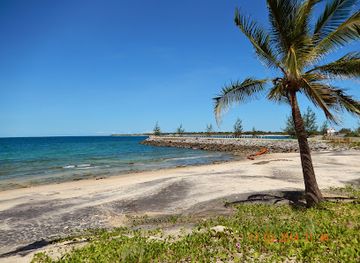
Praia de Wimbi
Discover the serene beauty of Praia de Wimbi, a stunning beach in Pemba, Mozambique, perfect for relaxation and water sports amidst enchanting views.
-
Horseback riding service
Mozambique Horse Safari
Experience the stunning landscapes and rich biodiversity of Mozambique on horseback, with breathtaking views of the Bazaruto Archipelago.
-
 Island
Ilhas Quirimba
Explore the stunning beauty and diverse culture of Ilhas Quirimba, where adventure and relaxation meet in Mozambique's hidden paradise.
-
Island
Quirambo
Experience the serene beauty and rich culture of Quirambo Island in Mozambique, where pristine beaches meet vibrant marine life for an unforgettable getaway.

Best landmarks in Quirimbas Archipelago
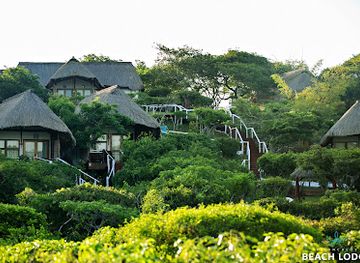
The Quirimbas Archipelago in Mozambique is a treasure trove of natural beauty and historical intrigue, offering visitors the chance to explore pristine white-sand beaches, crystal-clear turquoise waters, and vibrant coral reefs teeming with marine life. History enthusiasts will be captivated by Ibo Island, where centuries-old Portuguese colonial architecture stands as a testament to the island's storied past, including ancient forts and the intriguing ruins of the old town. Adventure seekers can enjoy world-class diving and snorkeling, while those looking for tranquility can find solace in the secluded, idyllic islands that make up this stunning archipelago.
-
Museum
Fortress of Maputo
Discover the rich history and stunning architecture of the Fortress of Maputo, a key tourist attraction and museum in Mozambique's vibrant capital.
-
Historical landmark
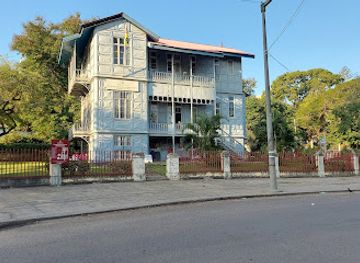
Casa de Ferro
Discover the architectural marvel of Casa de Ferro in Maputo, a historical landmark that reflects Mozambique's colonial past and cultural heritage.
-
Lodge
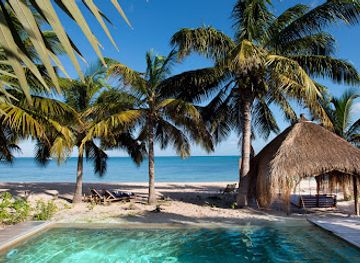
andBeyond Benguerra Island
Experience the ultimate in luxury and nature at andBeyond Benguerra Island, a stunning lodge in Mozambique's Bazaruto Archipelago.
-
National park
Bazaruto Archipelago National Marine Park
Experience the serene beauty and diverse marine life of the Bazaruto Archipelago National Marine Park in Mozambique, a paradise for nature lovers and adventure seekers.
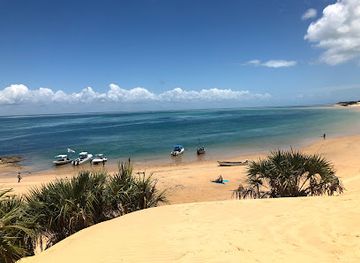
Explore Quirimbas Archipelago on the map
Plan your trip on one map. See where the top cities, national parks and sights are, and book hotels and experiences in a few clicks.
Best hotels in Quirimbas Archipelago
Best restaurants in Quirimbas Archipelago
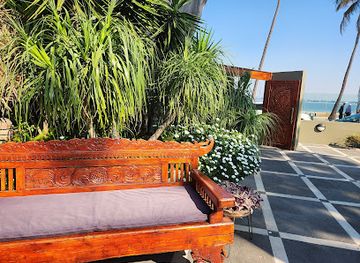
The Quirimbas Archipelago offers an enchanting dining experience for visitors, with its culinary scene deeply rooted in the rich blend of African, Portuguese, and Arabic influences. Expect to savor fresh seafood caught daily from the Indian Ocean, including succulent prawns, lobster, and fish, often grilled to perfection and seasoned with local spices. Dine in charming, rustic beachside shacks or upscale, yet intimate, island resorts that serve gourmet dishes incorporating locally sourced ingredients such as coconut, cassava, and tropical fruits. The island's serene and picturesque settings, coupled with the warmth of Mozambican hospitality, create an unforgettable gastronomic journey that is both exotic and authentic.
-
Restaurant
Zambi
Experience exquisite dining at Zambi in Maputo - where local flavors meet stunning views for an unforgettable culinary journey.
-
Restaurant
Dhow
Experience culinary excellence fused with artistic expression at Dhow in Maputo - where every meal is a masterpiece.
-
Restaurant
Vilanculos Beach Lodge and Restaurant
Experience tropical bliss at Vilanculos Beach Lodge – where stunning views meet exquisite dining in Mozambique's paradise.
-
Restaurant
Restaurant 556
Experience the vibrant culinary scene at Restaurant 556 in Pemba – where local flavors meet international cuisine.
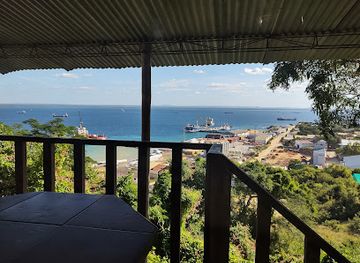
Best bars in Quirimbas Archipelago
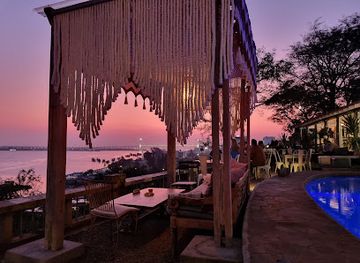
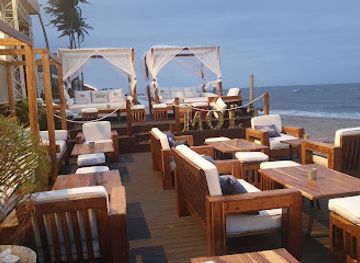
As the sun dips below the horizon, the Quirimbas Archipelago transforms into a captivating haven where the nightlife is as enchanting as its daytime allure. Expect a tranquil yet vibrant scene, where beachfront bars like Ibo Island Lodge's rooftop terrace offer breathtaking views of the starlit Indian Ocean, and local musicians fill the air with the soulful rhythms of traditional Mozambican tunes. For those seeking a touch of luxury, private beach bonfires and moonlit dinners on exclusive sandbanks provide a romantic escape under the vast, glittering sky. The islands' intimate lodges often host cultural evenings, featuring mesmerizing performances of traditional dance and music, allowing visitors to immerse themselves in the rich heritage of the region. Whether you prefer a relaxed evening with a cocktail in hand or a more immersive cultural experience, the Quirimbas Archipelago's nightlife offers a unique blend of serenity and vibrant local flavor.
-
Restaurant
South Beach
Discover the culinary magic of South Beach in Maputo, where vibrant flavors meet stunning ocean views for an unforgettable dining experience.
-
Bar
Xima Bar
Experience the vibrant nightlife of Maputo at Xima Bar, where local culture meets refreshing cocktails in a lively atmosphere.
-
Bar
Vilanculos Beach Lodge and Restaurant
Experience the perfect blend of relaxation, fine dining, and vibrant nightlife at Vilanculos Beach Lodge and Restaurant in Mozambique's coastal paradise.
-
Restaurant
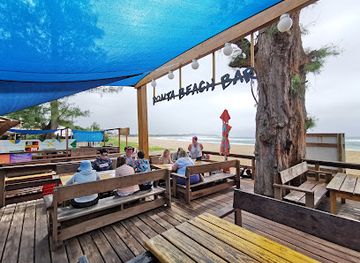
Ponta Beach Bar
Discover the vibrant atmosphere and delicious flavors at Ponta Beach Bar, your gateway to relaxation on Mozambique's stunning coast.
Best nightclubs in Quirimbas Archipelago
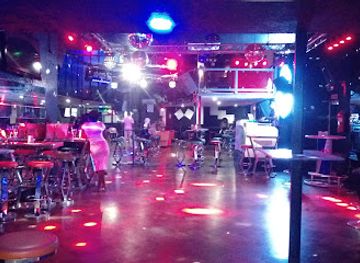
As the sun dips below the horizon, the Quirimbas Archipelago transforms into a captivating haven where the nightlife is as enchanting as its daytime allure. Expect a tranquil yet vibrant scene, where beachfront bars like Ibo Island Lodge's rooftop terrace offer breathtaking views of the starlit Indian Ocean, and local musicians fill the air with the soulful rhythms of traditional Mozambican tunes. For those seeking a touch of luxury, private beach bonfires and moonlit dinners on exclusive sandbanks provide a romantic escape under the vast, glittering sky. The islands' intimate lodges often host cultural evenings, featuring mesmerizing performances of traditional dance and music, allowing visitors to immerse themselves in the rich heritage of the region. Whether you prefer a relaxed evening with a cocktail in hand or a more immersive cultural experience, the Quirimbas Archipelago's nightlife offers a unique blend of serenity and vibrant local flavor.
-
Bar
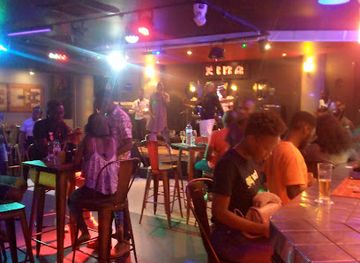
Xima Bar
Discover the vibrant nightlife at Xima Bar in Maputo, offering a delightful mix of cocktails, live music, and a welcoming atmosphere.
-
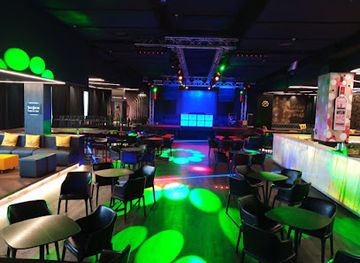
Disco club
Opium
Discover the vibrant nightlife of Maputo at Opium, the ultimate disco club featuring electrifying music and an energetic crowd.
-
Bar
Gil-Vicente Café-Bar
Discover the vibrant atmosphere of Gil-Vicente Café-Bar in Maputo, where local culture meets a lively nightlife scene.
-
Night club
Matchedje Club
Discover the vibrant nightlife of Maputo at Matchedje Club, where music and energy come together for an unforgettable experience.
Best shops in Quirimbas Archipelago
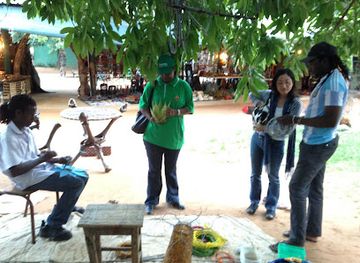
The Quirimbas Archipelago offers an enchanting shopping experience that immerses visitors in a vibrant tapestry of local culture and artisanal craftsmanship. Wander through bustling markets on Ibo Island, where vendors display an array of handcrafted jewelry, intricate silverware, and beautifully woven textiles that tell the story of the region's rich history. The aroma of spices wafts through the air as you explore stalls brimming with exotic ingredients and traditional remedies. In the coastal villages, you can find unique souvenirs such as hand-carved wooden sculptures and colorful batik fabrics, each piece a testament to the islanders' creativity and heritage. Whether you're seeking a unique keepsake or simply enjoying the lively atmosphere, shopping in the Quirimbas Archipelago is a sensory delight that offers a deep connection to the local way of life.
-
Shopping mall
Baía Mall
Discover Baía Mall in Maputo - a vibrant shopping haven blending local culture with international brands and delightful dining options.
-
Shopping mall
Marés Shopping
Explore Marés Shopping in Maputo for a unique blend of shopping, dining, and entertainment that captures the heart of Mozambique's vibrant culture.
-
Fairground
Feira de Artesanato, Flores e Gastronomia de Maputo
Experience the vibrant culture of Mozambique at the Feira de Artesanato, Flores e Gastronomia de Maputo, where handicrafts, flowers, and gastronomy come alive.
-
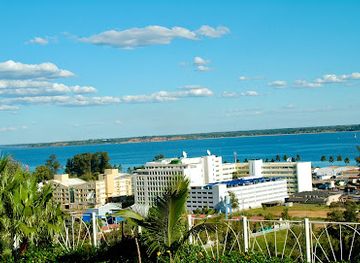
Hotel
Avani Pemba Beach Hotel
Experience the ultimate beachfront luxury at Avani Pemba Beach Hotel, where stunning ocean views and exceptional service await.

Get your free copy of our complete guide to Quirimbas Archipelago, delivered straight to you.
Everything on this page, from attractions and restaurants to essentials and local phrases, in one PDF you can read offline, print or share.
Already have an account? Sign in
Your Quirimbas Archipelago guide is ready.
We'll send it to · Not you? Sign out

Getting your guide ready…
We are putting together a fresh copy of the Quirimbas Archipelago guide. This can take up to a minute.
This can take a few moments. If your browser asks, choose Allow so the download can start. You'll find the guide in your Downloads folder.
Nothing happened? Download it again
Sorry, the guide is taking longer than usual. Please try again in a minute, or get it by email instead.
Quirimbas Archipelago essentials
Currency and Payment
Safety
Emergency Situations
Do's and Don'ts
Local Tips
From Eve
Local phrases worth knowing
You don't need to get them perfect. A few words go a long way, and locals appreciate the effort.
Basics
| English | Local | Say it |
|---|---|---|
| Hello | Olá | [Oh-lah] |
| Goodbye | Adeus | [Ah-deh-oos] |
| Yes | Sim | [Seem] |
| No | Não | [Now] |
| Please/You’re welcome | Por favor | [Poor fah-vor] |
| Thank you | Obrigado/Obrigada | [Oh-bree-gah-do/Oh-bree-gah-dah] |
| Excuse me/Sorry | Desculpe | [Des-kool-pay] |
| How are you? | Como você está? | [Koh-moo voh-seh es-tah] |
| Fine. And you? | Bem. E você? | [Bame. Eh voh-seh] |
| Do you speak English? | Você fala inglês? | [Voh-seh fah-lah een-glays] |
| I don't understand | Eu não entendo | [Eh-ooh now en-ten-do] |
Eating & Drinking
| English | Local | Say it |
|---|---|---|
| I’d like to see the menu, please | Eu gostaria de ver o menu, por favor | [Eh-ooh go-stah-ree-ah jee vair oh meh-noo, poor fah-vor] |
| I don’t eat meat | Eu não como carne | [Eh-ooh now koh-mo kar-nee] |
| Cheers! | Saúde! | [Sah-oo-dee] |
| I would like to pay, please | Eu gostaria de pagar, por favor | [Eh-ooh go-stah-ree-ah jee pah-gar, poor fah-vor] |
Emergencies
| English | Local | Say it |
|---|---|---|
| Help! | Ajuda! | [Ah-zhoo-dah] |
| Go away! | Vá embora! | [Vah em-boh-rah] |
| Call the Police! | Chame a polícia! | [Sha-meh ah poh-lee-sia] |
| Call a doctor! | Chame um médico! | [Sha-meh oom meh-dee-co] |
| I’m lost | Estou perdido | [Es-toh per-jee-do] |
| I’m ill | Estou doente | [Es-toh do-ehn-chee] |
Shopping
| English | Local | Say it |
|---|---|---|
| I’d like to buy... | Eu gostaria de comprar... | [Eh-ooh go-stah-ree-ah jee kom-prahr...] |
| I’m just looking | Estou apenas olhando | [Es-toh ah-peh-nas oh-lhan-do] |
| How much is it? | Quanto custa? | [Kwan-toh koos-tah] |
| That’s too expensive | Isso é muito caro | [Ee-soh eh mu-eento kah-roh] |
| Can you lower the price? | Você pode baixar o preço? | [Voh-seh poh-jee bai-shar oh preh-soh] |
Time & Numbers
| English | Local | Say it |
|---|---|---|
| What time is it? | Que horas são? | [Kay oh-ras sow] |
| It’s one o’clock | É uma hora | [Eh oo-mah oh-rah] |
| Half past (10) | Dez e meia | [Dez ee may-ah] |
| Morning | Manhã | [Mahn-yah] |
| Afternoon | Tarde | [Tar-jee] |
| Evening | Noite | [Noy-tay] |
| Yesterday | Ontem | [On-tem] |
| Today | Hoje | [Oh-zhee] |
| Tomorrow | Amanhã | [Ah-mahn-yah] |
| 1 | Um | [Oom] |
| 2 | Dois | [Doyz] |
| 3 | Três | [Trays] |
| 4 | Quatro | [Kwah-tro] |
| 5 | Cinco | [Seen-co] |
| 6 | Seis | [Says] |
| 7 | Sete | [Set-ee] |
| 8 | Oito | [Oi-toh] |
| 9 | Nove | [Noh-vee] |
| 10 | Dez | [Dez] |
Transport & Directions
| English | Local | Say it |
|---|---|---|
| Where's a/the...? | Onde está um/a...? | [On-deh es-tah oom/ah...?] |
| What's the address? | Qual é o endereço? | [Kwal eh oo en-deh-reh-so] |
| Can you show me (on the map)? | Você pode me mostrar (no mapa)? | [Voh-seh poh-jee meh mos-trar (no mah-pah)?] |
| When's the next (bus)? | Quando é o próximo (ônibus)? | [Kwan-do eh oo proh-see-mo (oh-nee-boos)?] |
| A ticket (to ....) | Um bilhete (para ....) | [Oom bee-lyeh-chee (pah-rah ....)] |
History of Quirimbas Archipelago
Pre-Colonial Era and Swahili Influence
The Quirimbas Archipelago has a rich history dating back to the pre-colonial era, when it was part of the Swahili Coast, a region known for its vibrant trade networks. The islands were frequented by Arab, Persian, and Indian traders who established trading posts and settlements. The Swahili culture, characterized by its unique blend of African, Arab, and Persian influences, left a lasting mark on the architecture, language, and traditions of Quirimbas.
Portuguese Colonization
In the early 16th century, Portuguese explorers arrived in the Quirimbas Archipelago, marking the beginning of a new era. They established numerous forts and trading posts, transforming the islands into a significant hub for the spice trade. The Fort of São João Baptista on Ibo Island, built in 1791, stands as a testament to this period of Portuguese dominance. The Portuguese influence is evident in the local architecture, cuisine, and even language, with the presence of Portuguese loanwords in the local dialects.
The Slave Trade
The Quirimbas Archipelago played a crucial role in the East African slave trade that flourished between the 17th and 19th centuries. The islands served as key points for the capture, holding, and eventual shipment of enslaved Africans to various parts of the world, including the Middle East and the Americas. This dark chapter in the archipelago's history is reflected in the ruins of slave-holding facilities and the oral histories passed down through generations.
Colonial Struggles and Independence
The 20th century saw the Quirimbas Archipelago caught in the throes of anti-colonial struggles. The islands were part of the broader Mozambican fight for independence from Portuguese rule. After a protracted struggle, Mozambique gained independence in 1975. The legacy of this period is felt in the resilient spirit of the local communities and the numerous independence monuments scattered across the islands.
Cultural Heritage and Traditions
The cultural fabric of the Quirimbas Archipelago is a vibrant tapestry woven from its diverse historical influences. Traditional dhow boat-building, a skill passed down from Arab traders, is still practiced today. The local cuisine, a fusion of African, Portuguese, and Arab flavors, offers a culinary journey through history. Festivals like the Ibo Island Festival celebrate the archipelago's unique cultural heritage through music, dance, and traditional crafts.
Modern Conservation Efforts
In recent years, the Quirimbas Archipelago has become a focal point for conservation efforts aimed at preserving its unique marine and terrestrial ecosystems. The Quirimbas National Park, established in 2002, encompasses both land and marine areas, offering protection to endangered species and promoting sustainable tourism. These efforts are crucial for maintaining the archipelago's ecological balance and ensuring that its natural beauty can be enjoyed by future generations.
Quirimbas Archipelago in Photos
Browse through our photo collection highlighting the charm and character of the destination.
Neighbouring regions of Quirimbas Archipelago
The closest regions to Quirimbas Archipelago, if you have time for more than one.
-
 Cabo Delgado Province
Explore Cabo Delgado in Mozambique: Dive into the Quirimbas Archipelago's marine life, trek the Niassa Reserve, and immerse in Pemba's vibrant culture.
Cabo Delgado Province
Explore Cabo Delgado in Mozambique: Dive into the Quirimbas Archipelago's marine life, trek the Niassa Reserve, and immerse in Pemba's vibrant culture.
-
 Makonde Plateau
Discover the Makonde Plateau: A blend of natural beauty, rich culture, and historical significance in Mozambique's northern highlands.
Makonde Plateau
Discover the Makonde Plateau: A blend of natural beauty, rich culture, and historical significance in Mozambique's northern highlands.
-
 Nampula Province
Discover Nampula Province, where Mozambique's culture, history, and natural beauty converge in a stunning landscape of hills, forests, and pristine beaches.
Nampula Province
Discover Nampula Province, where Mozambique's culture, history, and natural beauty converge in a stunning landscape of hills, forests, and pristine beaches.
-
 Niassa Province
Discover the wild heart of Mozambique in Niassa Province, where untamed landscapes, diverse wildlife, and rich cultural heritage await adventurous travelers.
Niassa Province
Discover the wild heart of Mozambique in Niassa Province, where untamed landscapes, diverse wildlife, and rich cultural heritage await adventurous travelers.
-
 Zambezia Province
Explore the lush landscapes and rich cultural heritage of Zambezia Province in Mozambique, where nature's beauty and vibrant traditions come together.
Zambezia Province
Explore the lush landscapes and rich cultural heritage of Zambezia Province in Mozambique, where nature's beauty and vibrant traditions come together.
Swipe for more regions

