

Manica Province, Mozambique Travel Guide
Explore the untouched beauty of Manica Province in Mozambique, a perfect blend of nature, history, and culture, offering unique experiences for every traveler.
Nestled in the heart of Mozambique, Manica Province offers a unique blend of natural beauty, rich history, and vibrant culture. It is an ideal destination for tourists seeking an off-the-beaten-path experience. The province is renowned for its lush landscapes, including the picturesque Chimanimani Mountains and the serene Chicamba Dam, perfect for hiking, fishing, and bird-watching. The capital city, Chimoio, serves as a gateway to the province's wonders. Here, you can explore bustling markets, sample local cuisine, and discover a mix of colonial and modern architecture. The nearby Vumba Nature Reserve is a must-visit for nature lovers, offering opportunities to see diverse wildlife and breathtaking views. Manica Province is also steeped in history. The ruins of the ancient city of Massangena provide a glimpse into the region's storied past. Visitors can learn about the indigenous cultures and the influence of Portuguese settlers through various museums and cultural sites. Whether you're an adventurer, history buff, or simply looking to relax, Manica Province has something for everyone.

Know before you go
Hi, I'm Eve. Here are a few practical things to know before exploring Manica Province.
- Visit between May and October for the best weather conditions.
- Hire a local guide for trekking in the Chimanimani Mountains to ensure safety and get the most out of your hike.
- Try the local dish, Matapa, a delicious stew made from cassava leaves.
- Carry cash as ATMs are not always available, especially in remote areas.
- Learn a few phrases in Portuguese to help with communication, as English is not widely spoken.

Best landmarks in Manica Province
Top-rated picks
Best Landmarks
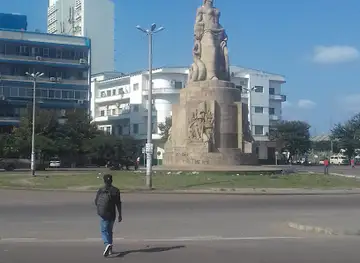
WORKERS SQUARE
Discover the vibrant spirit of Maputo at Workers Square, a monumental tribute to the local workforce and a lively cultural hub.

Fortress of Maputo
Explore the Fortress of Maputo, a historical gem in Mozambique, showcasing rich heritage and breathtaking views at the bustling port.

Gorongosa National Park
Explore Gorongosa National Park, a biodiversity hotspot in Mozambique, rich with wildlife and stunning landscapes perfect for adventurous travelers.

Maputo Special Reserve
Explore the breathtaking scenery and rich biodiversity of Maputo Special Reserve, a top destination for wildlife and nature enthusiasts in Mozambique.

Best restaurants in Manica Province
Top-rated picks
Best Restaurants

Mundo's
Discover the vibrant flavors of Mozambique at Mundo's - where culinary excellence meets lively ambiance.

Zambi
Experience exquisite dining at Zambi in Maputo, where local flavors meet international culinary artistry.

Dhow
Experience the perfect blend of exquisite cuisine and vibrant art at Dhow in Maputo - a must-visit destination for every traveler.

South Beach
Experience coastal dining at South Beach in Maputo – where fresh seafood meets breathtaking ocean views.

Best bars in Manica Province
Top-rated picks
Best Bars

Piscina Olímpica de Manica
Discover the flavors of Mozambique at Piscina Olímpica de Manica, where every meal is a celebration of local cuisine.

Vumba Lodge
Discover tranquility and breathtaking views at Vumba Lodge, a perfect retreat in the heart of Mozambique's stunning Vumba Mountains.

Msika Lodge
Experience the authentic flavors of Mozambique at Msika Lodge, where culinary tradition meets modern dining in a picturesque setting.

Mace Kece - Restaurante, Bar e Discoteca
Experience the vibrant culinary and nightlife scene at Mace Kece - a must-visit restaurant and bar in Manica.

Best nightclubs in Manica Province
Top-rated picks
Best Nightclubs

Xima Bar
Experience the lively nightlife at Xima Bar, a must-visit destination in Maputo for delicious drinks and a vibrant atmosphere.

Biques
Experience the vibrant flavors of Mozambique at Biques, a premier grill restaurant on the stunning Praia de Makuti in Beira.

Solange Beach Club
Experience the vibrant atmosphere of Solange Beach Club in Beira, Mozambique, where live music, delicious food, and ocean views create unforgettable memories.

Opium
Immerse yourself in Maputo's nightlife at Opium, where the rhythm never stops and unforgettable memories await.

Best shops in Manica Province
Top-rated picks
Best Shops

Maputo Shopping Centre
Explore the dynamic Maputo Shopping Centre, offering a fusion of local and international shopping and dining experiences in the heart of Mozambique.

Baía Mall
Experience the vibrant atmosphere of Baía Mall in Maputo, where shopping meets local culture and culinary delights.

Marés Shopping
Experience the lively atmosphere of Marés Shopping Mall, a shopping paradise in Maputo featuring diverse stores, delicious dining, and family-friendly entertainment.

Shoprite Chimoio
Experience the local flavors and vibrant shopping at Shoprite Chimoio, your go-to grocery store in the heart of Mozambique.

Explore Manica Province on the Map
A handpicked selection of must-see spots in Manica Province, mapped for you.
Manica Province Essentials
-
Manica Province is located in central Mozambique. The closest major airport is Beira Airport (BEW), approximately 200 kilometers away. From Beira, you can either take a domestic flight to Chimoio Airport (VPY) or travel by bus, taxi, or rental car to reach the province. The journey by road from Beira to Chimoio, the capital of Manica, typically takes about 3-4 hours. There are also regular bus services from Maputo, the capital city of Mozambique, to Chimoio, which take roughly 12-15 hours.
-
Within Manica Province, the most common modes of transportation are minibuses (chapas), taxis, and rental cars. Chapas are an affordable way to travel between towns and are widely used by locals. Taxis are available in larger towns such as Chimoio and are a convenient option for short trips. For exploring remote areas and having flexibility in your schedule, renting a car is recommended. Keep in mind that road conditions can vary, and it is advisable to have a GPS or a detailed map.
-
The official currency in Mozambique is the Mozambican Metical (MZN). Credit cards are accepted in some hotels, restaurants, and larger shops, but it is advisable to carry cash, especially when traveling to smaller towns and rural areas. ATMs are available in major towns like Chimoio, but it's a good idea to withdraw enough cash before heading into more remote areas. US dollars are also widely accepted, but always check the exchange rate.
-
Manica Province is generally safe for tourists, but it is always important to take standard precautions. Avoid walking alone at night, especially in unfamiliar areas. Petty theft can occur in crowded places, so keep an eye on your belongings. In Chimoio, neighborhoods like Chaimite and Nhamaonha have higher crime rates, particularly for crimes targeting tourists. Always stay vigilant and aware of your surroundings.
-
In case of emergency, dial 119 for immediate assistance. The main hospital in Chimoio is the Provincial Hospital of Chimoio, which provides medical services. It is highly recommended to have travel insurance that covers medical emergencies. For minor health issues, pharmacies are available in larger towns where you can purchase over-the-counter medications. Always have a list of emergency contacts, including the local embassy or consulate.
-
Fashion: Do dress modestly, especially in rural areas and when visiting religious sites. Avoid wearing revealing clothing. Religion: Do respect local customs and traditions. When visiting churches or mosques, dress conservatively and remove your shoes if required. Public Transport: Do be respectful and patient when using chapas. Don’t eat or drink on public transport. Greetings: Do greet people with a handshake and use formal titles when addressing elders. Eating & Drinking: Do try local dishes and accept food offerings graciously. Don’t refuse hospitality, as it is considered impolite.
-
To experience Manica Province like a local, visit the local markets such as Chimoio Market, where you can buy fresh produce and traditional Mozambican goods. Engage with locals, as they are often friendly and willing to share stories about their culture and history. Don’t miss exploring the Chimanimani Mountains for a breathtaking hiking experience. Additionally, try the local cuisine, including dishes like matapa (a traditional Mozambican dish made with cassava leaves) and fresh seafood from the coast.
When is the best time to visit Manica Province?
Useful Local Phrases for Manica Province
You don't need to speak the language perfectly. Even learning a few simple words can make conversations warmer—and locals usually appreciate the effort.
— Eve

Here are the phrases I use most often in Manica Province. Try a few—you'll be surprised how far they go! 😊
❤️
-
- HelloOlá
[oh-LAH] - GoodbyeAdeus
[ah-DAY-oos] - YesSim
[seem] - NoNão
[now] - Please/You’re welcomePor favor/De nada
[poor fah-VOR/deh NAH-dah] - Thank youObrigado/Obrigada
[oh-bree-GAH-do/oh-bree-GAH-dah] - Excuse me/SorryDesculpe
[des-KOOL-peh] - How are you?Como você está?
[KOH-moh voh-SEH eh-STAH] - Fine. And you?Bem. E você?
[BEM. Ee voh-SEH?] - Do you speak English?Você fala inglês?
[voh-SEH FAH-lah een-GLEZ?] - I don't understandEu não entendo
[AY-oh now en-TEN-do]
- HelloOlá
-
- I'd like to see the menu, pleaseGostaria de ver o menu, por favor
[goh-stah-REE-ah jeh VEHR oo meh-NOO, poor fah-VOR] - I don't eat meatNão como carne
[now KOH-mo KAR-nee] - Cheers!Saúde!
[sah-OO-deh] - I would like to pay, pleaseGostaria de pagar, por favor
[goh-stah-REE-ah jeh pah-GAR, poor fah-VOR]
- I'd like to see the menu, pleaseGostaria de ver o menu, por favor
-
- Help!Ajuda!
[ah-ZHOO-dah] - Go away!Vá embora!
[VAH em-BOH-rah] - Call the Police!Chame a polícia!
[SHAH-meh ah poh-LEE-syah] - Call a doctor!Chame um médico!
[SHAH-meh oong MEH-dee-koh] - I'm lostEstou perdido
[es-TOH per-DEE-do] - I'm illEstou doente
[es-TOH do-EHN-tseh]
- Help!Ajuda!
-
- I'd like to buy...Gostaria de comprar...
[goh-stah-REE-ah jeh kom-PRAR] - I'm just lookingEstou apenas olhando
[es-TOH ah-PAY-nahs oh-LYAN-do] - How much is it?Quanto custa?
[KWAN-toh KOOS-tah?] - That's too expensiveIsso é muito caro
[EE-so eh MOY-toh KAH-ro] - Can you lower the price?Você pode baixar o preço?
[voh-SEH POH-jee bye-SHAHR oo PREH-so?]
- I'd like to buy...Gostaria de comprar...
-
- What time is it?Que horas são?
[keh OH-ras sow?] - It's one o'clockÉ uma hora
[eh OO-mah OH-rah] - Half past (10)Dez e meia
[dehz ee MAY-ah] - MorningManhã
[mahn-YAH] - AfternoonTarde
[TAHR-deh] - EveningNoite
[NOY-teh] - YesterdayOntem
[ON-tehm] - TodayHoje
[OH-zhe] - TomorrowAmanhã
[ah-mahn-YAH] - 1Um
[oom] - 2Dois
[doyz] - 3Três
[trehz] - 4Quatro
[KWAH-tro] - 5Cinco
[SEEN-co] - 6Seis
[sayz] - 7Sete
[SEH-teh] - 8Oito
[OY-toh] - 9Nove
[NOH-veh] - 10Dez
[dehz]
- What time is it?Que horas são?
-
- Where's a/the...?Onde fica um/a...?
[ON-deh FEE-kah oom/ah...?] - What's the address?Qual é o endereço?
[kwahl eh oo en-deh-REH-so?] - Can you show me (on the map)?Você pode me mostrar (no mapa)?
[voh-SEH POH-dee meh mohs-TRAR (no MAH-pah)?] - When's the next (bus)?Quando é o próximo (ônibus)?
[KWAN-do eh oo PROH-see-mo (OH-nee-boos)?] - A ticket (to ....)Um bilhete (para....)
[oom bee-LYEH-tay (PAH-rah....)]
- Where's a/the...?Onde fica um/a...?
History of Manica Province
-
Manica Province has a rich history that dates back to the pre-colonial era, with evidence of early human settlements and activity. The area was inhabited by Bantu-speaking groups who engaged in agriculture, iron smelting, and trade. The remnants of ancient settlements and artifacts provide a glimpse into the early life in this region.
-
During the late Iron Age, the region was home to the Kingdom of Manica, which played a significant role in the trade routes connecting the interior of Africa with the Indian Ocean coast. The kingdom was known for its gold production and trading prowess, attracting traders from as far as the Swahili Coast and Portugal.
-
In the late 19th century, the Portuguese began to establish control over Manica Province, drawn by its mineral wealth. The Scramble for Africa saw the formal colonization of the region, and the Portuguese developed infrastructure such as railways and roads to facilitate the extraction of resources. The colonial period significantly impacted the cultural and social fabric of the region.
-
Chimoio, the capital of Manica Province, became an important center of resistance during the struggle for independence from Portuguese colonial rule. The city witnessed several key events and battles led by the Mozambique Liberation Front (FRELIMO). The spirit of resistance and stories of bravery from this era are still remembered and celebrated today.
-
Following Mozambique's independence in 1975, Manica Province underwent significant changes. Efforts were made to rebuild the infrastructure and economy that had been ravaged by years of colonial exploitation and the subsequent civil war. The province has since focused on agricultural development, mining, and tourism, leveraging its rich natural and cultural heritage.
-
Manica Province is known for its diverse cultural heritage, with various ethnic groups such as the Shona and Ndau people contributing to its rich tapestry of traditions. Festivals, music, dance, and traditional crafts are integral to the cultural identity of the region. The annual Chimoio Cultural Festival is a vibrant celebration of this heritage, attracting visitors from across the country and beyond.
-
The Vumba Mountains, located along the border with Zimbabwe, are one of Manica Province's natural treasures. Historically, these mountains have been a site of spiritual significance and are considered sacred by the local communities. The lush landscapes, biodiversity, and panoramic views make the Vumba Mountains a popular destination for both nature enthusiasts and those interested in cultural heritage.
Neighbouring Regions of Manica Province
The closest regions to Manica Province, if you have time for more than one.



Your all‑in‑one travel companion app
Explore expert travel guides, compare and book tours, experiences, hotels, and more—all from the palm of your hand. Download now for seamless trip planning wherever your wanderlust takes you.


Explore More of Mozambique

Looking beyond Manica Province? Discover Mozambique for broader travel guides, local hot-spots, and regional highlights.
Explore MozambiqueManica Province in Photos
Browse through our photo collection highlighting the charm and character of the destination.


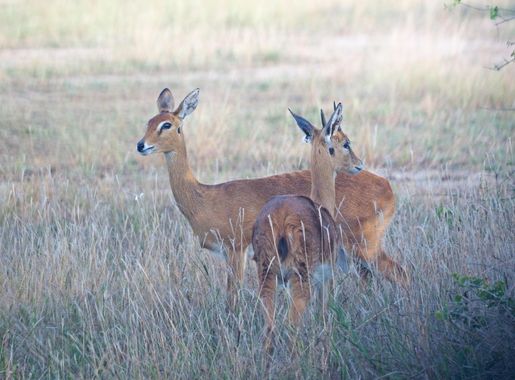

Manica Province: Mozambique's Hidden Gem
Nestled in the heart of Mozambique, Manica Province offers a unique blend of natural beauty, rich history, and vibrant culture. It is an ideal destination for tourists seeking an off-the-beaten-path experience. The province is renowned for its lush landscapes, including the picturesque Chimanimani Mountains and the serene Chicamba Dam, perfect for hiking, fishing, and bird-watching. The capital city, Chimoio, serves as a gateway to the province's wonders. Here, you can explore bustling markets, sample local cuisine, and discover a mix of colonial and modern architecture. The nearby Vumba Nature Reserve is a must-visit for nature lovers, offering opportunities to see diverse wildlife and breathtaking views. Manica Province is also steeped in history. The ruins of the ancient city of Massangena provide a glimpse into the region's storied past. Visitors can learn about the indigenous cultures and the influence of Portuguese settlers through various museums and cultural sites. Whether you're an adventurer, history buff, or simply looking to relax, Manica Province has something for everyone.