

Free Zambezia Province Travel Guide & Mobile App
Explore Zambezia Province with free travel guides. Discover regional history, expert tips, proposed trips, and audio guides on web or mobile app.


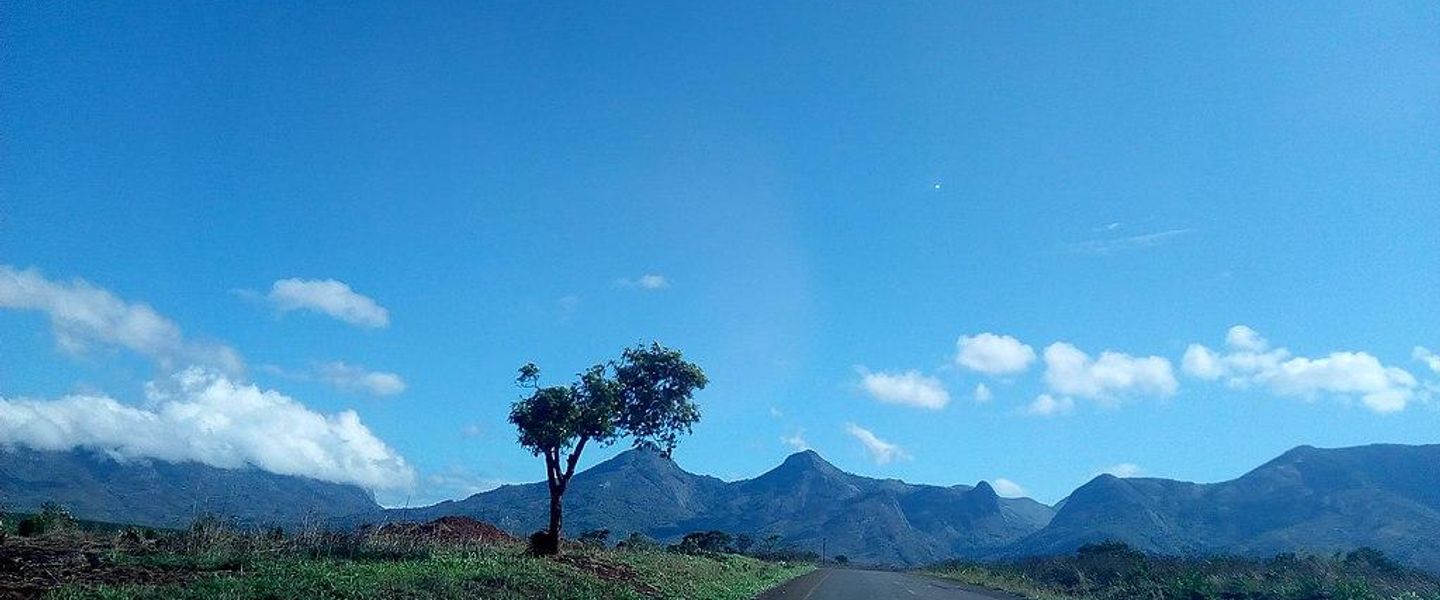


Explore Zambezia Province for Quelimane’s heritage, Gurúè’s tea hills, remote reserves, Indian Ocean beaches and distinctive Mozambican cuisine.
Read more about Zambezia Province
When is the best time to visit Zambezia Province?
Best: July–September · 23–26°C| Month | High (°C) | Rainfall (mm) |
|---|---|---|
| January | 30 | 200 |
| February | 30 | 180 |
| March | 30 | 160 |
| April | 28 | 120 |
| May | 26 | 90 |
| June | 23 | 60 |
| July (best) | 23 | 50 |
| August (best) | 24 | 50 |
| September (best) | 26 | 60 |
| October | 28 | 110 |
| November | 29 | 150 |
| December | 29 | 180 |
Getting to and around Zambezia Province
How to get there
Transportation
Best attractions in Zambezia Province
Zambezia’s attractions are dispersed across a large province and are defined as much by landscape and local life as by formal visitor infrastructure. In Quelimane, visitors can explore historic streets, churches, markets, waterfront areas and the city’s distinctive avenues of coconut palms. Gurúè offers a contrasting inland setting of green hills, tea estates and plantation scenery, with walking opportunities that should be arranged locally. Mount Namuli is a significant destination for experienced hikers and nature-focused travellers, but access is remote and guiding is important. Gilé National Reserve protects extensive miombo woodland and supports conservation initiatives, although facilities and sightings are less predictable than in Mozambique’s heavily visited parks. Along the coast, Pebane and other settlements provide access to beaches, mangroves, fishing activity and estuarine environments rather than developed resort complexes. River landscapes, village markets and agricultural areas add cultural interest, while the province’s broad variation makes it better suited to carefully planned journeys than to a compact sightseeing itinerary.
-
Beach
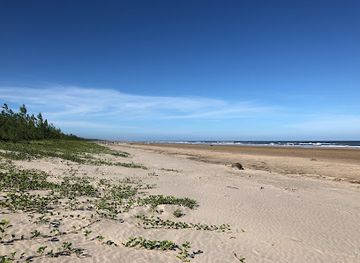
Zalala Beach
Discover the tranquil beauty of Zalala Beach, a hidden paradise in Mozambique perfect for relaxation, adventure, and authentic local culture.
-
National reserve
Gilé National Reserve
Discover the breathtaking beauty and rich biodiversity of Gilé National Reserve, a must-visit destination for nature lovers in Mozambique.
-
 Historical landmark
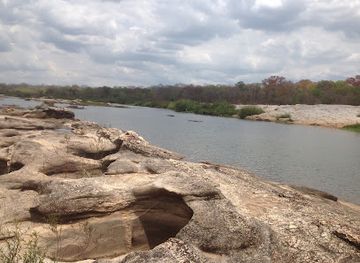
Mopeia zambezia Moçambique
Explore Mopeia, a historical landmark in Mozambique, where rich heritage meets serene riverine beauty, inviting travelers to delve into its captivating past.
Best landmarks in Zambezia Province
Quelimane Cathedral is one of the city’s most recognisable historic buildings and represents the strong Portuguese Catholic influence visible in parts of the urban centre. The city’s older administrative and commercial architecture, broad streets and coconut-lined approaches form a more diffuse landmark landscape than a single monumental precinct. In Gurúè, the surrounding tea-covered hills are the defining visual landmark, expressing the area’s colonial plantation history and continuing agricultural identity. Mount Namuli is Zambezia’s most important natural landmark: its massif dominates the northern highlands and carries ecological and cultural importance for nearby communities. The lower Zambezi and coastal waterways provide another essential geographical frame, with mangroves, estuaries and low-lying plains shaping settlement and travel. Rather than a dense collection of castles or monumental ruins, Zambezia’s landmarks combine urban colonial traces, working agricultural landscapes and major natural features whose significance depends on their relationship with communities and the wider environment.
-
Museum
Fortress of Maputo
Explore the Fortress of Maputo, an iconic museum and tourist attraction that showcases Mozambique's rich history and vibrant culture.
-
National park
Gorongosa National Park
Experience the stunning biodiversity and wildlife of Gorongosa National Park, an unforgettable destination for nature lovers and adventure seekers.
-
National reserve
Maputo Special Reserve
Explore the diverse ecosystems and vibrant wildlife of Maputo Special Reserve, a hidden gem in Mozambique perfect for nature lovers and adventurers.
-
Fortress
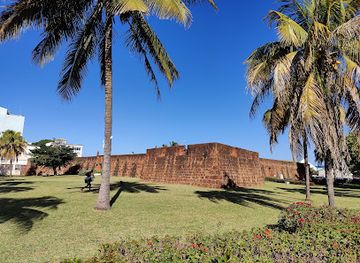
Fortaleza de Sao Sebastao
Discover the majestic Fortaleza de Sao Sebastiao, a historic fortress in Mozambique, offering breathtaking views and a rich tapestry of colonial history.

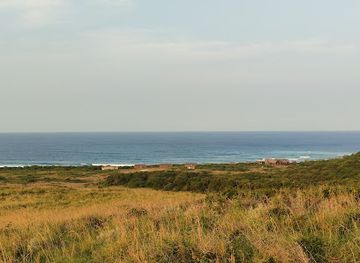

Explore Zambezia Province on the map
Plan your trip on one map. See where the top cities, national parks and sights are, and book hotels and experiences in a few clicks.
Best hotels in Zambezia Province
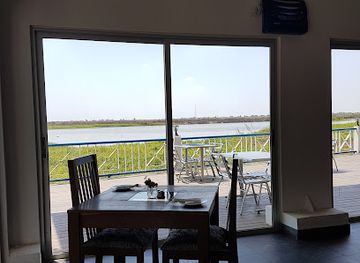
Best restaurants in Zambezia Province
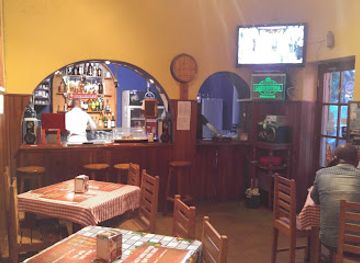
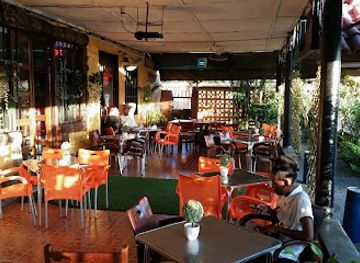
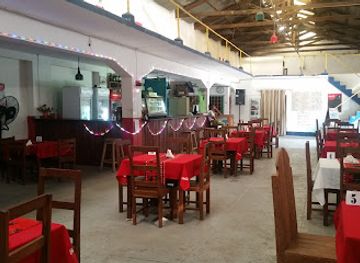
Dining in Zambezia is closely tied to the province’s coastal and agricultural geography. In Quelimane, restaurants and informal eateries commonly draw on fish, prawns and other seafood, alongside rice, cassava, beans, greens and dishes enriched with coconut. Piri-piri and other chilli-based seasonings reflect the wider culinary traditions of Mozambique, while grilled fish and simple stews are often practical choices in coastal towns. Local markets provide fruit, vegetables and prepared snacks, although visitors should choose busy stalls with good food turnover and take care with drinking water. In Gurúè, tea is an important part of the region’s identity, and plantation-country produce complements the more maritime cooking of Quelimane. Rural dining options can be limited, so accommodation meals may be important outside the main towns. Portuguese-influenced cafés and bakeries appear alongside African home-style cooking, but menus, supplies and opening arrangements can vary considerably with location and season.
-
Restaurant
Pub-Restaurante Xeque Mate
Discover delightful local cuisine and vibrant atmosphere at Pub-Restaurante Xeque Mate in Quelimane, Mozambique.
-
Restaurant
Restaurante Nara
Experience authentic Mozambican cuisine at Restaurante Nara, where every dish tells a story of local culture and flavor.
-
Restaurant
Frango A Rony
Discover the flavors of Mozambique at Frango A Rony in Quelimane - where every meal tells a story.
-
Restaurant
Sena Club - Sugar Factory Restaurant
Discover authentic Mozambican cuisine at Sena Club - Sugar Factory Restaurant in Marromeu, where every dish tells a story.
Best bars in Zambezia Province
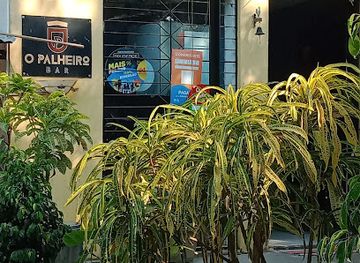
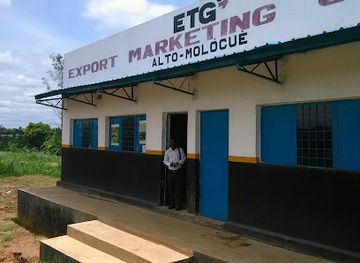
Evening life in Zambezia is concentrated in Quelimane and a few larger towns rather than spread through a large organised club circuit. Quelimane offers informal bars, hotel lounges, cafés and restaurants where people meet for conversation, music and refreshments, with activity generally greater at weekends. In Gurúè, the evening scene is smaller and centres on local restaurants, bars and social venues rather than purpose-built nightlife districts. In rural and coastal areas, nights are quieter, and accommodation compounds or village gathering places may be the main options. Music and football are common features of public social life, but specific venues and opening arrangements can change. Visitors should travel back to accommodation with care after dark, use locally recommended transport and avoid assuming that remote beach or reserve areas have late-night services, reliable lighting or emergency support.
-
Bar
Palha
Discover Palha, the vibrant bar in Quelimane offering delightful drinks and a friendly atmosphere perfect for socializing.
-
Bar
Bar Trionfo
Dive into the vibrant nightlife at Bar Trionfo in Alto Molócuè, where great drinks and local culture meet in a lively atmosphere.
-
Bar
BABALAZA 1
Experience the vibrant culture of Mozambique at Babalaza 1, a lively bar in Mocuba offering a taste of local flavors and community spirit.
-
Grill
Cabana's bar
Discover the flavors of Mozambique at Cabana's Bar, a vibrant grill destination in Alto Molocue offering an authentic culinary experience.

Best nightclubs in Zambezia Province
Evening life in Zambezia is concentrated in Quelimane and a few larger towns rather than spread through a large organised club circuit. Quelimane offers informal bars, hotel lounges, cafés and restaurants where people meet for conversation, music and refreshments, with activity generally greater at weekends. In Gurúè, the evening scene is smaller and centres on local restaurants, bars and social venues rather than purpose-built nightlife districts. In rural and coastal areas, nights are quieter, and accommodation compounds or village gathering places may be the main options. Music and football are common features of public social life, but specific venues and opening arrangements can change. Visitors should travel back to accommodation with care after dark, use locally recommended transport and avoid assuming that remote beach or reserve areas have late-night services, reliable lighting or emergency support.
-
Restaurant
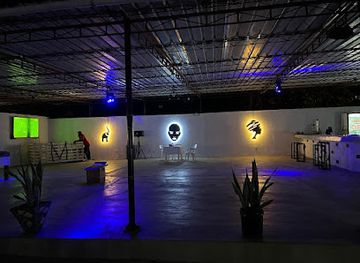
MUTUPO Restaurant/bar
Experience the vibrant blend of local cuisine, nightlife, and stunning views at MUTUPO Restaurant/Bar on Zalala Beach.
Best shops in Zambezia Province
Shopping in Zambezia is primarily local and practical, with Quelimane providing the widest choice of markets, small shops, groceries, clothing and everyday goods. Markets are useful places to see the province’s agricultural economy through rice, cassava, fruit, vegetables, spices and seafood, although produce and trading days vary. Visitors may find locally made baskets, woven items, carved objects and other craftwork, but quality and availability differ between sellers, so purchases should be made respectfully and without assuming that every object is traditionally made. Tea from the Gurúè area is the region’s most distinctive food-related purchase when available through reputable shops or producers. Coconut-based products and locally produced foods may also appear in markets. Smaller towns offer limited retail choice, while rural areas should not be expected to have dependable supplies of specialist goods, international brands or conventional souvenir shops.
-
Supermarket
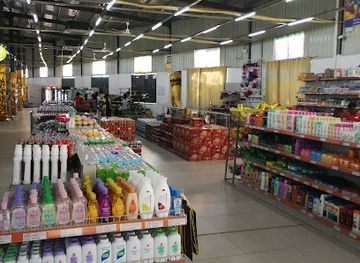
No. 1 Super Markets
Explore the vibrant No. 1 Super Markets in Mocuba for fresh produce, local delicacies, and a taste of Mozambican culture.
-
Bakery
Padaria E Pastelaria Zambeze
Discover the flavors of Mozambique at Padaria E Pastelaria Zambeze, a charming bakery in Mocuba offering delightful pastries and local treats.
-
Shopping mall
Mercado Municipal
Experience the vibrant culture and local flavors at Mercado Municipal, Marromeu's premier shopping destination, showcasing the best of Mozambique.
-
Coffee shop
Canto do Café
Discover the cozy charm of Canto do Café in Mocuba, where rich coffee and local culture converge for an unforgettable experience.

Get your free copy of our complete guide to Zambezia Province, delivered straight to you.
Everything on this page, from attractions and restaurants to essentials and local phrases, in one PDF you can read offline, print or share.
Already have an account? Sign in
Your Zambezia Province guide is ready.
We'll send it to · Not you? Sign out

Getting your guide ready…
We are putting together a fresh copy of the Zambezia Province guide. This can take up to a minute.
This can take a few moments. If your browser asks, choose Allow so the download can start. You'll find the guide in your Downloads folder.
Nothing happened? Download it again
Sorry, the guide is taking longer than usual. Please try again in a minute, or get it by email instead.
Zambezia Province essentials
Currency and Payment
Safety
Emergency Situations
Do's and Don'ts
Local Tips
From Eve
Local phrases worth knowing
You don't need to get them perfect. A few words go a long way, and locals appreciate the effort.
Basics
| English | Local | Say it |
|---|---|---|
| Hello | Olá | [oh-LAH] |
| Goodbye | Adeus | [ah-DEH-oos] |
| Yes | Sim | [seem] |
| No | Não | [now] |
| Please/You're welcome | Por favor | [pohr fah-VOHR] |
| Thank you | Obrigado | [oh-bree-GAH-doo] |
| Excuse me/Sorry | Desculpe | [des-KOOL-peh] |
| How are you? | Como você está? | [KOH-moh voh-SEH es-TAH] |
| Fine. And you? | Bem. E você? | [BEM. eh voh-SEH?] |
| Do you speak English? | Você fala inglês? | [voh-SEH FAH-lah een-GLEZ?] |
| I don't understand | Eu não entendo | [eh-OO now en-TEN-doo] |
Eating & Drinking
| English | Local | Say it |
|---|---|---|
| I'd like to see the menu, please | Gostaria de ver o menu, por favor | [goh-stah-REE-ah dee vehr oo meh-NOO, pohr fah-VOHR] |
| I don't eat meat | Eu não como carne | [eh-OO now KOH-moo KAH-nee] |
| Cheers! | Saúde! | [sah-OO-deh] |
| I would like to pay, please | Gostaria de pagar, por favor | [goh-stah-REE-ah dee pah-GAHR, pohr fah-VOHR] |
Emergencies
| English | Local | Say it |
|---|---|---|
| Help! | Socorro! | [soh-KOH-roo] |
| Go away! | Vá embora! | [vah em-BOH-rah] |
| Call the Police! | Chame a polícia! | [SHAH-mee ah poh-LEE-syah] |
| Call a doctor! | Chame um médico! | [SHAH-mee oom MEH-dee-co] |
| I'm lost | Estou perdido | [es-TOH pehr-DEE-doo] |
| I'm ill | Estou doente | [es-TOH do-EHN-chee] |
Shopping
| English | Local | Say it |
|---|---|---|
| I'd like to buy... | Gostaria de comprar... | [goh-stah-REE-ah dee com-PRAR...] |
| I'm just looking | Estou apenas olhando | [es-TOH ah-PEH-nas oh-LYAN-doo] |
| How much is it? | Quanto custa? | [KWAN-toh KOOS-tah?] |
| That's too expensive | Isso é muito caro | [EE-soh eh MOY-toh KAH-roo] |
| Can you lower the price? | Você pode baixar o preço? | [voh-SEH POH-jee bye-SHAHR oo PREH-so?] |
Time & Numbers
| English | Local | Say it |
|---|---|---|
| What time is it? | Que horas são? | [kee OH-ras sow?] |
| It's one o'clock | É uma hora | [eh OO-mah OH-rah] |
| Half past (10) | Dez e meia | [dez eh MAY-ah] |
| Morning | Manhã | [mahn-YAH] |
| Afternoon | Tarde | [TAR-deh] |
| Evening | Noite | [NOY-teh] |
| Yesterday | Ontem | [ON-tem] |
| Today | Hoje | [OH-zheh] |
| Tomorrow | Amanhã | [ah-mahn-YAH] |
| 1 | Um | [oom] |
| 2 | Dois | [doyz] |
| 3 | Três | [trehz] |
| 4 | Quatro | [KWAH-troh] |
| 5 | Cinco | [SEEN-koh] |
| 6 | Seis | [says] |
| 7 | Sete | [SEH-teh] |
| 8 | Oito | [OY-toh] |
| 9 | Nove | [NOH-veh] |
| 10 | Dez | [dez] |
Transport & Directions
| English | Local | Say it |
|---|---|---|
| Where's a/the...? | Onde está um/a...? | [ON-deh es-TAH oom/ah...?] |
| What's the address? | Qual é o endereço? | [kwal eh oo in-deh-REH-soo] |
| Can you show me (on the map)? | Você pode me mostrar (no mapa)? | [voh-SEH POH-jee meh mos-TRAR (noh MAH-pah)?] |
| When's the next (bus)? | Quando é o próximo (ônibus)? | [KWAN-doo eh oo PROH-see-mo (OH-nee-boos)?] |
| A ticket (to ....) | Um bilhete (para ....) | [oom bee-LYEH-tchee (PAH-rah....)] |
History of Zambezia Province
Early settlement and Indian Ocean exchange
Zambezia has long been occupied by farming, fishing and trading communities connected to the Zambezi basin and the Indian Ocean. River routes and coastal waterways helped link inland producers with ports and maritime networks, bringing African, Swahili, Arab, Indian and later Portuguese influences into contact. Trade in agricultural produce, timber and other commodities shaped settlements long before the modern province existed. The region’s cultural landscape still reflects this layered history through languages, religious communities, food traditions and coastal trading towns.
Portuguese expansion and the prazo system
From the sixteenth century, Portuguese influence expanded along the Zambezi and into central Mozambique, although effective control remained uneven for many centuries. Portuguese authorities and settlers developed prazo estates, large land concessions governed by prazo-holders who collected revenue and maintained armed forces in parts of the Zambezi valley. These estates became important centres of political and economic power, but they depended heavily on African labour and local alliances. The system left a lasting mark on landholding, administration and the region’s links with the river corridor.
The Zambezia Company and concession rule
In the late nineteenth and early twentieth centuries, Portugal granted extensive commercial concessions in central Mozambique, including territory administered by the Companhia da Zambézia, founded in 1892. Concession companies pursued taxation, plantation agriculture, transport and commodity extraction, while recruiting labour under coercive colonial systems. Quelimane and other river and coastal settlements became important points for exporting produce. This period intensified outside control but also produced infrastructure, commercial towns and social disruption whose effects continued into the late colonial era.
Tea cultivation in the Gurúè highlands
The cool, wet uplands around Gurúè became associated with commercial tea cultivation during the Portuguese colonial period. Plantations took advantage of fertile soils, elevated terrain and a climate markedly different from the hot coastal plain. Tea transformed the local economy and drew labour into an estate system shaped by colonial ownership and African workforces. After independence, the sector declined through war, disrupted investment and abandoned infrastructure, but tea production and processing have since regained importance in the Gurúè area, where plantation landscapes remain a defining feature.
Independence and the civil war
Mozambique became independent from Portugal in 1975 after a liberation struggle led by FRELIMO. The new state inherited a sharply unequal colonial economy and faced severe disruption when civil war intensified from the late 1970s. Zambezia experienced displacement, damage to infrastructure and interruptions to agriculture, trade and public services. Peace in 1992 allowed roads, towns, farms and commercial enterprises to recover gradually, although development remains uneven and some rural areas continue to face limited services and difficult transport.
Contemporary reconstruction and conservation
Since the end of the civil war, Zambezia has undergone significant reconstruction alongside continuing economic and environmental pressures. Agriculture, forestry, transport, mining interests and tea production all contribute to the province’s changing economy, while Quelimane has expanded as an administrative and commercial centre. Protected landscapes such as Gilé National Reserve have become important to conservation and rural development efforts. Cyclones, flooding and changing weather patterns remain serious concerns, particularly on the low-lying coast and in riverine areas, making resilient infrastructure central to the province’s future.
Zambezia Province in Photos
Browse through our photo collection highlighting the charm and character of the destination.
Neighbouring regions of Zambezia Province
The closest regions to Zambezia Province, if you have time for more than one.
-

-

-

-

-


Swipe for more regions
Explore more

Explore more of Mozambique
Discover Mozambique: Pristine beaches, rich cultural heritage, and vibrant wildlife await in this stunning African destination.
Explore Mozambique