

Free Maputo Province Travel Guide & Mobile App
Explore Maputo Province with free travel guides. Discover regional history, expert tips, proposed trips, and audio guides on web or mobile app.


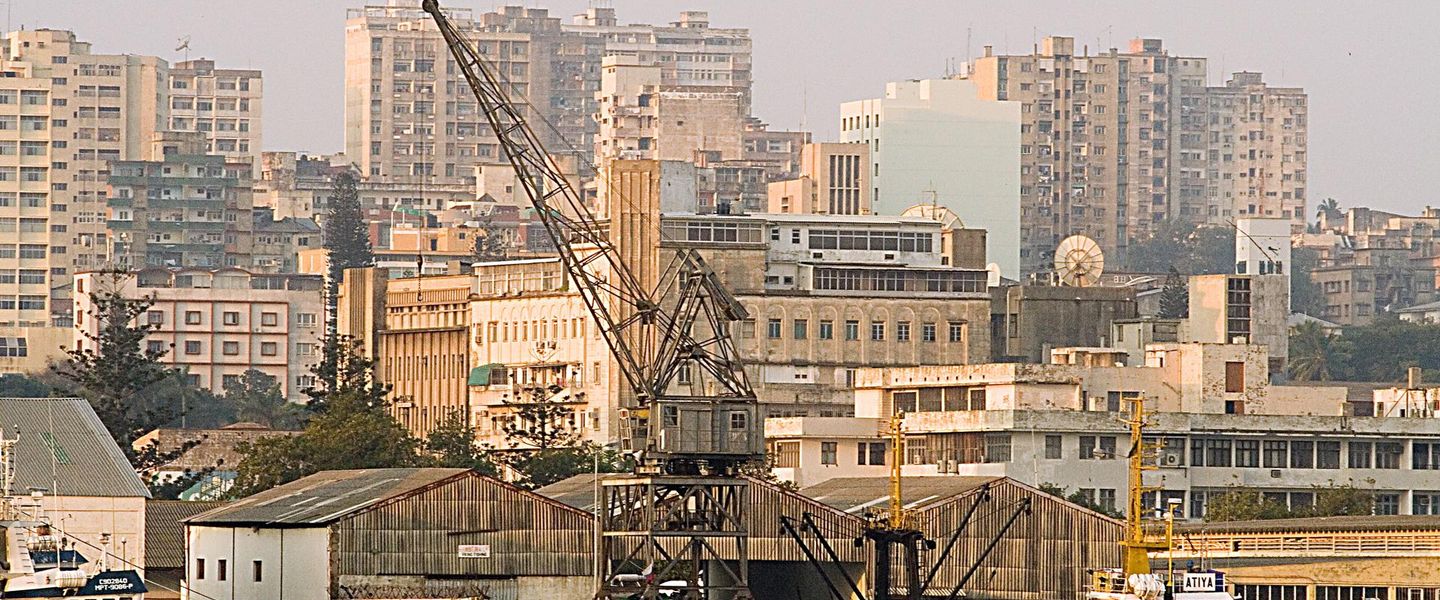


Maputo Province combines Mozambique’s southern beaches, wildlife-rich wetlands, estuaries, mountain scenery and access to the capital region.
Read more about Maputo Province
When is the best time to visit Maputo Province?
Best: June–August · 23–24°C| Month | High (°C) | Rainfall (mm) |
|---|---|---|
| January | 31 | 200 |
| February | 31 | 180 |
| March | 30 | 150 |
| April | 28 | 100 |
| May | 26 | 50 |
| June (best) | 23 | 30 |
| July (best) | 23 | 20 |
| August (best) | 24 | 20 |
| September | 27 | 30 |
| October | 29 | 60 |
| November | 30 | 100 |
| December | 31 | 160 |
Getting to and around Maputo Province
How to get there
Transportation
Best attractions in Maputo Province
Maputo Province’s attractions range from marine and coastal experiences to wildlife, wetlands and hill country. Around Marracuene, the Macaneta peninsula offers beaches, estuarine scenery and a slower coastal setting within reach of the capital, while the southern coast around Ponta do Ouro is associated with diving, snorkelling, surfing and dolphin-focused marine excursions. Maputo National Park is the province’s principal conservation destination, combining lakes, floodplains, woodland and coastal habitats where elephants, antelope and abundant birdlife may be encountered. It is a wilderness landscape rather than a guaranteed game-viewing circuit, and access conditions can be demanding. In Matutuíne, conservation and rural life sit alongside beach communities and traditional fishing activity. Inland, Boane and Moamba provide riverine and agricultural scenery, while Namaacha introduces cooler temperatures, rocky hills and walking opportunities near the Eswatini frontier. Matola contributes industrial, cultural and urban attractions, including spaces connected with contemporary Mozambican life. Visitors should allow for changing road surfaces, limited facilities outside established centres and the need to arrange some activities in advance.
-
Park
Tunduru Gardens
Explore Tunduru Gardens in Maputo, a lush park showcasing diverse flora, perfect for leisurely strolls and serene picnics amidst nature's beauty.
-
Park
Parque dos Continuadores FEIMA
Explore the vibrant culture and serene nature at Parque dos Continuadores FEIMA, a must-visit park in the heart of Maputo, Mozambique.
-
Bay
Maputo Bay
Experience the breathtaking beauty and vibrant culture at Maputo Bay, a stunning coastal haven in Mozambique perfect for relaxation and adventure.
-
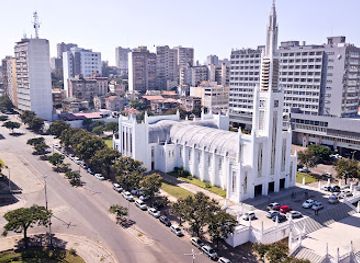
Cathedral
Catedral de Maputo
Discover the breathtaking beauty of Catedral de Maputo, a stunning blend of Gothic and Moorish architecture in the heart of Mozambique's capital.
Best landmarks in Maputo Province
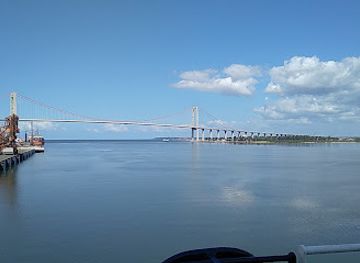
The Maputo–Katembe bridge is the province’s most conspicuous modern structure, spanning Maputo Bay and linking the capital region with the southern road network through Matutuíne. In the same broad landscape, the Maputo River and the Futi corridor are important geographical features that help explain the province’s conservation and cross-border character. Maputo National Park forms a landmark landscape rather than a single monument: its coastal lakes, wetlands, woodland and open plains represent one of southern Mozambique’s major protected environments. Ponta do Ouro’s long sandy shoreline and wooded dunes provide a recognisable natural counterpoint to the industrial skyline around Matola. At Namaacha, the hill country and the Sanctuary of Our Lady of Fátima give the town a distinctive religious and topographical identity near the Eswatini border. The town’s elevated setting contrasts strongly with the hot, low-lying coast. Around Marracuene, the broad estuarine setting of the Incomati River and Macaneta peninsula is geographically significant, revealing how tidal water, sand and settlement shape the province’s northern coastal edge.
-
Park
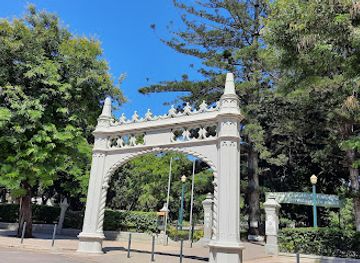
Tunduru Gardens
Explore the lush beauty and historical charm of Tunduru Gardens, a tranquil park in the heart of Maputo, perfect for relaxation and cultural experiences.
-
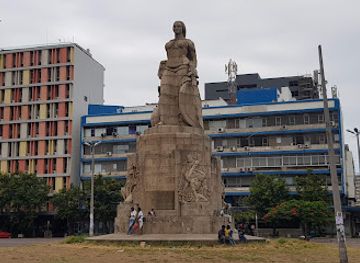
Monument
WORKERS SQUARE
Experience the vibrant culture and history of Maputo at Workers Square, a must-visit monument for every tourist in Mozambique.
-
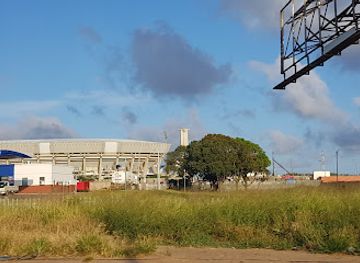
Non-governmental organization
Estádio do Zimpeto
Experience the vibrant atmosphere of Estádio do Zimpeto, Mozambique's largest sports venue, and witness the passion of local culture through thrilling events.
-
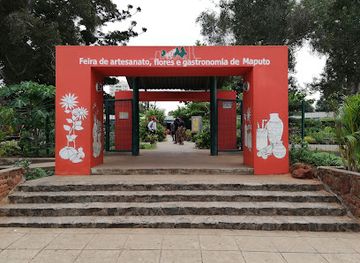
Fairground
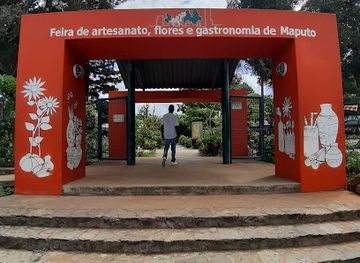
Feira de Artesanato, Flores e Gastronomia de Maputo
Explore the vibrant Feira de Artesanato, Flores e Gastronomia de Maputo for an authentic taste of Mozambique's crafts and cuisine.

Explore Maputo Province on the map
Plan your trip on one map. See where the top cities, national parks and sights are, and book hotels and experiences in a few clicks.
Best hotels in Maputo Province
Best restaurants in Maputo Province
Dining in Maputo Province reflects southern Mozambique’s coastal geography and its connections with the wider region. Seafood is central in beach settlements and bay-side communities, with prawns, fish, crab and calamari commonly appearing alongside rice, cassava, chips and salad. Peri-peri chilli, coconut, lime and other Portuguese-influenced flavours are widely used, while grilled meat and chicken are familiar choices inland and around Matola. Small restaurants, market stalls and informal grills often provide the most direct sense of everyday eating, although standards and availability vary outside urban areas. Lodges and established coastal restaurants tend to offer more predictable menus, sometimes combining local dishes with South African and international cooking. Fresh produce from the southern agricultural districts appears in markets and roadside stalls, and Portuguese-style bread, pastries and coffee remain part of the region’s urban food culture. Carry water and avoid assuming that remote destinations can supply every dietary requirement.
-
Restaurant
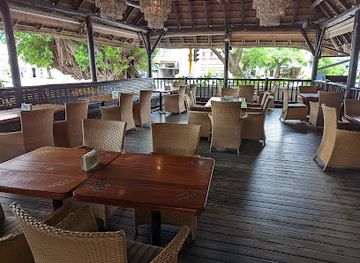
Mundo's
Discover Mundo's in Maputo: A vibrant restaurant offering delicious local and international cuisine with friendly service in an inviting atmosphere.
-
Restaurant
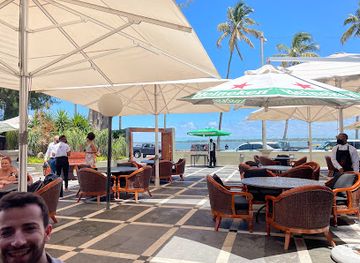
Zambi
Experience the rich flavors of Mozambique at Zambi - where local ingredients meet culinary excellence in Maputo's finest restaurant.
-
Restaurant
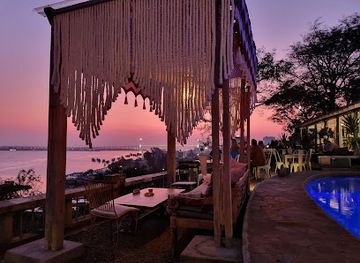
Dhow
Experience exquisite dining at Dhow in Maputo—where culinary delights meet artistic inspiration in an unforgettable setting.
-
Restaurant
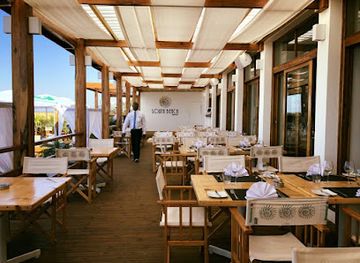
South Beach
Discover South Beach in Maputo: A culinary delight offering fresh seafood and breathtaking ocean views for an unforgettable dining experience.
Best bars in Maputo Province
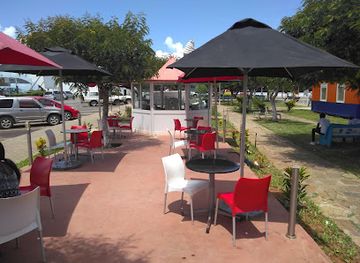
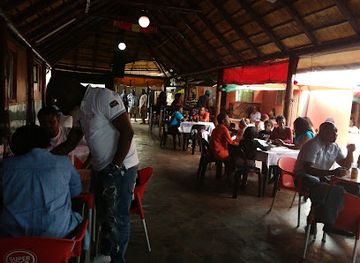
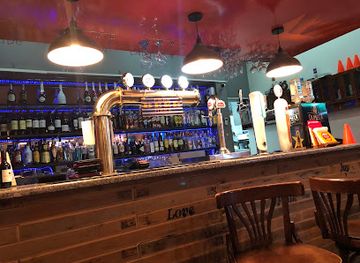
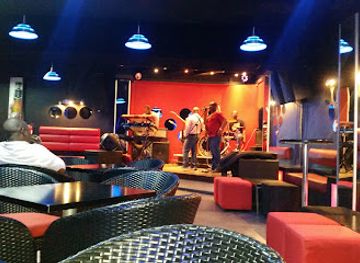
Evening life in Maputo Province is generally local and low-key rather than built around a large club circuit. Matola has restaurants, bars and music venues serving residents of the metropolitan area, while coastal resorts around Macaneta and Ponta do Ouro offer informal beach bars, sundowners and occasional live music. In smaller settlements, the evening scene centres on neighbourhood bars, family restaurants and social gatherings rather than late-night entertainment. Portuguese, Mozambican and South African influences can be heard in music and seen in the food and drinks available, but programming changes frequently and should not be assumed. Rural districts and conservation areas become quiet after dark, with lodge-based dining often the principal option. Visitors should use arranged transport, avoid walking unfamiliar roads at night and remember that drinking is not necessary to participate in local social life.
-
Bar
Xima Bar
Experience the heart of Maputo's nightlife at Xima Bar, where local culture meets a lively atmosphere and delicious drinks.
-
Bar
Bar Dos Amigos
Experience the vibrant nightlife of Maputo at Bar Dos Amigos, where great drinks and a lively atmosphere await you.
-
Bar
The Backroom
Discover the vibrant atmosphere of The Backroom, a premier bar and live music venue in Maputo, offering delicious barbecue and local entertainment.
-
Bar
Elvis Pool Bar
Experience the vibrant atmosphere, refreshing cocktails, and stunning views at Elvis Pool Bar in Maputo, a top destination for relaxation and socializing.
Best nightclubs in Maputo Province
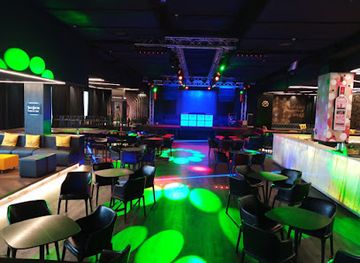
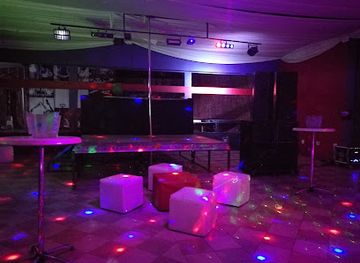
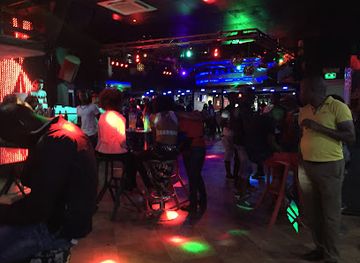
Evening life in Maputo Province is generally local and low-key rather than built around a large club circuit. Matola has restaurants, bars and music venues serving residents of the metropolitan area, while coastal resorts around Macaneta and Ponta do Ouro offer informal beach bars, sundowners and occasional live music. In smaller settlements, the evening scene centres on neighbourhood bars, family restaurants and social gatherings rather than late-night entertainment. Portuguese, Mozambican and South African influences can be heard in music and seen in the food and drinks available, but programming changes frequently and should not be assumed. Rural districts and conservation areas become quiet after dark, with lodge-based dining often the principal option. Visitors should use arranged transport, avoid walking unfamiliar roads at night and remember that drinking is not necessary to participate in local social life.
-
Disco club
Opium
Experience Maputo's vibrant nightlife at Opium, a premier disco club known for electrifying music and an unforgettable atmosphere.
-
Disco club
Txiling Club
Dive into the vibrant nightlife at Txiling Club in Matola, Mozambique, where exciting rhythms and lively crowds create an unforgettable experience.
-
Night club
Matchedje Club
Discover the lively atmosphere of Matchedje Club, Maputo's premier night club, where music and culture come alive in a vibrant setting.
-
Bar
VIVO Bar & Lounge
Experience the vibrant nightlife at VIVO Bar & Lounge in Maputo, where exquisite cocktails and stunning views come together for an unforgettable evening.

Best shops in Maputo Province
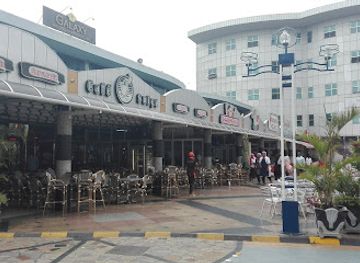
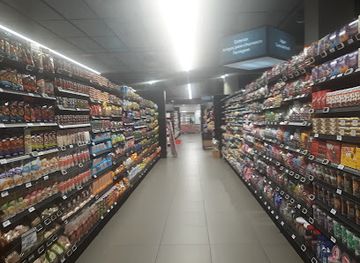
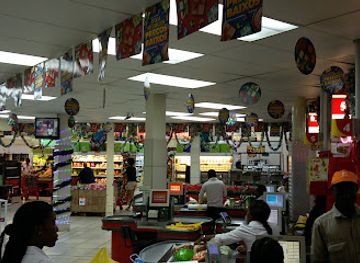
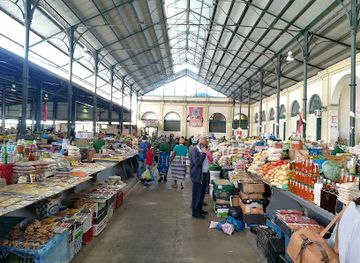
Shopping in Maputo Province is most useful for locally made goods, food and practical supplies rather than extensive luxury retail. Matola and the urban fringe have supermarkets, general shops and small commercial centres, while rural towns depend more on market stalls and independent traders. At local markets, visitors may find fresh produce, cashews, charcoal-grilled snacks, woven items, clothing and household goods; selection and market days vary by place. Coastal settlements around Marracuene and Ponta do Ouro sell beach equipment, casual clothing and locally produced souvenirs, though quality and provenance should be considered carefully. Craft objects, textiles, carvings and jewellery can make meaningful purchases when bought directly from makers or reputable community enterprises. Portuguese-influenced bread and packaged foods, chilli products and regional produce are practical gifts, but check customs rules before carrying food or natural materials across borders. Bargaining may be appropriate in informal markets, while fixed prices are more usual in supermarkets and established shops.
-
Shopping mall
Maputo Shopping Centre
Explore the vibrant Maputo Shopping Centre, where shopping, dining, and local culture come together in the heart of Mozambique.
-
Shopping mall
Baía Mall
Discover the heart of Maputo at Baía Mall, where shopping meets vibrant local culture and dining delights await.
-
Shopping mall
Marés Shopping
Explore Marés Shopping Mall: A Premier Retail Destination in Maputo, Offering Shopping, Dining, and Entertainment for All.
-
Supermarket
Central Market
Explore the lively Central Market in Maputo, a vibrant hub of local produce, crafts, and the essence of Mozambican culture.
Get your free copy of our complete guide to Maputo Province, delivered straight to you.
Everything on this page, from attractions and restaurants to essentials and local phrases, in one PDF you can read offline, print or share.
Already have an account? Sign in
Your Maputo Province guide is ready.
We'll send it to · Not you? Sign out

Getting your guide ready…
We are putting together a fresh copy of the Maputo Province guide. This can take up to a minute.
This can take a few moments. If your browser asks, choose Allow so the download can start. You'll find the guide in your Downloads folder.
Nothing happened? Download it again
Sorry, the guide is taking longer than usual. Please try again in a minute, or get it by email instead.
Maputo Province essentials
Currency and Payment
Safety
Emergency Situations
Do's and Don'ts
Local Tips
From Eve
Local phrases worth knowing
You don't need to get them perfect. A few words go a long way, and locals appreciate the effort.
Basics
| English | Local | Say it |
|---|---|---|
| Hello | Olá | [oh-LAH] |
| Goodbye | Adeus | [ah-DEH-oos] |
| Yes | Sim | [seem] |
| No | Não | [now] |
| Please/You’re welcome | Por favor/De nada | [poor fah-VOR/deh NAH-dah] |
| Thank you | Obrigado | [oh-bree-GAH-doo] |
| Excuse me/Sorry | Desculpe | [deh-SKOOL-peh] |
| How are you? | Como você está? | [KOH-moh voh-SEH eh-STAH?] |
| Fine. And you? | Bem. E você? | [beng. eh voh-SEH?] |
| Do you speak English? | Você fala inglês? | [voh-SEH FAH-lah een-GLEH-zh?] |
| I don't understand | Eu não entendo | [eh-OO now en-TEN-doo] |
Eating & Drinking
| English | Local | Say it |
|---|---|---|
| I’d like to see the menu, please | Gostaria de ver o menu, por favor | [goh-stah-REE-ah jeh veh-ROH meh-NOO, poor fah-VOR] |
| I don't eat meat | Eu não como carne | [eh-OO now KOH-moh KAR-nee] |
| Cheers! | Saúde! | [sah-OO-deh!] |
| I would like to pay, please | Gostaria de pagar, por favor | [goh-stah-REE-ah jeh pah-GAR, poor fah-VOR] |
Emergencies
| English | Local | Say it |
|---|---|---|
| Help! | Ajuda! | [ah-ZHOO-dah!] |
| Go away! | Vá embora! | [vah em-BOH-rah!] |
| Call the Police! | Chame a polícia! | [SHAH-meh ah poh-LEE-syah!] |
| Call a doctor! | Chame um médico! | [SHAH-meh oom MEH-dee-koh!] |
| I’m lost | Estou perdido | [eh-STOH pehr-DEE-doo] |
| I’m ill | Estou doente | [eh-STOH do-EHN-teh] |
Shopping
| English | Local | Say it |
|---|---|---|
| I’d like to buy... | Gostaria de comprar... | [goh-stah-REE-ah jeh kohm-PRAHR...] |
| I’m just looking | Estou apenas a olhar | [eh-STOH ah-PEH-nas ah oh-LYAR] |
| How much is it? | Quanto custa? | [kwahn-TOH KOOS-tah?] |
| That’s too expensive | Isso é muito caro | [EE-soh eh MOY-too KAH-roh] |
| Can you lower the price? | Você pode baixar o preço? | [voh-SEH POH-jee bye-SHAHR oh PREH-soh?] |
Time & Numbers
| English | Local | Say it |
|---|---|---|
| What time is it? | Que horas são? | [keh OH-ras sow?] |
| It’s one o’clock | É uma hora | [eh OO-mah OH-rah] |
| Half past (10) | Dez e meia | [dehz eh MAY-ah] |
| Morning | Manhã | [mahn-YAH] |
| Afternoon | Tarde | [TAR-day] |
| Evening | Noite | [NOY-teh] |
| Yesterday | Ontem | [ON-tem] |
| Today | Hoje | [OH-zhe] |
| Tomorrow | Amanhã | [ah-mahn-YAH] |
| 1 | Um | [oom] |
| 2 | Dois | [doyz] |
| 3 | Três | [trehz] |
| 4 | Quatro | [KWAH-troh] |
| 5 | Cinco | [SEEN-koh] |
| 6 | Seis | [SAYZ] |
| 7 | Sete | [SEH-teh] |
| 8 | Oito | [OY-toh] |
| 9 | Nove | [NOH-veh] |
| 10 | Dez | [dehz] |
Transport & Directions
| English | Local | Say it |
|---|---|---|
| Where's a/the...? | Onde fica...? | [ON-deh FEE-kah...?] |
| What’s the address? | Qual é o endereço? | [kwahl eh oo en-deh-REH-soo?] |
| Can you show me (on the map)? | Você pode me mostrar (no mapa)? | [voh-SEH POH-jee meh mohs-TRAR (no MAH-pah)?] |
| When’s the next (bus)? | Quando é o próximo (ônibus)? | [KWAN-do eh oo PROH-see-moh (OH-nee-boos)?] |
| A ticket (to ....) | Um bilhete (para ....) | [oom bee-LYEH-tay (PAH-rah ....)] |
History of Maputo Province
Early settlement and the Tsonga-speaking south
The region’s history predates written records by many centuries. Communities speaking related Tsonga languages established farming, fishing and trading livelihoods across the lowlands, river valleys and coastal hinterland. The bay, estuaries and routes towards the interior encouraged movement and exchange, while local political organisation changed over time in response to trade, migration and the rise of larger southern African states. Present-day Maputo Province remains culturally connected to neighbouring parts of Eswatini, South Africa and Gaza Province through language, family networks and shared landscapes.
Portuguese expansion and Lourenço Marques
Portuguese navigators and traders reached the bay in the late fifteenth century, although sustained colonial control developed gradually. The settlement of Lourenço Marques, on the site of modern Maputo City outside Maputo Province, became the principal Portuguese centre in the far south. Its growth altered regional trade and administration, drawing agricultural produce, cattle and labour into a colonial economy. The bay’s strategic position also made the area important to Portuguese ambitions linking the coast with the interior.
Nineteenth-century political change
The nineteenth century brought major political and demographic shifts to southern Mozambique. The expansion of the Gaza kingdom under leaders including Soshangane reshaped power across the region, while movements and conflicts associated with the mfecane period affected communities throughout southern Africa. Portuguese influence expanded unevenly against these local powers. The resulting political boundaries did not erase older cultural connections, many of which still cross the modern borders of Mozambique, South Africa and Eswatini.
Railways, ports and colonial economic development
From the late nineteenth century, the port and railway system centred on Lourenço Marques connected the bay with mining and farming areas inland, especially in the Transvaal. Transport infrastructure encouraged commercial agriculture, migrant labour and urban growth, while the corridor through Matola and neighbouring districts became increasingly industrial. This history explains the contrasting character of the province today: major logistics and manufacturing sites stand close to rural settlements, conservation areas and coastal communities.
Independence and the civil-war era
Mozambique became independent from Portugal in 1975. The following decades were marked by severe economic disruption and civil war between the government and RENAMO, with rural communities across the country bearing much of the burden. The peace agreement of 1992 created conditions for reconstruction, tourism investment and expanded conservation work. In Maputo Province, these changes encouraged new attention to the coast, the bay and wildlife habitats while the industrial corridor around Matola continued to develop.
Conservation and cross-border landscapes
The province’s modern environmental history has increasingly focused on protecting connected coastal and savannah ecosystems. Maputo Elephant Reserve was established in 1932 and later became part of the larger Maputo National Park, formally created in 2021 through the integration of protected areas and adjacent conservation landscapes. The park’s relationship with the Lubombo Transfrontier Conservation Area reflects cooperation between Mozambique, South Africa and Eswatini. Conservation now sits alongside fishing, agriculture and tourism, creating both opportunities and practical challenges for local communities.
Maputo Province in Photos
Browse through our photo collection highlighting the charm and character of the destination.
Neighbouring regions of Maputo Province
The closest regions to Maputo Province, if you have time for more than one.
-

-

-

-

-


Swipe for more regions
Explore more

Explore more of Mozambique
Discover Mozambique: Pristine beaches, rich cultural heritage, and vibrant wildlife await in this stunning African destination.
Explore Mozambique