

Maputo City, Mozambique Travel Guide
Discover Maputo City: A bustling metropolis where African, Portuguese, and colonial influences create a vibrant cultural and historical tapestry.
Maputo City, the capital of Mozambique, is a bustling metropolis teeming with cultural richness and historical significance. Known for its lively atmosphere, Maputo offers a unique blend of African, Portuguese, and colonial influences that can be seen in its architecture, cuisine, and everyday life. The city's wide boulevards, lined with acacia and jacaranda trees, provide a picturesque backdrop for exploring its many attractions. One must-visit site is the Central Market, where you can immerse yourself in the local culture and sample fresh produce, spices, and seafood. For a deeper dive into the city's history, the National Art Museum and the Natural History Museum offer fascinating exhibits. Maputo's coastline is equally captivating, with beautiful beaches like Ponta d’Ouro and Catembe just a short drive away, perfect for relaxing under the sun or engaging in water sports. Maputo's vibrant nightlife and dining scene are not to be missed. From upscale restaurants serving fusion cuisine to street vendors offering local delicacies, there's something to satisfy every palate. The city's live music venues and bars come alive after dark, offering a chance to experience Mozambique's rich musical heritage. Whether you're exploring its historical sites, relaxing by the beach, or enjoying its nightlife, Maputo City promises an unforgettable experience.

Know before you go
Hi, I'm Eve. Here are a few practical things to know before exploring Maputo City.
- Visit the Central Market early in the morning to avoid crowds and get the freshest produce.
- Wear comfortable shoes for walking, as many of the city's attractions are best explored on foot.
- Try the local dish 'matapa,' a delicious stew made with cassava leaves, coconut milk, and peanuts.
- Use metered taxis or ride-sharing apps for safer and more reliable transportation within the city.
- Learn a few basic phrases in Portuguese, as it is the official language and will help you navigate the city more easily.
Explore Maputo City: Things to Do, Places to Eat, Hotels & More
Handpicked recommendations for top attractions, local dining, accommodations, and more

Top Attractions & Sightseeing in Maputo City
Top-rated picks
Best Attractions

Teachers Garden
Explore the lush landscapes of Teachers Garden in Maputo, a tranquil oasis perfect for relaxation, picnics, and family outings amidst vibrant flora.

Museu de Historia Natural
Discover the fascinating world of natural history at Museu de Historia Natural in Maputo, showcasing diverse exhibits from fossils to local wildlife.

Costa do Sol
Discover the beauty of Costa do Sol, a stunning coastal paradise in Maputo, where relaxing beaches meet vibrant local culture and delicious cuisine.

Praca dos herois mocambicanos
Explore the rich history and vibrant culture at Praca dos Heroes Mocambicanos, the heart of Maputo's commemorative spirit.

Best landmarks in Maputo City
Top-rated picks
Best Landmarks

WORKERS SQUARE
Experience the vibrant culture and stunning architecture at Workers Square, the heart of Maputo, Mozambique, a must-visit tourist attraction.

Fortress of Maputo
Explore the historical Fortress of Maputo, a captivating museum that unveils Mozambique's rich heritage and stunning coastal views.

Casa de Ferro
Discover Casa de Ferro, a historical landmark in Maputo showcasing unique architecture and the rich history of Mozambique's colonial past.

Best restaurants in Maputo City
Top-rated picks
Best Restaurants

BBQ HOUSE
Savor the flavors at BBQ House in Maputo – your ultimate destination for burgers, steaks, pizza, and desserts.

Mundo's
Discover culinary delights at Mundo's in Maputo - where vibrant flavors meet warm hospitality.
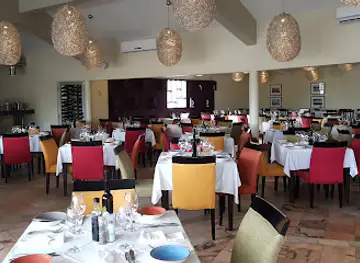
Zambi
Discover Zambi: A premier dining destination in Maputo offering exquisite cuisine and exceptional service for an unforgettable experience.
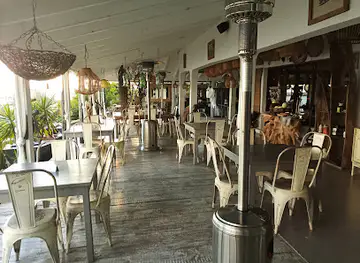
Dhow
Experience the fusion of culinary excellence and artistic expression at Dhow, Maputo's premier restaurant and art gallery.

Best bars in Maputo City
Top-rated picks
Best Bars
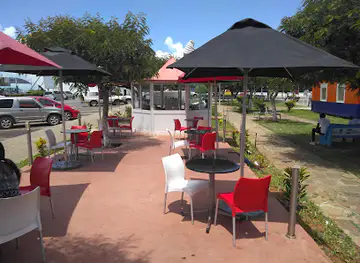
Xima Bar
Experience the vibrant nightlife at Xima Bar, a must-visit destination in Maputo featuring a lively atmosphere and diverse beverage offerings.
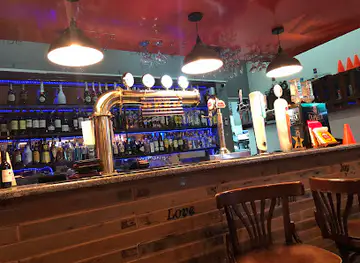
The Backroom
Experience the vibrant nightlife of Maputo at The Backroom, where delicious barbecue meets live music in a lively atmosphere.

Elvis Pool Bar
Experience vibrant nightlife and refreshing cocktails at Elvis Pool Bar, the perfect spot to relax and socialize in Maputo's tropical setting.
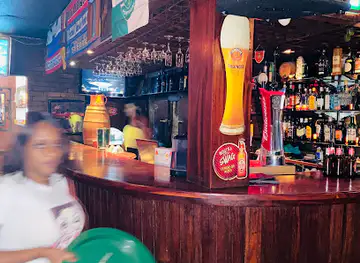
Gypsy's Bar
Discover the lively Gypsy's Bar in Maputo, a vibrant hotspot for cocktails and camaraderie amidst the city's rich culture.

Best nightclubs in Maputo City
Top-rated picks
Best Nightclubs

Opium
Experience the vibrant nightlife of Maputo at Opium, where electrifying music and a lively atmosphere create unforgettable nights out.

Gypsy's Bar
Experience the vibrant nightlife of Maputo at Gypsy's Bar, where local culture meets a lively atmosphere and delicious cocktails.

Gil-Vicente Café-Bar
Discover the heart of Maputo at Gil-Vicente Café-Bar, where drinks, music, and good company create unforgettable moments.

Matchedje Club
Dive into the vibrant nightlife of Maputo at Matchedje Club, where music and fun come together in an unforgettable experience.

Best shops in Maputo City
Top-rated picks
Best Shops

Maputo Shopping Centre
Explore the Maputo Shopping Centre for a unique blend of shopping, dining, and entertainment in the heart of Mozambique's capital.

Baía Mall
Experience the vibrant shopping atmosphere and culinary delights at Baía Mall, a top destination in Maputo for tourists and locals alike.

Marés Shopping
Explore Marés Shopping Mall, a lively retail paradise in Maputo featuring diverse shops, dining, and entertainment for an unforgettable experience.

Central Market
Discover the vibrant culture and local flavors at Central Market in Maputo, a must-visit for every tourist seeking authenticity.

Explore Maputo City on the Map
A handpicked selection of must-see spots in Maputo City, mapped for you.
Maputo City Essentials
-
Maputo City can be reached via Maputo International Airport (MPM), which serves as the main gateway for international and domestic flights. Airlines such as South African Airways, TAP Air Portugal, and Ethiopian Airlines operate regular flights to Maputo. From the airport, you can take a taxi or arrange for a shuttle service to your accommodation. Alternatively, Maputo is accessible by bus from neighboring countries like South Africa, Eswatini, and Zimbabwe.
-
Maputo City offers various transportation options including metered taxis, ride-sharing services like Uber, and local 'chapas' (minibuses). Chapas are the most economical but can be crowded and less comfortable. For a more convenient experience, renting a car is a viable option, though driving in Maputo can be challenging due to traffic and road conditions. Bicycle rentals are also available for those who prefer to explore at a slower pace.
-
The official currency of Mozambique is the Mozambican Metical (MZN). Credit cards are accepted in major hotels, restaurants, and shops, but cash is still widely used, especially in smaller establishments and markets. ATMs are readily available in Maputo, and it is advisable to carry some cash in local currency for convenience. Ensure you notify your bank about your travel plans to avoid issues with card transactions.
-
Maputo is generally safe for tourists, but it is important to remain vigilant. Areas such as the Central Market, the Baixa district, and certain parts of the beachfront can be hotspots for petty theft and pickpocketing. It is recommended to avoid walking alone at night and to use reputable taxi services. Keep your belongings secure and be cautious when withdrawing money from ATMs. Avoid displaying expensive items such as jewelry and electronics.
-
In case of an emergency, dial 112 for immediate assistance. Maputo has several hospitals and clinics, including the Hospital Central de Maputo, which is the largest public hospital in the city. It is advisable to have travel insurance that covers medical emergencies. For minor health issues, pharmacies are widely available. The local police can be reached at 119 for non-medical emergencies. Keep emergency contact numbers handy during your stay.
-
Fashion: Do dress modestly, especially when visiting religious sites or rural areas. Avoid overly revealing clothing. Religion: Do respect local customs and traditions. It is advisable to ask for permission before taking photos in religious sites. Public Transport: Do be patient and courteous when using chapas. Don't expect strict adherence to schedules. Greetings: Do greet people with a handshake and a friendly smile. A polite greeting in Portuguese, such as 'Bom dia' (Good morning), is appreciated. Eating & Drinking: Do try local dishes like peri-peri chicken and matapa. Don't drink tap water; opt for bottled water.
-
To experience Maputo like a local, visit the Mercado Central (Central Market) for fresh produce and artisanal goods. Take a stroll along the Marginal, a scenic coastal road, and enjoy the vibrant street life. Engage with locals at the FEIMA arts and crafts market, where you can find unique souvenirs. Don't miss the opportunity to explore the historic Bairro Mafalala, which offers a glimpse into the cultural and historical fabric of the city. Try to learn a few basic phrases in Portuguese to enhance your interactions with locals.
When is the best time to visit Maputo City?
Useful Local Phrases for Maputo City
You don't need to speak the language perfectly. Even learning a few simple words can make conversations warmer—and locals usually appreciate the effort.
— Eve

Here are the phrases I use most often in Maputo City. Try a few—you'll be surprised how far they go! 😊
❤️
-
- HelloOlá
[oh-LAH] - GoodbyeAdeus
[ah-DAY-oos] - YesSim
[seem] - NoNão
[now] - Please/You're welcomePor favor/De nada
[poor fah-VOR/day NAH-dah] - Thank youObrigado/Obrigada
[oh-bree-GAH-do/oh-bree-GAH-dah] - Excuse me/SorryDesculpe
[des-KOOL-pay] - How are you?Como você está?
[KOH-moo vo-SEH eh-STAH] - Fine. And you?Bem. E você?
[BANG. eh vo-SEH] - Do you speak English?Você fala inglês?
[vo-SEH FAH-lah in-GLEZ] - I don't understandEu não entendo
[eh-OO now en-TEN-do]
- HelloOlá
-
- I'd like to see the menu, pleaseGostaria de ver o menu, por favor
[goh-stah-REE-ah jeh VEHR oo meh-NOO, poor fah-VOR] - I don't eat meatEu não como carne
[eh-OO now KOH-mo KAR-nee] - Cheers!Saúde!
[sah-OO-deh] - I would like to pay, pleaseGostaria de pagar, por favor
[goh-stah-REE-ah jeh pah-GAR, poor fah-VOR]
- I'd like to see the menu, pleaseGostaria de ver o menu, por favor
-
- Help!Ajuda!
[ah-ZHOO-dah] - Go away!Vá embora!
[vah em-BOH-rah] - Call the Police!Chame a polícia!
[SHAH-meh ah poh-LEE-syah] - Call a doctor!Chame um médico!
[SHAH-meh oom MEH-dee-koh] - I'm lostEstou perdido
[eh-STOH per-DEE-doo] - I'm illEstou doente
[eh-STOH do-EHN-tay]
- Help!Ajuda!
-
- I'd like to buy...Gostaria de comprar...
[goh-stah-REE-ah jeh kom-PRAR] - I'm just lookingEstou apenas a olhar
[eh-STOH ah-PEH-nahs ah oh-YAR] - How much is it?Quanto custa?
[KWAHN-toh KOOS-tah] - That's too expensiveÉ muito caro
[eh MOY-toh KAH-roh] - Can you lower the price?Pode baixar o preço?
[POH-jeh BYE-shar oo PREH-soh]
- I'd like to buy...Gostaria de comprar...
-
- What time is it?Que horas são?
[kee OH-ras sah-OHN] - It's one o'clockÉ uma hora
[eh OO-mah OH-rah] - Half past (10)Dez e meia
[dehz eh MAY-ah] - MorningManhã
[mahn-YAH] - AfternoonTarde
[TAR-deh] - EveningNoite
[NOY-tay] - YesterdayOntem
[ON-tem] - TodayHoje
[OH-zhay] - TomorrowAmanhã
[ah-mahn-YAH] - 1Um
[oom] - 2Dois
[doyz] - 3Três
[trays] - 4Quatro
[KWAH-troh] - 5Cinco
[SEEN-koh] - 6Seis
[says] - 7Sete
[SEH-teh] - 8Oito
[OY-toh] - 9Nove
[NOH-veh] - 10Dez
[dehz]
- What time is it?Que horas são?
-
- Where's a/the...?Onde está um/a...?
[ON-deh eh-STAH oom/ah] - What's the address?Qual é o endereço?
[kwal eh oo in-deh-REH-soh] - Can you show me (on the map)?Pode me mostrar (no mapa)?
[POH-jeh meh mohs-TRAR (no MAH-pah)] - When's the next (bus)?Quando é o próximo (ônibus)?
[KWAN-doo eh oo PROH-see-mo (OH-nee-boos)] - A ticket (to ....)Um bilhete (para ....)
[oom bee-LYEH-teh (PAH-rah)]
- Where's a/the...?Onde está um/a...?
History of Maputo City
-
Maputo, originally known as Lourenço Marques, has a rich history that dates back to the 18th century when Portuguese traders established a settlement here. The area was initially inhabited by the Tsonga people, who engaged in trade with the Portuguese. Lourenço Marques, a Portuguese trader, was instrumental in mapping the region in the 1540s, leading to the city being named after him. The Portuguese established a fort in the 1780s, cementing their presence in the area.
-
In 1898, the settlement of Lourenço Marques was declared the capital of Portuguese East Africa, replacing Ilha de Moçambique. This marked the beginning of rapid urban development and infrastructure improvements. The city became an important port and commercial hub due to its strategic location on the Indian Ocean, facilitating trade routes between Europe, Africa, and Asia.
-
During the early to mid-20th century, Lourenço Marques experienced a construction boom, with Art Deco structures, modernist buildings, and wide avenues being built. The city's architecture reflected a blend of European styles and African influences, creating a unique cultural landscape. The Central Railway Station, designed by Gustav Eiffel, and the Polana Hotel are notable architectural landmarks from this period.
-
The struggle for Mozambican independence significantly impacted Lourenço Marques. The city was a focal point for nationalist movements, with the Frente de Libertação de Moçambique (FRELIMO) leading the charge against Portuguese colonial rule. After a protracted liberation struggle, Mozambique gained independence on June 25, 1975. Lourenço Marques was renamed Maputo, after the Maputo River, symbolizing a break from its colonial past.
-
Following independence, Maputo faced numerous challenges, including economic difficulties and the Mozambican Civil War (1977-1992). The city's infrastructure suffered, and many Portuguese settlers left, leading to a significant demographic shift. Despite these hardships, Maputo remained the political and cultural heart of Mozambique, gradually rebuilding and modernizing in the post-war period.
-
In recent decades, Maputo has experienced a cultural and economic renaissance. The city has embraced its diverse heritage, with vibrant music, art, and food scenes that reflect its multicultural history. The annual Maputo International Music Festival and the burgeoning art districts highlight the city's cultural resurgence. Modern developments, including new commercial centers and improved infrastructure, have transformed Maputo into a bustling metropolis, attracting tourists and investors alike.
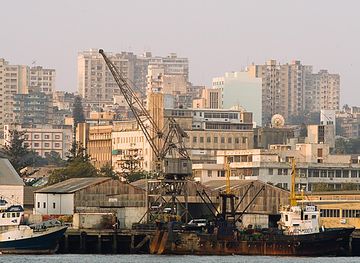
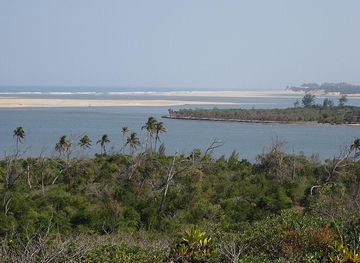
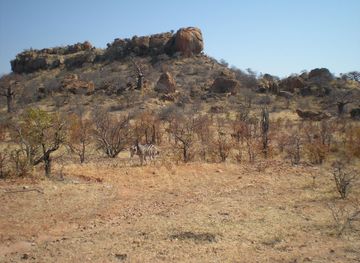
Neighbouring Regions of Maputo City
The closest regions to Maputo City, if you have time for more than one.



Your all‑in‑one travel companion app
Explore expert travel guides, compare and book tours, experiences, hotels, and more—all from the palm of your hand. Download now for seamless trip planning wherever your wanderlust takes you.


Explore More of Mozambique

Looking beyond Maputo City? Discover Mozambique for broader travel guides, local hot-spots, and regional highlights.
Explore MozambiqueMaputo City in Photos
Browse through our photo collection highlighting the charm and character of the destination.


Maputo City: The Vibrant Heart of Mozambique
Maputo City, the capital of Mozambique, is a bustling metropolis teeming with cultural richness and historical significance. Known for its lively atmosphere, Maputo offers a unique blend of African, Portuguese, and colonial influences that can be seen in its architecture, cuisine, and everyday life. The city's wide boulevards, lined with acacia and jacaranda trees, provide a picturesque backdrop for exploring its many attractions. One must-visit site is the Central Market, where you can immerse yourself in the local culture and sample fresh produce, spices, and seafood. For a deeper dive into the city's history, the National Art Museum and the Natural History Museum offer fascinating exhibits. Maputo's coastline is equally captivating, with beautiful beaches like Ponta d’Ouro and Catembe just a short drive away, perfect for relaxing under the sun or engaging in water sports. Maputo's vibrant nightlife and dining scene are not to be missed. From upscale restaurants serving fusion cuisine to street vendors offering local delicacies, there's something to satisfy every palate. The city's live music venues and bars come alive after dark, offering a chance to experience Mozambique's rich musical heritage. Whether you're exploring its historical sites, relaxing by the beach, or enjoying its nightlife, Maputo City promises an unforgettable experience.