

Free Kachin State Travel Guide & Mobile App
Explore Kachin State with free travel guides. Discover regional history, expert tips, proposed trips, and audio guides on web or mobile app.


Kachin State combines Myanmar’s northern mountains, Irrawaddy headwaters, Indawgyi Lake and distinctive Kachin cultural traditions.
Read more about Kachin State
When is the best time to visit Kachin State?
Best: February–March, November · 22–26°C| Month | High (°C) | Rainfall (mm) |
|---|---|---|
| January | 20 | 20 |
| February (best) | 22 | 30 |
| March (best) | 26 | 50 |
| April | 29 | 80 |
| May | 30 | 140 |
| June | 30 | 300 |
| July | 29 | 400 |
| August | 29 | 400 |
| September | 29 | 300 |
| October | 28 | 150 |
| November (best) | 24 | 60 |
| December | 20 | 20 |
Getting to and around Kachin State
How to get there
Transportation
Best attractions in Kachin State
Kachin State’s attractions are primarily landscapes, living cultures and carefully arranged journeys rather than a dense sequence of conventional visitor sites. Myitkyina offers markets, riverside scenes, churches and an introduction to the region’s Kachin communities, while Bhamo reflects the older importance of upper Irrawaddy trade. Around Putao, permitted excursions may lead towards forested valleys, highland villages and mountain trekking routes, although access beyond the town is controlled and conditions can be strenuous. Indawgyi Lake is the state’s most important nature destination, with wetlands, forest, freshwater habitats and rural settlements around one of Myanmar’s largest lakes; visits should be arranged only after checking current security and transport conditions. The northern mountains, including the Hkakabo Razi area, have exceptional geographical importance but are not a casual sightseeing destination. Cultural attractions include Kachin music, weaving, churches, markets and Manau traditions, with festivals and ceremonies subject to local arrangements. Mining landscapes, especially around Hpakant, are historically significant but hazardous and generally inappropriate for tourism.
-
Park
Kachin National Manau Park
Explore Kachin National Manau Park: A serene escape into nature and the vibrant culture of Myitkyina, Myanmar.
-
Wildlife refuge
Hukaung Valley Tiger Reserve
Discover the majestic Bengal tiger and diverse wildlife at Hukaung Valley Tiger Reserve, a pristine wilderness in Myanmar's heart.


Best landmarks in Kachin State
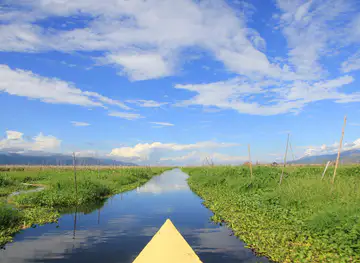
The confluence of the Mali Hka and N’Mai rivers near Myitkyina is one of Kachin State’s defining geographical landmarks, marking the formation of the Irrawaddy and illustrating the importance of rivers to northern Myanmar. Indawgyi Lake is another major natural landmark, its broad freshwater surface framed by forest, wetlands and hills and recognised as a UNESCO Biosphere Reserve. The highland landscapes around Putao provide access, where authorised, to the northern mountain systems that culminate in the Hkakabo Razi region, among Southeast Asia’s most elevated and remote terrain. Bhamo’s position on the upper Irrawaddy gives the town historical landmark value as a river-trade gateway, even though its built heritage is less monumental than that of Myanmar’s principal historic cities. Kachin churches, Manau grounds and ceremonial posts are important cultural markers, but their significance depends on community context and respectful access. The extraction landscapes of Hpakant are also visually and historically consequential, though they should not be approached as visitor attractions because of security, environmental and industrial hazards.
-
Historical landmark
Jaw Masat Bum (ဂျော်ဘွမ်)
Explore Jaw Masat Bum, a historical landmark in Myitkyina, Myanmar, where rich heritage meets serene beauty.
-
Historical landmark
တနိုင်းမြို့နယ် ပယင်းမှော်
Explore the rich history of Inzutzut at this stunning historical landmark, showcasing the architectural beauty and cultural heritage of Myanmar.


Explore Kachin State on the map
Plan your trip on one map. See where the top cities, national parks and sights are, and book hotels and experiences in a few clicks.
Best hotels in Kachin State
Best restaurants in Kachin State
Dining in Kachin State is practical, regional and closely connected to markets and household cooking rather than an established fine-dining circuit. In Myitkyina and Bhamo, visitors can find Burmese staples alongside Kachin and Shan-influenced dishes, including rice, noodles, grilled meats, freshwater fish, leafy vegetables, herbs and broths. Bamboo shoots, mushrooms and other forest or garden ingredients appear in seasonal cooking, while spice, fermentation and charcoal grilling give many dishes a distinctive northern character. Small tea shops and family-run restaurants are useful places for breakfast, noodles and simple meals, though menus may not be available in English. Around Indawgyi Lake, food is generally based on locally available fish, rice and vegetables, with choice limited by remoteness. Carry suitable provisions on trekking or rural journeys, use bottled or treated water, and confirm ingredients carefully if allergies or dietary restrictions are important.
-
Restaurant
Summer House
Discover the essence of Kachin cuisine at Summer House in Myitkyina - where tradition meets flavor in every dish.
-
Restaurant
Lung Ga Pa Kachin Restaurant
Savor authentic Kachin cuisine at Lung Ga Pa Restaurant while enjoying picturesque riverside views in Myitkyina.
-
Coffee shop
Pizza Korner
Discover delightful pizzas and aromatic coffee at Pizza Korner, your cozy retreat along Myitkyina's scenic riverside.
-
Restaurant
Unique Myanmar Restaurant
Experience authentic Burmese and Chinese cuisine at Unique Myanmar Restaurant in Mandalay's lively Chanayethazan township.


Best bars in Kachin State
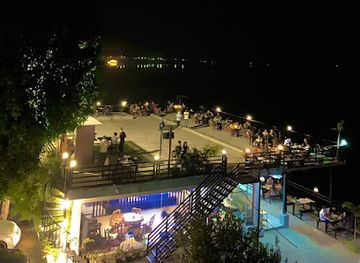
Kachin State does not have a large, nationally known nightclub scene. Evening life in Myitkyina and Bhamo centres on tea shops, casual restaurants, beer stations and modest local bars, with activity generally winding down earlier than in Myanmar’s largest cities. Live music, community gatherings and church or cultural events may be more significant than formal clubbing, but schedules and access can change. In Putao and around Indawgyi Lake, evenings are usually quiet and shaped by guesthouse meals, conversation and the need to prepare for early travel or outdoor activities. Visitors should follow local advice about curfews, alcohol, photography and public behaviour, particularly in smaller communities and conflict-affected areas. Do not assume that a venue or event mentioned online is currently operating.
-
Bar
K7 Bar&Restaurant
Experience the vibrant nightlife at K7 Bar&Restaurant, Myitkyina's hotspot for delicious drinks and local entertainment.
-
Karaoke bar
Happy Entertainment
Experience the joy of singing at Happy Entertainment, Myitkyina's premier karaoke bar, where fun and music come together.
-
Bar
The White House
Discover the vibrant nightlife of Myitkyina at The White House, a lively bar known for its welcoming atmosphere and extensive drink selection.
-
Bar
Dragon City Bar-BBQ& Restaurants
Enjoy authentic Myanmar barbecue delights at Dragon City Bar-BBQ & Restaurants, where flavor meets culture in Myitkyina.


Best nightclubs in Kachin State
Kachin State does not have a large, nationally known nightclub scene. Evening life in Myitkyina and Bhamo centres on tea shops, casual restaurants, beer stations and modest local bars, with activity generally winding down earlier than in Myanmar’s largest cities. Live music, community gatherings and church or cultural events may be more significant than formal clubbing, but schedules and access can change. In Putao and around Indawgyi Lake, evenings are usually quiet and shaped by guesthouse meals, conversation and the need to prepare for early travel or outdoor activities. Visitors should follow local advice about curfews, alcohol, photography and public behaviour, particularly in smaller communities and conflict-affected areas. Do not assume that a venue or event mentioned online is currently operating.
-
Disco club
Pioneer
Experience the vibrant nightlife of Yangon at Pioneer, the ultimate disco club for dancing, drinks, and unforgettable memories.
-
Disco club
Emperor
Experience the pulsating nightlife of Yangon at Emperor, where vibrant music and lively crowds create unforgettable memories.
-
Disco club
Club 5
Unleash your nightlife spirit at Club 5, Yangon's premier disco club, where music, dance, and vibrant energy converge.
-
Bar
K7 Bar&Restaurant
Discover Myitkyina at K7 Bar & Restaurant, where local culture meets international cuisine in a vibrant atmosphere.



Best shops in Kachin State
Shopping in Kachin State is concentrated in the markets and commercial streets of Myitkyina and Bhamo, where visitors may find clothing, household goods, snacks, textiles and locally prepared foods rather than a large luxury-retail sector. Woven fabrics, traditional dress elements and small handicrafts can provide more meaningful souvenirs when bought directly from established, reputable makers. Kachin State is internationally associated with jade from Hpakant and amber from the northern Hukawng Valley, but mining is linked to serious environmental, social and safety concerns; buyers should demand lawful provenance and avoid purchasing unverified stones, raw minerals or antiquities. Local food products, tea, dried ingredients and packaged snacks are easier to transport, subject to customs and agricultural rules. Rural markets may operate on particular days and may be inaccessible during periods of insecurity or bad weather, so confirm arrangements locally rather than relying on old listings.
-
Bakery
Lucky Bakery Shop
Discover the charm of Lucky Bakery Shop in Myitkyina, a bakery offering a delicious array of freshly baked goods in a cozy atmosphere.
-
Shopping mall
Unity Stationery, Fancy & Gift Shop
Discover a vibrant selection of stationery and unique gifts at Unity Stationery in Myitkyina, where creativity meets local craftsmanship.
-
 Electronics store
360 Degree Mobile & Electronic ( II )
Explore the latest in mobile technology at 360 Degree Mobile & Electronic, the premier electronics store in Myitkyina, Myanmar.
-
Wholesale jeweler
Gems and Jewellery Trade Centre, Myitkyina
Explore exquisite handcrafted jewelry and unique gemstones at Myitkyina's Gems and Jewellery Trade Centre, a treasure for every traveler.


Get your free copy of our complete guide to Kachin State, delivered straight to you.
Everything on this page, from attractions and restaurants to essentials and local phrases, in one PDF you can read offline, print or share.
Already have an account? Sign in
Your Kachin State guide is ready.
We'll send it to · Not you? Sign out

Getting your guide ready…
We are putting together a fresh copy of the Kachin State guide. This can take up to a minute.
This can take a few moments. If your browser asks, choose Allow so the download can start. You'll find the guide in your Downloads folder.
Nothing happened? Download it again
Sorry, the guide is taking longer than usual. Please try again in a minute, or get it by email instead.
Kachin State essentials
Currency and Payment
Safety
Emergency Situations
Do's and Don'ts
Local Tips
From Eve
Local phrases worth knowing
You don't need to get them perfect. A few words go a long way, and locals appreciate the effort.
Basics
| English | Local | Say it |
|---|---|---|
| Hello | မင်္ဂလာပါ | [mingalarpar] |
| Goodbye | သွားမယ် | [thwar mal] |
| Yes | ဟုတ်ကဲ့ | [hote ke] |
| No | မဟုတ်ဘူး | [ma hote bu] |
| Please/You're welcome | ကျေးဇူးပြုပါ | [kyeizu pyu ba] |
| Thank you | ကျေးဇူးအထူး | [kyeizu a htu] |
| Excuse me/Sorry | တောင်းပန်ပါတယ် | [taung pan pa de] |
| How are you? | နေလား | [ne lai] |
| Fine. And you? | အေးပါတယ်။ နင်လဲ? | [e par de. nin le?] |
| Do you speak English? | အင်္ဂလိပ်စကားပြောလား? | [English sa kar pyaw la?] |
| I don't understand | နားမလည်ဘူး | [na ma le bu] |
Eating & Drinking
| English | Local | Say it |
|---|---|---|
| I'd like to see the menu, please | မီနူးကိုကြည့်ချင်ပါတယ် | [menu ko kyay chin par de] |
| I don't eat meat | သားမစားပါ | [tha ma sa par] |
| Cheers! | ကျန်းမာရေးအတွက် | [kyaung ma ye a twet] |
| I would like to pay, please | ငွေပေးချင်ပါတယ် | [ngwe pay chin par de] |
Emergencies
| English | Local | Say it |
|---|---|---|
| Help! | ကူညီပါ! | [ku nyi par!] |
| Go away! | သွားပါ! | [thwar par!] |
| Call the Police! | ရဲတပ်ဖွဲ့ကိုခေါ်ပါ! | [ye tat phwe ko khaw par!] |
| Call a doctor! | ဆရာဝန်ကိုခေါ်ပါ! | [saya win ko khaw par!] |
| I'm lost | ရှုပ်ရှင်းနေတယ် | [shoh shin nay de] |
| I'm ill | ကျွန်တော်မကျန်းမာဘူး | [kyaung taw ma kyaung ma bu] |
Shopping
| English | Local | Say it |
|---|---|---|
| I'd like to buy... | ဝယ်ချင်ပါတယ်... | [we chin par de...] |
| I'm just looking | ကျွန်တော်ကြည့်နေပါသည် | [kyaung taw kyay nay par de] |
| How much is it? | ဒါဘယ်လောက်လဲ? | [da be lauk le?] |
| That's too expensive | ဒါကျွန်တော်ထင်ရင်တောင် | [da kyaung taw htine yin taung] |
| Can you lower the price? | ဈေးနည်းပေးနိုင်မလား? | [zei nai pay naing ma la?] |
Time & Numbers
| English | Local | Say it |
|---|---|---|
| What time is it? | မနက်ပိုင်းဘယ်ဝါချိန်လဲ? | [ma nat pain be wa chain le?] |
| It's one o'clock | တစ်နာရီလောက်ဖြစ်တယ် | [ta na yi laut phit de] |
| Half past (10) | ၁၀ နာရီခွဲ | [10 na yi khwe] |
| Morning | မနက် | [ma nat] |
| Afternoon | နေ့လယ် | [nay le] |
| Evening | ည | [nya] |
| Yesterday | မနေ့က | [ma nay ka] |
| Today | ယနေ့ | [ya nay] |
| Tomorrow | မနက်ဖြန် | [ma nat phyan] |
| 1 | ၁ | [1] |
| 2 | ၂ | [2] |
| 3 | ၃ | [3] |
| 4 | ၄ | [4] |
| 5 | ၅ | [5] |
| 6 | ၆ | [6] |
| 7 | ၇ | [7] |
| 8 | ၈ | [8] |
| 9 | ၉ | [9] |
| 10 | ၁၀ | [10] |
Transport & Directions
| English | Local | Say it |
|---|---|---|
| Where's a/the...? | ဘယ်မှာလဲ...? | [be mar le...?] |
| What's the address? | လိပ်စာဘယ်လိုလဲ? | [leip sa be lo le?] |
| Can you show me (on the map)? | မြေပုံပေါ်မှာပြပေးနိုင်မလား? | [myei phone paw hma pyaw pay naing ma la?] |
| When's the next (bus)? | နောက်ဆုံးဘယ်တော့လဲ? | [naung hso be taw le?] |
| A ticket (to ....) | လက်မှတ် (သို့...) | [let hmat (tho...)] |
History of Kachin State
Early Peoples and Northern River Valleys
Kachin State’s history developed through interconnected river valleys, mountain passes and upland communities rather than around one centralised kingdom. Kachin peoples traditionally organised social life through clan networks and settlements adapted to highland farming, hunting and trade. The N’Mai and Mali Hka rivers, together with routes towards Yunnan and Assam, linked the region to wider commercial and cultural worlds. Archaeological evidence and historical traditions point to long-standing movement and exchange, although the remote terrain means that many parts of the region remain less documented than central Myanmar.
Bhamo and the Irrawaddy Trade
Bhamo became an important trading settlement because of its position on the upper Irrawaddy and its connections towards China. Goods, people and political influence moved through the town and surrounding river corridors, making the area a meeting point between the Burmese interior, Yunnan and northern uplands. River transport remained central to the region’s economy into the colonial era. Bhamo’s historical importance is therefore tied less to monumental architecture than to its role as a gateway, market and staging point on difficult north–south routes.
British Annexation and Colonial Frontier Administration
After the Third Anglo-Burmese War, Britain annexed Upper Burma in 1885 and gradually extended administrative influence into the northern frontier. Colonial rule treated many upland areas differently from the central plains, relying on a mixture of military posts, local intermediaries and limited administration. Roads, river transport and later extraction networks altered older patterns of movement. The period also saw the arrival and expansion of Christian missions among several Kachin communities, leaving a significant religious and educational legacy that remains visible in parts of the state.
The Second World War and the Northern Front
Kachin State became a major theatre of the Second World War after Japanese forces occupied much of Burma. Allied operations in the north relied on Kachin scouts and fighters familiar with the terrain, while the Ledo Road and the Burma Road formed parts of the wider effort to supply China. Fighting, forced movement and disruption affected communities throughout the mountains and river valleys. The war’s legacy survives in military histories of the northern front, although many battle locations are remote, difficult to access and not developed as conventional tourist sites.
Panglong, Independence and Federal Aspirations
In 1947, representatives of several frontier peoples met with General Aung San at Panglong in Shan State, producing an agreement associated with promises of autonomy and participation in a future Union of Burma. Kachin representatives were part of this wider constitutional debate. Independence followed in 1948, but disagreements over federal arrangements, authority and resource control remained unresolved. These questions continue to shape political discussion in Kachin State and are essential context for understanding its modern identity.
Kachin Conflict Since 1961
Armed conflict between the Myanmar state and the Kachin Independence Organisation and its armed wing, the Kachin Independence Army, intensified from 1961, after earlier hopes for a federal settlement had broken down. Ceasefires have been established and collapsed at different times, and fighting has displaced civilians and restricted access across large parts of the state. The conflict has also left unexploded ordnance, checkpoints and damaged infrastructure. Visitors should understand that security conditions are political and fluid rather than treating restricted areas as ordinary adventure destinations.
Jade, Amber and the Modern Resource Economy
Kachin State contains major deposits of jade, particularly around Hpakant, as well as amber and other mineral resources. Mining has generated substantial wealth but has also contributed to environmental degradation, dangerous working conditions, landslides, displacement and disputes over control and revenue. Timber extraction, hydropower proposals and large infrastructure projects have brought further controversy, especially where they affect rivers, forests and local communities. Resource politics remains one of the most consequential forces shaping contemporary Kachin State, while mining areas are generally unsuitable and often unsafe for tourism.
Kachin State in Photos
Browse through our photo collection highlighting the charm and character of the destination.
Neighbouring regions of Kachin State
The closest regions to Kachin State, if you have time for more than one.
-

-
-

-

-


Swipe for more regions
Explore more

Explore more of Myanmar (Burma)
Discover Myanmar: A land of golden pagodas, ancient temples, and breathtaking natural beauty, where warm hospitality and rich culture await every traveler.
Explore Myanmar (Burma)