

Shan Plateau, Myanmar (Burma) Travel Guide
Discover the Shan Plateau in Myanmar: A blend of stunning landscapes, rich culture, and unique culinary delights. Perfect for nature lovers and adventure seekers.
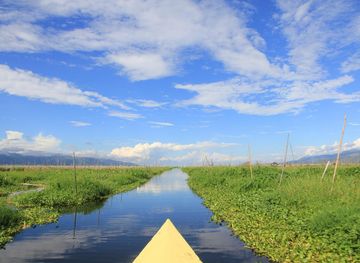
The Shan Plateau in Myanmar is a highland wonderland located in the eastern part of the country. Known for its stunning landscapes, the plateau is a paradise for nature lovers and adventure seekers. The region is dotted with rolling hills, lush green valleys, and serene lakes. One of the main attractions is Inle Lake, famous for its floating gardens and unique leg-rowing fishermen. The clear waters of the lake reflect the surrounding mountains, creating a picturesque scene that is perfect for photography. The Shan Plateau is also rich in culture and history. The area is home to various ethnic groups, each with its own traditions and customs. Visitors can explore local markets, where colorful textiles and traditional crafts are sold. The ancient town of Kakku, with its 2,500 stone stupas, offers a glimpse into the region's spiritual heritage. Hiking and trekking opportunities abound, allowing tourists to connect with the local people and enjoy the breathtaking scenery. Food enthusiasts will find the Shan Plateau a culinary delight. The local cuisine, which includes Shan noodles and tea leaf salad, is both flavorful and unique. The region's cool climate is perfect for growing a variety of fruits and vegetables, adding to the freshness and taste of the dishes. A visit to the Shan Plateau promises an unforgettable blend of natural beauty, cultural richness, and gastronomic adventure.

Know before you go
Hi, I'm Eve. Here are a few practical things to know before exploring Shan Plateau.
- Visit during the dry season (November to February) for the best weather and clear skies.
- Carry cash, as ATMs can be scarce in remote areas.
- Dress modestly when visiting temples and respect local customs.
- Hire a local guide for trekking to learn more about the culture and history of the region.
- Try the local Shan dishes at village eateries for an authentic culinary experience.
Top City Travel Guides in Shan Plateau
The cities of Shan Plateau, and the easiest places to base yourself.


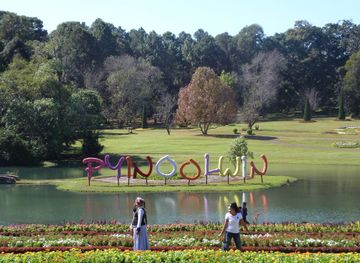

Destinations in Shan Plateau
Resorts, valleys and scenic spots worth a trip of their own.
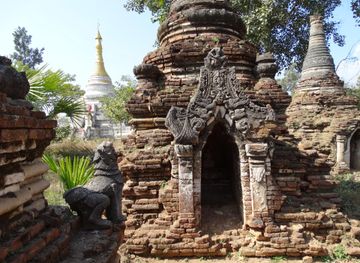
Explore Shan Plateau: Things to Do, Places to Eat, Hotels & More
Handpicked recommendations for top attractions, local dining, accommodations, and more

Top Attractions & Sightseeing in Shan Plateau
Top-rated picks
Best Attractions

Shwedagon Pagoda
Discover the breathtaking Shwedagon Pagoda in Yangon, a spiritual haven and iconic symbol of Myanmar's rich culture and heritage.

Bogyoke Aung San Market
Explore the vibrant Bogyoke Aung San Market in Pabedan, a must-visit for unique crafts, textiles, and local street food delights.

Mahamuni Pagoda
Explore the spiritual heart of Mandalay at Mahamuni Pagoda—home to the revered Mahamuni Buddha and a mesmerizing cultural experience.

Shwemawdaw Pagoda
Explore the spiritual heart of Bago at Shwemawdaw Pagoda, Myanmar's tallest and most revered Buddhist temple adorned in golden splendor.

Best landmarks in Shan Plateau
Top-rated picks
Best Landmarks

Shwedagon Pagoda
Discover the breathtaking beauty and spiritual significance of Shwedagon Pagoda, a must-see gem in the heart of Yangon, Myanmar.

Kyaik Htee Yoe Pagoda
Discover the spiritual beauty and cultural significance of Kyaik Htee Yoe Pagoda, a breathtaking Buddhist shrine in Myanmar's stunning landscape.

Shwezigon Pagoda
Experience the spiritual heart of Myanmar at Shwezigon Pagoda, a breathtaking Buddhist temple brimming with history and cultural significance.

Chaukhtatgyi Buddha Temple
Experience the tranquility of Chaukhtatgyi Buddha Temple, a majestic spiritual site in Yangon, featuring the largest reclining Buddha in Myanmar.

Best restaurants in Shan Plateau
Top-rated picks
Best Restaurants

999 Shan Noodle House
Discover authentic Shan noodles at 999 Shan Noodle House in Yangon – where tradition meets taste in every delicious bowl.

Shan Yoe Yar Restaurant (Manaw Hari)
Experience authentic Myanmar cuisine at Shan Yoe Yar Restaurant in Yangon – where tradition meets taste.

Aye Myit Tar Burmese Resturant
Savor authentic Burmese cuisine at Aye Myit Tar in Mandalay – where every dish tells a story.

Sin Yaw Restaurant
Experience authentic Shan cuisine at Sin Yaw Restaurant in Nyaungshwe—where flavor meets tradition in every dish.

Best bars in Shan Plateau
Top-rated picks
Best Bars

LOTTE HOTEL YANGON
Experience luxury and comfort at Lotte Hotel Yangon, a top destination for travelers seeking elegance in Myanmar's vibrant capital.

Pan Pacific Yangon
Discover the luxury of Pan Pacific Yangon, a five-star hotel in the heart of Yangon, blending modern elegance with rich Burmese culture.
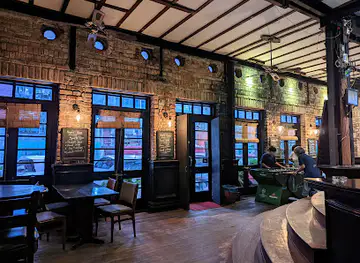
50th Street Restaurant & Bar
Discover the lively 50th Street Restaurant & Bar in Yangon, where local flavors meet a vibrant atmosphere for a memorable dining experience.

Mercure Yangon Kaba Aye
Experience the perfect blend of modern convenience and Burmese tradition at Mercure Yangon Kaba Aye, your home away from home in Yangon.

Best nightclubs in Shan Plateau
Top-rated picks
Best Nightclubs

The Beer Factory Yangon
Discover a lively bar in Yangon offering an extensive selection of beers and delicious cuisine in a vibrant atmosphere perfect for socializing.

7th Joint Bar & Grill
Discover the lively ambiance and delectable cuisine at 7th Joint Bar & Grill in Yangon, a perfect blend of local flavor and vibrant nightlife.

Yangon Yangon Rooftop Bar
Discover the stunning Yangon Rooftop Bar at Sakura Tower, offering breathtaking views, delicious drinks, and a vibrant atmosphere in the heart of the city.

Emperor
Discover the exhilarating nightlife of Yangon at Emperor Disco Club, where great music and vibrant crowds await you.

Best shops in Shan Plateau
Top-rated picks
Best Shops

Myanmar Plaza
Explore Myanmar Plaza: A vibrant shopping hub in Yangon featuring local and international brands, dining options, and cultural experiences.

Junction Square
Explore the vibrant Junction Square in Yangon, where shopping meets culture, offering a unique blend of local and international experiences.

Bogyoke Aung San Market
Immerse yourself in the vibrant colors and flavors of Bogyoke Aung San Market, a cultural treasure trove in the heart of Yangon.

City Mall St. John
Experience the best of shopping and dining at City Mall St. John in Yangon, where local charm meets modern convenience.

Explore Shan Plateau on the Map
A handpicked selection of must-see spots in Shan Plateau, mapped for you.
Shan Plateau Essentials
-
The Shan Plateau is accessible primarily via Heho Airport, which serves as the main gateway to the region. Heho Airport is well connected to major cities in Myanmar like Yangon and Mandalay through frequent domestic flights. From Heho, you can take a taxi or arrange for transportation with your accommodation to reach various destinations within the Shan Plateau. Alternatively, buses and trains from larger cities like Yangon and Mandalay also offer scenic routes to the region.
-
Within Shan Plateau, transportation options vary from taxis and motorbikes to local buses and tuk-tuks. Taxis are convenient but can be relatively expensive compared to other forms of transport. Renting a motorbike is a popular option for more adventurous travelers, offering flexibility to explore remote areas. Local buses are an affordable way to travel between towns, but schedules can be irregular. Hiring a local guide with a vehicle can also be a practical choice for extensive touring.
-
The official currency is the Myanmar Kyat (MMK). While major hotels and some upscale restaurants accept credit cards, it's advisable to carry cash for regular transactions, especially in rural areas. ATMs are available in larger towns like Taunggyi and Nyaung Shwe, but they may charge high fees for international cards. Currency exchange services are also available, but rates can vary, so it's a good idea to exchange money in bigger cities before heading to the Shan Plateau.
-
The Shan Plateau is generally safe for tourists, but it's always important to remain vigilant. Avoid traveling alone at night, especially in less populated areas. Petty crimes like pickpocketing can occur, so keep your belongings secure. Some parts of Shan State have seen ethnic conflicts; always check current travel advisories before visiting. Areas near the borders may have higher crime rates and should be approached with caution.
-
In case of an emergency, dial 199 for police assistance and 192 for medical emergencies. Major towns like Taunggyi have hospitals and clinics, but rural areas may have limited medical facilities. It's highly recommended to have travel insurance that covers medical emergencies. Pharmacies are available in larger towns for minor health issues, but it's wise to carry a basic first aid kit and any necessary prescription medications.
-
Fashion: Do dress modestly. Avoid wearing revealing clothing to respect local customs. Religion: Do remove your shoes and cover your shoulders when entering religious sites. Public Transport: Do be courteous and give up your seat to elderly passengers. Don't eat or drink on public transport. Greetings: Do greet with a slight bow or a smile. Handshakes are common but use both hands for added respect. Eating & Drinking: Do try local foods and accept food offerings graciously. Don't use your left hand to eat or pass food, as it is considered impolite.
-
To experience Shan Plateau like a local, visit the morning markets where you can buy fresh produce and traditional Shan goods. Engage in conversations with locals who are generally friendly and eager to share their culture. Don't miss the opportunity to try Shan noodles, a regional specialty. Visiting the Inle Lake area, known for its floating gardens and unique leg-rowing fishermen, is a must. For a more immersive experience, consider staying in a local guesthouse or participating in community-based tourism initiatives.
When is the best time to visit Shan Plateau?
Useful Local Phrases for Shan Plateau
You don't need to speak the language perfectly. Even learning a few simple words can make conversations warmer—and locals usually appreciate the effort.
— Eve

Here are the phrases I use most often in Shan Plateau. Try a few—you'll be surprised how far they go! 😊
❤️
-
- Helloမင်္ဂလာပါ
[mingalar par] - Goodbyeသွားတော့မယ်
[thwa dor mei] - Yesဟုတ်ပါတယ်
[hote par de] - Noမဟုတ်ပါဘူး
[ma hote par bu] - Please/You're welcomeကျေးဇူးပြုပါ
[kyeizu pyu ba] - Thank youကျေးဇူးတင်ပါတယ်
[kyeizu tin par de] - Excuse me/Sorryပါဝါပါ
[pa wa par] - How are you?နေကြတယ်လား
[nay kja de lar] - Fine. And you?အဆင်ပြေပါတယ်။ နေကြတယ်လား
[a sin pye par de. nay kja de lar] - Do you speak English?အင်္ဂလိပ်စကားပြောလား
[ingalait sa ka pyaw lar] - I don't understandနားမလည်ပါ
[na ma le par]
- Helloမင်္ဂလာပါ
-
- I'd like to see the menu, pleaseမင်္ဂလာပါ။ မီနူးကိုကြည့်ချင်ပါတယ်
[mingalar par. menu ko kja chin par de] - I don't eat meatသားငယ်မစားပါ
[tha nge ma sa par] - Cheers!ကန့်ကန့်လေး
[kan kan lay] - I would like to pay, pleaseငါ့အတွက်ငွေပေးချင်ပါတယ်
[nga a twat ngwe pay chin par de]
- I'd like to see the menu, pleaseမင်္ဂလာပါ။ မီနူးကိုကြည့်ချင်ပါတယ်
-
- Help!ကူညီပါ!
[ku nyi par] - Go away!သွားပါ!
[thwa par] - Call the Police!ရဲတပ်ဖွဲ့ကိုဖုန်းခေါ်ပါ!
[ye tat phwe ko phone khaw par] - Call a doctor!ဆရာဝန်ကိုဖုန်းခေါ်ပါ!
[sayar wun ko phone khaw par] - I'm lostငါလမ်းလွဲနေတယ်
[nga lan lwe nay de] - I'm illငါနာကျင်တယ်
[nga na kyin de]
- Help!ကူညီပါ!
-
- I'd like to buy...ဝယ်ချင်ပါတယ်...
[we chin par de...] - I'm just lookingကြည့်နေတယ်
[kya nay de] - How much is it?ဘယ်လောက်လဲ
[be laut le] - That's too expensiveဒါအလွန်แพ дорогой
[da a lun pye] - Can you lower the price?ဈေးလျော့ပေးနိုင်ပါသလား
[zei lyaw pay nai par tha lar]
- I'd like to buy...ဝယ်ချင်ပါတယ်...
-
- What time is it?ယခုအချိန်ဘယ်တော့လဲ
[ya khu a hkyin be taw le] - It's one o'clockနာရီတစ်လုံး
[na yi ta lone] - Half past (10)နာရီဆယ်နှစ်ဝက်
[na yi hsae hnit wet] - Morningမနက်
[ma nak] - Afternoonနေ့လည်
[nay le] - Eveningညနေ
[nya nay] - Yesterdayမေနွေ
[ma nay] - Todayဒီနေ့
[di nay] - Tomorrowမနက်ဖြန်
[ma nak phyan] - 1၁
[1] - 2၂
[2] - 3၃
[3] - 4၄
[4] - 5၅
[5] - 6၆
[6] - 7၇
[7] - 8၈
[8] - 9၉
[9] - 10၁၀
[10]
- What time is it?ယခုအချိန်ဘယ်တော့လဲ
-
- Where's a/the...?ဘယ်မှာ...သလဲ?
[be hma... tha lar?] - What's the address?လိပ်စာဘာလဲ
[leip sa ba le] - Can you show me (on the map)?မြေပုံမှာပြပါ
[myei pon hma pya ba] - When's the next (bus)?နောက်တစ်ခုဘယ်အချိန်လဲ?
[naut ta hku be a hkyin le?] - A ticket (to ....)လက်မှတ်တစ်ခု
[let hmat ta hku]
- Where's a/the...?ဘယ်မှာ...သလဲ?
History of Shan Plateau
-
The Shan Plateau has been inhabited for thousands of years, with evidence of early human settlements dating back to the Neolithic period. The plateau's fertile lands and strategic location made it a vital area for early agricultural communities and trade routes. The Shan people, believed to have migrated from China, established their presence here and developed distinct cultural and political systems.
-
During the 13th century, the Shan Plateau saw the rise of powerful Shan states, known as 'Saopha', or 'Sawbwa', which means 'Lord of the Sky'. These states were semi-autonomous and often engaged in political and military alliances with neighboring kingdoms such as the Pagan Empire and later the Ava Kingdom. The Shan states played a crucial role in the region's politics, commerce, and culture, showcasing their prowess in warfare and governance.
-
In the 16th century, the Toungoo Dynasty, under King Bayinnaung, conquered the Shan states, integrating them into a unified Burmese empire. Despite this, the Shan people frequently rebelled against the central authority, seeking to regain their independence. The most notable rebellion occurred in the early 17th century, leading to a prolonged period of conflict and instability in the region.
-
The British colonial period brought significant changes to the Shan Plateau. After the annexation of Burma in the late 19th century, the British administration implemented new governance structures, infrastructure projects, and economic policies. The construction of railways and roads improved connectivity, while the introduction of cash crops like tea and opium altered traditional agricultural practices. Despite these developments, the Shan states maintained a degree of autonomy under British suzerainty.
-
During World War II, the Shan Plateau became a battleground as Japanese forces occupied Burma. The Shan people faced hardships under Japanese rule, including forced labor and resource exploitation. The Allied forces, particularly the British and Chinese, launched campaigns to reclaim the region, resulting in significant military operations and local resistance efforts. The end of the war saw the re-establishment of British control, paving the way for Burma's eventual independence.
-
Following Burma's independence in 1948, the Shan Plateau experienced ongoing ethnic conflicts and political instability. Various Shan insurgent groups sought greater autonomy or independence, leading to prolonged clashes with the central government. The signing of the Panglong Agreement in 1947, which promised ethnic minority rights and federalism, remained a contentious issue. Despite numerous ceasefires and peace negotiations, the region continues to grapple with issues of ethnic identity, political representation, and economic development.
-
The Shan Plateau is renowned for its rich cultural heritage and traditions. The Shan people have preserved their unique language, customs, and artistic expressions, including traditional music, dance, and festivals. The region is dotted with historical landmarks, such as ancient pagodas, temples, and palaces, reflecting the area's historical significance. The annual Shan New Year celebration, known as 'Sang Long', is a vibrant event that showcases the cultural vibrancy and communal spirit of the Shan people.
Neighbouring Regions of Shan Plateau
The closest regions to Shan Plateau, if you have time for more than one.



Your all‑in‑one travel companion app
Explore expert travel guides, compare and book tours, experiences, hotels, and more—all from the palm of your hand. Download now for seamless trip planning wherever your wanderlust takes you.


Explore More of Myanmar (Burma)

Looking beyond Shan Plateau? Discover Myanmar (Burma) for broader travel guides, local hot-spots, and regional highlights.
Explore Myanmar (Burma)Shan Plateau in Photos
Browse through our photo collection highlighting the charm and character of the destination.




The Enchanting Shan Plateau: Myanmar's Highland Gem
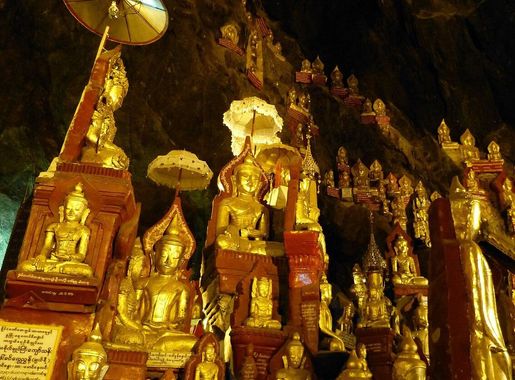
The Shan Plateau in Myanmar is a highland wonderland located in the eastern part of the country. Known for its stunning landscapes, the plateau is a paradise for nature lovers and adventure seekers. The region is dotted with rolling hills, lush green valleys, and serene lakes. One of the main attractions is Inle Lake, famous for its floating gardens and unique leg-rowing fishermen. The clear waters of the lake reflect the surrounding mountains, creating a picturesque scene that is perfect for photography. The Shan Plateau is also rich in culture and history. The area is home to various ethnic groups, each with its own traditions and customs. Visitors can explore local markets, where colorful textiles and traditional crafts are sold. The ancient town of Kakku, with its 2,500 stone stupas, offers a glimpse into the region's spiritual heritage. Hiking and trekking opportunities abound, allowing tourists to connect with the local people and enjoy the breathtaking scenery. Food enthusiasts will find the Shan Plateau a culinary delight. The local cuisine, which includes Shan noodles and tea leaf salad, is both flavorful and unique. The region's cool climate is perfect for growing a variety of fruits and vegetables, adding to the freshness and taste of the dishes. A visit to the Shan Plateau promises an unforgettable blend of natural beauty, cultural richness, and gastronomic adventure.