

Free Shan State Travel Guide & Mobile App
Explore Shan State with free travel guides. Discover regional history, expert tips, proposed trips, and audio guides on web or mobile app.


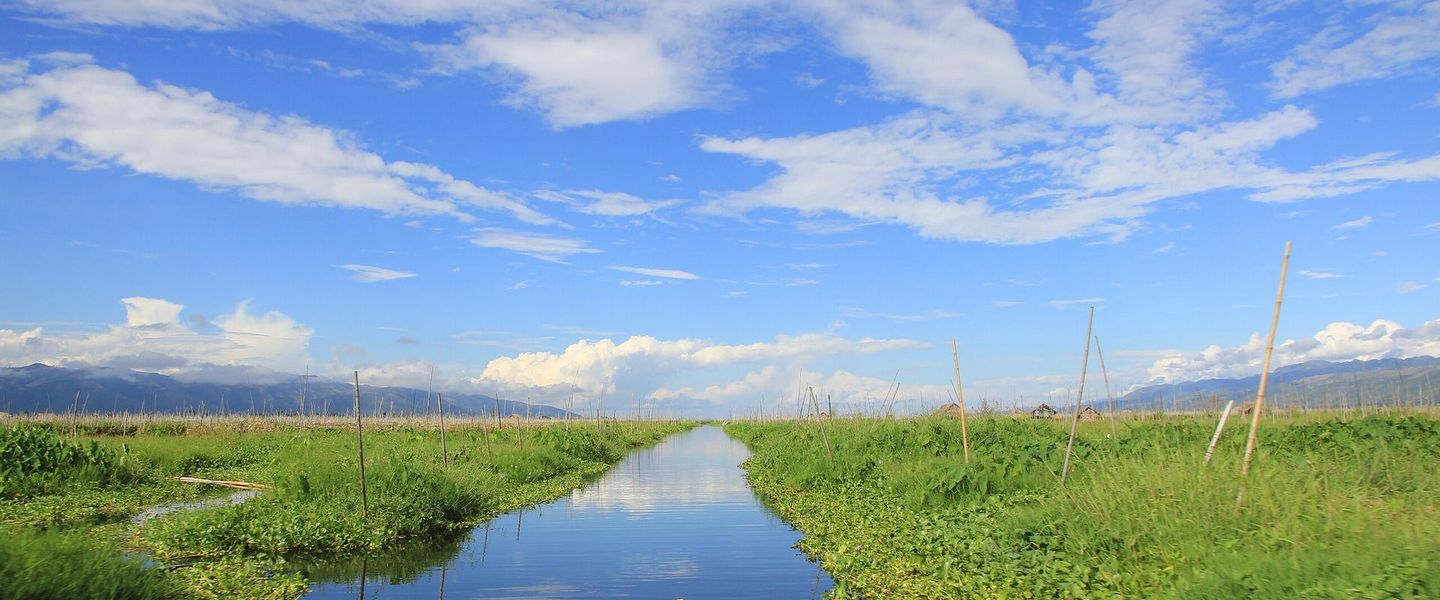


Shan State combines Inle Lake, cool highlands, mountain cultures and Shan cuisine, but travellers must plan carefully around changing security conditions.
Read more about Shan State
When is the best time to visit Shan State?
Best: January–March · 22–27°C| Month | High (°C) | Rainfall (mm) |
|---|---|---|
| January (best) | 22 | 10 |
| February (best) | 24 | 10 |
| March (best) | 27 | 15 |
| April | 30 | 30 |
| May | 32 | 70 |
| June | 29 | 90 |
| July | 27 | 100 |
| August | 27 | 100 |
| September | 26 | 70 |
| October | 24 | 50 |
| November | 22 | 20 |
| December | 21 | 10 |
Getting to and around Shan State
How to get there
Transportation
Top city travel guides in Shan State
The cities of Shan State, and the easiest places to base yourself.
-

-

-

-

-

-


Swipe for more cities
Destinations in Shan State
Resorts, valleys and scenic spots worth a trip of their own.

Swipe for more destinations
Best attractions in Shan State
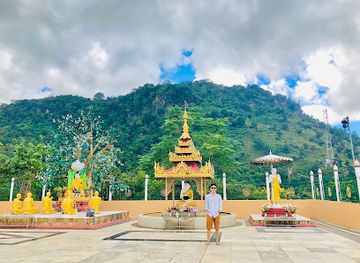
Shan State’s attractions range from the waterways and villages of Inle Lake to highland towns, monasteries, markets and mountain landscapes. Boat journeys around Inle reveal floating gardens, stilted settlements, weaving and blacksmithing traditions, while the surrounding hills offer views across cultivated valleys and access to communities where walks are permitted. Nyaungshwe provides the main base for lake travel, and nearby religious sites include the extensive Shwe Yan Pyay Monastery and the lakeside Phaung Daw Oo Pagoda. Taunggyi adds an elevated urban perspective, with local markets and religious buildings, while Kalaw is associated with pine-covered scenery and guided upland walks. In eastern Shan, Keng Tung has historic religious architecture and a culturally diverse hinterland, although access can be restricted. Northern destinations such as Lashio and Hsipaw have notable landscapes and historical associations but require especially careful security planning. Across the state, the appeal lies less in a single circuit than in contrasts between wetlands, tea-growing slopes, market towns and borderland cultures.
-
Buddhist temple
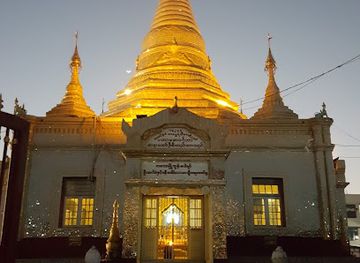
Sulamani Pagoda Taunggyi, Taunggyi
Experience tranquility and cultural richness at the Sulamani Pagoda, a stunning Buddhist temple in Taunggyi with breathtaking views and spiritual significance.
-
Buddhist temple
Shwe Yan Pyay
Explore the serene beauty and rich cultural heritage of Shwe Yan Pyay, an enchanting Buddhist temple in Nyaungshwe, Myanmar.
-
Cultural landmark
Inle Lake
Discover the enchanting beauty of Inle Lake, a cultural jewel in Myanmar, renowned for its leg-rowing fishermen and stunning stilted villages.
-
Museum
Nyaung Shwe Cultural Museum
Explore the Nyaung Shwe Cultural Museum for a deep dive into the rich heritage and traditions of the Shan State, a true reflection of local life.

Best landmarks in Shan State
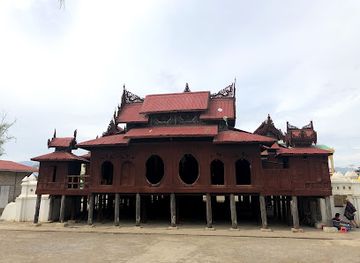
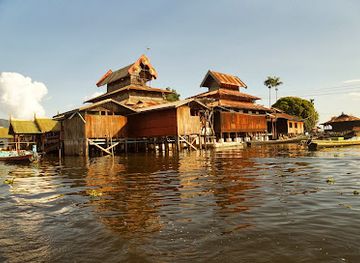
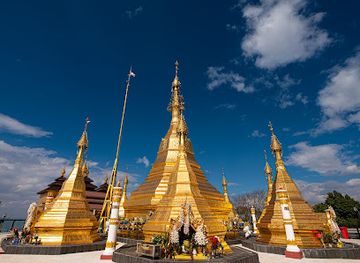
Inle Lake is Shan State’s defining natural landmark, a broad highland wetland whose open water, reed margins, floating gardens and stilt villages form a landscape closely associated with the Intha people. The Phaung Daw Oo Pagoda, one of the lake’s most important religious sites, is a prominent destination for visitors and pilgrims, while Nga Phe Chaung Monastery is known for its timber architecture and lakeside setting. On the approach to Nyaungshwe, Shwe Yan Pyay Monastery is recognised for its oval windows and richly carved wooden structure. Taunggyi’s elevated setting gives it a different visual identity from the lake basin, with pagodas and urban streets spread across the Shan plateau. Kalaw’s former colonial buildings and cool pine surroundings reflect the town’s role as a hill station under British rule. In Keng Tung, historic monasteries and Buddhist monuments preserve the architectural character of an eastern Shan centre, although travel there depends on current security and administrative permissions.
-
Market
Kalaw Town Market
Explore the vibrant Kalaw Town Market: a hub of local culture, fresh produce, and delicious street food, reflecting the spirit of Myanmar's traditions.
-
Buddhist temple
Shwenandaw Buddhist Temple
Discover the elegance of Shwenandaw Buddhist Temple in Mandalay, where intricate wood carvings meet the serene ambiance of Myanmar's spiritual heart.
-
Monastery
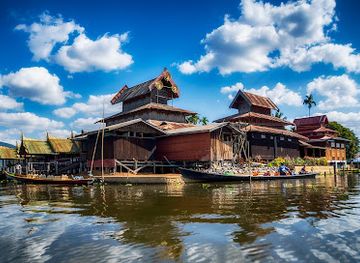
Nga Phe Chaung Monastery
Explore the serene Nga Phe Chaung Monastery on Inle Lake, where spirituality meets unique feline charm in Myanmar's stunning landscapes.
-
Pagoda
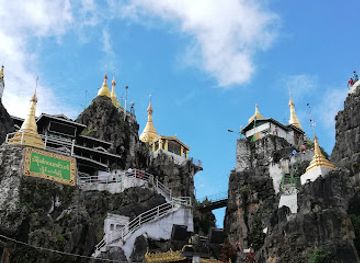
Sri Mingala Taung Taw (Taung Kwe Zedi)
Explore Sri Mingala Taung Taw: A stunning pagoda in Loikaw, Myanmar, blending spirituality with breathtaking natural beauty.
Explore Shan State on the map
Plan your trip on one map. See where the top cities, national parks and sights are, and book hotels and experiences in a few clicks.
Best hotels in Shan State
Best restaurants in Shan State
Shan food is one of the clearest reasons to explore the region’s everyday markets and modest restaurants. Shan-style rice noodles, often served with seasoned meat, herbs and a light broth or sauce, are widely associated with the plateau, while chickpea tofu appears fried, sliced or incorporated into salads. Fermented tea leaves are used in salads and other savoury dishes, and meals commonly include rice, fresh greens, pickles, soups and locally available vegetables. Around Inle Lake, freshwater fish and produce from floating gardens feature in some local cooking, although visitors should ask about sourcing and sustainability. Tea-growing districts provide opportunities to drink locally produced tea, while Taunggyi, Nyaungshwe, Kalaw and Keng Tung offer a mixture of Shan, Burmese, Chinese and other regional cuisines. Cafés, market stalls, family-run eateries and hotel restaurants dominate rather than a formal fine-dining scene, and menus may be limited during power cuts or supply disruptions.
-
Restaurant
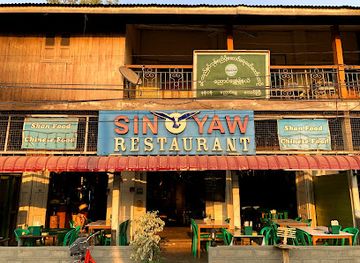
Sin Yaw Restaurant
Experience authentic Myanmar cuisine at Sin Yaw Restaurant in Nyaungshwe - a culinary delight for every traveler.
-
Restaurant
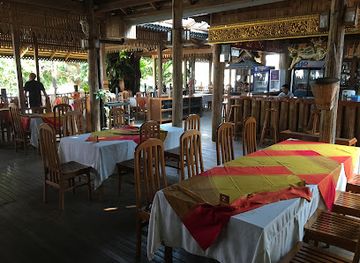
Green Tea restaurant
Discover authentic Burmese flavors at Green Tea Restaurant in Pindaya - a perfect blend of tradition and taste.
-
Noodle Shop
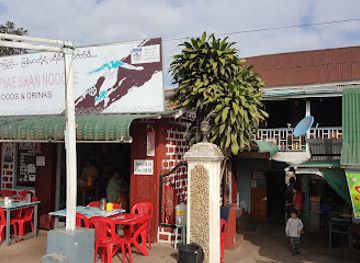
Pyae Pyae Shan restaurant
Experience authentic Burmese cuisine at Pyae Pyae Shan Restaurant in Kalaw – a noodle lover's paradise with fresh flavors and cozy vibes.
-
Restaurant
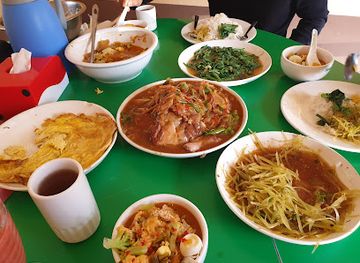
Maw Kham
Discover authentic Burmese cuisine at Maw Kham in Taunggyi – where every dish tells a story.
Best bars in Shan State
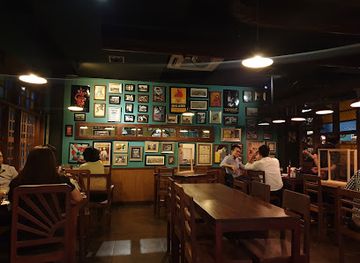
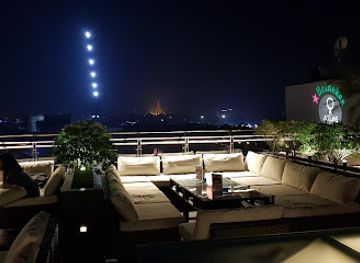
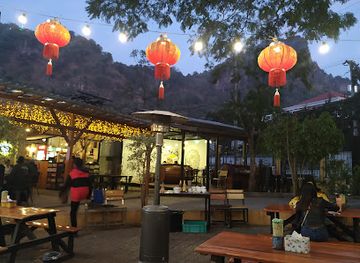
Evening life in Shan State is generally quiet and social rather than centred on large nightclubs. Nyaungshwe has the broadest visitor-oriented choice, including beer stations, small bars, hotel lounges and restaurants where travellers gather after lake excursions. Taunggyi and Kalaw have local teahouses, restaurants and modest drinking venues, while smaller towns tend to close early and offer little organised nightlife. In rural areas, evening culture is more likely to involve tea, conversation, religious activity or family gatherings than entertainment aimed at visitors. Live music and seasonal celebrations may occur, but dates and venues are not dependable. Alcohol is not necessary for engaging with local culture, and visitors should be especially discreet around religious sites and communities. In areas affected by curfews, conflict or transport restrictions, assume that movement after dark may be unsafe or prohibited and follow local instructions.
-
Grill
Byblos Pub & Grill
Discover a vibrant dining experience at Byblos Pub & Grill in Yangon, blending Middle Eastern flavors with local tastes for an unforgettable meal.
-
Bar
Atlas Rooftop Bar & Lounge
Experience breathtaking views, exquisite cocktails, and a vibrant atmosphere at Atlas Rooftop Bar & Lounge in Yangon.
-
Bar
Yangon Yangon Rooftop Bar
Experience the breathtaking views and vibrant atmosphere at Yangon Rooftop Bar, a perfect blend of relaxation and indulgence in Myanmar's capital.
-
Grill
TGI-Bar
Discover the vibrant flavors of Taunggyi at TGI-Bar, where delicious grilled dishes meet a lively atmosphere for an unforgettable dining experience.

Best nightclubs in Shan State
Evening life in Shan State is generally quiet and social rather than centred on large nightclubs. Nyaungshwe has the broadest visitor-oriented choice, including beer stations, small bars, hotel lounges and restaurants where travellers gather after lake excursions. Taunggyi and Kalaw have local teahouses, restaurants and modest drinking venues, while smaller towns tend to close early and offer little organised nightlife. In rural areas, evening culture is more likely to involve tea, conversation, religious activity or family gatherings than entertainment aimed at visitors. Live music and seasonal celebrations may occur, but dates and venues are not dependable. Alcohol is not necessary for engaging with local culture, and visitors should be especially discreet around religious sites and communities. In areas affected by curfews, conflict or transport restrictions, assume that movement after dark may be unsafe or prohibited and follow local instructions.
-
 Night club
ZAN Bar & Club
Experience the vibrant nightlife of Taunggyi at ZAN Bar & Club, where live music, delicious drinks, and unforgettable moments await.
Best shops in Shan State
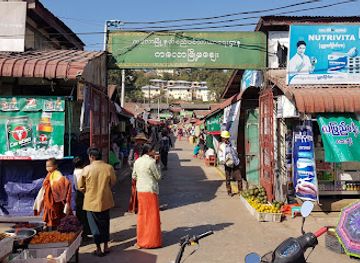
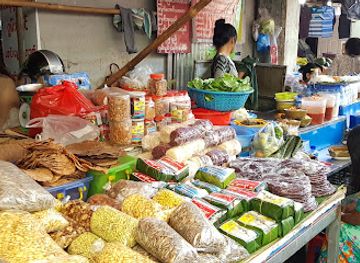
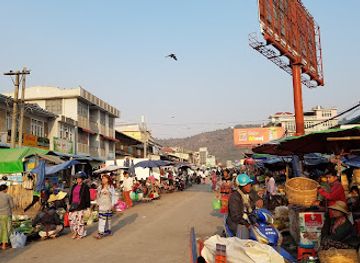
Shopping in Shan State is primarily market-based and tied to local production rather than large retail centres. Nyaungshwe’s markets and surrounding lake communities offer Shan textiles, woven fabrics, lacquerware, carved objects, baskets, tea and packaged foods, although quality and authenticity vary. Inle is particularly associated with lotus and silk weaving, but visitors should ask how products are made and avoid assuming that every workshop demonstration represents traditional practice. Tea from Shan’s upland plantations, fermented tea leaves, locally made tofu products and dried foods are practical purchases when properly packaged for travel. Taunggyi and Kalaw have larger selections of clothing, household goods, handicrafts and regional produce, while Keng Tung’s markets reflect eastern connections with neighbouring border cultures when they are accessible. Bargaining may be customary in informal markets, but it should remain courteous. Do not buy antiquities, religious objects of uncertain provenance, protected wildlife products or goods that may have been produced through exploitation.
-
Market
Kalaw Town Market
Experience the vibrant local culture, delicious cuisine, and unique handicrafts at Kalaw Town Market, a bustling hub in the heart of Kalaw.
-
Shopping mall
City Square
Experience the vibrant shopping and dining scene at City Square, Taunggyi's premier shopping mall, blending local culture with modern retail.
-
Market
Taunggyi Myo Ma Market ตลาดหลวงเมืองตองจี
Experience the heart of Taunggyi at Myo Ma Market, a vibrant hub of culture, food, and local craftsmanship.
-
Pagoda
Shwe Bone Pwint Pagoda {Golden Blossoms and Great Glory and Fortune}
Discover the mesmerizing beauty of Shwe Bone Pwint Pagoda in Taunggyi, a must-visit Buddhist temple showcasing intricate architecture and serene spirituality.
Get your free copy of our complete guide to Shan State, delivered straight to you.
Everything on this page, from attractions and restaurants to essentials and local phrases, in one PDF you can read offline, print or share.
Already have an account? Sign in
Your Shan State guide is ready.
We'll send it to · Not you? Sign out

Getting your guide ready…
We are putting together a fresh copy of the Shan State guide. This can take up to a minute.
This can take a few moments. If your browser asks, choose Allow so the download can start. You'll find the guide in your Downloads folder.
Nothing happened? Download it again
Sorry, the guide is taking longer than usual. Please try again in a minute, or get it by email instead.
Shan State essentials
Currency and Payment
Safety
Emergency Situations
Do's and Don'ts
Local Tips
From Eve
Local phrases worth knowing
You don't need to get them perfect. A few words go a long way, and locals appreciate the effort.
Basics
| English | Local | Say it |
|---|---|---|
| Hello | မင်္ဂလာပါ | [Mingalarpar] |
| Goodbye | သွားတော့မယ် | [Thwa taw mel] |
| Yes | ဟုတ်ကဲ့ | [Hote ke] |
| No | မဟုတ်ဘူး | [Ma hote bu] |
| Please/You're welcome | ကျေးဇူးပြုပါ | [Kyae zu pya] |
| Thank you | ကျေးဇူးအထူးတင်ပါတယ် | [Kyae zu a htu tin par de] |
| Excuse me/Sorry | တောင်းပန်ပါတယ် | [Taung pan par de] |
| How are you? | သင်ကောင်းပါသလား? | [Thin kaung par tha la?] |
| Fine. And you? | ကောင်းပါတယ်။ သင်呢? | [Kaung par de. Thin ne?] |
| Do you speak English? | သင်အင်္ဂလိပ်စကားပြောလား? | [Thin English za ka pya la?] |
| I don't understand | ငါနားမလည်ပါဘူး | [Nga nar ma le bu] |
Eating & Drinking
| English | Local | Say it |
|---|---|---|
| I'd like to see the menu, please | မင်္ဂလာပါ၊ မီနူးကိုကြည့်ချင်ပါတယ် | [Mingalar par, menu ko kyi htin par de] |
| I don't eat meat | ငါလက်လွတ်စားမယ် | [Nga let lut sar mel] |
| Cheers! | ကျန်းမာရေးအတွက် | [Kyanma yay a twat] |
| I would like to pay, please | ငါငွေပေးချင်ပါတယ် | [Nga ngwe pay htin par de] |
Emergencies
| English | Local | Say it |
|---|---|---|
| Help! | ကူညီပါ! | [Ku nyi par!] |
| Go away! | သွားပါ! | [Thwa par!] |
| Call the Police! | ရဲတပ်ဖွဲ့ကိုခေါ်ပါ! | [Yay tat phwe ko khaw par!] |
| Call a doctor! | ဆရာဝန်ကိုခေါ်ပါ! | [Sayar wan ko khaw par!] |
| I'm lost | ငါလျှောက်လွှားနေတယ် | [Nga lhyaw hlyar nay de] |
| I'm ill | ငါနာတယ် | [Nga na de] |
Shopping
| English | Local | Say it |
|---|---|---|
| I'd like to buy... | ငါဝယ်ချင်ပါတယ်... | [Nga we htin par de...] |
| I'm just looking | ငါရှာနေပါတယ် | [Nga sha nay par de] |
| How much is it? | ဈေးဘယ်လောက်လဲ? | [Zay beh laut le?] |
| That's too expensive | ဒါအရမ်းแพ expensive | [Da a yan pay expensive] |
| Can you lower the price? | ဈေးလျော့ပေးလို့ရမလား? | [Zay lyaw pay lo ya ma la?] |
Time & Numbers
| English | Local | Say it |
|---|---|---|
| What time is it? | အချိန်ဘယ်လို့လဲ? | [A hkyin beh lo le?] |
| It's one o'clock | ၁ နာရီ | [1 na yi] |
| Half past (10) | ၁၀ နာရီခွဲ | [10 na yi khwe] |
| Morning | မနက် | [Ma nak] |
| Afternoon | နေ့လယ် | [Nay leh] |
| Evening | ညနေ | [Nya nay] |
| Yesterday | မနေ့က | [Ma nay ka] |
| Today | ဒီနေ့ | [Di nay] |
| Tomorrow | မနက်ဖြန် | [Ma nak phyan] |
| 1 | ၁ | [1] |
| 2 | ၂ | [2] |
| 3 | ၃ | [3] |
| 4 | ၄ | [4] |
| 5 | ၅ | [5] |
| 6 | ၆ | [6] |
| 7 | ၇ | [7] |
| 8 | ၈ | [8] |
| 9 | ၉ | [9] |
| 10 | ၁၀ | [10] |
Transport & Directions
| English | Local | Say it |
|---|---|---|
| Where's a/the...? | ဘယ်မှာ...လဲ? | [Beh hma... le?] |
| What's the address? | လိပ်စာဘယ်လို့လဲ? | [Lite sa beh lo le?] |
| Can you show me (on the map)? | မြေပုံပေါ်မှာပြပါ | [Myay phone paw hma pya par] |
| When's the next (bus)? | နောက်တစ်ခုဘယ်တော့လဲ? | [Nauk ta khu beh taw le?] |
| A ticket (to ....) | လက်မှတ် (သို့...) | [Let hmat (tho...)] |
History of Shan State
Early Tai and Highland Civilisations
The plateau and valleys of present-day Shan State have long been inhabited by communities speaking Tai, Tibeto-Burman and other languages. Archaeological evidence, local traditions and historic settlement patterns point to centuries of interaction between upland farming communities and states in the Irrawaddy, Salween and Mekong regions. Rather than forming a single ancient kingdom, Shan areas were commonly organised through networks of local rulers and fortified settlements, connected by trade routes crossing the mountains.
Shan Principalities and Tai Political Traditions
From the medieval period into the nineteenth century, much of Shan State was governed through numerous principalities, often called sawbwa states. Their rulers controlled valleys and towns while maintaining shifting relationships with larger powers including the Burmese kingdoms, China and Siam. Religious patronage, trade and marriage alliances helped tie these territories together, but political authority was rarely uniform across the whole plateau. The legacy of the principalities remains visible in Shan titles, chronicles, palace traditions and the architecture of some historic towns.
British Rule and the Federated Shan States
After the Anglo-Burmese wars, Britain administered the Shan territories indirectly through their hereditary rulers rather than incorporating them into a tightly governed lowland bureaucracy. The 1922 creation of the Federated Shan States brought several principalities into a broader administrative framework. Roads, railways, schools and commercial networks expanded, but colonial rule also reinforced distinctions between lowland Burma and the upland states. Colonial-era buildings and former administrative centres survive in parts of the highlands, including around Kalaw and Taunggyi.
The Panglong Agreement and Independence
During the transition to independence, Shan leaders took part in negotiations with General Aung San and representatives of other ethnic nationalities. The 1947 Panglong Agreement promised principles of autonomy and cooperation within a future Union of Burma, although its provisions and later political consequences remain contested. Burma became independent in 1948, but disagreements over federalism, constitutional authority and the distribution of power contributed to armed conflict across many parts of Shan State.
Post-Independence Conflict and the Opium Economy
Shan State became one of the principal arenas of Myanmar’s long-running ethnic and political conflicts. Several armed organisations emerged, including forces representing Shan interests and other communities, while government troops and competing militias contested territory. In parts of the uplands, opium cultivation developed within a wider economy shaped by poverty, difficult access and armed control, later accompanied by efforts to promote alternative crops. The history is complex and should not be reduced to the label of the Golden Triangle alone.
Modern Tourism around Inle Lake
From the late twentieth century, Inle Lake and the hill town of Kalaw became prominent destinations for visitors seeking cooler climates, lake landscapes and trekking. Tourism created income for boat operators, guides, artisans, hotels and food producers, but also increased pressure on the lake’s water quality, wetlands and traditional livelihoods. Floating agriculture, changing fishing practices and the growth of hotels illustrate the environmental and economic tensions accompanying the region’s rise as a tourism centre.
The 2021 Coup and Renewed Conflict
The military coup of February 2021 intensified political crisis and armed conflict throughout Myanmar, including Shan State. Fighting between the military, ethnic armed organisations and newer resistance forces has caused displacement, disrupted transport and altered access to towns and border routes. Conditions vary by district and can change without warning. For visitors, this recent history is not merely background: it directly affects permits, checkpoints, road travel, communications, accommodation availability and the feasibility of previously popular itineraries.
Shan State in Photos
Browse through our photo collection highlighting the charm and character of the destination.
Neighbouring regions of Shan State
The closest regions to Shan State, if you have time for more than one.
-

-

-

-

-


Swipe for more regions
Explore more

Explore more of Myanmar (Burma)
Discover Myanmar: A land of golden pagodas, ancient temples, and breathtaking natural beauty, where warm hospitality and rich culture await every traveler.
Explore Myanmar (Burma)