

Free Upper Myanmar Travel Guide & Mobile App
Explore Upper Myanmar with free travel guides. Discover regional history, expert tips, proposed trips, and audio guides on web or mobile app.


Upper Myanmar combines Mandalay’s royal heritage, Bagan’s temples, Irrawaddy landscapes and Shan uplands with distinctive food and living traditions.
Read more about Upper Myanmar
When is the best time to visit Upper Myanmar?
Best: December–February · 24–27°C| Month | High (°C) | Rainfall (mm) |
|---|---|---|
| January (best) | 24 | 2 |
| February (best) | 27 | 6 |
| March | 32 | 15 |
| April | 35 | 37 |
| May | 36 | 86 |
| June | 33 | 168 |
| July | 32 | 209 |
| August | 32 | 186 |
| September | 32 | 135 |
| October | 32 | 62 |
| November | 28 | 23 |
| December (best) | 25 | 8 |
Getting to and around Upper Myanmar
How to get there
Transportation
Top city travel guides in Upper Myanmar
The cities of Upper Myanmar, and the easiest places to base yourself.
-

-

-

-

-

-


Swipe for more cities
Destinations in Upper Myanmar
Resorts, valleys and scenic spots worth a trip of their own.

Swipe for more destinations
Best attractions in Upper Myanmar
Upper Myanmar’s attractions range from monumental Buddhist archaeology to working cities, river landscapes and upland communities. Bagan’s archaeological zone is the region’s defining cultural landscape, with brick temples and stupas spread across a broad plain best explored slowly rather than treated as a single site. Mandalay provides royal history, Buddhist learning, traditional workshops and access to former capitals at Amarapura, Sagaing and Ava. Museums and monastery precincts add context to the surviving architecture, although arrangements and access can vary. The Irrawaddy offers changing views of farmland, sandbanks and riverside settlements, while the dry zone reveals lacquerware, pottery and agricultural traditions adapted to limited rainfall. Eastwards, the Inle Lake area introduces a cooler setting of waterways, floating gardens, stilt villages, markets and nearby hill country. Trekking and scenic travel in Shan State can be rewarding where officially accessible, but conditions differ sharply between established visitor routes and conflict-affected districts. Always check local restrictions and choose activities that respect religious sites, residents and fragile environments.
-
Shopping mall
Junction City
Experience the ultimate shopping, dining, and entertainment destination at Junction City in Yangon, Myanmar's bustling urban center.
-
Market
Mani Sithu Market
Explore the heart of Nyaung-U at Mani Sithu Market, where local culture, crafts, and cuisine come alive in a vibrant marketplace.
-
Buddhist temple
Mingun Pahtodawgyi
Explore the monumental Mingun Pahtodawgyi, an unfinished Buddhist stupa showcasing Myanmar's rich history and architectural ambition.
-
Exhibit
Mingun Bell
Explore the Mingun Bell, the world's largest ringing bell, a monumental symbol of Myanmar's rich history and stunning craftsmanship.
Best landmarks in Upper Myanmar
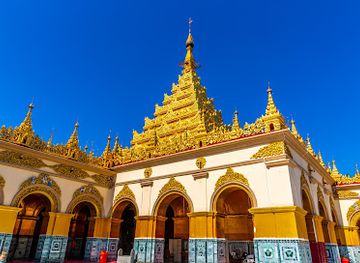
Bagan’s immense field of brick Buddhist monuments is Upper Myanmar’s most recognisable landmark landscape, with temples such as Ananda, Thatbyinnyu and Dhammayangyi illustrating different phases of Pagan architecture and religious patronage. In Mandalay, the reconstructed Mandalay Palace marks the site of the last royal capital, while Mandalay Hill remains a major religious and visual reference point above the city. The Kuthodaw Pagoda is noted for its hundreds of inscribed marble slabs, and the Mahamuni Buddha image is among the country’s most important pilgrimage objects. Sagaing Hill, across the Irrawaddy, is defined by its dense pattern of white and gold stupas and monasteries. The teak U Bein Bridge at Amarapura is a celebrated nineteenth-century structure, though its setting and condition require respectful visitation. In the uplands, Inle Lake itself is the principal natural landmark: a shallow mountain basin whose waterways, gardens and settlements form a cultural landscape rather than merely a scenic backdrop.
-
Pagoda
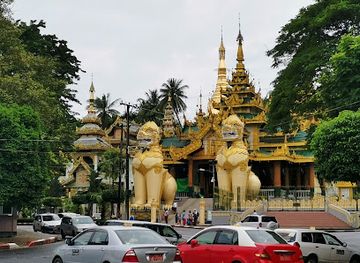
Shwedagon Pagoda
Discover the mesmerizing beauty and spiritual significance of Shwedagon Pagoda, a must-see landmark in Yangon, Myanmar.
-
Market
Bogyoke Aung San Market
Explore Bogyoke Aung San Market, Myanmar's vibrant marketplace filled with crafts, local delicacies, and rich heritage.
-
Pagoda
Sule Pagoda
Discover the spiritual heart of Yangon at Sule Pagoda, a stunning Buddhist temple with rich history and vibrant culture.
-
Buddhist temple
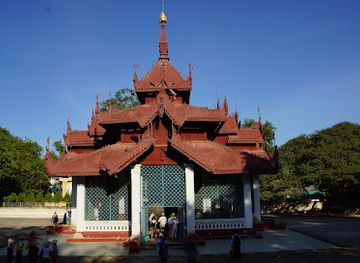
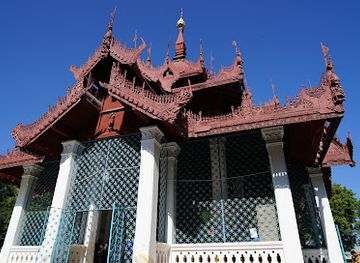
Mahamuni Pagoda
Explore the spiritual heart of Mandalay at Mahamuni Pagoda, a stunning Buddhist temple with rich traditions and vibrant local culture.

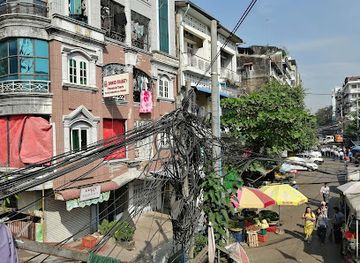

Explore Upper Myanmar on the map
Plan your trip on one map. See where the top cities, national parks and sights are, and book hotels and experiences in a few clicks.
Best hotels in Upper Myanmar
Best restaurants in Upper Myanmar
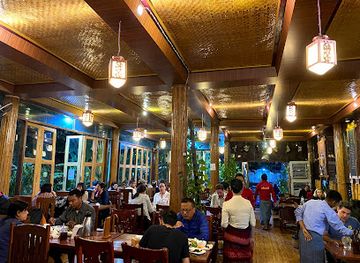
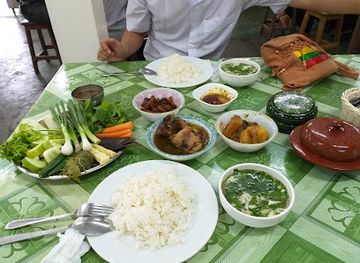
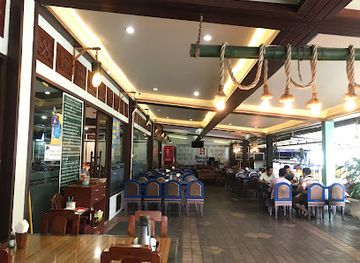
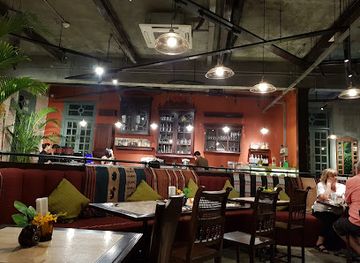
Upper Myanmar’s food reflects the meeting of central Burmese, Shan and wider regional traditions. Mandalay has teahouses, noodle shops, curry houses and market stalls serving rice-based meals, salads, soups and grilled foods, while Bagan combines local eateries with restaurants oriented towards visitors. Shan cuisine is particularly associated with noodle dishes, rice preparations, fermented flavours and pickled tea leaves, and is widely encountered in the upland areas and in Mandalay. The dry zone contributes pulses, sesame, palm products, seasonal vegetables and snacks, while Inle Lake menus often draw on freshwater fish, tomatoes, herbs and produce from surrounding farms. Teahouses are useful places to observe everyday dining culture, and markets provide opportunities to sample fritters, sweets and fruit when hygiene conditions appear sound. In smaller towns, choice narrows early in the evening, so carrying water and planning meals around local routines is sensible. Avoid purchasing protected wildlife products or archaeological objects marketed alongside food and handicrafts.
-
Burmese
Mingalabar restaurant
Experience authentic Burmese cuisine at Mingalabar Restaurant in Mandalay – where every dish tells a story.
-
Burmese
Aung Thu Kha Traditional Myanmar Food House
Discover authentic Burmese cuisine at Aung Thu Kha Traditional Myanmar Food House in Yangon, where rich flavors meet warm hospitality.
-
Burmese
Feel Myanmar Restaurant 2
Experience the rich flavors of traditional Burmese cuisine at Feel Myanmar Restaurant 2 in Yangon, where every dish tells a story.
-
Bistro
Burma Bistro
Discover authentic Burmese cuisine at Burma Bistro in Yangon, where traditional flavors meet modern dining.
Best bars in Upper Myanmar
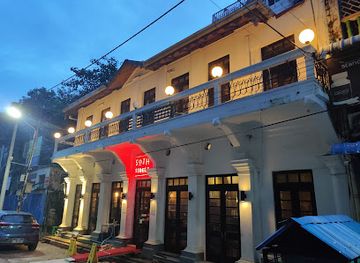
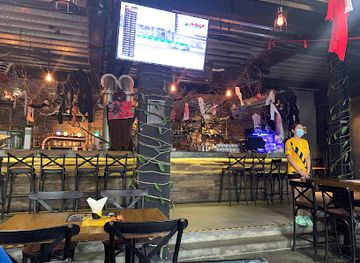
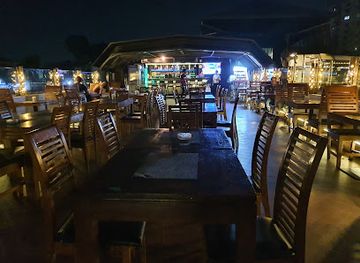
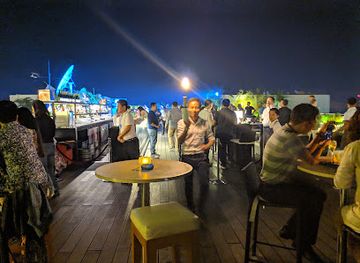
Evening life in Upper Myanmar is generally more restrained than in Myanmar’s largest commercial centres and centres on teahouses, family restaurants, hotel lounges, beer stations and traditional pubs rather than a dense nightclub scene. Mandalay offers the broadest selection of late-opening restaurants, live music and contemporary bars, although venues and regulations can change. Bagan’s evenings tend to revolve around restaurants, hotel areas and quiet riverside settings, while Nyaungshwe near Inle Lake has a modest visitor-oriented dining and bar scene. In rural Shan State, village teahouses and local restaurants are more representative than nightlife venues. Drink responsibly, avoid walking alone in unfamiliar areas late at night and remember that photography, loud behaviour and public intoxication are particularly inappropriate near monasteries, religious sites and residential communities. Confirm current opening arrangements locally rather than relying on older listings.
-
Restaurant
50th Street Restaurant & Bar
Discover the flavors of Yangon at 50th Street Restaurant & Bar, a vibrant spot for local and international cuisine in a lively atmosphere.
-
Bar
The Beer Factory Yangon
Experience the vibrant craft beer scene at The Beer Factory in Yangon, where great brews and delicious food meet a lively atmosphere.
-
Bar
Vista Bar
Experience the vibrant nightlife at Vista Bar in Yangon, where stunning views and delicious drinks await every traveler.
-
Bar
Atlas Rooftop Bar & Lounge
Discover the taste of luxury with panoramic views at Atlas Rooftop Bar & Lounge in Yangon, the perfect spot for an unforgettable evening.
Best nightclubs in Upper Myanmar
Evening life in Upper Myanmar is generally more restrained than in Myanmar’s largest commercial centres and centres on teahouses, family restaurants, hotel lounges, beer stations and traditional pubs rather than a dense nightclub scene. Mandalay offers the broadest selection of late-opening restaurants, live music and contemporary bars, although venues and regulations can change. Bagan’s evenings tend to revolve around restaurants, hotel areas and quiet riverside settings, while Nyaungshwe near Inle Lake has a modest visitor-oriented dining and bar scene. In rural Shan State, village teahouses and local restaurants are more representative than nightlife venues. Drink responsibly, avoid walking alone in unfamiliar areas late at night and remember that photography, loud behaviour and public intoxication are particularly inappropriate near monasteries, religious sites and residential communities. Confirm current opening arrangements locally rather than relying on older listings.
-
Disco club
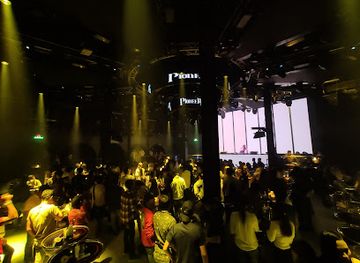
Pioneer
Experience the electrifying nightlife at Pioneer Disco Club, Yangon’s top disco for dance, drinks, and unforgettable memories.
-
Bar
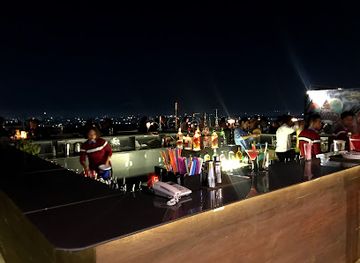
Apex Sky Bar
Experience breathtaking views and a vibrant atmosphere at Apex Sky Bar in Mandalay, the perfect spot for a memorable night out.
-
Disco club
Emperor
Discover Yangon’s vibrant nightlife at Emperor Disco Club, where music and dance come alive in an electrifying atmosphere.
-
Disco club
Club 5
Experience the vibrant nightlife of Yangon at Club 5, a premier disco club offering unforgettable music and dance.
Best shops in Upper Myanmar
Shopping in Upper Myanmar is strongest in markets, craft workshops and traditional commercial streets rather than large-scale retail districts. Mandalay is known for established craft areas producing marble religious figures, woodwork, gold leaf, silk and other traditional goods, while Bagan is closely associated with lacquerware, though buyers should seek reputable workshops and avoid antiquities or unprovenanced religious objects. Markets in Mandalay, Nyaungshwe and other accessible towns sell spices, snacks, textiles, baskets and household goods, with farmers’ produce reflecting the dry zone and Shan uplands. Inle Lake and surrounding Shan areas are known for woven textiles, locally made garments and regional foods, but quality and authenticity vary, so ask how products were made and who benefits from sales. Bargain courteously where it is customary, carry cash and pack fragile purchases carefully. Contemporary art, books and locally produced food items can make more responsible souvenirs than old-looking objects whose legal export status is unclear.
-
Shopping mall
Myanmar Plaza
Explore Myanmar Plaza, Yangon’s vibrant shopping hub offering diverse stores, delicious dining, and a taste of local culture.
-
Shopping mall
Junction Square
Explore Junction Square in Yangon: A shopping haven showcasing local culture, diverse cuisines, and entertainment for all ages.
-
Shopping mall
Taw Win Centre
Explore the vibrant Taw Win Centre in Yangon, where shopping meets local culture and culinary delights in a modern setting.
-
Shopping mall
Sule Square
Discover the ultimate shopping experience at Sule Square in Yangon, where luxury and local culture blend seamlessly for an unforgettable visit.

Get your free copy of our complete guide to Upper Myanmar, delivered straight to you.
Everything on this page, from attractions and restaurants to essentials and local phrases, in one PDF you can read offline, print or share.
Already have an account? Sign in
Your Upper Myanmar guide is ready.
We'll send it to · Not you? Sign out

Getting your guide ready…
We are putting together a fresh copy of the Upper Myanmar guide. This can take up to a minute.
This can take a few moments. If your browser asks, choose Allow so the download can start. You'll find the guide in your Downloads folder.
Nothing happened? Download it again
Sorry, the guide is taking longer than usual. Please try again in a minute, or get it by email instead.
Upper Myanmar essentials
Currency and Payment
Safety
Emergency Situations
Do's and Don'ts
Local Tips
From Eve
Local phrases worth knowing
You don't need to get them perfect. A few words go a long way, and locals appreciate the effort.
Basics
| English | Local | Say it |
|---|---|---|
| Hello | မင်္ဂလာပါ | [mingalarpar] |
| Goodbye | သွားတော့မယ် | [thwa dor mai] |
| Yes | ဟုတ်ပါတယ် | [hoat par tal] |
| No | မဟုတ်ဘူး | [ma hoat bu] |
| Please/You're welcome | ကျေးဇူးပြုပြီး | [kyezu pyu pi] |
| Thank you | ကျေးဇူးတင်ပါတယ် | [kyezu tin par tal] |
| Excuse me/Sorry | ဆင်ခြင်ပါ | [sin chin par] |
| How are you? | နေကြတယ်လား | [neik ja tal la] |
| Fine. And you? | ကောင်းပါတယ်၊ သင်လည်းဘယ်လိုလဲ | [kaung par tal, thin lae be lo le] |
| Do you speak English? | အင်္ဂလိပ်စကားပြောလား | [english sa ga pyaw la] |
| I don't understand | ကျွန်တော်နားမလည်ပါ | [kyaung taw nar ma le par] |
Eating & Drinking
| English | Local | Say it |
|---|---|---|
| I'd like to see the menu, please | မင်္ဂလာပါ၊ မီနူးကြည့်ချင်ပါတယ် | [mingalarpar, menu kyay chin par tal] |
| I don't eat meat | သားများမစားပါ | [thar myar ma sar par] |
| Cheers! | ကျေးဇူးပြုပြီး | [kyezu pyu pi] |
| I would like to pay, please | ငွေပေးချင်ပါတယ် | [ngwe pay chin par tal] |
Emergencies
| English | Local | Say it |
|---|---|---|
| Help! | ကူညီပါ! | [ku nyi par!] |
| Go away! | ရွှေ့လိုက်မယ်! | [shwe lite mai!] |
| Call the Police! | ရဲတပ်ဖွဲ့ကိုဖုန်းခေါ်ပါ! | [ye tat phwe ko phone khaw par!] |
| Call a doctor! | ဆရာဝန်ကိုဖုန်းခေါ်ပါ! | [saya wun ko phone khaw par!] |
| I'm lost | ကျွန်တော်မှားနေတယ် | [kyaung taw hmar naing tal] |
| I'm ill | ကျွန်တော်ရောဂါရှိတယ် | [kyaung taw yaw ga shi tal] |
Shopping
| English | Local | Say it |
|---|---|---|
| I'd like to buy... | ဝယ်ချင်ပါတယ်... | [we chin par tal...] |
| I'm just looking | သာယာလျှောက်လှမ်းနေတယ် | [thaya lha na] |
| How much is it? | ဒီမှာဘယ်လောက်လဲ | [di mar be louk le] |
| That's too expensive | အရမ်းအထီးကျန်ပါတယ် | [a yan a hti kyan par tal] |
| Can you lower the price? | ဈေးကိုလျှော့ပေးနိုင်ပါသလား | [zei ko lhot pay naing par tha la] |
Time & Numbers
| English | Local | Say it |
|---|---|---|
| What time is it? | ယခုအချိန်ဘယ်လောက်လဲ | [ya khu a hkyin be louk le] |
| It's one o'clock | တစ်နာရီဖြစ်နေတယ် | [ta na yi phit naing tal] |
| Half past (10) | ဆယ်လောက်ကျော်နေတယ် | [hsae louk kyaw naing tal] |
| Morning | မနက် | [ma nak] |
| Afternoon | နေ့လည် | [nay lya] |
| Evening | ညနေ | [nya nay] |
| Yesterday | မနေ့က | [ma nay ka] |
| Today | ယနေ့ | [ya nay] |
| Tomorrow | မနက်ဖြန် | [ma nak phyan] |
| 1 | ၁ | [one] |
| 2 | ၂ | [two] |
| 3 | ၃ | [three] |
| 4 | ၄ | [four] |
| 5 | ၅ | [five] |
| 6 | ၆ | [six] |
| 7 | ၇ | [seven] |
| 8 | ၈ | [eight] |
| 9 | ၉ | [nine] |
| 10 | ၁၀ | [ten] |
Transport & Directions
| English | Local | Say it |
|---|---|---|
| Where's a/the...? | ဘယ်မှာ...လဲ? | [be mar... le?] |
| What's the address? | လိပ်စာဘယ်လောက်လဲ? | [leit sa be louk le?] |
| Can you show me (on the map)? | မြေပုံပေါ်အကြောင်းပြပါ | [myae pone paw a kyaw pyaw par] |
| When's the next (bus)? | နောက်တစ်လေယာဉ်ဘယ်တော့လဲ? | [naung ta le yain be dor le?] |
| A ticket (to ....) | လက်မှတ်တစ်စောင် (သို့....) | [let hmat ta saung (tho....)] |
History of Upper Myanmar
Early Pyu Cities and Irrigated Settlement
Before the rise of the Bamar kingdoms, the central plains supported important Pyu city-states, including Sri Ksetra near modern Pyay, south of the area usually meant by Upper Myanmar. Their walled settlements, Buddhist monuments and irrigation systems demonstrate the antiquity of urban and agricultural traditions in the Irrawaddy basin. Pyu culture developed through connections with South and Southeast Asia, while later Myanmar kingdoms inherited and transformed elements of its religious and political landscape. Archaeological remains across the dry zone reveal that settlement depended on careful management of water, a continuing concern in central Myanmar.
The Pagan Kingdom, Eleventh to Thirteenth Centuries
The Pagan Kingdom made the middle Irrawaddy basin the centre of a powerful Buddhist state. From its capital at Bagan, rulers and religious communities sponsored thousands of brick temples, monasteries and stupas across the surrounding plain. The kingdom consolidated control over agricultural regions and irrigation networks, while Buddhist scholarship, artistic production and royal patronage flourished. Political authority weakened during the thirteenth century, but the surviving monuments remain the most visible expression of early Burmese state formation and continue to shape the cultural identity of Upper Myanmar.
Sagaing, Ava and the Fragmented Royal Landscape
After Pagan’s decline, power shifted among several centres in Upper Myanmar. Sagaing became a royal capital in the fourteenth century, followed by Ava, also known as Inwa, which served as a major political centre for long periods. The region’s history during these centuries involved competition among Burmese kingdoms and neighbouring Shan polities, as well as continuing patronage of monasteries, literature and temple building. Today, the remains around Sagaing, Ava and Amarapura form an unusually concentrated landscape of former capitals, religious institutions and archaeological traces.
The Konbaung Dynasty and Mandalay
The Konbaung dynasty, founded in the eighteenth century, reunited much of Myanmar and established a sequence of capitals in Upper Myanmar. King Mindon founded Mandalay in 1857, creating a planned royal city at the foot of Mandalay Hill. The palace, monasteries and workshops associated with the court made the city a centre of administration, religion and skilled crafts. Mandalay remained the royal capital until the British annexation of Upper Burma in 1885, and its cultural importance continues through Buddhist learning, traditional arts and family craft businesses.
British Annexation and Colonial Reorganisation
The Third Anglo-Burmese War ended the Konbaung monarchy’s rule in 1885, and Upper Burma was incorporated into British India. Colonial administration reorganised taxation, policing, transport and trade, while railways and river steamers strengthened links between Mandalay, Rangoon and other parts of the country. The annexation also disrupted established political and social structures and generated resistance in rural areas. Mandalay’s former royal status was replaced by its role as a colonial administrative and commercial centre, while the Irrawaddy remained a crucial transport corridor.
War, Independence and Post-Colonial Change
Upper Myanmar was heavily affected by the Second World War, when the region became part of the Burma campaign and experienced military movement, displacement and damage to infrastructure. Independence in 1948 brought new national institutions but also armed conflicts involving ethnic and political movements, especially in border and upland areas. Subsequent decades of military rule shaped travel, commerce and heritage management. Mandalay, Bagan and Inle Lake nevertheless developed as major cultural and tourism destinations, while rural economies continued to depend on agriculture, craft production and regional trade.
Contemporary Heritage and Conflict Pressures
In the twenty-first century, Upper Myanmar has faced rapid urban growth, changing tourism patterns, environmental pressures and renewed political conflict. Bagan was inscribed on the UNESCO World Heritage List in 2019 after extensive conservation work, while Mandalay and Inle Lake have remained important cultural destinations. At the same time, armed conflict and administrative restrictions have made travel highly uneven, particularly in parts of Kachin and northern Shan State. Responsible tourism now requires attention to heritage conservation, community benefit, environmental limits and current security conditions.
Upper Myanmar in Photos
Browse through our photo collection highlighting the charm and character of the destination.
Neighbouring regions of Upper Myanmar
The closest regions to Upper Myanmar, if you have time for more than one.
-

-

-

-

-


Swipe for more regions
Explore more

Explore more of Myanmar (Burma)
Discover Myanmar: A land of golden pagodas, ancient temples, and breathtaking natural beauty, where warm hospitality and rich culture await every traveler.
Explore Myanmar (Burma)