

Free Oshikoto Travel Guide & Mobile App
Explore Oshikoto with free travel guides. Discover regional history, expert tips, proposed trips, and audio guides on web or mobile app.


Explore Oshikoto in northern Namibia for Etosha wildlife, Tsumeb’s mining heritage, Lake Otjikoto and wide-open cultural landscapes.
Read more about Oshikoto
When is the best time to visit Oshikoto?
Best: May, August–September · 22–26°C| Month | High (°C) | Rainfall (mm) |
|---|---|---|
| January | 30 | 40 |
| February | 31 | 50 |
| March | 30 | 40 |
| April | 27 | 20 |
| May (best) | 23 | 4 |
| June | 20 | 1 |
| July | 20 | 2 |
| August (best) | 22 | 3 |
| September (best) | 26 | 10 |
| October | 29 | 20 |
| November | 30 | 30 |
| December | 31 | 35 |
Getting to and around Oshikoto
How to get there
Transportation
Top city travel guides in Oshikoto
The cities of Oshikoto, and the easiest places to base yourself.
-

-

-

-

-



Swipe for more cities
Destinations in Oshikoto
Resorts, valleys and scenic spots worth a trip of their own.

Swipe for more destinations
Best attractions in Oshikoto
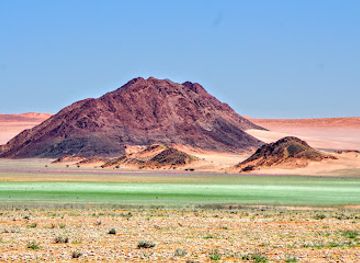
Oshikoto’s attractions combine wildlife, geology, mining history and northern Namibian cultural landscapes. The eastern section of Etosha National Park is the region’s major draw, with Namutoni as a historic base and a network of roads and waterholes where visitors may encounter elephants, lions, giraffes, zebras, antelope and abundant birdlife. Lake Otjikoto, close to Tsumeb, offers a very different experience: its deep, circular waters occupy a collapsed dolomitic cave and are linked to the region’s First World War history. Tsumeb’s museums and heritage displays provide context for the town’s copper-mining past, while its streets and civic buildings reflect the development of a railway and industrial settlement. Away from these headline sites, the region is best appreciated through guided visits, rural landscapes, birdwatching, farm or lodge activities and journeys along the B1. Visitors should not expect a dense chain of attractions; the distances, dry woodland and broad horizons are part of Oshikoto’s character.
-
Tourist attraction
Etosha National Park
Explore the breathtaking landscapes and diverse wildlife of Etosha National Park, a premier safari destination in Namibia.
-
Tourist attraction
Namib-Naukluft National Park
Explore the majestic landscapes and unique wildlife of Namib-Naukluft National Park, a true natural wonder in the heart of Namibia.
-
Tourist attraction
Deadvlei
Explore the breathtaking beauty of Deadvlei, where ancient trees meet towering dunes in a unique desert landscape that captivates every traveler.
-
National park
Etosha Village
Experience the natural beauty and wildlife wonders at Etosha Village, your perfect lodge and hotel near Etosha National Park.



Best landmarks in Oshikoto
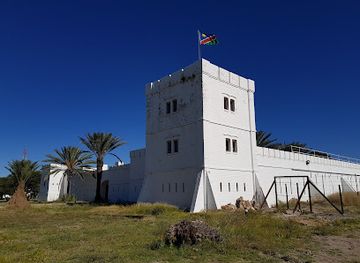
The white fort at Namutoni is Oshikoto’s most recognisable historic structure within Etosha. Built during the German colonial period and later adapted for administrative and park purposes, it stands beside the eastern park’s wildlife routes and reflects the area’s strategic importance. Near Tsumeb, Lake Otjikoto is both a geological landmark and a memorial to the upheavals of 1915, when German military equipment was discarded in its depths. Tsumeb’s historic urban fabric, mining-related buildings and civic institutions express the town’s rise as a copper centre connected to the railway. Omuthiya’s importance is chiefly administrative and contemporary, representing the post-independence regional capital rather than a concentration of colonial monuments. Across the wider region, the open Etosha horizon, seasonal pans, thornveld and northern settlement landscapes are important geographical markers, with the transition from wildlife country to cultivated and inhabited plains providing one of Oshikoto’s defining visual contrasts.
-
National park
Etosha National Park
Discover the wildlife wonders and stunning landscapes of Etosha National Park, a premier destination for nature lovers and adventure seekers in Namibia.
-
Lodge
Etosha Safari Camp, Gondwana Collection Namibia
Discover the beauty of Namibia at Etosha Safari Camp, your gateway to thrilling wildlife adventures and serene landscapes.
-
Tourist attraction
Etosha Pan Lookout
Experience the breathtaking beauty of Etosha Pan Lookout, a must-visit destination for nature lovers and wildlife enthusiasts in Namibia.
-
Self-catering accommodation
Oshikoto Guest House
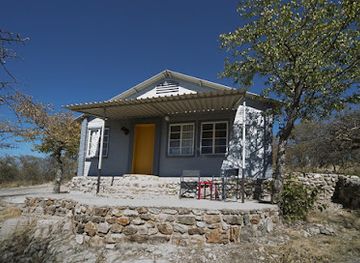
Discover the comfort of Oshikoto Guest House, a perfect self-catering haven in Ondangwa, where hospitality meets local culture and adventure awaits.

Explore Oshikoto on the map
Plan your trip on one map. See where the top cities, national parks and sights are, and book hotels and experiences in a few clicks.
Best hotels in Oshikoto
Best restaurants in Oshikoto
Dining in Oshikoto is centred on hotels, lodges, independent restaurants, cafés, takeaways and traditional family cooking in Tsumeb, Omuthiya and the Etosha tourism circuit. Menus often combine Namibian staples with southern African braais, grilled meat, game where legally and responsibly sourced, vegetables and international dishes for travellers. In northern communities, mahangu, or pearl millet, remains an important food crop and may appear in traditional meals, while meat, dried products and seasonal produce are common features of local food culture. Tsumeb’s former mining-town character supports a broader choice of cafés and casual restaurants than smaller settlements, whereas lodges and camps tend to offer set meals suited to safari itineraries. Markets and informal sellers may provide fruit, cooked snacks and basic provisions, but opening patterns and payment facilities vary. Carry supplies for long drives, particularly when travelling between towns or entering Etosha.
-
Restaurant
Outjo Bakkery
Discover delightful baked goods and local flavors at Outjo Bakkery - A culinary treasure in Namibia's heart.
-
Steak
Silver Wolf Spur
Experience the rich flavors of Namibian cuisine at Silver Wolf Spur - where every meal is a celebration of taste.
-
Restaurant
The FARMhouse Boutique Guesthouse Upstairs 2
Discover culinary delights at The FARMhouse Boutique Guesthouse in Outjo - where comfort meets local flavors.
-
Grill
Smallpark - Ondangwa
Discover the vibrant flavors of Ondangwa at Smallpark - your go-to grill restaurant with live music and refreshing drinks.




Best bars in Oshikoto
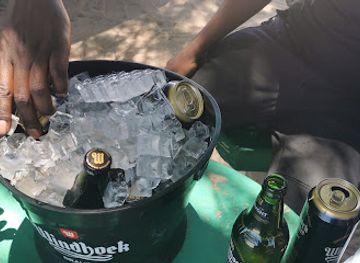
Oshikoto has a modest, locally focused evening scene rather than a large nightclub culture. In Tsumeb, Omuthiya and the larger settlements, social life centres on hotel bars, independent drinking places, restaurants and informal gathering spots, with busier periods often linked to weekends, paydays or local events. Tsumeb offers the region’s broadest choice of evening venues, while lodge bars around Etosha are primarily places to relax after game drives and watch the sunset rather than late-night destinations. Music and socialising are important parts of urban life, but visitors should avoid assuming that every venue is suitable for photographs or outside attention. In smaller settlements and rural districts, evenings are generally quiet, and travellers should arrange transport before going out because taxis and public services may be limited after dark.
-
Bar
Pongo's Nightlife Bar
Experience the vibrant nightlife of Tsumeb at Pongo's Nightlife Bar, where diverse drinks and a lively atmosphere await.
-
Bar
Small Money Pub
Discover the lively ambiance and refreshing drinks at Small Money Pub, the heart of Tsumeb's nightlife.
-
Lounge
Classic Lounge, Ondangwa
Discover the vibrant atmosphere of Classic Lounge in Ondangwa, where relaxation meets local culture and delightful culinary experiences await.
-
Bar
Tulela Pub
Discover the local charm and vibrant atmosphere of Tulela Pub in Oniipa, your go-to bar for affordable drinks and lively entertainment.



Best nightclubs in Oshikoto
Oshikoto has a modest, locally focused evening scene rather than a large nightclub culture. In Tsumeb, Omuthiya and the larger settlements, social life centres on hotel bars, independent drinking places, restaurants and informal gathering spots, with busier periods often linked to weekends, paydays or local events. Tsumeb offers the region’s broadest choice of evening venues, while lodge bars around Etosha are primarily places to relax after game drives and watch the sunset rather than late-night destinations. Music and socialising are important parts of urban life, but visitors should avoid assuming that every venue is suitable for photographs or outside attention. In smaller settlements and rural districts, evenings are generally quiet, and travellers should arrange transport before going out because taxis and public services may be limited after dark.
-
Disco club
Infinity Lounge Swakopmund
Discover the vibrant nightlife of Swakopmund at Infinity Lounge, where music, dancing, and ocean views create an unforgettable experience.
-
Bar
Pongo's Nightlife Bar
Experience the vibrant nightlife of Tsumeb at Pongo's Nightlife Bar, where locals and tourists unite for unforgettable nights filled with music and fun.
-
Lounge
Classic Lounge, Ondangwa
Experience the vibrant nightlife of Ondangwa at Classic Lounge, where local culture and live music come together for an unforgettable evening.
-
Night club
MYNT Nightclub and Lounge
Dive into the vibrant nightlife of Windhoek at MYNT Nightclub and Lounge, where music and fun collide for an unforgettable evening.




Best shops in Oshikoto
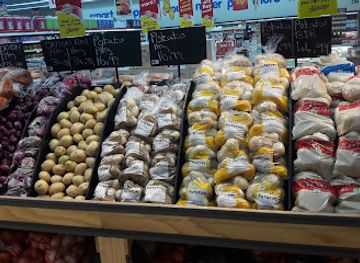
Shopping in Oshikoto is practical and locally grounded. Tsumeb and Omuthiya provide the widest selection of supermarkets, pharmacies, fuel-station shops, clothing outlets and everyday services, while smaller settlements offer basic provisions rather than destination retail. Visitors can look for Namibian crafts, woven goods, carved objects, jewellery and locally made souvenirs through established craft sellers, lodges and community-oriented outlets, checking that products are ethically sourced and legally permitted for export. Food shopping is useful for long road journeys, particularly water, fruit, snacks and breakfast supplies before entering Etosha. Informal markets and roadside stalls may sell seasonal produce, cooked food or small handmade items, although availability changes with place and season. Tsumeb’s shopping character is shaped by its role as a historic service and mining town, whereas Omuthiya functions more as an administrative and commercial centre. Large international luxury brands are not a feature of the region.
-
Clothing store
PEP Onethindi
Discover stylish and affordable clothing for the whole family at PEP Onethindi, your ultimate shopping destination in Namibia.
-
Supermarket
Choppies Supermarket Ondangwa
Explore local flavors and everyday essentials at Choppies Supermarket Ondangwa, your go-to shopping destination in Namibia.
-
Grocery store
Choppies Supermarket Omuthiya
Discover the heart of Omuthiya shopping at Choppies Supermarket, where local flavors and global products meet in an inviting atmosphere.
-
Supermarket
Tsumeb Mall
Discover the heartbeat of Tsumeb through shopping, dining, and local culture at Tsumeb Mall, your gateway to vibrant community life.



Get your free copy of our complete guide to Oshikoto, delivered straight to you.
Everything on this page, from attractions and restaurants to essentials and local phrases, in one PDF you can read offline, print or share.
Already have an account? Sign in
Your Oshikoto guide is ready.
We'll send it to · Not you? Sign out

Getting your guide ready…
We are putting together a fresh copy of the Oshikoto guide. This can take up to a minute.
This can take a few moments. If your browser asks, choose Allow so the download can start. You'll find the guide in your Downloads folder.
Nothing happened? Download it again
Sorry, the guide is taking longer than usual. Please try again in a minute, or get it by email instead.
Oshikoto essentials
Currency and Payment
Safety
Emergency Situations
Do's and Don'ts
Local Tips
History of Oshikoto
Early settlement and northern farming cultures
The lands now forming Oshikoto have long been used by San communities, pastoralists and farming societies adapted to a dry climate and highly variable rainfall. In the north, the wider Ovambo cultural area developed systems of homestead-based agriculture, livestock keeping and local exchange, with pearl millet becoming an important staple. Seasonal water sources and pans influenced settlement patterns, while movement between communities connected the region to areas now lying across the Angolan border. These earlier histories remain visible in the region’s languages, foodways, settlement forms and relationships with land, even though much of the written record was produced later by colonial officials and missionaries.
Trade, local states and the approach of colonial rule
Before German rule was consolidated, northern Namibia was shaped by established local authorities, regional trade and political relationships among Ovambo kingdoms and neighbouring communities. European traders, missionaries and explorers increasingly entered the area during the nineteenth century, seeking routes, influence and access to resources. The future Tsumeb district attracted attention because of its mineral deposits, while the northern plains were connected to wider networks reaching Angola and the central Namibian interior. Colonial boundaries eventually divided communities and trading zones that had previously operated through more fluid regional relationships.
German colonial expansion and Tsumeb’s mining origins
German colonial control expanded into the region during the late nineteenth and early twentieth centuries, although its authority was uneven in the north. Tsumeb became particularly important after copper and other mineral deposits attracted sustained commercial interest. Mining development brought European companies, technical specialists, wage labour, administrative buildings and new transport requirements. The town’s growth altered the regional economy and laid the foundations for its later identity as a mining centre. It also tied Oshikoto more closely to the railway and port systems serving German South West Africa, while colonial rule imposed new political and economic pressures on local communities.
The First World War and Lake Otjikoto
In 1915, during the South African campaign against German forces in the territory, German troops withdrew northwards towards Tsumeb and the Otavi area. German military equipment was thrown into Lake Otjikoto, a deep natural sinkhole near Tsumeb, before the surrender of German forces in the colony. Some of the material was later recovered, but the lake remains associated with this episode. The event reflects the strategic importance of the northern railway and mining district during the transition from German colonial rule to South African administration.
Mining, railways and twentieth-century transformation
During the twentieth century, Tsumeb developed as a major base for copper mining and mineral processing, with rail links supporting the movement of ore, machinery and people. The mine produced copper alongside other valuable minerals and helped make the town one of the most industrially significant places in northern Namibia. Mining employment drew workers from across the territory and contributed to the growth of urban services, schools and commercial activity. Changes in commodity prices, industrial ownership and ore reserves later reduced the mine’s former dominance, but its legacy remains central to Tsumeb’s built environment and civic memory.
South African administration, apartheid and independence
After the First World War, the territory was administered under a South African mandate and later through South African rule. Policies of racial separation, contract labour and unequal development affected communities throughout northern Namibia, including the mining economy and access to services. The region also experienced the wider political tensions of Namibia’s liberation struggle, although the most intense military activity was concentrated in other parts of the north and along the Angolan border. Namibia became independent in 1990, bringing a new constitutional framework and the reorganisation of regional government.
Oshikoto as a modern Namibian region
Oshikoto was established as one of Namibia’s contemporary administrative regions after independence, with Omuthiya serving as its capital. Modern Oshikoto combines a historic mining town, expanding administrative centres, commercial farming and communal areas, and part of Etosha National Park. Its economy now includes tourism, retail, transport, agriculture and mineral-related activity, while many residents maintain strong cultural and family connections across northern Namibia and Angola. The region’s contemporary identity is therefore shaped both by older local traditions and by the institutions, roads and urban centres created during the colonial and industrial periods.
Oshikoto in Photos
Browse through our photo collection highlighting the charm and character of the destination.
Neighbouring regions of Oshikoto
The closest regions to Oshikoto, if you have time for more than one.
-

-

-

-

-


Swipe for more regions

